Top 5 Natural Monuments around Donhead St. Andrew
Best natural monuments around Donhead St. Andrew are found within the Cranborne Chase Area of Outstanding Natural Beauty, a region characterized by ancient woodlands, steep hills, and river valleys. The area offers a blend of natural beauty, ecological importance, and historical features integrated into the landscape. Visitors can explore elevated viewpoints, diverse ecosystems, and significant natural landmarks.
Best natural monuments around Donhead St. Andrew
- The most popular natural monument is Win Green Summit, a summit that is the highest…
Last updated: May 19, 2026
Win Green Summit
Highlight • Historical Site
Tip by

Fontmell Down
Highlight (Segment) • Viewpoint
Tip by

Sign up now to discover places like this
Get recommendations on the best single tracks, peaks, & plenty of other exciting outdoor places.
Sign up for free
Knowle Hill
Highlight (Segment) • Natural Monument
Tip by

Bluebell Fields in Cranborne Chase & West Wiltshire Downs
Highlight • Forest
Tip by

View of Cranborne Chase & West Wiltshire Downs
Highlight • Viewpoint
Tip by

Start today with a free account
Your next adventure awaits.
Login or Signup


Tips from the Community

Fontmell Down is a Site of Special Scientific Interest (SSSI) and a nature reserve located in Dorset, England, within the Cranborne Chase Area of Outstanding Natural Beauty. It is known for its beautiful chalk downland, rich biodiversity, and panoramic views. The down is a steep, sinuous flank of a chalk plateau, offering extensive views across the Blackmore Vale, a landscape featured in the novels of Thomas Hardy. The chalk was formed about 100 million years ago from microscopic plants, and the down's steep-sided dry valleys were created by periglacial meltwater erosion during the last Ice Age. Earthworks visible on the down are much more recent, including those from a golf course that was present in the 1930s. In 1645, the downs were the site of an assembly of 3,000 Dorset "Clubmen," who were local residents protesting against the armies of both sides in the English Civil War.
0
0

End of April is the best for bluebells
1
0
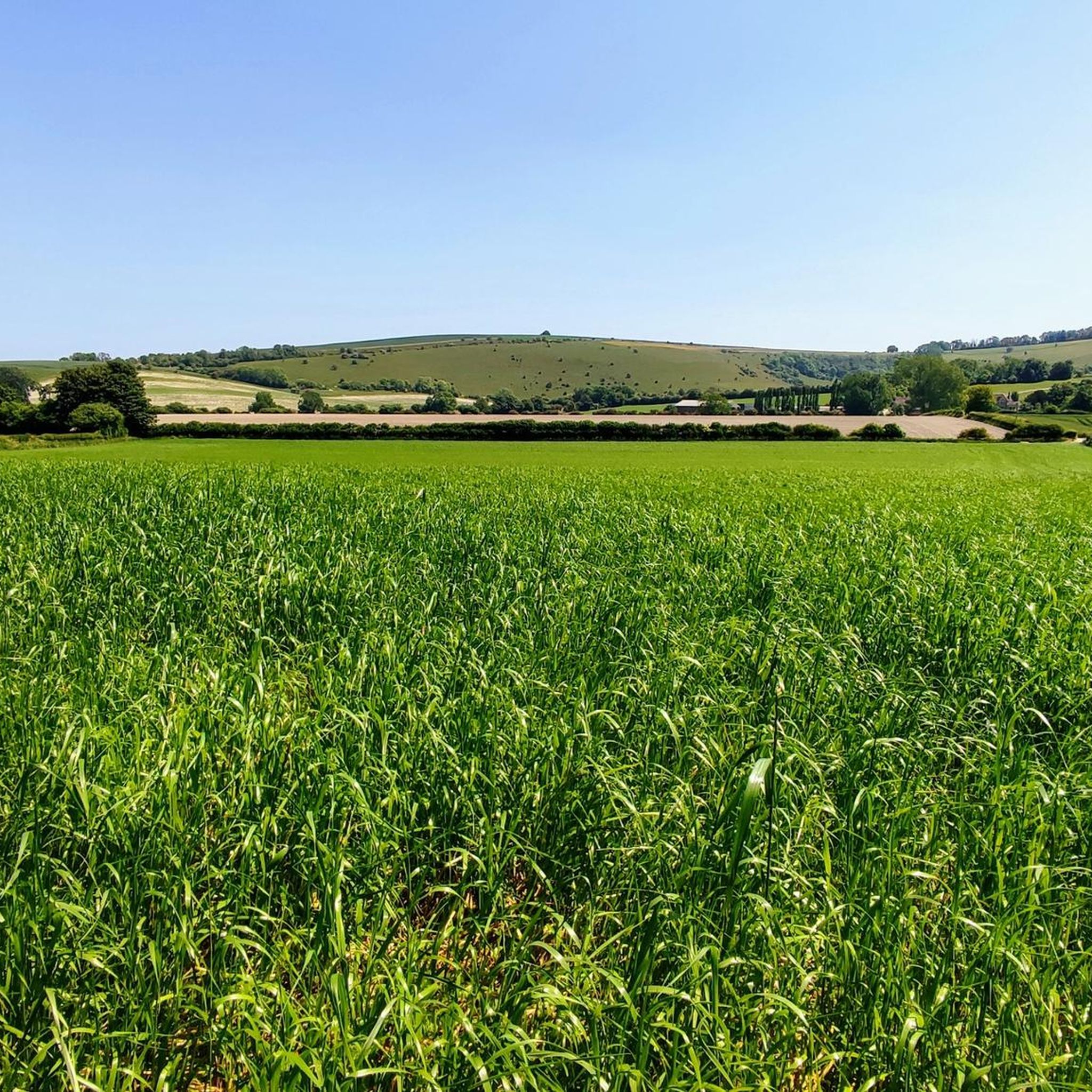
One of the most beautiful places in the south of England 🏴 and amazing views of Wiltshire and Dorset 🤩
0
0

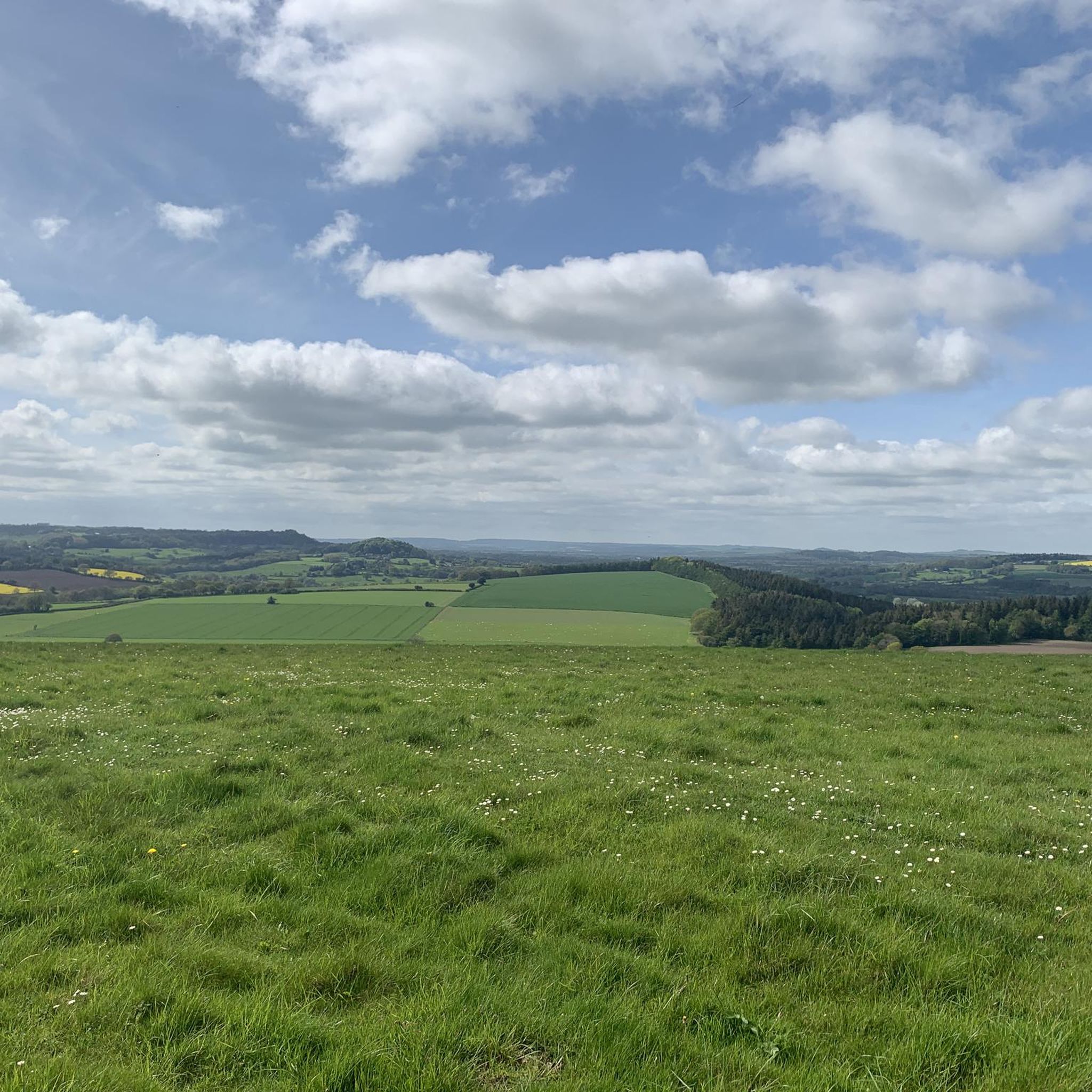
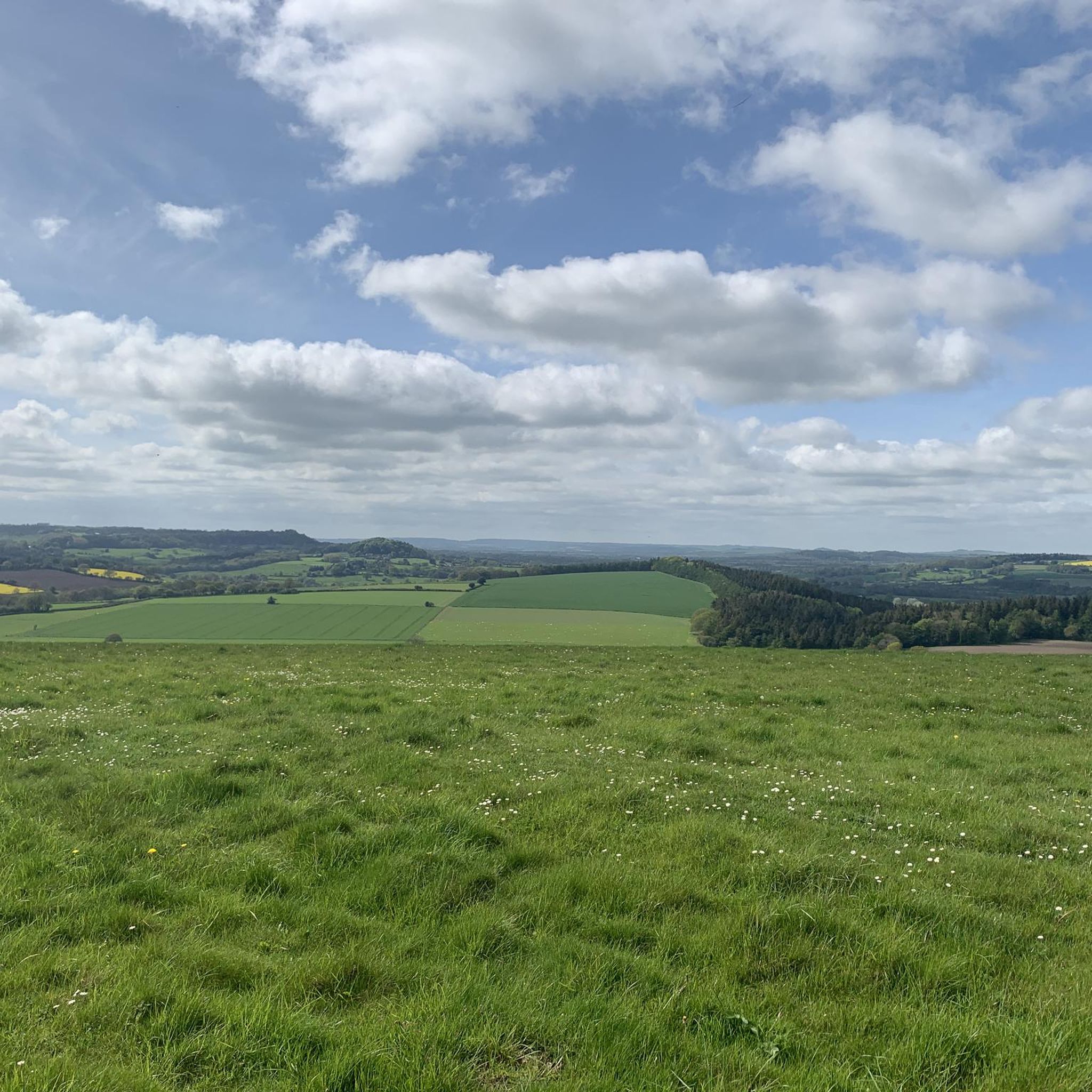
Win Green at 277 m is the highest point on Cranbourne Chase. The tree topped summit also has a Bronze Age hill barrow, topography stone and trig point. Lots of great running loops from here as well as easy parking close by.
0
0
Walk here in the spring to find carpets of bluebells under the trees. The woods are great for other wildflowers as well, such as celandines, primroses and the tall spears of great mullein and foxgloves.
1
0
Win Green hill at 277m is the highest point on Cranborne Chase. The trig point affords panoramic views apart from the bit blocked by the little clump of trees on the summit. The beech trees are growing on a Bronze Age bowl barrow. It's managed by the National Trust and is often busy because it's close to a car park. Still very nice though!
0
0

This is a great 6 mile 2 hour walk running through the glorious Rushmore Estate. Not a road to cross or walk on except those in the estate. Nice for dogs but they need to be kept on a lead for part of the walk due to animals.
2
0

Fontmell Down was bought by the National Trust in memory of English novelist and poet Thomas Hardy, to protect the landscape in which his novels of the Blackmore Vale are set. On this short walk you will discover an open expanse of flowery downland, excellent butterfly populations and magnificent views in all directions.
0
0
Frequently Asked Questions
What are some notable natural features and viewpoints in the Donhead St. Andrew area?
The region offers several prominent natural features. You can experience breathtaking panoramic views from Win Green Summit, the highest point in Cranborne Chase, which also features a Bronze Age bowl barrow. Another excellent viewpoint is Fontmell Down, known for its extensive views across the Blackmore Vale. Knowle Hill also provides scenic vistas across Cranborne Chase.
Where can I find diverse wildlife and ecosystems around Donhead St. Andrew?
For wildlife enthusiasts, Gutch Common is a Site of Special Scientific Interest (SSSI) recognized for its valuable mosaic of woodland, wet flushes, and grassland, where you might spot great spotted woodpeckers and bullfinches. Oysters Coppice Nature Reserve is another beautiful ancient woodland managed for conservation, offering a tranquil setting to observe local flora and fauna. Fontmell Down is also a SSSI, known for its rich biodiversity and excellent butterfly populations on its chalk downland.
Are there specific places to see wildflowers, like bluebells, in the area?
Yes, for a stunning display of wildflowers, visit the Bluebell Fields in Cranborne Chase & West Wiltshire Downs. The best time to see carpets of bluebells under the trees is typically in late April. These woods are also home to other wildflowers such as celandines, primroses, and foxgloves.
Do any natural monuments in the area have historical significance?
Several natural sites blend natural beauty with history. Win Green Summit is crowned by beech trees atop a Bronze Age bowl barrow. Whitesheet Hill, part of an ancient ridgeway, features a 1756 guide post and is rich in Neolithic and Early Bronze Age archaeological remains. Fontmell Down also has historical earthworks, including remnants from a 1930s golf course and was a site of protest during the English Civil War.
What outdoor activities can I do near these natural monuments?
The area around Donhead St. Andrew is excellent for various outdoor activities. You can find numerous hiking trails, including moderate routes like the 'Tollard Royal & Berwick Down loop from Win Green'. For running, there are trails such as the 'Win Green Summit loop from Tollard Royal'. Explore more options on the Hiking around Donhead St. Andrew and Running Trails around Donhead St. Andrew guide pages.
Are there family-friendly natural monuments to visit?
Yes, Win Green Summit is considered family-friendly, offering expansive views and space to explore. The Bluebell Fields in Cranborne Chase & West Wiltshire Downs are also a lovely family-friendly option, especially during spring when the wildflowers are in bloom.
Are there dog-friendly walks around the natural monuments?
Many of the natural areas around Donhead St. Andrew are suitable for dog walking. For example, the area around Win Green Summit is great for dogs, though they may need to be kept on a lead in certain sections due to animals. The extensive network of footpaths throughout the Cranborne Chase generally welcomes dogs, but always be mindful of livestock and local regulations.
When is the best time to visit the natural monuments in Donhead St. Andrew?
The best time to visit depends on your interests. Spring (especially late April) is ideal for seeing wildflowers, particularly the bluebells at Bluebell Fields. Summer offers pleasant weather for hiking and enjoying the panoramic views. Autumn brings beautiful foliage to the woodlands, while winter can offer crisp, quiet walks with clear views, though paths may be muddy.
Is parking available at the natural monuments?
Parking is generally available at or near many of the natural monuments. For instance, there is easy parking close to Win Green Summit, making it convenient for visitors to access. For other locations, roadside parking or small car parks are often found, but it's always advisable to check local signage.
Are there easy walks suitable for all abilities near Donhead St. Andrew's natural monuments?
Yes, there are several easy walks in the vicinity. You can find routes like the 'Old Wardour Castle – New Wardour Castle loop from Ansty' or the 'Fonthill Lake – Beckford Pub loop from Tisbury'. These are generally shorter and less strenuous. For more options, refer to the Easy hikes around Donhead St. Andrew guide.
What geological features are prominent in the Donhead St. Andrew region?
The region is characterized by its chalk downland, formed about 100 million years ago from microscopic plants. This is particularly evident at Fontmell Down. The landscape also features steep-sided dry valleys, created by periglacial meltwater erosion during the last Ice Age. Additionally, Donhead St. Andrew is situated within the picturesque River Nadder valley, with the river itself being a significant natural feature.
Most popular routes around Donhead St. Andrew
Most popular attractions around Donhead St. Andrew

Get inspired with the komoot mobile app


Explore more
Extend your search for the best caves by checking out these guides of the top ones around Donhead St. Andrew:
