Top 5 Natural Monuments around Semington
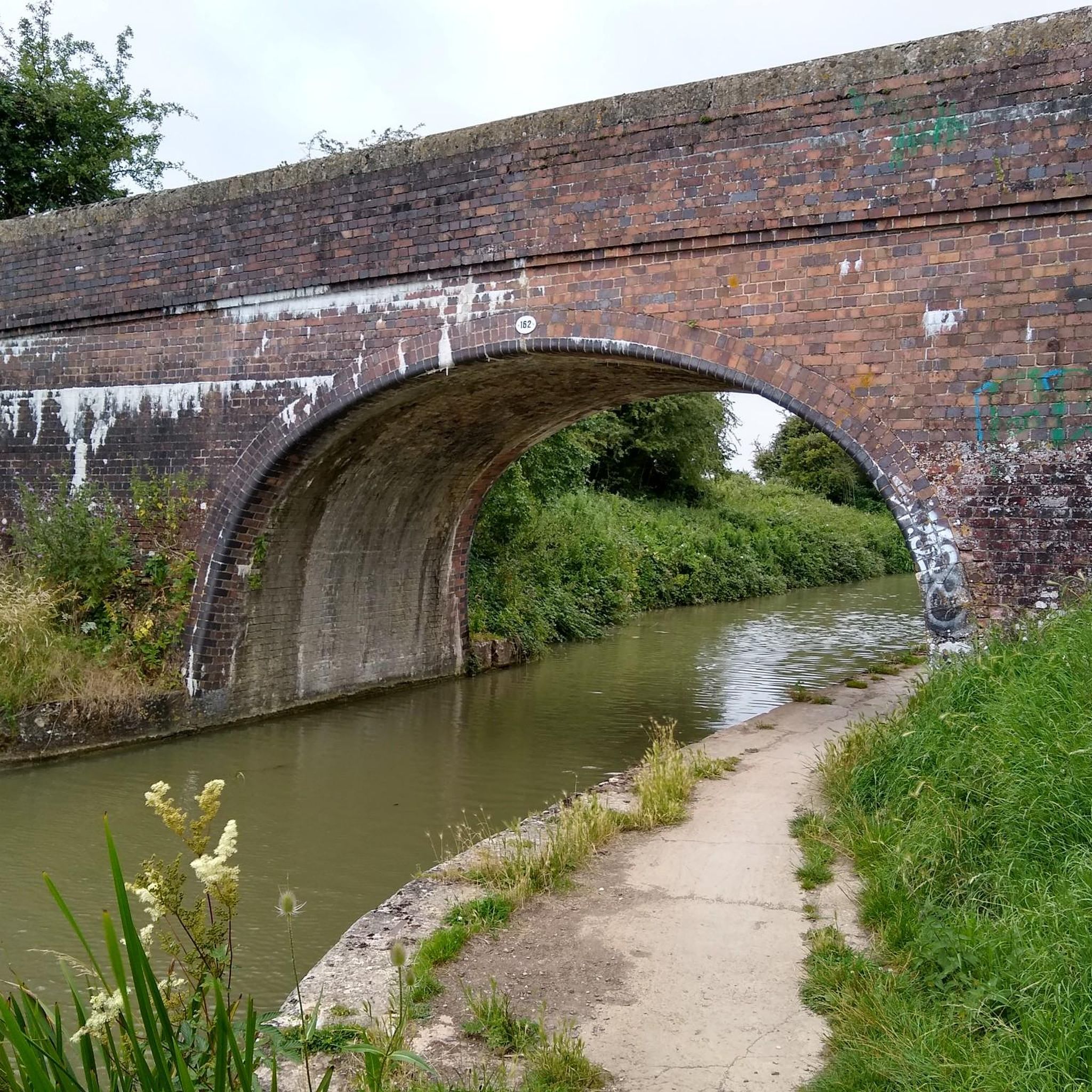
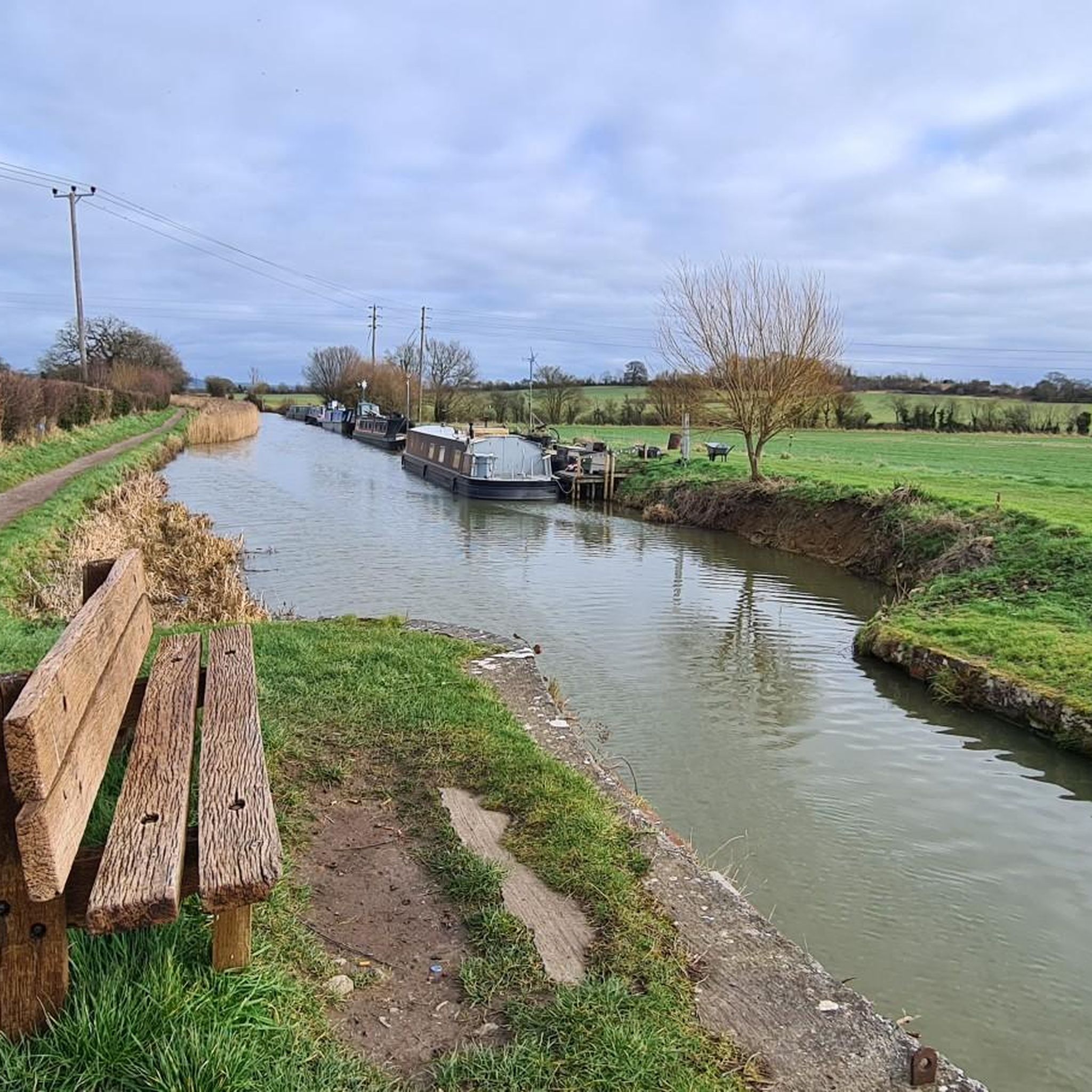
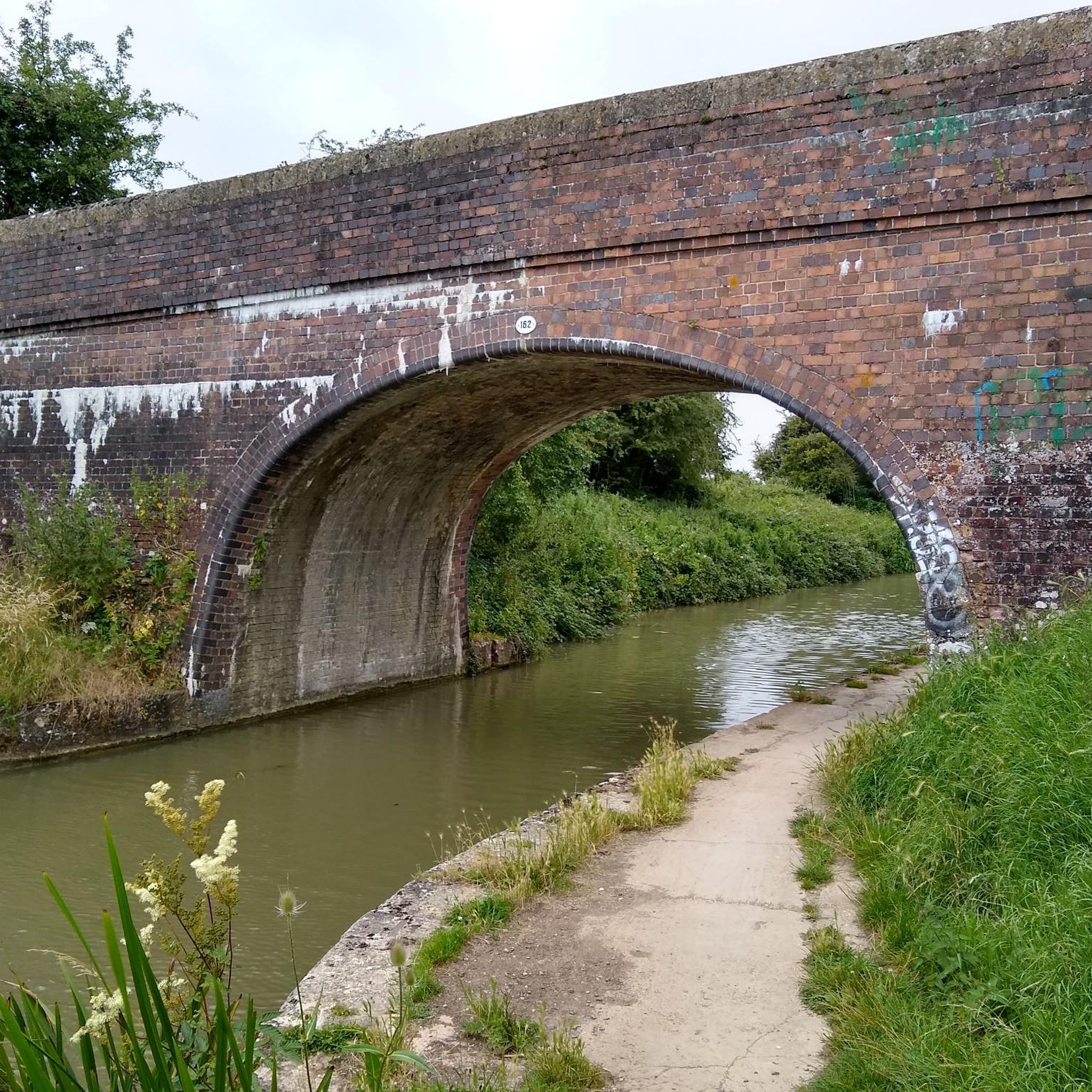
Best natural monuments around Semington include significant natural features and historical sites. The area is characterized by the Kennet and Avon Canal, a historic waterway that integrates with the natural landscape and features two locks. Semington Brook, a tributary of the River Avon, defines parish boundaries and is part of a nationally important river system. These natural features offer opportunities for wildlife observation and outdoor activities.
Best natural monuments around Semington
- The most popular natural monuments is Bratton Camp and…
Last updated: August 10, 2026
Westbury White Horse
Highlight • Natural Monument
Today the hill's most defining feature is the striking …
Tip by

Bratton Camp and Long Barrow
Highlight • Viewpoint
Tip by

Sign up now to discover places like this
Get recommendations on the best single tracks, peaks, & plenty of other exciting outdoor places.
Sign up for free
View from Roundway Down
Highlight • Viewpoint
Tip by

View of Westbury White Horse
Highlight • Climb
From Bratton it's steady until the final kick, from …
Tip by

Tellisford Weir on the River Frome
Highlight (Segment) • River
Tip by

Start today with a free account
Your next adventure awaits.
Login or Signup
Tips from the Community

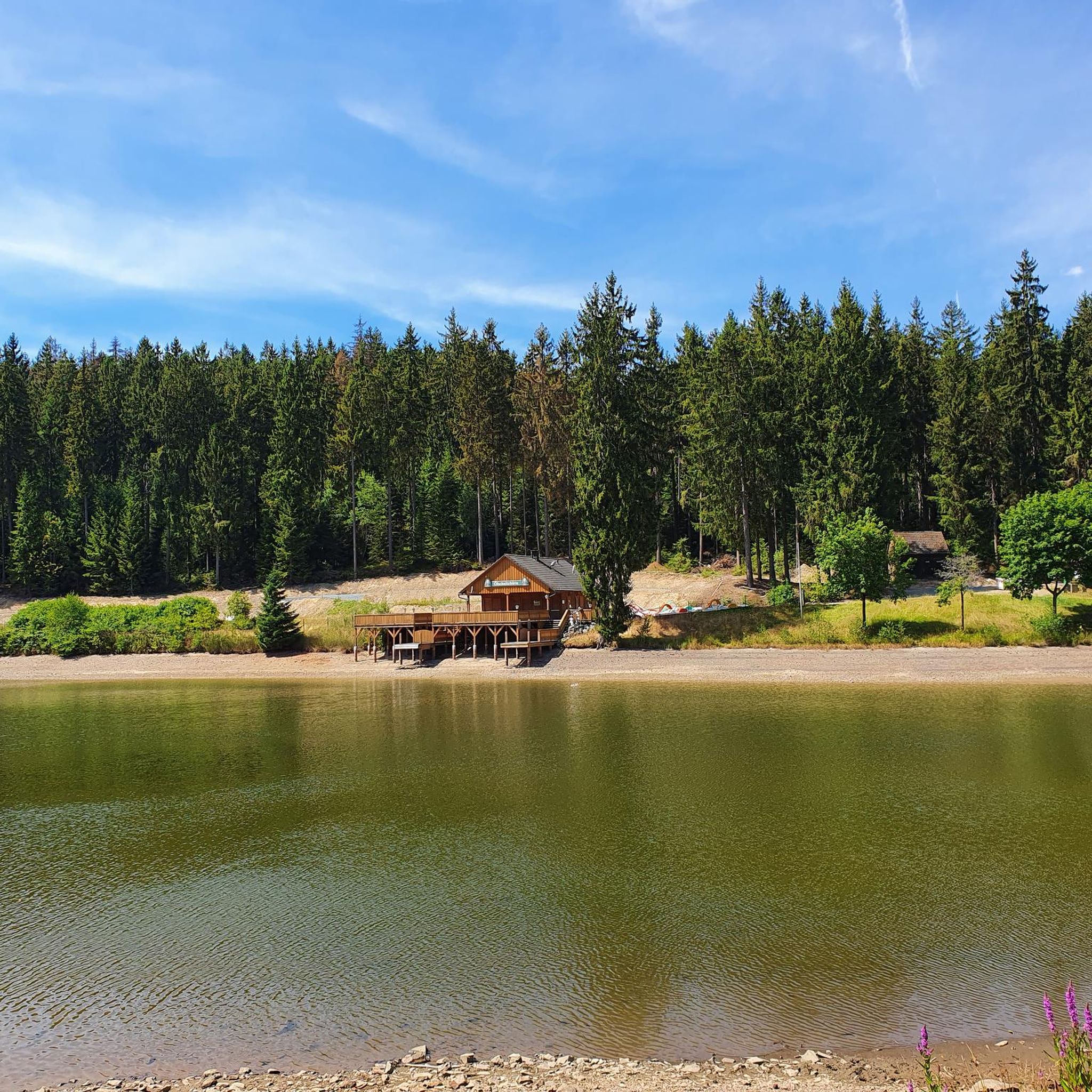
The path along this section of the river Frome between Tellisford Mill and Langham Farm where you join a track to Rode is a lovely run. The grassy field is a nice surface, but it does get a bit wet in the winter. The weir is a popular swimming spot but gets very busy in the summer and you aren't allowed to swim here as the weir gets damaged and affects the working of the mill.
1
0
The oldest of the Wiltshire white horses this was originally cut in 1772 and restored in 1778. There was evidence of an older horse here facing the other way, but no strong evidence suggests how old that was. In 1872/1873 the horse was considered to be losing its shape, it was re cut and edging stones added. In 1957 the horse was concreted to preserve it. For the runner the trails around the top of the horse are great fun and the 33-mile Imber trail also passes here. There are nice loops from the car park above the horse or from nearby Westbury.
1
0

Roundway Down is an Iron Age hill fort that can be seen for many miles around. This steep-sided, wildlife-rich chalk grassland down has fantastic views from the top. It's also a great place to spot wildflowers and butterflies in summer.
0
0

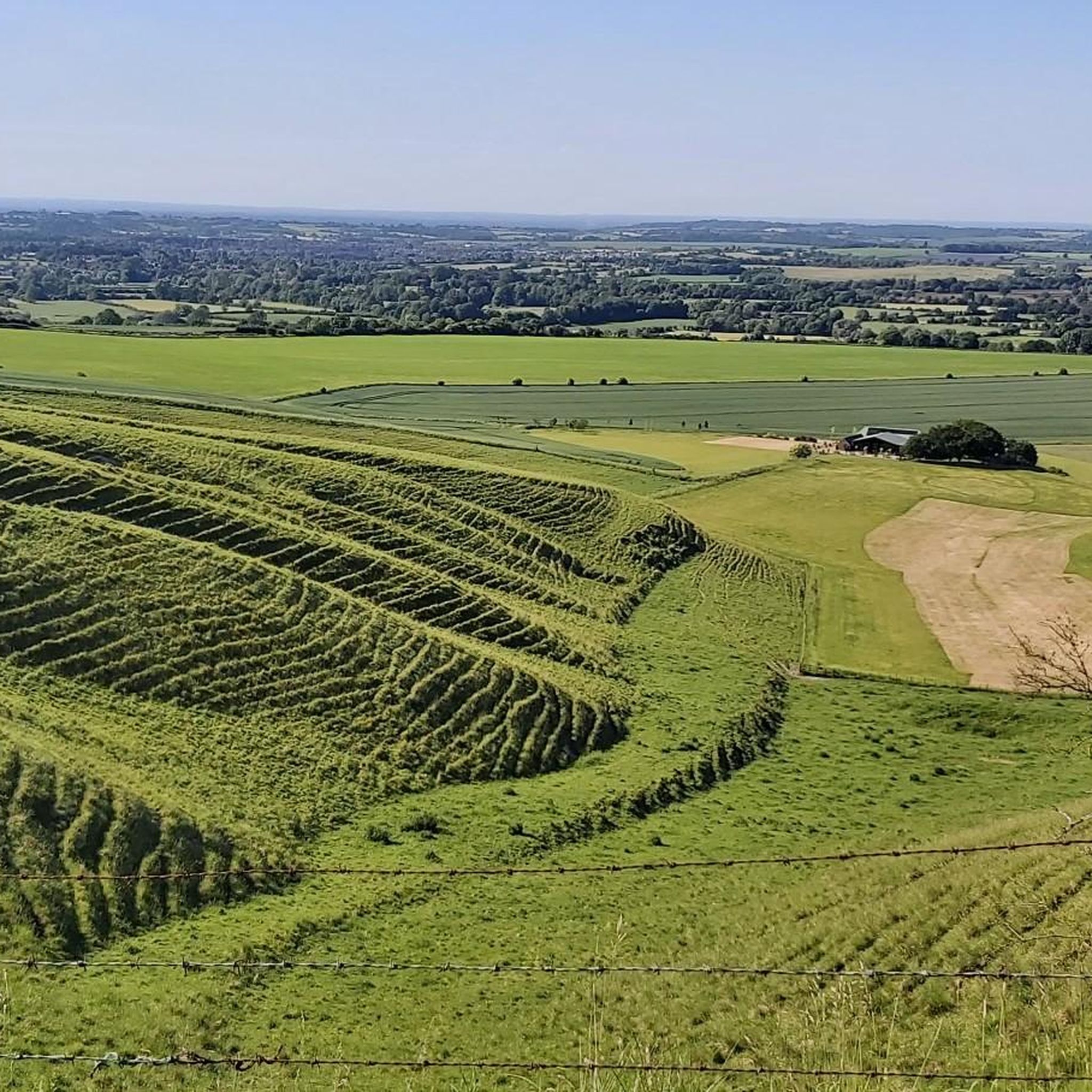
There are over 1,200 hillforts in England, most of which occupy fantastic viewpoints and Bratton Camp hillfort is no different. In fact, it has a truly extraordinary vistas from its earthen ramparts. The camp sits just on the ridge between Westbury and Bratton, and immediately above the Westbury White Horse. There's a long barrow within the castle's fortifications estimated to be around 5,000 years old.
0
0

Watch out for dogs walkers in this popular spot. There are many trails and dogs and walkers can come from any direction. Also look out as you head from the open areas into the thick trees at dusk as you may suddenly find you can see the cross cross Or roots under your wheels.
0
0

Westbury White Horse was originally cut in the late 1600s and is the oldest white horse in Wiltshire. From this spot, you are afforded lovely views.
1
0

Bratton Camp was originally an Iron Age hill fort built over 2,000 years ago to defend the settlement from its enemies. Today the hill's most defining feature is the striking white horse cut into its slopes. Records suggest that the horse was made at the end of the 17th century to commemorate the Battle of Ethandun. Despite its turbulent past, Bratton Camp is now a relaxing place to take a stroll. The chalk grassland is teeming with wildlife and insects. Look out for the rare Adonis Blue butterfly which can be found here. You can visit any time during daylight hours. Entrance is free.
1
0

Don’t forget to look around you. If you’re legs are up for it you can even ride up!
0
0
Frequently Asked Questions
What are some of the most popular natural monuments to visit around Semington?
The Semington area offers a blend of historical and natural sites. Highly regarded spots include Bratton Camp and Long Barrow, an Iron Age hillfort with extraordinary vistas and a 5,000-year-old long barrow. Another must-see is Westbury White Horse and Bratton Camp, offering outstanding views and a glimpse into ancient history. For a different perspective, visitors also enjoy the View of Westbury White Horse from Lower Westbury Road.
What kind of natural features can I expect to see in the Semington area?
Semington is characterized by its waterways and surrounding chalk downland. The prominent natural features include the historic Kennet and Avon Canal, with its locks and rich wildlife along the banks, and the Semington Brook, a vital tributary of the River Avon system. You'll also encounter chalk grassland, which is home to diverse flora and fauna, particularly around the ancient hillforts.
What historical significance do the natural monuments around Semington hold?
The natural monuments in Semington are deeply intertwined with history. Sites like Bratton Camp are Iron Age hillforts, carved into the chalk downland over 2,000 years ago, with evidence of even older Neolithic long barrows. The iconic Westbury White Horse, located below Bratton Camp, dates back to the late 1600s and is thought to commemorate the Battle of Ethandun. The Kennet and Avon Canal itself is a significant historical asset, built between 1794 and 1810.
Are there opportunities for walking or hiking near Semington's natural monuments?
Yes, the area around Semington offers excellent opportunities for walking and hiking. The towpath along the Kennet and Avon Canal provides scenic, relatively flat routes suitable for various abilities. You can find numerous trails, including those leading to viewpoints like Roundway Down, an Iron Age hill fort with fantastic views. For more detailed route information, you can explore the hiking guide for Semington.
Can I go cycling near the natural monuments in Semington?
Absolutely. The Kennet and Avon Canal towpath is a popular route for cyclists, offering a mostly flat and picturesque journey. You can also find gravel biking routes that incorporate the natural monuments and surrounding countryside. For specific cycling routes and their difficulty, refer to the gravel biking guide for Semington.
What kind of wildlife can I spot around Semington's natural areas?
The waterways and chalk grasslands around Semington are rich in wildlife. Along the Kennet and Avon Canal, you might spot water voles and otters, indicating a healthy aquatic ecosystem. The Semington Brook, part of the River Avon System, is known for its diverse aquatic plants, fish, and invertebrates. Recently, beavers have also been discovered living on the River Avon and its tributaries, including the Semington Brook. The chalk grasslands, such as those around Bratton Camp, are home to many important plants that provide habitats for insects, including the rare Adonis Blue butterfly and the scarce forester moth.
When is the best time to visit the natural monuments around Semington?
The best time to visit depends on your interests. Spring and summer (April to September) are ideal for wildlife spotting, enjoying wildflowers, and outdoor activities like walking and cycling, with longer daylight hours. Autumn offers beautiful foliage, while winter can provide crisp, clear views, though some paths might be muddy. The canal towpath is generally accessible year-round.
Are the natural monuments around Semington suitable for families?
Many natural monuments and areas in Semington are family-friendly. The Kennet and Avon Canal towpath offers easy, flat walks suitable for all ages, and children often enjoy watching the boats and wildlife. Viewpoints like the View of Westbury White Horse from Lower Westbury Road are easily accessible. The historical sites provide educational opportunities, though some hillforts may involve steeper climbs.
Are there dog-friendly options for exploring natural monuments in Semington?
Yes, the natural areas around Semington are generally dog-friendly. The Kennet and Avon Canal towpath is a popular choice for dog walks, offering plenty of space. Many of the trails around the hillforts and chalk downs also welcome dogs, but it's always advisable to keep them on a lead, especially near livestock or sensitive wildlife habitats, and to clean up after them.
How long should I plan to spend exploring the natural monuments in Semington?
You can spend anywhere from a couple of hours to a full day, depending on your interests. A short walk along the Kennet and Avon Canal or a visit to a single viewpoint might take 1-2 hours. To explore multiple sites like Bratton Camp, the Westbury White Horse, and enjoy a longer canal walk, you could easily spend half a day or more. Many visitors combine these with a picnic or a stop at a local pub.
Are there any accessible natural sites in Semington?
The Kennet and Avon Canal towpath offers relatively flat and well-maintained surfaces, making it one of the most accessible natural features in the area for those with mobility considerations. While some of the hillforts involve steeper terrain, the canal provides a good option for enjoying the natural environment.
What is the Kennet and Avon Canal's role as a natural monument in Semington?
The Kennet and Avon Canal is a significant natural monument in Semington, not just for its historical engineering but also for its ecological value. It's designated as a County Wildlife Site due to the rich wildlife found along its banks, towpath, and adjacent hedges. It serves as a vital corridor for various species, including water voles and otters, and offers a tranquil setting for enjoying nature and recreational activities like walking, cycling, and boating.
What makes the Semington Brook an important natural feature?
The Semington Brook is an integral part of the broader River Avon System, which holds national and international importance for wildlife, designated as a Site of Special Scientific Interest (SSSI) and a Special Area of Conservation (SAC). It boasts over 180 species of aquatic plants, a diverse fish population, and rich invertebrate fauna. The recent re-emergence of beavers, building dams along the brook, further highlights its ecological significance and contribution to a thriving natural habitat.
Most popular routes around Semington
Most popular attractions around Semington

Get inspired with the komoot mobile app


Explore more
Extend your search for the best caves by checking out these guides of the top ones around Semington:
