Top 5 Natural Monuments around Winterslow
Best natural monuments around Winterslow include a diverse range of natural and historical features. The village of Winterslow, situated in Wiltshire, England, is surrounded by woodlands and ancient earthworks. This area offers opportunities to explore significant ecological sites and historical landscapes.
Best natural monuments around Winterslow
- The most popular natural monuments is Danebury Iron Age hill fort, a historical site and natural monument that features visible ramparts from its 2500-year-old history. It offers views from its elevated position.
- Another must-see spot is Langley Nature Reserve, a nature reserve and ancient woodland where coppicing was historically important. This reserve provides insights into woodland management and offers a valuable source of timber.
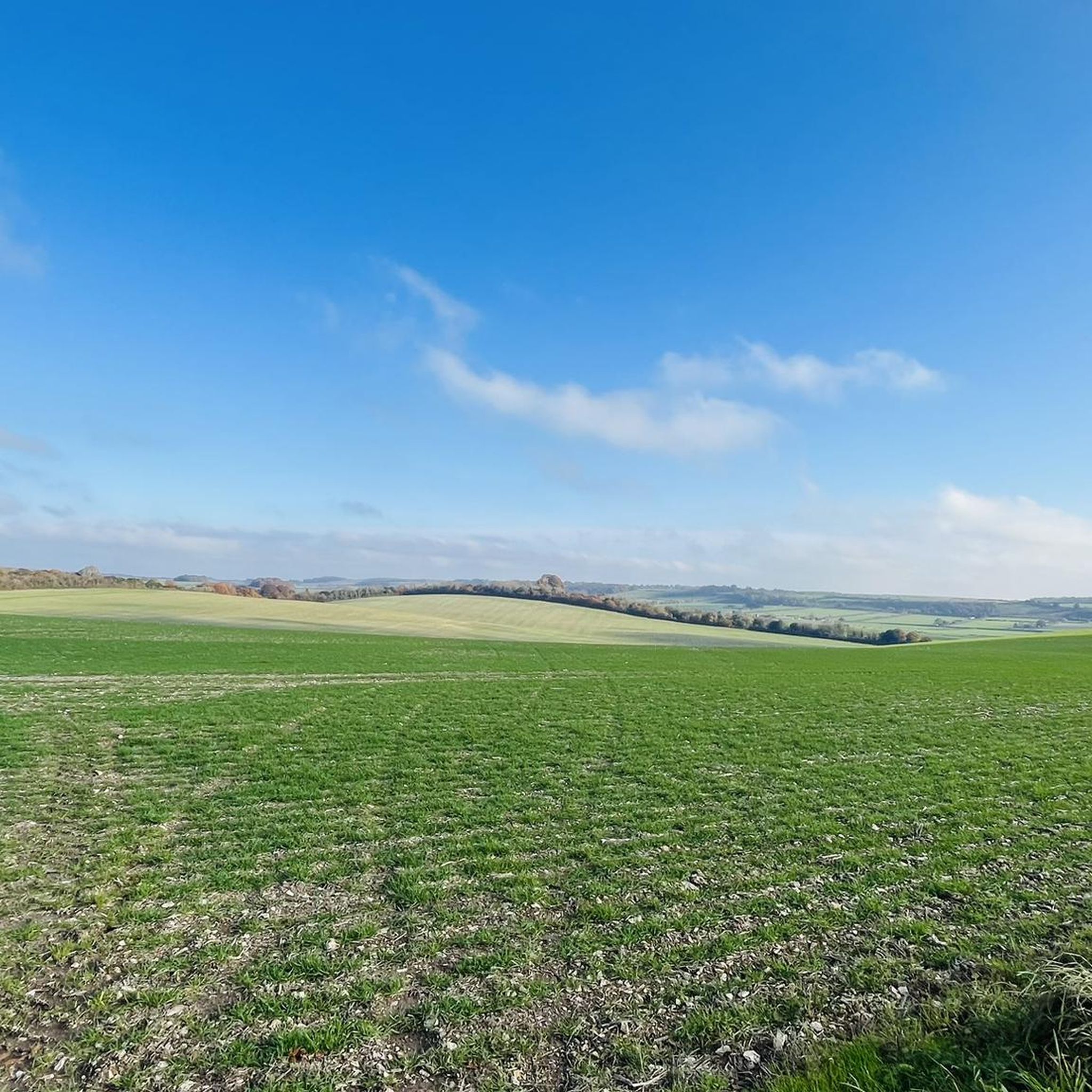
- Visitors also love Figsbury Ring, an Iron Age hill fort and viewpoint. This site affords views over Salisbury Plain, Old Sarum, and Salisbury Cathedral.
- Winterslow is known for ancient woodlands, historical hill forts, and nature reserves. The area provides a variety of natural monuments to see and explore, blending ecological significance with historical landscapes.
- The natural monuments around Winterslow are appreciated by the komoot community, with 9 upvotes and 4 photos shared by visitors.
Last updated: November 14, 2026
Langley Nature Reserve
Highlight • Natural Monument
The reserve's ancient woodlands have a long history of management and would have provided local people with a valuable source of timber, wood fuel, forage for pigs (known as pannage) and grazing for livestock. Coppicing was particularly important, and as you walk through the reserve look for old banks and ditches that mark the boundary of coppice enclosures.
Coppicing is the method of cutting trees such as hazel or oak to ground level on a regular cycle. This produces fast-growing shoots for fodder, firewood and making charcoal.
Tip by

Danebury Iron Age hill fort
Highlight • Historical Site
Tip by

Sign up now to discover places like this
Get recommendations on the best single tracks, peaks, & plenty of other exciting outdoor places.
The Bulford Kiwi Chalk Figure
Highlight • Viewpoint
The kiwi covers 1.5 acres (6,100 m sq) and is hard to see, as the military camp takes up much of the land below the hill. There is a good viewing point from the Bulford Droveway whilst you'll find an information board here, at the top of the kiwi's head.
Tip by

Figsbury Ring
Highlight • Viewpoint
Tip by

White Hill, Pitton
Highlight (Segment) • Climb
Tip by

Sign up for free to discover even more natural monuments around Winterslow.
Already have an account?
Start today with a free account
Your next adventure awaits.


Tips from the Community

The Bulford Kiwi is a large depiction of a kiwi, carved in the chalk on Beacon Hill above the military town of Bulford on Salisbury Plain in Wiltshire, England. It was created in 1919 by soldiers of the New Zealand Expeditionary Force who were awaiting repatriation following the end of the First World War. It is one of the few hill figures in Wiltshire to be neither a white horse nor a military badge.
0
0

Steep part ends just after the national speed limit signs, still very good road surface.
0
0

Strangely stumbled across this place as was driving to another location. So glad I turned off road and followed the sign to it.
0
0

The nature reserve was part of a group of Royal Forests until the 16th century when, unlike the New Forest, they declined and reverted to farmland and landscaped parks. The reserve's ancient woodlands have a long history of management and would have provided local people with a valuable source of timber, wood fuel, forage for pigs (known as pannage) and grazing for livestock. Coppicing was particularly important, and as you walk through the reserve look for old banks and ditches that mark the boundary of coppice enclosures. Coppicing is the method of cutting trees such as hazel or oak to ground level on a regular cycle. This produces fast-growing shoots for fodder, firewood and making charcoal.
2
0
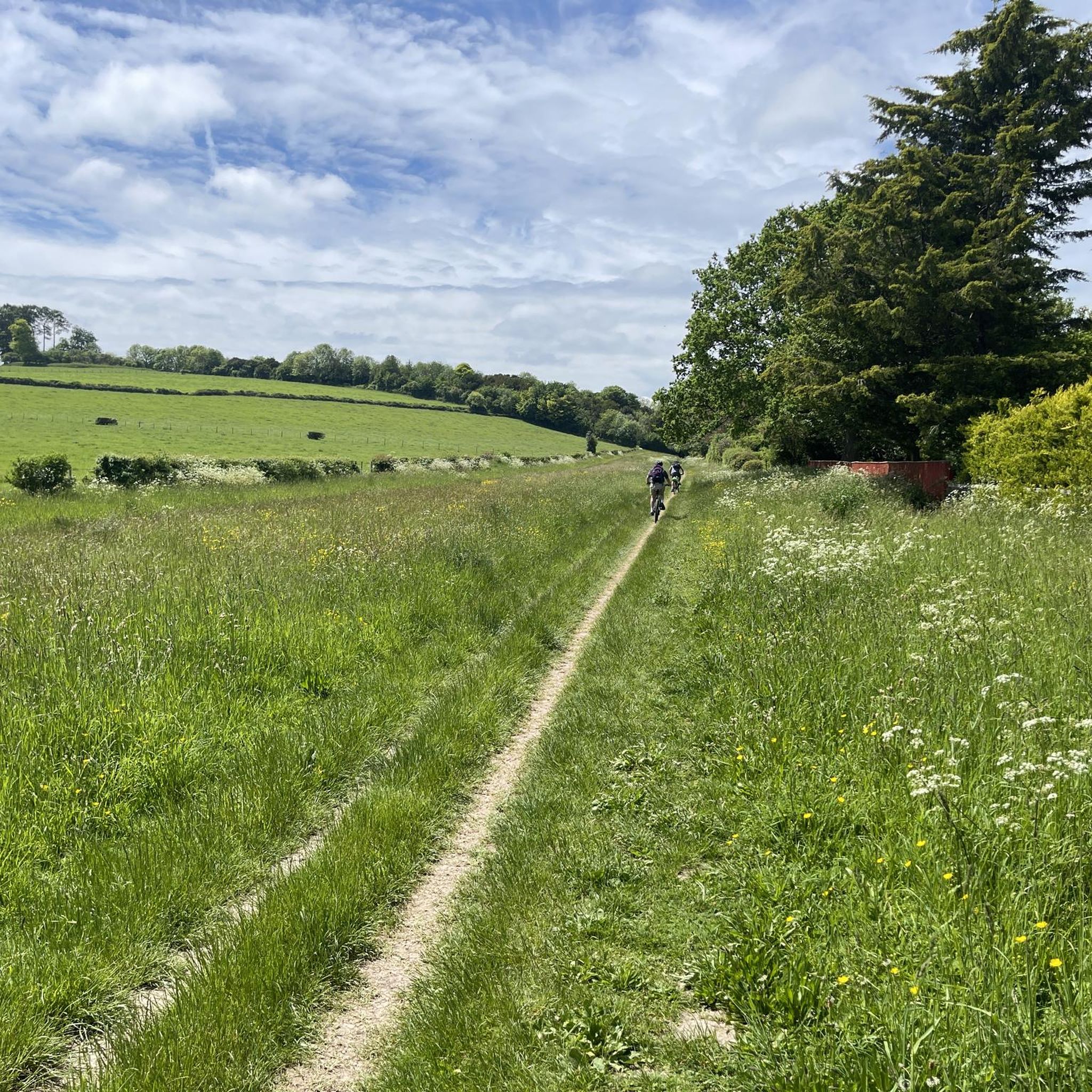
Nice little hill, road surface pretty smooth which makes gradient seem less severe. Steep bit doesn't last long.
1
0

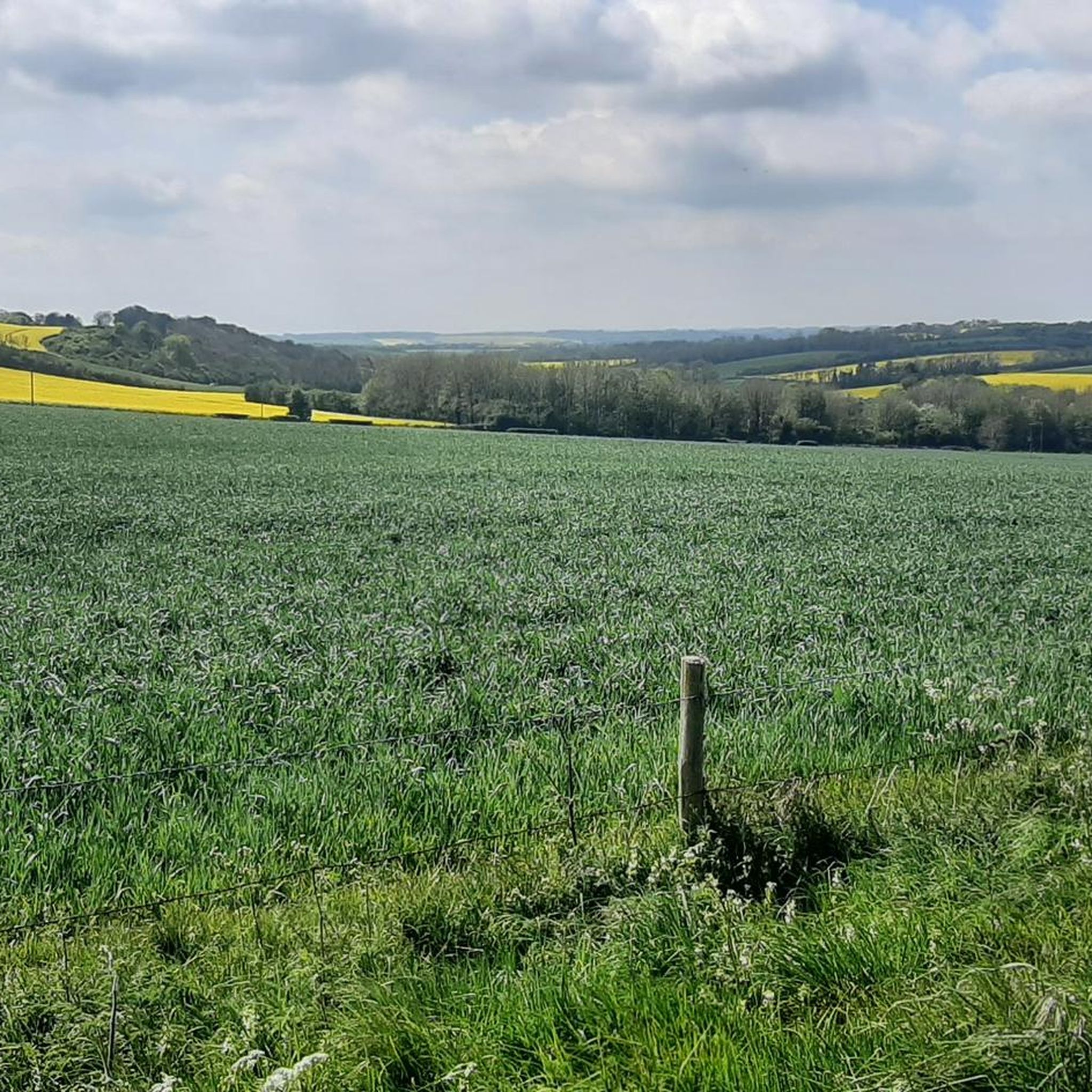
This place is steeped in history. Built 2500 years ago and occupied for nearly 500 years. With the ramparts still very visible. Some lovely views form the top.
0
0

This charming and little-known chalk hill carving was crafted by New Zealand soldiers in 1919, whilst waiting for transport to take them home after the First World War. For months they were trapped in Bulford Camp, which lies just below the kiwi's hill, as transport ships were unavailable. To alleviate the increasing unrest in the camp, the men's commanding officers set them about carving a giant kiwi into the chalk hillside, leaving their mark. The kiwi covers 1.5 acres (6,100 m sq) and is hard to see, as the military camp takes up much of the land below the hill. There is a good viewing point from the Bulford Droveway whilst you'll find an information board here, at the top of the kiwi's head.
0
0

If going downhill make sure you slow down and get on the brakes. If there's a horse rider or lorry round the blind bend at the bottom, you don't want to be flying. Going uphill, excessive speed ain't going to be an issue!
1
0
Frequently Asked Questions
What natural features can I explore around Winterslow?
The Winterslow area offers a rich blend of natural and historical landscapes. You can explore significant ecological sites like Bentley Wood, known for its ancient woodland and exceptional biodiversity, particularly its butterfly and moth populations. Additionally, there are ancient earthworks such as the Bronze Age Bell Barrow and Roman earthworks that have become integral parts of the natural scenery.
What makes Bentley Wood a significant natural monument?
Bentley Wood is a sprawling woodland covering 665 hectares and is designated a Site of Special Scientific Interest (SSSI) due to its rich biodiversity. It's particularly famous for its diverse butterfly and moth species, including six species of British fritillary butterflies. The wood also hosts various wildflowers and wildlife like deer and numerous bird species, making it a unique destination for nature lovers.
Are there opportunities to see wildlife, especially butterflies, near Winterslow?
Yes, Bentley Wood is an excellent place for wildlife observation, especially for butterflies and moths. It's one of the few sites in the UK to support six species of British fritillary butterflies, and rarer species like the Duke of Burgundy and purple emperor can also be found. Over three hundred species of moths have been recorded, alongside deer, badgers, foxes, and various bird species.
What historical natural monuments can I visit in the Winterslow area?
The area around Winterslow is rich in historical natural monuments. You can visit Danebury Iron Age hill fort, which features visible ramparts from its 2500-year-old history. Another notable site is Figsbury Ring, also an Iron Age hill fort offering fine views. Additionally, the Bronze Age Bell Barrow and a Roman earthwork contribute to the unique historical landscape.
Are there any ancient woodlands to explore near Winterslow?
Yes, the region boasts ancient woodlands. Langley Nature Reserve is an ancient woodland where coppicing was historically important, providing insights into traditional woodland management. Bentley Wood, though replanted in parts, is situated on the site of an ancient wood that was once part of the Clarendon Royal Hunting Forest, offering a tranquil woodland environment for exploration.
Where can I find walking trails around Winterslow's natural monuments?
Bentley Wood features various paths and tracks, some built during World War II, providing excellent opportunities for walking and exploring the natural environment. For more structured routes, you can find numerous hiking trails around Winterslow, including easy loops like the St John's Church loop or more moderate options like the Roman Road – Buckholt House loop. You can explore these and other options on the Hiking around Winterslow guide.
What outdoor activities are available near these natural monuments?
Besides exploring the natural monuments themselves, the Winterslow area offers a variety of outdoor activities. You can find numerous cycling routes, such as the St John's Church – Lockerley Village Green loop, detailed in the Cycling around Winterslow guide. For runners, there are dedicated running trails, including a moderate loop from Bentley Wood, available in the Running Trails around Winterslow guide.
Are there family-friendly natural monuments around Winterslow?
Yes, several natural monuments are suitable for families. Langley Nature Reserve and Figsbury Ring are both categorized as family-friendly. Figsbury Ring, an Iron Age hill fort, offers fine views and is free to enter, making it a great spot for a family outing. Bentley Wood also provides easy walking paths suitable for families to enjoy nature.
When is the best time of year to visit the natural monuments around Winterslow?
The best time to visit largely depends on your interests. For observing the diverse butterfly and moth populations in Bentley Wood, late spring and summer (May to August) are ideal. Spring also brings wildflowers like primroses and bluebells. The ancient earthworks and hill forts can be visited year-round, though clearer views are often found on crisp, dry days.
What can I expect to see at <a href="https://www.komoot.com/highlight/5082840" target="_blank" rel="noopener">Danebury Iron Age hill fort</a>?
Danebury Iron Age hill fort is a historical site occupied for nearly 500 years, with its ramparts still very visible today. From its elevated position, you can enjoy lovely views of the surrounding landscape. It's a place steeped in history, offering a glimpse into ancient civilizations.
What is <a href="https://www.komoot.com/highlight/6471551" target="_blank" rel="noopener">Langley Nature Reserve</a> known for?
Langley Nature Reserve is an ancient woodland with a long history of management, particularly known for coppicing. This traditional method of cutting trees provided local people with timber, wood fuel, and forage. As you walk through the reserve, you can still see old banks and ditches marking the boundaries of these coppice enclosures, offering a unique insight into historical woodland practices.
Can I see any unique man-made natural monuments in the area?
Yes, you can visit The Bulford Kiwi Chalk Figure. This charming and little-known chalk hill carving was crafted by New Zealand soldiers in 1919 while they awaited transport home after World War I. It covers 1.5 acres and is best viewed from the Bulford Droveway, where an information board is also located.
Most popular routes around Winterslow
Most popular attractions around Winterslow

Get inspired with the komoot mobile app


Explore more
Extend your search for the best caves by checking out these guides of the top ones around Winterslow:
