Top 7 Natural Monuments around Tidcombe And Fosbury
Best natural monuments around Tidcombe And Fosbury are situated within the North Wessex Downs National Landscape, an area known for its rolling downland, ancient woodlands, and chalk streams. The region's chalk geology has shaped its expansive landscapes, supporting diverse habitats. Fosbury Camp, an Iron Age hillfort, integrates natural topography with historical significance. This area offers a blend of ecological and archaeological interest.
Best natural monuments around Tidcombe And Fosbury
- The most popular natural monuments is View of North Wessex Downs…
Last updated: May 19, 2026
Ailesbury Column
Highlight • Historical Site
Tip by

Big Belly Oak
Highlight • Natural
Tip by

Sign up now to discover places like this
Get recommendations on the best single tracks, peaks, & plenty of other exciting outdoor places.
Sign up for free
Devil’s Waistcoat (Kenward Stone)
Highlight • Historical Site
Tip by

Fosbury Hill Fort
Highlight • Historical Site
Tip by
View of North Wessex Downs
Highlight • Natural Monument
Tip by

Sign up for free to discover even more natural monuments around Tidcombe And Fosbury.
Sign up for free
Already have an account?
Start today with a free account
Your next adventure awaits.
Login or Signup

Tips from the Community

Now part of the Collection https://www.komoot.com/de-de/collection/3600632/-naturdenkmaeler-besondere-baeume-und-weitere-schaetze-der-natur
0
0

• Construction Period: Fosbury Hillfort was likely constructed during the Middle Iron Age, probably by the Atrebates tribes. • Occupation: It is generally considered a center of permanent occupation during the Iron Age, from around the 6th century BC to the mid-1st century AD. • Purpose: Hillforts like Fosbury were built for protection and sanctuary, reflecting power struggles and increasing warfare during the Iron Age. They often served as centers for settlement, trade, and industrial activity.
0
0
• Internal Features: Within the camp, there are two natural ponds, believed to be original features, with one reputedly "never run dry." The interior also contains visible field terraces and evidence of storage pits, suggesting an agricultural community. An enigmatic 40ft diameter turf circle is also present, with its purpose debated (possibly a WWII feature or something older). • Ancient Trees: The site is home to ancient oak and beech trees, some with root systems encompassing the banks.
0
0
• Situated in eastern Wiltshire, south of the village of Fosbury, near Marlborough and Hungerford. • Rests on Knolls Down, at a height of 254m AOD (slightly below the summit of Haydown Hill at 258m AOD). • Excellently defended to the south, southwest, and east due to steeply sloped terrain. • To the north, the land is less steep and is largely bounded by Oakhill Wood. • Easily accessible by public footpaths. • Bivallate Defenses: The hillfort is characterized by two concentric lines of earthworks (ramparts and ditches), though it is believed to have never been fully completed. These defenses are particularly impressive on the southwestern arc, offering views into the Hippenscombe valley. • Size: It is an oval-shaped site, covering approximately 26 acres (11 hectares). • Entrances: The main entrance is located on the eastern side, featuring "inturned parallel banks." There's also a "north gate" accessible through Oakhill Wood.
0
0

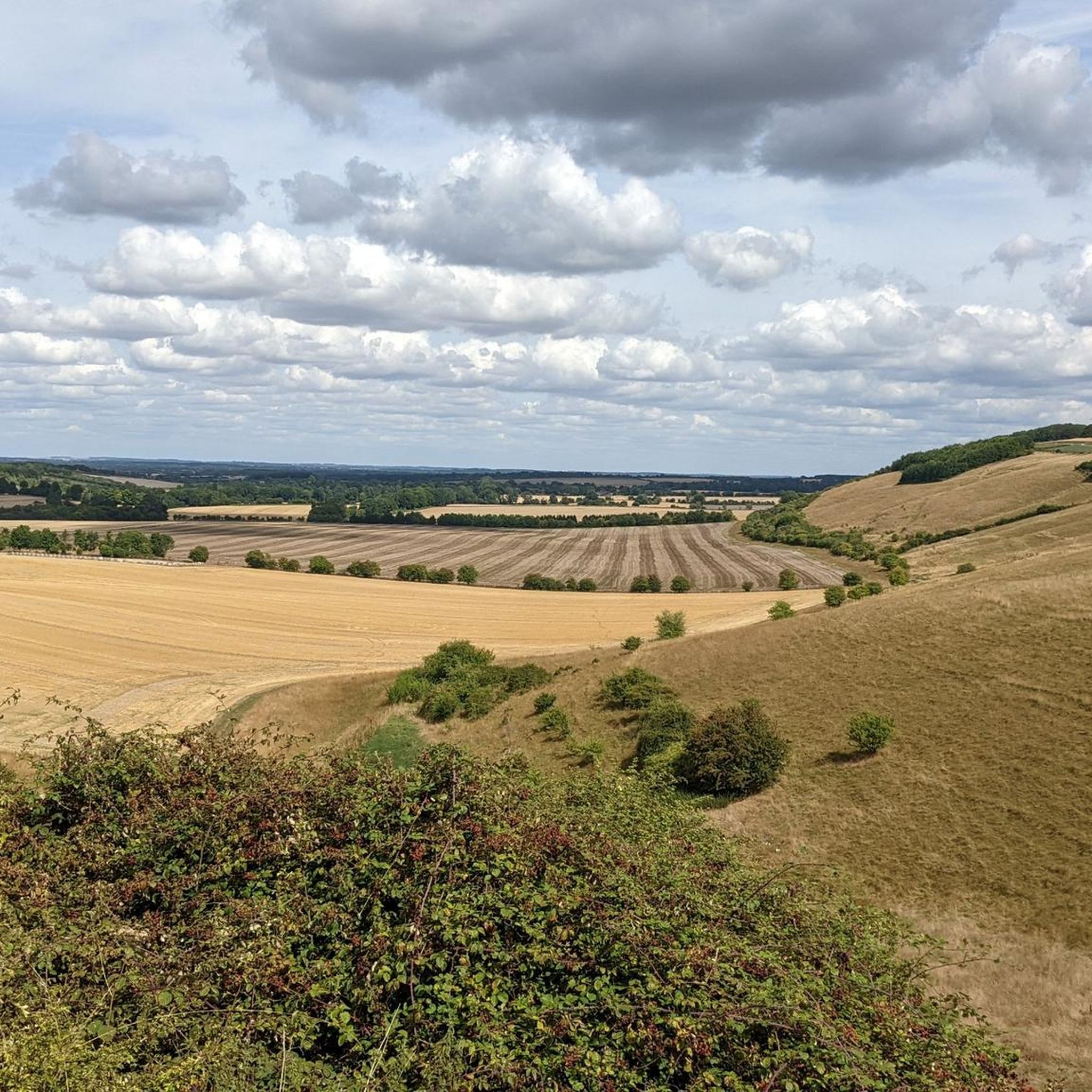
This is an excellent vantage point to enjoy extensive views over the lush rolling hills of England's North Wessex Downs.
1
0

The Big Belly Oak is known as the great grandfather of the historic Savernake oaks, estimated to be around 1,100 years old. This would have meant it sprouted from its tiny acorn at around the time William the Conqueror defeated King Harold in 1066. The Big Belly Oak can be seen at the edge of the A346 between Marlborough and Burbage, but a wander through Savernake Forest is the best way to fully appreciate its impressive age and size.
1
0

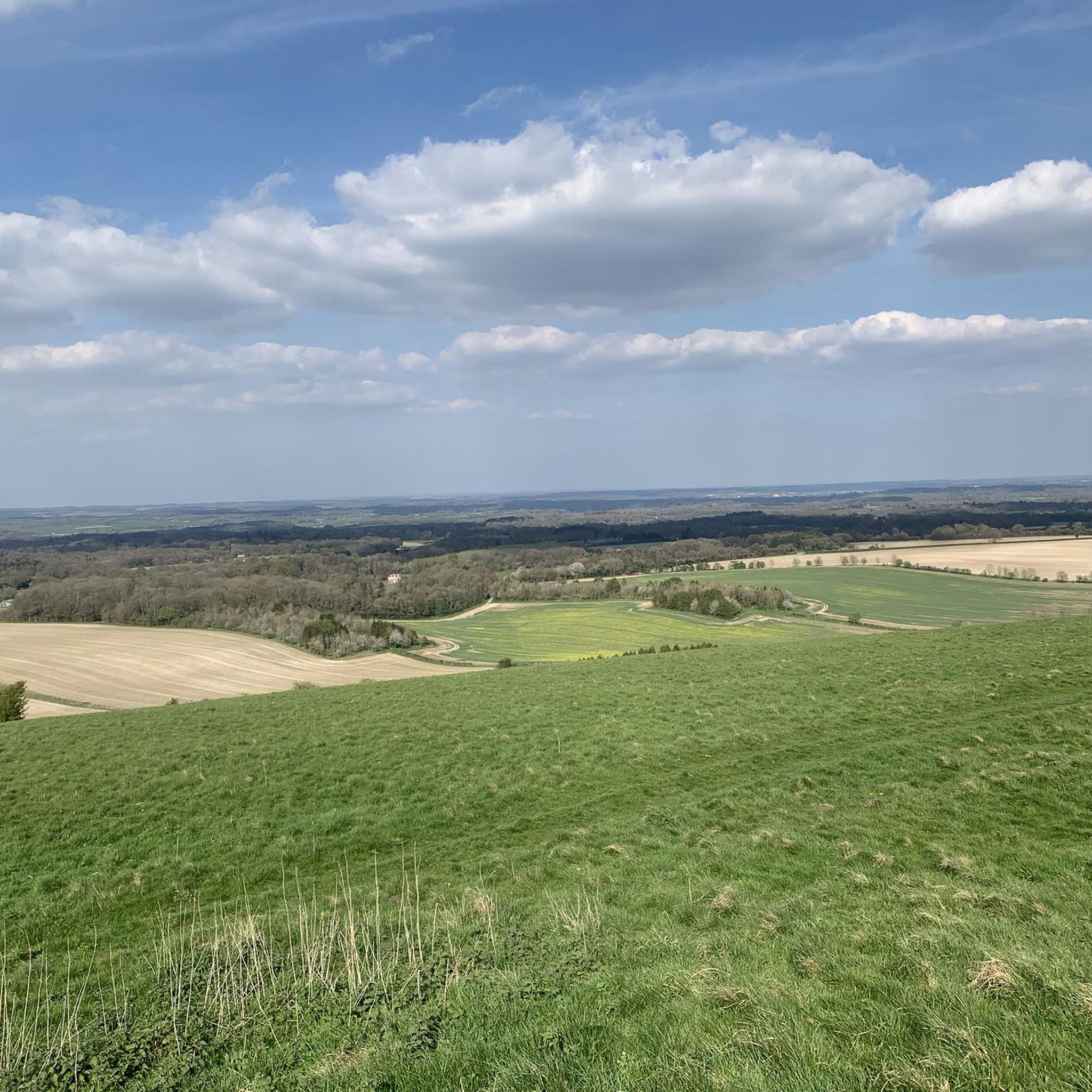
Fosbury hill fort with panoramic view especially over Chute Causeway
0
0
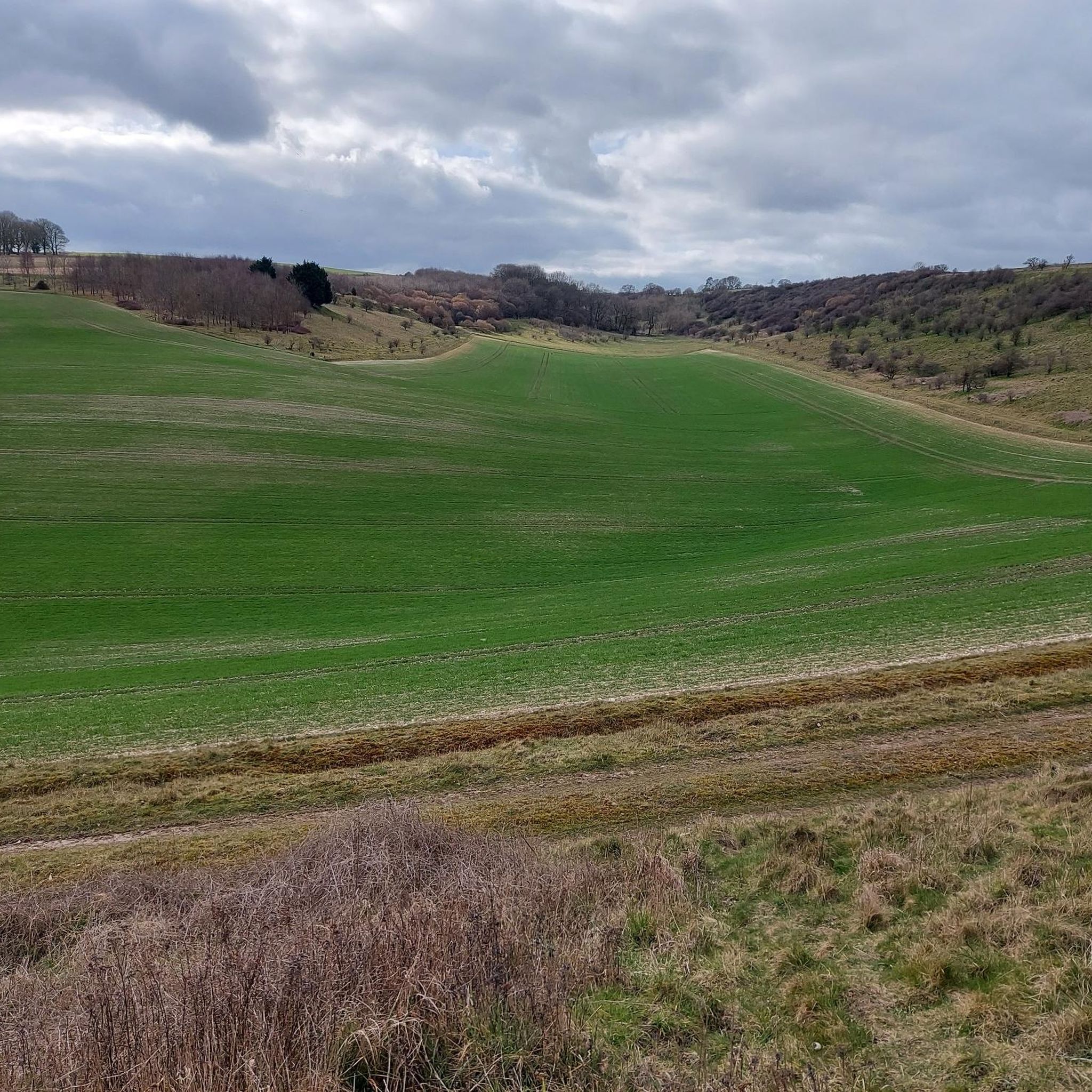
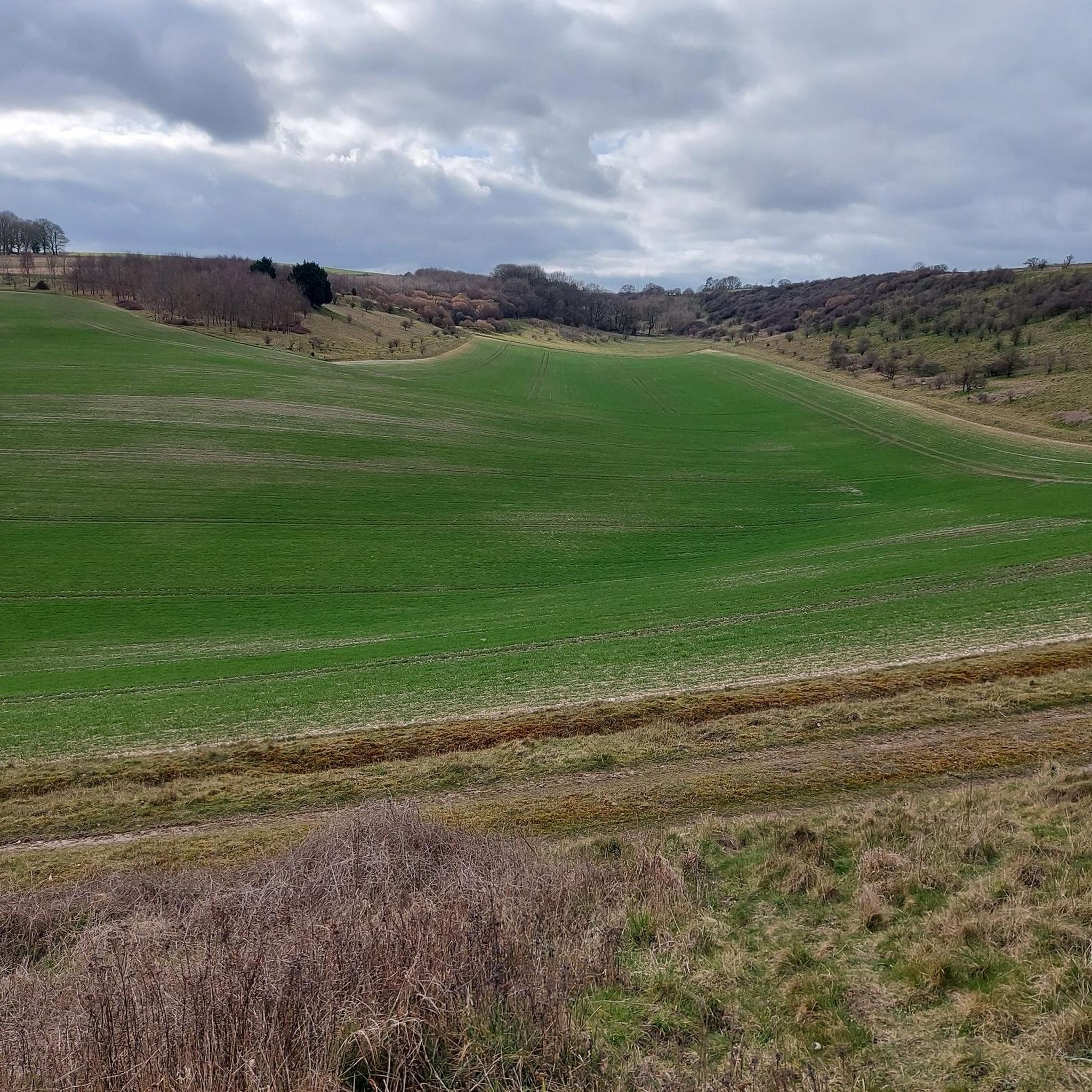
Step off the road and look in the bottom of the shallow depression. Here you will find this mysterious stone. Definitely worth a visit if only to learn about its history and folklore. Also the views from Chute Causeway are superb.
0
0
Frequently Asked Questions
What natural features can I explore around Tidcombe And Fosbury?
The area, nestled within the North Wessex Downs National Landscape, offers diverse natural features. You can experience rolling downland, ancient woodlands, and sparkling chalk streams. Notable natural monuments include the ancient Big Belly Oak, estimated to be around 1,100 years old, and various viewpoints like the View of North Wessex Downs, offering expansive vistas over the lush landscape.
Where can I find the best panoramic views of the North Wessex Downs?
For superb panoramic views, visit Fosbury Hill Fort, which offers extensive views, especially over Chute Causeway. Another excellent vantage point is the View of North Wessex Downs, providing broad perspectives of the region's rolling hills.
Are there historical natural monuments in the area?
Yes, the region is rich in historical natural monuments. Fosbury Hill Fort is a significant Iron Age bivallate hillfort, strategically placed and integrated with natural topography. You can also visit the Ailesbury Column, a limestone column erected in 1781 within Savernake Forest, and the mysterious Devil’s Waistcoat (Kenward Stone), which has its own history and folklore.
What is Fosbury Camp and how can I access it?
Fosbury Camp, also known as Fosbury Hill Fort, is a substantial Iron Age bivallate hillfort located atop Knolls Down. It's a scheduled national monument, notable for its strategic placement, natural slopes, and even natural ponds within its eastern part. The site is easily accessible via public footpaths, allowing visitors to explore its impressive earthworks and enjoy the expansive views.
What kind of wildlife can I expect to see in the North Wessex Downs?
The chalk landscape of the North Wessex Downs supports rich habitats. You might spot various chalk-loving flowers and rare butterflies in the springy chalk grassland. The area is also home to rare bird species such as lapwing, skylark, and stone curlew, particularly in the heathlands and farmland.
Are there hiking trails near the natural monuments?
Yes, the area offers numerous trails for walking enthusiasts. You can find a variety of easy hikes around Tidcombe And Fosbury, including routes that take you through the North Wessex Downs and past landmarks like Wilton Windmill. For more options, explore the Easy hikes around Tidcombe And Fosbury guide.
What other outdoor activities are available near these natural monuments?
Beyond hiking, the region is popular for cycling. You can find various routes for both mountain biking and road cycling. Check out the MTB Trails around Tidcombe And Fosbury guide or the Road Cycling Routes around Tidcombe And Fosbury guide for detailed options.
Are there family-friendly natural monuments or activities?
Many natural monuments in the area are suitable for families. The Big Belly Oak is a fascinating ancient tree that children often enjoy. The View of North Wessex Downs also offers an accessible viewpoint for all ages. Additionally, there are many easy hiking routes that are suitable for families.
What is the best time of year to visit the North Wessex Downs?
The North Wessex Downs offers beauty year-round. Spring brings chalk-loving flowers and butterflies, while autumn provides vibrant colors across the landscape. The tranquil nature of the area makes it rewarding for nature lovers in any season, though walking is particularly pleasant during milder weather.
Are the natural monuments and trails dog-friendly?
The North Wessex Downs National Landscape generally welcomes dogs, especially on public footpaths. However, it's important to keep dogs under control, particularly around livestock and ground-nesting birds. Always check for specific signage at individual sites like Fosbury Camp for any local restrictions.
Is there parking available near the natural monuments?
Parking availability varies by specific natural monument. Many public footpaths and viewpoints within the North Wessex Downs have small car parks or roadside parking nearby. For sites like Fosbury Hill Fort, access is typically via public footpaths, and you may need to park in a nearby village or designated area and walk to the site.
How long should I plan for a visit to the natural monuments?
The duration of your visit depends on which natural monuments you choose to explore. A quick stop at a viewpoint like the View of North Wessex Downs might take 15-30 minutes. Exploring Fosbury Hill Fort and its earthworks could take 1-2 hours, especially if you combine it with a walk. For a comprehensive experience, consider dedicating a full day to exploring multiple sites and trails within the North Wessex Downs.
Most popular routes around Tidcombe And Fosbury
Most popular attractions around Tidcombe And Fosbury

Get inspired with the komoot mobile app


Explore more
Extend your search for the best caves by checking out these guides of the top ones around Tidcombe And Fosbury:
