Top 19 Natural Monuments around Fofannybane
Best natural monuments around Fofannybane are found in the surrounding County Down region of Northern Ireland. This area offers diverse landscapes, geological formations, and scenic viewpoints. While Fofannybane itself is a small townland, its proximity to the Mourne Mountains provides access to significant natural attractions. These sites are notable for their ecological value and geological history.
Best natural monuments around Fofannybane
- The most popular natural monuments is Summit of Slieve Donard, a natural monument that is Northern Ireland’s highest peak. From its summit, views can extend to the Isle of Man and the West Coast of Scotland.
- Another must-see spot is Hare's Gap, a mountain pass and natural monument. This location offers dramatic views across the Mourne Mountains and features rugged stiles and striking rock formations.
- Visitors also love Slieve Bearnagh, a viewpoint and natural monument known for its two rocky tors and the col between them. It is the 4th highest peak in the Mourne range, offering challenging climbs and extensive views.
- Fofannybane is known for its mountain summits, passes, and viewpoints. The region offers a variety of natural monuments to see and explore, including challenging climbs and scenic routes.
- The natural monuments around Fofannybane are appreciated by the komoot community, with more than 30 upvotes and over 20 photos shared by visitors.
Last updated: August 10, 2026
Slieve Commedagh Summit
Highlight • Summit
Tip by

Slieve Binnian summit
Highlight • Summit
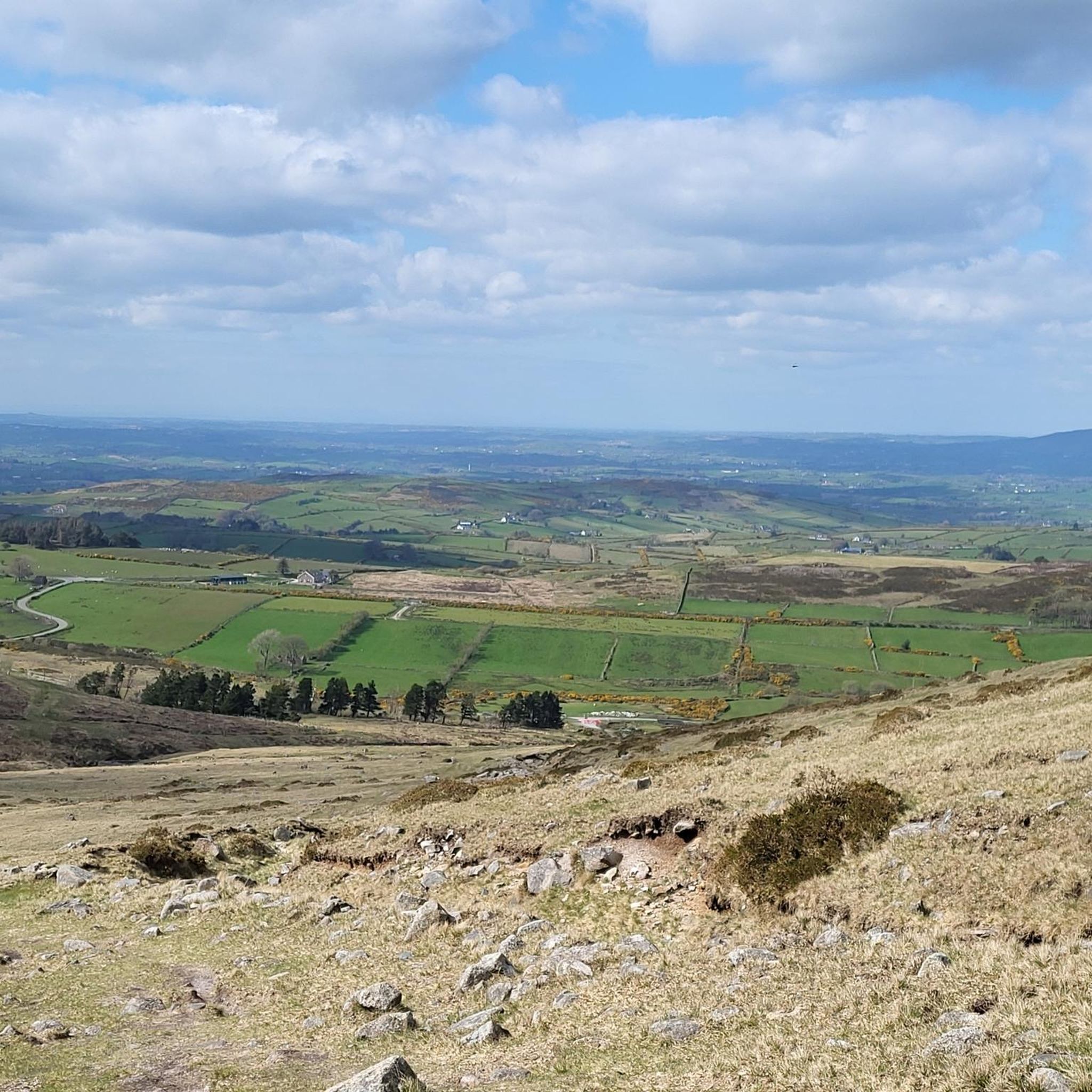
Fantastic views down to silent valley reservoir and south towards Carlingford.
As with any hill walking - be prepared for a change in weather and have good footwear. Enjoy
Tip by

Sign up now to discover places like this
Get recommendations on the best single tracks, peaks, & plenty of other exciting outdoor places.
Sign up for free
Hare's Gap
Highlight • Trail
Tip by

Silent Valley Reservoir
Highlight • Viewpoint
Situated in the Mourne Mountains AONB near Kilkeel, Silent Valley Reservoir not only supplies most of the water for County Down and Belfast, but it is also a beautiful spot to visit.
Nestled in the heart of the Mournes between Slieve Binnian and Slieve Muck, Silent Valley lives up to its name as one of the most peaceful and tranquil spots in County Down.
Tip by

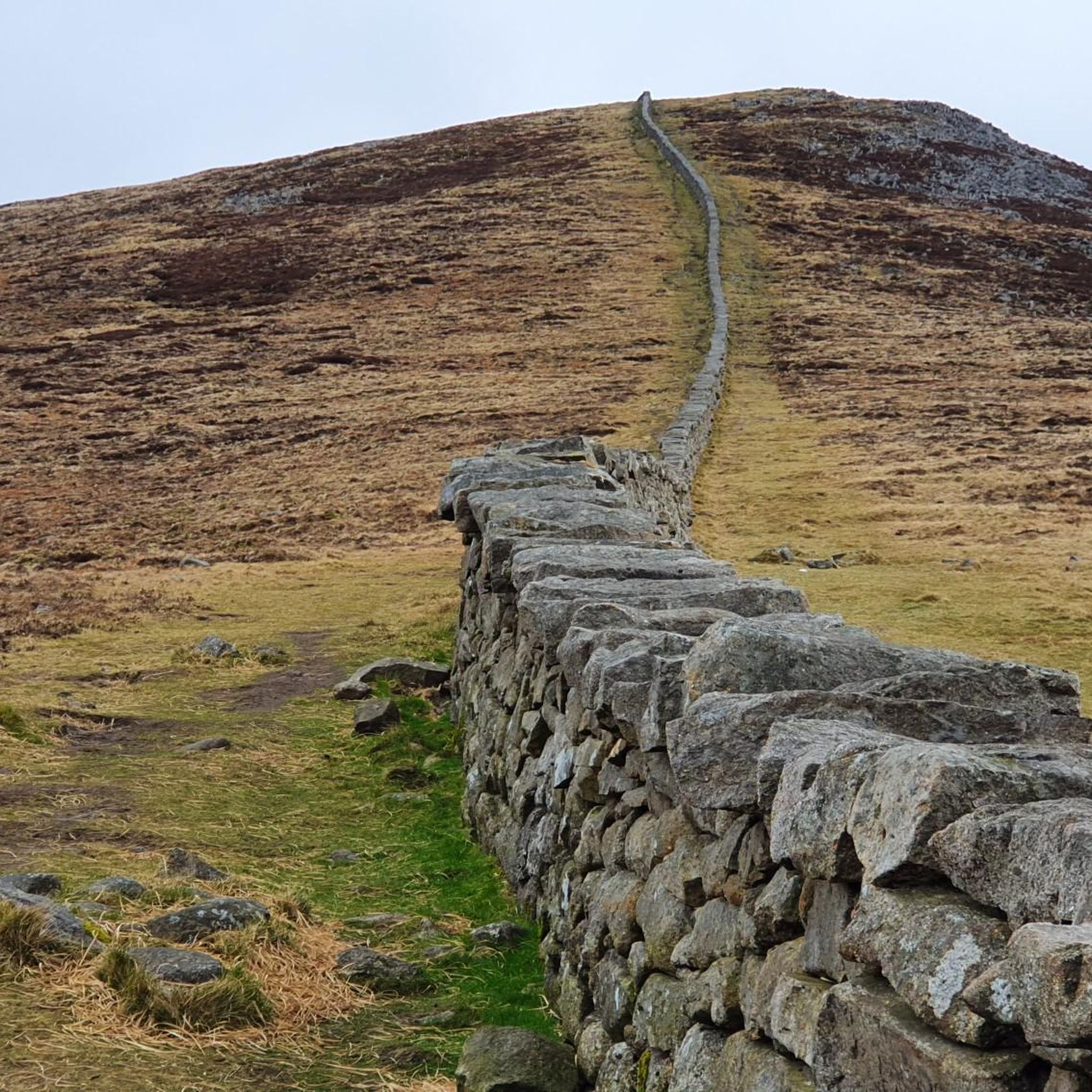
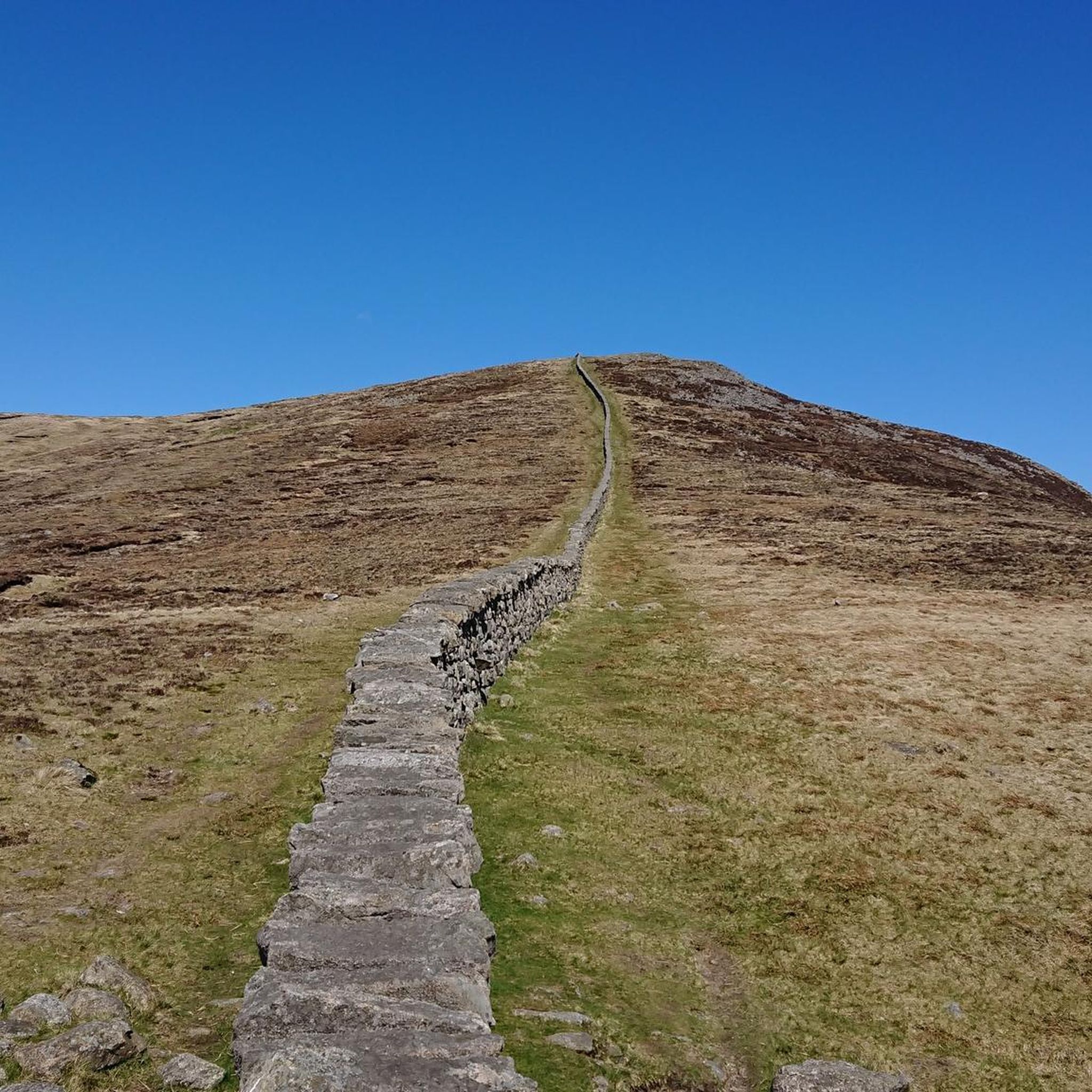
The Mourne Wall
Highlight • Monument
Its perimeter has given rise to the Mourne Wall Challenge where hikers complete a full circuit of the wall, visiting seven of Northern Ireland's ten highest mountains and conquering over 8,000 feet (2,400 metres) of elevation gain.
Tip by

Sign up for free to discover even more natural monuments around Fofannybane.
Sign up for free
Already have an account?
Start today with a free account
Your next adventure awaits.
Login or Signup

Tips from the Community

Slieve Binnian is absolute magic. Standing as the third-highest peak in Northern Ireland (747 meters), it easily claims the title for the most dramatic silhouette in the Mournes, thanks to the massive, weathered granite towers—called tors—that guard its summit. https://www.expresstollpass.com
0
0

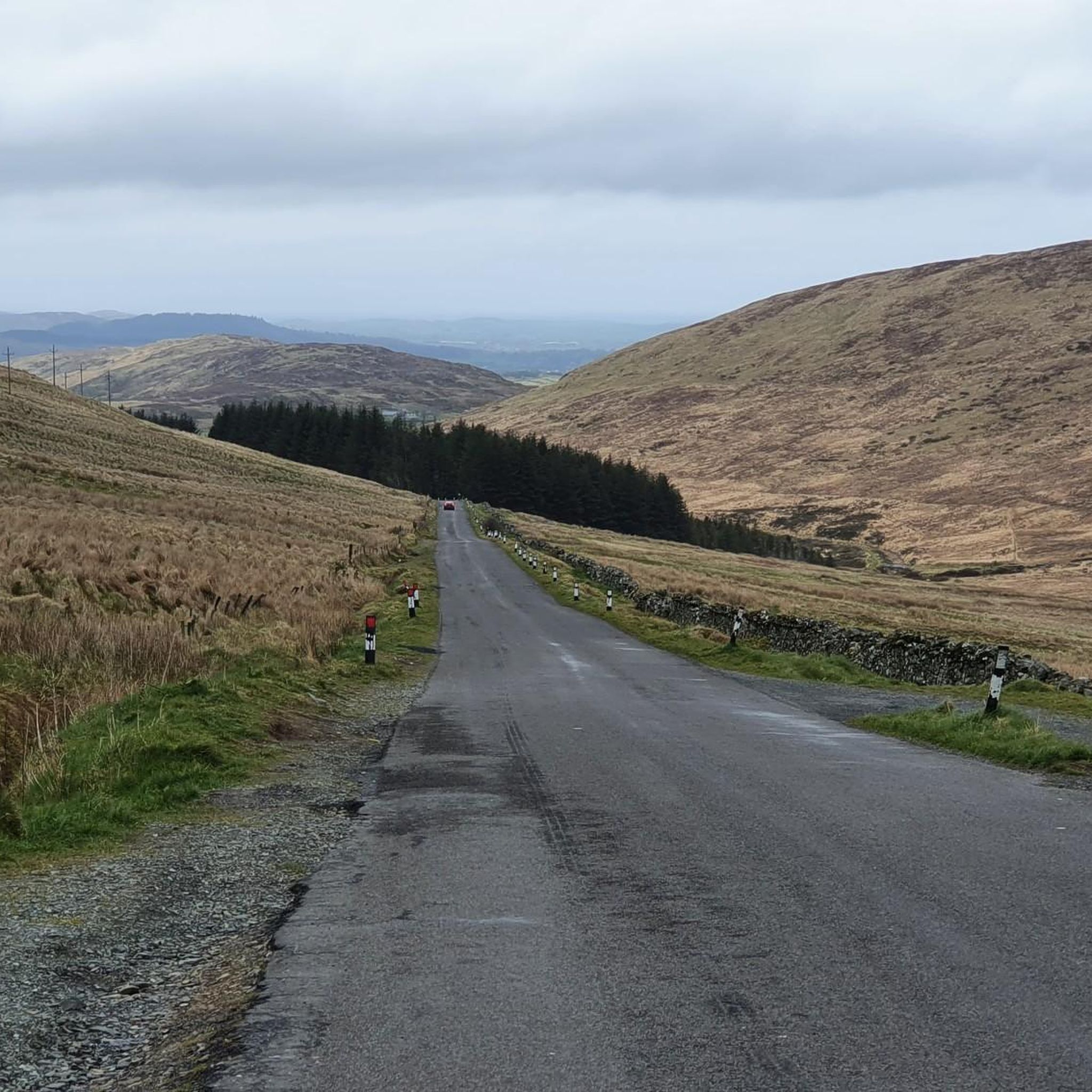
Hare's Gap is a dramatic mountain pass nestled in the heart of the Mourne Mountains. This striking pass, situated between Slieve Bearnagh and Slievenaglogh, offers hikers a blend of natural beauty and historical intrigue. From this vantage point, hikers are treated to panoramic views of the surrounding peaks and valleys. The pass itself is historically significant, having once served as a route for smuggling goods across the mountains, adding a layer of intrigue to the hike. Hare's Gap is a popular starting point for various hikes, including ascents of Slieve Bearnagh and Slieve Meelmore.
2
0
Hare’s Gap is one of the most iconic passes in the Mourne Mountains, marked by its rugged stile and dramatic views that open up across the range. Once a historic smuggling route, it remains a natural gateway into the high Mournes, with steep paths and striking rock formations framing the way. From here, the landscape unfolds in every direction, making it a perfect spot to pause, take in the scenery, and appreciate the wild beauty of these mountains.
4
0
Slieve Commedagh, at 767 meters, is the second-highest peak in the Mourne Mountains and a rewarding climb for any hiker. Its summit offers sweeping views across the Mournes and out to the Irish Sea, a reminder of how close these mountains sit to the coast. The ascent is steep and demanding, often over pathless ground, but never overly technical in good weather. You can climb it on its own or link it with nearby peaks such as Slieve Donard, making for a truly memorable day in the heart of the Mournes.
3
0
Silent Valley Reservoir, nestled in the Mourne Mountains, is a peaceful retreat surrounded by sweeping granite peaks and heathered slopes. Built in the early 20th century to supply water to Belfast and much of County Down, the reservoir combines striking engineering with natural beauty. Visitors can stroll along well-kept paths, admire the Victorian-style dam and impressive Mourne Wall, or simply enjoy the quiet atmosphere by the lakeshore.
4
1

The well-maintained trails take you through impressive scenery, surrounded by the striking peaks of the Mournes. The view of the Mourne Wall, which stretches for 35 kilometers and connects 15 peaks, is particularly impressive. However, some sections can become slippery in wet weather, so caution is advised. A highlight is a visit to Ben Crom Reservoir, which can be reached via an extension of the route. Note that there is a fee to enter the park.
1
1


Hare's Gap is the most beautiful and dramatic mountain pass in the whole of the Mournes mountain range. It was once a smugglers hotspot, with people often carrying contraband, such as soaps and spices, through here from the coast along the Brandy Pad.
2
0
Frequently Asked Questions
What are some of the most prominent natural monuments to visit near Fofannybane?
The region around Fofannybane, particularly the Mourne Mountains, offers several significant natural monuments. Among the most popular is the Summit of Slieve Donard, Northern Ireland's highest peak, offering expansive views. Another must-see is Hare's Gap, a dramatic mountain pass known for its rugged beauty. You can also explore Slieve Bearnagh, which features distinctive rocky tors and challenging climbs.
Are there family-friendly natural monuments or activities around Fofannybane?
Yes, there are options suitable for families. While many natural monuments involve challenging hikes, places like Silent Valley Reservoir offer well-kept paths and a peaceful environment, combining natural beauty with impressive engineering. Hare's Gap is also listed as family-friendly, though it involves a mountain pass. For easier walks, consider exploring the lower sections of the Mourne Mountains or specific trails designed for less strenuous activity.
What kind of natural features can I expect to see in the Fofannybane area?
The Fofannybane area, being close to the Mourne Mountains, is rich in diverse natural features. You'll encounter majestic mountain summits like Slieve Donard and Slieve Bearnagh, dramatic mountain passes such as Hare's Gap, and serene bodies of water like the Silent Valley Reservoir. The landscape is characterized by rugged mountain terrain, granite peaks, heathered slopes, and striking rock formations. The region also boasts the unique geological wonder of the Giant's Causeway, though it requires a more significant journey.
What outdoor activities can I do near these natural monuments?
The natural monuments around Fofannybane are excellent for various outdoor activities. Hiking is very popular, with numerous trails leading to summits and through passes. You can find challenging running trails, such as the 'Mourne Wall loop from Upper Bann' or 'Hare's Gap – Foothills of Slieve Bearnagh loop'. For cycling enthusiasts, there are routes like 'Carrick Little to Tullymore Forest loop' or 'Route 6 - The Head Road Route'. Mountain biking is also an option, with trails like 'Mourne Hills loop from Hilltown'. You can find more details on these activities in the Cycling around Fofannybane, Running Trails around Fofannybane, and MTB Trails around Fofannybane guides.
Are there any historical or cultural sites integrated with the natural monuments?
Yes, some natural monuments in the broader region have significant historical or cultural connections. For instance, Slieve Gullion, an extinct volcano in County Armagh, hosts the highest Passage Tomb in the British Isles on its summit. The Mourne Wall, while a man-made structure, is intrinsically linked to the natural landscape of the Mourne Mountains, traversing 15 peaks and built to protect the Silent Valley Reservoir. Hare's Gap was historically known as a smugglers' route.
What is the best time of year to visit the natural monuments near Fofannybane?
The best time to visit the natural monuments around Fofannybane, especially for hiking and outdoor activities, is typically during the spring (April-May) and summer (June-August) months. During these periods, the weather is generally milder, and daylight hours are longer, offering better conditions for exploring. Autumn (September-October) can also be beautiful with changing foliage, but be prepared for cooler temperatures and potentially wetter weather. Winter visits can be rewarding for experienced hikers but require appropriate gear due to colder, more unpredictable conditions.
What do visitors enjoy most about the natural monuments in this region?
Visitors consistently praise the breathtaking panoramic views from the summits, such as those from Slieve Donard, which can extend to the Isle of Man and Scotland. The dramatic and rugged landscapes of the Mourne Mountains, including the iconic Hare's Gap and the unique rock formations of Slieve Bearnagh, are also highly appreciated. The sense of peace and tranquility, particularly at places like Silent Valley Reservoir, is another highlight.
Are there any natural monuments that are particularly challenging for hikers?
Yes, many of the natural monuments in the Mourne Mountains present challenging climbs. The ascent to the Summit of Slieve Donard is considered challenging, as is the climb to Slieve Bearnagh, which involves steep sections and some scrambling. The full circuit of the Mourne Wall, which passes over 15 peaks, is a significant challenge, covering over 8,000 feet (2,400 meters) of elevation gain.
Can I find any unique geological formations in the area?
While Fofannybane itself is a small townland, the broader Northern Ireland region is home to one of the world's most unique geological formations: the Giant's Causeway. Although a more significant journey from Fofannybane, this UNESCO World Heritage Site features approximately 40,000 interlocking basalt columns formed by ancient volcanic activity, creating a truly spectacular and globally recognized natural wonder.
Are there any natural monuments suitable for beginners or those looking for easier walks?
For those seeking less strenuous options, the paths around Silent Valley Reservoir offer a peaceful and relatively flat experience amidst stunning scenery. While Hare's Gap is a mountain pass, its initial approaches can be enjoyed for shorter, easier walks before tackling the more challenging sections. Exploring the lower slopes and valleys of the Mourne Mountains can also provide beautiful, less demanding routes.
What should I wear for a hike to these natural monuments?
When hiking in the Mourne Mountains, it's essential to be prepared for varied weather conditions, which can change rapidly. We recommend wearing sturdy hiking boots with good ankle support, layered clothing (including waterproof and windproof outer layers), and carrying extra warm layers. Even on sunny days, the summits can be exposed and windy. Don't forget a hat, gloves, and sun protection, along with plenty of water and snacks.
Is public transport available to reach the natural monuments?
While Fofannybane is a small townland, public transport options to the immediate vicinity of the more remote natural monuments in the Mourne Mountains can be limited. It's often advisable to use a car to reach trailheads and parking areas. However, some larger towns surrounding the Mournes may have bus services, and local taxis could provide access to certain starting points. Always check local transport schedules and accessibility before planning your trip.
Most popular routes around Fofannybane
Most popular attractions around Fofannybane

Get inspired with the komoot mobile app


Explore more
Extend your search for the best caves by checking out these guides of the top ones around Fofannybane:
