Top 6 Natural Monuments around Ballylucas
Natural monuments around Ballylucas offer a diverse landscape characterized by coastal features, ancient geological formations, and historical sites. The region is notable for its proximity to the Murlough National Nature Reserve, which features a 6,000-year-old sand dune system and diverse habitats. Visitors can experience panoramic views of the Mourne Mountains and explore various natural and historical points of interest. This area provides opportunities for nature observation and exploring ancient monuments.
Best natural monuments around Ballylucas
- The most popular natural monuments…
Last updated: August 10, 2026
Murlough Nature Reserve Boardwalk
Highlight • Viewpoint
Tip by

Ballynoe Stone Circle
Highlight • Historical Site
Tip by

Sign up now to discover places like this
Get recommendations on the best single tracks, peaks, & plenty of other exciting outdoor places.
Sign up for free
Seaforde Gardens and Tropical Butterfly House
Highlight • Historical Site
Tip by
Annadorn Dolmen
Highlight • Historical Site
Tip by
View of the Mourne Mountains and Dundrum
Highlight • Natural Monument
Tip by
Sign up for free to discover even more natural monuments around Ballylucas.
Sign up for free
Already have an account?
Start today with a free account
Your next adventure awaits.
Login or Signup

Tips from the Community

This impressive stone circle, dating from the late Neolithic to early Bronze Age, consists of over 50 upright stones enclosing a diameter of around 35 metres. Access is via a narrow hedge-lined path that takes you directly to the entrance of the circle
1
0

The historic gardens at Seaforde are situated both within and adjacent to the old walled garden, whose structure dates from the early half of the 18th century. The hidden, micro-climate gardens boast Ireland’s oldest living maze and support a renowned collection of plants, collected from distant corners of the world thanks to the travels of keen plantsman Patrick Forde. The gardens also include an arboretum containing champion trees and rare species. The Tropical Butterfly House is the atmospheric, jungle home to a myriad species of free flying butterflies. All peacefully at home surrounded by exotic and tropical plant life.
0
0
One of the best kept Circles I know of. The late Neolithic to earlier Bronze Age monument was excavated in 1937–1939 but its development and date are still not entirely clear. Excavation uncovered a slab feature with three compartments at the west end of the cairn, which could suggest the court tomb tradition, and a single stone cist at the east end which could point to the passage tomb tradition. Cremated remains representing at least seven individuals and some Neolithic pottery were found. Parallels for the outer stone circle with sites in Cumbria have been suggested.
1
0
The Dolmen can be found on the north east shore of Loughinisland Lake, within sight of Loughinisland Church. A slightly displaced capstone covers a rectangular chamber of which three side stones survive. An early account suggests that this was formerly inside a large circular cairn and approached through a lintelled passage, so it may be the remains of a passage tomb. It is famous as the platform from which Thomas Russell addressed a crowd of United Irishmen in 1803, after the main 1798 rising.
0
0

Enjoy sublime views south-west to the beautiful Mourne mountain range and north-east toward the coastal town of Dundrum.
1
0
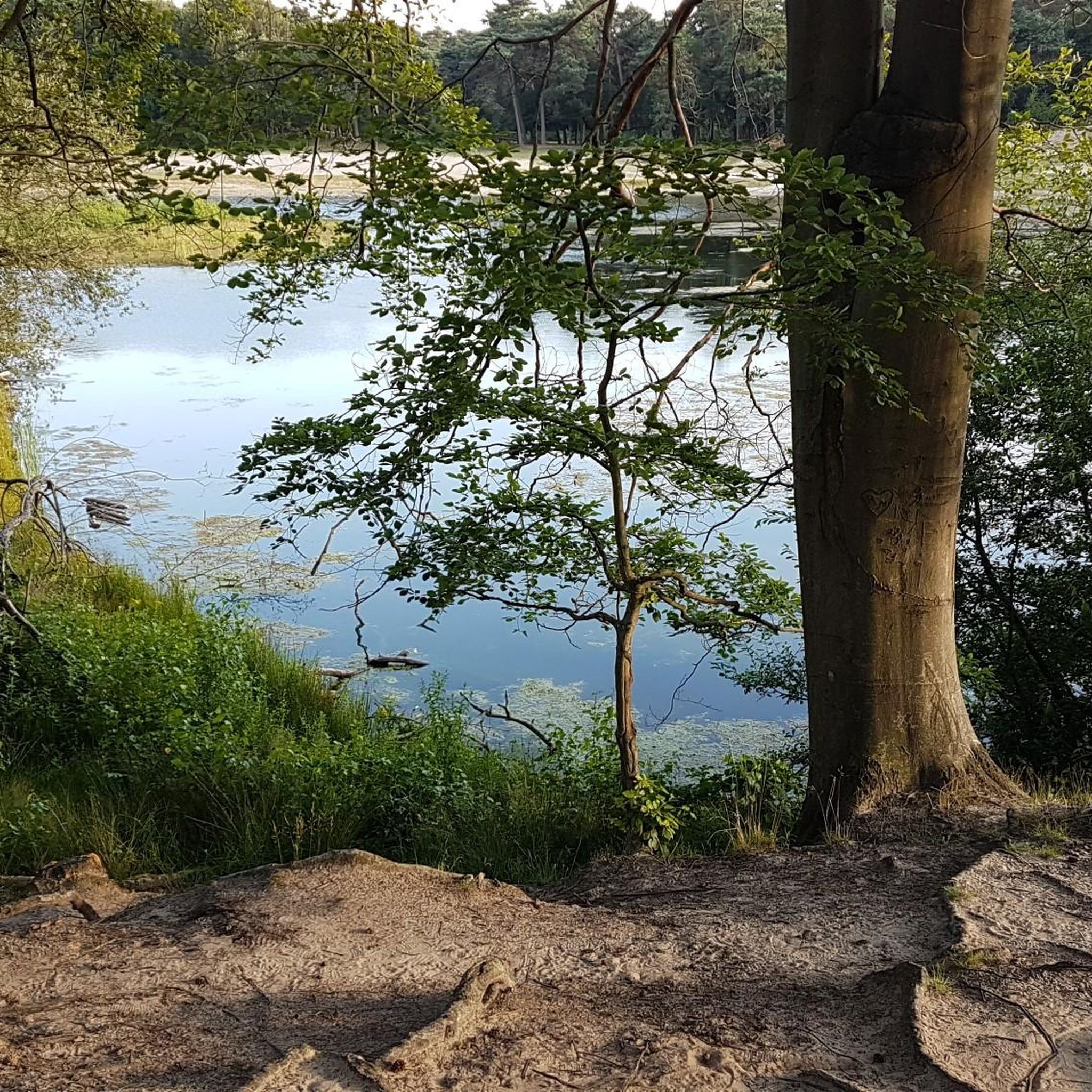
This boardwalk runs right through the thick of the Murlough Nature Reserve, a beautiful 6000-year-old sand dune system owned by the National Trust. This diverse and fragile ecosystem is home to a number of fascinating wildlife species including mammals, birds, and hundreds of insects.
1
0

Accessible from the public car park and the national trusts own, free to members.
0
0
Frequently Asked Questions
What are the most prominent natural monuments to explore around Ballylucas?
The region offers several notable natural monuments. The Murlough Nature Reserve Boardwalk provides access to a 6,000-year-old sand dune system with diverse wildlife. You can also enjoy sublime views of the Mourne Mountains from the View of the Mourne Mountains and Dundrum viewpoint. For historical natural monuments, consider the impressive Ballynoe Stone Circle, dating from the late Neolithic to early Bronze Age.
Are there family-friendly natural monuments in the Ballylucas area?
Yes, several natural monuments are suitable for families. The Murlough Nature Reserve Boardwalk is family-friendly, offering easy access through the dunes. Seaforde Gardens and Tropical Butterfly House also provides a great family outing with its historic gardens and butterfly house. Both Ballynoe Stone Circle and Annadorn Dolmen are accessible for families interested in ancient history.
What kind of wildlife can I expect to see at the natural monuments?
The Murlough Nature Reserve is particularly rich in biodiversity. It's home to numerous species of mammals, birds, and hundreds of insects, including over 23 species of butterflies. It's also internationally important for wintering wildfowl and waders, and common and grey seals use the area for moulting, resting, and feeding.
Are there historical or archaeological natural monuments near Ballylucas?
Absolutely. The Ballynoe Stone Circle is an impressive historical site from the late Neolithic to early Bronze Age, featuring over 50 upright stones. Another significant archaeological site is the Annadorn Dolmen, an ancient burial monument near Loughinisland Lake, famous for its historical connections to Thomas Russell.
What outdoor activities can I do near these natural monuments?
The area around Ballylucas offers various outdoor activities. You can find numerous hiking trails, including easy routes like the Dundrum Coastal Path or the Murlough North Point loop. For road cycling, there are moderate to difficult routes such as the Downpatrick to Ballynahinch loop. Running enthusiasts can explore trails like the Quoile River run. You can find more details on these activities in the hiking guide, road cycling guide, and running guide for Ballylucas.
Is the Murlough Nature Reserve accessible for visitors with dogs?
Yes, dogs are welcome at Murlough National Nature Reserve, but they must be kept on leads to protect the fragile ecosystem and wildlife.
What makes the Murlough Nature Reserve unique?
Murlough is renowned for its fragile 6,000-year-old sand dune system, which was designated as Ireland's first Nature Reserve. It boasts diverse habitats including dune heathland and woodland, and is home to a wide array of wildlife. The reserve also includes a four-mile-long golden sand beach with stunning views of the Mourne Mountains.
Are there any natural monuments with good views of the Mourne Mountains?
Yes, the View of the Mourne Mountains and Dundrum offers sublime panoramic views south-west towards the majestic Mourne mountain range and north-east towards the coastal town of Dundrum.
What are the geological features of the natural monuments in the area?
The primary geological feature is the ancient 6,000-year-old sand dune system found at Murlough Nature Reserve. This system is a dynamic landscape shaped by wind and sea, supporting unique dune heath habitats. The area also features ancient stone circles and dolmens, which are remnants of prehistoric human activity within the natural landscape.
What facilities are available at Murlough National Nature Reserve?
Murlough National Nature Reserve provides facilities such as a car park, toilets, and a natural play area, making it convenient for visitors and families. There are also networks of paths and boardwalks for easy exploration.
What do visitors enjoy most about the natural monuments around Ballylucas?
Visitors particularly enjoy the exceptional scenery, especially the breathtaking views across Dundrum Bay towards the Mourne Mountains. The opportunity for walking and bird watching in diverse habitats, the peaceful tranquility of places like Murlough, and the historical significance of sites like Ballynoe Stone Circle are also highly appreciated.
Most popular routes around Ballylucas
Most popular attractions around Ballylucas

Get inspired with the komoot mobile app


Explore more
Extend your search for the best caves by checking out these guides of the top ones around Ballylucas:
