Top 9 Natural Monuments around Ballyrock Scotch
Best natural monuments around Ballyrock Scotch feature a landscape shaped by ancient geological processes, showcasing dramatic coastal formations and unique rock structures. This region is characterized by its basalt outcroppings and sea-sculpted cliffs. Visitors can explore a variety of natural wonders, from columnar basalt formations to impressive sea stacks, offering opportunities to witness the powerful interaction between land and sea. The area provides a rich environment for discovering geological marvels and historical sites integrated with the natural environment.
Best natural…
Last updated: October 3, 2026
Giant's Causeway
Highlight • Natural Monument
Tip by

Giant’s Gate
Highlight • Viewpoint
Tip by

Sign up now to discover places like this
Get recommendations on the best single tracks, peaks, & plenty of other exciting outdoor places.
The Amphitheatre (Port Reostan)
Highlight • Viewpoint
Tip by

Fionn Mac Cumhaill's Shoe
Highlight • Natural Monument
Of course you should have a little imagination to discover certain forms of life in these formations, but it's fun.
Translated by Google •
Tip by

Dunluce Castle Ruins
Highlight • Natural Monument
Tip by
Sign up for free to discover even more natural monuments around Ballyrock Scotch.
Already have an account?
Start today with a free account
Your next adventure awaits.

Tips from the Community

The amphitheater in Northern Ireland is an impressive archaeological site, fascinating for its historical significance and impressive architecture. The complex offers insight into ancient culture and is a fascinating place for history buffs. The atmosphere is tranquil and invites reflection on the past. The amphitheater is an important monument that reflects Northern Ireland's rich history.
2
0
Dunluce Castle in Northern Ireland is an impressive ruin perched on a cliff above the sea. Its dramatic location and rugged rocky landscape lend the castle a special atmosphere. The remains tell a rich history and offer fascinating insights into medieval defensive architecture. The views of the sea and the surrounding nature make a visit an unforgettable experience. Dunluce Castle is a place that combines both history and nature in a striking way.
2
0

De Burgh's castle was primarily a military fortress, notable for its robust defensive features typical of Norman architecture. The design included impressive walls and strategic positioning to take advantage of the natural defensive advantages of the clifftop location.
2
0


A very impressive castle, part of which has collapsed into the sea along with the cliff. The visit can easily be combined with a visit to the Giant's Causeway.
3
0

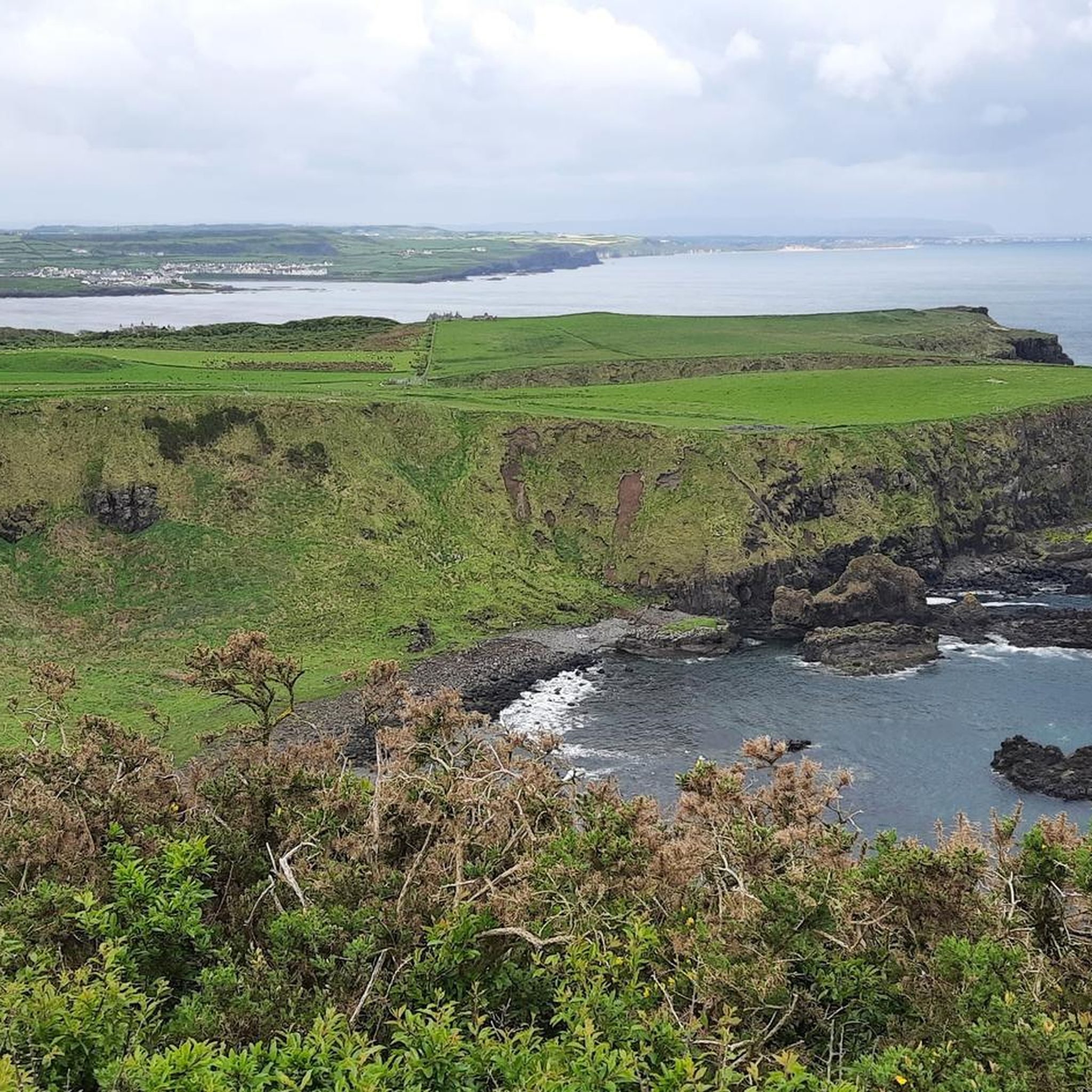
Another great view opens up here and this path leads to the organ pipes. Weatherproof clothing is recommended, as the weather can change from time to time. The footpath is not paved, but is flat and easy to walk.
1
1

Frequently Asked Questions
What are the most popular natural monuments around Ballyrock Scotch?
The most popular natural monument is the Giant's Causeway, famous for its 40,000 interlocking basalt columns. Close by, you'll also find The Organ — Giant's Causeway, a basalt cliff formation resembling church organ pipes. Another highly appreciated spot is The Amphitheatre (Port Reostan), known for its dramatic, picturesque rock formations along the coast. These sites are highly rated by the komoot community, with over 460 upvotes and 470 photos shared.
Are there family-friendly natural monuments to visit in Ballyrock Scotch?
Yes, several natural monuments are suitable for families. The Giant's Causeway is a fantastic option, offering an engaging experience for all ages with its unique basalt columns. Nearby, Fionn Mac Cumhaill's Shoe provides a fun, imaginative landmark for children to discover. These sites often have accessible paths, making them enjoyable for families.
What unique geological features can I expect to see in the Ballyrock Scotch region?
The Ballyrock Scotch region is renowned for its unique basalt columns and sea-sculpted rock formations, a result of ancient volcanic activity. You'll encounter impressive columnar basalt structures at the Giant's Causeway and The Organ — Giant's Causeway. The coastline also features dramatic cliffs and viewpoints like The Amphitheatre (Port Reostan), showcasing the powerful interaction between land and sea.
Are there any historical sites integrated with the natural monuments?
Absolutely. The Dunluce Castle Ruins are a prime example, perched dramatically on the edge of a basalt outcropping. This medieval castle, with evidence of settlement from the first millennium, offers a fascinating blend of history and natural beauty. Below the castle, you can also find the 'Mermaids Cave', adding to the site's mystique.
What outdoor activities can I do near these natural monuments?
The area around Ballyrock Scotch offers excellent opportunities for outdoor activities. You can enjoy various hiking trails, including easy loops like the Portballintrae & Runkerry Beach loop or moderate routes such as the Causeway Coast Way from Bushmills to the Giant's Causeway. For cyclists, there's the extensive Causeway Coast Cycle Route. You can find more details on these activities in the easy hikes, hiking, and cycling guides for the region.
Are there specific hiking trails to explore the natural monuments?
Yes, there are several hiking trails that allow you to experience the natural monuments up close. For example, you can take the Causeway Coast Way, which includes sections like Portballintrae to Dunluce Castle. There are also loops that take you from Bushmills to the Giant's Causeway and The Organ. For more options, check out the hiking guide for Ballyrock Scotch.
What do visitors enjoy most about the natural monuments in Ballyrock Scotch?
Visitors consistently praise the dramatic coastal scenery and the unique geological formations. Many are captivated by the sheer scale and intricate patterns of the basalt columns at the Giant's Causeway and The Organ. The breathtaking views from viewpoints like The Amphitheatre are also a highlight, often described as 'magnificent' and 'worth the effort' for the climb.
How much time should I allocate to visit the natural monuments?
The time needed varies by site. For the Giant's Causeway, many visitors spend 2-3 hours exploring the columns and nearby features like The Organ and Fionn Mac Cumhaill's Shoe. If you plan to visit Dunluce Castle Ruins, allow an additional 1-2 hours. For a more comprehensive experience, including coastal walks, a full day or even multiple days would be ideal to explore several sites at a relaxed pace.
Are there any hidden natural monuments or less-known spots worth visiting?
While the main sites are well-known, the entire coastline around Ballyrock Scotch is dotted with impressive formations. Beyond the main Causeway attractions, exploring the various viewpoints and coastal paths can reveal less-frequented spots. For instance, the dramatic cliffs and sea caves along the Causeway Coast offer many opportunities for discovery, often providing stunning views away from the busiest crowds.
What kind of wildlife can be observed near the natural monuments?
The coastal environment around Ballyrock Scotch is rich in wildlife, particularly seabirds. While the guide data focuses on geological features, the broader region (like Bass Rock mentioned in research) is famous for large seabird colonies, especially Northern Gannets. Along the cliffs and shores, you can often spot various species of gulls, fulmars, and cormorants. Seals are also commonly sighted in the waters around the coast.
Is parking available at the natural monuments?
Yes, parking is generally available at the major natural monuments. For instance, the Giant's Causeway has a visitor center with parking facilities. It's advisable to arrive early during peak season to secure a spot, as these popular attractions can get very busy. Some smaller viewpoints or trailheads might have more limited parking options.
What is the best time of year to visit the natural monuments in Ballyrock Scotch?
The natural monuments can be visited year-round, but each season offers a different experience. Spring and autumn generally provide pleasant weather for hiking and fewer crowds than the summer months. Summer (June-August) offers the warmest temperatures and longest daylight hours, ideal for extended exploration, but also sees the highest number of visitors. Winter can be dramatic, with powerful waves and a stark beauty, though weather conditions can be more challenging.
Most popular attractions around Ballyrock Scotch

Get inspired with the komoot mobile app


Explore more
Extend your search for the best caves by checking out these guides of the top ones around Ballyrock Scotch:
