Top 5 Natural Monuments around East Woodhay
Best natural monuments around East Woodhay are characterized by extensive woodlands, diverse fields, and significant hills. The area offers a variety of notable natural features, providing opportunities for exploration and panoramic views. This region in Hampshire, England, is rich in natural beauty, making it a rewarding destination for outdoor enthusiasts.
Best natural monuments around East Woodhay
- The most popular natural monument is View of North Wessex Downs, a natural monument that offers an excellent vantage point to enjoy extensive…
Last updated: October 30, 2026
Ladle Hill Iron Age Hillfort
Highlight • Historical Site
Tip by

Ladle Hill
Highlight (Segment) • Viewpoint
Tip by

Sign up now to discover places like this
Get recommendations on the best single tracks, peaks, & plenty of other exciting outdoor places.
The Lady Well at Speen
Highlight • Historical Site
Tip by

View from White Hill
Highlight • Viewpoint
Tip by

Fosbury Hill Fort
Highlight • Historical Site
Tip by

Sign up for free to discover even more natural monuments around East Woodhay.
Already have an account?
Start today with a free account
Your next adventure awaits.
Tips from the Community

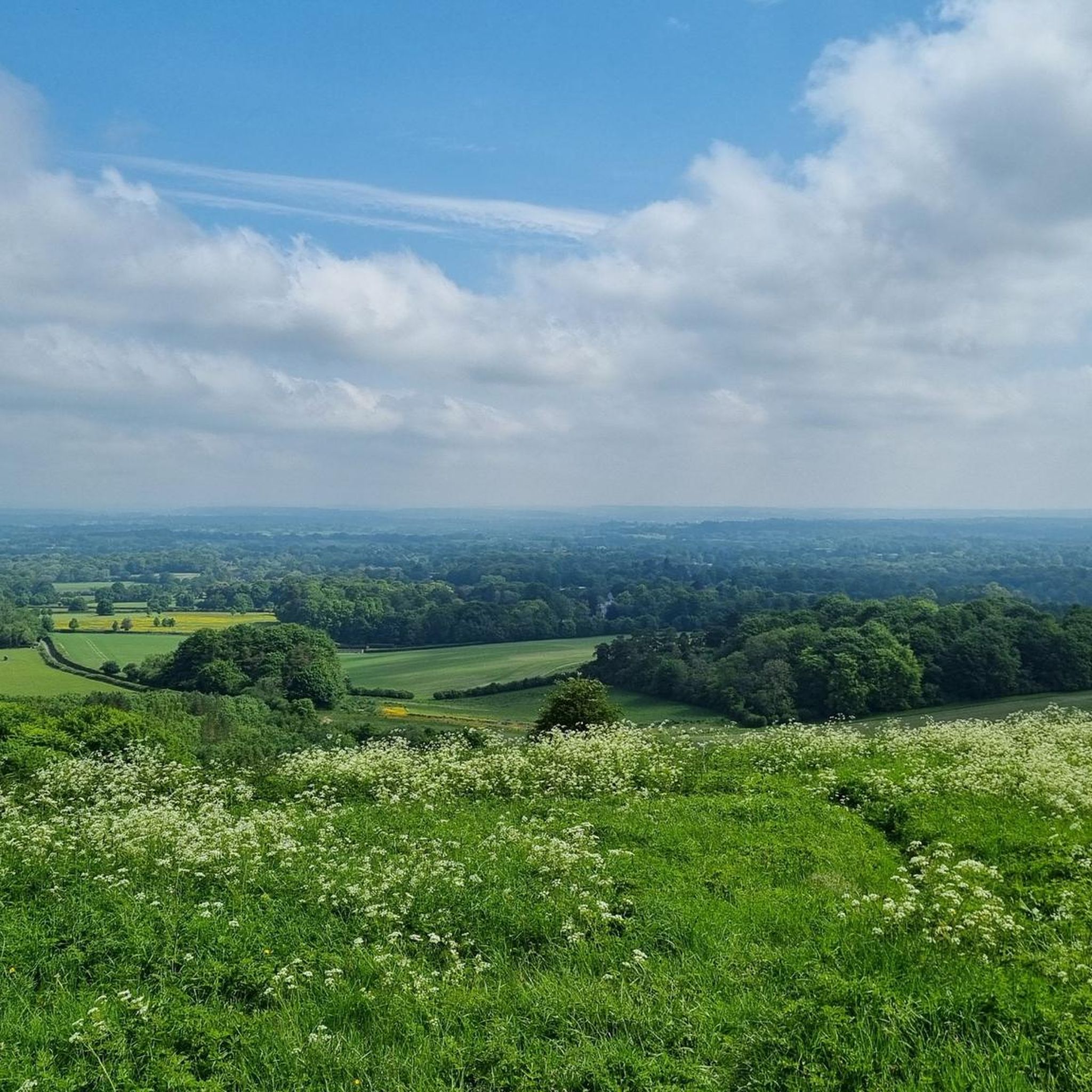
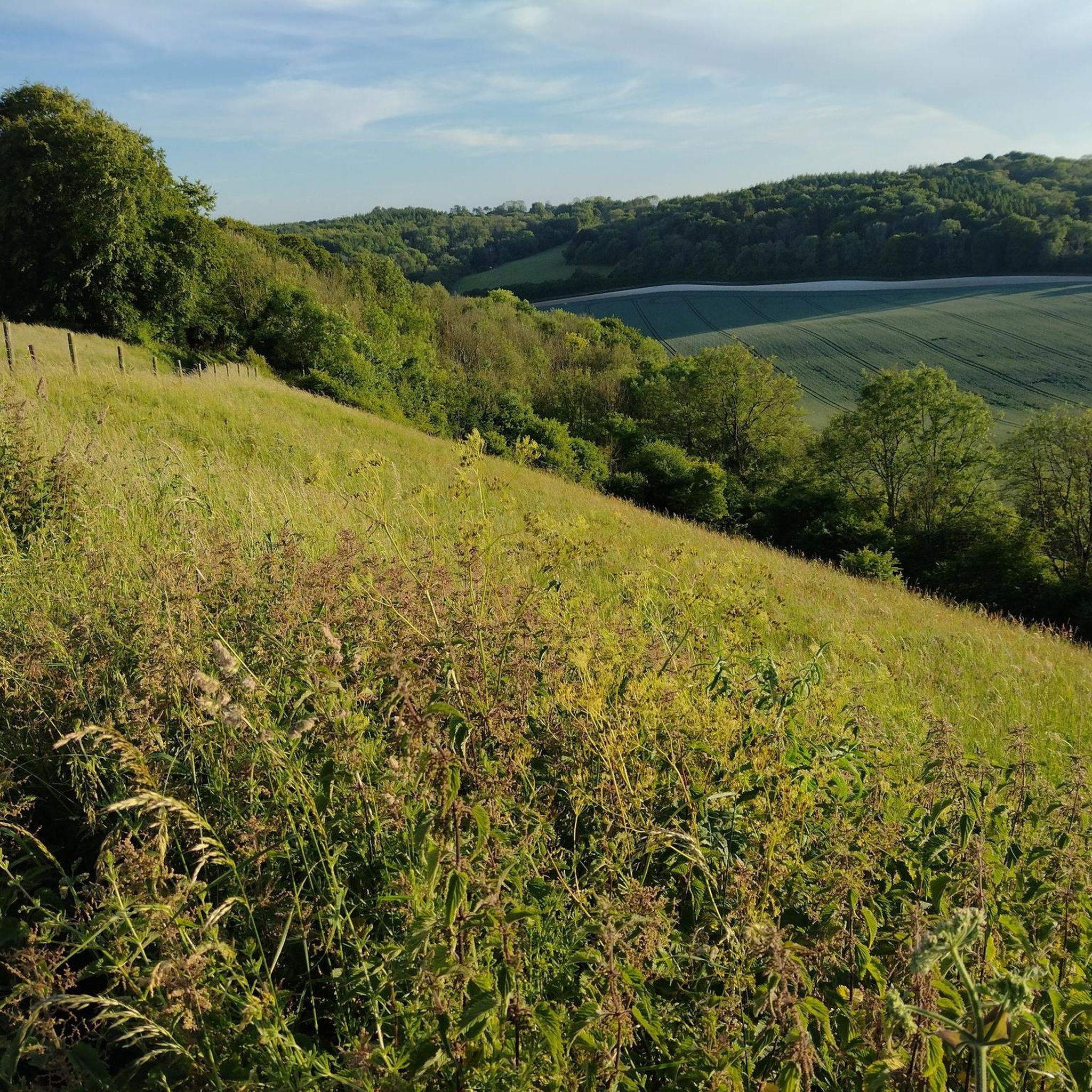
Think of Ladle Hill as the Iron Age’s greatest "Incomplete Project." Sitting right next to Watership Down, this hillfort is basically a 2,500-year-old construction site frozen in time. The ancient builders started digging their massive defensive ditches but just… stopped. Because it was never finished, you can clearly see the original "chalk heaps" and work pits, making it an archaeologist’s dream and a hiker's playground. It’s way quieter than its famous neighbors, offering 360-degree views and zero crowds. Perfect for a breezy picnic where you can contemplate why the Celts walked off the job!
0
0
• Construction Period: Fosbury Hillfort was likely constructed during the Middle Iron Age, probably by the Atrebates tribes. • Occupation: It is generally considered a center of permanent occupation during the Iron Age, from around the 6th century BC to the mid-1st century AD. • Purpose: Hillforts like Fosbury were built for protection and sanctuary, reflecting power struggles and increasing warfare during the Iron Age. They often served as centers for settlement, trade, and industrial activity.
0
0
• Internal Features: Within the camp, there are two natural ponds, believed to be original features, with one reputedly "never run dry." The interior also contains visible field terraces and evidence of storage pits, suggesting an agricultural community. An enigmatic 40ft diameter turf circle is also present, with its purpose debated (possibly a WWII feature or something older). • Ancient Trees: The site is home to ancient oak and beech trees, some with root systems encompassing the banks.
0
0
• Situated in eastern Wiltshire, south of the village of Fosbury, near Marlborough and Hungerford. • Rests on Knolls Down, at a height of 254m AOD (slightly below the summit of Haydown Hill at 258m AOD). • Excellently defended to the south, southwest, and east due to steeply sloped terrain. • To the north, the land is less steep and is largely bounded by Oakhill Wood. • Easily accessible by public footpaths. • Bivallate Defenses: The hillfort is characterized by two concentric lines of earthworks (ramparts and ditches), though it is believed to have never been fully completed. These defenses are particularly impressive on the southwestern arc, offering views into the Hippenscombe valley. • Size: It is an oval-shaped site, covering approximately 26 acres (11 hectares). • Entrances: The main entrance is located on the eastern side, featuring "inturned parallel banks." There's also a "north gate" accessible through Oakhill Wood.
0
0
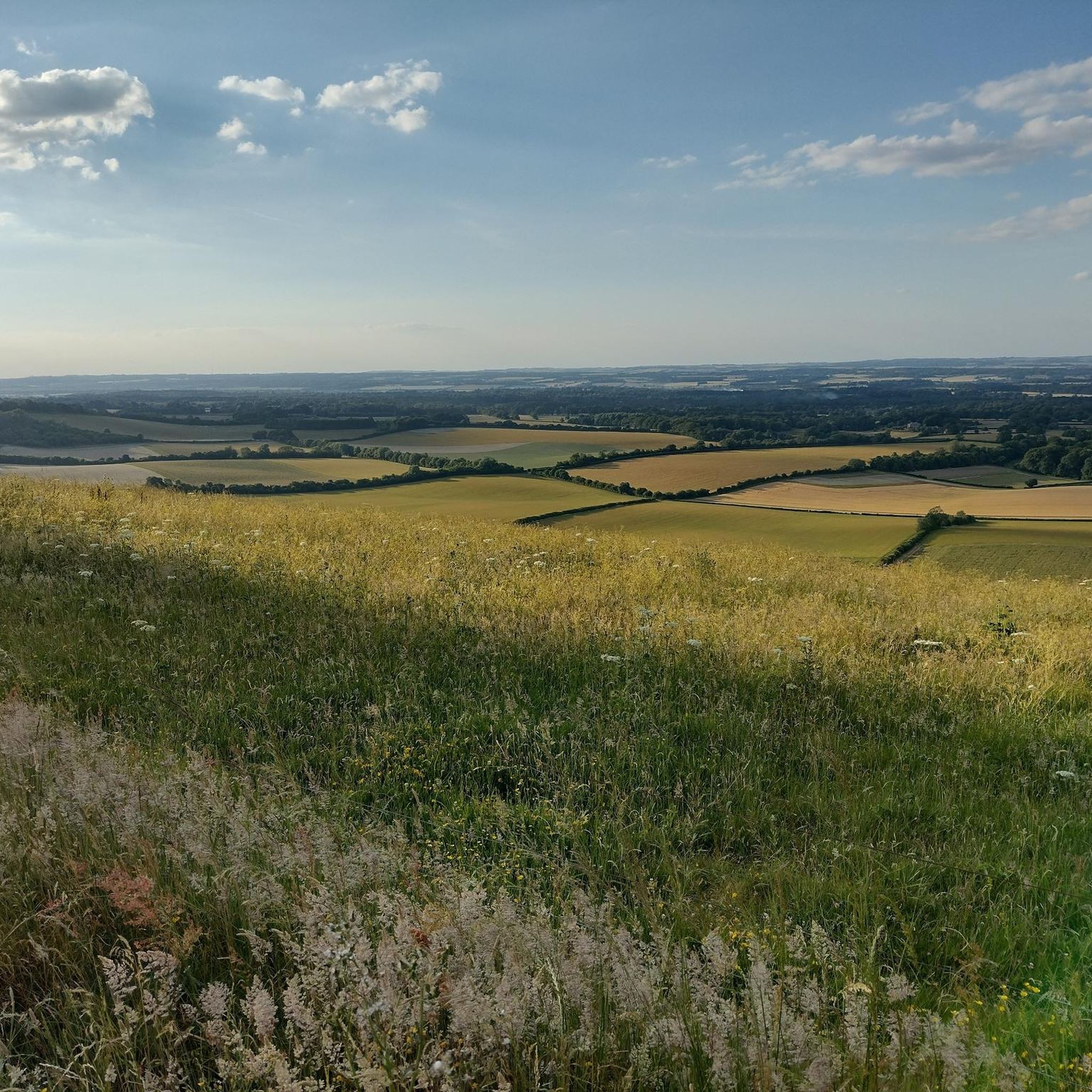
The hillfort on the top of the hill has never been excavated, but the land and ditch are sharply defined and well preserved. This Iron Age fort is roughly rectangular and enclosed seven acres within an embankment and ditch. There are two probable entrances to the east and west. The work seems to have been undertaken by several different labour forces, each working on a section of the defences, but for some reason the task was abandoned and the fort left unfinished. Great to walk along the unfinished ramparts, it's windy and flipping huge!!!
0
0


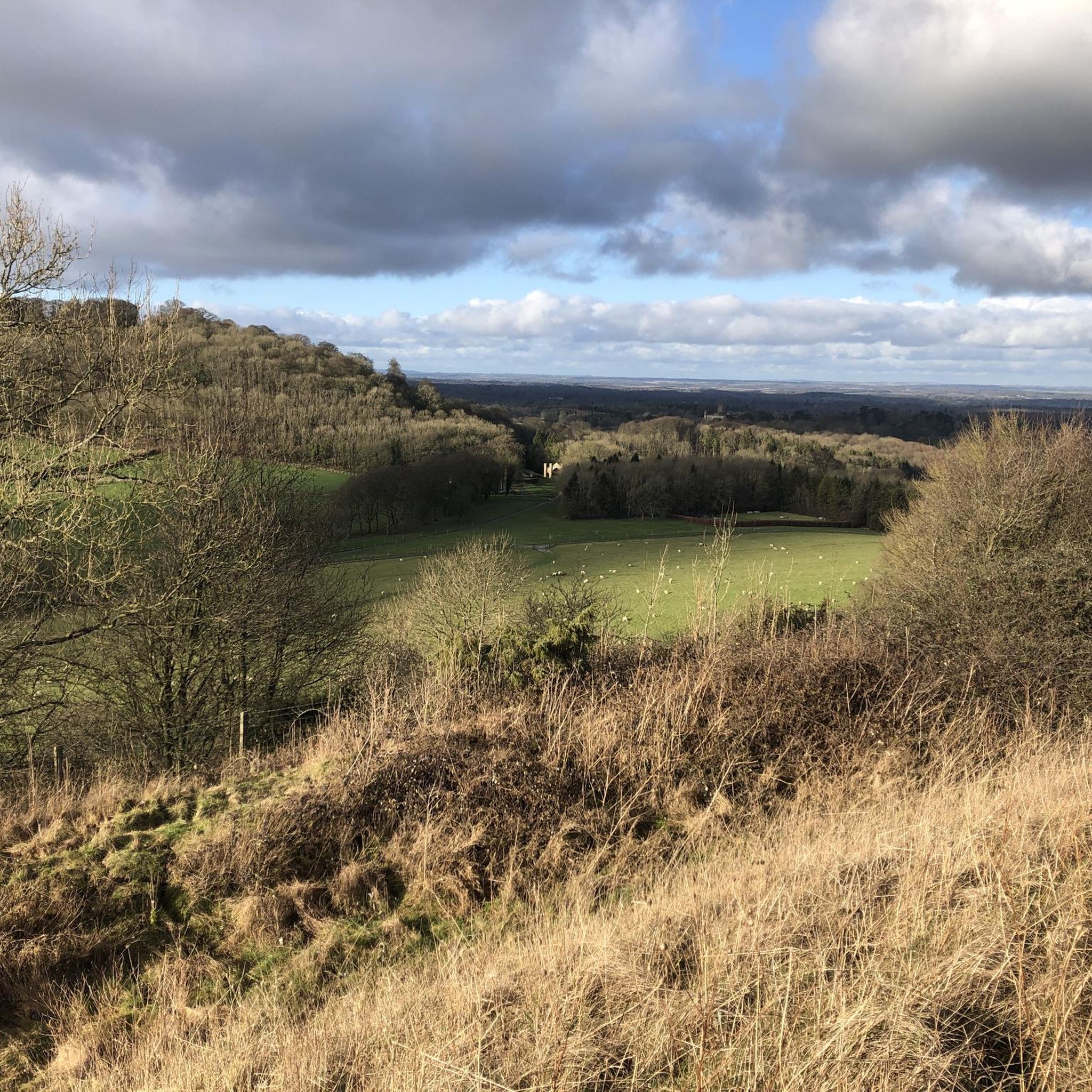
Discover this rare holy well located in Speen in Newbury. Historically, the well was thought to have healing qualities, healing anything from eye diseases to measles and rickets.
1
0
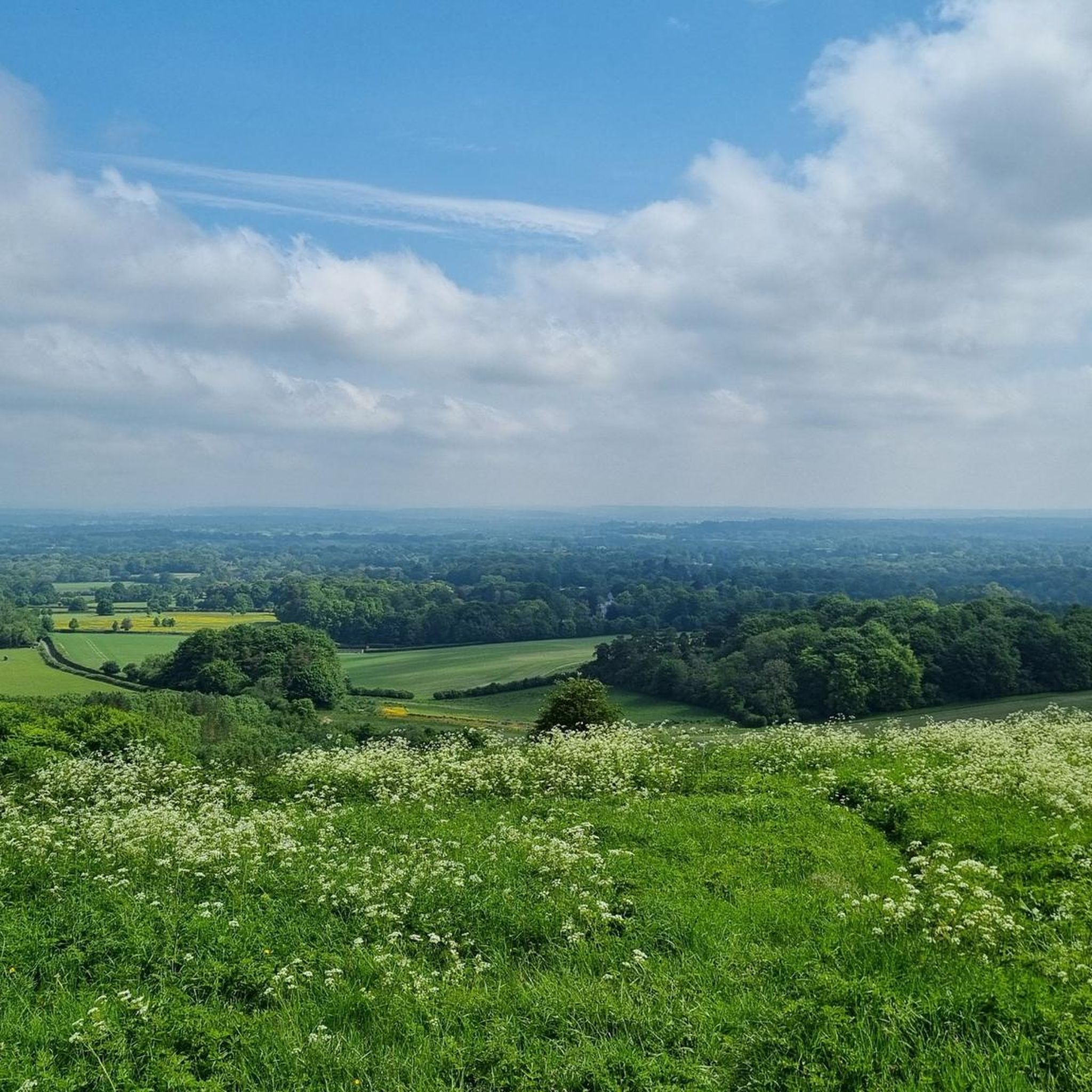
This is a wonderful spot with a lovely display of seasonal wildflowers that bloom within the spring and summer months.
1
0
Frequently Asked Questions
What types of natural monuments can I explore around East Woodhay?
The East Woodhay area is rich in diverse natural monuments, including significant hills, panoramic viewpoints, and historical sites with ecological importance. You can find extensive woodlands, diverse fields, and chalk downland habitats. Highlights include the highest points in Hampshire and Berkshire, such as Pilot Hill and Walbury Hill, offering commanding views.
Are there any natural monuments with historical significance in the area?
Yes, several natural monuments also boast historical importance. Ladle Hill Iron Age Hillfort is a prime example, recognized as a biological Site of Special Scientific Interest with an unexcavated Iron Age hill fort. Similarly, Fosbury Hill Fort offers panoramic views from its bivallate defenses and features ancient trees within its grounds.
Which natural monuments offer the best panoramic views?
For breathtaking panoramic views, consider visiting View of North Wessex Downs, which provides an excellent vantage point over the lush rolling hills. View from White Hill offers beautiful vistas of Cannon Heath Down, the Gallops, and The Warren, and is also a great spot for birdwatching. Additionally, Pilot Hill and Walbury Hill, the highest points in Hampshire and Berkshire respectively, provide commanding and outstanding views.
Are there family-friendly natural monuments around East Woodhay?
Yes, there are several natural monuments suitable for families. The View of North Wessex Downs is noted as family-friendly, offering accessible views. View from White Hill is also categorized as family-friendly, providing pleasant scenery and opportunities for bird spotting. The Chase at Woolton Hill, with its diverse habitats and various footpaths, is another excellent option for families to explore.
What kind of wildlife and flora can I expect to see?
The natural monuments around East Woodhay are home to diverse wildlife and flora. At View from White Hill, you might spot birds like linnets, yellowhammers, skylarks, buzzards, and kestrels. Ladle Hill Iron Age Hillfort is a calcareous grassland chalk downland habitat, known for its lovely display of seasonal wildflowers in spring and summer. The River Enborne also creates a diverse habitat, supporting various species.
What outdoor activities can I do near these natural monuments?
The area around East Woodhay offers a variety of outdoor activities. You can enjoy hiking on trails like 'The Chase forest loop' or 'View of North Wessex Downs loop'. For running enthusiasts, there are routes such as 'HRH Coffee & Deli loop from Woolton Hill'. Road cyclists can explore routes like 'Vernham Dean Climb – Top of Faccombe Climb loop'. You can find more details on these activities in the Hiking around East Woodhay, Running Trails around East Woodhay, and Road Cycling Routes around East Woodhay guides.
Are there any ancient woodlands or nature reserves to visit?
Yes, East Woodhay is known for its extensive woodlands and nature reserves. The Chase, administered by the National Trust near Woolton Hill, is a 143-acre woodland property with a surprising diversity of habitats and various footpaths. Additionally, Inkpen Common and Inkpen Crocus Field Nature Reserves, managed by BBOWT, offer ancient heathland, woods, and downs, with the Crocus Field notable for its seasonal floral displays.
What is the best time of year to visit the natural monuments?
The natural monuments around East Woodhay can be enjoyed year-round, but spring and summer are particularly rewarding for experiencing the full bloom of wildflowers, especially at sites like Ladle Hill Iron Age Hillfort. These seasons also offer pleasant weather for hiking and enjoying the panoramic views. Autumn brings beautiful foliage to the woodlands, while winter walks can offer crisp air and unique perspectives of the landscape.
Can I bring my dog to the natural monuments?
Many natural areas and trails around East Woodhay are dog-friendly, especially those on public footpaths and in woodlands like The Chase. However, it's always recommended to keep dogs on a lead, particularly in areas with livestock or ground-nesting birds, and to check specific site regulations before your visit to ensure a pleasant experience for everyone.
What are some lesser-known natural sites or 'hidden gems' in the East Woodhay area?
Beyond the well-known viewpoints and hillforts, the area holds quieter natural treasures. The River Enborne, forming the northern boundary of East Woodhay, offers a serene natural charm and diverse habitat. The Ancient Yew Tree at The Old Rectory, while only viewable when the grounds are open, is a testament to the area's long-standing natural heritage and a unique natural feature.
Where can I find information about local spaces and community areas in East Woodhay?
For information on local spaces and community areas within East Woodhay, you can refer to the East Woodhay Parish Council website. They often provide details on local amenities and public access points. You can find more information at eastwoodhay-pc.gov.uk.
Most popular routes around East Woodhay
Most popular attractions around East Woodhay

Get inspired with the komoot mobile app


Explore more
Extend your search for the best caves by checking out these guides of the top ones around East Woodhay:
