Attractions and Places To See around Füllinsdorf - Top 20
Attractions and places to see around Füllinsdorf, a municipality in Basel-Landschaft, Switzerland, offer a mix of historical sites, natural landscapes, and recreational opportunities. The area is known for its quiet, green environment and family-friendly atmosphere, serving as a base for exploring the region's cultural and natural offerings. Füllinsdorf and its surroundings are popular for outdoor activities like hiking and cycling.
Best attractions and places to see around Füllinsdorf
- The most popular attractions is Gempenturm Observation Tower, a man-made monument…
Last updated: July 20, 2026
Old Rhine Bridge, Rheinfelden
Highlight • Bridge
The old Rhine Bridge is a Rhine and border crossing between the two Rheinfelden. Crossing is only permitted for pedestrians, bicycles, mopeds, …
Translated by Google •
Tip by

Wiesendamm promenade
Highlight • Cycleway
Translated by Google •
Tip by

Sign up now to discover places like this
Get recommendations on the best single tracks, peaks, & plenty of other exciting outdoor places.
Sign up for free
Lange Erlen Park and Wiese River
Highlight • Forest
Translated by Google •
Tip by

Rheinfelden Town Hall
Highlight • Historical Site
Centrally located, the town hall with its impressive baroque facade, massive tower and beautiful courtyard stands in the middle of Rheinfelden's old town.
An Austrian coat of arms on a Swiss town hall?
Translated by Google •
Tip by
Gempenturm Observation Tower
Highlight • Monument
Translated by Google •
Tip by

Sign up for free to discover even more attractions around Füllinsdorf.
Sign up for free
Already have an account?
Start today with a free account
Your next adventure awaits.
Login or Signup

Tips from the Community

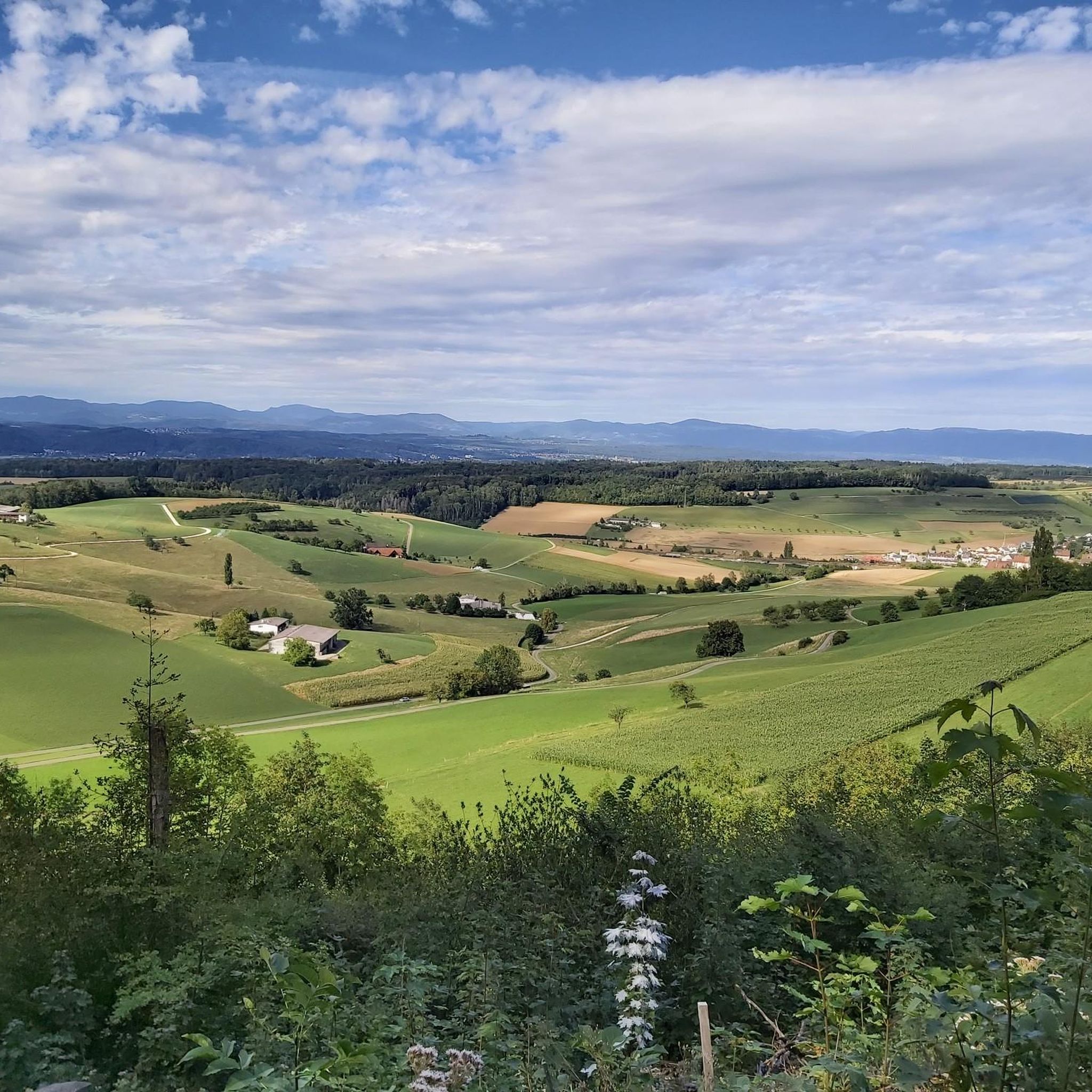
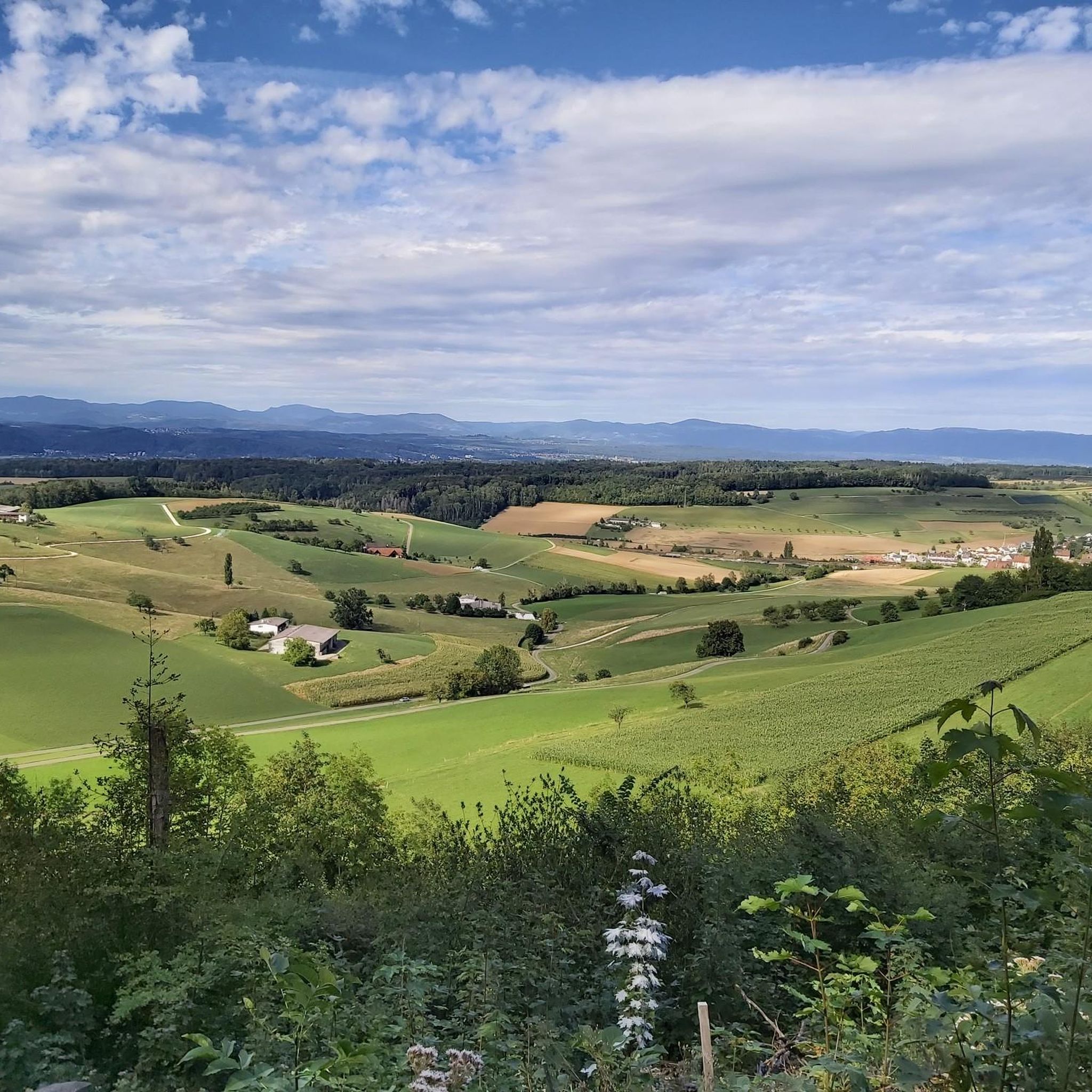
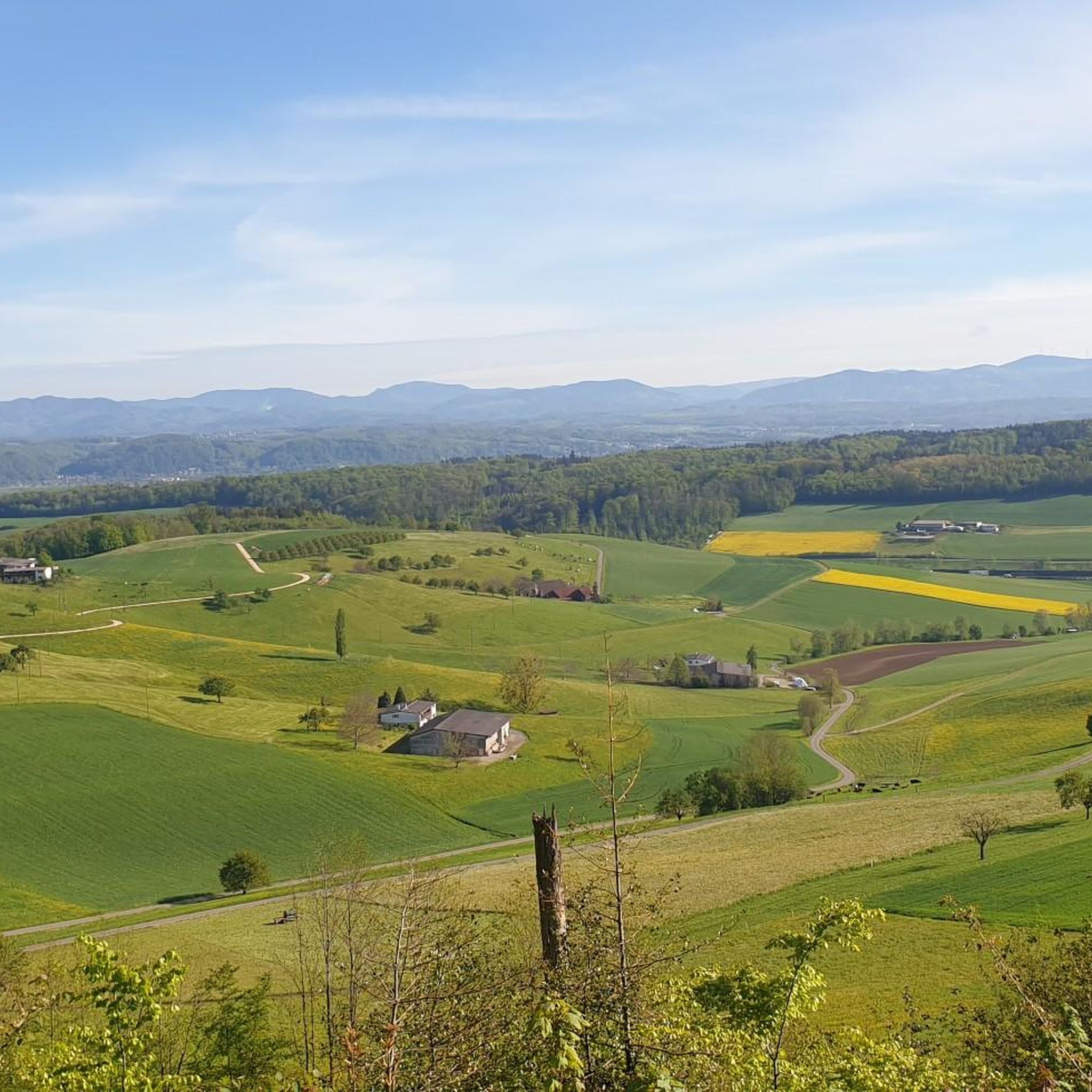
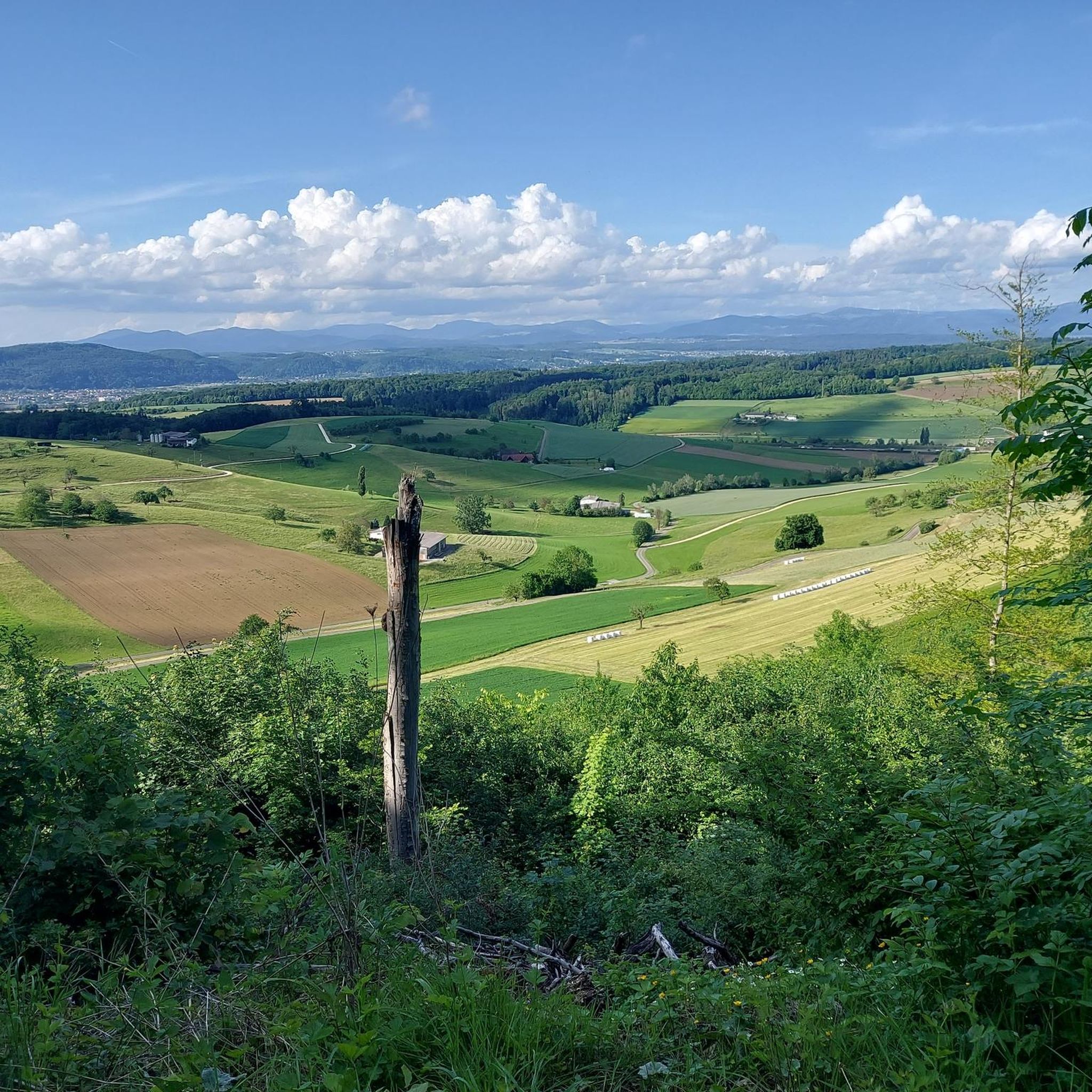
Experience the peace of nature...
0
0

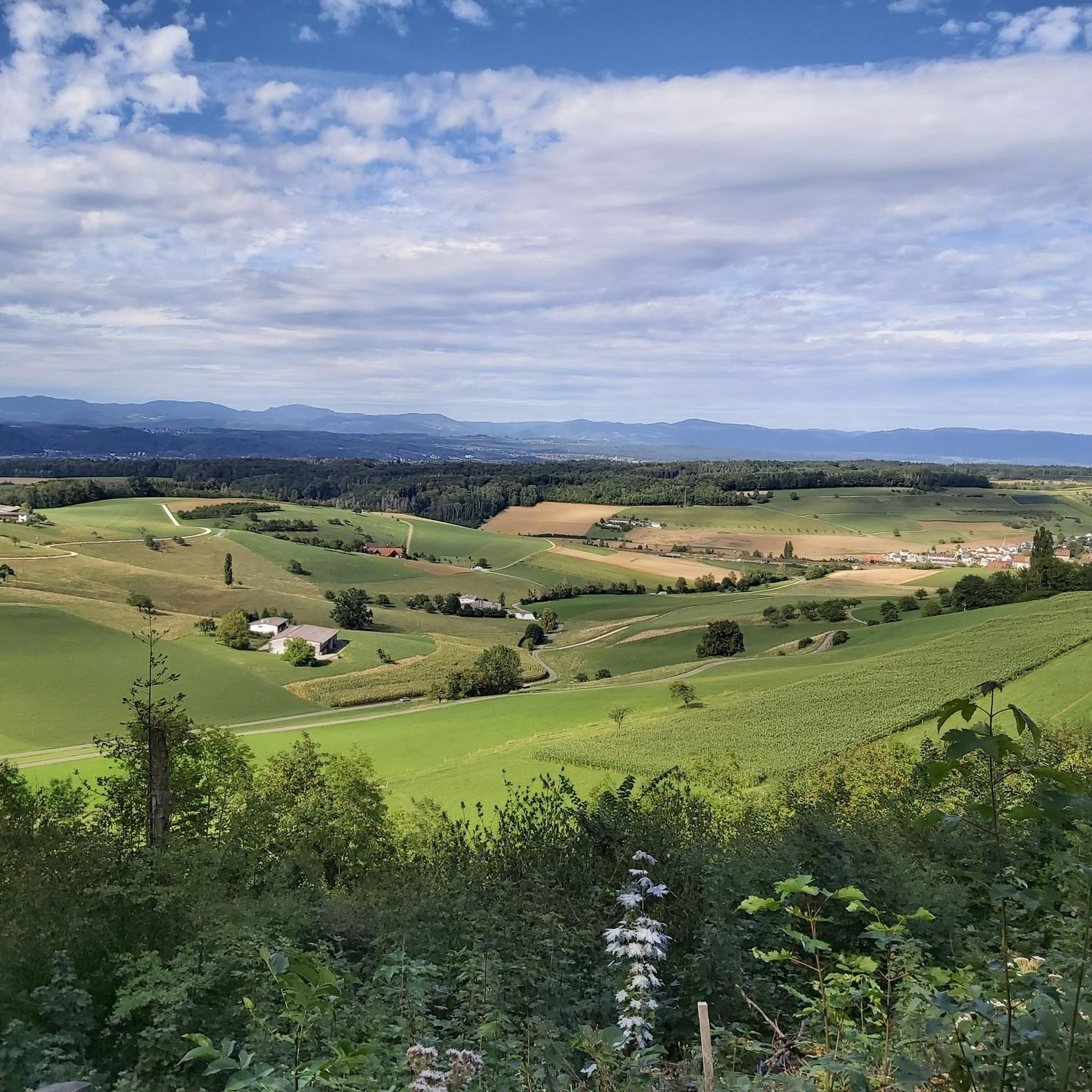
Allows a view over the trees towards Basel/Black Forest
6
1

Rhine Bridge "Border crossing between the two Rheinfelden" The old Rhine Bridge is a Rhine and border crossing between the two Rheinfelden. Crossing is only permitted for pedestrians, bicycles, mopeds, taxis and the local bus. From the ferry to the bridge. There was already a ferry in the area of today's bridge during Roman rule. The Zähringers, who expanded the market town of Rheinfelden into a town, also had a ferry connection across the Rhine. It ensured the connection to the road to the Zähringen possessions in Breisgau. The first bridge was probably built in the second half of the 12th century, because in 1198 a citizen of Rheinfelden was referred to in a document as Heinricus de Ponte (Heinrich von der Brücke). It was therefore the oldest bridge between Constance and Strasbourg, even before the middle bridge in Basel, which was built in 1225. Pedestrian bridge. Except for taxis and the local bus, cars are no longer allowed to use the bridge. The crossing over the Rhine and the entire old town is reserved for bicycles at walking pace and pedestrians. The Rhine bridge offers a wonderful view of the old town facades and the Park Hotel on the Rhine. Text / Source: Tourism Rheinfelden, City Office, Rheinfelden https://www.tourismus-rheinfelden.ch/de/erleben/sehenswuerdigkeiten/rheinbruecke
15
0
Rhine Bridge, Rheinfelden since 1150 Around 1150, Konrad von Zähringen had the first Rhine bridge built in Rheinfelden. This gave the newly minted town of Rheinfelden (which received town charter in 1130) a major economic boom. The bridge in Rheinfelden was the only bridge over the Rhine in the area at the time, and was even older than the bridges in Basel. Thanks to the island, building a bridge here was easier than elsewhere in the Rhine, as the island could be used as a bridge pillar. This is why the bridge still has a bend today. One night in 1897, the old wooden bridge burned down. "It is said that many a Rheinfelden resident shed a tear when this old landmark of the town, to which such a rich piece of history is linked, was consumed by flames." Construction of the bridge that still stands today began soon after. Fortunately, it is now fireproof, but still not completely out of danger. In 1995 it was almost washed away by floods, and in May 1999 the bridge also withstood the flood of the century. Text / Source: http://rheinfelden.net/rhf-p.htm http://rheinfelden.net/rhf-p.htm
15
2
Inner courtyard of the Rheinfelden town hall The imposing Rheinfelden town hall with its baroque facade and coats of arms, the defiant tower, the courthouse and the beautiful inner courtyard with the proud open staircase. (The Rheinfelden town hall is often referred to as a miniature version of the Basel town hall! Text / Source: Tourism Rheinfelden, City Office, Rheinfelden Rheinfelden-rundgang-rheinfelden-2021_0
14
0
Rheinfelden Town Hall The Town Hall is a hidden gem full of history. It is located in the town hall and can be reached via the Gothic staircase in the inner courtyard. Inside, magnificent portraits of the Habsburg rulers and coats of arms await. Anyone who wants to get married in Rheinfelden can celebrate their civil wedding here. Cultural asset of regional importance. On the night of February 11, 1531, the old town hall in Rheinfelden fell victim to a fire. Shortly afterwards, a new building was built using the medieval tower that had been spared from the fire. This late Gothic building forms the core of today's town hall. Coat of arms & portraits of the rulers. The large council chamber was decorated on the north and south sides with coats of arms from the Ropstein workshop in Freiburg im Breisgau. These were donated by Austrian sovereigns, friendly forest towns and the county of Hauenstein, as well as local nobles who were in the service of the Habsburgs. 10 princes and 8 citizens' portraits depict personalities from Rheinfelden's history: Among others, Emperor Ferdinand I and Maria Theresa. Text / Source: Tourism Rheinfelden, City Office, Rheinfelden https://www.tourismus-rheinfelden.ch/de/erleben/sehenswuerdigkeiten/rathaussaal-rheinfelden
15
0
Rheinfelden Town Hall Centrally located, the town hall with its impressive baroque facade, massive tower and beautiful courtyard stands in the middle of Rheinfelden's old town. An Austrian coat of arms on a Swiss town hall? After the town hall burned down in 1531, it was rebuilt. The tower with its crenellated crown dates back to the Zähringer period. The baroque facade from the 18th century shows the coats of arms of Austria, the county of Hauenstein, Laufenburg, Säckingen, Rheinfelden, and the Truchsessen family. Rheinfelden belonged to the Habsburgs and thus to Austria for almost 1000 years. Today, the entire city administration is located in the historic building. Rudolf: The King of Rheinfelden. When you enter through the gate on the left, there is a cast of the gravestone of Rudolf von Rheinfelden († 1080). The former court and market arcades are also here. Text / Source: Tourism Rheinfelden, City Office, Rheinfelden https://www.tourismus-rheinfelden.ch/de/erleben/sehenswuerdigkeiten/rheinfelder-rathaus
17
0
Rhine Bridge "Border crossing between the two Rheinfelden" The old Rhine Bridge is a Rhine and border crossing between the two Rheinfelden. Only pedestrians, bicycles, mopeds, taxis and the local bus are allowed to cross. From the ferry to the bridge. There was already a ferry in the area of today's bridge during Roman rule. The Zähringen family, who expanded the market town of Rheinfelden into a town, also had a ferry connection across the Rhine. It ensured the connection to the road to the Zähringen possessions in Breisgau. The first bridge was probably built in the second half of the 12th century, because in 1198 a citizen of Rheinfelden was referred to in a document as Heinricus de Ponte (Heinrich von der Brücke). It was therefore the oldest bridge between Constance and Strasbourg, even before the middle bridge in Basel, which was built in 1225. Pedestrian bridge. Except for taxis and the local bus, cars are no longer allowed to use the bridge. The crossing over the Rhine and the entire old town is reserved for bicycles at walking pace and pedestrians. The Rhine bridge offers a wonderful view of the old town facades and the Park Hotel on the Rhine. Text / Source: Tourism Rheinfelden, City Office, Rheinfelden https://www.tourismus-rheinfelden.ch/de/erleben/sehenswuerdigkeiten/rheinbruecke
13
0
Frequently Asked Questions
What historical sites can I explore near Füllinsdorf?
Füllinsdorf and its surroundings are rich in history. You can visit the Old Rhine Bridge in Rheinfelden, a 12th-century landmark that was one of the oldest bridges between Constance and Strasbourg. Also in Rheinfelden, the Rheinfelden Town Hall boasts an impressive Baroque facade and a history tied to the Habsburgs. Closer to Füllinsdorf, explore the Roman water conduit, a sight of national importance, or the Büechlihau, a Bronze Age Roman cult site where a significant Celtic treasure was found. The Altenberg Castle Ruins, located in the forest above the village, also offer a glimpse into medieval times.
Are there any good viewpoints or observation towers in the Füllinsdorf area?
Yes, for panoramic views, head to the Gempenturm Observation Tower. This man-made monument has historical significance from World War II and now offers magnificent vistas. Additionally, the Liestal Lookout Tower, a short distance south of Füllinsdorf, provides extensive views over Liestal and Lausen.
What natural attractions are there for outdoor enthusiasts?
Nature lovers will find plenty to enjoy. The Lange Erlen Park and Wiese River offer a pleasant forest environment with trails. You can also explore the tranquil Verena Gorge (Verenaschlucht), known for its cozy spot amidst rocks and green nature. For broader landscapes, the Thal Nature Park and Chasseral Nature Park are nearby, offering beautiful meadows, mountains, and opportunities to enjoy sunsets.
Are there family-friendly activities or places to visit around Füllinsdorf?
Absolutely. Many attractions are suitable for families, including the Old Rhine Bridge, Rheinfelden, which is pedestrian and bicycle-friendly. The Wiesendamm promenade is a pleasant, green, and bike-friendly path perfect for walks or cycles with children. The Lange Erlen Park and Wiese River is also family-friendly, featuring a nearby zoo. For more active fun, the neighboring village of Frenkendorf has a skate park and a fun park.
Where can I go for a pleasant walk or bike ride near Füllinsdorf?
The Wiesendamm promenade is an excellent choice for both walking and cycling. This green, bike-friendly path follows the Wiese stream and is suitable for all ages. You can also find well-kept paths around the Altenberg Castle Ruins, perfect for a leisurely stroll.
What kind of hiking trails are available near Füllinsdorf?
Füllinsdorf is a great starting point for various hikes. You can find easy to moderate trails, such as the 'View from Liestal Observation Tower – Schleifenberg Tower loop' (6 km, easy) or the 'View of Liestal – Schleifenberg Tower loop' (9.8 km, moderate). For more options, explore the Hiking around Füllinsdorf guide, which features routes like the 'Altenberg Ruins – Altenberg Castle Ruins loop' (3.1 km, easy).
Are there mountain biking or gravel biking opportunities in the area?
Yes, the region offers diverse terrain for both mountain biking and gravel biking. For gravel enthusiasts, routes like the 'Liestal Old Town – Forest Trail Through Oristal loop' (19.9 km, moderate) are available. Mountain bikers can tackle trails such as the 'Augusta Raurica Roman Theatre – Rheinfelden Town Hall loop' (49.4 km, moderate). More routes can be found in the Gravel biking around Füllinsdorf and MTB Trails around Füllinsdorf guides.
What is the significance of the Roman Water Conduit in Füllinsdorf?
The Roman water conduit in Füllinsdorf is recognized as a sight of national importance. It provides a tangible link to the region's ancient past, showcasing the advanced engineering of the Roman era and hinting at the historical presence and infrastructure in the area.
Can I access attractions near Füllinsdorf using public transport?
Many attractions in and around Füllinsdorf are accessible via public transport. For instance, the Old Rhine Bridge in Rheinfelden is open to pedestrians, bicycles, mopeds, taxis, and local buses, making it easy to reach. Füllinsdorf itself is a well-connected residential community, serving as a good base for exploring the region.
What makes the Rheinfelden Town Hall a notable historical site?
The Rheinfelden Town Hall is a culturally significant building with an impressive Baroque facade, a massive tower, and a beautiful courtyard. Its history includes a rebuilding after a fire in 1531, and its facade displays coats of arms reflecting Rheinfelden's historical ties to Austria, to which it belonged for nearly 1000 years.
Are there any archaeological sites to visit in Füllinsdorf?
Yes, Füllinsdorf is home to the Büechlihau, a significant Bronze Age Roman cult site. This is where Switzerland's largest Celtic treasure, consisting of numerous silver coins from the first century BC, was unearthed, suggesting it may have been a natural sanctuary or a sacred grove.
What kind of atmosphere can I expect in Füllinsdorf itself?
Füllinsdorf is known as a quiet, green, and family-friendly residential community. It offers a peaceful environment, making it an ideal base for exploring the rich cultural and natural offerings of the Basel-Landschaft canton while enjoying a relaxed local atmosphere.
Most popular routes around Füllinsdorf
Most popular attractions around Füllinsdorf

Get inspired with the komoot mobile app


Explore more
Still not found the Highlight you’re looking for? See guides of the top attractions in other regions:
