Top 16 Natural Monuments around Breamore
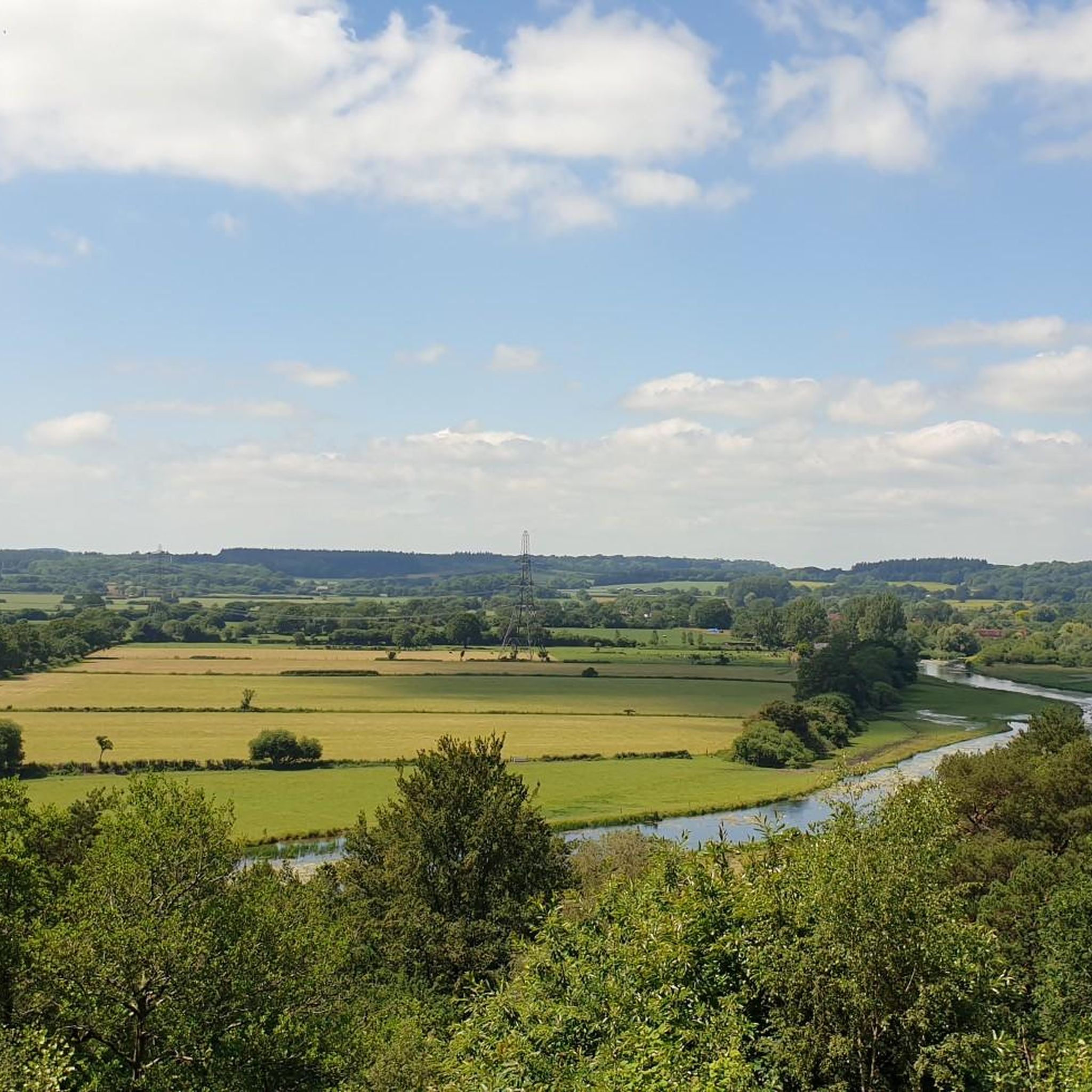
Best natural monuments around Breamore include a variety of historical and natural features. The area encompasses the River Avon, a Site of Special Scientific Interest, and extensive woodlands known for their natural beauty. Breamore Down features Bronze Age burial sites, including the Giant's Grave, providing insight into ancient communities. These locations offer diverse landscapes for exploration.
Best natural monuments around Breamore
- The most popular natural monument is Bokerley Dyke, a historical site and natural monument that is a 3.5-mile-long…
Last updated: October 3, 2026
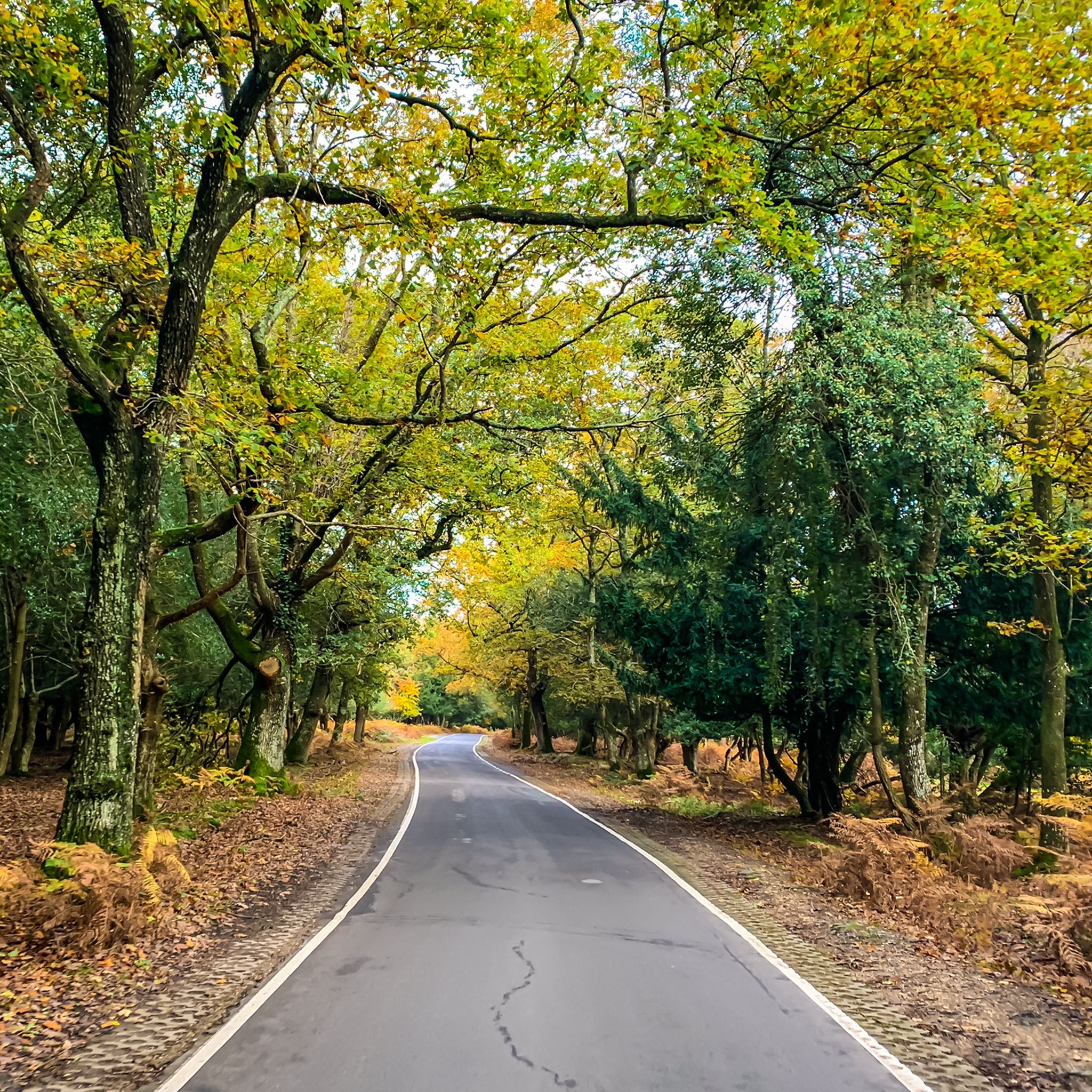
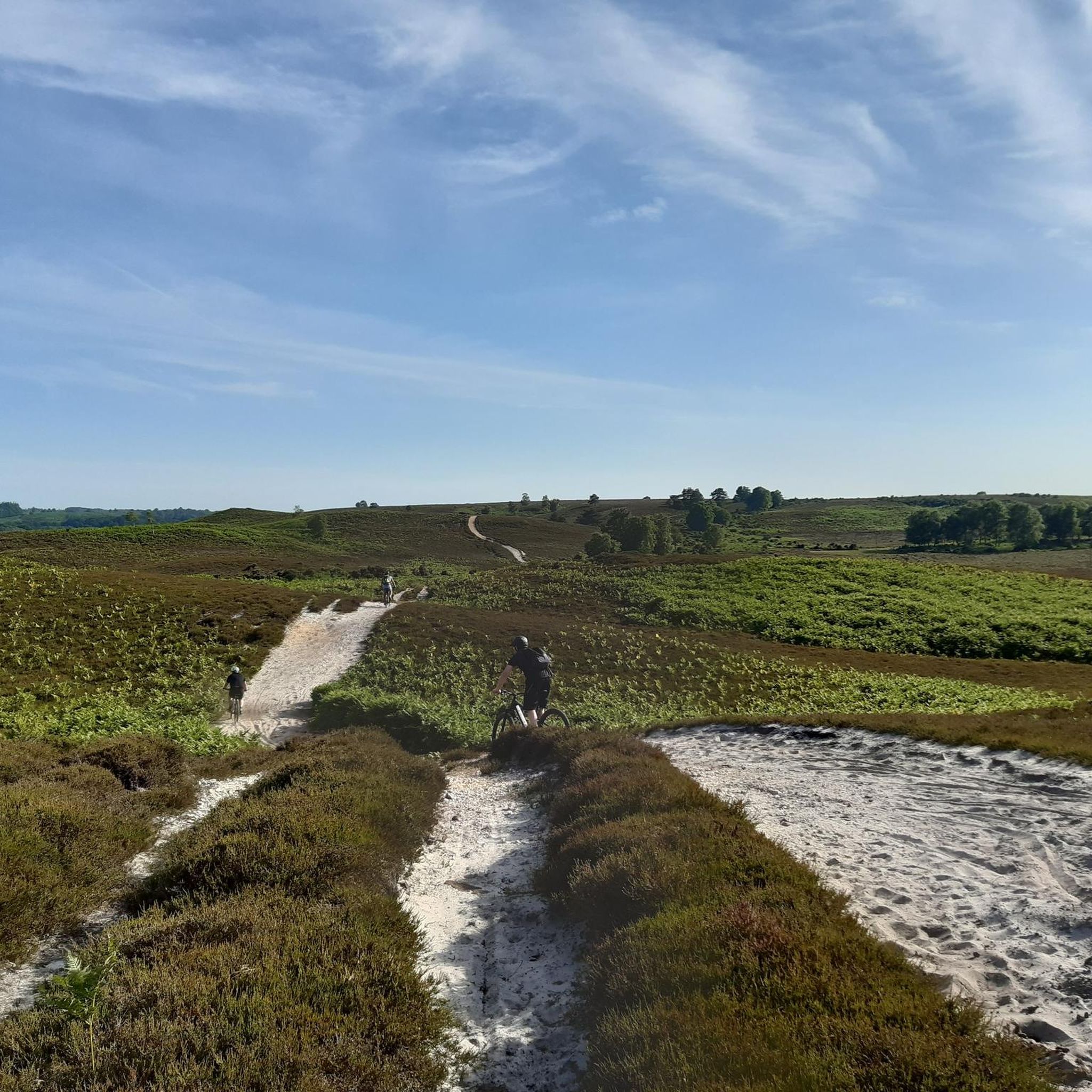
The New Forest
Highlight • Historical Site
Tip by

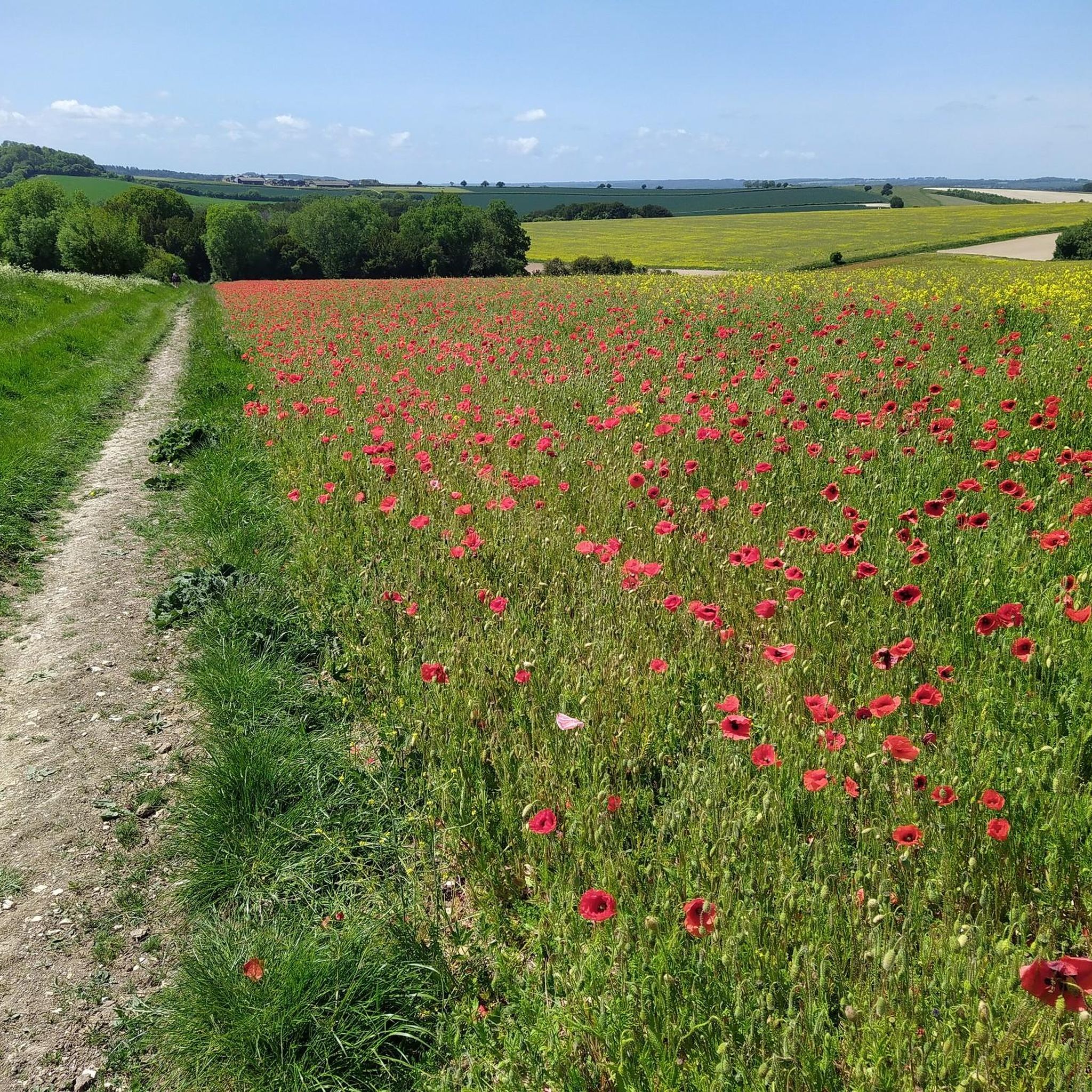
Bokerley Dyke
Highlight • Trail
Tip by

Sign up now to discover places like this
Get recommendations on the best single tracks, peaks, & plenty of other exciting outdoor places.
Telegraph Hill
Highlight • Historical Site
Tip by

Langley Nature Reserve
Highlight • Natural Monument
The …
Tip by

Abbots Well
Highlight • Historical Site
Tip by
Sign up for free to discover even more natural monuments around Breamore.
Already have an account?
Start today with a free account
Your next adventure awaits.
Tips from the Community

Napoleonic Era: During the early 19th century, the site housed a wooden optical shutter signal station. It was part of a line connecting Plymouth with the Admiralty in London, capable of passing messages in under 20 minutes. Thats google telling me
0
0

Bokerley Dyke is a substantial linear earthwork, approximately 5.75 kilometers (3.6 miles) long, located on Cranborne Chase. It runs along part of the border between Dorset and Hampshire, specifically between Woodyates and Martin. It is part of a larger Scheduled Monument that also includes Grim's Ditch and other earthworks. The dyke has a multi-period history. It is believed to have originated in the Bronze Age or Early Iron Age as an important political and cultural boundary. In the 1st century, it was cut through by a Roman road, Ackling Dyke, which ran between Old Sarum and Badbury Rings. In the 4th century, the dyke was remodeled and brought back into use. During this period, the Roman road was blocked. A coin of Valens found during excavations dates this activity to shortly after 364 AD, with some sources suggesting it was built between 367-368 AD. This remodeling may have been a defensive measure against attacks on Britain by Picts, Scots, and Saxons. The Roman road was eventually reopened, but the dyke may have continued to be used as a boundary after the Roman administration ended. Today, it still forms part of the border between the counties of Dorset and Hampshire.
0
0

Sorry I really don't like the Rodger Penny Way, as a local I try not to ride it anymore.. I'd go through Woodgreen, Lover, Passed Hampworth Golf Course, No Mans Land... much quieter roads... On the way back most of my routes go into Ringwood... and through the forest from there (I live near Lyndhurst)
0
0

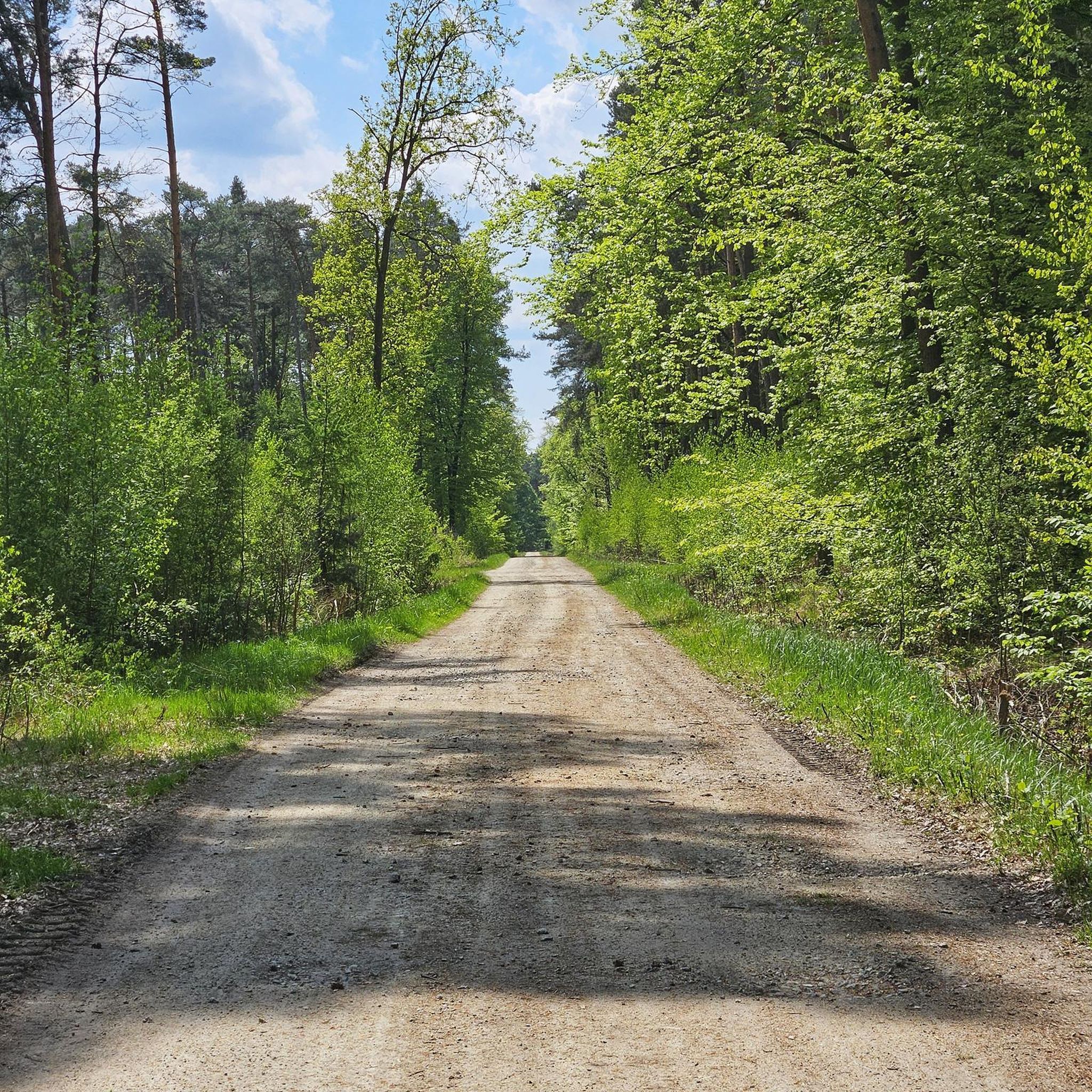
The nature reserve was part of a group of Royal Forests until the 16th century when, unlike the New Forest, they declined and reverted to farmland and landscaped parks. The reserve's ancient woodlands have a long history of management and would have provided local people with a valuable source of timber, wood fuel, forage for pigs (known as pannage) and grazing for livestock. Coppicing was particularly important, and as you walk through the reserve look for old banks and ditches that mark the boundary of coppice enclosures. Coppicing is the method of cutting trees such as hazel or oak to ground level on a regular cycle. This produces fast-growing shoots for fodder, firewood and making charcoal.
2
0

Abbots Well was formerly known as Alleynewell within the ancient boundaries of the New Forest when defined during the reign of King Edward I (1272-1307). This perpetual spring was, for centuries, the main watering place for travellers on the old road to Southampton. Theoretically the chamber on the left is for forest fauna and under the wooden flap on the right water intended for human consumption. I’m not sure I’d drink from it though - make your own mind up!!!
2
0

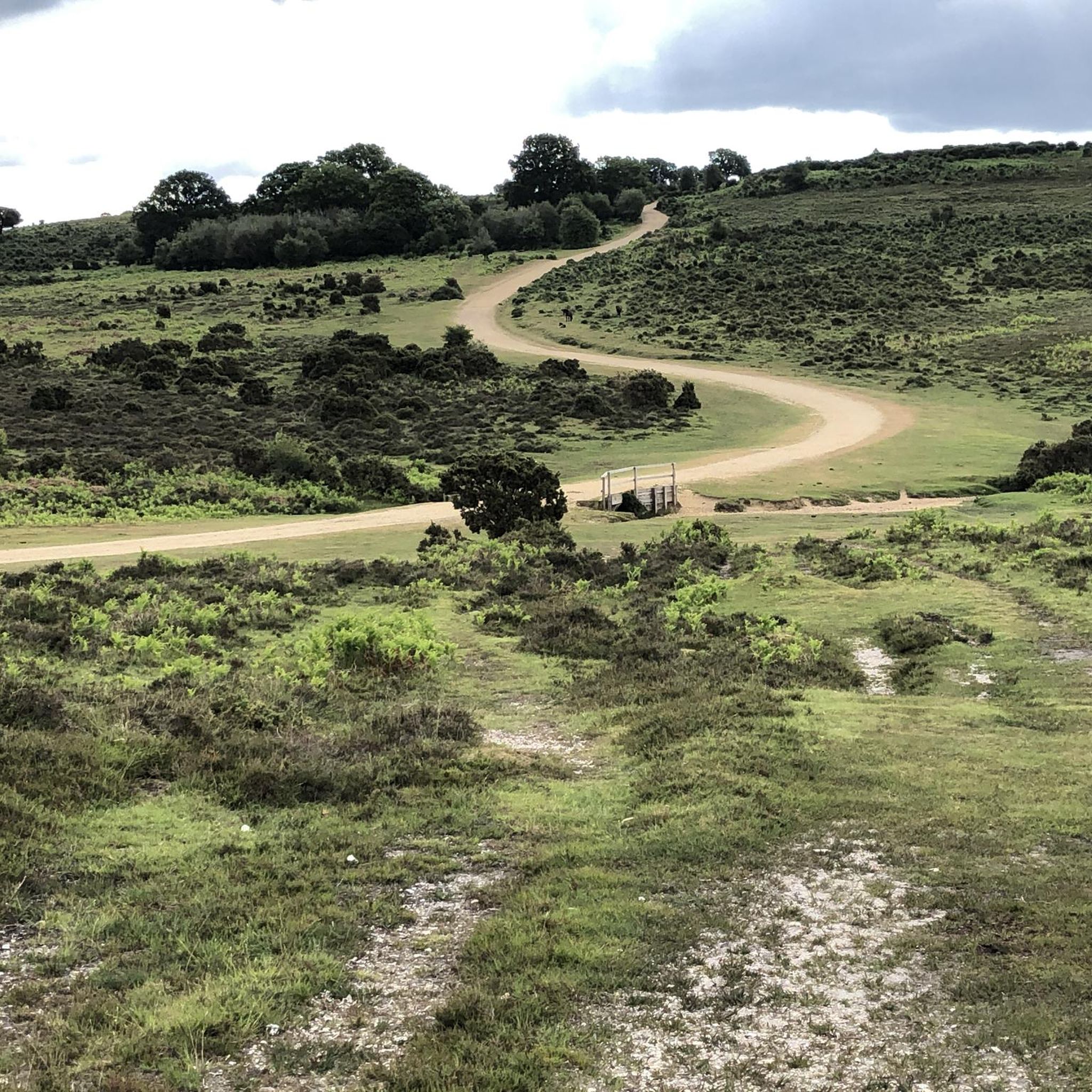
The name, Telegraph Hill, was given to this spot after it was used as a semaphore station from 1795. Before then, it was called Plowed Garlic Hill. No sign of either exist today, but it has a place in history as one of the semaphore station used to communicate the victory at Waterloo.
0
0

Bokerley Dyke may have originated in the Bronze Age or Early Iron Age and formed a political and cultural boundary. It was cut through by a Roman Road (Ackling Dyke running between Old Sarum and Badbury Rings) in the 1st century.
0
0
Frequently Asked Questions
What unique natural features can I explore around Breamore?
Breamore is rich in natural features. You can explore the ancient woodlands, particularly known for their spectacular Bluebell Walks in spring. The New Forest itself is a vast area of unenclosed pasture, heathland, and forest. The River Avon, flowing through the parish, is also a significant natural feature and a Site of Special Scientific Interest.
Are there any historical natural monuments in the Breamore area?
Yes, Breamore is home to several fascinating historical natural monuments. The Bokerley Dyke is a 3.5-mile-long prehistoric boundary ditch with origins in the Bronze or Early Iron Age. Breamore Down features Bronze Age bowl barrows and a long barrow known as the Giant's Grave, offering a glimpse into ancient communities. Additionally, the Breamore Mizmaze, a rare medieval turf labyrinth, provides a unique historical and contemplative experience.
What kind of outdoor activities can I do near Breamore's natural monuments?
The area around Breamore offers diverse outdoor activities. You can enjoy hiking, cycling, and mountain biking. For hiking, there are easy trails like 'The Miz Maze – Breamore House loop' or 'Bilberry Patch – Castle Hill Viewpoint loop'. Cyclists can explore routes such as 'Wiltshire to the New Forest'. Mountain bikers have options like 'View of Hampton Ridge – Eyeworth Pond loop'. You can find more details on these activities and routes in the easy hikes, cycling, and MTB guides around Breamore.
Are there family-friendly natural monuments or walks in Breamore?
Absolutely. Many natural monuments in Breamore are suitable for families. The New Forest and Langley Nature Reserve are both categorized as family-friendly. The woodlands around Breamore Estate offer pleasant walks, and the Breamore Mizmaze can be an intriguing visit for all ages. When planning, look for easy-grade routes, some of which may be pram-friendly, though specific pram access varies by trail.
What is the best time of year to visit the natural monuments around Breamore?
The best time to visit depends on your interests. Spring is particularly beautiful for the woodland areas, especially for the renowned Bluebell Walks. Summer offers pleasant weather for longer walks and exploring the open landscapes of Breamore Down. Autumn brings vibrant colors to the forests. While winter walks are possible, be prepared for potentially muddy conditions and shorter daylight hours.
Can I bring my dog to the natural monuments in Breamore?
Many areas around Breamore are dog-friendly, including parts of The New Forest and various walking trails. However, it's crucial to keep dogs under close control, especially near livestock or wildlife, and to adhere to any local signage regarding leash requirements. Always clean up after your dog to help preserve the natural environment.
Where can I find easy hiking trails near Breamore's natural monuments?
There are several easy hiking trails that allow you to explore the natural monuments. For instance, 'The Miz Maze – Breamore House loop' is an easy 4.3 km hike. Another option is the 'Bilberry Patch – Castle Hill Viewpoint loop from Woodgreen', which is around 4.8 km. These trails are generally suitable for a relaxed walk. You can find more easy hikes in the easy hikes around Breamore guide.
What is RSPB Franchises Wood and what can I see there?
RSPB Franchises Wood is a 1,000-acre nature reserve and the RSPB’s first in the New Forest. It features woodland with heath and rare plants, providing a peaceful environment for walking. It acts as a vital bridge between Langley Wood National Nature Reserve and the New Forest Special Protection Area, making it an excellent spot for birdwatching and enjoying diverse flora.
Are there any natural monuments with historical significance related to ancient wells or springs?
Yes, Abbots Well is a natural monument with significant historical ties. Formerly known as Alleynewell, this perpetual spring was a main watering place for travelers on the old road to Southampton for centuries. It was first recorded in 1215 and is located within the ancient boundaries of the New Forest.
What is Langley Nature Reserve known for?
Langley Nature Reserve is known for its ancient woodlands, which have a long history of management. These woodlands provided valuable resources like timber, wood fuel, and forage for pigs. Visitors can still see old banks and ditches marking former coppice enclosures, showcasing traditional woodland management techniques. It's a great place to experience a managed ancient forest environment.
What are the typical terrain and difficulty levels for walks around Breamore's natural monuments?
The terrain around Breamore varies. You'll find relatively flat paths along the River Avon and through some woodlands. However, areas like Breamore Down, where the Mizmaze and Giant's Grave are located, involve gentle inclines. Difficulty levels for walks range from easy, such as the 'The Miz Maze – Breamore House loop', to more moderate routes, especially if combining several sites or venturing further into the New Forest. Always check specific route details for elevation and conditions.
Where can I find viewpoints to appreciate the natural beauty of Breamore?
Breamore Down offers panoramic views, particularly from the area around the Mizmaze and the ancient barrows. Walking along the River Avon also provides scenic vistas of the valley and open parkland. While specific named viewpoints are less common, the elevated sections of trails, especially those on the downs, will offer excellent opportunities to appreciate the landscape.
Most popular routes around Breamore
Most popular attractions around Breamore

Get inspired with the komoot mobile app


Explore more
Extend your search for the best caves by checking out these guides of the top ones around Breamore:
