Top 11 Natural Monuments around Stoke Poges
Best natural monuments around Stoke Poges include significant trees, historical landscapes, and tranquil natural spaces. This Buckinghamshire village is characterized by its thoughtfully designed gardens and ancient woodlands. The area offers serene environments for walking and reflection, often linked to historical figures and events. Visitors can explore a diverse collection of flora and well-preserved natural beauty.
Best natural monuments around Stoke Poges
- The most popular natural monuments is The Copper Horse (King George III Monument), a man-made monument perched…
Last updated: November 13, 2026
The Copper Horse (King George III Monument)
Highlight • Monument
Tip by

Magna Carta Memorial
Highlight • Natural Monument
The …
Tip by

Sign up now to discover places like this
Get recommendations on the best single tracks, peaks, & plenty of other exciting outdoor places.
Cock Marsh Wetland Walkway
Highlight • Trail
Tip by

Burnham Beeches
Highlight • Historical Site
Tip by

Diamond Jubilee Fountain
Highlight • Rest Area
Tip by

Sign up for free to discover even more natural monuments around Stoke Poges.
Already have an account?
Start today with a free account
Your next adventure awaits.
Tips from the Community

If you would like to compare this historic monument with a much more recent one for Queen Elizabeth II (1926 to 2022), just follow the link to the corresponding hiking highlight in the komoot system =>> https://www.komoot.com/de-de/highlight/3388562
1
0
The information panel belonging to this simple, but certainly dignified, memorial for human rights has been created as a standalone highlight in the komoot system. If you are interested, see =>> https://www.komoot.com/de-de/highlight/1132793
0
1

Not accessible any more with a bike, even pushing one. This also denies access for anyone with a disability using a hand cycle or those who find it easier to pedal than walk, families walking with kids on a bike. Wheelchairs etc if there's no one at the gate to let them in as the pedestrian access is designed to block all but the abled. Crown Estate / Windsor Great Park have banned bikes from many areas, especially this one. While the Long Ride was always forbidden it was great to get a good view of the castle from the Copper Horse. If you're on a horse though, no problem. No mention of scooters banned either. 🤔
1
2

Greate place for long hike.
2
1

Perched upon Snow Hill at the southern end of the Long Walk from Windsor Castle, sits The Copper Horse. This impressive statue shows King George III atop his stead and was created in 1831. The statue was inspired by a similar creation of Marcus Aurelius and features George pointing to the castle in the distance. Snow Hill offers fantastic views along the Long Walk avenue and is a waypoint on the Three Castles Path long-distance walking trail.
4
1

Someone told me off for riding my bike in here so make sure you take note of any signs (I didn't!!). Lovely riding though so definitely worth the telling off.
0
0

Burnham Beeches is a Site of Special Scientific Interest, National Nature Reserve, and Special Area of Conservation thanks to its ancient beech woodland and rich wildlife. More than sixty species of plants and animals that call the 927-acre (375 ha) site home are rare or under threat. The historic woodland is also home to relics of times gone by. Located in the southwest of the woodland, you can visit Seven Ways Plain hill fort which dates to the Late Bronze Age and Early Iron Age. Neighbouring film studios have used the Beeches as a shooting location in various productions such as Doctor Who, Harry Potter, Goldfinger, and Robin Hood Prince of Thieves.
0
0

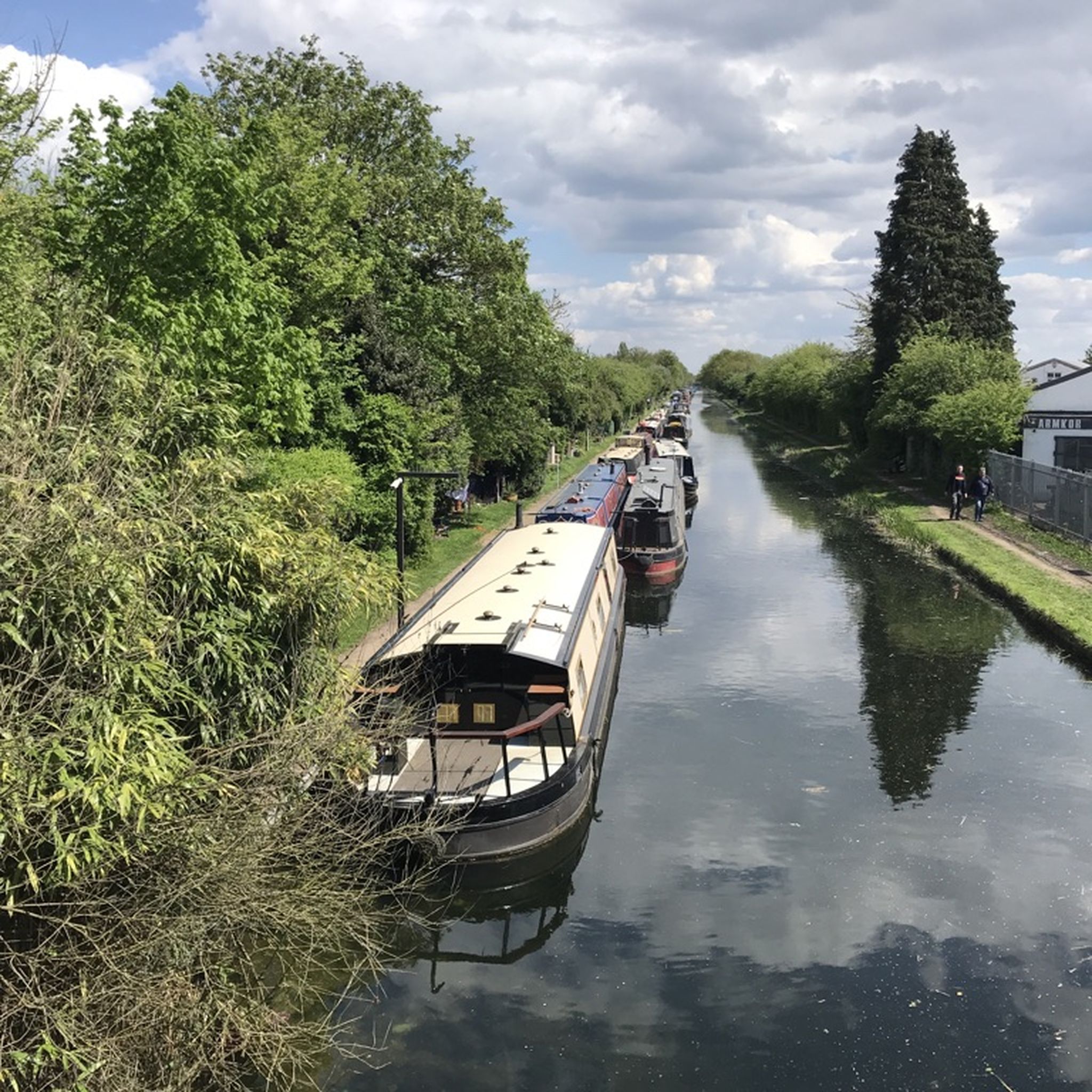
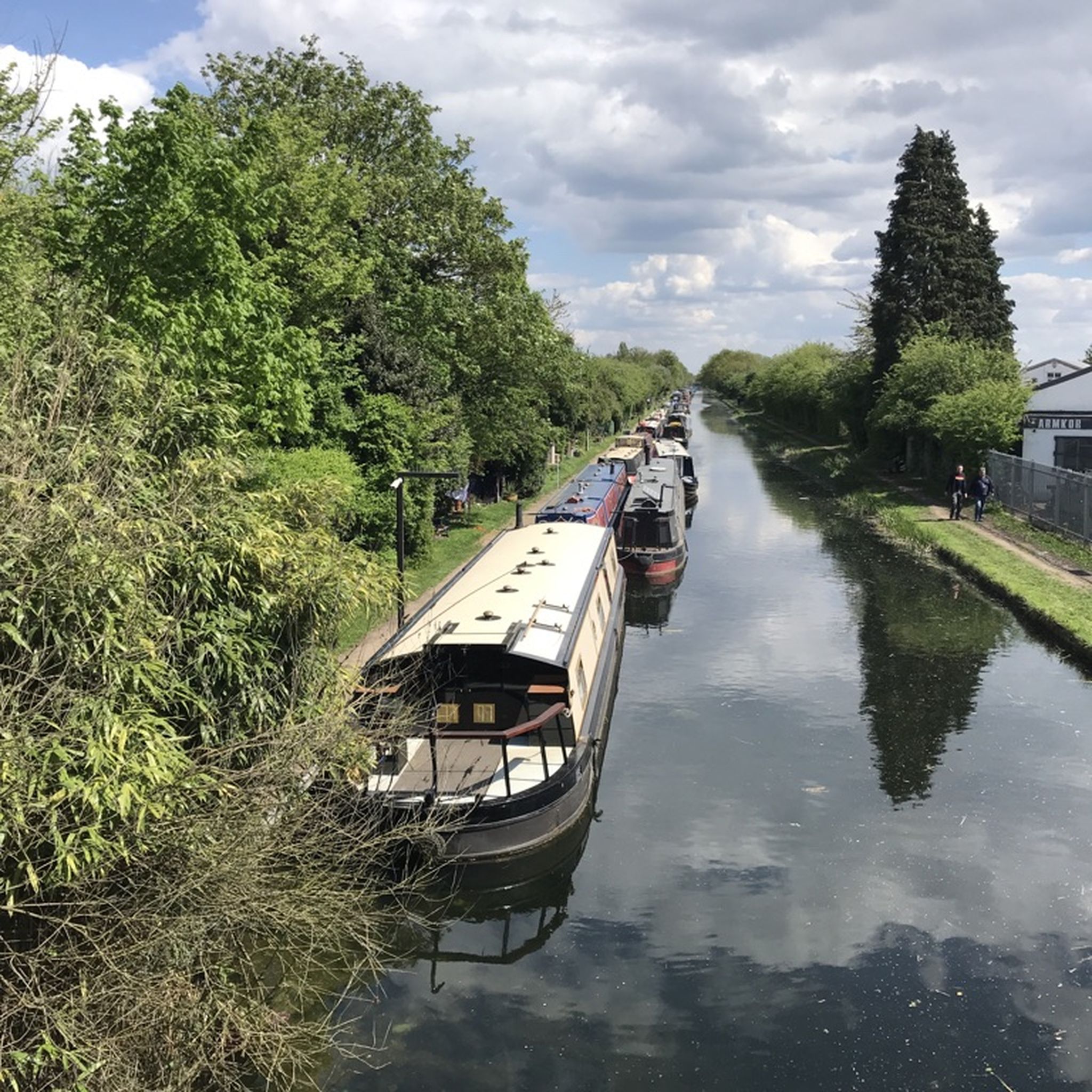
A nice garden and benches to take a break when cycling through Windsor
1
0
Frequently Asked Questions
What are some notable natural monuments specifically within Stoke Poges?
Within Stoke Poges itself, you can explore the Stoke Poges Memorial Gardens, known for their diverse collection of mature trees, including a 600-year-old English Oak. Gray's Field, adjacent to St Giles' Church, is another significant natural space, offering tranquil walks and views across Stoke Park, famously inspiring Thomas Gray's 'Elegy Written in a Country Churchyard'.
What kind of natural features can I expect to see at these monuments?
The natural monuments around Stoke Poges are characterized by significant trees, thoughtfully designed landscapes, and serene natural spaces. You'll find ancient woodlands, diverse flora including various tree species like Magnolia, Scots Pine, and Ginkgo biloba, as well as tranquil river features like the Jubilee River Weir, which has become a wildlife haven.
Do these natural monuments have historical significance?
Yes, many natural monuments in the area are deeply intertwined with history. For instance, Gray's Field is famous for inspiring poet Thomas Gray. The Magna Carta Memorial, while a man-made structure, is set within Runnymede, a natural space of immense historical importance. Even the Copper Horse (King George III Monument), a man-made monument, is perched on Snow Hill, offering historical views along the Long Walk.
Are there family-friendly natural monuments to visit near Stoke Poges?
Absolutely. Burnham Beeches is an excellent family-friendly option, offering ancient woodlands and plenty of space for exploration. The Magna Carta Memorial area at Runnymede also provides open spaces suitable for families. The Stoke Poges Memorial Gardens are also pleasant for a family stroll.
Are any natural monuments around Stoke Poges wheelchair accessible?
While specific accessibility details vary, the Alexandra Gardens Bandstand is noted as wheelchair accessible. For other natural monuments, paths may vary in terrain. It's advisable to check specific site information for detailed accessibility before visiting, especially for areas with natural, unpaved trails.
What outdoor activities can I do near the natural monuments around Stoke Poges?
The area offers various outdoor activities. You can enjoy hiking and walking on trails like those found in Hiking around Stoke Poges, with routes such as the 'Egypt Woods loop' or 'The Blackwood Arms – The Beeches Eco Cafe loop'. Cycling and mountain biking are also popular, with options like the 'Jubilee River Weir – Windsor Castle loop' for mountain biking or the 'Stoke Common Wetlands – The Beeches Eco Cafe loop' for touring bicycles. You can find more routes in the MTB Trails around Stoke Poges and Cycling around Stoke Poges guides.
Can I observe wildlife at the natural monuments in Stoke Poges?
Yes, several natural monuments offer opportunities for wildlife observation. Burnham Beeches is a National Nature Reserve, home to diverse wildlife. The Jubilee River Weir has become a tranquil wildlife haven, and the wetland meadows of Cock Marsh Wetland Walkway are particularly important for rare plant species, breeding waders, and overwintering birds.
When is the best time of year to visit the natural monuments around Stoke Poges?
The natural monuments around Stoke Poges can be enjoyed year-round. Spring brings blooming flora, while summer offers lush greenery for walks and picnics. Autumn showcases beautiful foliage, especially in areas like Burnham Beeches. Even winter provides tranquil, reflective experiences, particularly in the serene gardens and ancient woodlands.
What do visitors enjoy most about the natural monuments around Stoke Poges?
Visitors frequently appreciate the tranquility and historical connections of the natural monuments. The serene environments, opportunities for peaceful walks, and the chance to experience well-preserved or carefully cultivated natural beauty are highly valued. The diverse collection of trees and plants, along with the historical significance of places like Gray's Field, also contribute to a rich visitor experience.
Are there any lesser-known natural gems worth exploring in the area?
Beyond the more prominent sites, the Jubilee River Weir, though part of a flood relief scheme, has evolved into a tranquil wildlife haven with grit cycleways along its banks, perfect for a quiet escape into nature. The ancient trees scattered throughout the village, beyond the Memorial Gardens, also offer hidden pockets of natural heritage and reflection.
Is parking available at the natural monuments?
Parking availability varies by location. For popular sites like the Stoke Poges Memorial Gardens and Burnham Beeches, dedicated parking facilities are generally available. For smaller or more remote natural spaces, roadside parking might be an option, but it's always best to check specific visitor information for each site before your visit.
How can I reach the natural monuments using public transport?
Stoke Poges is served by local bus routes that connect to nearby towns with train stations, such as Slough or Gerrards Cross. From these hubs, you can often find bus services that stop near the main natural monuments or within walking distance. Planning your journey using local transport websites is recommended for the most up-to-date routes and schedules.
Most popular routes around Stoke Poges
Most popular attractions around Stoke Poges

Get inspired with the komoot mobile app


Explore more
Extend your search for the best caves by checking out these guides of the top ones around Stoke Poges:
