Top 8 Natural Monuments around Shenley
Best natural monuments around Shenley offer diverse natural features and historical significance. This area, spanning parts of Hertfordshire and Milton Keynes, provides a variety of landscapes for exploration. Visitors can find ancient woodlands, historical earthworks, and scenic viewpoints. These locations are ideal for walking trails and experiencing the local environment.
Best natural monuments around Shenley
- The most popular natural monuments is London Viewpoint at Wood Farm, a viewpoint that offers panoramic views. From this spot, it is possible to…
Last updated: July 27, 2026
Camlet Moat
Highlight • Historical Site
Tip by

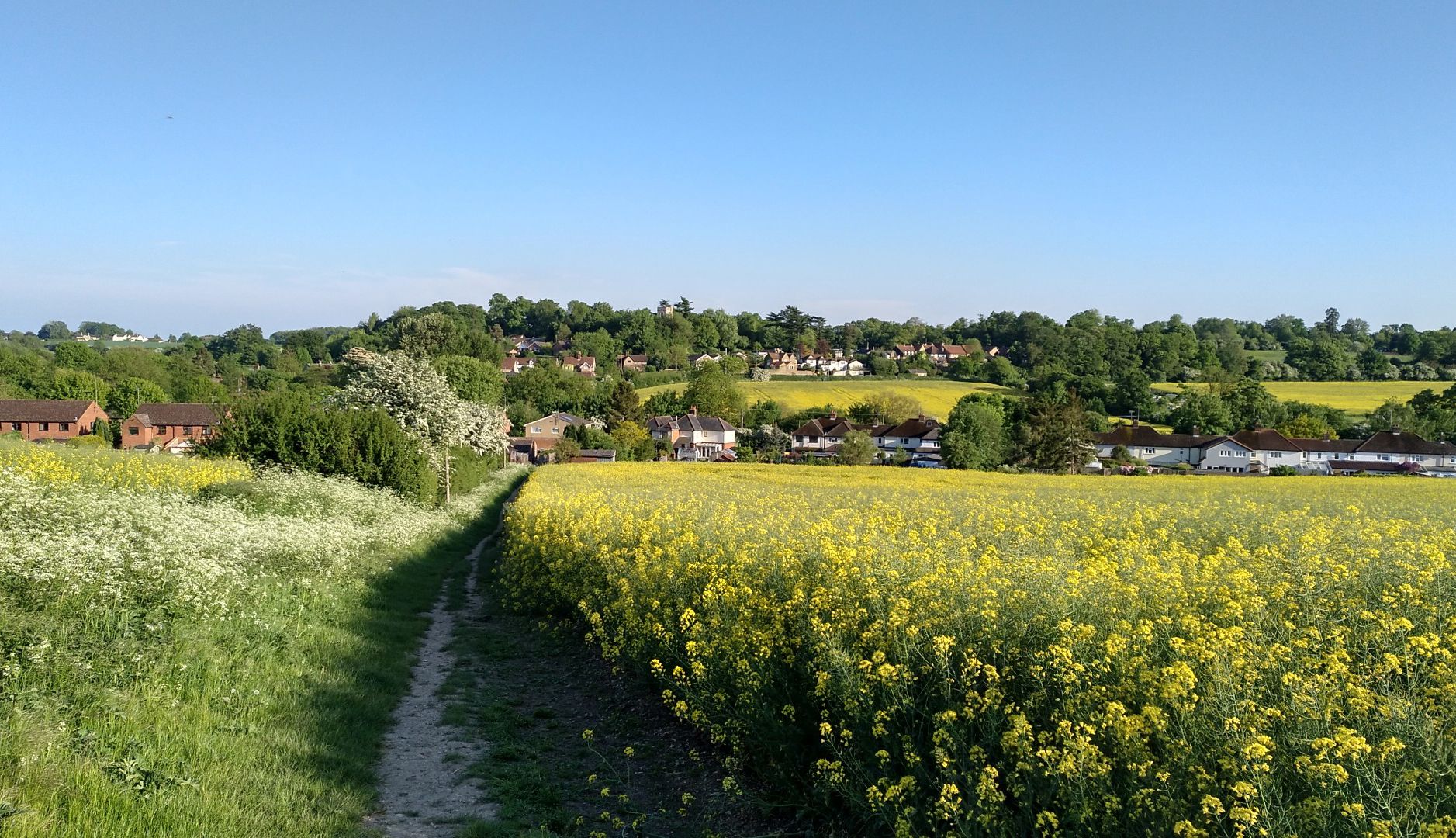
Devil's Dyke, Wheathampstead
Highlight • Natural
Tip by

Sign up now to discover places like this
Get recommendations on the best single tracks, peaks, & plenty of other exciting outdoor places.
Sign up for free
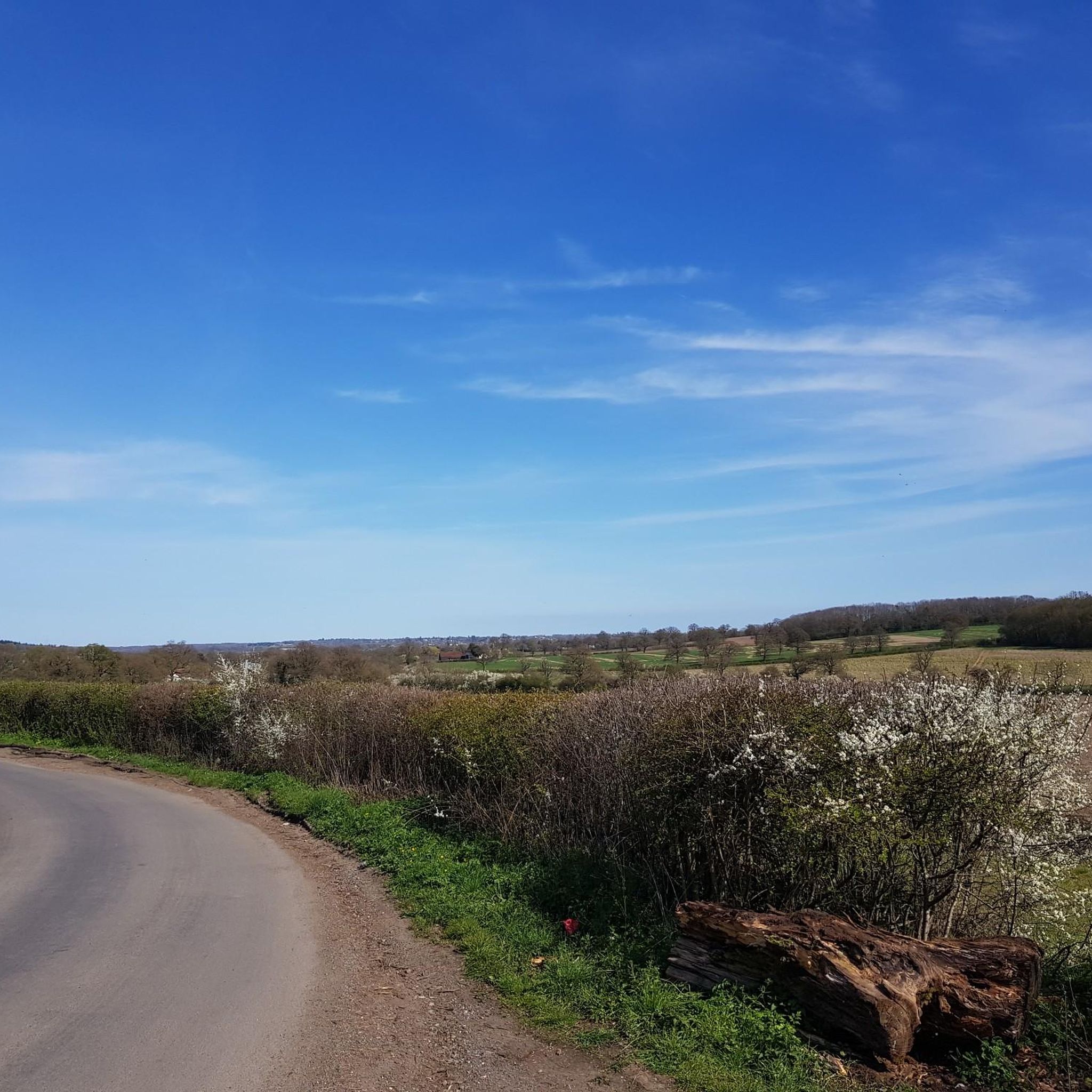
London Viewpoint at Wood Farm
Highlight • Viewpoint
Tip by

Gobions Wood Nature Reserve
Highlight • Forest
Tip by

The Weald Stone
Highlight • Monument
Tip by

Sign up for free to discover even more natural monuments around Shenley.
Sign up for free
Already have an account?
Start today with a free account
Your next adventure awaits.
Login or Signup
Other adventures around Shenley

Tips from the Community

Also worth visiting Pear Wood, which is an extension of Stanmore Park. Full of bluebells and there is a large lake
1
1

The ghost of Geoffrey De Mandeville, Earl of Sussex and Hertfordshire and Constable of the Tower of London has been haunting the Moat since the 12th Century. He was arrested for treason and hid his treasure down a very deep well which he guards. Many have tried to find the well but so far none have succedded
2
0
The moat’s main use was probably defensive. One use of the lodge would have been to detain individuals who had broken the harsh forest laws. The moat would also have helped to drain the site, been used for rubbish disposal and possibly for keeping fish.
1
0
Poor quality excavations in the late 1880s and again in 1923 suggested that the lodge was quite substantial, with rubble masonry walls and glazed floor tiles in some rooms. The name Camlet remains a mystery. It first appears in local records in 1440 AD. The moat was originally crossed by a wooden drawbridge, the base frame of which was lifted in 1923 and recorded in 1949. A small piece found recently was dendro-chronologically dated to c.1357.
1
0

So is this the ancient Weald Stone? Ultimately, we cannot be 100% certain that the lump of rock outside Bombay Central (the former Red Lion) is the same stone that gave Wealdstone its name. However, its location on the High Road matches up persuasively with the Tudor rolls. A 1948 study by the London and Middlesex Archaeological Society puts the connection "beyond all reasonable doubt". That's good enough for me. Despite the recognition by Historic England as a Grade II-listed "building", the stone sits on the pavement without any form of plaque or interpretation board. That's a pity, but it also adds to the enigma of this curious piece of stone.
0
0
Read all about it here: https://londonist.com/london/secret/harrow-wealdstone
0
0

As you walk through Trent Country Park, you might not be expecting to come across a medieval moat. But that's exactly what you'll discover. Probably built in the 14th century, there was once a lodge here that may have been used to detain those who broke forest laws. There was a wooden drawbridge to cross the water.
1
0
Frequently Asked Questions
What natural features can I explore around Shenley?
The Shenley area offers a diverse range of natural features. You can explore ancient woodlands like Shenley Wood, known for its Ash and Oak trees and vibrant wildflowers in spring. There are also rural parks such as Shenley Park, featuring varied habitats, ponds, and meadows. Additionally, you'll find impressive earthworks like Devil's Dyke, Wheathampstead, which is a significant historical and natural landmark.
Are there historical natural monuments to visit in Shenley?
Yes, Shenley is rich in historical natural monuments. Devil's Dyke, Wheathampstead is an impressive Iron Age earthwork, and Shenley Wood itself has traces of Saxon and Roman settlements. You can also visit Shenley Toot, an Anglo-Saxon ancient monument believed to have been a moated motte and bailey castle, offering a unique blend of history and natural beauty.
What are the best viewpoints to experience the natural scenery?
For panoramic views, the London Viewpoint at Wood Farm is highly recommended. From this spot, you can see central London and Heathrow Airport, offering a beautiful vista on a clear day or at night. Shenley Toot also provides picturesque views with its peaceful lime tree avenue and historic landscape.
Are there family-friendly natural monuments around Shenley?
Absolutely. Shenley Park is an excellent choice for families, with easily accessible paths and diverse wildlife to observe. Gobions Wood Nature Reserve is also family-friendly, offering beautiful woodland walks, especially when bluebells bloom in spring. The London Viewpoint at Wood Farm is another great spot for a family day out, with trails to explore.
What is the best time of year to visit the natural monuments?
The best time to visit depends on what you want to see. Spring (around May) is ideal for witnessing the vibrant displays of wildflowers like bluebells and wood anemones in places like Shenley Wood and Devil's Dyke. Autumn offers stunning fungi displays in woodlands such as Shenley Wood and Gobions Wood Nature Reserve. Summer is perfect for enjoying the wildlife meadows in Shenley Park, while winter walks can offer a peaceful, crisp experience.
What outdoor activities can I do near these natural monuments?
The area around Shenley offers various outdoor activities. You can find numerous running trails, such as the 'Chase Park Map – View of Shenley Fields loop from Shenley' or the 'Woodland Path – View of Shenley Fields loop from Hertsmere'. For cycling enthusiasts, there are road cycling routes like the 'Hadley Green – Mimms Lane loop from Radlett' and gravel biking options, including the 'Symondshyde Great Wood – Sparrowhall Bridge loop from Wick Local Nature Reserve'. You can find more details on these activities in the running trails guide, road cycling routes guide, and gravel biking guide.
Where can I spot wildlife in the natural monuments?
Shenley Park is a haven for wildlife, with a pond inhabited by fish and grass snakes, and birds like buzzards, red kites, kestrels, and sparrow hawks. Shenley Wood provides habitats for foxes, muntjac deer, and badgers, along with diverse birdlife. The meadows at Shenley Toot also support wildflowers beneficial for pollinators, attracting various insects and birds.
Are there any ancient or mysterious sites to explore?
Yes, you can explore Camlet Moat, a medieval moat within Trent Country Park, which is said to be haunted by the ghost of Geoffrey De Mandeville. There's also The Weald Stone, a historic landmark whose exact origins are debated but is recognized as a Grade II-listed monument.
What do visitors enjoy most about the natural monuments in Shenley?
Visitors frequently praise the diverse natural beauty and historical significance. They enjoy the peaceful walks through ancient woodlands, the stunning displays of wildflowers in spring, and the opportunities for wildlife spotting. The panoramic views from spots like the London Viewpoint at Wood Farm are also highly appreciated, as are the historical insights offered by sites like Devil's Dyke.
Are the natural monuments around Shenley accessible for all fitness levels?
Many natural monuments in the Shenley area offer paths suitable for various fitness levels. Shenley Park has easily accessible paths, making it ideal for leisurely walks. Shenley Wood features both hard-surfaced paths for accessibility and softer paths of bark chip or grass. While some trails might have moderate difficulty, there are generally options for everyone to enjoy the natural surroundings.
Can I bring my dog to the natural monuments?
Many natural areas around Shenley are dog-friendly, but it's always best to check specific rules for each location, especially regarding leash requirements. Shenley Park and Shenley Wood are generally welcoming to dogs, offering plenty of space for walks. Please ensure you clean up after your pet to help maintain the natural environment for all visitors and wildlife.
Are there cafes or pubs near the natural monuments for refreshments?
While specific cafes or pubs directly within every natural monument are not always available, the towns and villages surrounding Shenley, such as Shenley village itself, Radlett, and St Albans, offer various options for refreshments. It's a good idea to plan your visit to include a stop in one of these nearby areas for food and drink.
Most popular attractions around Shenley

Get inspired with the komoot mobile app


Explore more
Extend your search for the best caves by checking out these guides of the top ones around Shenley:
