Top 7 Natural Monuments around Dittisham
Best natural monuments around Dittisham are found within the South Devon National Landscape, a protected area characterized by rolling hills, wooded river valleys, and the tidal River Dart. This picturesque village on the River Dart's west bank offers access to diverse natural features, including dramatic coastlines and ancient geological formations. The area provides opportunities for experiencing the English countryside and coastline, with a focus on its unique natural attractions.
Best natural monuments around Dittisham
- The most popular natural monuments is…
Last updated: October 2, 2026
Gallants Bower Civil War Fort Ruins
Highlight • Viewpoint
Tip by

Berry Head Headland & Lighthouse
Highlight • Historical Site
Translated by Google •
Tip by

Sign up now to discover places like this
Get recommendations on the best single tracks, peaks, & plenty of other exciting outdoor places.
Ancient Yew Tree of St Mary & St Gabriel Church
Highlight • Natural
Tip by
Slapton Sands and Slapton Ley
Highlight • Natural Monument
Tip by

Berry Head Cliffs and Guillemot Colony
Highlight • Viewpoint
The area is rich in wildlife, including birds such as cirl bunting, guillemot, fulmar, greenfinch, and peregrine …
Tip by
Sign up for free to discover even more natural monuments around Dittisham.
Already have an account?
Start today with a free account
Your next adventure awaits.
Tips from the Community

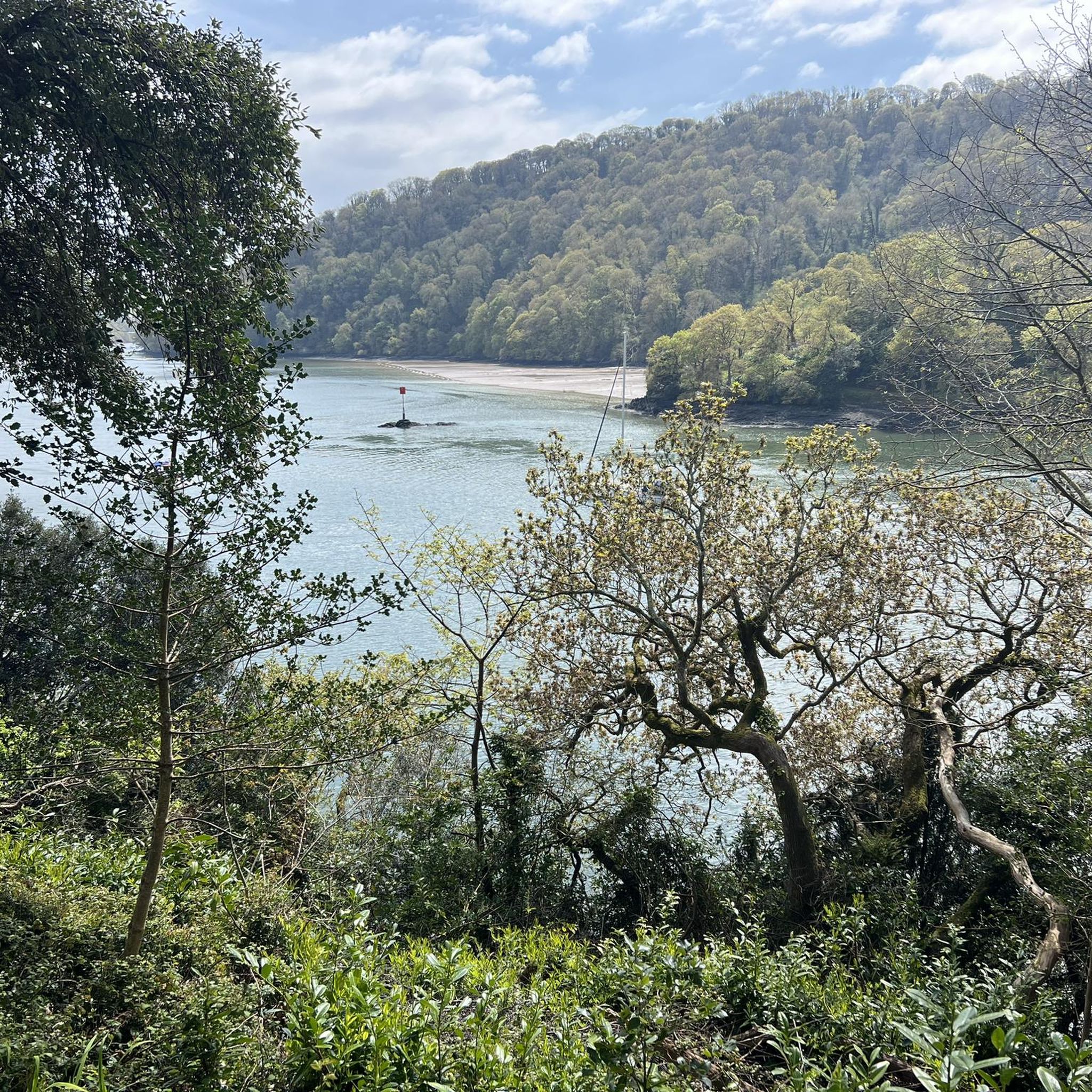
The first church was built here in 1086. Even then, the "centuries-old yew tree" was mentioned - its age is now estimated at 1200 - 1400 years. Legend has it that anyone who manages to walk backwards around it 7 times will have one wish granted. In any case, it is a beautiful, ancient tree that looks pretty healthy and that you just want to hug!
2
0

We were able to see dolphins at the end of the headland. A great experience!
7
0

The Yew in the churchyard of St Mary & St Gabriel is thought to be between 1,000 and 2,000 years old. The carved wooden slices are from a Leyland Cyprus, they depict the important church events that would have happened in the last 2,000 years.
1
0
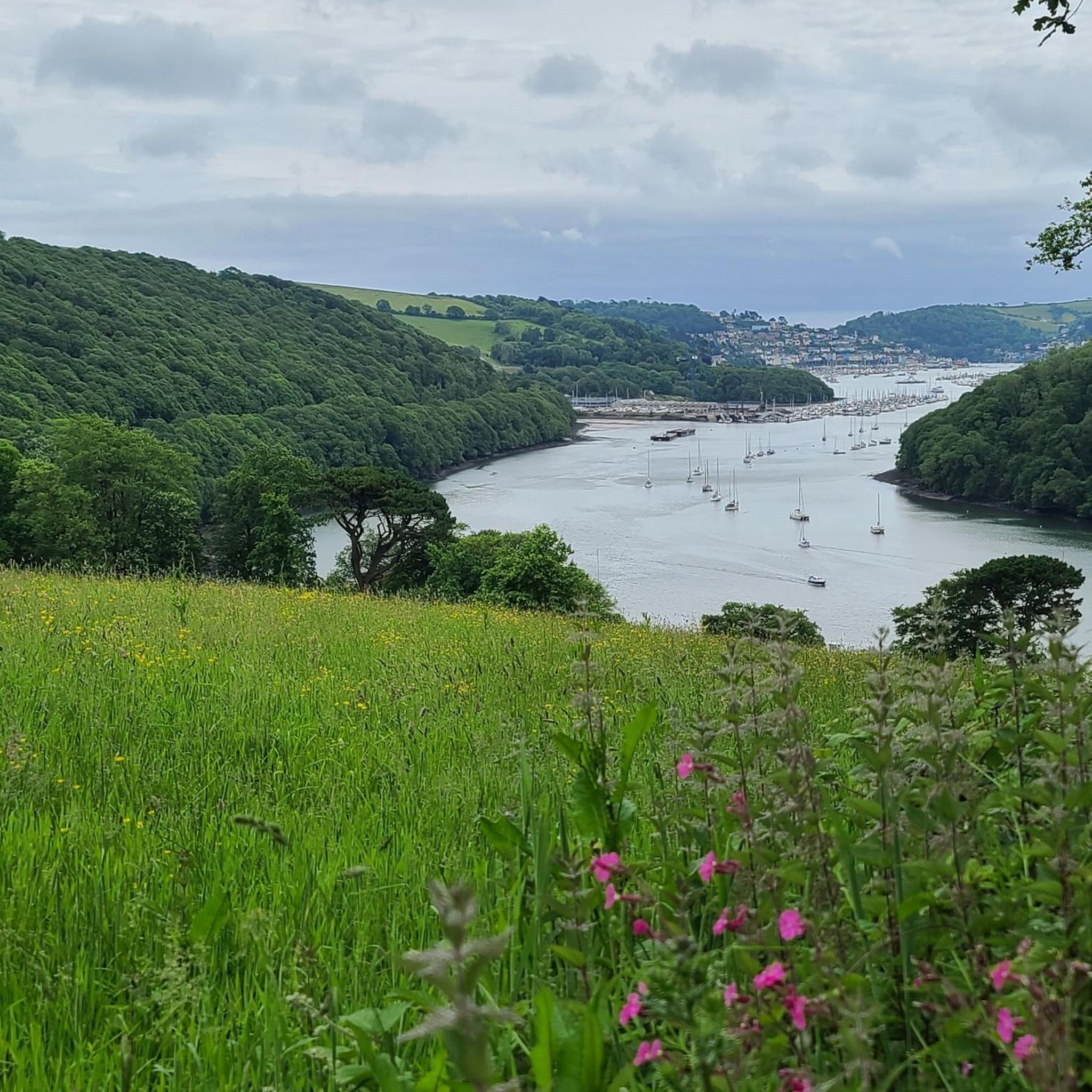
Gallants Bower is the remains of a fort built during the English Civil War. Today it's just the earth works and trees have grown on the slopes, but you can still see why this site was chosen in 1643. The views are amazing, both inland and out to sea so it's a perfect defensible position. The fort was built by the Royalists to help defend Dartmouth from the Roundheads. The fiercest fighting occurred in 1646 when the Roundheads attacked and defeated the town, then the castle and finally the last remaining Royalists surrendered from here. The National Trust look after the area now and the fort is a scheduled ancient monument.
3
0


From the National Trust, who own this site: Although now just a ruin, the Civil War fort is still an impressive place to explore with amazing 360-degree views across the estuary and inland. Stand with the Royalists at a Civil War fort Built between 1643 and 1645 to defend Dartmouth against the Parliamentarians, it saw the fiercest action in 1646, when it came under attack from Roundhead forces under General Fairfax. The Royalists having already fled the town and the castle finally retreated to Gallants Bower where they soon surrendered. Four years later the fort was dismantled. It is now one of the best-preserved in the country and is a Scheduled and Listed Ancient Monument. A great time to visit is when all the bluebells are out in late April – early May.
2
0

Berry Head is a dramatic headland with a lighthouse and a Napoleonic Fort. The area is rich in wildlife, including birds such as cirl bunting, guillemot, fulmar, greenfinch, and peregrine falcon, as well as adder, greater horseshoe bat, and myriad species of butterfly and wildflower. The cliffs are home to the largest guillemot colony to be found along the south coast of England.
1
0
amazing views from this highest and lowest lighthouse
2
0
Frequently Asked Questions
What natural features define the landscape around Dittisham?
Dittisham is nestled within the South Devon National Landscape, characterized by rolling hills, wooded river valleys, and the tidal River Dart. You'll find dramatic coastlines, such as the Berry Head Headland, and unique geological formations like the View of London Bridge Natural Arch.
Are there historical natural monuments to explore near Dittisham?
Yes, the area offers a blend of natural beauty and history. You can visit the Gallants Bower Civil War Fort Ruins, which provides amazing 360-degree views across the estuary. Additionally, the Berry Head Headland features a Napoleonic Fort alongside its lighthouse.
What kind of wildlife can I expect to see around Dittisham's natural monuments?
The region is rich in wildlife, especially around coastal areas. The Berry Head Cliffs are home to the largest guillemot colony on the south coast of England. You might also spot cirl buntings, fulmars, peregrine falcons, adders, greater horseshoe bats, and various butterflies and wildflowers.
Can I go hiking or walking near Dittisham's natural monuments?
Absolutely. Dittisham is conveniently located on the South West Coast Path, offering extensive opportunities for scenic coastal walks with breathtaking views. You can find numerous trails, including walks from Dittisham to Kingswear, providing unforgettable views of the Dart. For more hiking ideas, explore the various routes available in the region.
What water-based activities are available on the River Dart?
The River Dart is central to Dittisham's natural charm and offers a playground for water enthusiasts. Its calm waters are ideal for kayaking, paddleboarding, and sailing. River Dart Cruises are also available for scenic tours, and crabbing is a popular activity along the riverbanks, especially on Dittisham's pontoon.
Are there cycling routes near the natural monuments around Dittisham?
Yes, there are several cycling opportunities. You can find various road cycling routes, such as the 'View of Brixham Harbour – Dartmouth Inner Harbour loop' or the 'Dartmouth Inner Harbour – View of Blackpool Sands loop'. For more options, explore the Road Cycling Routes around Dittisham or Cycling around Dittisham guides.
What is the best time of year to visit the natural monuments around Dittisham?
Late April to early May is particularly beautiful, especially for visiting historical sites like Gallants Bower when the bluebells are in full bloom. Generally, spring and summer offer pleasant weather for exploring the coast and countryside, while autumn provides stunning foliage. Even winter can be rewarding for quiet walks and wildlife spotting.
Where can I find dramatic coastal views near Dittisham?
For dramatic coastal views, head to Berry Head Headland & Lighthouse. This area offers stunning vistas and is known for its cliffs and a lighthouse. Another excellent spot is the View of London Bridge Natural Arch, which provides unique perspectives of the coastline and the glistening blue sea.
Are there any ancient trees or unique geological formations to see?
Yes, Dittisham is home to the remarkable Ancient Yew Tree of St Mary & St Gabriel Church, estimated to be between 1,000 and 2,000 years old. Geologically, the View of London Bridge Natural Arch is a unique coastal formation rising from the sea.
What do visitors particularly enjoy about the natural monuments in this region?
Visitors frequently praise the stunning views and rich wildlife. Many have enjoyed spotting dolphins from the Berry Head Headland and appreciate the dramatic cliffs and guillemot colony. The historical significance of sites like Gallants Bower, combined with the natural beauty, also receives high acclaim.
Is Dartmoor National Park easily accessible from Dittisham for more rugged natural experiences?
Yes, Dartmoor National Park is a short drive from Dittisham and offers a different kind of natural experience. It's known for its wild and rugged moorlands, distinctive granite tors, ancient woodlands, and stone clapper bridges, providing extensive hiking opportunities for those seeking a more untamed landscape.
Are there options for mountain biking near Dittisham's natural monuments?
Yes, mountain biking enthusiasts can find trails in the vicinity. Routes like the 'Dartmouth loop to Tuckenhay' or the 'Totnes Town Centre – Dittisham Ferry loop' offer moderate to difficult rides. You can explore more options in the MTB Trails around Dittisham guide.
What should I wear when visiting the natural monuments around Dittisham?
Given the coastal and rural terrain, it's advisable to wear comfortable walking shoes or hiking boots, especially if you plan to explore the South West Coast Path or other trails. Layers are recommended as weather can change, and waterproofs are useful for unexpected showers. Don't forget sun protection and a hat for sunny days.
Most popular attractions around Dittisham

Get inspired with the komoot mobile app


Explore more
Extend your search for the best caves by checking out these guides of the top ones around Dittisham:
