Top 7 Natural Monuments around Stratford Upon Avon
Best natural monuments around Stratford Upon Avon offer a diverse range of natural landscapes and green spaces. The region is characterized by the meandering River Avon, which forms a central natural feature, alongside rolling hills and expansive parklands. These areas provide habitats for various wildlife and opportunities for outdoor exploration. The natural features complement the area's historical significance, offering tranquil escapes and scenic views.
Best natural monuments around Stratford Upon Avon
- The most popular natural monuments is Charlecote Park, a landscaped parkland that is home to free-roaming deer and sheep. This National Trust property features grounds designed by 'Capability' Brown, offering a blend of natural beauty and historical context.
- Another must-see spot is Ebrington Hill Summit, a summit. Standing at 856 feet (261 m), it is the highest point in Warwickshire, providing panoramic views of the surrounding countryside.
- Visitors also love Welcombe Hills & Clopton Park, an expansive nature reserve. This site features rolling hills, woodlands, and diverse wildlife, including deer and various bird species, making it ideal for walks and wildlife observation.
- Stratford Upon Avon is known for its nature reserves, riverine landscapes, and historic parklands. These natural features near Stratford Upon Avon provide a variety of experiences, from tranquil walks to wildlife spotting.
- The natural monuments around Stratford Upon Avon are appreciated by the komoot community, with over 85 upvotes and 20 photos shared by visitors.
Last updated: August 9, 2026
Charlecote Park
Highlight • Historical Site
Charlecote Park covers 185 acres (75 ha), backing on to the River Avon. William Shakespeare has been alleged to have poached rabbits and deer in the park as a young man and been brought before magistrates as a result.
From 1605 to 1640 the house was organised by Sir Thomas Lucy. He had twelve children with Lady Alice Lucy who ran the house after he died. She was known for her piety and distributing alms to the poor each Christmas. Her eldest three sons inherited the house in turn and it then fell to her grandchild Sir Davenport Lucy.
In the Tudor great hall, the 1680 painting Charlecote Park by Sir Godfrey Kneller, is said to be one of the earliest depictions of a black presence in the West Midlands (excluding Roman legionnaires). The painting, of Captain Thomas Lucy, shows a black boy in the background dressed in a blue livery coat and red stockings and wearing a gleaming, metal collar around his neck. The National Trust's Charlecote brochure describes the boy as a "black page boy". In 1735 a black child called Philip Lucy was baptised at Charlecote.
The lands immediately adjoining the house were further landscaped by Capability Brown in about 1760. This resulted in Charlecote becoming a hostelry destination for notable tourists to Stratford from the late 17th to mid-18th century, including Washington Irving (1818), Sir Walter Scott (1828) and Nathaniel Hawthorn (c 1850).
Charlecote was inherited in 1823 by George Hammond Lucy (d 1845), who married Mary Elizabeth Williams of Bodelwyddan Castle, from whose extensive diaries the current "behind the scenes of Victorian Charlecote" are based upon. GH Lucy's second son Henry inherited the estate from his elder brother in 1847. After the deaths of both Mary Elizabeth and Henry in 1890, the house was rented out by Henry's eldest daughter and heiress, Ada Christina (d 1943). She had married Sir Henry Ramsay-Fairfax, (d 1944), a line of the Fairfax Baronets, who on marriage assumed the name Fairfax-Lucy.
From this point onwards, the family began selling off parts of the outlying estate to fund their extensive lifestyle, and post-World War II in 1946, Sir Montgomerie Fairfax-Lucy, who had inherited the residual estate from his mother Ada, presented Charlecote to the National Trust in-lieu of death duties. Sir Montgomerie was succeeded in 1965 by his brother, Sir Brian, whose wife, Lady Alice, researched the history of Charlecote, and assisted the National Trust with the restoration of the house.
Tip by

Welcombe Hills & Clopton Park
Highlight • Natural Monument
History of the Welcombe Hills: a Shakespearean tale
The reserve may have got its name from a historic well found here with its inscription 'SJC 1686'. Margaret, daughter of William Clopton who died in 1592 supposedly drowned here. It was around this time that Shakespeare was writing his famous play, Hamlet, and its believed that this tragic event provided the inspiration for his 'Ophelia' and her lonely death.
Tip by
Sign up now to discover places like this
Get recommendations on the best single tracks, peaks, & plenty of other exciting outdoor places.
Sign up for free
Hidcote Manor Garden
Highlight • Natural
Tip by

Ebrington Hill Summit
Highlight • Natural Monument
Tip by
Lobbington Hall Farm Meadow Site of Special Scientific Interest
Highlight • Natural
This grassland type was once widespread and common in some parts of Britain,
particularly the Midlands, but due to agricultural improvement it has declined severely during the twentieth century. In several counties in the East Midlands it has almost disappeared and in Warwickshire very few sites are known.
The meadow has an exceptionally herb-rich tight sward and the density of herbs is very striking. Among the wide range of grass species present, characteristically none appear dominant. The most abundant species are crested dog’s-tail, red fescue Festuca rubra, common bent Agrostis capillaris and sweet vernal grass Anthoxanthum odoratum. Yellow oat-grass Trisetum flavescens, quaking grass Briza media and meadow barley Hordeum secalinum are also frequent. Herbs characteristic of this type of grassland and found in abundance in this meadow include common knapweed and lady’s bedstraw and locally abundant, spiny restharrow Ononis spinosa, salad burnet Sanguisorba minor and pepper saxifrage Silaum silaus. Cowslips Primula veris are frequent and dwarf thistle Cirsium acaulon, is occasional. County rarities present m the meadow include dropwort Filipendula vulgaris and green-winged orchid Orchis morio.
4.68 ha Site of Special Scientific Interest (SSSI)
Tip by
Sign up for free to discover even more natural monuments around Stratford Upon Avon.
Sign up for free
Already have an account?
Start today with a free account
Your next adventure awaits.
Login or Signup
Popular around Stratford Upon Avon
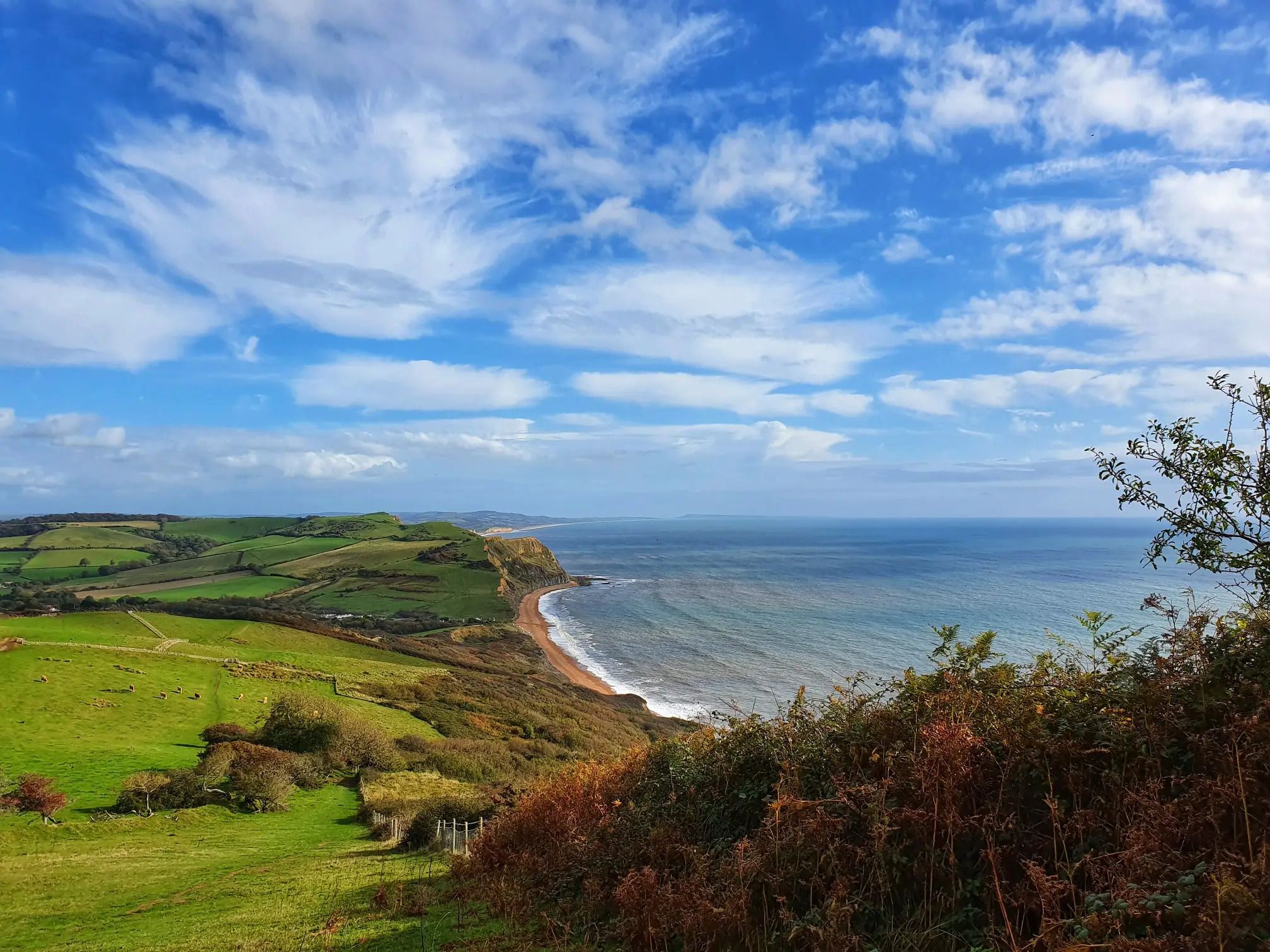
Monarch's Way: Part 2 — Conquer the longest inland trail in England
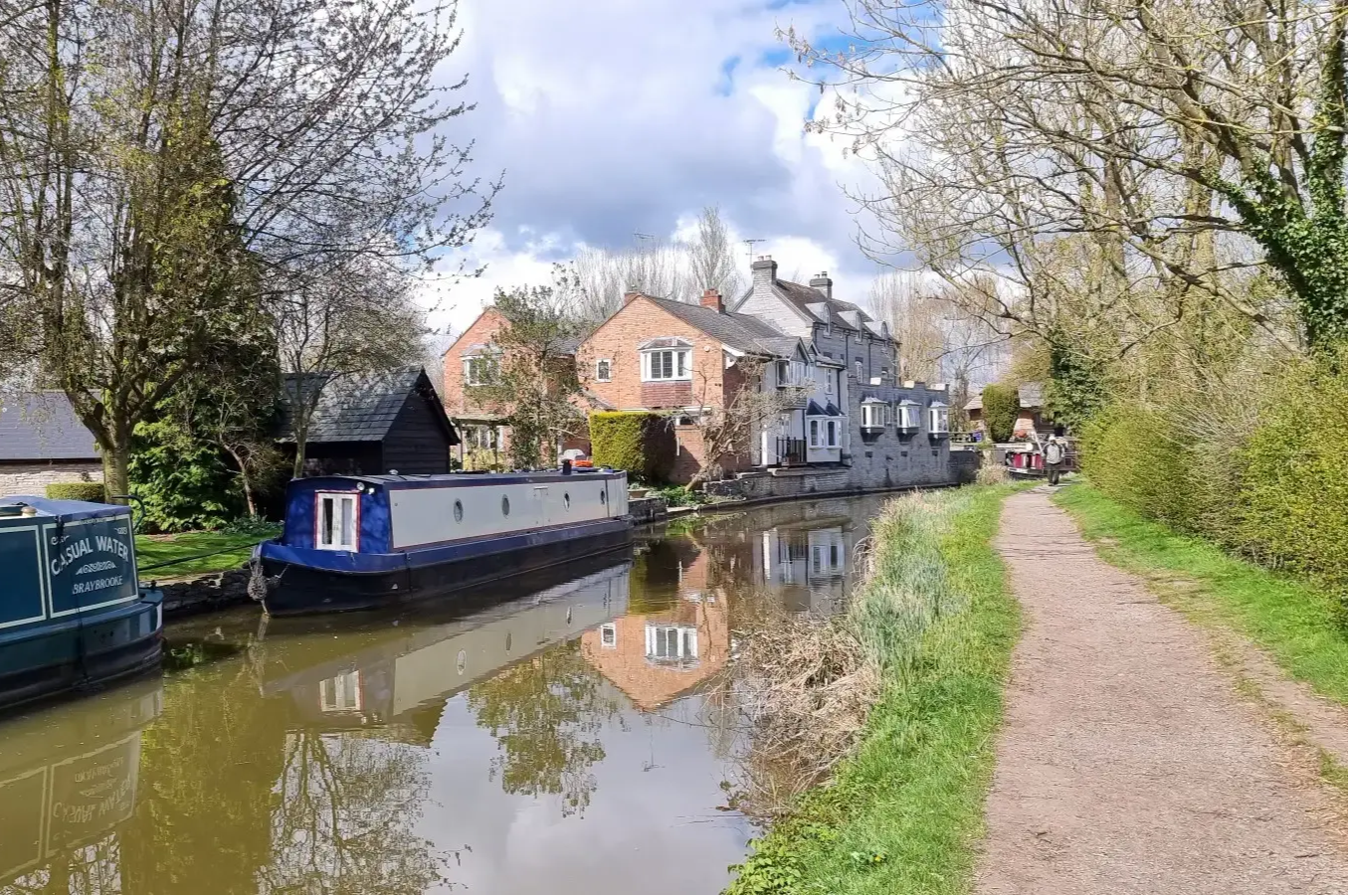
Industrial heartlands on NCN Route 5 – Reading to North Wales
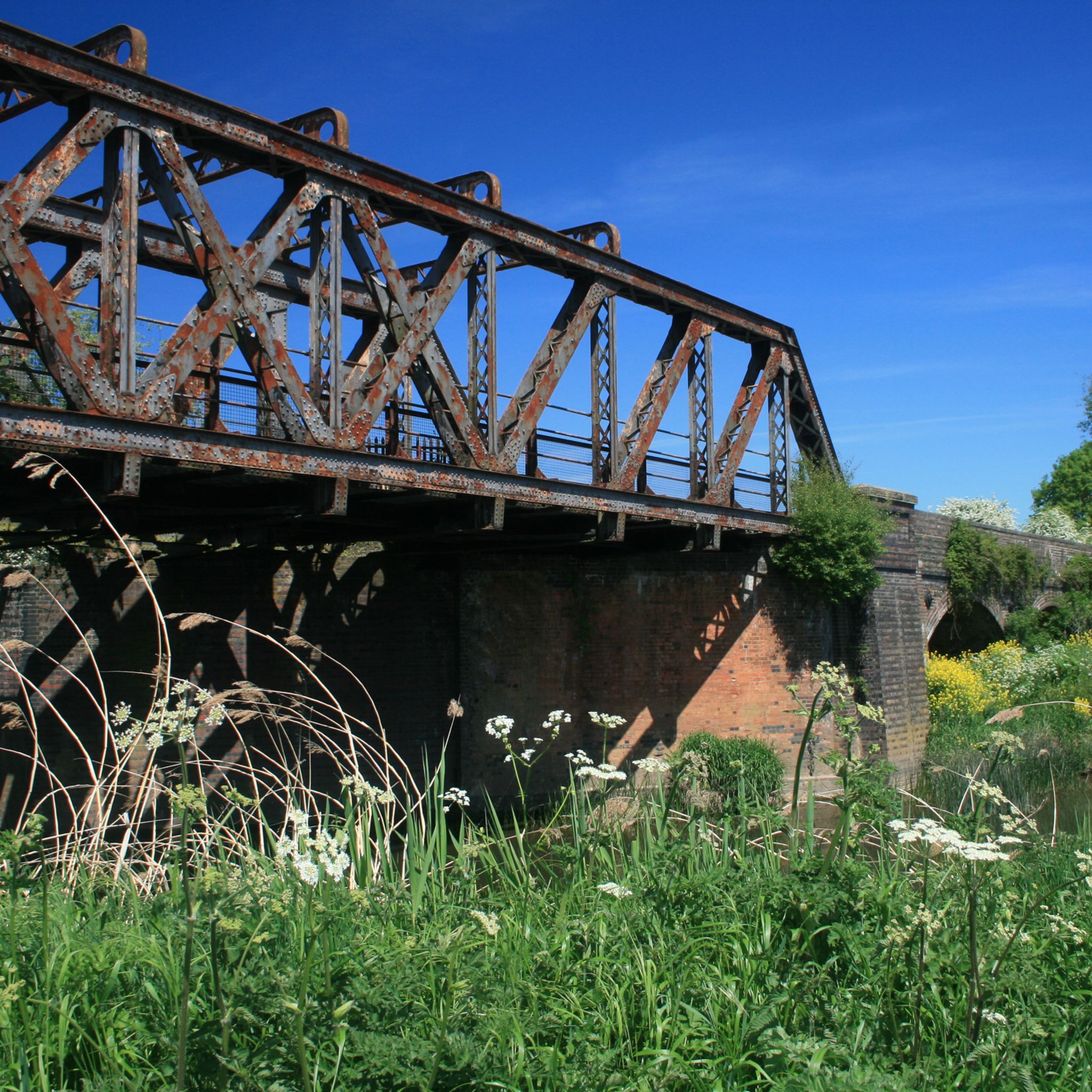
Road Cycling Routes around Stratford Upon Avon
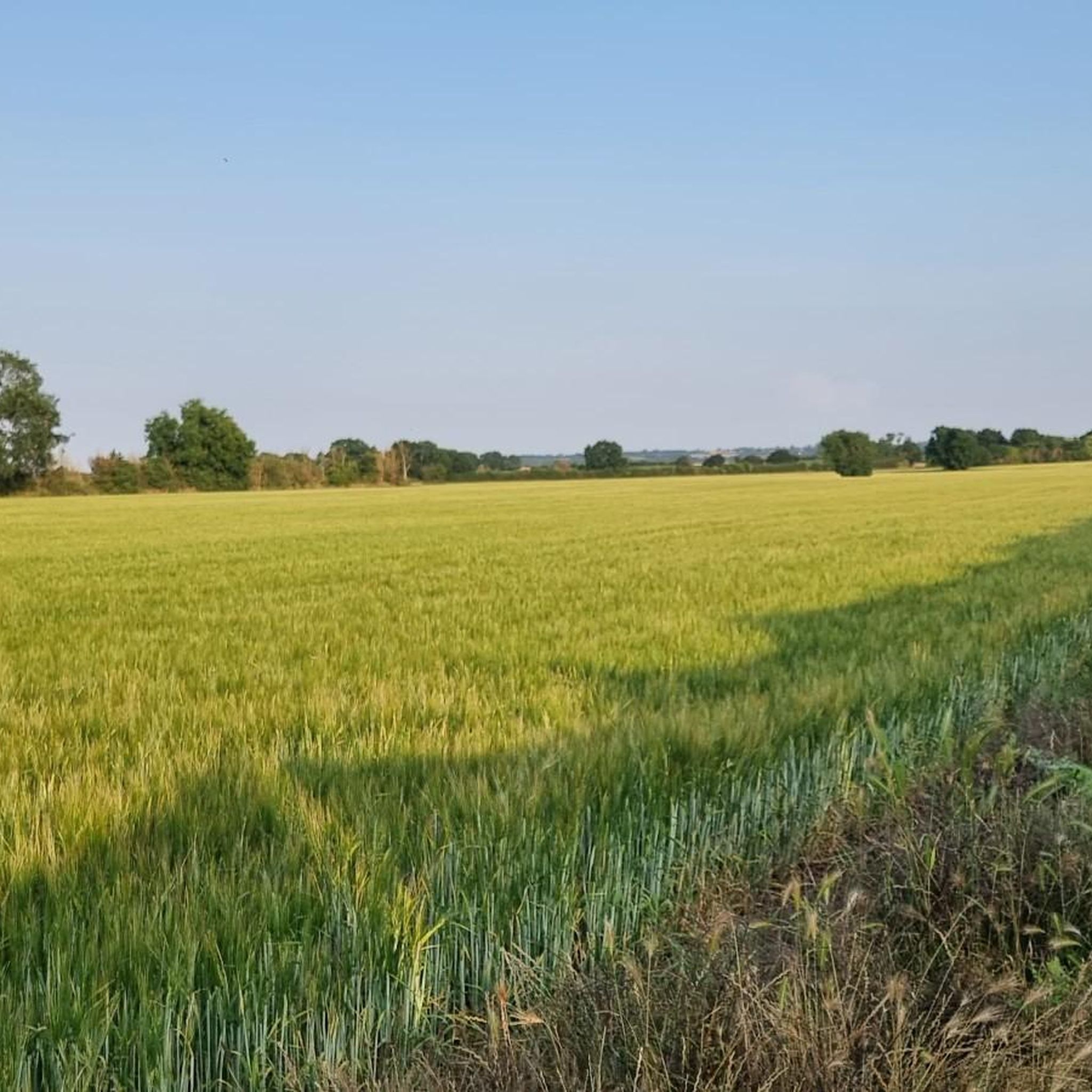
Running Trails around Stratford Upon Avon
Hiking around Stratford Upon Avon
Cycling around Stratford Upon Avon
MTB Trails around Stratford Upon Avon
Gravel biking around Stratford Upon Avon


Tips from the Community

During our short holiday on the edge of the Cotswolds, we stumbled upon Hidcote Manor Garden by chance. And we can say: it was one of the most beautiful garden designs we have ever seen. Every meter opens up a new perspective, new impressions, and new lighting conditions. We walked through the garden rooms in awe and are thrilled. Wikipedia writes: "The Hidcote Manor Garden is an English park in the Arts & Crafts style.[1] It is located in Hidcote Bartrim in the northeast of Chipping Campden in the county of Gloucestershire. The garden was created from 1907 by the American privateer Lawrence Waterbury Johnston and has belonged to the National Trust since 1948. Characteristic of the garden, which covers more than 40,000 square meters, are above all the division into different garden rooms, English Outdoor Rooms, the sightlines, English Vistas, the artfully trimmed shrubs, as well as the red perennial beds, English Red Borders. The Hidcote Manor Garden is located on a 183 m high plateau on the northern edge of the Cotswolds. Belonging to the county of Gloucestershire and located on the border with the county of Warwickshire, Hidcote is approximately two kilometers east of Mickleton, approximately seven kilometers northeast of Chipping Campden, and 16 kilometers south of Stratford-upon-Avon. The garden of Hidcote is listed in the National Heritage List for England in the highest class, Grade I." Our three-hour visit was rounded off with delicious cake and clotted cream in the café. Our conclusion: Anyone in the area should definitely stop by!
0
0


The Welcombe Hills and Clopton Park offer delightful walks through grassland and woodland. Woolly thistle, quaking-grass and the diminutive adder’s-tongue grow in the grasslands where ant hills created by yellow meadow ants are a distinctive feature. The woodland contains oak, horse-chestnut and beech with English elm. Birds are plentiful, with great spotted woodpecker, sparrowhawk, little owl, treecreeper and finches enjoying the woodland where ravens breed in spring. Brimstone butterflies are numerous in the spring sunshine. History of the Welcombe Hills: a Shakespearean tale The reserve may have got its name from a historic well found here with its inscription 'SJC 1686'. Margaret, daughter of William Clopton who died in 1592 supposedly drowned here. It was around this time that Shakespeare was writing his famous play, Hamlet, and its believed that this tragic event provided the inspiration for his 'Ophelia' and her lonely death.
0
0


Standing at 856 feet (261 m), Ebrington Hill is the highest point in Warwickshire. From the summit, you can see Birmingham’s skyline to the north and the grand ridge of the Malvern Hills to the west. The hill is topped with radio masts and pleasant crop fields.
2
0
Frequently Asked Questions
What kind of natural landscapes can I expect to see around Stratford-upon-Avon?
The region around Stratford-upon-Avon offers a diverse range of natural landscapes. You'll find meandering riverine environments along the River Avon, rolling hills, expansive parklands, and designated nature reserves. These areas feature woodlands, meadows, and wetlands, providing habitats for various wildlife and scenic views.
Are there any prominent viewpoints or high points to visit for panoramic views?
Yes, for panoramic views, you can visit Ebrington Hill Summit, which is the highest point in Warwickshire. From its 856 feet (261 m) elevation, you can see Birmingham’s skyline to the north and the Malvern Hills to the west. Additionally, the Welcombe Hills & Clopton Park offer rewarding views of the surrounding Warwickshire countryside.
What natural monuments are suitable for families with children?
Several natural monuments are family-friendly. Charlecote Park, a National Trust property, offers expansive grounds where children can see free-roaming deer and sheep. The Welcombe Hills & Clopton Park provide delightful walks through woodlands and grasslands, perfect for wildlife spotting. The newly declared Stratford-upon-Avon Local Nature Reserve also features an accessible circular walk with seating, ideal for a family outing near the town centre.
Are there historical connections within the natural monuments of the area?
Many natural sites in the region have rich historical connections. Charlecote Park, for instance, is a historic estate where William Shakespeare is reputed to have poached deer in his youth. The Welcombe Hills & Clopton Park have historical significance, with an audio trail detailing its past and visible remnants of ancient farming methods. Even Bancroft Gardens, while a natural feature, is steeped in the town's history, offering views of the Royal Shakespeare Theatre.
What outdoor activities can I do near these natural monuments?
You can enjoy various outdoor activities. The River Avon is perfect for boat rides, rowing, or river cruises. For walking and hiking, there are numerous trails. You can find easy hikes around Stratford-upon-Avon, including routes like the 'River Avon & Shakespeare Sites loop' or the 'Clopton Bridge and Toll House loop'. For more options, explore the easy hikes guide or the general hiking guide for the area. Gravel biking is also popular, with routes like the 'Stratford Greenway – Milcote Carriage Café loop' available in the gravel biking guide.
What is the best time of year to visit the natural monuments around Stratford-upon-Avon?
The natural monuments are beautiful year-round, but each season offers a different experience. Spring brings wildflowers to places like Welcombe Hills & Clopton Park, while summer is ideal for river activities on the Avon. Autumn transforms the riverbanks with golden trees, and winter offers crisp, tranquil walks. For gardens like Hidcote Manor, late spring to early autumn showcases them at their best.
Are there any natural monuments that are less crowded?
While popular sites like Charlecote Park and Welcombe Hills can attract visitors, the newly established Stratford-upon-Avon Local Nature Reserve, being a more recent addition, might offer a quieter experience, especially during off-peak hours. For a truly unique and serene natural experience, consider visiting Lobbington Hall Farm Meadow Site of Special Scientific Interest, a species-rich hay meadow known for its botanical diversity.
Are there any accessible natural sites for visitors with mobility considerations?
The Stratford-upon-Avon Local Nature Reserve, part of The Stratford Riverside Project, has been designed with accessibility in mind, featuring a circular walk with accessible bridges and seating. Bancroft Gardens, located centrally along the River Avon, also offers wide, flat paths suitable for wheelchairs and strollers, providing easy access to scenic views.
Can I bring my dog to the natural monuments?
Many natural monuments in the area are dog-friendly, though specific rules may apply. For example, Charlecote Park allows dogs in certain areas of its parkland, usually on a lead. The Welcombe Hills & Clopton Park and the Stratford-upon-Avon Local Nature Reserve are generally welcoming to dogs on leads, but always check local signage for specific regulations, especially concerning wildlife protection.
What wildlife can I expect to see in the natural areas?
The natural monuments are rich in wildlife. In Charlecote Park, you can spot free-roaming deer and sheep. Welcombe Hills & Clopton Park is home to deer, various bird species like great spotted woodpeckers and sparrowhawks, and a wide array of insects and butterflies. Along the River Avon and in the Stratford-upon-Avon Local Nature Reserve, you might see kingfishers, otters, and various waterfowl.
Where can I find more information about the green spaces in Stratford-upon-Avon?
For more details on the various green spaces and natural areas managed by the local council, you can visit the official Stratford-on-Avon District Council website. Check their environment section for information on parks and nature reserves: stratford.gov.uk.
Most popular routes around Stratford Upon Avon
Most popular attractions around Stratford Upon Avon

Get inspired with the komoot mobile app


Explore more
Extend your search for the best caves by checking out these guides of the top ones around Stratford Upon Avon:
