Top 7 Natural Monuments around Charlecote CP
Best natural monuments around Charlecote CP include a landscape shaped by rivers and historical design. The area features the River Avon and River Dene, which flow through parkland, and a historic estate with diverse ecosystems. This region offers a blend of natural beauty and historical interest, providing various environments for exploration. The parkland, covering 185 acres, was significantly shaped by landscape architect Capability Brown.
Best natural monuments around Charlecote CP
- The most popular natural monuments is Charlecote Park, a…
Last updated: May 18, 2026
Charlecote Park
Highlight • Historical Site
Tip by

Welcombe Hills & Clopton Park
Highlight • Natural Monument
Tip by
Sign up now to discover places like this
Get recommendations on the best single tracks, peaks, & plenty of other exciting outdoor places.
Sign up for free
Barbed Poppies Memorial, Jephson Gardens
Highlight • Natural Monument
Tip by
Bishops Bowl Lakes
Highlight • Natural Monument
Tip by
Lobbington Hall Farm Meadow Site of Special Scientific Interest
Highlight • Natural
Tip by
Sign up for free to discover even more natural monuments around Charlecote CP.
Sign up for free
Already have an account?
Start today with a free account
Your next adventure awaits.
Login or Signup
Tips from the Community

We had to double back on ourselves slightly to see the lakes, as they were hidden behind a hedge
0
1

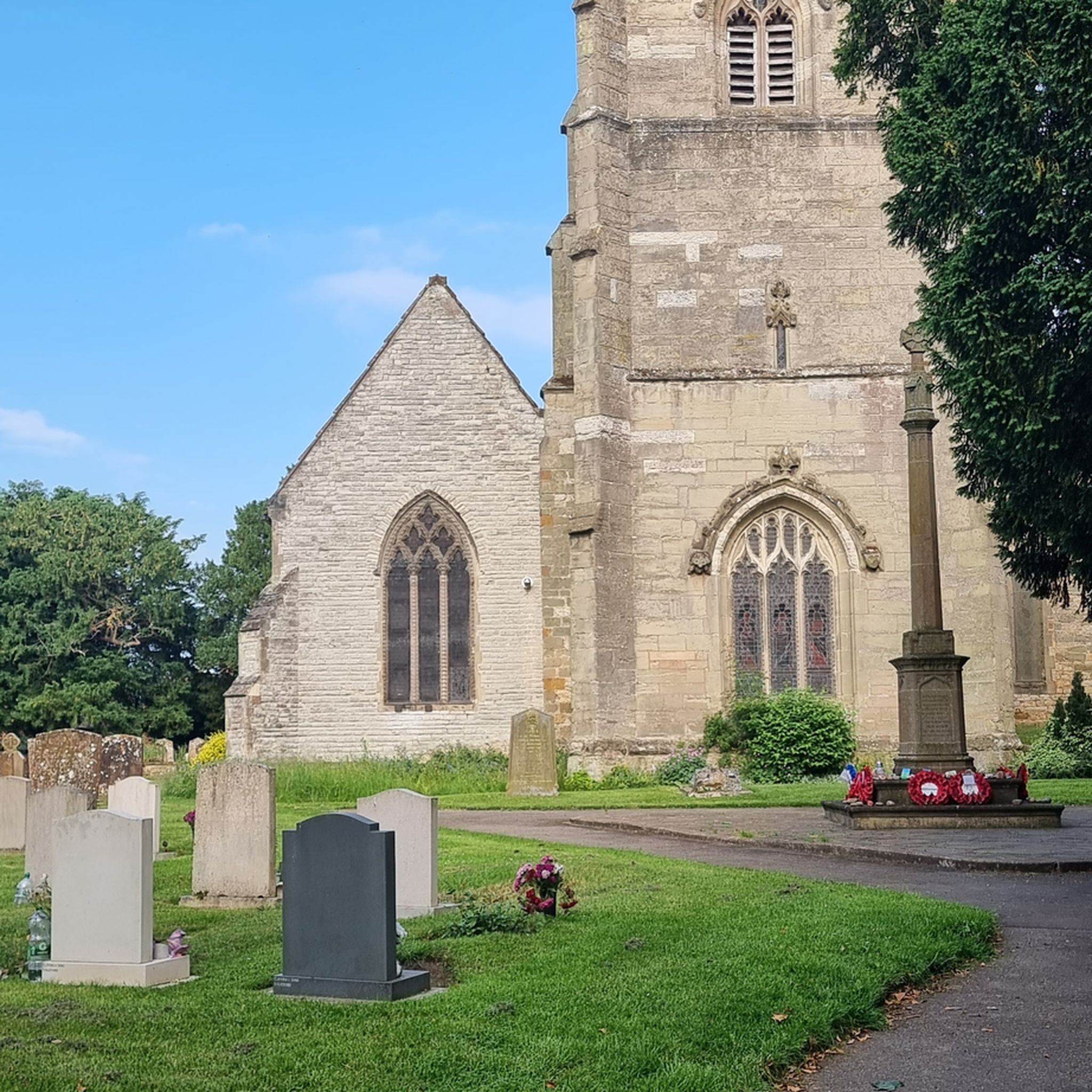
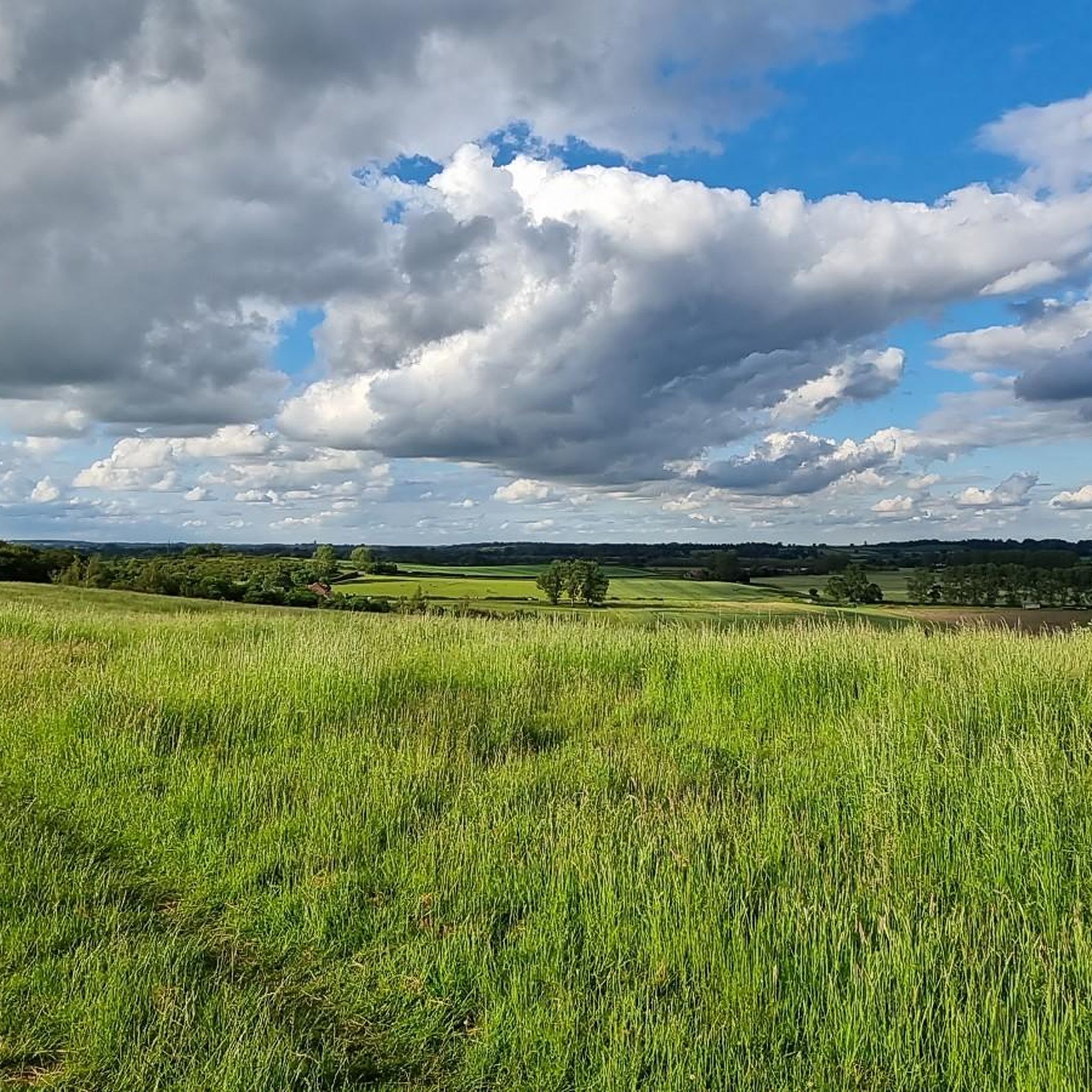
The Welcombe Hills and Clopton Park offer delightful walks through grassland and woodland. Woolly thistle, quaking-grass and the diminutive adder’s-tongue grow in the grasslands where ant hills created by yellow meadow ants are a distinctive feature. The woodland contains oak, horse-chestnut and beech with English elm. Birds are plentiful, with great spotted woodpecker, sparrowhawk, little owl, treecreeper and finches enjoying the woodland where ravens breed in spring. Brimstone butterflies are numerous in the spring sunshine. History of the Welcombe Hills: a Shakespearean tale The reserve may have got its name from a historic well found here with its inscription 'SJC 1686'. Margaret, daughter of William Clopton who died in 1592 supposedly drowned here. It was around this time that Shakespeare was writing his famous play, Hamlet, and its believed that this tragic event provided the inspiration for his 'Ophelia' and her lonely death.
0
0


On 11th November 2014 a memorial was unveiled in the Jephson Gardens, between the Aviary and Willes Road entrance. The memorial will remember all those who played any part in World War One, including the widows and orphans and those who served at home. The Leamington History Group applied for the grant for the memorial and worked with Warwick District Council and Leamington Town Council to commission the sculpture. The memorial was designed by Tim Tolkien and the central feature consists of two poppies in flower and one stem with a seed-head at the top. All the poppies are entwined with barbed wire and this extends to wrap around some adjoining fencing. The tablet in front states simply “The Poppies; Lest We Forget”. The plaque naming the sculptor calls it “Barbed Poppies”. It is a subtle design which is not quite as immediate in effect as the sea of poppies surrounding the Tower of London in November 2014 but many people we have spoken to agreed that it evoked a strong emotional response.
0
0
Lobbington Meadow is an unimproved species-rich hay meadow which faces north east on the banks of the River Dene and exhibits ridge and furrow topography. The meadow overlies Lias clays and shales which have given rise to a calcareous soil. This is reflected in the herb-rich vegetation which is the lady’s bedstraw Galium verum variant of the crested dog’s-tail Cynosurus cristatus-common knapweed Centaurea nigra grassland. This grassland type was once widespread and common in some parts of Britain, particularly the Midlands, but due to agricultural improvement it has declined severely during the twentieth century. In several counties in the East Midlands it has almost disappeared and in Warwickshire very few sites are known. The meadow has an exceptionally herb-rich tight sward and the density of herbs is very striking. Among the wide range of grass species present, characteristically none appear dominant. The most abundant species are crested dog’s-tail, red fescue Festuca rubra, common bent Agrostis capillaris and sweet vernal grass Anthoxanthum odoratum. Yellow oat-grass Trisetum flavescens, quaking grass Briza media and meadow barley Hordeum secalinum are also frequent. Herbs characteristic of this type of grassland and found in abundance in this meadow include common knapweed and lady’s bedstraw and locally abundant, spiny restharrow Ononis spinosa, salad burnet Sanguisorba minor and pepper saxifrage Silaum silaus. Cowslips Primula veris are frequent and dwarf thistle Cirsium acaulon, is occasional. County rarities present m the meadow include dropwort Filipendula vulgaris and green-winged orchid Orchis morio. 4.68 ha Site of Special Scientific Interest (SSSI)
0
0
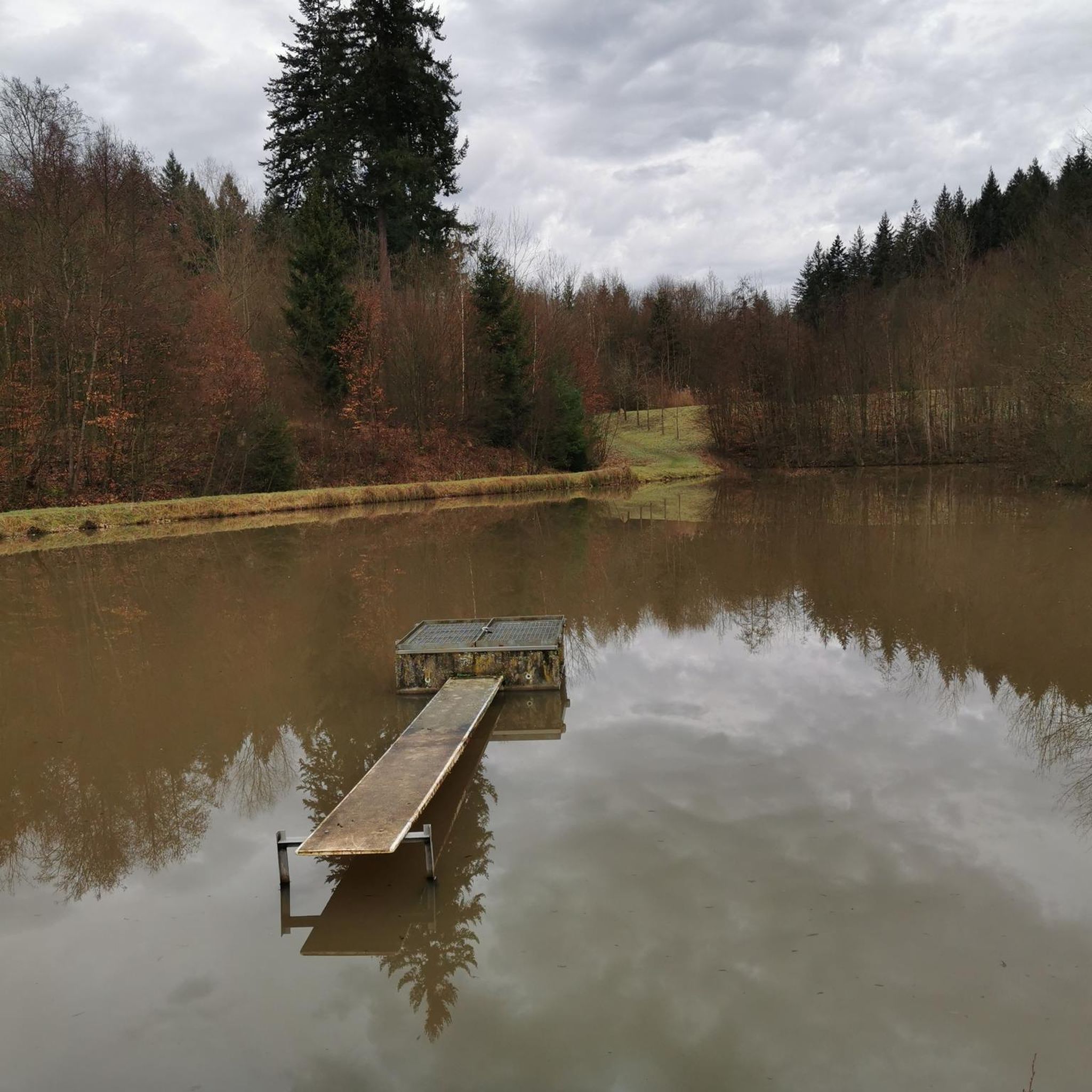
Bishops Bowl Fishery sits on a 90 acre former limestone quarry, located on the Oxfordshire/Warwickshire border. The quarry work many years ago has created an attractive stone faced bowl. The whole site is recorded as a site of scientific interest. As at Lyme Regis, the Blue Lias at Harbury is rich in marine fossils. In 1927 and 1928 the skeletons of two marine reptiles were found in Harbury quarry. They are an ichthyosaur and a plesiosaur, and both fossils are now in the Natural History Museum, London. The plesiosaur is the unique example of the early Jurassic species Macroplata tenuiceps.
1
0
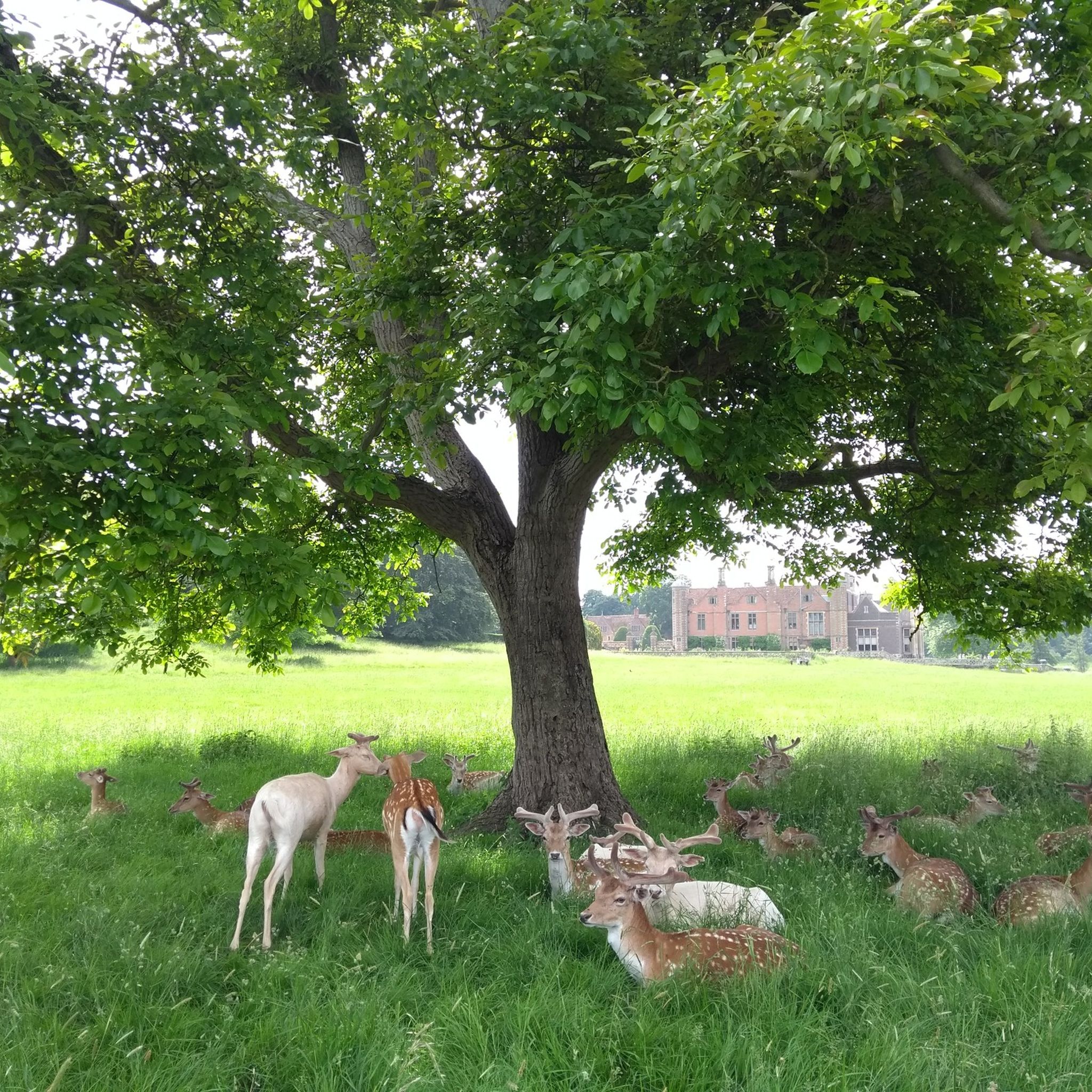
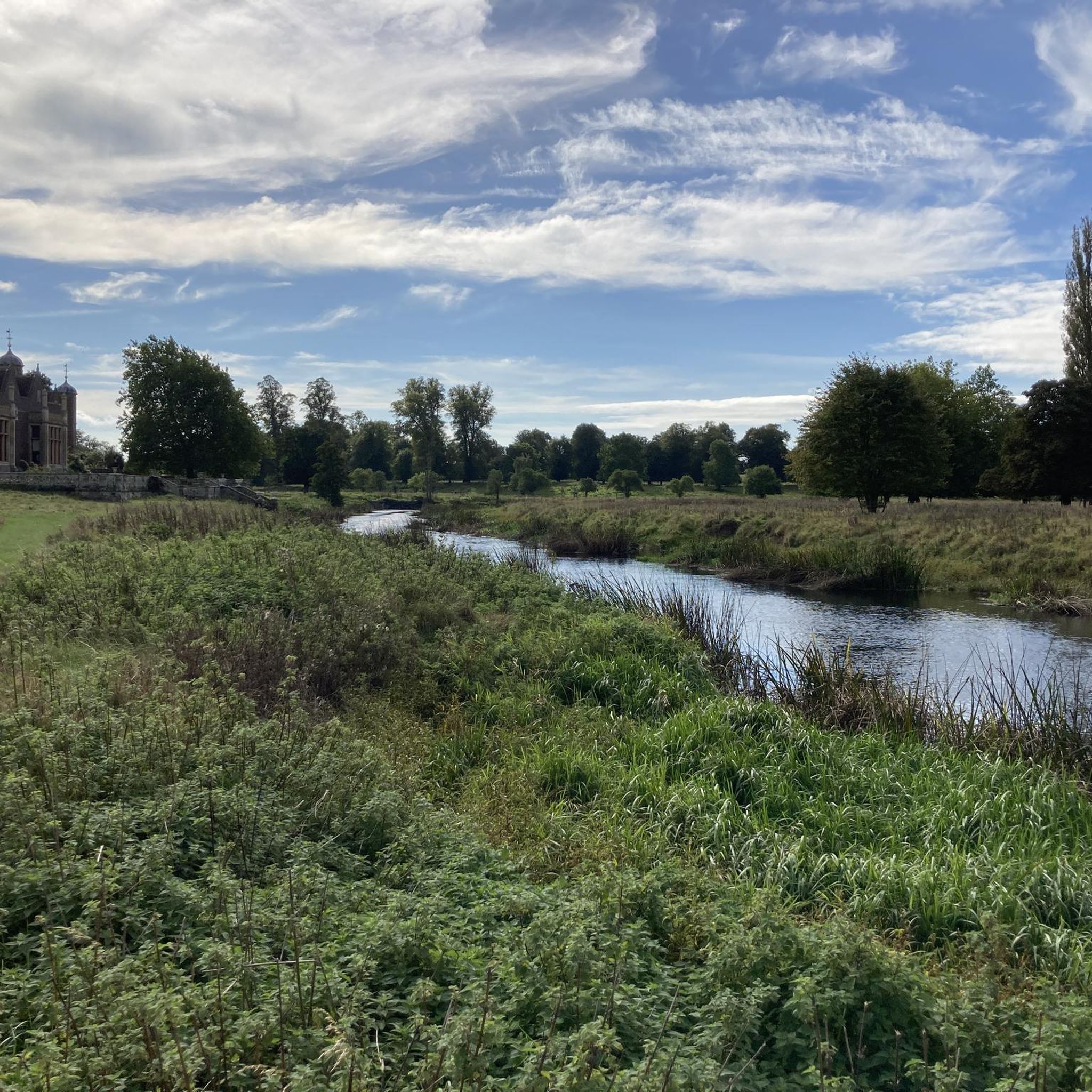
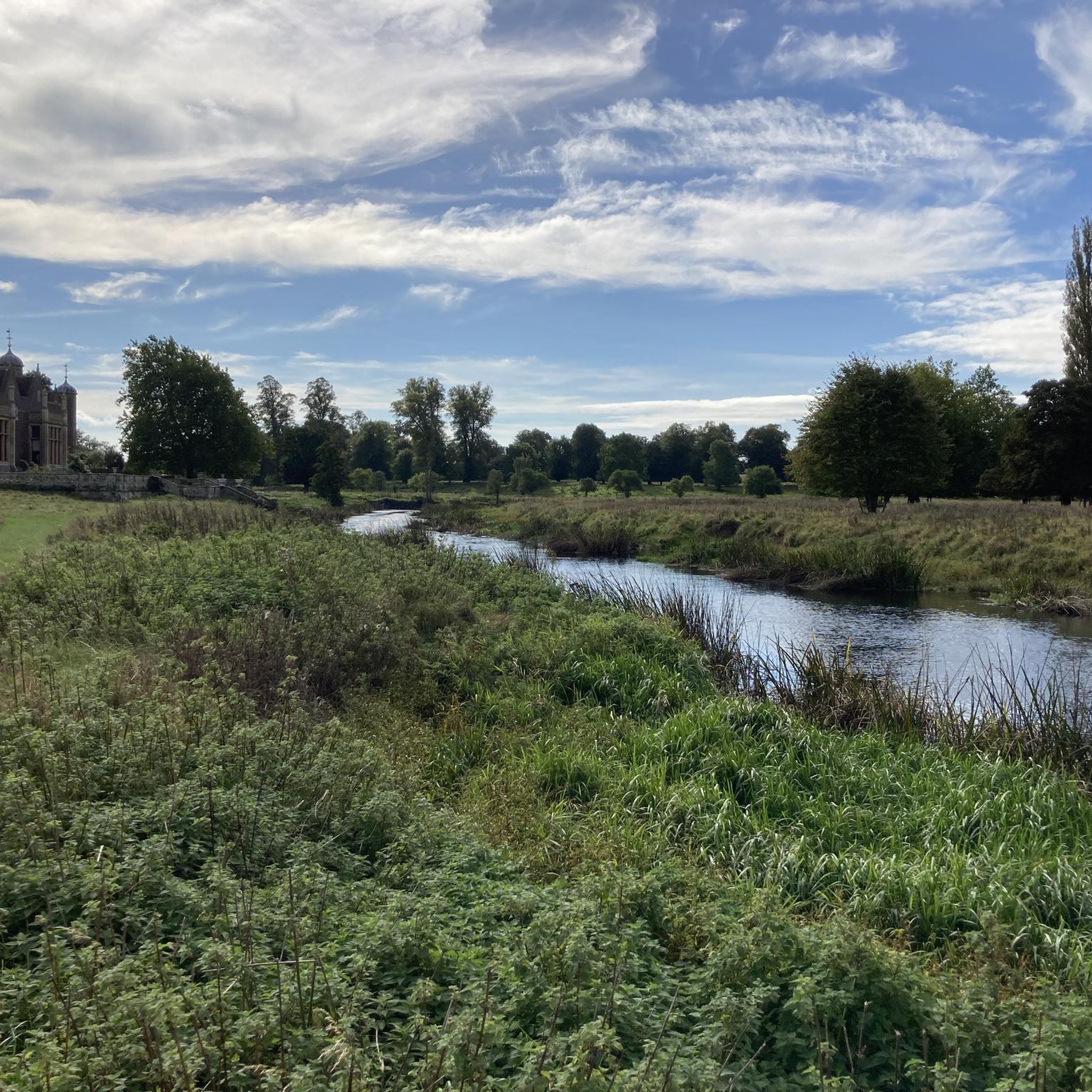
The Lucy family owned the land since 1247. Charlecote Park was built in 1558 by Sir Thomas Lucy, and Queen Elizabeth I stayed in the room that is now the drawing room. Although the general outline of the Elizabethan house remains, nowadays it is in fact mostly Victorian. Successive generations of the Lucy family had modified Charlecote Park over the centuries, but in 1823, George Hammond Lucy (High Sheriff of Warwickshire in 1831) inherited the house and set about recreating the house in its original style. Charlecote Park covers 185 acres (75 ha), backing on to the River Avon. William Shakespeare has been alleged to have poached rabbits and deer in the park as a young man and been brought before magistrates as a result. From 1605 to 1640 the house was organised by Sir Thomas Lucy. He had twelve children with Lady Alice Lucy who ran the house after he died. She was known for her piety and distributing alms to the poor each Christmas. Her eldest three sons inherited the house in turn and it then fell to her grandchild Sir Davenport Lucy. In the Tudor great hall, the 1680 painting Charlecote Park by Sir Godfrey Kneller, is said to be one of the earliest depictions of a black presence in the West Midlands (excluding Roman legionnaires). The painting, of Captain Thomas Lucy, shows a black boy in the background dressed in a blue livery coat and red stockings and wearing a gleaming, metal collar around his neck. The National Trust's Charlecote brochure describes the boy as a "black page boy". In 1735 a black child called Philip Lucy was baptised at Charlecote. The lands immediately adjoining the house were further landscaped by Capability Brown in about 1760. This resulted in Charlecote becoming a hostelry destination for notable tourists to Stratford from the late 17th to mid-18th century, including Washington Irving (1818), Sir Walter Scott (1828) and Nathaniel Hawthorn (c 1850). Charlecote was inherited in 1823 by George Hammond Lucy (d 1845), who married Mary Elizabeth Williams of Bodelwyddan Castle, from whose extensive diaries the current "behind the scenes of Victorian Charlecote" are based upon. GH Lucy's second son Henry inherited the estate from his elder brother in 1847. After the deaths of both Mary Elizabeth and Henry in 1890, the house was rented out by Henry's eldest daughter and heiress, Ada Christina (d 1943). She had married Sir Henry Ramsay-Fairfax, (d 1944), a line of the Fairfax Baronets, who on marriage assumed the name Fairfax-Lucy. From this point onwards, the family began selling off parts of the outlying estate to fund their extensive lifestyle, and post-World War II in 1946, Sir Montgomerie Fairfax-Lucy, who had inherited the residual estate from his mother Ada, presented Charlecote to the National Trust in-lieu of death duties. Sir Montgomerie was succeeded in 1965 by his brother, Sir Brian, whose wife, Lady Alice, researched the history of Charlecote, and assisted the National Trust with the restoration of the house.
1
0
Frequently Asked Questions
What unique natural features can I explore at Charlecote Park?
At Charlecote Park, you can explore the confluence of the River Avon and River Dene, which flow through the park, offering picturesque views and opportunities to spot waterfowl, otters, and kingfishers. The park also features 185 acres of landscaped parkland, home to a historic herd of free-roaming fallow deer and a pedigree flock of Jacob sheep, known for their distinctive piebald coloring and multi-horns.
Are there any natural monuments with significant geological interest near Charlecote CP?
Yes, Bishops Bowl Lakes is a natural monument located on a 90-acre former limestone quarry. It is recognized as a site of scientific interest due to its geological formations and rich marine fossils, including skeletons of ichthyosaurs and plesiosaurs found in the Blue Lias.
Where can I find diverse flora and fauna around Charlecote CP?
Welcombe Hills & Clopton Park offers delightful walks through grasslands and woodlands, boasting diverse flora like common knapweed, lady's bedstraw, and rare species such as dropwort and green-winged orchid. The area is also rich in fauna, including various bird species like great spotted woodpeckers and ravens, as well as numerous brimstone butterflies.
What historical connections do the natural monuments in this area have?
The natural monuments around Charlecote CP are deeply intertwined with history. Charlecote Park, for instance, was built in 1558 and its landscape was shaped by Capability Brown. Legend suggests William Shakespeare once poached deer here. Additionally, Welcombe Hills & Clopton Park has a Shakespearean tale, believed to be the inspiration for Ophelia's death in Hamlet.
Are there family-friendly natural monuments to visit near Charlecote CP?
Absolutely. Both Charlecote Park and Welcombe Hills & Clopton Park are considered family-friendly. Charlecote Park offers expansive grounds for walks and picnics, with deer and Jacob sheep to observe. Welcombe Hills & Clopton Park provides engaging walks through woodlands and grasslands, perfect for exploring nature with children.
What is the best time of year to visit the natural monuments around Charlecote CP?
Spring is an excellent time to visit, as the park comes alive with unfurling leaves, blossoming trees, and new life, including lambs and ducklings. The meadows at sites like Lobbington Hall Farm Meadow are particularly vibrant with characteristic grassland herbs and rare species during this season.
Are there any wheelchair-accessible natural monuments in the area?
Yes, the Barbed Poppies Memorial in Jephson Gardens is noted as wheelchair-accessible. While a man-made monument, it is categorized as a natural monument and offers an accessible experience within a garden setting.
What kind of wildlife can I expect to see in the natural monuments around Charlecote CP?
You can encounter a variety of wildlife. Charlecote Park is home to a herd of fallow deer and Jacob sheep. Along the rivers, you might spot waterfowl, otters, and kingfishers. At Welcombe Hills & Clopton Park, expect to see various bird species like great spotted woodpeckers and sparrowhawks, as well as numerous brimstone butterflies.
Are there opportunities for outdoor activities like cycling near these natural monuments?
Yes, there are several cycling opportunities. You can find various gravel biking routes, such as the 'View of the River Avon – Rouncil Lane loop from Leamington Spa', and road cycling routes like the 'Charlecote Park – The Rose and Crown loop from Charlecote CP'. For more details and routes, explore the Gravel biking around Charlecote CP and Road Cycling Routes around Charlecote CP guides.
Can I find mountain biking trails close to the natural monuments?
Certainly. There are mountain biking trails available, including routes like 'Charlecote Park – Stone Bridge at Compton Verney loop from Wellesbourne' and 'Stratford Greenway – Milcote Carriage Café loop from Stratford-upon-Avon'. For a comprehensive list of trails, refer to the MTB Trails around Charlecote CP guide.
What do visitors enjoy most about the natural monuments around Charlecote CP?
Visitors particularly appreciate the blend of historical grandeur and natural beauty. The expansive grounds of Charlecote Park, with its deer park and riverside walks, are often highlighted as a great day out for picnics. The unique geological formations and fossil discoveries at Bishops Bowl Lakes also draw significant interest from those seeking scientific and natural wonders.
Is there a natural monument known for its rare plant species?
Yes, Lobbington Hall Farm Meadow Site of Special Scientific Interest is an unimproved species-rich hay meadow. It is notable for its exceptionally herb-rich sward, containing county rarities such as dropwort and green-winged orchid, making it a valuable site for botanical interest.
Most popular routes around Charlecote CP
Most popular attractions around Charlecote CP

Get inspired with the komoot mobile app


Explore more
Extend your search for the best caves by checking out these guides of the top ones around Charlecote CP:
