Top 5 Natural Monuments around Honington
Best natural monuments around Honington include areas recognized for their ecological and geological significance. The region features sites with unique limestone flora and diverse wildlife, such as the Honington Hill Fort, which is a Site of Special Scientific Interest. These natural features provide habitats for various plant and animal species, including scarce flora and a range of butterflies. The landscape offers opportunities to observe natural environments within a historically significant setting.
Best natural monuments around Honington
- The most popular natural…
Last updated: May 17, 2026
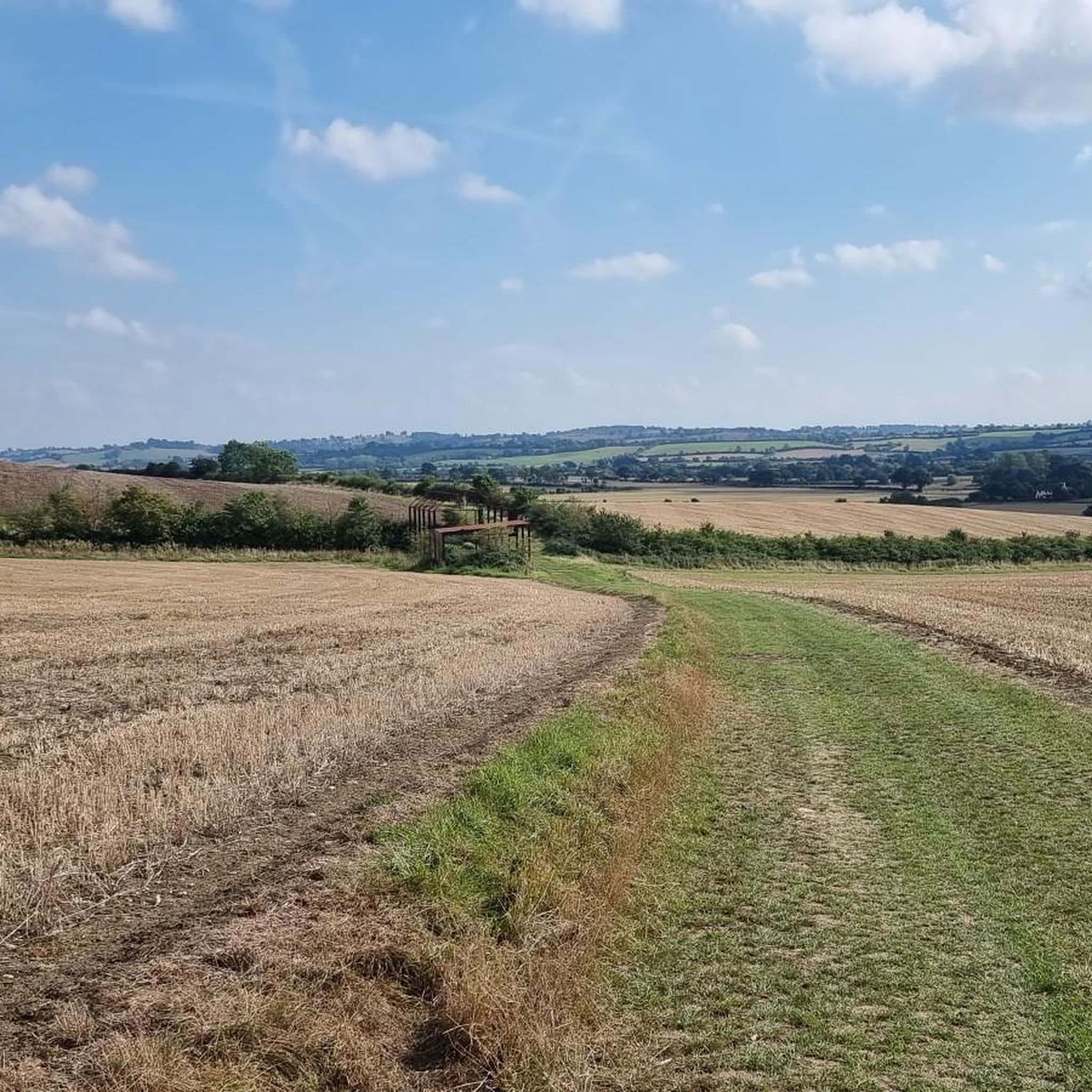
Battle of Edgehill Site
Highlight • Historical Site
Tip by

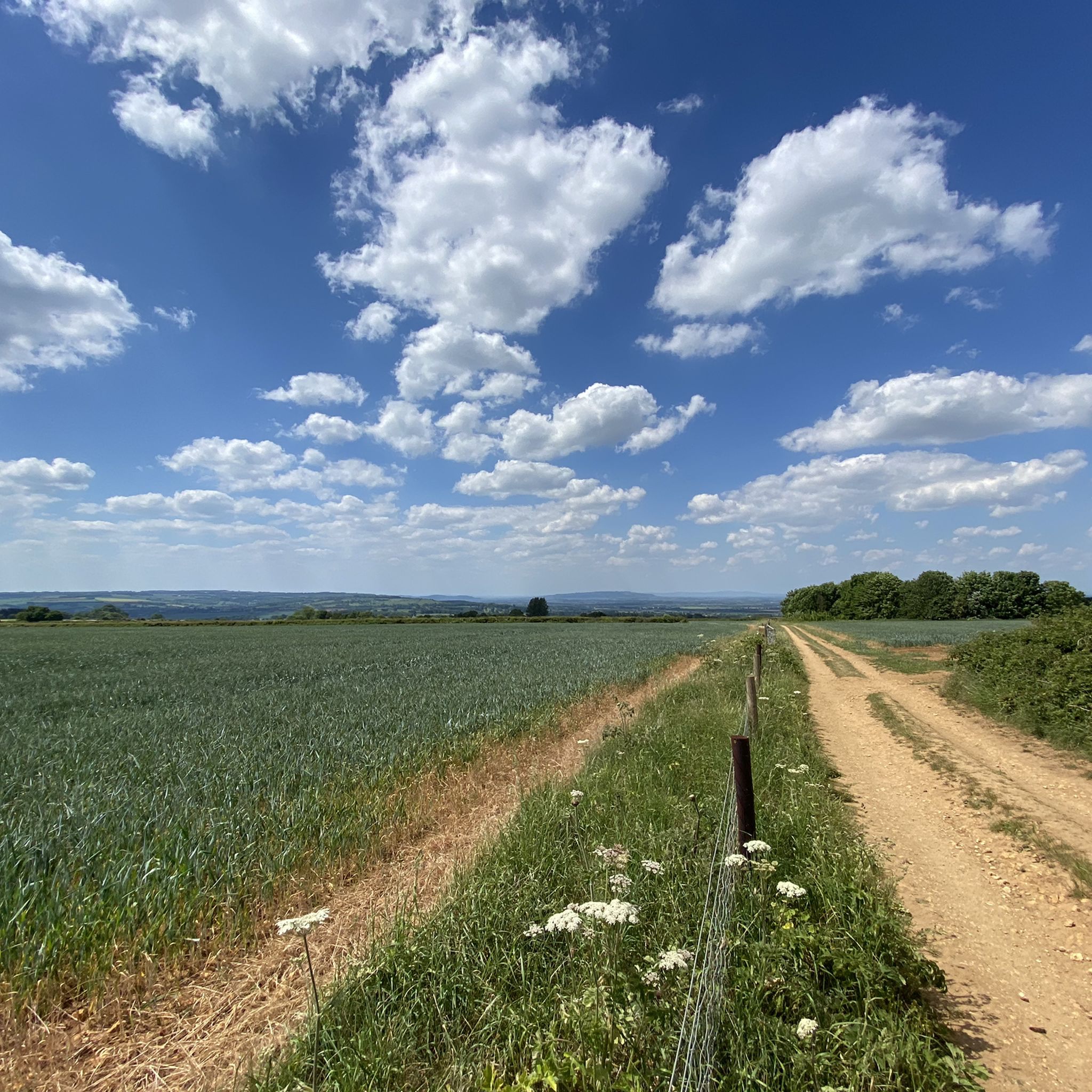
Ebrington Hill Summit
Highlight • Natural Monument
Tip by

Sign up now to discover places like this
Get recommendations on the best single tracks, peaks, & plenty of other exciting outdoor places.
Sign up for free
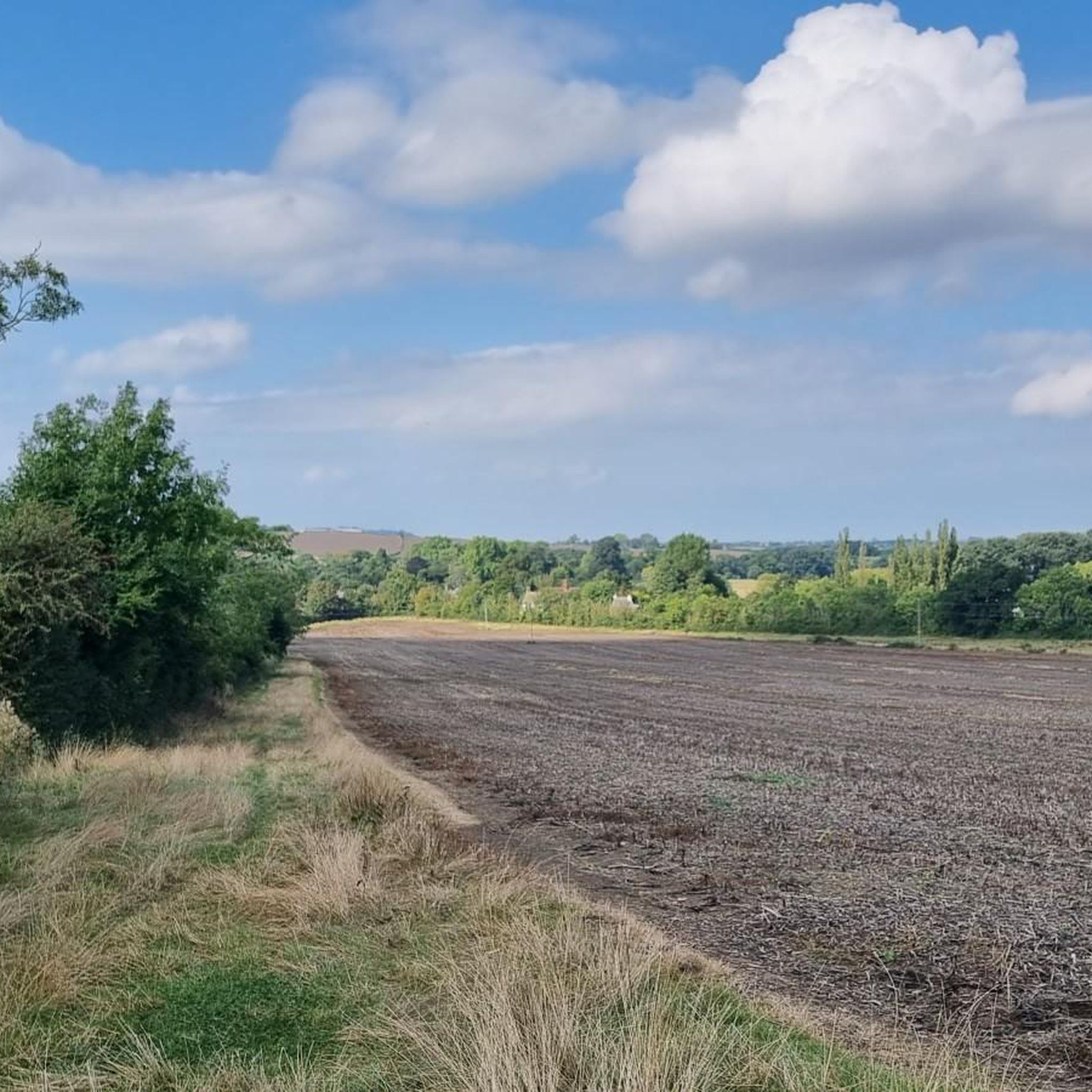
Solitary tree at Hidcote Bartrim
Highlight • Natural Monument
Tip by

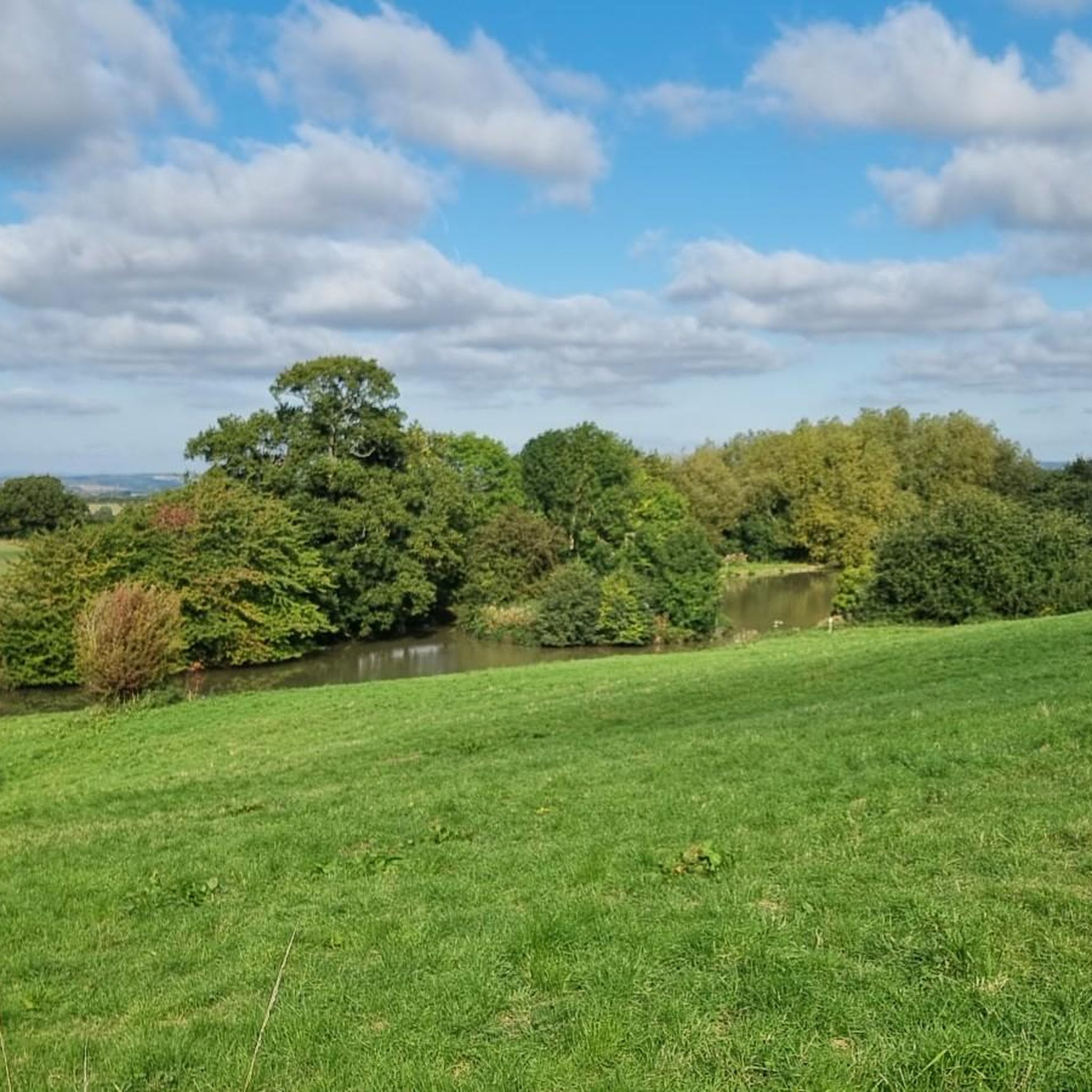
Lobbington Hall Farm Meadow Site of Special Scientific Interest
Highlight • Natural
Tip by
View of the Cotswolds Hills
Highlight • Natural Monument
Tip by

Start today with a free account
Your next adventure awaits.
Login or Signup
Tips from the Community


This is the location of the Battle of Edgehill, a pitched battle of the First English Civil War occurring on Sunday 23rd October 1642. A detailed information board stands here describing how the event unfolded, offering a fascinating window into the area's past.
1
0

The Battle of Edgehill (or Edge Hill) was a pitched battle of the First English Civil War. It was fought near Edge Hill and Kineton in southern Warwickshire on Sunday, 23 October 1642. All attempts at constitutional compromise between King Charles and Parliament broke down early in 1642. Both the King and Parliament raised large armies to gain their way by force of arms. In October, at his temporary base near Shrewsbury, the King decided to march to London in order to force a decisive confrontation with Parliament's main army, commanded by the Earl of Essex. Late on 22 October, both armies unexpectedly found the enemy to be close by. The next day, the Royalist army descended from Edge Hill to force battle. After the Parliamentarian artillery opened a cannonade, the Royalists attacked. Both armies consisted mostly of inexperienced and sometimes ill-equipped troops. Many men from both sides fled or fell out to loot enemy baggage, and neither army was able to gain a decisive advantage.
1
0

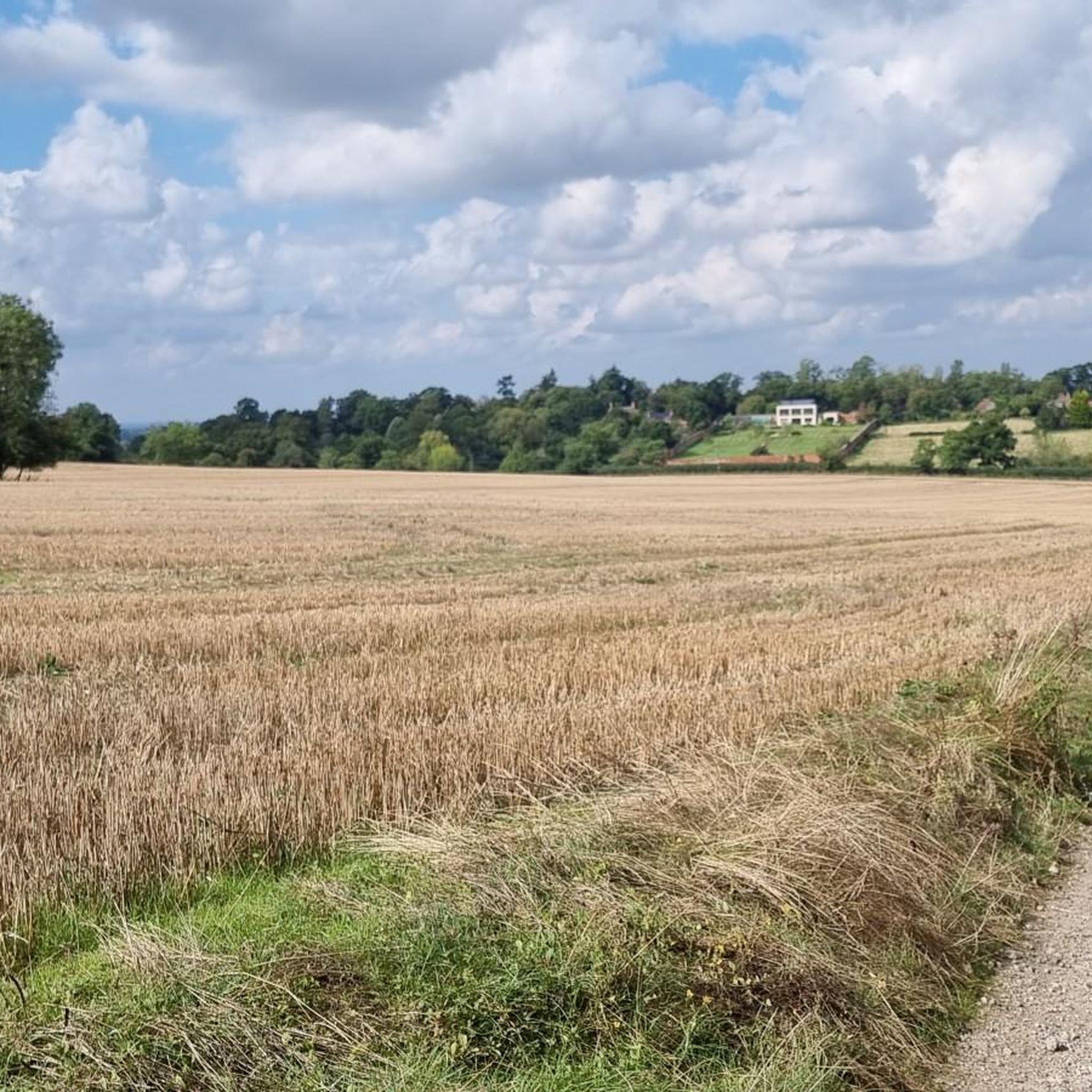
Indeed great views over the Cotswolds hills. Worth a quick stop.
0
0


Views over the Warwickshire plains, edge hill was one of the battles in the English Civil war
0
0
The Battle of Edgehill (or Edge Hill) was a pitched battle of the First English Civil War. It was fought near Edge Hill and Kineton in southern Warwickshire on Sunday, 23 October 1642. All attempts at constitutional compromise between King Charles and Parliament broke down early in 1642. Both the King and Parliament raised large armies to gain their way by force of arms. In October, at his temporary base near Shrewsbury, the King decided to march to London in order to force a decisive confrontation with Parliament's main army, commanded by the Earl of Essex. Late on 22 October, both armies unexpectedly found the enemy to be close by. The next day, the Royalist army descended from Edge Hill to force battle. After the Parliamentarian artillery opened a cannonade, the Royalists attacked. Both armies consisted mostly of inexperienced and sometimes ill-equipped troops. Many men from both sides fled or fell out to loot enemy baggage, and neither army was able to gain a decisive advantage.
0
0
Frequently Asked Questions
What unique natural features can I explore around Honington?
The Honington area is rich in unique natural features. A prime example is the Honington Hill Fort, recognized as a Site of Special Scientific Interest (SSSI) for its diverse limestone flora, including scarce species like common rock-rose and cowslip. It also serves as a sanctuary for various butterflies and other wildlife. Additionally, you can visit Lobbington Hall Farm Meadow Site of Special Scientific Interest, an unimproved species-rich hay meadow with rare plants like dropwort and green-winged orchid.
Where can I go for wildlife spotting near Honington?
The Honington Hill Fort is an excellent location for wildlife spotting. Its sheltered, south-facing banks are a crucial sanctuary for a variety of butterflies. Beyond insects, the area supports mammals such as fallow deer, muntjac deer, foxes, and badgers. Birdwatchers can spot barn owls, buzzards, red kites, and skylarks, while reptiles like common lizards and grass snakes have also been observed.
Are there any natural monuments with historical significance in the Honington area?
Yes, the region beautifully blends natural beauty with historical intrigue. The Battle of Edgehill Site is a historical site and natural monument marking a significant battle from the First English Civil War, offering insight into the area's past within its natural setting. The Honington Hill Fort itself is an Iron Age fort, adding a layer of ancient history to its ecological importance.
What are some family-friendly natural monuments to visit around Honington?
For families, the Battle of Edgehill Site is a great option, offering both historical context and open spaces. Another lovely spot is the Solitary tree at Hidcote Bartrim, a picturesque natural monument often found in a blooming rapeseed field, which can be a charming sight for all ages. While not strictly a natural monument, the nearby Hidcote Manor Garden is also family-friendly and features stunning Arts and Crafts-inspired gardens.
What are the best viewpoints or scenic spots among Honington's natural monuments?
The Ebrington Hill Summit is the highest point in Warwickshire, offering expansive views where you can see distant skylines and even the Malvern Hills on a clear day. The Solitary tree at Hidcote Bartrim also provides a picturesque landscape feature, especially when the surrounding fields are in bloom.
What outdoor activities can I do near these natural monuments?
The Honington area offers various outdoor activities. You can find numerous cycling routes, including road cycling and touring bicycle options. For example, explore routes like the 'View of Chesterton Windmill – Kineton War Memorial loop' for road cycling or the 'Moreton-in-Marsh — Market town – Wolford Wood Campsite loop' for touring. Mountain biking enthusiasts can enjoy trails such as the 'Brailes Hill loop'. You can find more details on these activities in the Road Cycling Routes around Honington, Cycling around Honington, and MTB Trails around Honington guides.
Are there any specific walking trails or heritage routes that incorporate natural monuments?
Yes, the Honington and Sapiston Heritage Trail offers rural walks through the Suffolk countryside, providing a broader context for the area's natural beauty and historical sites, including the Honington Hill Fort. This allows visitors to appreciate both the natural environment and the historical aspects of the landscape.
What is the best time of year to visit Honington's natural monuments for flora and fauna?
Spring and summer are ideal for experiencing the rich limestone flora and diverse wildlife. During these seasons, the Honington Hill Fort's earth banks are vibrant with species like common rock-rose and cowslip, and it becomes a crucial sanctuary for butterflies. The species-rich hay meadows, like Lobbington Hall Farm Meadow, are also at their best during these warmer months.
What kind of geological significance do the natural monuments around Honington have?
The natural monuments in the Honington area, particularly the Honington Hill Fort, are underpinned by significant geological features. The fort is perched on a limestone escarpment, and the presence of these base-rich soils contributes to the unique and diverse limestone flora found there. This geological foundation creates distinct habitats not commonly found elsewhere in the region.
What do visitors particularly enjoy about the natural monuments near Honington?
Visitors appreciate the blend of natural beauty and historical context. For instance, the Battle of Edgehill Site is valued for its detailed information board that brings history to life within a natural setting. The panoramic views from Ebrington Hill Summit are also highly rated, offering a rewarding experience after a climb. The picturesque scenery, such as the Solitary tree at Hidcote Bartrim, is also a favorite for its unique charm.
Are there any specific plant species to look out for in the natural monuments?
Yes, the Honington Hill Fort is notable for its rich limestone flora. Keep an eye out for species such as common rock-rose (Helianthemum nummularium), salad burnet (Sanguisorba minor), burnet saxifrage (Pimpinella saxifraga), cowslip (Primula veris), and harebell (Campanula rotundifolia). At Lobbington Hall Farm Meadow SSSI, you can find county rarities like dropwort and green-winged orchid, alongside abundant common knapweed and lady’s bedstraw.
Most popular attractions around Honington

Get inspired with the komoot mobile app


Explore more
Extend your search for the best caves by checking out these guides of the top ones around Honington:
