Top 6 Natural Monuments around Weybourne
Best natural monuments around Weybourne include a diverse range of geological formations and natural landscapes along the North Norfolk coast. The area features shingle beaches backed by cliffs, ancient chalk reefs, and expansive heathlands. These locations offer opportunities to observe unique ecological features and significant geological history. Weybourne is a point along the Deep History Coast, providing insights into ancient landscapes and wildlife.
Best natural monuments around Weybourne
- The most popular natural monuments is Beeston Bump: Trig Point and Viewpoint…
Last updated: November 13, 2026
Sheringham Park Rhododendron and Azalea Gardens
Highlight • Forest
Tip by

West Runton Beach
Highlight • Viewpoint
Tip by

Sign up now to discover places like this
Get recommendations on the best single tracks, peaks, & plenty of other exciting outdoor places.
Beeston Bump: Trig Point and Viewpoint
Highlight • Viewpoint
Hiking in …
Tip by

Incleborough Hill
Highlight • Natural Monument
Tip by

Beacon Hill (Roman Camp)
Highlight • Viewpoint
Tip by

Sign up for free to discover even more natural monuments around Weybourne.
Already have an account?
Start today with a free account
Your next adventure awaits.

Tips from the Community

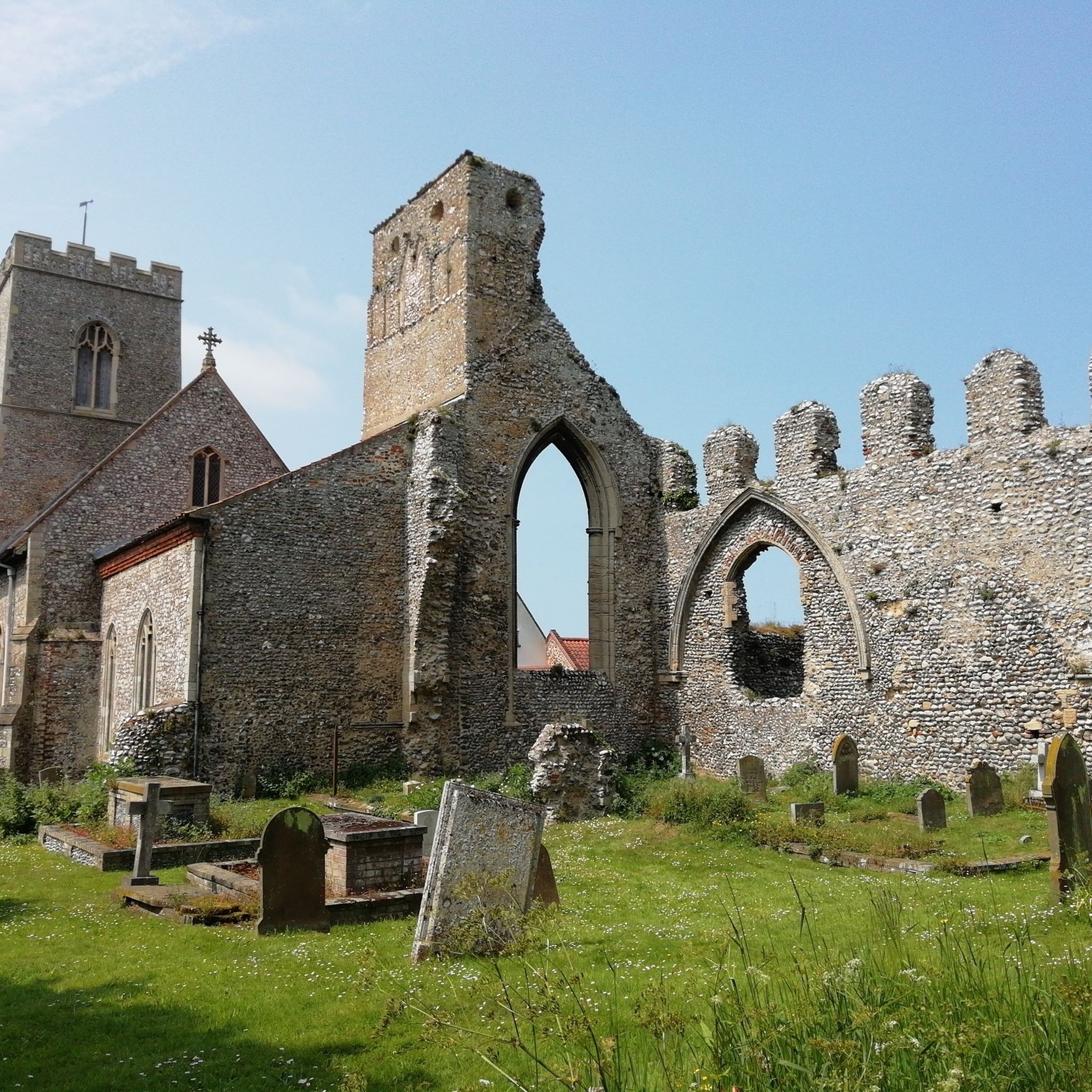
Sheringham Park was designed by the 19th-century landscaper Humphry Repton and his son John Adey Repton.
1
0


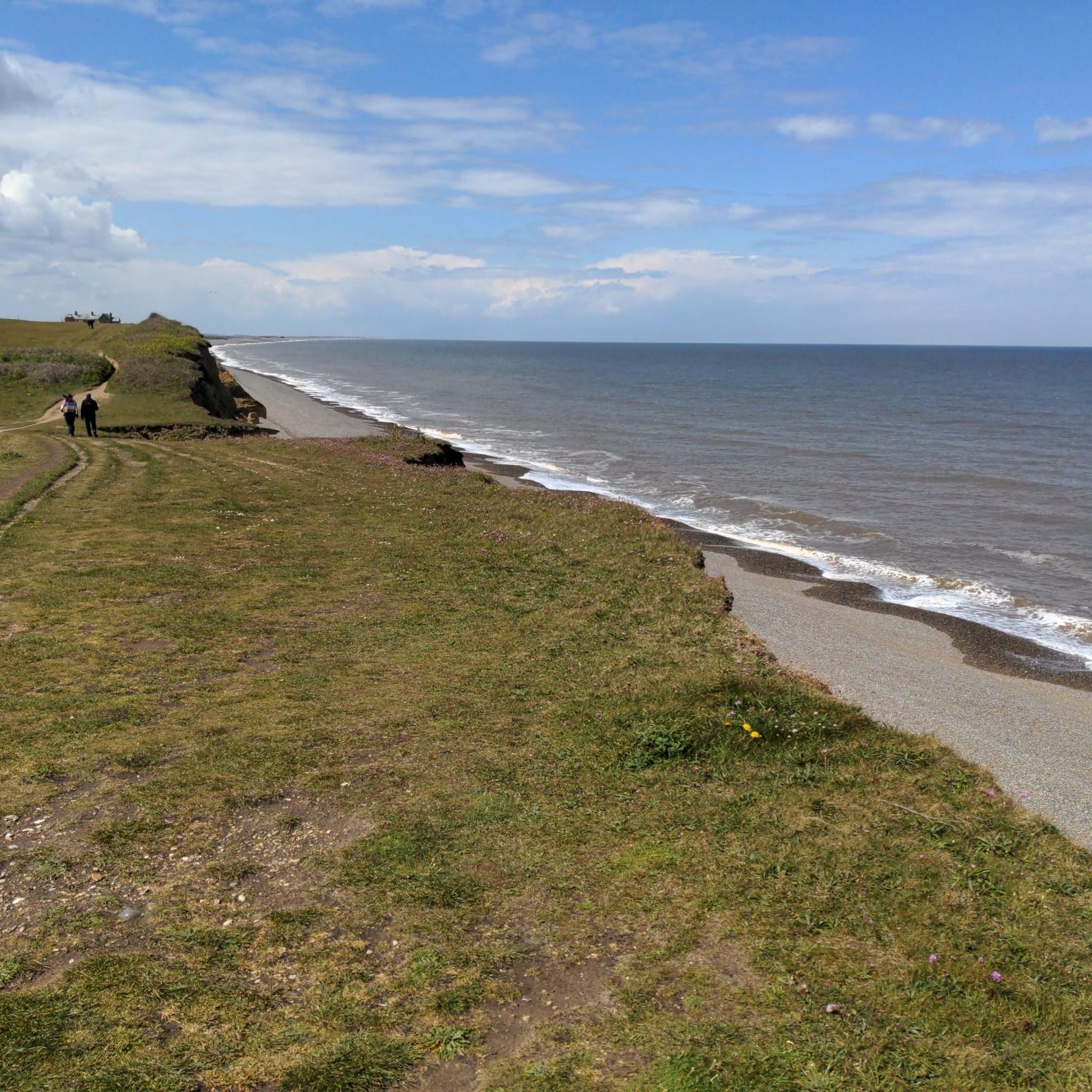
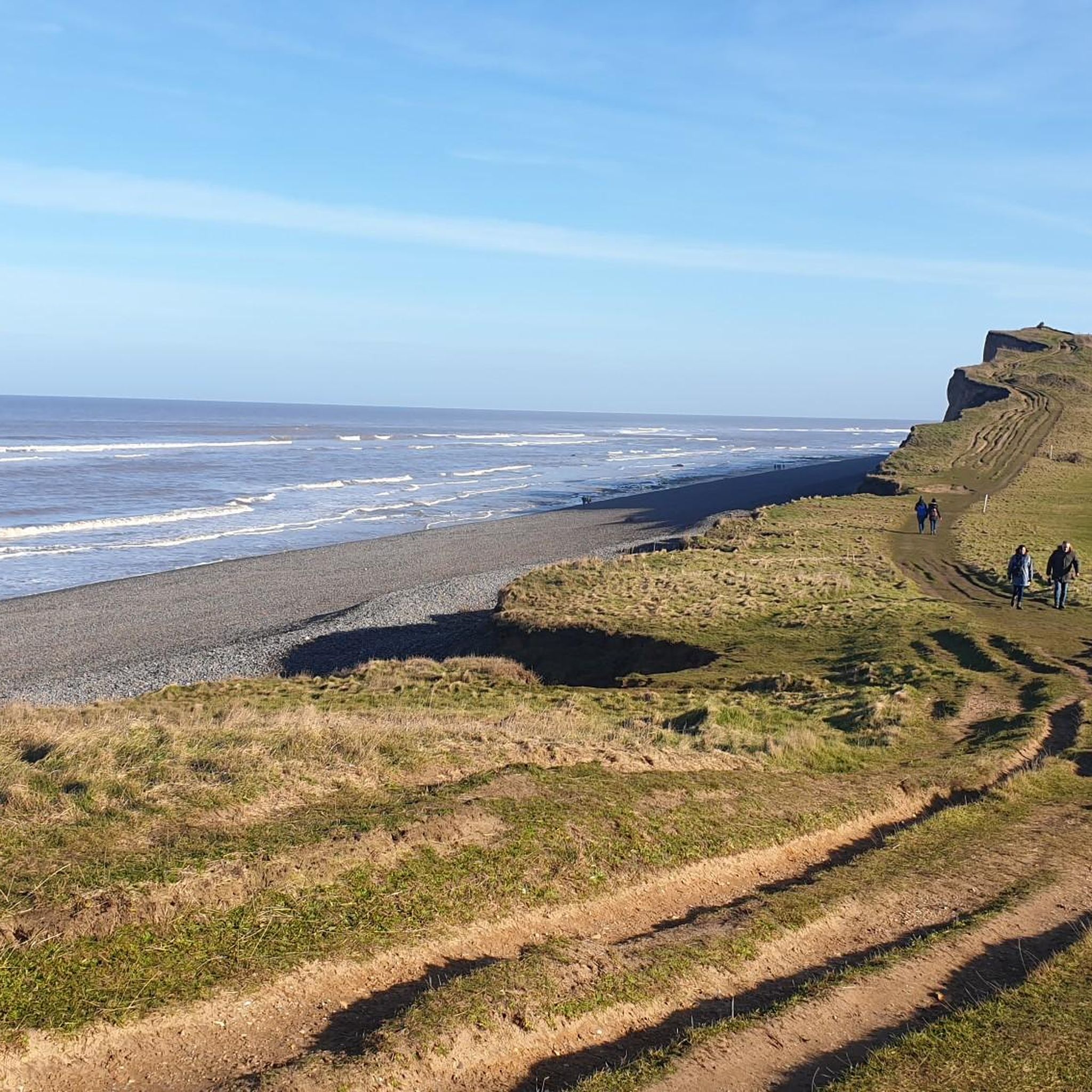
Nice view down the wide, sandy beach but the last part of the approach is very steep and there's no barrier at the bottom so caution needed.
0
0

The flora here is beautiful! Very different. Saw it in bloom in early May.
0
0
Visit the watchtower close by! I was given a tour by a friendly volunteer, and I got to try his binoculars too!
0
0

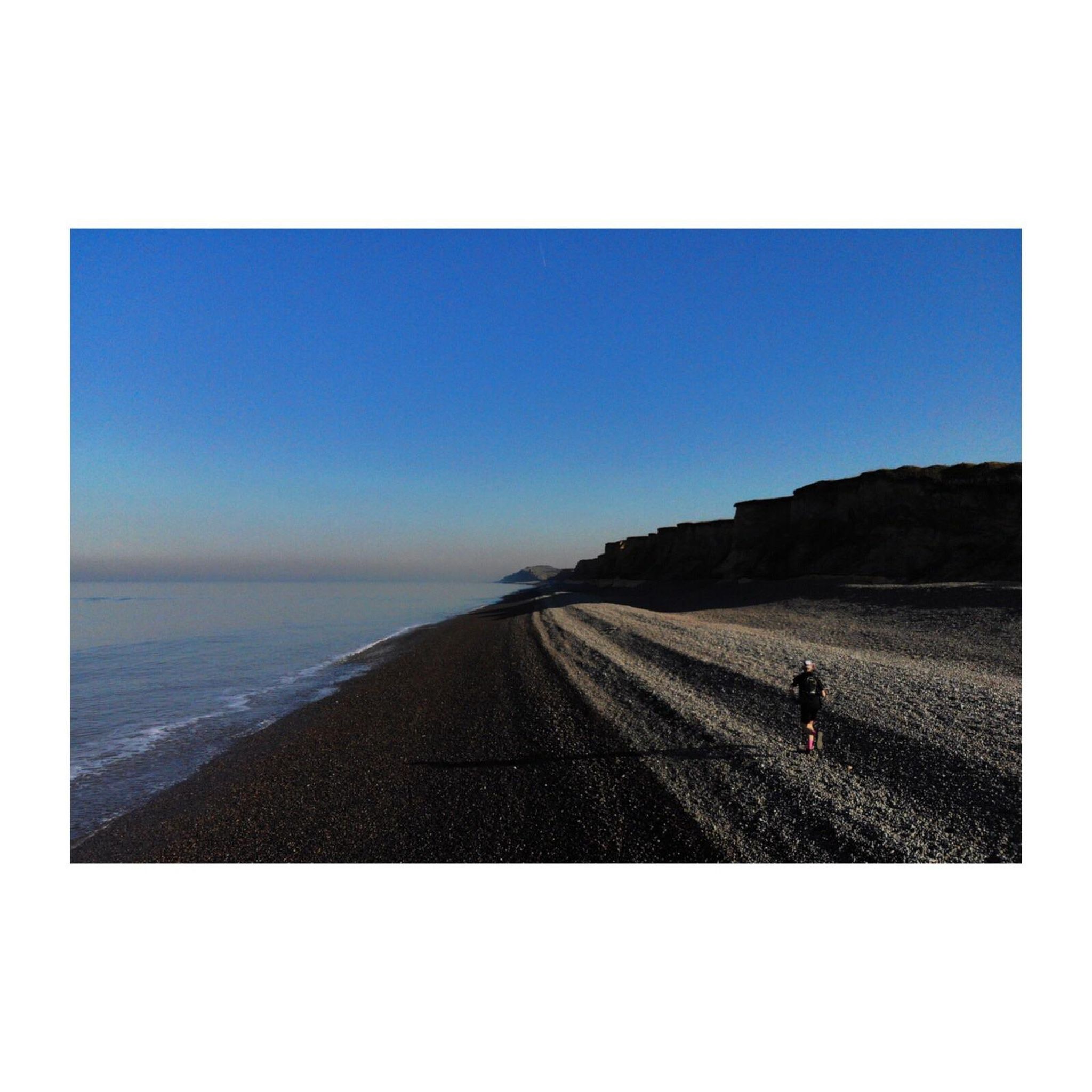
The Beeston Bump is a local highlight and one of the few actual 'high' points in Norfolk. Stunning views of the North Sea and both Sheringham and Cromer. Hiking in the Norfolk Coast AONB is a real pleasure and Beeston HIll is a great chance to get up high in an otherwise flat area. Combine with a hike to Beacon Hill Roman camp from either Sheringham or Cromer (or both) for a fine day out.
0
0

Originally there were two 'bumps' the second has been eroded. Bumps were created by glaciers retreating during the Ice Age.
0
0

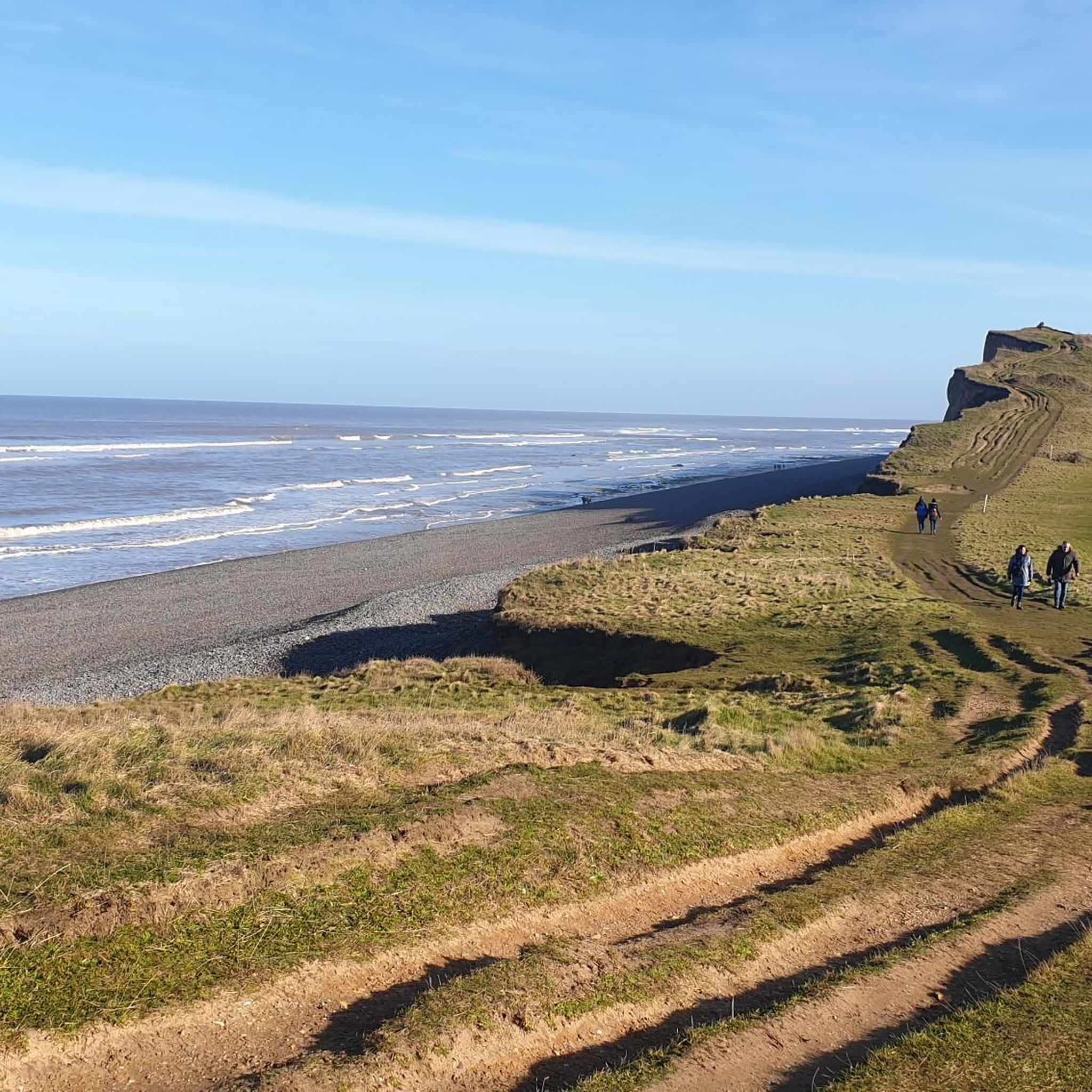
Incleborough Hill stands above the villages of East and West Runton on the North Norfolk Coast and commands fine views up and down the coast from Cromer to Sheringhamm and beyond.
0
0
Frequently Asked Questions
What unique geological features can I explore around Weybourne?
Weybourne is known for its diverse geology. You can explore the quiet shingle West Runton Beach, backed by impressive cliffs where ancient fossils and flints can be found. Offshore, the 100-million-year-old Great Chalk Reef, extending between Weybourne and Happisburgh, is Europe's largest, supporting a vibrant marine ecosystem.
Where can I find the best panoramic views of the North Norfolk coast near Weybourne?
For breathtaking panoramic views, head to Beeston Bump: Trig Point and Viewpoint, one of Norfolk's few elevated points, offering vistas of the North Sea, Sheringham, and Cromer. Similarly, Incleborough Hill provides fine views along the coast from Cromer to Sheringham. At Sheringham Park Rhododendron and Azalea Gardens, you can climb towers for stunning coastal panoramas.
Are there family-friendly natural monuments around Weybourne?
Yes, several natural monuments are suitable for families. Sheringham Park Rhododendron and Azalea Gardens offers open spaces, woodlands, and wildlife spotting opportunities. West Runton Beach is a great spot for fossil hunting and enjoying the coast. The Deep History Coast Discovery Point at Weybourne also offers an engaging augmented reality experience for all ages, bringing ancient landscapes to life.
What kind of wildlife can I expect to see at the natural monuments near Weybourne?
The region is rich in wildlife. At Sheringham Park Rhododendron and Azalea Gardens, you might spot three species of deer, various birds, and butterflies. The cliffs at Weybourne Beach are home to sand martin burrows. For marine life, the Great Chalk Reef teems with starfish, anemones, crustaceans, and fish. Slightly further afield, Blakeney Point is famous for England's largest grey seal colony, especially active with pups between November and January, and Blakeney Marshes host otters, voles, and diverse birdlife.
Are there historical sites among the natural monuments in the Weybourne area?
Yes, the area blends natural beauty with history. Beacon Hill (Roman Camp), despite its name, features medieval earthworks and was used as a signal station during the Napoleonic wars. Additionally, Weybourne is a key point along the Deep History Coast, where augmented reality experiences reveal ancient landscapes and early human history dating back 800,000 years. You can learn more about the Deep History Coast at visitnorthnorfolk.com.
What outdoor activities can I do near the natural monuments around Weybourne?
The natural monuments around Weybourne offer various outdoor activities. You can enjoy walking and hiking on the expansive heaths of Muckleburgh Hill and Kelling Heath, which are Areas of Outstanding Natural Beauty. For cycling, there are numerous routes available, including touring, gravel, and road cycling. You can find detailed routes and guides for cycling around Weybourne, gravel biking around Weybourne, and road cycling routes around Weybourne.
Where can I find trails for walking or hiking near Weybourne's natural monuments?
Muckleburgh Hill and Kelling Heath, both Areas of Outstanding Natural Beauty, offer extensive nature trails and a network of paths perfect for walking and hiking. These areas provide opportunities to experience the diverse flora and fauna of the Norfolk heathlands. You can also find trails within Sheringham Park Rhododendron and Azalea Gardens, which features mature woodlands.
What is the best time of year to visit the natural monuments in Weybourne?
The best time to visit depends on your interests. For vibrant rhododendrons and azaleas, Sheringham Park Rhododendron and Azalea Gardens is spectacular in late spring and early summer. If you're interested in seeing the grey seal pups at Blakeney Point, November to January is the prime viewing season. Generally, spring and autumn offer pleasant weather for exploring the coastal paths and heathlands, with fewer crowds than the peak summer months.
Are there any quiet or less crowded natural monuments near Weybourne?
Weybourne Beach itself is often quieter than other North Norfolk beaches, offering a tranquil atmosphere. West Runton Beach, located between Sheringham and Cromer, is also frequently overlooked and tends to be less crowded, making it a peaceful spot for beachcombing and enjoying the views.
What do visitors enjoy most about the natural monuments around Weybourne?
Visitors frequently praise the stunning coastal views from viewpoints like Beeston Bump and Incleborough Hill. The diverse flora, especially the rhododendrons and azaleas at Sheringham Park, is a highlight for many. The opportunity for fossil hunting at West Runton Beach and the unique geological significance of the Great Chalk Reef also draw considerable interest. The overall tranquility and natural beauty of the area are consistently appreciated.
Can I find cafes or pubs near the natural monuments in Weybourne?
Yes, you can find amenities near some of the natural monuments. For instance, there is a cafe and public toilets at West Runton Beach. While specific cafes or pubs are not directly adjacent to every monument, the nearby towns and villages like Weybourne, Sheringham, and Cromer offer a good selection of dining options and accommodations within a short distance.
Most popular routes around Weybourne
Most popular attractions around Weybourne

Get inspired with the komoot mobile app


Explore more
Extend your search for the best caves by checking out these guides of the top ones around Weybourne:
