Top 20 Natural Monuments around Axmouth
Best natural monuments around Axmouth are concentrated along the Jurassic Coast, a UNESCO World Heritage Site. This area features dramatic coastal scenery and significant geological formations, including an active coastal landslip system. The region offers opportunities to observe geological time through rock formations, from 235 million-year-old Triassic mudstones to 195 million-year-old Jurassic sediments known for fossils. Diverse habitats support rich biodiversity, making it a protected area for nature.
Best natural monuments around Axmouth
- The most popular natural monuments is Charmouth…
Last updated: August 9, 2026
Charmouth Beach
Highlight • Historical Site
Tip by

Beer to Seaton Coastal Path
Highlight (Segment) • Viewpoint
Tip by

Sign up now to discover places like this
Get recommendations on the best single tracks, peaks, & plenty of other exciting outdoor places.
Sign up for free
Seaton Beach and Cliffs
Highlight • Beach
The town itself, Devon's easternmost seaside …
Translated by Google •
Tip by

Black Ven Cliffs and Fossil Beach
Highlight (Segment) • Natural Monument
Tip by

Ware Cliffs
Highlight • Viewpoint
Tip by

Sign up for free to discover even more natural monuments around Axmouth.
Sign up for free
Already have an account?
Start today with a free account
Your next adventure awaits.
Login or Signup
Other adventures around Axmouth

Tips from the Community


Jurassic Coast - here, as a touring cyclist, you get a nice access with wonderful views, swimming options and good restaurants.
0
0

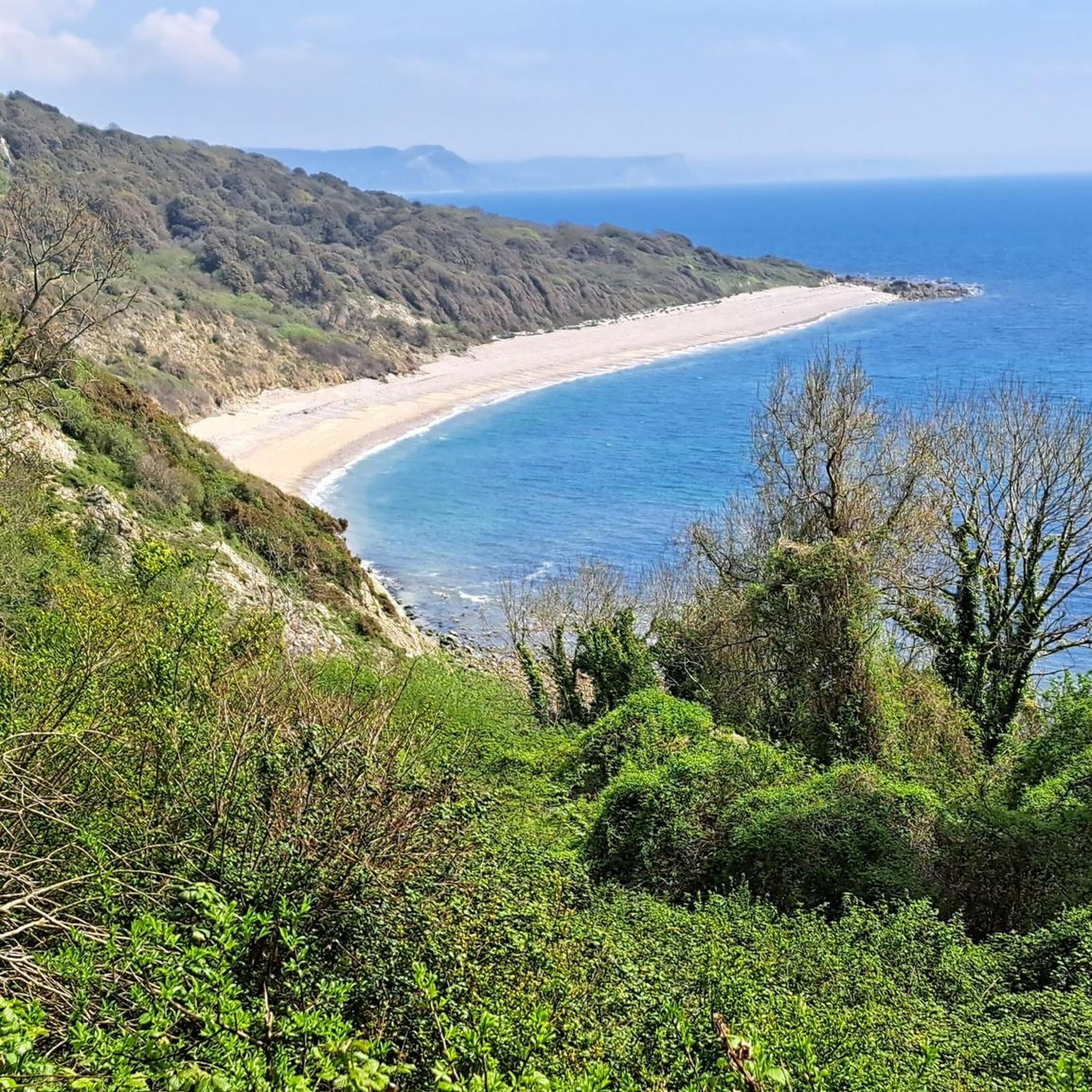
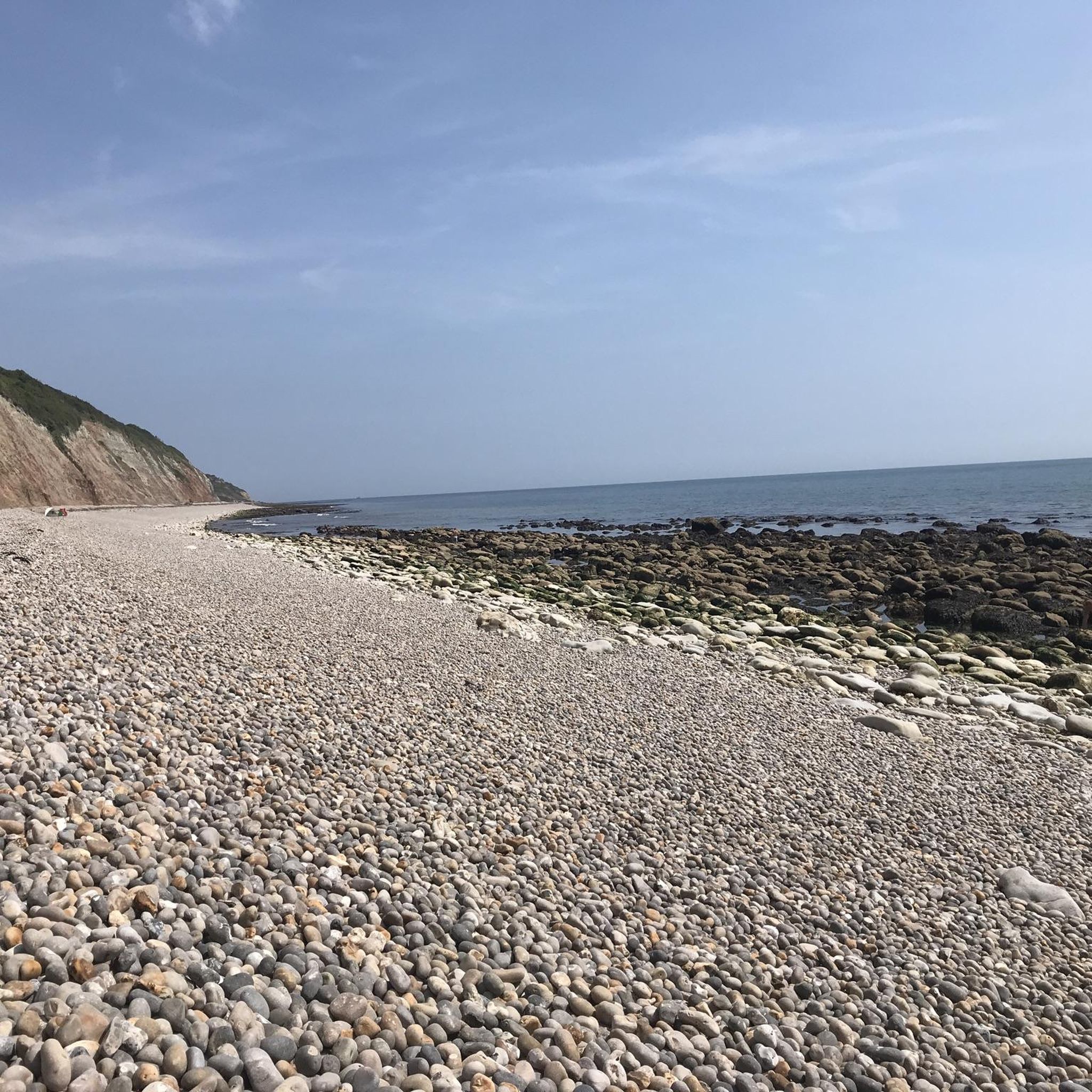
A mile-long beach with a mix of sand and shingle, clear water, and a gently sloping shore. It's a great place for swimming, water sports, and walking. The beach is surrounded by cliffs and green hillsides, and is a popular spot for photographers. A flat walking area that runs alongside the beach, with a cafe at one end and the town at the other.
1
0
Quite the section this. Has a little bit of everything.
1
0
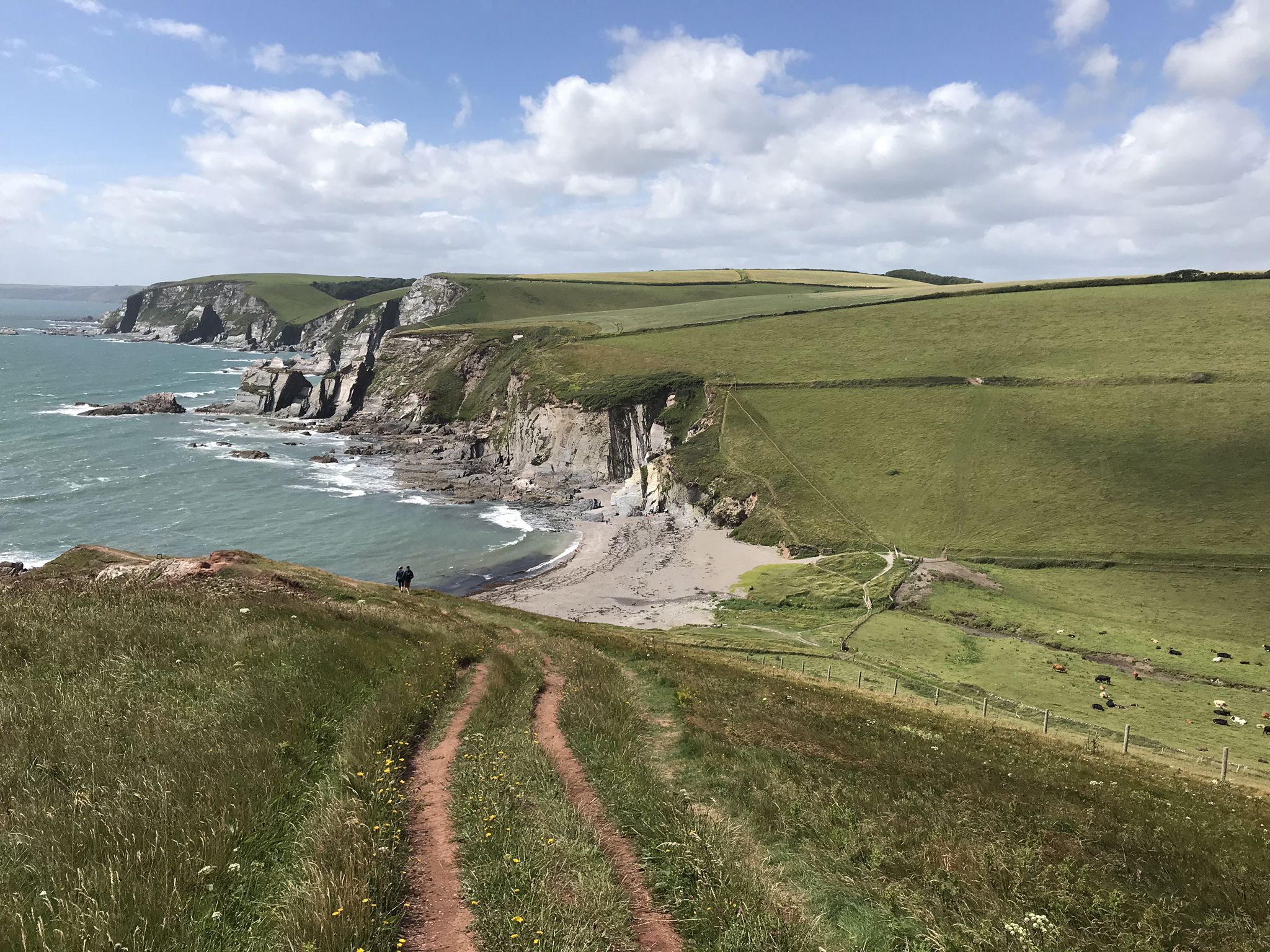
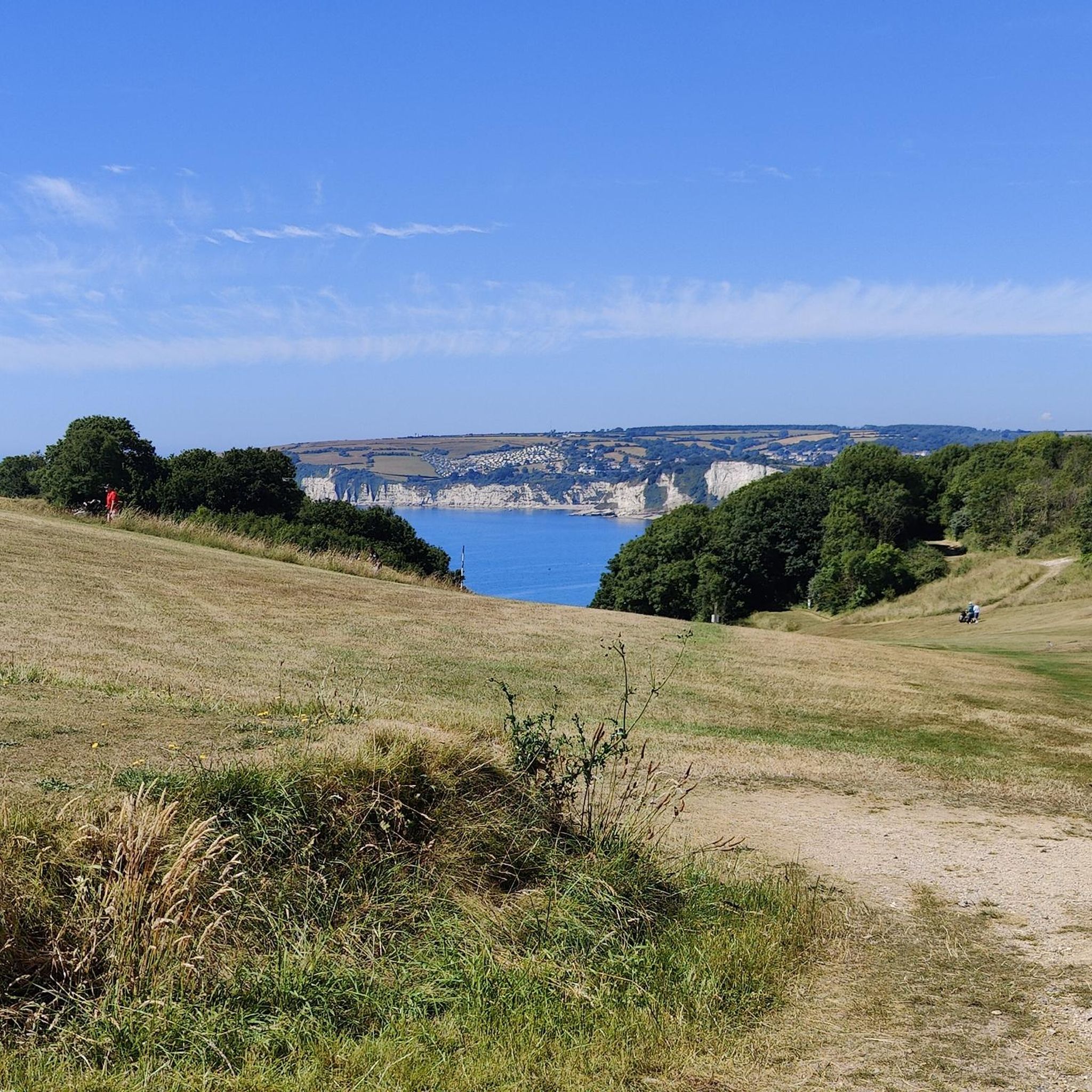
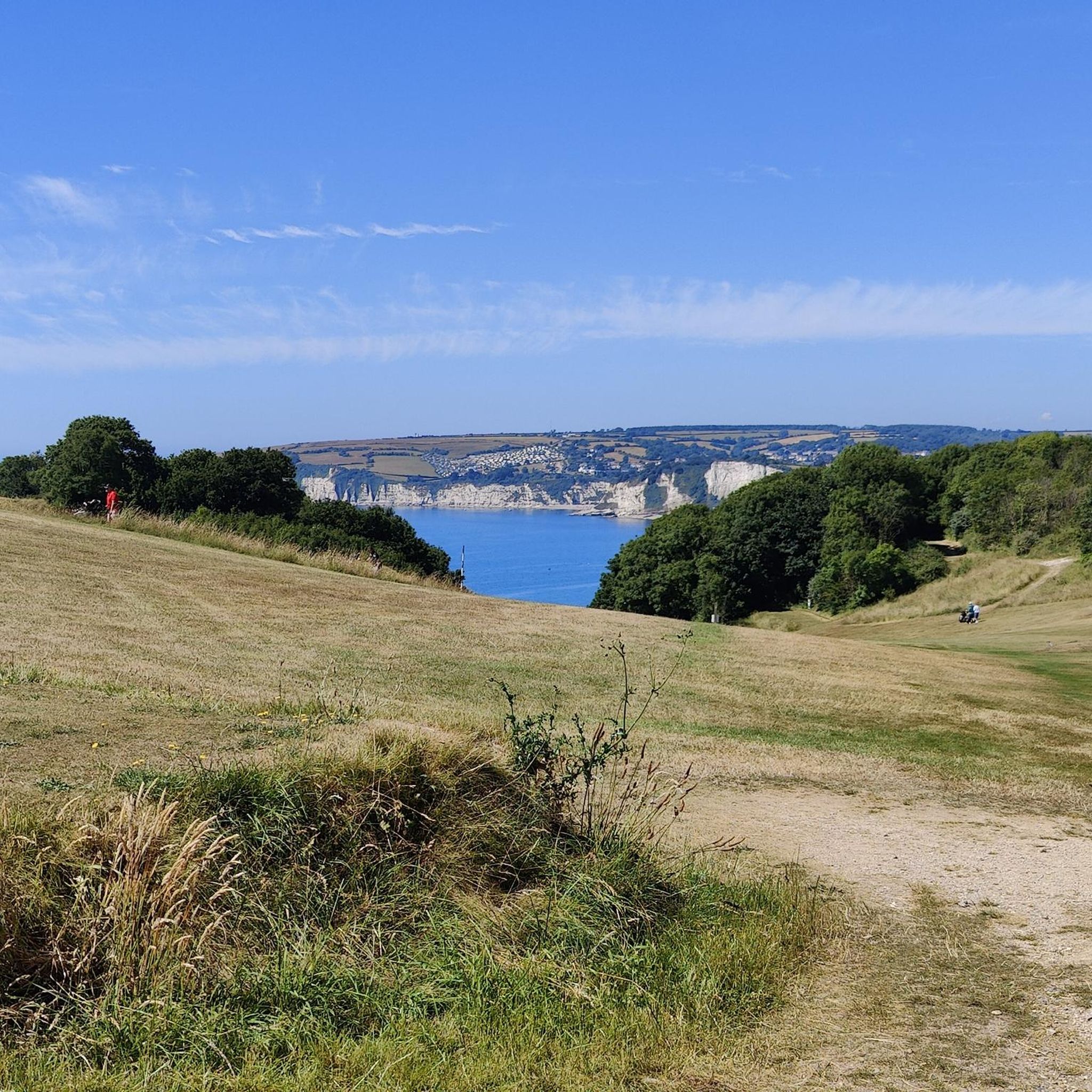
Little bit of useless trivia for you. on the section outlayed on my page, this is the only gate you'll need to go through. That is something that doesn't happen often. The area is predominately open meadow land and woodland preserved by the National Trust. The area was an important Armada look-out point and later when a French invasion was feared, the warning beacon sited here, when lit, would have started a chain from the coast north to Trinity Hill near Axminster and west to Rousdon in the direction of Seaton. With vigilance, the entire country to the north coast could be alerted within half an hour thanks to the well worked out network of sightlines joining hilltop to hilltop.
1
0
The Black Ven has been historically renowned for paleontology. Mary Anning found an ichthyosaurus in The Spittles, and James Harrison found the first fossil remains of a Scelidosaurus while quarrying Black Ven in 1858. In 2001, the Black Ven and the whole of Lyme Bay became part of the Jurassic Coast World Heritage Site. Black Ven has the largest mudslides in Europe,[3] and this constantly brings new material (such as fossils) to the base of the cliff and beach. The reason for this is the types of stone found through the cliff. There is porous limestone, which lets the water on rough days flow through it, below which you will find clay, which lets water in, but not out. When the clay becomes saturated, it becomes very slippery and the limestone above can slide off in large chunks. Black Ven for this reason is a famous fossil hunting location, although the mudslides can be surprisingly damaging to the fossils, especially to soft parts such as scales. The Black Ven has a layer called Blue Lias where famous fossilised fish are known to be found. The geological dating of the rocks of the whole of the area (Lyme Bay) is Jurassic. The Black Ven and the Spittles contain rocks from the lower (early) Jurassic. Ammonites, Belemnites, and the occasional Devil's toenail are common finds in this area
0
1
Situated on the Dorset/Devon border and just two miles from Lyme Regis, Charmouth is a quiet, unspoilt village, with lots of amenities. The village has a rich history going back hundreds of years, and was once on the main road from London to Exeter. As a consequence of this historical strategic location the village has seen many important visitors over the years with King Charles II staying in the village during his escape to France, and Jane Austen who, as a regular visitor, once wrote that Charmouth was “a nice place for sitting in unwearied contemplation”. Fortunately these days the busy roads bypass the village, and Charmouth retains the charm and tranquility it has enjoyed for hundreds of years. Charmouth is best known for its beach. Recognised by UNESCO as a World Heritage site, the local coastline provides an unique insight into millions of years of evolution, and of course is best known as the Jurassic Coast due to the large number of fossils that can be found on the beaches. However, the beach is not just for fossil hunters, having large areas of sand and gently shelving waters that make it an ideal family day out when the sun shines. The local cafés, shops and the Charmouth Heritage Coast Centre provide food, drink, beach goods and information about the geology and fossils. Within the village Charmouth has a wide range of shops to ensure that visitors do not need to venture further afield during their stay. Everything from daily essentials, household and holiday goods, gifts, and beauty salons all available right in the village centre. A range of pubs, restaurants and cafés give a fantastic choice of refreshments from breakfast to dinner. As part of both the Jurassic Coast and in an Area of Outstanding Natural Beauty it is possible to lose yourself in sights, countryside and wildlife.
0
1
Beach huts are available to hire for the summer or winter seasons. They can also be hired on a daily or weekly basis between May-September. Full time residents of Charmouth Parish may enter an annual lottery for a number of huts that are made available for the summer season at 50% of the full price. These are normally located on the grass area. The lottery also includes blue huts on the beach which are restricted initially to residents with children aged under 18. The lottery takes place at the beginning of April each year. ** PLEASE NOTE THAT SEASONAL HUTS ARE FULLY BOOKED FOR THIS YEAR AND THE SUBSTANTIAL WAITING LIST IS CURRENTLY CLOSED**
1
0
Frequently Asked Questions
What geological features can I explore around Axmouth?
The natural monuments around Axmouth are part of the UNESCO World Heritage Site, the Jurassic Coast. You can observe a geological time capsule, with rocks progressively getting younger from Axmouth eastward. Near Axmouth, you'll find 235 million-year-old red mudstones from the Triassic Period, transitioning to 195 million-year-old grey mudstones and limestones from the Jurassic Period further east. The area is also known for its extensive and dramatic landslides, and the cliffs provide a unique opportunity to see these geological processes in action.
Where can I go fossil hunting near Axmouth?
The Axmouth area is renowned for its fossil-rich coastline. Charmouth Beach is one of the best places in the UK for fossil hunting, with thousands of Jurassic fossils deposited due to rapid erosion. Another excellent spot is Black Ven Cliffs and Fossil Beach, historically famous for paleontology and known for its mudslides that constantly bring new fossil material to the beach. Remember to leave in-situ fossils undisturbed for others to enjoy.
Are there family-friendly natural monuments in the Axmouth area?
Yes, several natural monuments around Axmouth are suitable for families. Charmouth Beach is popular for fossil hunting, which can be a fun activity for all ages. Seaton Beach and Cliffs offers a mile-long pebble beach ideal for swimming, paddling, and walking, with plenty of cafes and facilities nearby in Seaton.
What are the best hiking trails to experience the natural monuments around Axmouth?
The South West Coast Path runs through the Axmouth to Lyme Regis Undercliffs National Nature Reserve for about seven miles, offering primary access and opportunities for both leisurely strolls and more strenuous hikes. For specific routes, you can explore options like the hiking routes around Axmouth, which include trails like the 'Axmouth & the estuary loop from Seaton' or the 'Beer to Seaton Coastal Path – Seaton Beach and Cliffs loop from Seaton'.
Can I bring my dog to the natural monuments around Axmouth?
Many outdoor areas around Axmouth are dog-friendly, especially walking trails. However, it's always best to check specific signage at each location, particularly within nature reserves or on beaches, as restrictions may apply during certain seasons or in protected wildlife areas. Generally, dogs are welcome on leads on the South West Coast Path.
What is the best time of year to visit the natural monuments near Axmouth?
The natural monuments around Axmouth can be enjoyed year-round, but each season offers a different experience. Spring and summer provide warmer weather for coastal walks and beach activities, with lush vegetation in the Undercliffs. Autumn can be beautiful with changing foliage, while winter offers dramatic coastal scenery, though paths can be slippery. Always check local weather conditions before your visit.
Are there any easy walking routes among the natural monuments?
Yes, there are several easy walking routes. For example, the 'Seaton Beach and Cliffs – Seaton Seafront and Beach loop from Seaton' is a relatively flat and easy walk along the seafront. You can find more easy options in the easy hikes around Axmouth guide, which includes routes like 'Axmouth & the estuary loop from Seaton'.
What kind of wildlife can I expect to see in the Axmouth natural monuments?
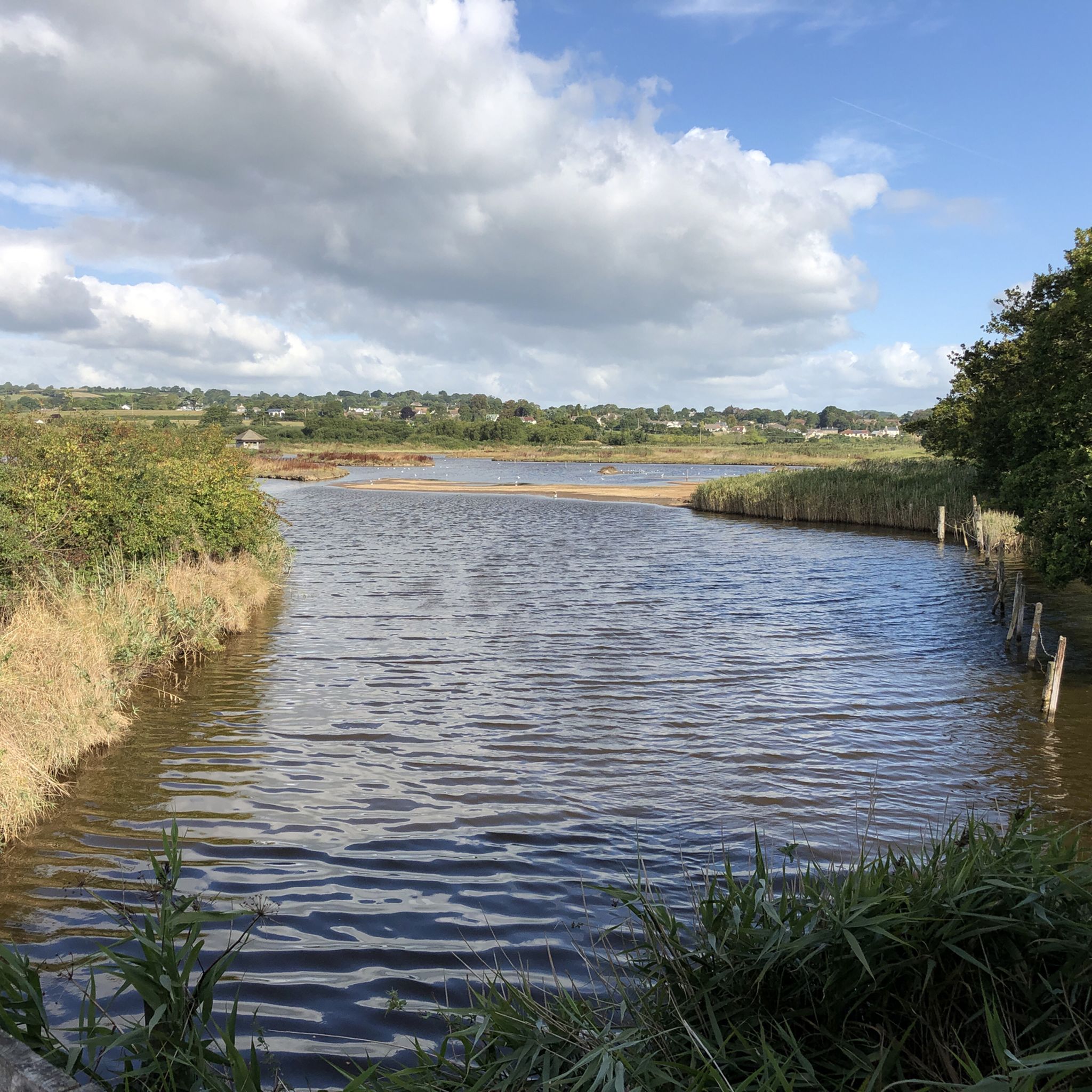
The Axmouth to Lyme Regis Undercliffs National Nature Reserve is a haven for biodiversity, experiencing a microclimate similar to a rainforest. You can expect to see a variety of flora and fauna in its diverse habitats, including woodland, lowland grassland, rocky shore, and cliffs. The adjacent Axe Estuary is also a significant natural highlight, featuring an important mud flat habitat for birds, shellfish, and insects, making it an excellent spot for birdwatching.
Where can I find scenic viewpoints of the Jurassic Coast near Axmouth?
The entire coastline offers stunning views of the Jurassic Coast. Beer to Seaton Coastal Path is a viewpoint and trail that provides excellent vistas across the coast. Ware Cliffs also offers panoramic views, historically serving as an Armada look-out point. The South West Coast Path itself provides continuous scenic opportunities.
Are there cycling routes available near the natural monuments around Axmouth?
While the Undercliffs reserve itself is primarily for walking, there are cycling routes in the wider Axmouth area. You can explore options in the cycling around Axmouth guide, which features routes like 'Seaton Seafront and Beach – Axmouth Bridge loop from Seaton' or 'Cannington Viaduct – Axmouth Bridge loop from Seaton'.
What makes the Axmouth to Lyme Regis Undercliffs National Nature Reserve unique?
The Axmouth to Lyme Regis Undercliffs National Nature Reserve is unique as one of the largest and most important active coastal landslip systems in Western Europe. It's a UNESCO World Heritage Site, recognized for its dramatic coastal scenery and geological significance. Its microclimate supports a rich biodiversity, making it a National Nature Reserve (NNR), Special Area of Conservation (SAC), and Site of Special Scientific Interest (SSSI).
What should I wear when visiting the natural monuments around Axmouth?
When visiting the natural monuments around Axmouth, especially if you plan to hike, wear sturdy walking shoes or boots as paths can be uneven and slippery, particularly in the Undercliffs. Layered clothing is advisable due to changeable coastal weather, and waterproofs are recommended. If fossil hunting, consider old clothes and appropriate gear.
Are there facilities like cafes or pubs near the natural monuments?
Yes, towns like Seaton and Lyme Regis, which border the natural monuments, offer a good selection of cafes, pubs, and restaurants. For instance, Seaton Beach and Cliffs is well-served by the town of Seaton, providing places to refuel and recharge after exploring the coast.
Most popular attractions around Axmouth

Get inspired with the komoot mobile app


Explore more
Extend your search for the best caves by checking out these guides of the top ones around Axmouth:
