Hurstpierpoint And Sayers Common
Hurstpierpoint And Sayers Common
Top 19 Natural Monuments around Hurstpierpoint And Sayers Common
Best natural monuments around Hurstpierpoint And Sayers Common are found within West Sussex, an area defined by rolling hills, ancient woodlands, and significant ecological value. This region offers diverse natural features, from expansive meadows to prominent chalk hills. Visitors can explore a landscape rich in both natural beauty and historical significance, providing varied experiences for outdoor enthusiasts. The natural monuments here offer panoramic views and unique ecological sites.
Best natural monuments around Hurstpierpoint And Sayers Common
- The most popular natural…
Last updated: May 17, 2026
Ditchling Beacon
Highlight • Natural Monument
Tip by

Devil's Dyke
Highlight • Historical Site
Tip by

Sign up now to discover places like this
Get recommendations on the best single tracks, peaks, & plenty of other exciting outdoor places.
Sign up for free
Blackcap Summit and Trig Point
Highlight • Viewpoint
Tip by

Sussex Border Path: Ditchling Beacon to Fishersgate
Highlight (Segment) • Trail
Tip by

South Downs Way – Fulking Hill Ridge
Highlight (Segment) • Natural Monument
Tip by

Sign up for free to discover even more natural monuments around Hurstpierpoint And Sayers Common.
Sign up for free
Already have an account?
Start today with a free account
Your next adventure awaits.
Login or Signup
Popular around Hurstpierpoint And Sayers Common
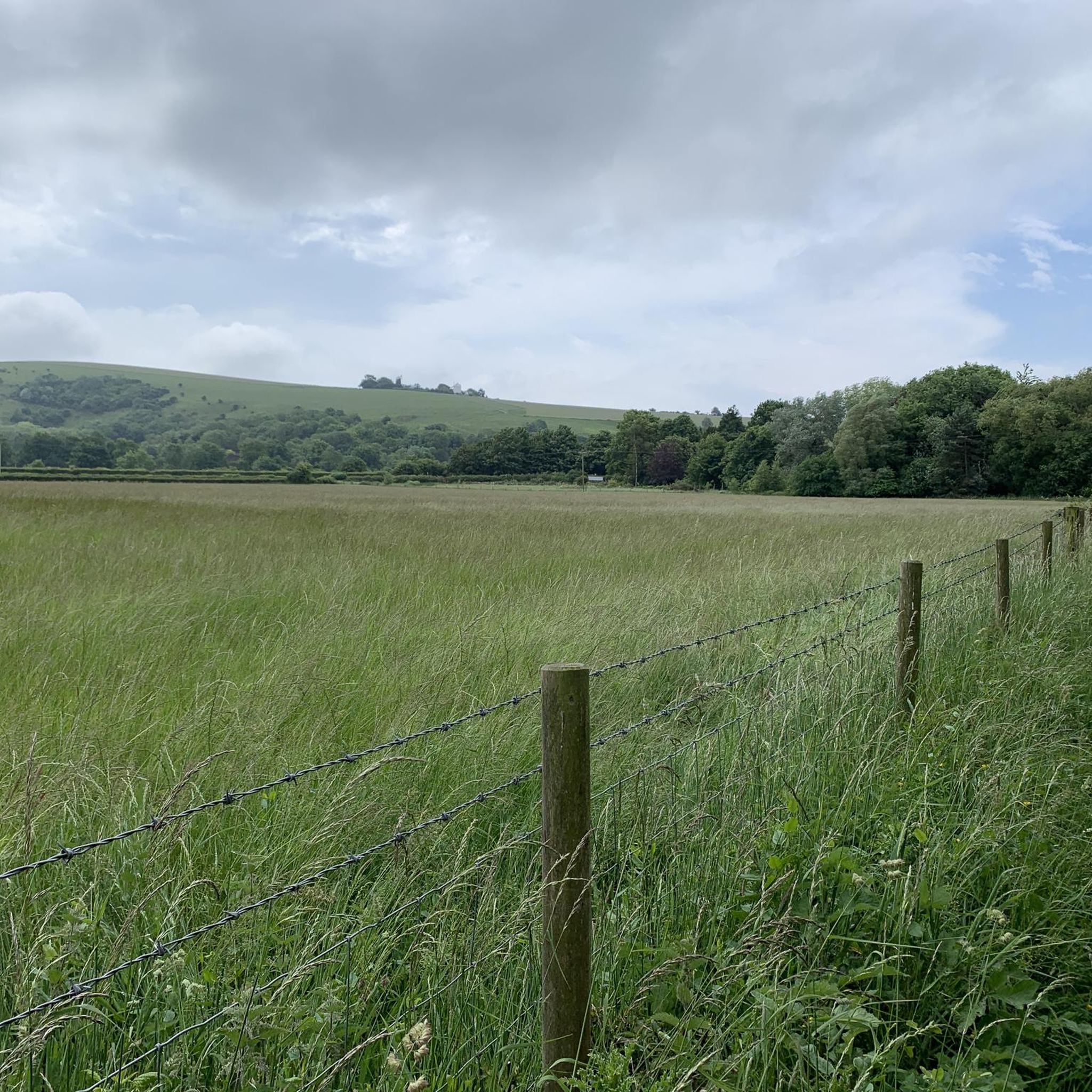
Running Trails around Hurstpierpoint And Sayers Common
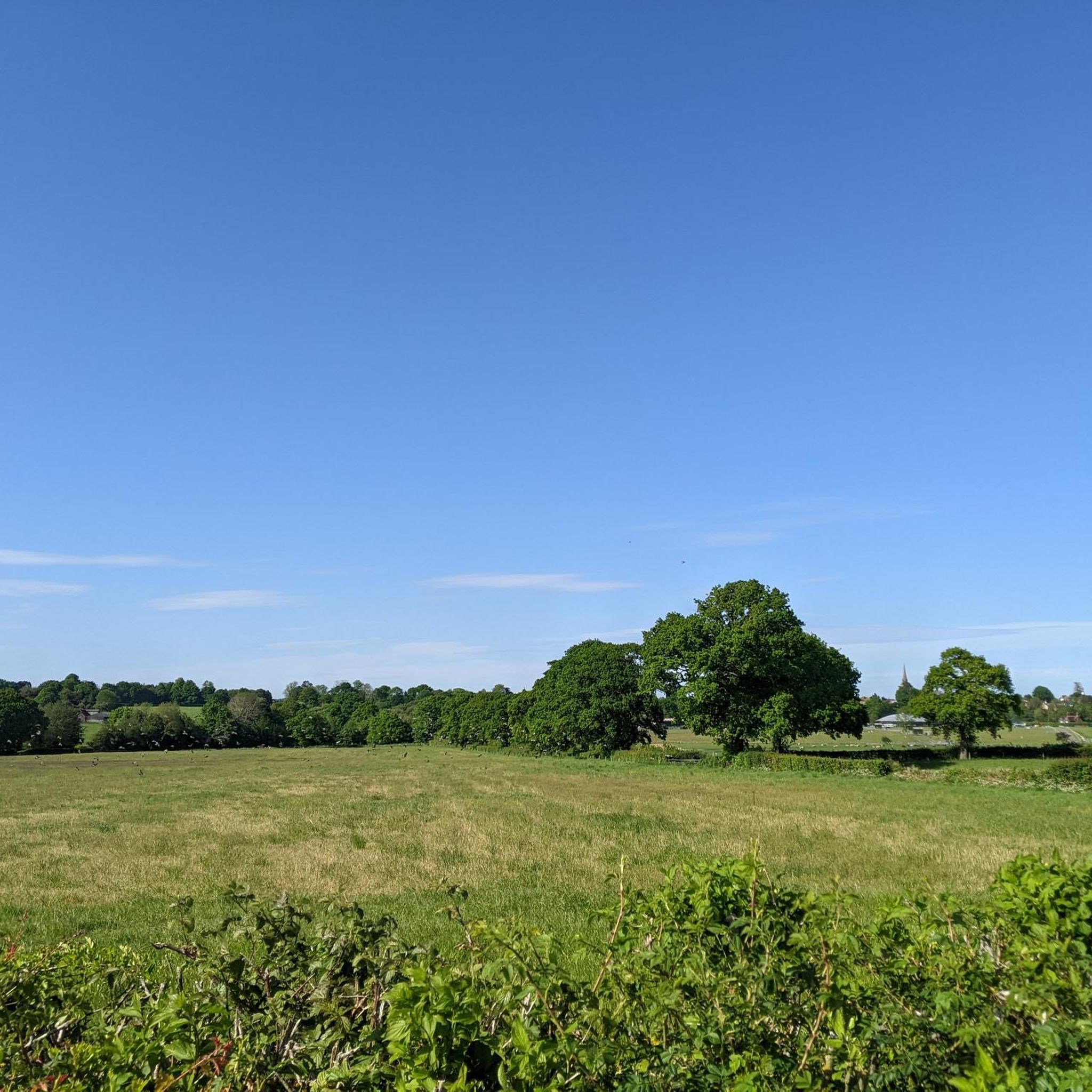
MTB Trails around Hurstpierpoint And Sayers Common
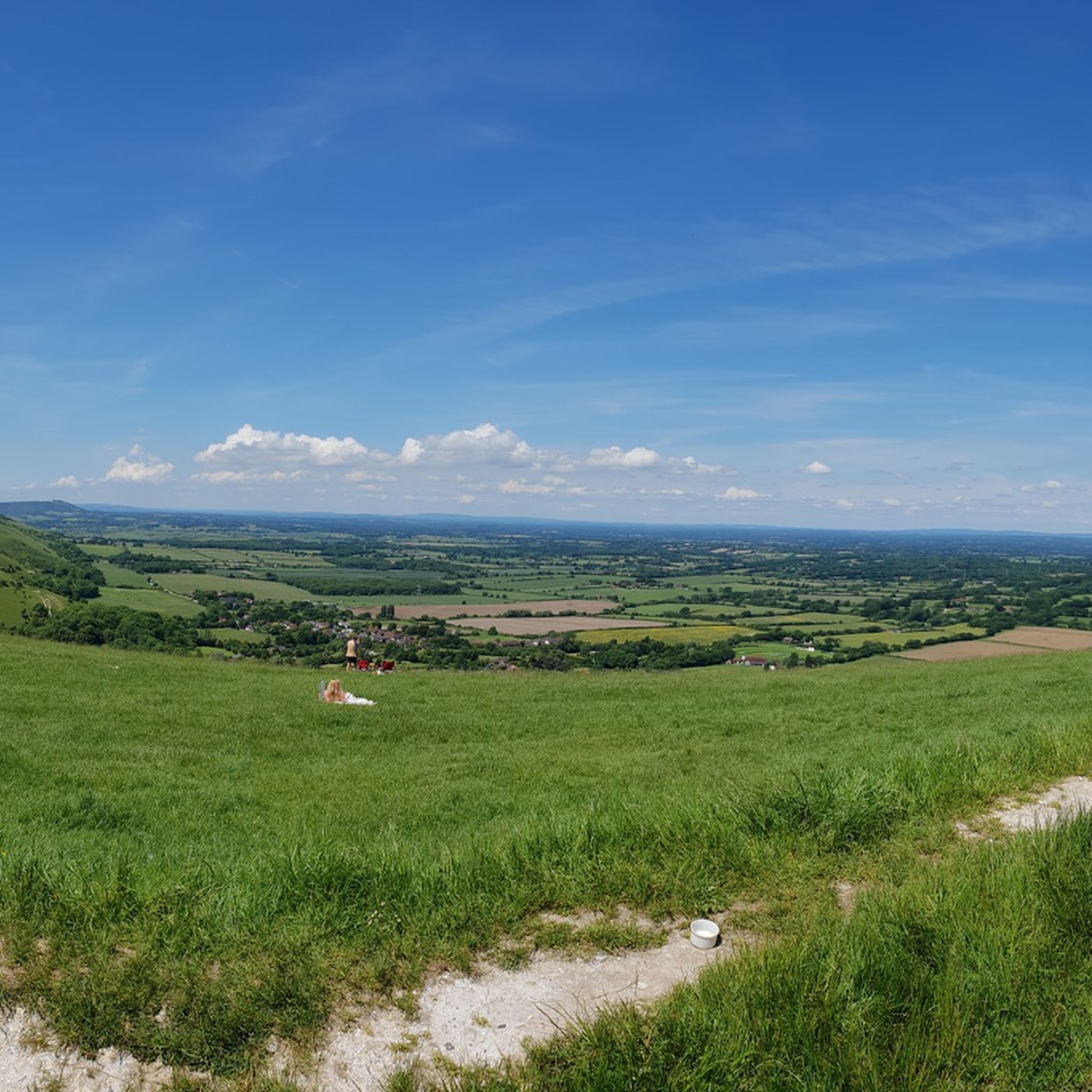
Road Cycling Routes around Hurstpierpoint And Sayers Common
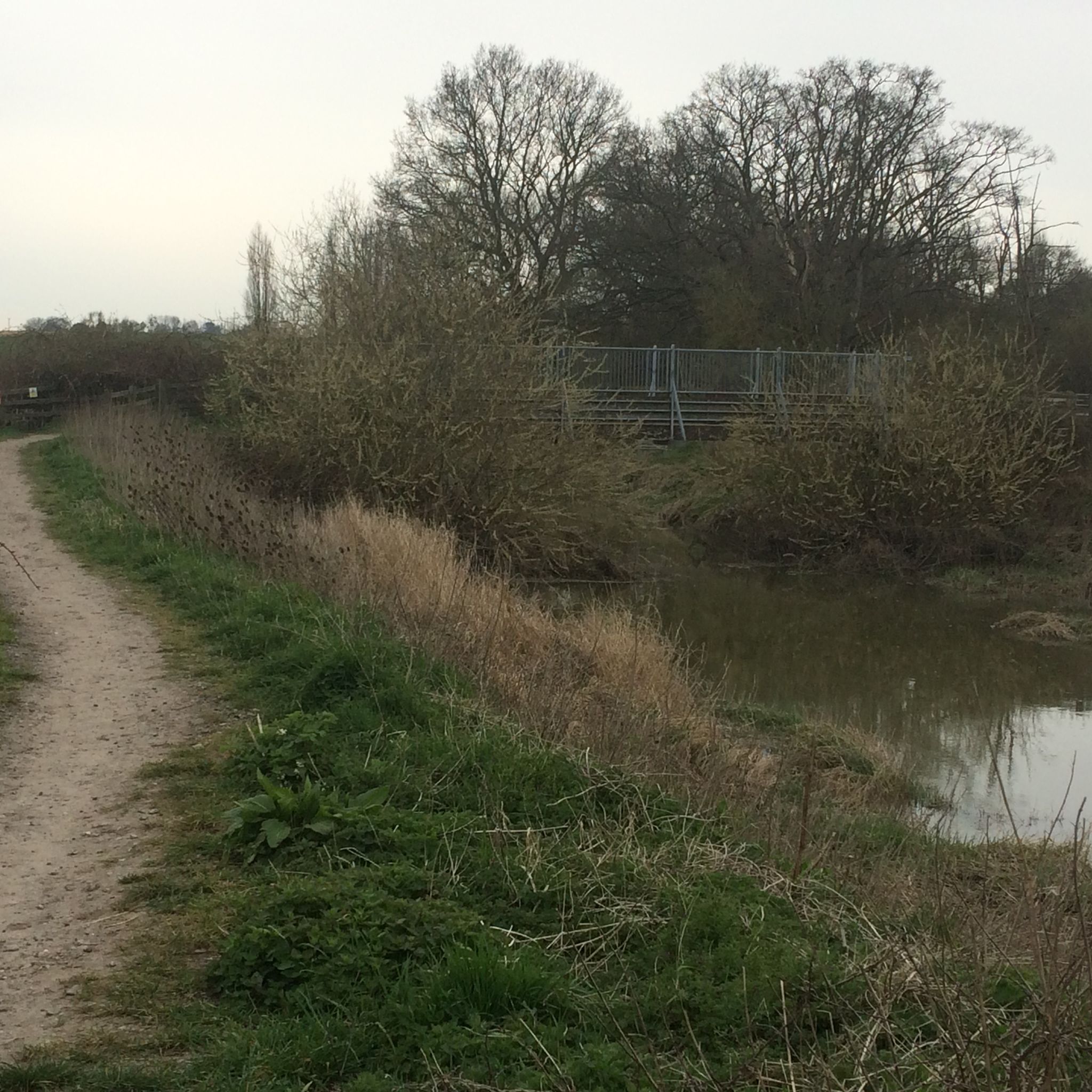
Cycling around Hurstpierpoint And Sayers Common
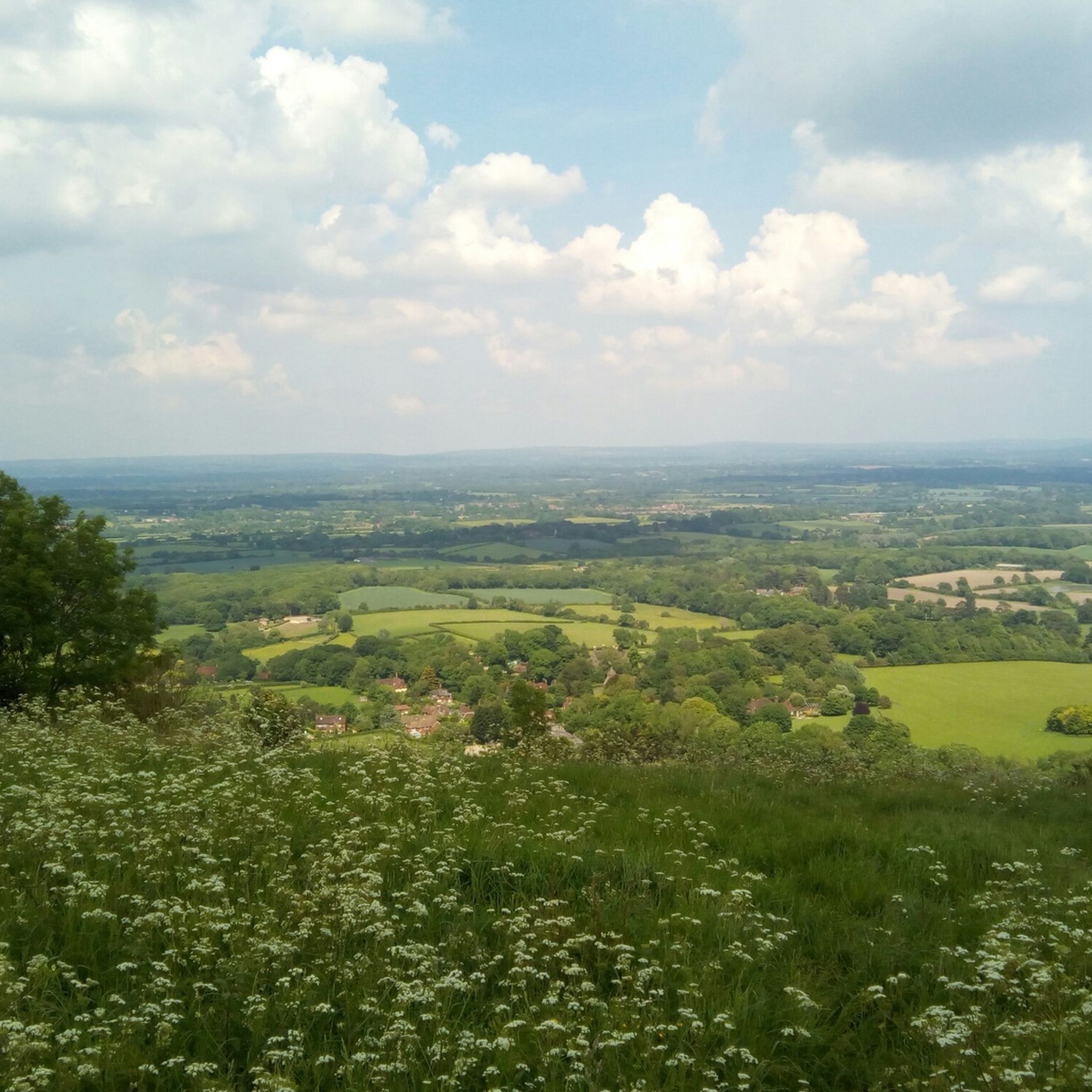
Hiking around Hurstpierpoint And Sayers Common
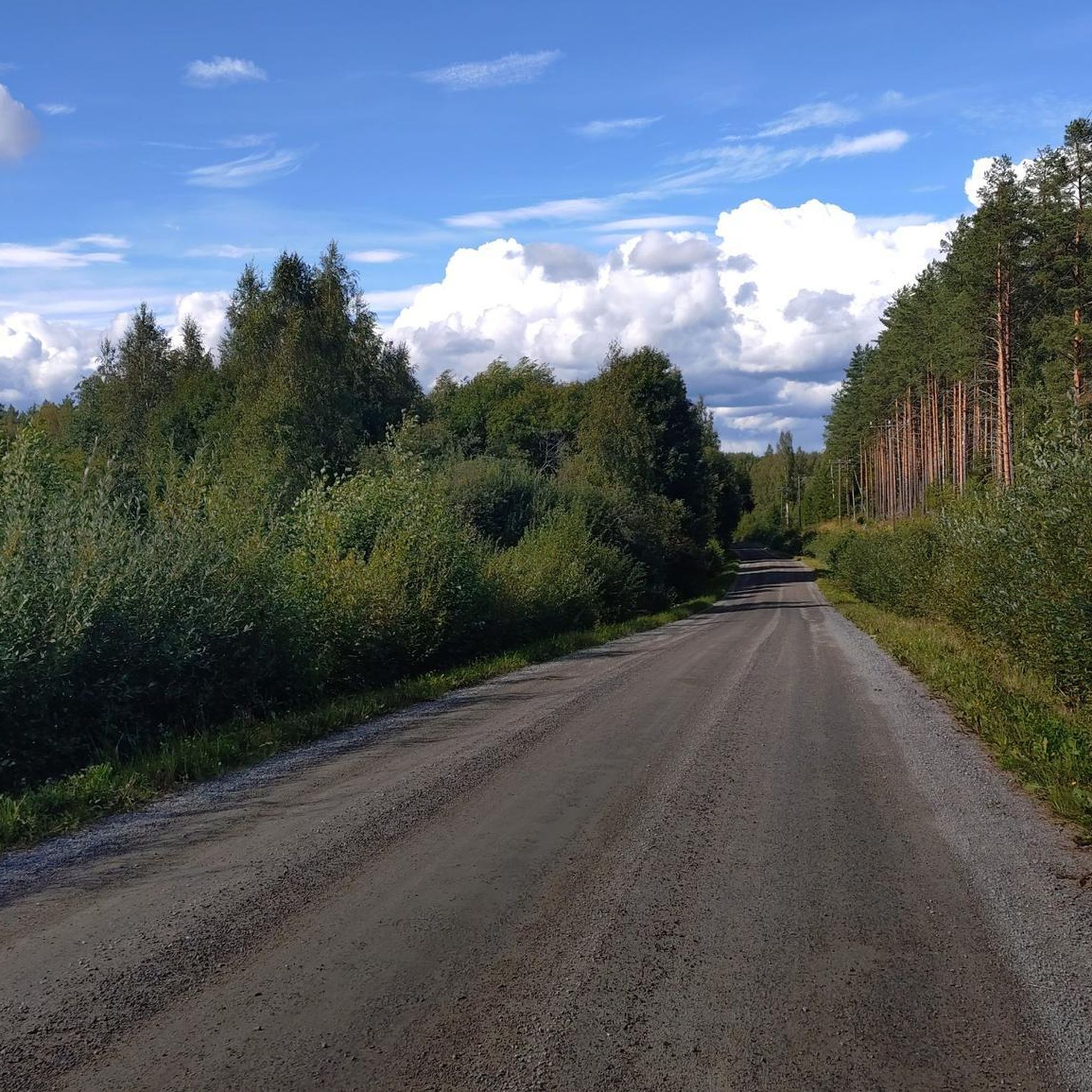
Gravel biking around Hurstpierpoint And Sayers Common
Tips from the Community

nice steady climb with breathtaking views, if you turn left at the gate (before crossing) you will see a path to your further left leading to a pub called Sheppard and Dog with a nice beer garden - this is a S2 descent so be careful
0
0


The Sussex Border Path is a long-distance footpath that is nearly 150 miles (241 km) long and goes around the county boundary of Sussex. It is a relatively new trail initiated in 1983, and since its inception, the route has only traced the county boundary. As Sussex has been split administratively into east and west for many years, there is now a new border path section running from East Grinstead to Brighton, reflecting these east and west sections. This is part of that section and runs from Ditchling Beacon to Fishersgate, or vice versa. The section is 12 miles (19 km) long and consists of Ditchling Beacon itself, sections of beautiful bridleways with sea views, and the famous Chattri Indian War Memorial.
1
1
At over 650 feet (200 m), Ditchling Beacon gives you a good climb and a great vantage point to see out over the surrounding countryside. To the north you look back at the lush countryside of the Weald, to the south are views of Brighton, and to the east and west, the rolling undulating views out over the South Downs.
1
1

Nice enough trig pointed hilltop and easy enough to get to with grand views out over the South Downs.
0
0
This is a beautiful spot, there is a trig point that is placed on one of the ramparts of the actual Iron Age hillfort here. It is very popular with walkers, and families. The valley bowl is also particularly beautiful.
1
0

Be warned of the water fullies added to the track. Sometimes the gates in the vallies are shut, sometimes not. The grass section is stunning for the views on a good day. Once at the top, it's a very gentle climb to Devils Dyke so you're nearly there.
1
0
Frequently Asked Questions
What are some of the most popular natural monuments to visit around Hurstpierpoint and Sayers Common?
Visitors frequently enjoy Ditchling Beacon, the highest point in East Sussex offering panoramic views and an Iron Age hillfort. Another favorite is Devil's Dyke, a unique v-shaped chalkland dry valley known for wildflowers and butterflies. Blackcap Summit and Trig Point also provides spectacular views over the Weald.
Are there family-friendly natural monuments in the area?
Yes, Devil's Dyke is listed as family-friendly, offering a unique landscape with wildflowers and butterflies. Additionally, Hurst Meadows provides a peaceful open space with diverse habitats and a Heritage Orchard, suitable for family walks.
What kind of historical features can be found at these natural monuments?
The region is rich in history. Ditchling Beacon features the remains of an Iron Age hillfort. Devil's Dyke also contains remnants of an Iron Age hillfort. Wolstonbury Hill is a Scheduled Monument with a Bronze Age camp, cross dykes, and sunken trackways.
What outdoor activities can I do near these natural monuments?
The area offers various outdoor activities. You can find numerous easy hikes, such as the Wolstonbury Hill loop, by exploring the Easy hikes around Hurstpierpoint And Sayers Common guide. For cycling enthusiasts, there are routes like the Ditchling Beacon loop, detailed in the Cycling around Hurstpierpoint And Sayers Common guide. Gravel biking options are also available, including loops from West Grinstead Station, which you can find in the Gravel biking around Hurstpierpoint And Sayers Common guide.
Are there any dog-friendly natural monuments or walks?
Yes, the Dew Pond with Lone Tree is noted as dog-friendly, where dogs can enjoy dipping in the water. Many of the open spaces and trails, such as those at Hurst Meadows and along the South Downs Way, are generally suitable for dogs, though always check local signage for specific restrictions.
What is the best time of year to visit the natural monuments?
Spring is particularly beautiful, especially at Hurst Meadows where Tilley's Copse is renowned for its vibrant bluebells. Summer is ideal for spotting diverse wildflowers and butterflies at sites like Devil's Dyke and Wolstonbury Hill. The panoramic views from locations like Ditchling Beacon are stunning year-round, but clearer on dry days.
Where can I find unique wildlife or plant species?
Wolstonbury Hill is unique as the only place in Sussex where the nationally rare man orchid can be spotted, and it has the highest concentration of anthills on the South Downs. Ditchling Beacon is home to diverse wildlife including kestrels, redwings, linnets, and various butterflies, such as the rare silver-spotted skipper. Hurst Meadows also supports a diverse array of plants and insects.
Are there any accessible natural monuments or trails for visitors with limited mobility?
While many trails in the South Downs National Park involve varied terrain, the South Downs Way offers an accessible adventure for various fitness levels. For specific accessibility information on individual natural monuments, it is recommended to check with the managing organizations like the National Trust or local councils for detailed path conditions.
Are there any hidden gem natural monuments in the area?
Hurst Meadows, with its nearly fifty acres of grassland, wildflower meadow, woodland, and a Heritage Orchard, offers a peaceful connection with nature and stunning views over the Low Weald countryside, making it a wonderful, perhaps less-known, spot to explore.
What are the terrain and elevation like for walks around these natural monuments?
The region is characterized by rolling hills and chalk uplands. Ditchling Beacon, for example, stands at 248 meters (814 feet) and involves a good climb. Wolstonbury Hill also provides significant elevation for panoramic views. Many paths are well-marked, but can include steep sections and uneven surfaces, especially on the South Downs Way.
Can I find cafes or pubs near the natural monuments?
While specific amenities vary by location, many villages and towns surrounding the natural monuments, such as Hurstpierpoint and Sayers Common, offer cafes and pubs. It's advisable to plan your route and check for establishments in nearby settlements before your visit.
What are the best places for panoramic views?
Ditchling Beacon offers breathtaking 360-degree panoramic views across the Weald, the South Downs, and extending to the sea. Wolstonbury Hill also provides incredible panoramic views, encompassing landmarks like the Clayton Windmills and Chanctonbury Ring. Blackcap Summit is another excellent spot for spectacular vistas over the Weald.
Is there public transport available to reach these natural monuments?
Public transport options to specific natural monuments can be limited, especially for more remote sites. However, some locations within the South Downs National Park may be accessible via local bus services from larger towns like Brighton. It's recommended to check local bus schedules and routes in advance for the specific monument you plan to visit.
Most popular routes around Hurstpierpoint And Sayers Common
Most popular attractions around Hurstpierpoint And Sayers Common

Get inspired with the komoot mobile app


Explore more
Extend your search for the best caves by checking out these guides of the top ones around Hurstpierpoint And Sayers Common:
