Top 8 Natural Monuments around Wasperton
Best natural monuments around Wasperton offer diverse natural landscapes and historical sites to explore. The region features a variety of natural attractions, including expansive parklands, tranquil lakes, and protected woodlands. Visitors can discover a range of ecological habitats and geological formations. Wasperton provides opportunities to experience nature in a setting rich with both natural beauty and historical significance.
Best natural monuments around Wasperton
- The most popular natural monument is Charlecote Park, a historical site that covers 185 acres backing…
Last updated: July 13, 2026
Charlecote Park
Highlight • Historical Site
Tip by

Welcombe Hills & Clopton Park
Highlight • Natural Monument
Tip by
Sign up now to discover places like this
Get recommendations on the best single tracks, peaks, & plenty of other exciting outdoor places.
Sign up for free
Barbed Poppies Memorial, Jephson Gardens
Highlight • Natural Monument
Tip by
Bishops Bowl Lakes
Highlight • Natural Monument
Tip by
Northern Entrance to Shrewley Tunnel
Highlight • Structure
Tip by
Sign up for free to discover even more natural monuments around Wasperton.
Sign up for free
Already have an account?
Start today with a free account
Your next adventure awaits.
Login or Signup
Tips from the Community

We had to double back on ourselves slightly to see the lakes, as they were hidden behind a hedge
0
1

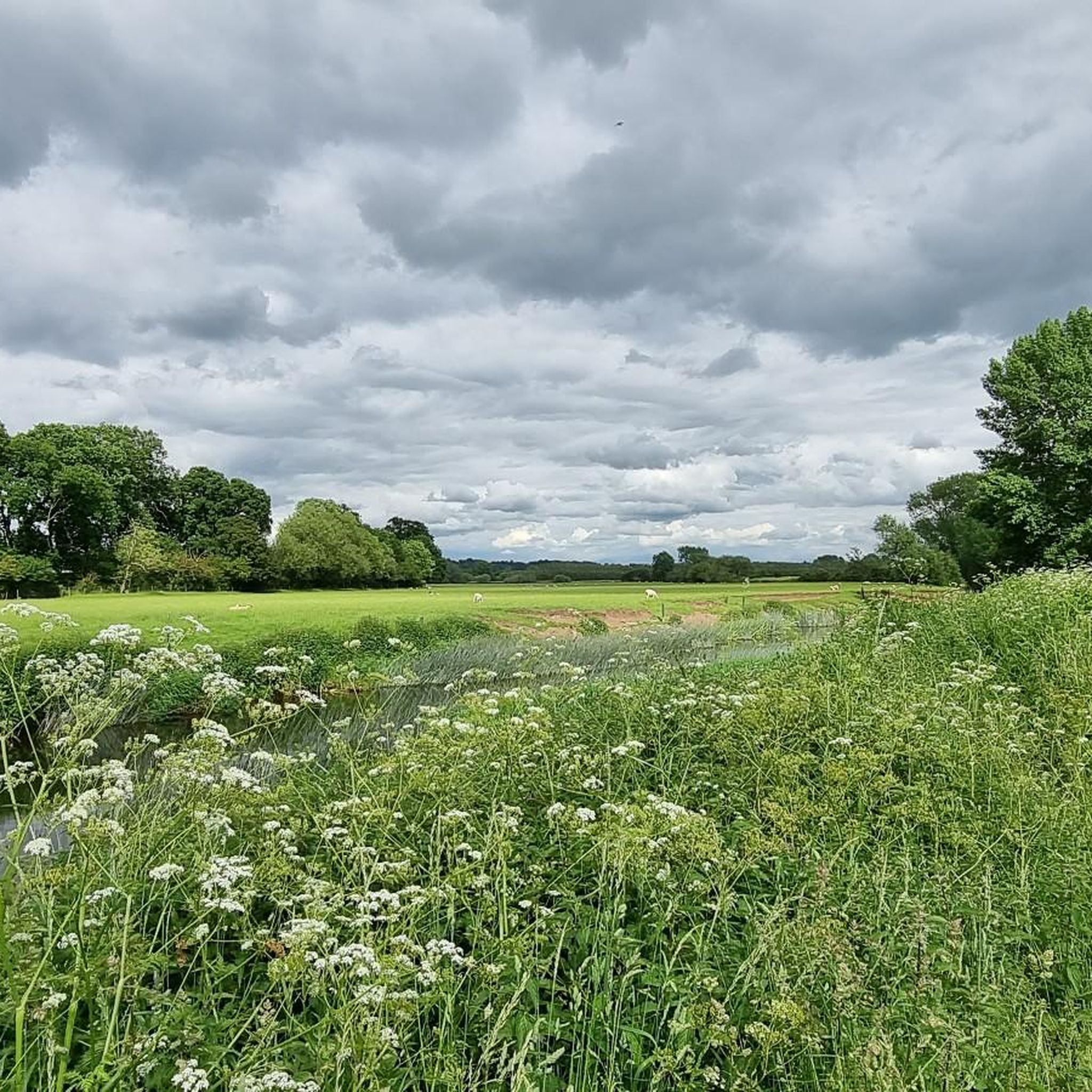
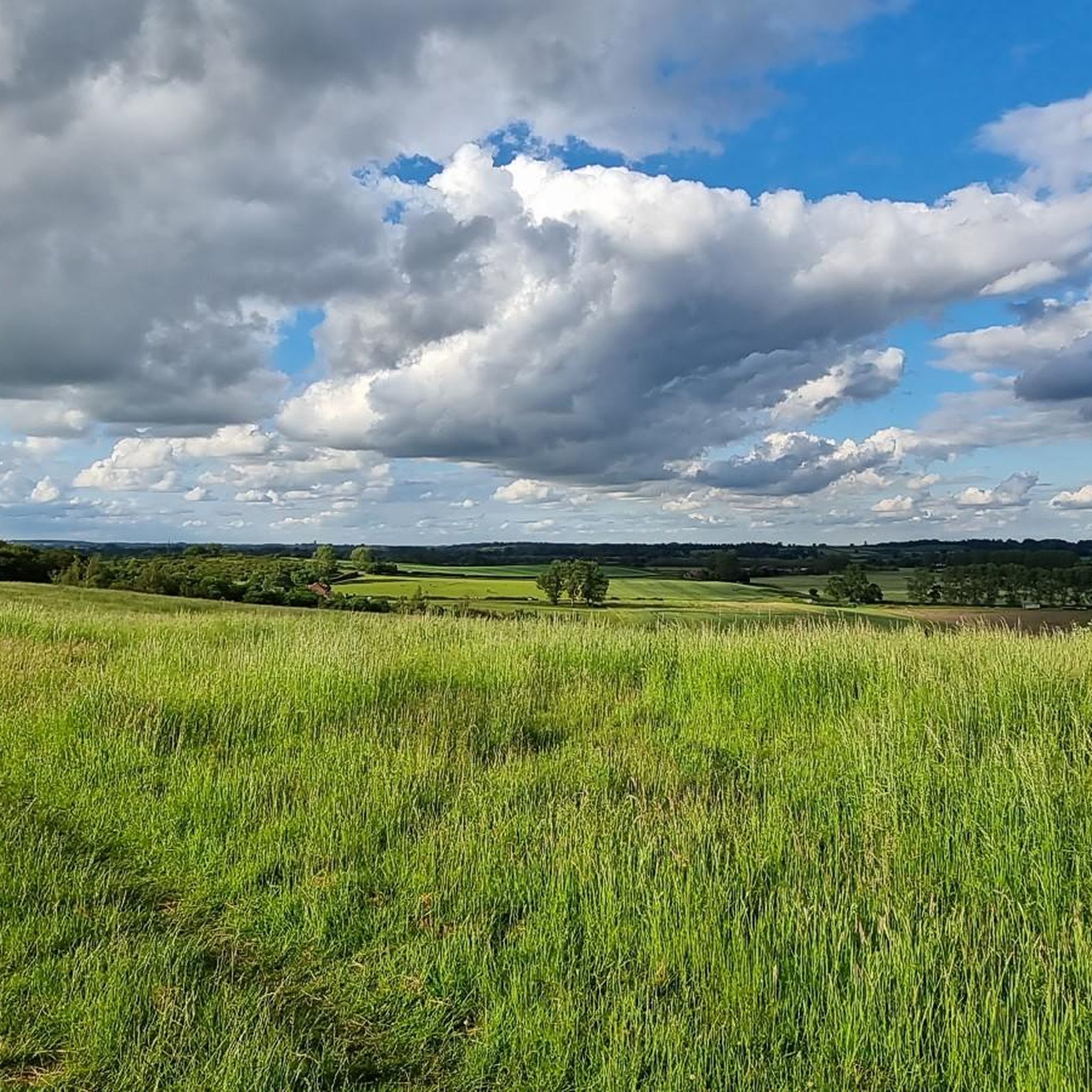
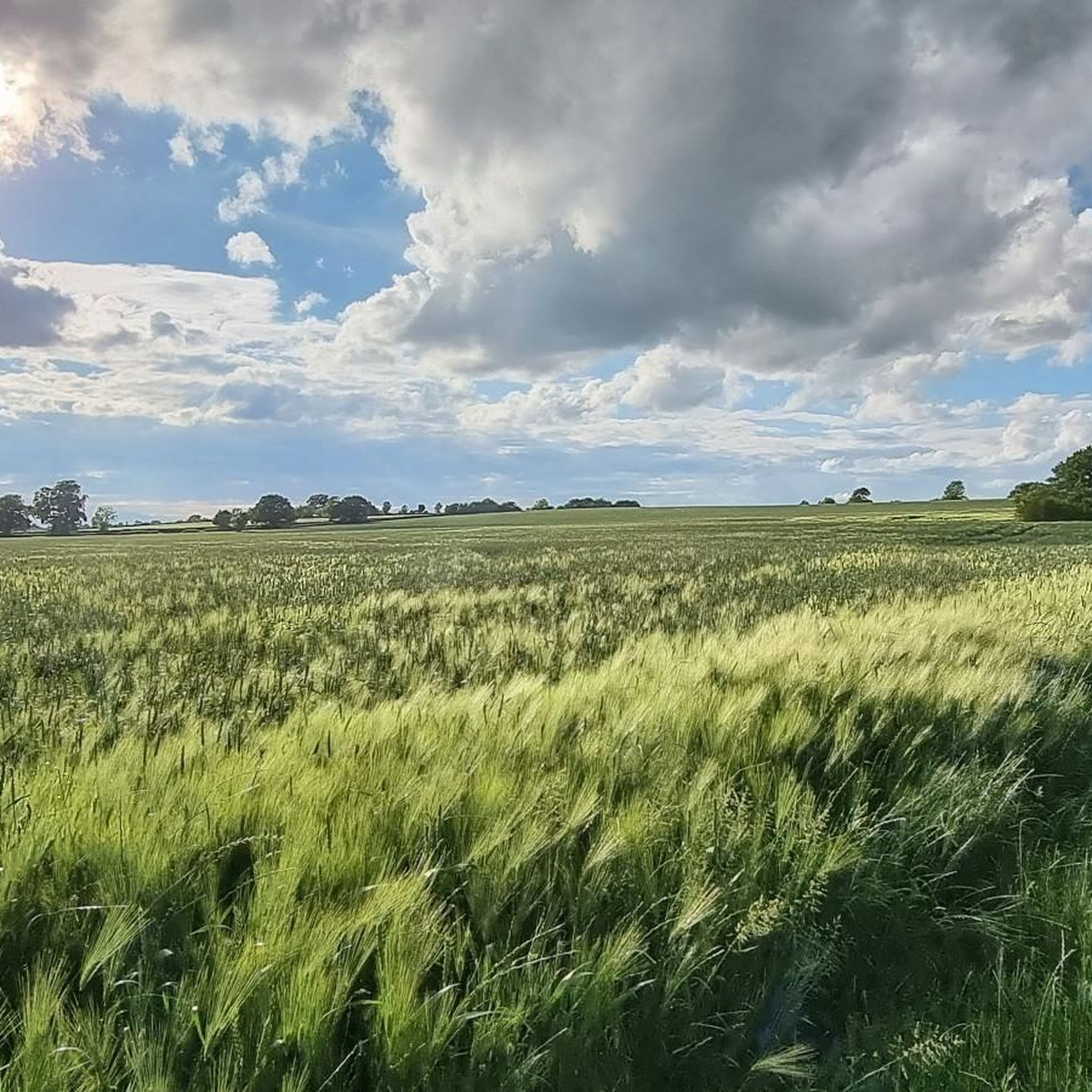
The Welcombe Hills and Clopton Park offer delightful walks through grassland and woodland. Woolly thistle, quaking-grass and the diminutive adder’s-tongue grow in the grasslands where ant hills created by yellow meadow ants are a distinctive feature. The woodland contains oak, horse-chestnut and beech with English elm. Birds are plentiful, with great spotted woodpecker, sparrowhawk, little owl, treecreeper and finches enjoying the woodland where ravens breed in spring. Brimstone butterflies are numerous in the spring sunshine. History of the Welcombe Hills: a Shakespearean tale The reserve may have got its name from a historic well found here with its inscription 'SJC 1686'. Margaret, daughter of William Clopton who died in 1592 supposedly drowned here. It was around this time that Shakespeare was writing his famous play, Hamlet, and its believed that this tragic event provided the inspiration for his 'Ophelia' and her lonely death.
0
0


On 11th November 2014 a memorial was unveiled in the Jephson Gardens, between the Aviary and Willes Road entrance. The memorial will remember all those who played any part in World War One, including the widows and orphans and those who served at home. The Leamington History Group applied for the grant for the memorial and worked with Warwick District Council and Leamington Town Council to commission the sculpture. The memorial was designed by Tim Tolkien and the central feature consists of two poppies in flower and one stem with a seed-head at the top. All the poppies are entwined with barbed wire and this extends to wrap around some adjoining fencing. The tablet in front states simply “The Poppies; Lest We Forget”. The plaque naming the sculptor calls it “Barbed Poppies”. It is a subtle design which is not quite as immediate in effect as the sea of poppies surrounding the Tower of London in November 2014 but many people we have spoken to agreed that it evoked a strong emotional response.
0
0
The cutting on the approach to the tunnel on the north side is a designated site of special scientific interest. Sites of special scientific interest (SSSIs) are protected by law to conserve their wildlife or geology. The cutting exposes a sequence in Arden sandstone of the late Triassic period in which grey-green shales and siltstones with wavy and lenticular bedding pass into white fine-grained well sorted dolomitic sandstones. The facies (character of a rock expressed by its formation, composition, and fossil content), thus indicates marine (intertidal) deposition conditions.
0
0
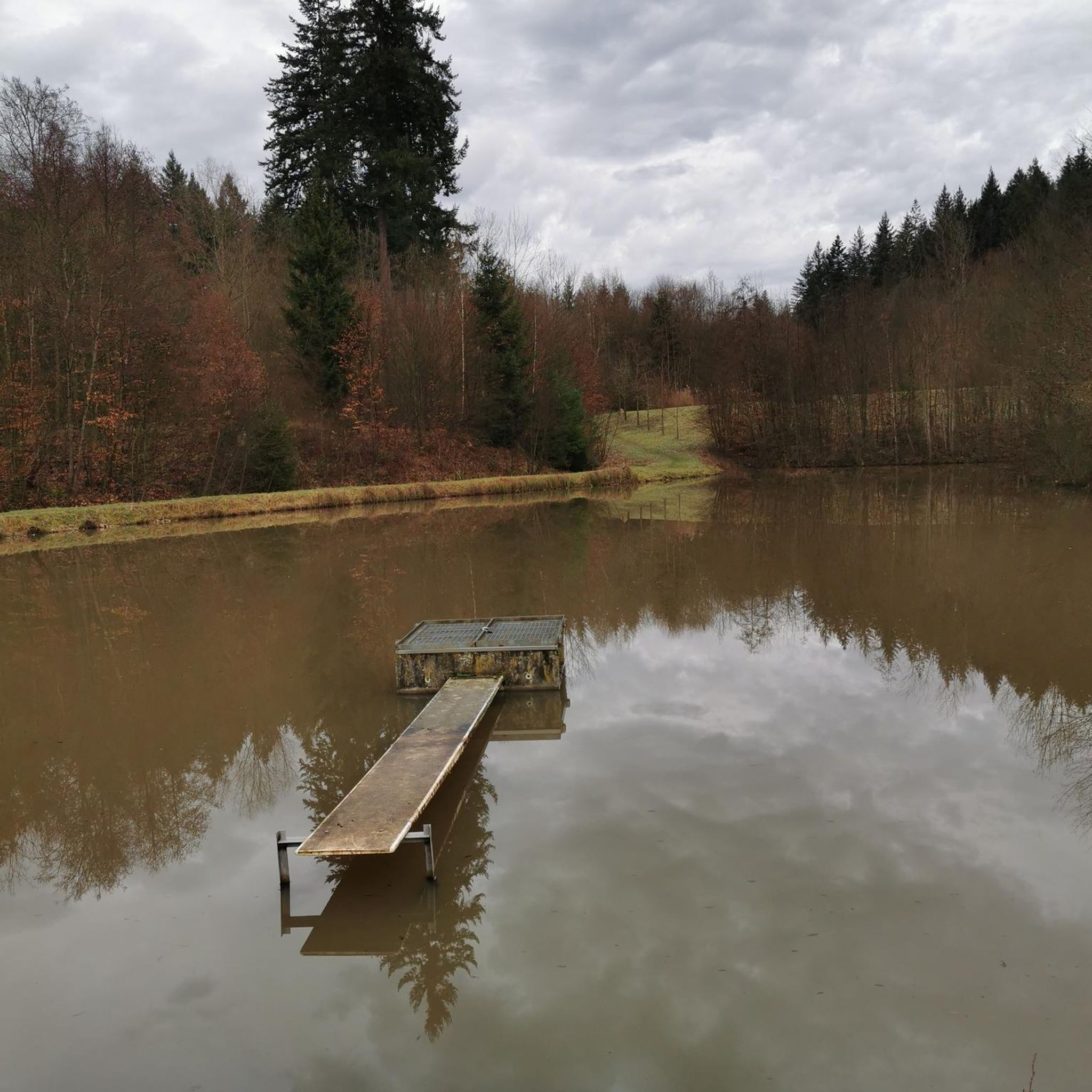
Bishops Bowl Fishery sits on a 90 acre former limestone quarry, located on the Oxfordshire/Warwickshire border. The quarry work many years ago has created an attractive stone faced bowl. The whole site is recorded as a site of scientific interest. As at Lyme Regis, the Blue Lias at Harbury is rich in marine fossils. In 1927 and 1928 the skeletons of two marine reptiles were found in Harbury quarry. They are an ichthyosaur and a plesiosaur, and both fossils are now in the Natural History Museum, London. The plesiosaur is the unique example of the early Jurassic species Macroplata tenuiceps.
1
0
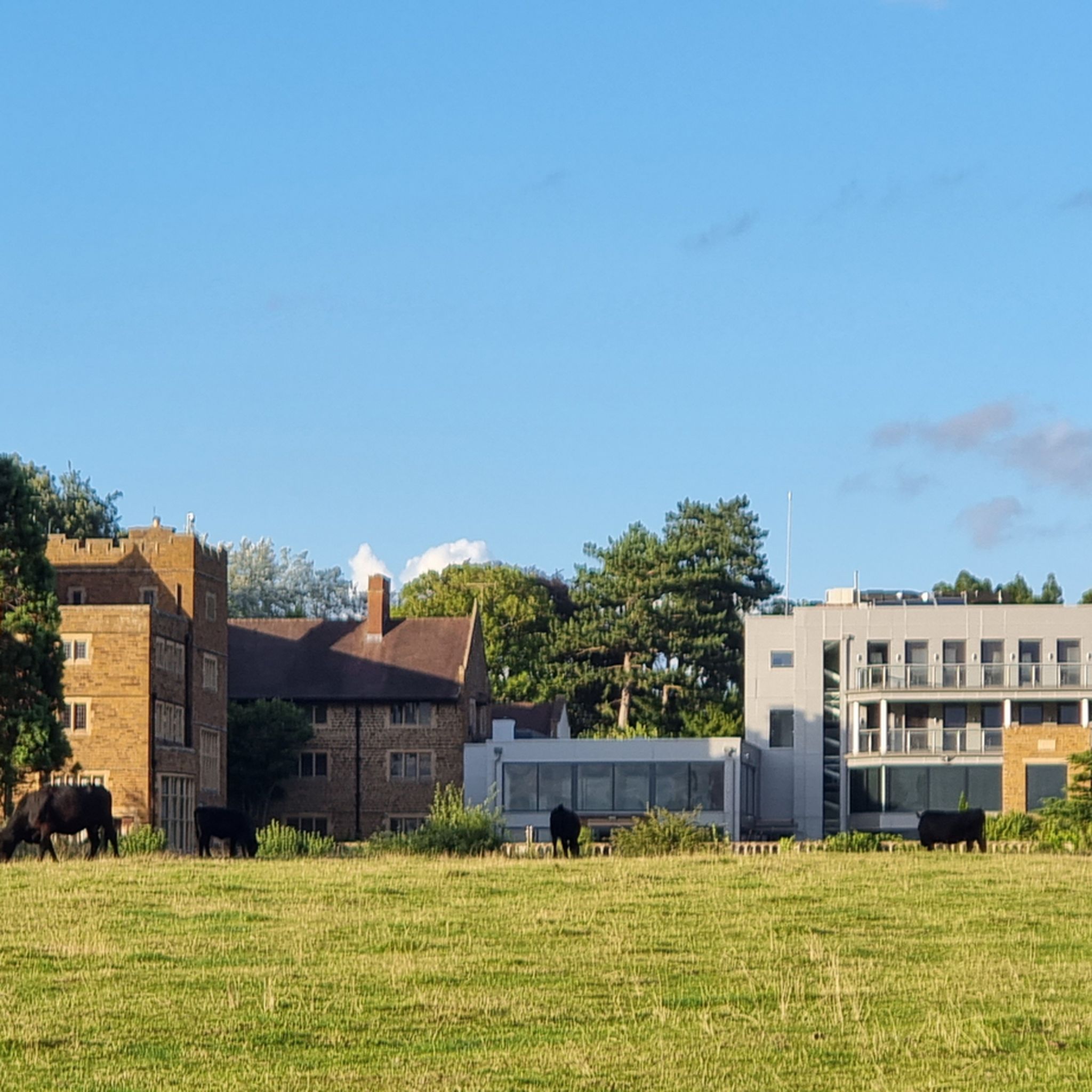
The Lucy family owned the land since 1247. Charlecote Park was built in 1558 by Sir Thomas Lucy, and Queen Elizabeth I stayed in the room that is now the drawing room. Although the general outline of the Elizabethan house remains, nowadays it is in fact mostly Victorian. Successive generations of the Lucy family had modified Charlecote Park over the centuries, but in 1823, George Hammond Lucy (High Sheriff of Warwickshire in 1831) inherited the house and set about recreating the house in its original style. Charlecote Park covers 185 acres (75 ha), backing on to the River Avon. William Shakespeare has been alleged to have poached rabbits and deer in the park as a young man and been brought before magistrates as a result. From 1605 to 1640 the house was organised by Sir Thomas Lucy. He had twelve children with Lady Alice Lucy who ran the house after he died. She was known for her piety and distributing alms to the poor each Christmas. Her eldest three sons inherited the house in turn and it then fell to her grandchild Sir Davenport Lucy. In the Tudor great hall, the 1680 painting Charlecote Park by Sir Godfrey Kneller, is said to be one of the earliest depictions of a black presence in the West Midlands (excluding Roman legionnaires). The painting, of Captain Thomas Lucy, shows a black boy in the background dressed in a blue livery coat and red stockings and wearing a gleaming, metal collar around his neck. The National Trust's Charlecote brochure describes the boy as a "black page boy". In 1735 a black child called Philip Lucy was baptised at Charlecote. The lands immediately adjoining the house were further landscaped by Capability Brown in about 1760. This resulted in Charlecote becoming a hostelry destination for notable tourists to Stratford from the late 17th to mid-18th century, including Washington Irving (1818), Sir Walter Scott (1828) and Nathaniel Hawthorn (c 1850). Charlecote was inherited in 1823 by George Hammond Lucy (d 1845), who married Mary Elizabeth Williams of Bodelwyddan Castle, from whose extensive diaries the current "behind the scenes of Victorian Charlecote" are based upon. GH Lucy's second son Henry inherited the estate from his elder brother in 1847. After the deaths of both Mary Elizabeth and Henry in 1890, the house was rented out by Henry's eldest daughter and heiress, Ada Christina (d 1943). She had married Sir Henry Ramsay-Fairfax, (d 1944), a line of the Fairfax Baronets, who on marriage assumed the name Fairfax-Lucy. From this point onwards, the family began selling off parts of the outlying estate to fund their extensive lifestyle, and post-World War II in 1946, Sir Montgomerie Fairfax-Lucy, who had inherited the residual estate from his mother Ada, presented Charlecote to the National Trust in-lieu of death duties. Sir Montgomerie was succeeded in 1965 by his brother, Sir Brian, whose wife, Lady Alice, researched the history of Charlecote, and assisted the National Trust with the restoration of the house.
1
0
Frequently Asked Questions
What are some of the most popular natural monuments around Wasperton?
Among the most popular natural monuments, you'll find Charlecote Park, a historical site with 185 acres of landscaped grounds and a deer park. Another highly regarded spot is Welcombe Hills & Clopton Park, known for its diverse flora and bird species across grasslands and woodlands. Visitors also appreciate Bishops Bowl Lakes, a former limestone quarry recognized for its rich marine fossils.
What kind of wildlife can I expect to see at natural monuments near Wasperton?
The area is rich in wildlife. At Welcombe Hills & Clopton Park, you can spot various bird species like great spotted woodpeckers, sparrowhawks, and little owls, along with numerous brimstone butterflies in spring. Nearby, the Leam Valley Nature Reserve is a haven for kingfishers, otters, grass snakes, dragonflies, and a wide array of wildflowers, including the rare snakes-head fritillary.
Are there natural monuments with historical significance near Wasperton?
Yes, several natural monuments in the area have historical ties. Charlecote Park is a historic estate dating back to 1558, with grounds landscaped by Capability Brown. Welcombe Hills & Clopton Park has a Shakespearean tale associated with its historic well. Additionally, the Barbed Poppies Memorial in Jephson Gardens is a natural monument with significant historical context, commemorating those involved in World War One.
Are there family-friendly natural monuments around Wasperton?
Absolutely. Charlecote Park and Welcombe Hills & Clopton Park are both excellent for families, offering expansive grounds for exploration. The nearby Leam Valley Nature Reserve is also very family-friendly, featuring an adventure playground, a skateboard park, and a children's play area, thoughtfully located to allow enjoyment without disturbing wildlife.
What outdoor activities can I do near these natural monuments?
The area around Wasperton offers a variety of outdoor activities. You can find numerous routes for running, gravel biking, and road cycling. Many of these routes pass by or are close to natural monuments, allowing you to combine your activity with sightseeing.
Are there accessible natural monuments around Wasperton?
The Barbed Poppies Memorial in Jephson Gardens is noted as wheelchair accessible, making it a suitable option for visitors with mobility needs. For other locations, it's advisable to check specific accessibility details before your visit.
When is the best time to visit the natural monuments around Wasperton?
Spring and summer are particularly rewarding for visiting the natural monuments. During these seasons, wildflowers are in bloom, and butterflies are abundant, especially at places like Leam Valley Nature Reserve and Welcombe Hills & Clopton Park. The weather is also generally more favorable for walking and outdoor activities.
What unique geological features can be found at natural monuments in the area?
The region boasts interesting geological formations. Bishops Bowl Lakes is a former limestone quarry, designated a site of scientific interest due to its rich marine fossils, including ichthyosaur and plesiosaur skeletons. The cutting on the approach to the Northern Entrance to Shrewley Tunnel is also a designated SSSI, exposing late Triassic period Arden sandstone with evidence of ancient marine deposition.
Are there walking trails near Wasperton's natural monuments?
Yes, there are many opportunities for walking. Welcombe Hills & Clopton Park offers delightful walks through grassland and woodland. The Leam Valley Nature Reserve provides a three-kilometer stretch of riverside paths, ideal for nature walks. You can also find various running trails that are suitable for walking and explore the wider area.
Are the natural monuments around Wasperton dog-friendly?
Many natural areas are dog-friendly, but policies can vary. For instance, Charlecote Park, a National Trust property, typically welcomes dogs in certain areas, often on leads. Leam Valley Nature Reserve is also generally dog-friendly, but always ensure to keep dogs under control and check for any specific signage regarding wildlife protection, especially during nesting seasons.
Is there parking available at natural monuments near Wasperton?
Parking is generally available at the larger natural monuments and attractions. For example, Charlecote Park has dedicated visitor parking. For places like Leam Valley Nature Reserve and Jephson Gardens, parking is available nearby in Leamington Spa, often in public car parks. It's always a good idea to check specific location details for the most current parking information.
Are there cafes or amenities near the natural monuments?
Yes, amenities are available. Charlecote Park, as a National Trust property, typically has a cafe and facilities on site. The Leam Valley Nature Reserve, while focused on nature, is close to Leamington Spa, which offers a wide range of cafes, pubs, and other amenities. For other sites, it's best to plan ahead or bring your own refreshments.
Most popular attractions around Wasperton

Get inspired with the komoot mobile app


Explore more
Extend your search for the best caves by checking out these guides of the top ones around Wasperton:
