Top 6 Natural Monuments around Wootton Wawen
Best natural monuments around Wootton Wawen are found within a picturesque village in Warwickshire, known for its open and scattered natural forms. The area's landscape is a significant natural feature, contributing to its charm and appeal. It offers several natural areas cherished for their scenic views and walking paths. The region provides opportunities for appreciating nature and connecting with the serene English countryside.
Best natural monuments around Wootton Wawen
- The most popular natural monuments is Charlecote Park, a historical site that covers 185 acres and backs onto the River Avon. The lands immediately adjoining the house were landscaped by Capability Brown around 1760, and it features a deer park.
- Another must-see spot is Clowes Wood and New Fallings Coppice, a natural monument with heathland, woodland, and wet meadow habitats. This wood has been present since the last ice age and is home to wildflowers like bluebell and fifty species of birds.
- Visitors also love Bannam's Wood, a natural monument and a Site of Special Scientific Interest. This woodland is a small remnant of ancient wildwood, which is now rare in Warwickshire.
- Wootton Wawen is known for its woodlands, ancient forests, and historical parks with natural features. These natural monuments offer a variety of environments to explore, from SSSIs to areas with diverse flora and fauna.
- The natural monuments around Wootton Wawen are appreciated by the komoot community, with 86 upvotes and 20 photos shared across the highlights.
Last updated: November 12, 2026
Charlecote Park
Highlight • Historical Site
Charlecote Park covers 185 acres (75 ha), backing on to the River Avon. William Shakespeare has been alleged to have poached rabbits and deer in the park as a young man and been brought before magistrates as a result.
From 1605 to 1640 the house was organised by Sir Thomas Lucy. He had twelve children with Lady Alice Lucy who ran the house after he died. She was known for her piety and distributing alms to the poor each Christmas. Her eldest three sons inherited the house in turn and it then fell to her grandchild Sir Davenport Lucy.
In the Tudor great hall, the 1680 painting Charlecote Park by Sir Godfrey Kneller, is said to be one of the earliest depictions of a black presence in the West Midlands (excluding Roman legionnaires). The painting, of Captain Thomas Lucy, shows a black boy in the background dressed in a blue livery coat and red stockings and wearing a gleaming, metal collar around his neck. The National Trust's Charlecote brochure describes the boy as a "black page boy". In 1735 a black child called Philip Lucy was baptised at Charlecote.
The lands immediately adjoining the house were further landscaped by Capability Brown in about 1760. This resulted in Charlecote becoming a hostelry destination for notable tourists to Stratford from the late 17th to mid-18th century, including Washington Irving (1818), Sir Walter Scott (1828) and Nathaniel Hawthorn (c 1850).
Charlecote was inherited in 1823 by George Hammond Lucy (d 1845), who married Mary Elizabeth Williams of Bodelwyddan Castle, from whose extensive diaries the current "behind the scenes of Victorian Charlecote" are based upon. GH Lucy's second son Henry inherited the estate from his elder brother in 1847. After the deaths of both Mary Elizabeth and Henry in 1890, the house was rented out by Henry's eldest daughter and heiress, Ada Christina (d 1943). She had married Sir Henry Ramsay-Fairfax, (d 1944), a line of the Fairfax Baronets, who on marriage assumed the name Fairfax-Lucy.
From this point onwards, the family began selling off parts of the outlying estate to fund their extensive lifestyle, and post-World War II in 1946, Sir Montgomerie Fairfax-Lucy, who had inherited the residual estate from his mother Ada, presented Charlecote to the National Trust in-lieu of death duties. Sir Montgomerie was succeeded in 1965 by his brother, Sir Brian, whose wife, Lady Alice, researched the history of Charlecote, and assisted the National Trust with the restoration of the house.
Tip by

Welcombe Hills & Clopton Park
Highlight • Natural Monument
History of the Welcombe Hills: a Shakespearean tale
The reserve may have got its name from a historic well found here with its inscription 'SJC 1686'. Margaret, daughter of William Clopton who died in 1592 supposedly drowned here. It was around this time that Shakespeare was writing his famous play, Hamlet, and its believed that this tragic event provided the inspiration for his 'Ophelia' and her lonely death.
Tip by
Sign up now to discover places like this
Get recommendations on the best single tracks, peaks, & plenty of other exciting outdoor places.
Clowes Wood and New Fallings Coppice
Highlight • Natural Monument
Wildflowers to be seen here include bluebell, lily of the valley, cow-wheat and bilberry. Fifty species of bird breed here, such as jay, chiff chaff, nuthatch and treecreeper, and also woodcock and all three woodpeckers. Badgers live in this woodland and red fox, muntjac and brown hare are all regular visitors to this reserve.
Tip by
Northern Entrance to Shrewley Tunnel
Highlight • Structure
Sites of special scientific interest (SSSIs) are protected by law to conserve their wildlife or geology. The cutting exposes a sequence in Arden sandstone of the late Triassic period in which grey-green shales and siltstones with wavy and lenticular bedding pass into white fine-grained well sorted dolomitic sandstones. The facies (character of a rock expressed by its formation, composition, and fossil content), thus indicates marine (intertidal) deposition conditions.
Tip by
Bannam's Wood
Highlight • Natural Monument
Tip by
Sign up for free to discover even more natural monuments around Wootton Wawen.
Already have an account?
Start today with a free account
Your next adventure awaits.
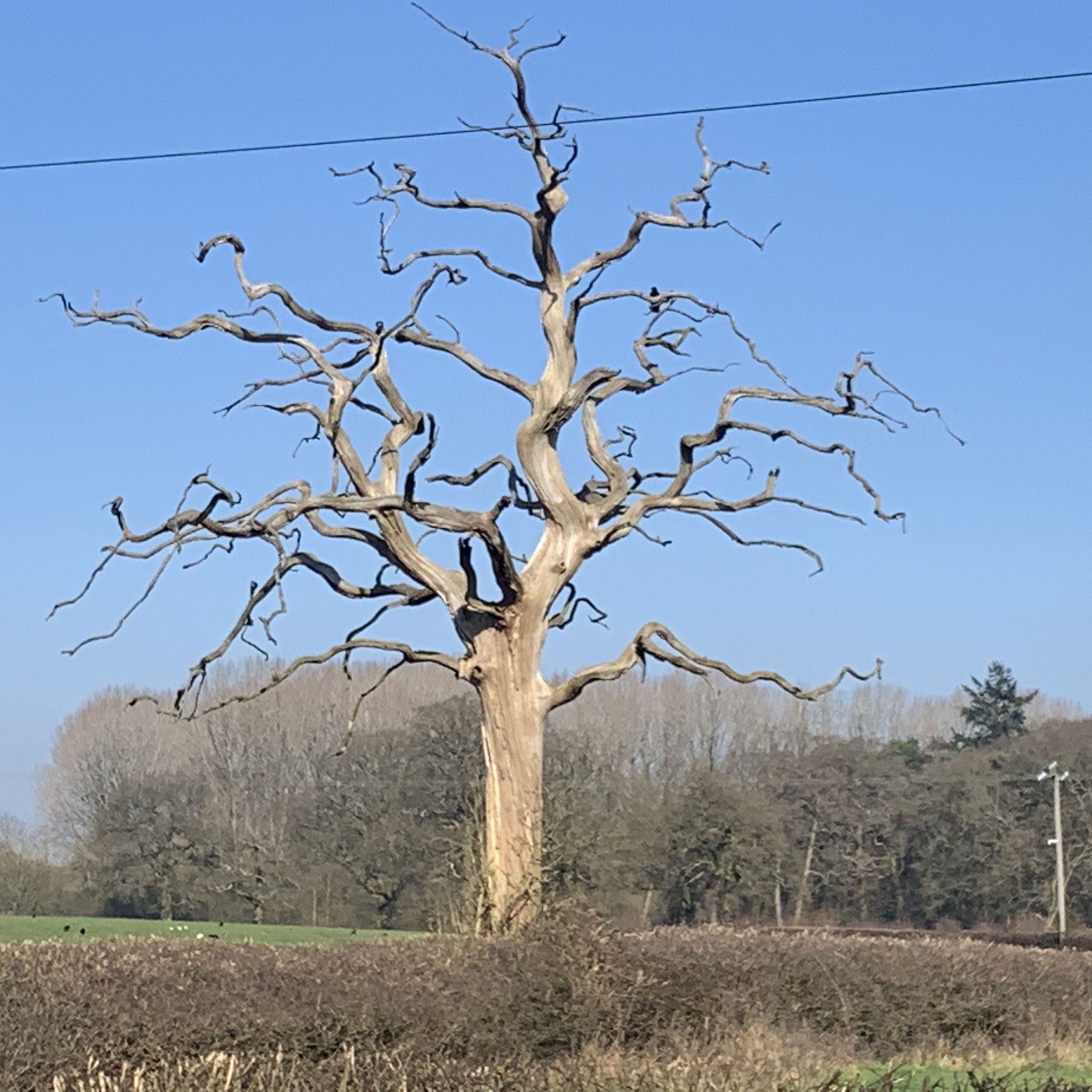
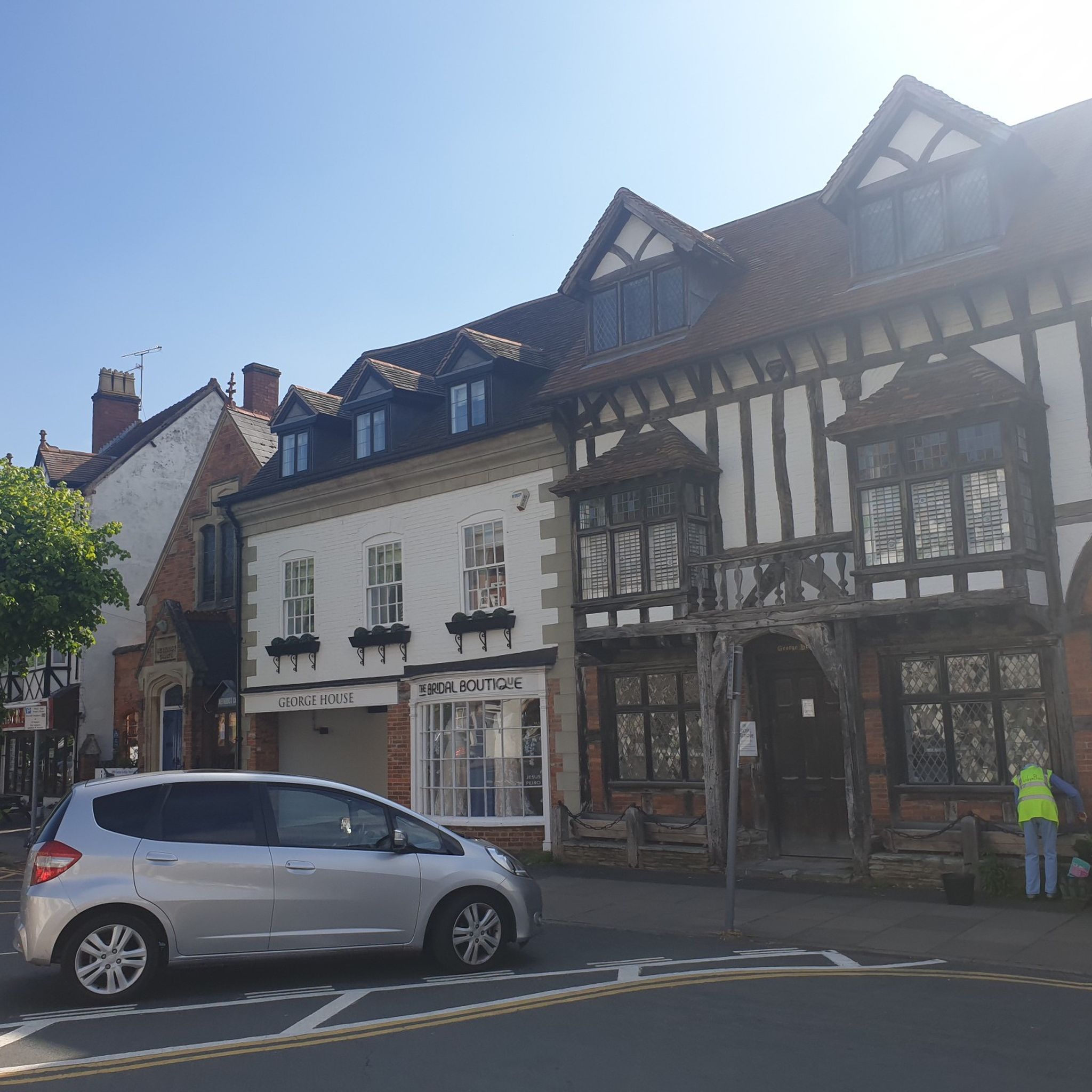
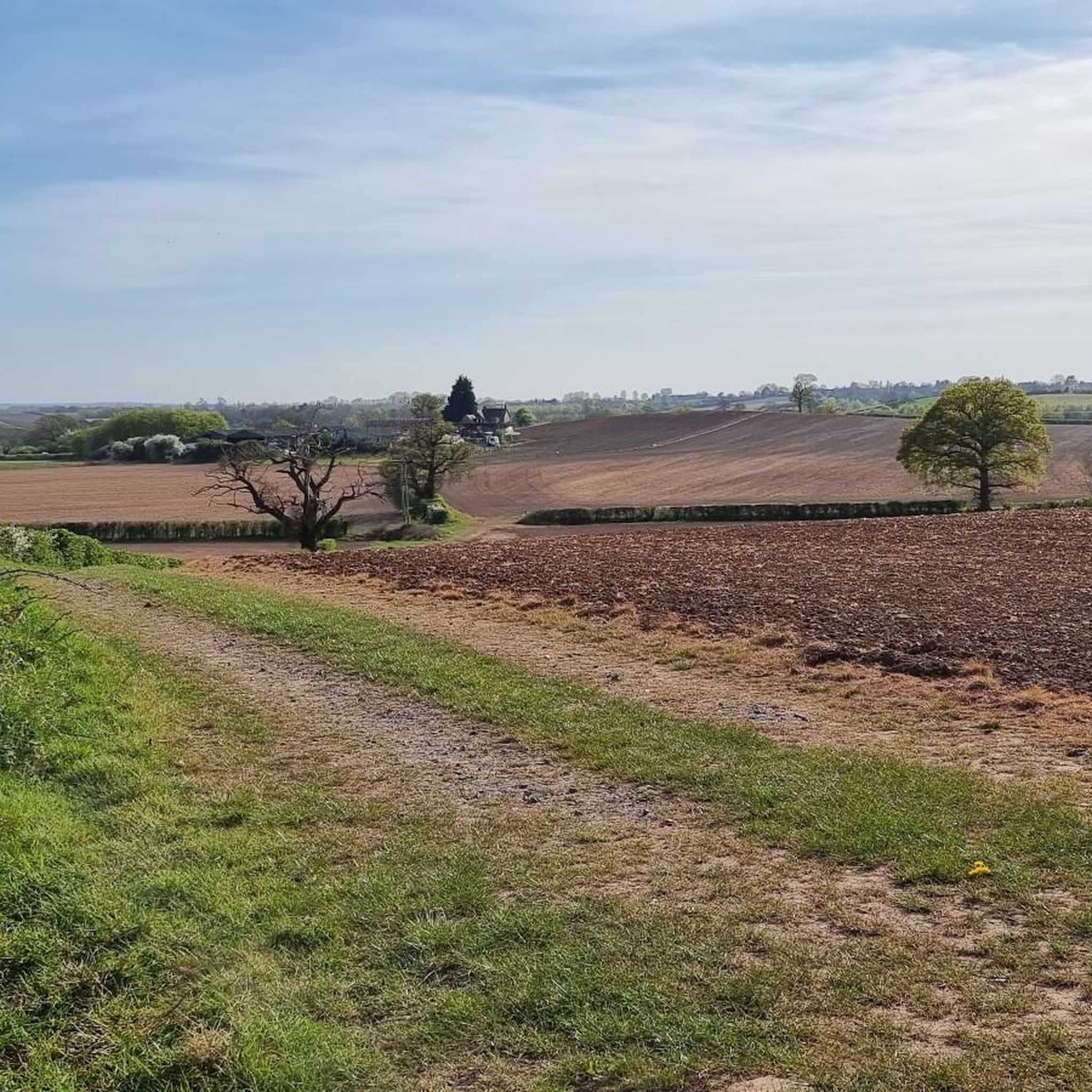
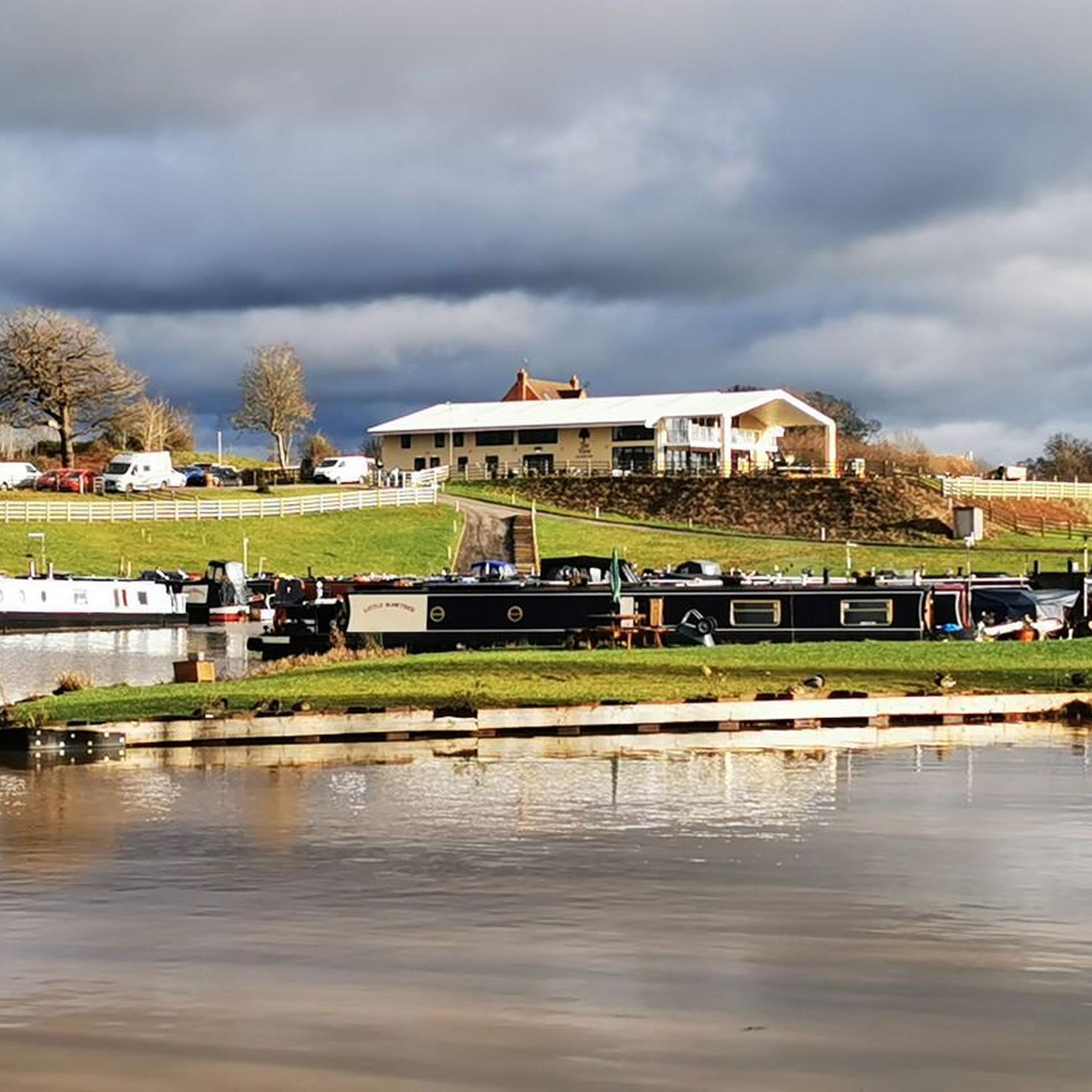

Tips from the Community

The Welcombe Hills and Clopton Park offer delightful walks through grassland and woodland. Woolly thistle, quaking-grass and the diminutive adder’s-tongue grow in the grasslands where ant hills created by yellow meadow ants are a distinctive feature. The woodland contains oak, horse-chestnut and beech with English elm. Birds are plentiful, with great spotted woodpecker, sparrowhawk, little owl, treecreeper and finches enjoying the woodland where ravens breed in spring. Brimstone butterflies are numerous in the spring sunshine. History of the Welcombe Hills: a Shakespearean tale The reserve may have got its name from a historic well found here with its inscription 'SJC 1686'. Margaret, daughter of William Clopton who died in 1592 supposedly drowned here. It was around this time that Shakespeare was writing his famous play, Hamlet, and its believed that this tragic event provided the inspiration for his 'Ophelia' and her lonely death.
0
0


Nice for a walk and close to the the lake
1
0


This is a beautiful peaceful hike with amazing views.
1
0
Clowes Wood is a piece of history as it was the first reserve owned by Warwickshire Wildlife Trust, acquired thanks to the generosity of an anonymous donor in 1974. Clowes Wood has probably been wooded since the last ice age, though it was almost cleared of trees in the early 1900s. It is cut through by the Birmingham to Stratford railway and habitats found here today include heathland, woodland, and wet meadow. Wildflowers to be seen here include bluebell, lily of the valley, cow-wheat and bilberry. Fifty species of bird breed here, such as jay, chiff chaff, nuthatch and treecreeper, and also woodcock and all three woodpeckers. Badgers live in this woodland and red fox, muntjac and brown hare are all regular visitors to this reserve.
1
0
The cutting on the approach to the tunnel on the north side is a designated site of special scientific interest. Sites of special scientific interest (SSSIs) are protected by law to conserve their wildlife or geology. The cutting exposes a sequence in Arden sandstone of the late Triassic period in which grey-green shales and siltstones with wavy and lenticular bedding pass into white fine-grained well sorted dolomitic sandstones. The facies (character of a rock expressed by its formation, composition, and fossil content), thus indicates marine (intertidal) deposition conditions.
0
0
Frequently Asked Questions
What are the most popular natural monuments around Wootton Wawen?
Among the most appreciated natural monuments are Charlecote Park, a historical site with 185 acres and a deer park, and Clowes Wood and New Fallings Coppice, known for its ancient woodland, heathland, and diverse wildlife. Visitors also highly rate Bannam's Wood, a Site of Special Scientific Interest and a rare remnant of ancient wildwood.
Are there family-friendly natural monuments in the area?
Yes, several natural monuments around Wootton Wawen are great for families. Charlecote Park offers expansive grounds and a deer park, perfect for a family day out. Welcombe Hills & Clopton Park provides delightful walks through grassland and woodland, while Clowes Wood and New Fallings Coppice is a fantastic spot for exploring ancient woodlands and spotting birds.
What kind of natural features can I expect to see?
The region boasts a variety of natural features. You can explore ancient woodlands like Bannam's Wood and Clowes Wood, which are home to wildflowers such as bluebells and diverse bird species. Welcombe Hills & Clopton Park features grasslands with unique flora and ant hills. The Charlecote Park offers landscaped grounds and a deer park, while the Northern Entrance to Shrewley Tunnel is a Site of Special Scientific Interest for its geological exposures of Triassic period rock formations.
Are there historical sites combined with natural beauty?
Absolutely. Charlecote Park is a prime example, combining a historic Elizabethan house with 185 acres of Capability Brown-landscaped parkland and a deer park. The Welcombe Hills & Clopton Park also has historical significance, with local tales suggesting it inspired Shakespeare's Ophelia.
What outdoor activities can I do near these natural monuments?
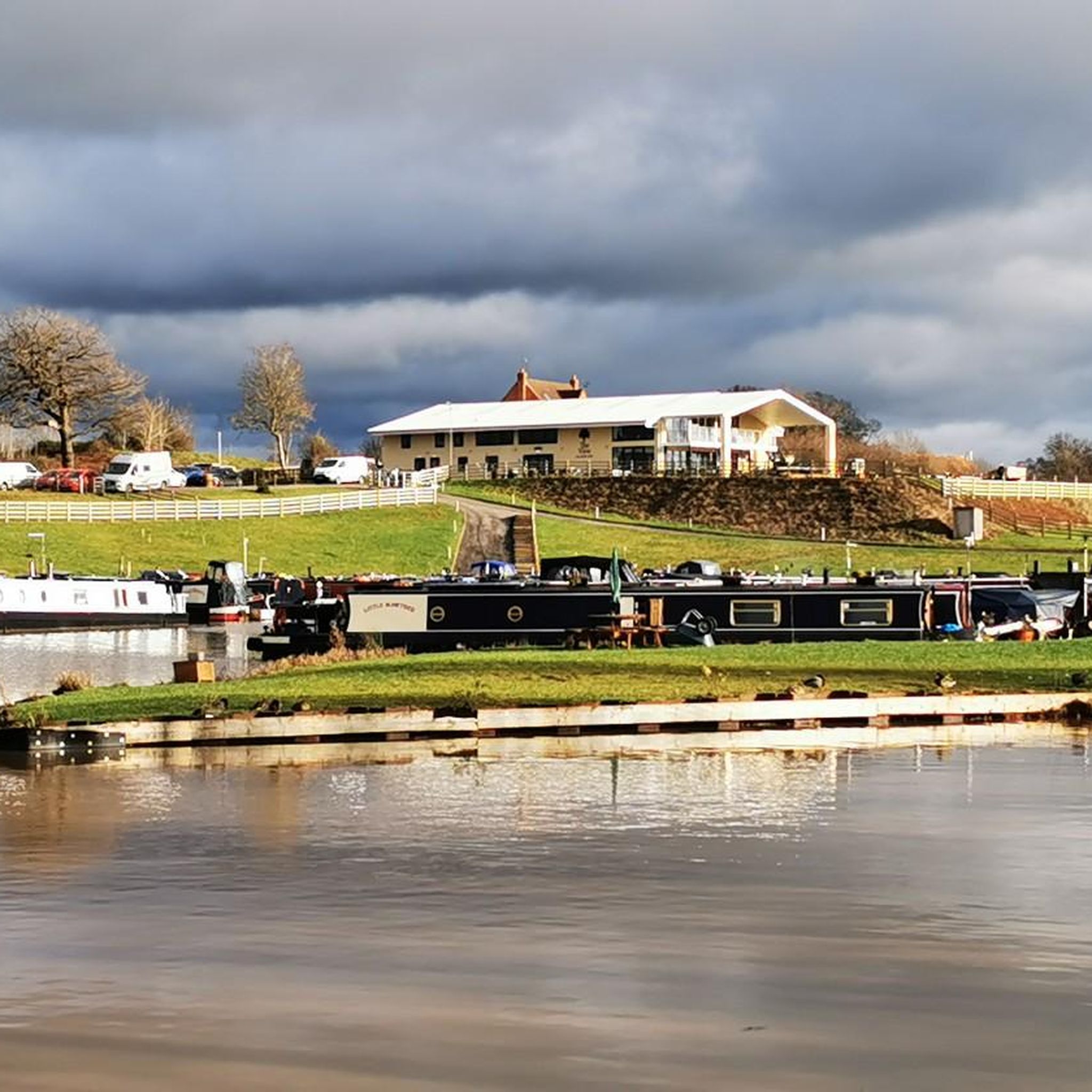
Wootton Wawen offers excellent opportunities for outdoor activities. You can enjoy easy hikes on routes like the 'Stratford-upon-Avon Canal Path – Wootton Wawen Aqueduct loop' or 'The View at Hill Farm Marina – Wootton Wawen Church loop'. For more details, see the guide to Easy hikes around Wootton Wawen. There are also various cycling routes, including moderate and difficult options, which you can explore in the guide to Cycling around Wootton Wawen. If you prefer off-road adventures, consider gravel biking routes like the 'Edstone Aqueduct – Stratford Greenway loop' found in the guide to Gravel biking around Wootton Wawen.
What do visitors enjoy most about the natural monuments in Wootton Wawen?
Visitors frequently praise the tranquility and natural beauty of the area. Many appreciate the peaceful woodland environments, such as Austy Woods, especially during bluebell season. The scenic views and opportunities for leisurely strolls along paths like 'The View' near the towpath are also highly valued. The diverse flora and fauna, from wildflowers to various bird species, add to the appeal, offering a refreshing escape into the serene English countryside.
Are there any natural monuments with unique geological features?
Yes, the Northern Entrance to Shrewley Tunnel is a designated Site of Special Scientific Interest specifically for its geology. The cutting exposes a sequence of Arden sandstone from the late Triassic period, showcasing grey-green shales, siltstones, and dolomitic sandstones, indicating ancient marine deposition conditions.
When is the best time of year to visit for natural beauty?
Spring is particularly recommended, especially for places like Austy Woods and Bannam's Wood, when bluebells are in vibrant bloom. The overall landscape of Wootton Wawen is beautiful year-round, offering scenic walks and peaceful environments in any season.
Are there any ancient woodlands to explore?
Yes, Wootton Wawen is known for its ancient woodlands. Clowes Wood and New Fallings Coppice has been wooded since the last ice age, offering a rich habitat. Bannam's Wood is another significant site, being a small and rare remnant of the ancient wildwood that once covered the Midlands.
How long should I plan for a visit to these natural monuments?
The duration of your visit can vary. For a comprehensive experience at a larger site like Charlecote Park, you might want to allocate half a day or more to explore its extensive grounds and historical house. For woodlands like Clowes Wood or Bannam's Wood, a couple of hours would allow for a pleasant walk and appreciation of the natural surroundings. Many visitors combine visits to several smaller sites or enjoy longer walks that encompass multiple natural areas.
Are there accessible natural monuments for visitors with mobility considerations?
While specific accessibility details for all natural monuments are not provided, many of the walking paths and towpaths in the Wootton Wawen area are generally well-maintained and offer relatively flat terrain suitable for leisurely strolls. For instance, 'The View' near the towpath is known for pleasant, accessible walks. It's always advisable to check specific site information for detailed accessibility features before your visit.
Can I find circular walks around the natural monuments?
Yes, the area around Wootton Wawen offers several circular walking routes. For example, you can find options like the 'Wootton Wawen Aqueduct – Stratford-upon-Avon Canal Path loop' or 'Wootton Wawen Aqueduct – Wootton Wawen Aqueduct loop' in the guide to Easy hikes around Wootton Wawen. These routes allow you to experience the natural beauty and return to your starting point conveniently.
Most popular routes around Wootton Wawen
Most popular attractions around Wootton Wawen

Get inspired with the komoot mobile app


Explore more
Extend your search for the best caves by checking out these guides of the top ones around Wootton Wawen:
