Top 15 Natural Monuments around Angmering
Best natural monuments around Angmering include a variety of natural features located at the southern edge of the South Downs National Park in West Sussex. The area features ancient trees, expansive parklands, and historic hillforts. These natural monuments offer diverse ecosystems and opportunities for outdoor exploration, providing a blend of natural beauty and ecological interest.
Best natural monuments around Angmering
- The most popular natural monuments is Chanctonbury Ring hillfort, a historical site that boasts views over the South Downs…
Last updated: May 17, 2026
Chanctonbury Ring hillfort
Highlight • Historical Site
Tip by

Cissbury Ring Hill Fort
Highlight • Historical Site
Tip by
Sign up now to discover places like this
Get recommendations on the best single tracks, peaks, & plenty of other exciting outdoor places.
Sign up for free
Cissbury Ring
Highlight • Historical Site
Tip by

Chantry Hill
Highlight • Viewpoint
Tip by
Kithurst Hill Trig Point
Highlight • Viewpoint
Tip by

Sign up for free to discover even more natural monuments around Angmering.
Sign up for free
Already have an account?
Start today with a free account
Your next adventure awaits.
Login or Signup

Tips from the Community

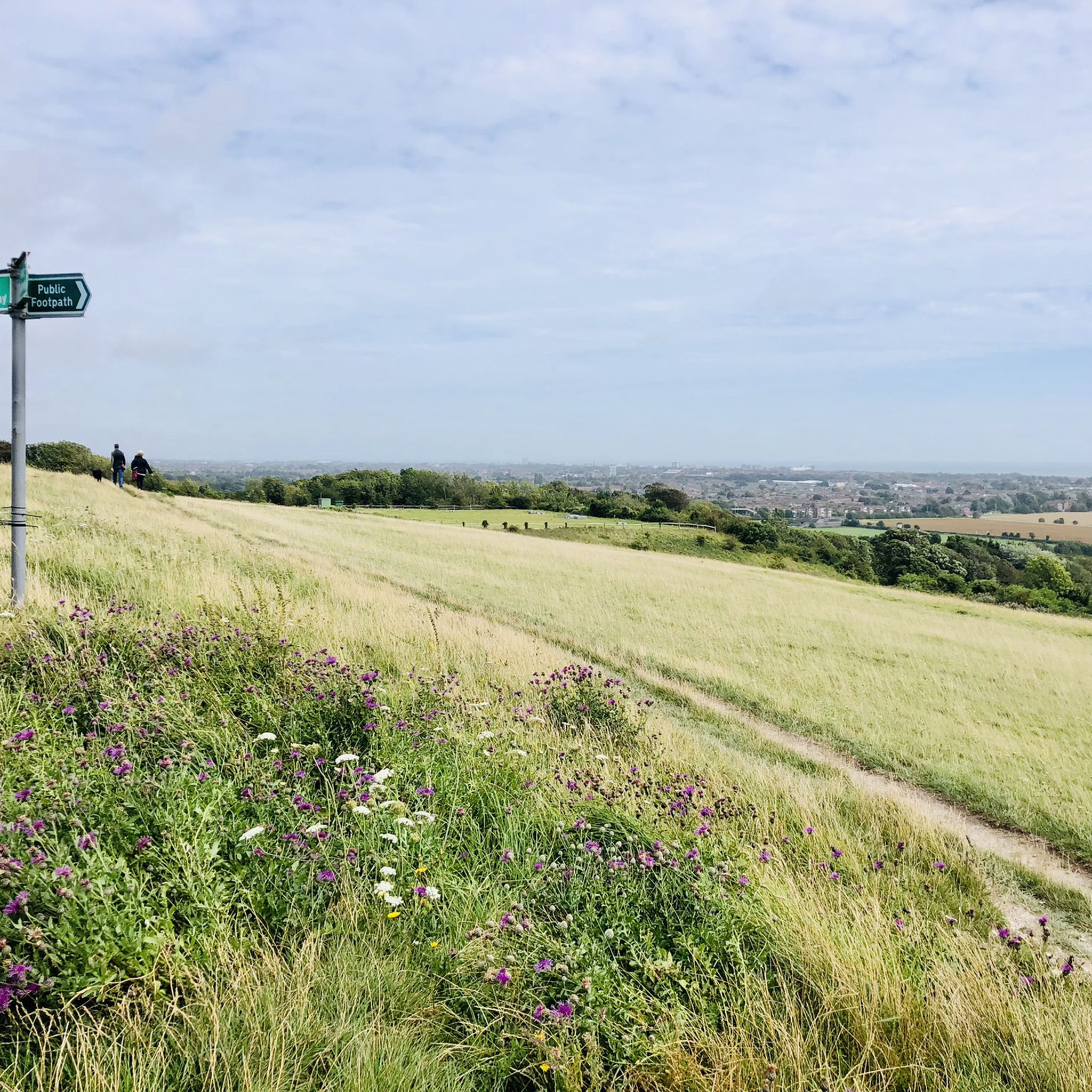
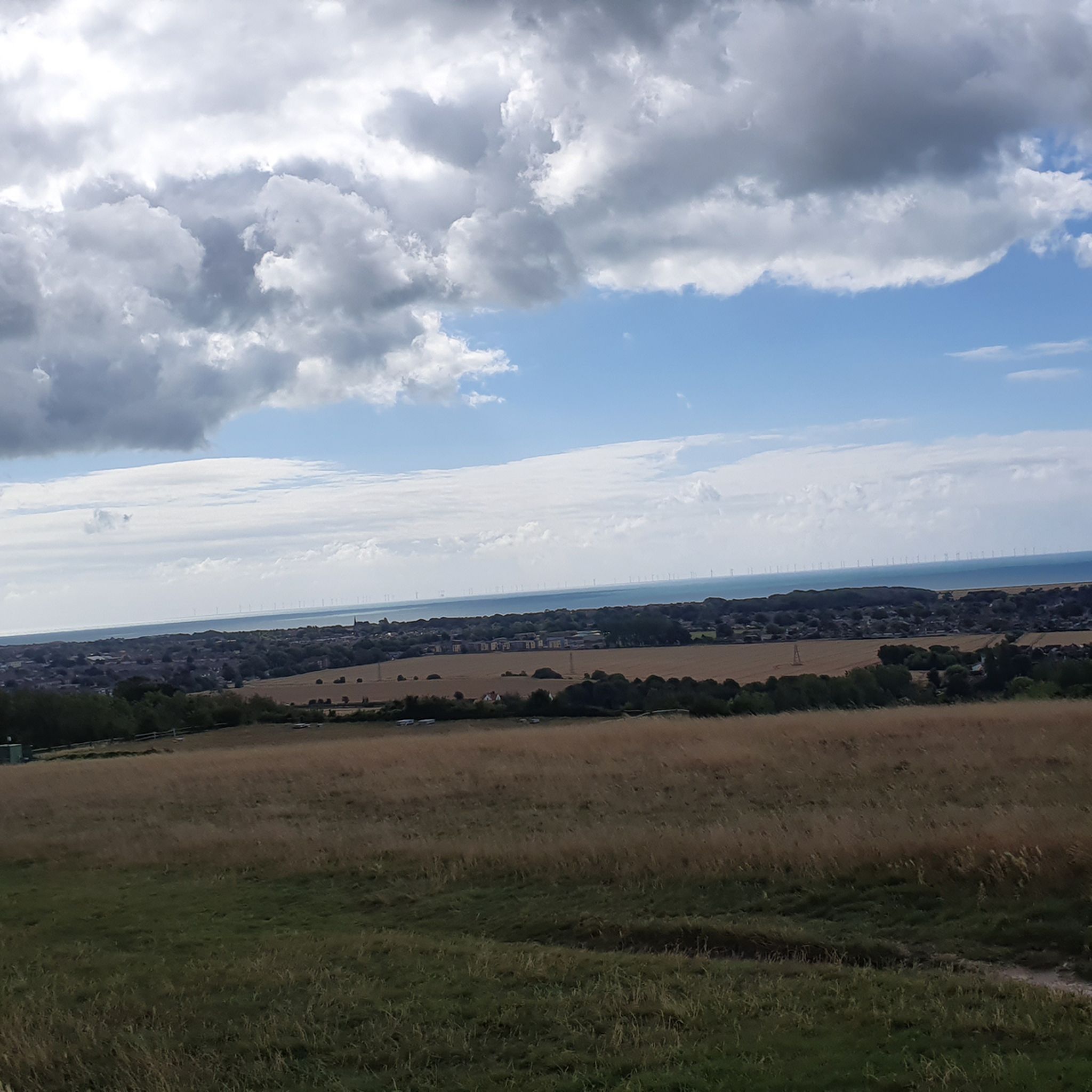
Follow the trail around the ring for great views over Findon to Worthing
0
0

Chantry Hill is adjacent to Kithurst Hill and provides another route to this accessible trig point. The paths and wide open views down over the South Downs are stunning.
0
0
Yet another trig point to do on the South Downs Way. Well, not quite as Kithurst Hill is slightly north of the official trail, but worth the dog leg to it just to get another trig.
0
0
A beautiful little hill and very popular with dog walkers and runners. Mainly because not only are the views great but there are good paths underfoot and a nearby car park.
0
0
Cissbury Ring is one of the jewels in the crown of the new South Downs National Park. It's the largest hill fort in Sussex and has a history dating back over 5,000 years. Set high up on a chalk promontory, its ditch and ramparts enclose about sixty-five acres. From the top on a clear day you can see forever, with views across to the chalk cliffs beyond Brighton and as far as the Isle of Wight.
0
0
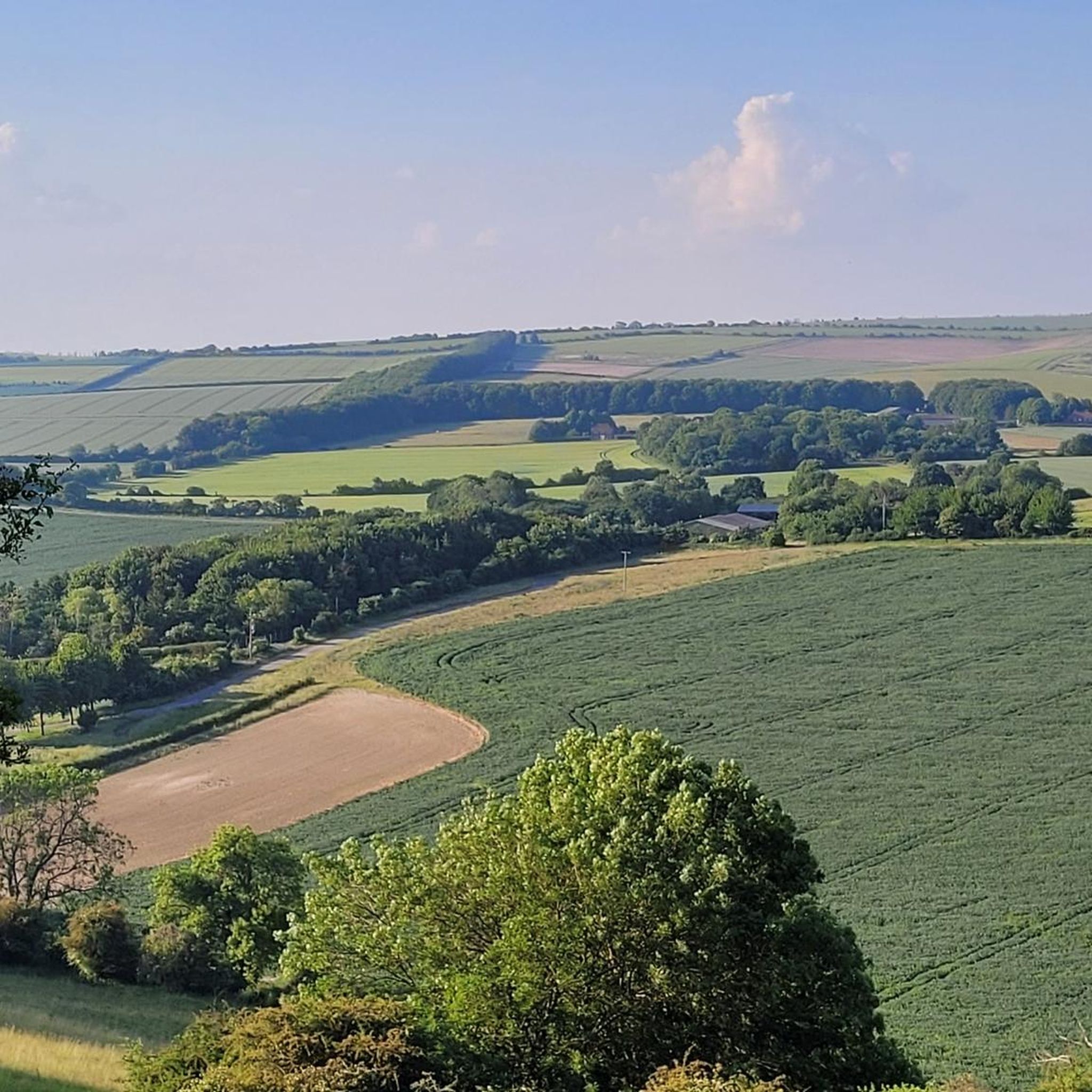
This is a beautiful spot with expansive views out North over the rolling South Downs countryside giving you a lush patchwork of quilted green fields. There is also a sturdy bench to take the weight off your feet and super cool Cissbury Ring just behind you.
1
0
Chanctonbury Ring is a prehistoric hill fort atop Chanctonbury Hill on the South Downs, on the border of the civil parishes of Washington and Wiston in the English county of West Sussex. It is 242m high and is a designated Marilyn. There is a trig point on a nearby sub-summit.
3
0

Cissbury Ring is an Iron Age hill fort in the South Downs National Park. It's one of the largest hill forts in Europe, covering an area of around 60 acres (24 hectares). The site has a rich history with evidence of settlement dating back over 5,000 years. The site is home to a variety of flora and fauna, including rare species of orchids and butterflies. The hill fort is a designated Site of Special Scientific Interest (SSSI) and is managed by the National Trust. From the base of the hill, there's a footpath that leads to a trig point at the top. There are stunning views over the English Channel and as far as The Isle of Wight. It's worth dismounting and walking up the hill, as you'll also see resident ponies from the New Forest grazing across the area.
1
0
Frequently Asked Questions
What are some of the most popular natural monuments around Angmering?
Visitors frequently enjoy the historical significance and views from Chanctonbury Ring hillfort, a late Bronze or early Iron Age site known for its prominent beech trees. Another favorite is the Cissbury Ring Circular Trail, which encircles the second largest Iron Age Hill Fort in England, famous for its butterflies and panoramic views. The Kithurst Hill Trig Point is also highly rated for its scenic outlooks and well-maintained paths.
Are there any historical natural monuments in the Angmering area?
Yes, Angmering is rich in historical natural monuments. The ancient Yew trees at St Margaret's Church are particularly notable, with one estimated to be over 500 years old and potentially the oldest in the Arun District. Additionally, Chanctonbury Ring hillfort and Cissbury Ring Iron Age Fort are significant historical sites, offering insights into prehistoric life alongside their natural beauty.
What natural features can I expect to see in Angmering?
Angmering offers a diverse range of natural features. You can find ancient Yew trees at St Margaret's Church, expansive parklands like the Angmering Park Estate with its deer-filled woods, and stunning bluebell displays in spring, especially in areas like Wepham Wood. The landscape also includes ancient woodlands, unique chalk grasslands, and various viewpoints such as Barpham Hill and Windy Ridge, providing panoramic views of the South Downs and coastline.
What is the best time of year to visit Angmering's natural monuments?
Spring is an excellent time to visit, particularly for witnessing the magnificent bluebell displays that carpet the forest floor in areas like Wepham Wood within the Angmering Park Estate. The weather is generally pleasant for walking and cycling through the public footpaths and bridleways that crisscross the area.
Are there family-friendly natural attractions in Angmering?
Yes, the Cissbury Ring Circular Trail is categorized as family-friendly. Its expansive grounds and historical significance, coupled with opportunities for butterfly spotting, make it an engaging outing for all ages. The numerous public footpaths and bridleways throughout the Angmering Park Estate also offer gentle routes suitable for family walks.
Are there dog-friendly natural trails in the Angmering area?
Many of the natural areas around Angmering are dog-friendly. For instance, Kithurst Hill Trig Point is very popular with dog walkers due to its good paths and scenic views. The public footpaths and bridleways across the Angmering Park Estate also welcome dogs, allowing for enjoyable walks through woodlands and open downland.
What outdoor activities can I do near these natural monuments?
The area around Angmering is ideal for various outdoor activities. You can explore numerous hiking trails, including easy hikes like the Bluebells in Wephams Wood loop. Mountain biking is also popular, with routes such as the Barpham Hill Summit loop. Road cycling routes, like the River Arun Pedestrian Bridge loop, are also available, offering diverse ways to experience the natural beauty.
Where can I find panoramic views of the South Downs and coastline?
For stunning panoramic views, head to Chantry Hill, which offers spellbinding vistas over the countryside and out to sea. Barpham Hill, the highest point on the Angmering Park Estate, also provides extensive views encompassing the rolling South Downs, the Arun Valley, and the coastline. Additionally, the Windy Ridge footpath connects Angmering Woods with the South Downs, offering incredible scenic views along its route.
Are there any unique natural features related to local history?
Beyond the ancient hillforts, you can find a Bomb Crater in South Downs National Park. These craters are remnants from the Second World War, now integrated into the landscape and popular with mountain bikers. They offer a unique, albeit somber, connection to the region's wartime history.
What kind of wildlife can be spotted around Angmering's natural monuments?
The diverse ecosystems around Angmering support various wildlife. The Angmering Park Estate is known for its deer. Cissbury Ring, a Site of Special Scientific Interest (SSSI), is particularly famous for its wide variety of butterflies. The ancient Yew trees at St Margaret's Church also provide unique natural habitats for local fauna.
Are there circular walking routes available near Angmering's natural monuments?
Yes, there are several circular walking routes. The Cissbury Ring Circular Trail is a popular option. Additionally, many of the public footpaths and bridleways within the Angmering Park Estate can be combined to create circular walks through ancient woodlands and chalk grasslands, offering varied scenery and opportunities for exploration.
What do visitors enjoy most about the natural monuments around Angmering?
Visitors particularly appreciate the sublime views over the South Downs countryside from sites like Chanctonbury Ring and Kithurst Hill. The historical significance of the ancient hillforts and Yew trees, combined with the natural beauty of bluebell woods and diverse landscapes, provides a compelling blend of interest and outdoor recreation. The well-maintained paths and opportunities for various activities like walking, running, and mountain biking also contribute to a positive visitor experience.
Most popular routes around Angmering
Most popular attractions around Angmering

Get inspired with the komoot mobile app


Explore more
Extend your search for the best caves by checking out these guides of the top ones around Angmering:
