Top 14 Natural Monuments around Patching
Best natural monuments around Patching are found within the South Downs National Park in West Sussex, England. This area features a landscape of rolling farmland, diverse habitats, and elevated viewpoints. The region offers access to various natural features, including ancient woodlands and chalk downland. These natural monuments provide opportunities for outdoor activities and offer insights into the area's natural and historical significance.
Best natural monuments around Patching
- The most popular natural monuments is Chanctonbury Ring hillfort, a historical site…
Last updated: July 26, 2026
Chanctonbury Ring hillfort
Highlight • Historical Site
Tip by

Cissbury Ring Hill Fort
Highlight • Historical Site
Tip by
Sign up now to discover places like this
Get recommendations on the best single tracks, peaks, & plenty of other exciting outdoor places.
Sign up for free
Cissbury Ring
Highlight • Historical Site
Tip by

Chantry Hill
Highlight • Viewpoint
Tip by
Kithurst Hill Trig Point
Highlight • Viewpoint
Tip by

Sign up for free to discover even more natural monuments around Patching.
Sign up for free
Already have an account?
Start today with a free account
Your next adventure awaits.
Login or Signup

Tips from the Community

Follow the trail around the ring for great views over Findon to Worthing
0
0

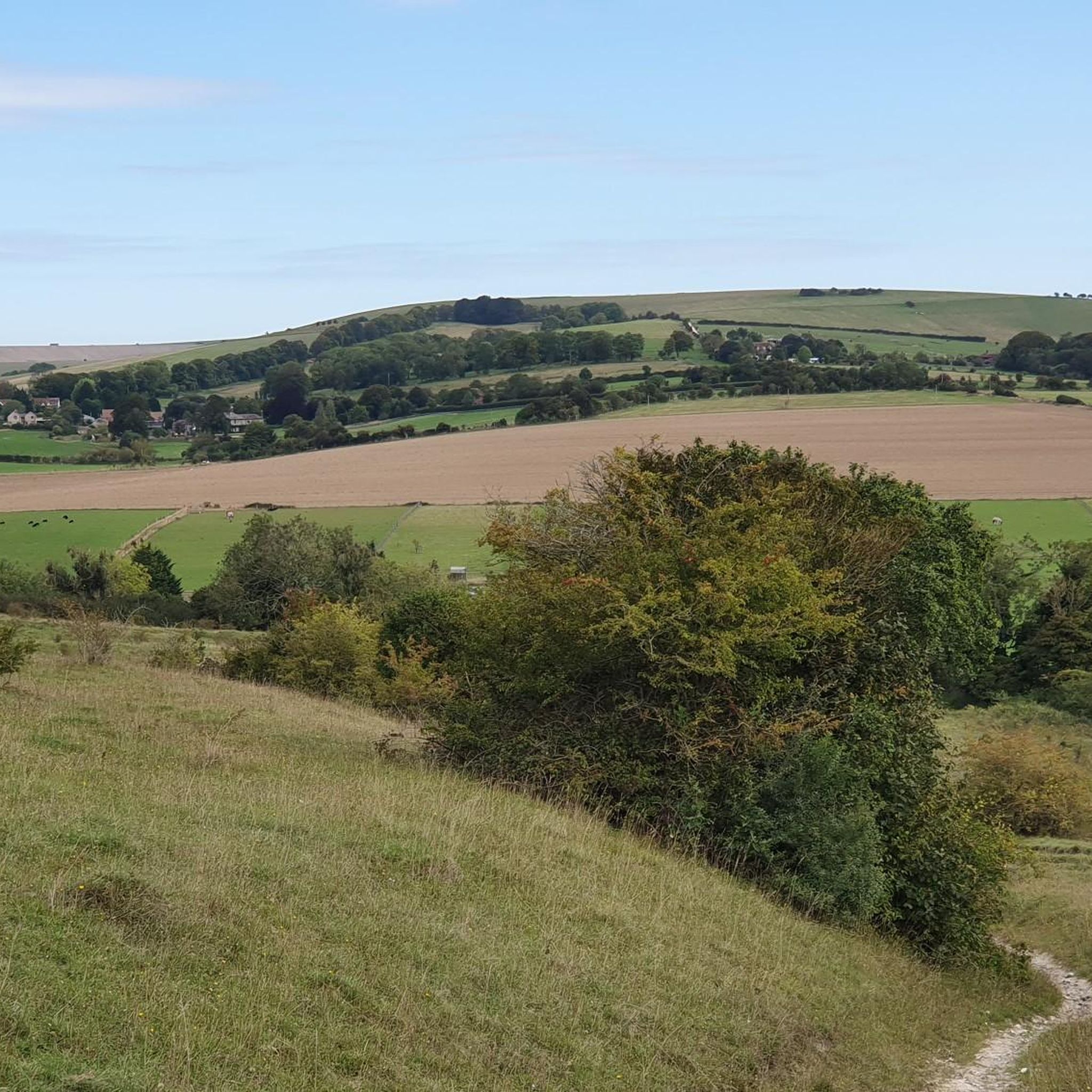
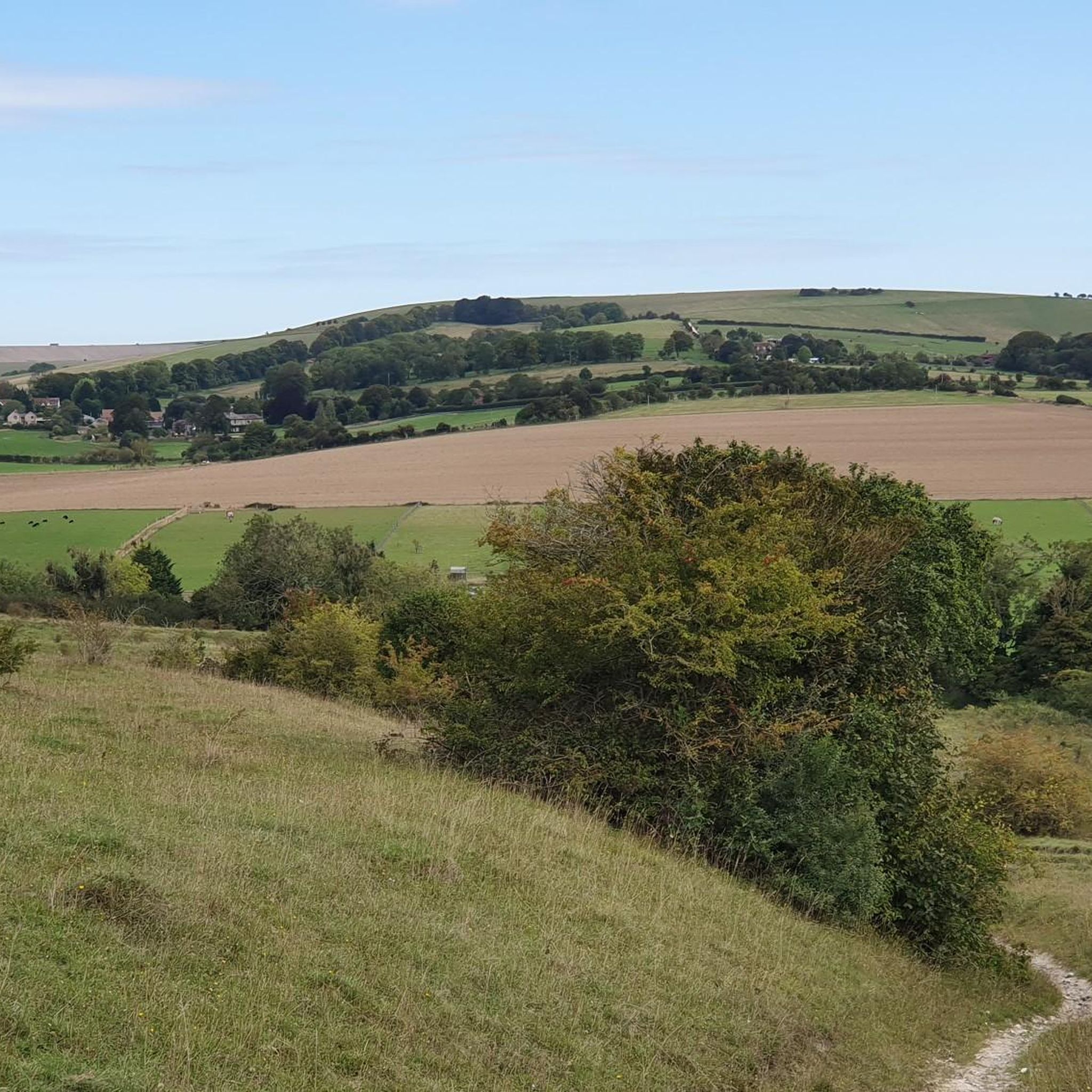
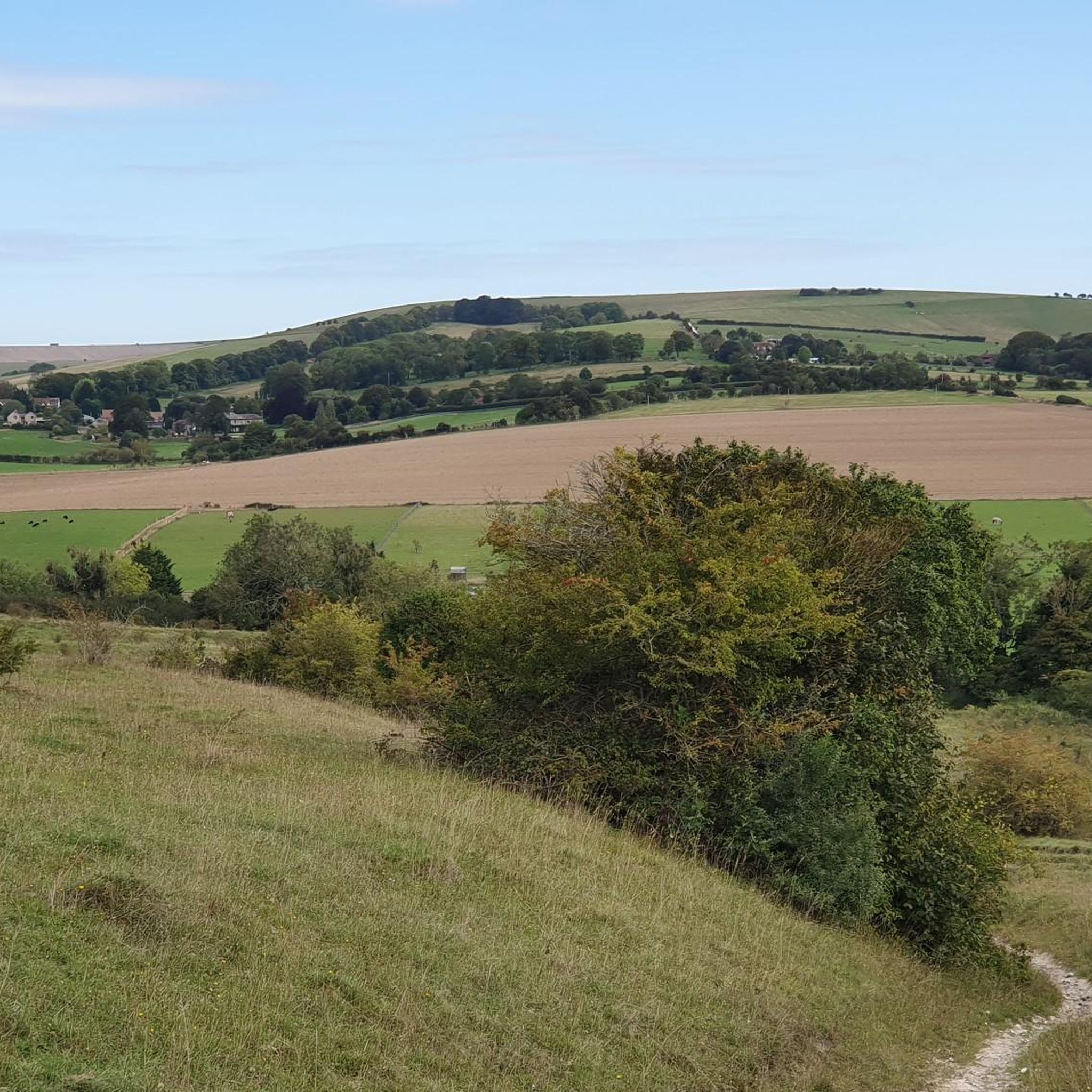
Chantry Hill is adjacent to Kithurst Hill and provides another route to this accessible trig point. The paths and wide open views down over the South Downs are stunning.
0
0
Yet another trig point to do on the South Downs Way. Well, not quite as Kithurst Hill is slightly north of the official trail, but worth the dog leg to it just to get another trig.
0
0
A beautiful little hill and very popular with dog walkers and runners. Mainly because not only are the views great but there are good paths underfoot and a nearby car park.
0
0
Cissbury Ring is one of the jewels in the crown of the new South Downs National Park. It's the largest hill fort in Sussex and has a history dating back over 5,000 years. Set high up on a chalk promontory, its ditch and ramparts enclose about sixty-five acres. From the top on a clear day you can see forever, with views across to the chalk cliffs beyond Brighton and as far as the Isle of Wight.
0
0
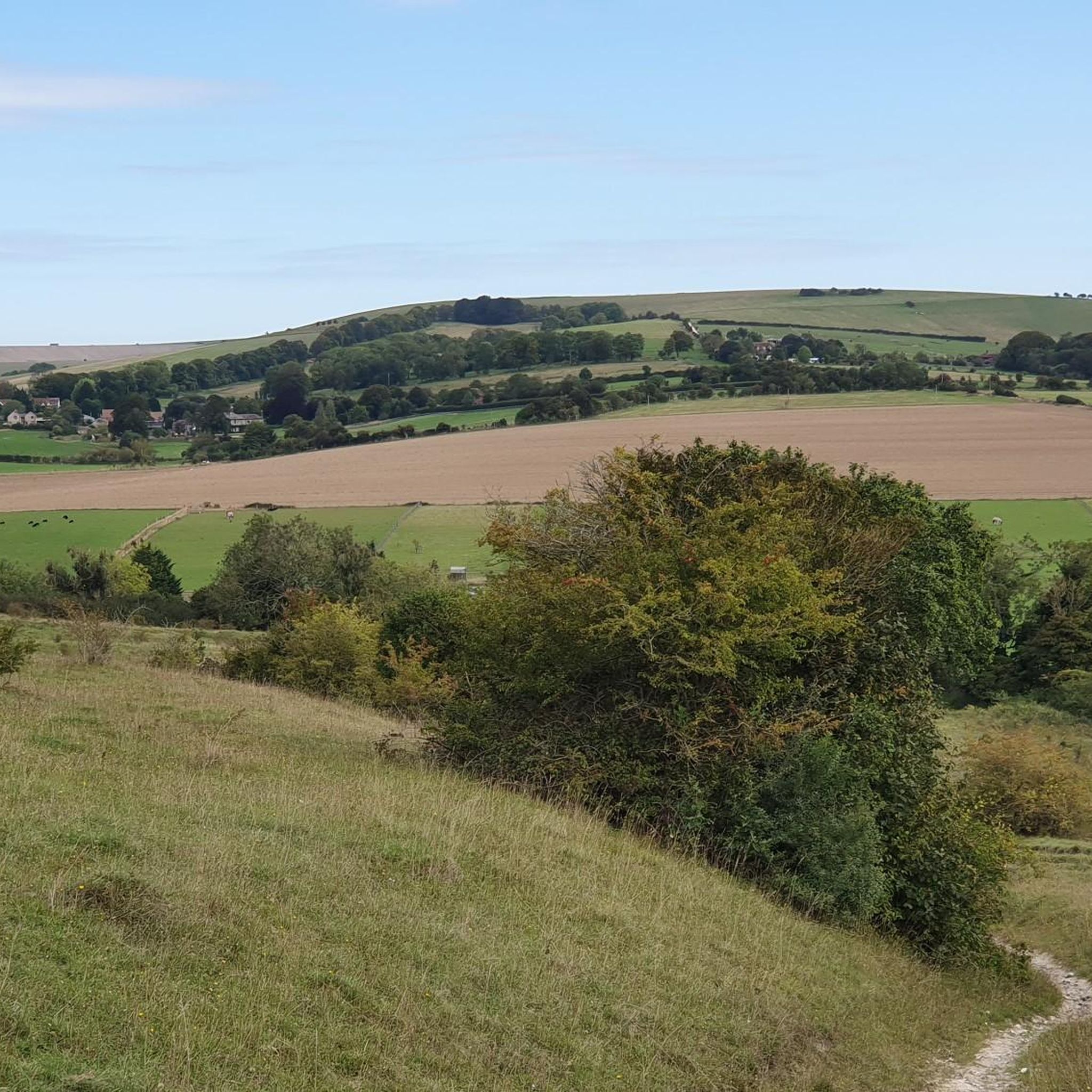
This is a beautiful spot with expansive views out North over the rolling South Downs countryside giving you a lush patchwork of quilted green fields. There is also a sturdy bench to take the weight off your feet and super cool Cissbury Ring just behind you.
1
0
Chanctonbury Ring is a prehistoric hill fort atop Chanctonbury Hill on the South Downs, on the border of the civil parishes of Washington and Wiston in the English county of West Sussex. It is 242m high and is a designated Marilyn. There is a trig point on a nearby sub-summit.
3
0

Cissbury Ring is an Iron Age hill fort in the South Downs National Park. It's one of the largest hill forts in Europe, covering an area of around 60 acres (24 hectares). The site has a rich history with evidence of settlement dating back over 5,000 years. The site is home to a variety of flora and fauna, including rare species of orchids and butterflies. The hill fort is a designated Site of Special Scientific Interest (SSSI) and is managed by the National Trust. From the base of the hill, there's a footpath that leads to a trig point at the top. There are stunning views over the English Channel and as far as The Isle of Wight. It's worth dismounting and walking up the hill, as you'll also see resident ponies from the New Forest grazing across the area.
1
0
Frequently Asked Questions
What are some of the most notable natural monuments to visit around Patching?
The Patching area, nestled within the South Downs National Park, offers several significant natural features. Highlights include the ancient hillforts of Chanctonbury Ring hillfort and Cissbury Ring, both offering expansive views. You can also explore Chantry Hill and Kithurst Hill for picturesque vistas over the countryside and out to sea.
What kind of natural features can I expect to see in the Patching area?
Beyond the prominent hillforts, the region is characterized by the rolling chalk downland of the South Downs National Park. You'll find ancient woodlands like Wepham Wood, known for its vibrant spring wildflowers such as bluebells, primrose, and wood anemone. Patching Hill itself provides glorious panoramic views, and you can also observe ancient Neolithic flint mines, which are visible as subtle hollows and mounds in the landscape.
Are there any historical natural monuments near Patching?
Yes, the area is rich in historical natural monuments. Chanctonbury Ring hillfort is a late Bronze or early Iron Age site, famous for its prominent beech trees and historical mystique. Cissbury Ring is another significant Iron Age hillfort, one of the largest in Europe, with a history spanning over 5,000 years. Additionally, the Neolithic Flint Mines above Patching village offer a glimpse into prehistoric human activity within the natural landscape.
What outdoor activities can I do near the natural monuments in Patching?
The natural monuments around Patching are perfect for various outdoor activities. You can enjoy extensive hiking and walking routes across the South Downs. There are also opportunities for mountain biking and gravel biking. For detailed routes, you can explore guides like Hiking around Patching, MTB Trails around Patching, and Gravel biking around Patching.
Are there specific hiking trails to explore the natural monuments?
Absolutely. Many trails lead to and around the natural monuments. For instance, you can find routes that take you to Chanctonbury Ring hillfort and Cissbury Ring. There are also trails like the 'Patching loop — South Downs National Park' and 'Chantry Hill loop from Michelgrove House' that offer excellent ways to experience the landscape. You can find more options in the Hiking around Patching guide.
What is the best time of year to visit the natural monuments around Patching?
Spring is particularly beautiful, especially in woodlands like Wepham Wood, when the floor is carpeted with bluebells and other wildflowers. Summer offers pleasant weather for hiking and enjoying the panoramic views. Autumn brings lovely colours to the beech trees at sites like Chanctonbury Ring hillfort. The natural monuments are accessible year-round, but weather conditions can vary, so checking forecasts is always recommended.
Are the natural monuments around Patching suitable for families with children?
Many of the natural monuments and surrounding areas are suitable for families. The expansive open spaces of the South Downs National Park provide plenty of room for children to explore. While some hillforts involve climbs, the views are rewarding. Shorter, easier walks can be found, and the presence of wildlife in woodlands like Wepham Wood can be engaging for younger visitors. Always check specific route difficulties before heading out.
Can I bring my dog to the natural monuments in the Patching area?
Yes, many of the natural monuments and trails in the South Downs National Park are dog-friendly. For example, Kithurst Hill Trig Point is very popular with dog walkers. It's generally expected that dogs are kept under control, especially around livestock, and that owners clean up after them. Always look for local signage regarding dog access and leash requirements.
What kind of wildlife can I spot near the natural monuments?
The diverse habitats around Patching support a variety of wildlife. In Wepham Wood, you might encounter fallow deer, grey squirrels, and badgers, with adders active during summer. Cissbury Ring is a designated Site of Special Scientific Interest (SSSI) and is home to rare orchids and butterflies. During spring and autumn, Cissbury Ring is also a key coastal landing point for a wide variety of migratory birds.
Where can I find parking when visiting the natural monuments?
Parking options vary depending on the specific natural monument you wish to visit. Many popular starting points for walks in the South Downs National Park have designated car parks. For example, Kithurst Hill has a nearby car park. It's advisable to research parking facilities for your chosen destination in advance, as some smaller areas might have limited space.
Are there any cafes or pubs near the natural monuments in Patching?
While the natural monuments themselves are often in rural settings, the village of Patching and nearby towns offer amenities. You can find cafes and pubs in Patching village and surrounding areas, which are convenient for refreshments before or after your exploration. It's a good idea to check their locations and opening times beforehand.
What makes the views from Patching's natural monuments so special?
The views from natural monuments like Patching Hill, Chanctonbury Ring hillfort, Cissbury Ring, and Chantry Hill are renowned for their expansive beauty. They offer panoramic vistas over the rolling South Downs countryside, stretching out to the English Channel, and on clear days, even as far as the Isle of Wight. These elevated points provide a unique perspective on the rural character and natural grandeur of West Sussex.
Most popular routes around Patching
Most popular attractions around Patching

Get inspired with the komoot mobile app


Explore more
Extend your search for the best caves by checking out these guides of the top ones around Patching:
