Top 14 Natural Monuments around Priston
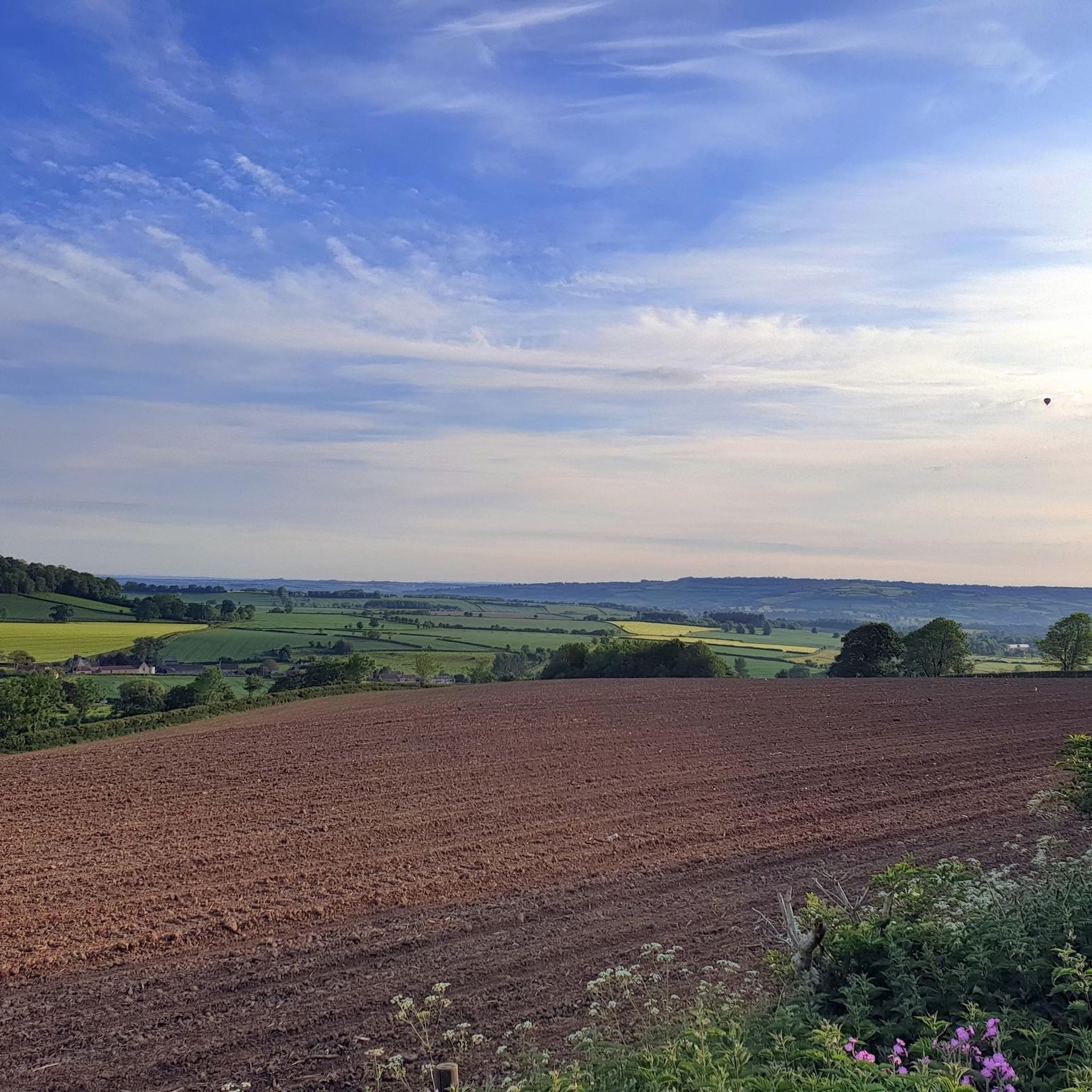
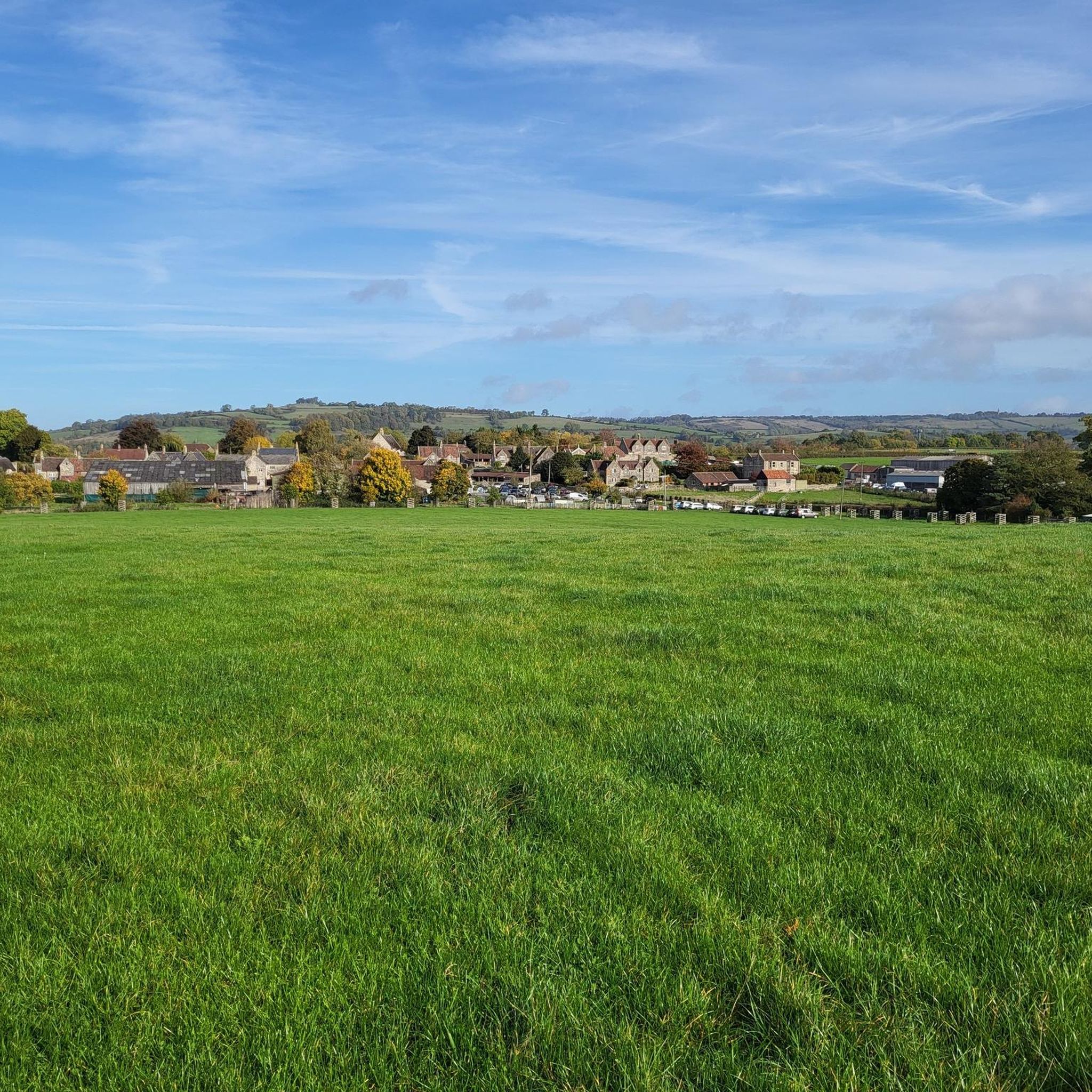
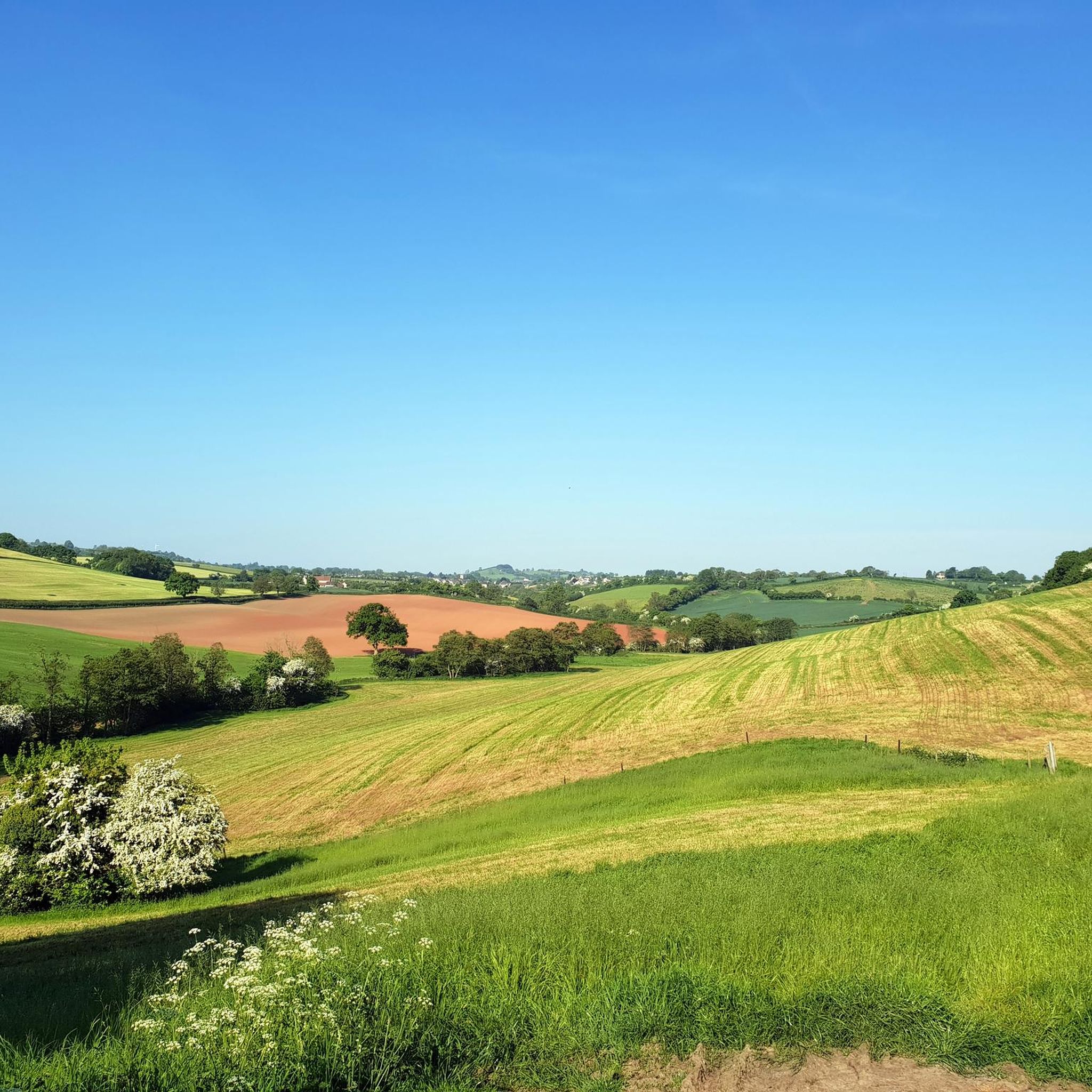
Best natural monuments around Priston include a rural landscape characterized by rolling hills and agricultural fields. The village is situated in the English county of Somerset, offering expansive views of the countryside. Public footpaths crisscross the area, providing opportunities to explore the local flora and fauna. This setting makes Priston a destination for nature walks and quiet contemplation.
Best natural monuments around Priston
- The most popular natural monuments is Kelston Roundhill, a viewpoint that offers extensive views over Bath,…
Last updated: November 12, 2026
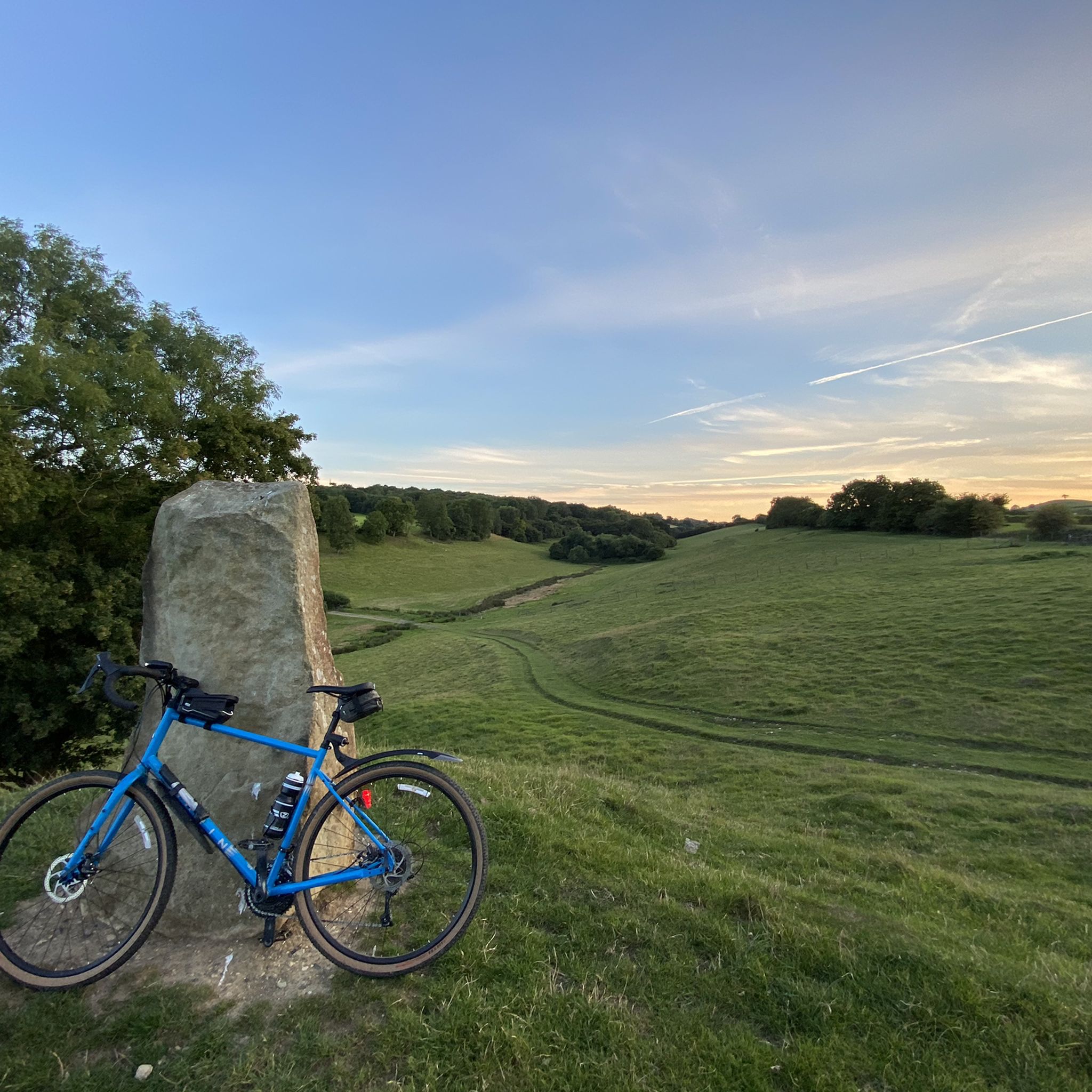
Kelston Roundhill
Highlight • Viewpoint
Tip by

Stanton Drew Stone Circles and Cove
Highlight • Natural Monument
Tip by
Sign up now to discover places like this
Get recommendations on the best single tracks, peaks, & plenty of other exciting outdoor places.
The Roman Baths
Highlight • Natural Monument
Tip by

Chew Valley Lake
Highlight • Lake
Tip by

Ancient Plane Tree at Abbey Green
Highlight • Natural Monument
Showing Translation
Tip by

Sign up for free to discover even more natural monuments around Priston.
Already have an account?
Start today with a free account
Your next adventure awaits.

Tips from the Community

Built around 70 AD as a bathhouse and social meeting place, the Roman Baths in Bath are among the best-preserved bathhouses in the world.
3
0
well-known natural monument in the heart of the historic city
3
0

A must-see when visiting Bath. Highly recommended. Worth seeing.
1
0

Fantastically beautiful views all around
0
0

The Stanton Drew stone circles are located just outside the village of Stanton Drew in the English county of Somerset. The largest stone circle is the Great Circle, standing in a 113 metres in diameter and is in-fact the second largest stone circle to be discovered in Britain. After Avebury and It’s considered to be one of the largest Neolithic monuments to have ever been built. The date of the construction is not actually accurately known of, but it’s thought to have been built between 3000 and 2000 BCE. These standing stone circles of which have been studied since John Aubrey's visit in 1664. It was only made a scheduled monument of it is today in 1982. Please be aware that an entrance fee is charged by the landowner for any entry in among the grounds of the Stone Circles and any public access is at his discretion only. NO DOGS ALLOWED! As the land is used for agriculture purposes and usually has cattle grazing on the fields where the standing stones are. Please be aware that the English Heritage sites do not permit drone flying from or over sites in our care, by any circumstances except by contractors or partners undertaking flights for a specific purpose, who satisfy stringent CAA criteria, have the correct insurances and permissions, and are operating under controlled conditions only. Just having experienced this ourselves before.
0
0

The hot spring was discovered by the Romans in 43 AD.
4
0

This tree is the oldest architecturally planted stands in the world. It was planted in 1793.
0
0

This is the third-largest complex of pre-historic standing stones in England. The 26 remaining standing stones are all that remains of the probably ceremonial stone circle constructed in the Neolithic period around 2500 BCE. Today the area is looked after by English Heritage and free to enter.
0
0
Frequently Asked Questions
What natural features define the landscape around Priston?
Priston is characterized by its picturesque rural landscape, featuring rolling hills and expansive agricultural fields that change with the seasons. The area is crisscrossed by numerous public footpaths, allowing visitors to immerse themselves in the serene environment. An intriguing, less emphasized feature is a walled field boundary containing megaliths, hinting at ancient landscapes within the area.
Are there prominent viewpoints to enjoy the scenery near Priston?
Yes, Kelston Roundhill is a key landmark offering spellbinding 360-degree views over Bath, Bristol, and the wider Somerset countryside. On clear days, you can even see the Severn bridges, Wales, the Black Mountains, the Wiltshire Downs, and the Mendip Hills.
What historical natural monuments can I explore near Priston?
You can visit Stanton Drew Stone Circles and Cove, one of England's largest complexes of standing stones, built approximately 4,500 years ago. Another significant site is Stoney Littleton Long Barrow, a well-preserved neolithic chambered tomb dating back to around 3500 BCE.
Are there family-friendly natural monuments or sites around Priston?
Both Stanton Drew Stone Circles and Cove and The Roman Baths (located in nearby Bath) are considered family-friendly. The stone circles offer an open space for exploration, while the Roman Baths provide an engaging historical experience.
What outdoor activities can I do near these natural monuments?
The area around Priston is excellent for various outdoor activities. You can find numerous routes for mountain biking, cycling, and gravel biking. For example, there are routes like the 'Bristol and Bath Railway Path – Kelston Roundhill loop' for MTB, or the 'Chew Valley Lake loop' for touring bicycles. You can explore more options in the MTB Trails around Priston, Cycling around Priston, and Gravel biking around Priston guides.
Are there easy walking trails near Priston's natural monuments?
Priston's public footpaths offer a range of walking experiences. While specific 'easy' trails for each monument aren't detailed, the general rural setting and network of paths provide opportunities for gentle strolls. For cycling, the 'View of the Cotswolds – Wellow Brook Lane loop' is rated as easy.
What is the best time to visit Priston for walking and exploring natural features?
The spring and summer months are particularly appealing. In spring, the fields display vibrant yellow rapeseed flowers, and in summer, golden crops provide a scenic backdrop. These seasons generally offer pleasant weather for walking and enjoying the expansive views.
Can I bring my dog to the natural monuments and trails around Priston?
Many public footpaths and outdoor areas in the English countryside are dog-friendly, provided dogs are kept under control, especially around livestock. Specific rules for individual sites like Stanton Drew Stone Circles should be checked with English Heritage, but generally, the open countryside is suitable for dog walks.
What kind of wildlife can I expect to see around Priston?
The rural environment of Priston, with its fields and hedgerows, supports typical English countryside wildlife. You might spot various bird species, small mammals, and insects. The agricultural landscape and public footpaths offer opportunities for nature observation.
Are there any hidden or lesser-known natural monuments in the Priston area?
While not a major tourist attraction, the walled field boundary between Priston village and the former hamlet of Wilmington, noted to contain megaliths, offers a glimpse into ancient human-modified landscapes. This feature is less emphasized but adds to the historical natural intrigue of the area.
What do visitors enjoy most about the natural monuments and area around Priston?
Visitors appreciate the tranquil, picturesque English countryside, the extensive views from spots like Kelston Roundhill, and the historical significance of ancient sites such as Stanton Drew Stone Circles and Stoney Littleton Long Barrow. The opportunity for peaceful walks on public footpaths is also a major draw.
Where can I find information about parking or public transport to these natural monuments?
Information on parking and public transport for specific natural monuments can vary. For sites like Stanton Drew Stone Circles, details are often available on the English Heritage website. For general walks around Priston, local village parking or public transport routes to the village itself would be the starting point. It's advisable to check specific access details for each location prior to your visit.
Most popular attractions around Priston

Get inspired with the komoot mobile app


Explore more
Extend your search for the best caves by checking out these guides of the top ones around Priston:
