Top 12 Natural Monuments around Bolney
Best natural monuments around Bolney are found within the High Weald Area of Outstanding Natural Beauty, characterized by rolling hills, ancient woodlands, and diverse landscapes. The area offers natural attractions for scenic beauty and outdoor recreation. Visitors can explore a network of walking routes that traverse a mix of open pastures and dense forests. This region provides opportunities for nature appreciation and experiencing the countryside of West Sussex.
Best natural monuments around Bolney
- The most popular natural monuments is Ditchling…
Last updated: August 9, 2026
Ditchling Beacon
Highlight • Natural Monument
Tip by

Sussex Border Path: Ditchling Beacon to Fishersgate
Highlight (Segment) • Trail
Tip by

Sign up now to discover places like this
Get recommendations on the best single tracks, peaks, & plenty of other exciting outdoor places.
Sign up for free
Dew Pond with Lone Tree
Highlight • Structure
Tip by

Wolstonbury Hill
Highlight • Natural Monument
Tip by

Wakehurst Mansion and Gardens
Highlight • Settlement
Translated by Google •
Tip by

Sign up for free to discover even more natural monuments around Bolney.
Sign up for free
Already have an account?
Start today with a free account
Your next adventure awaits.
Login or Signup
Tips from the Community


The Sussex Border Path is a long-distance footpath that is nearly 150 miles (241 km) long and goes around the county boundary of Sussex. It is a relatively new trail initiated in 1983, and since its inception, the route has only traced the county boundary. As Sussex has been split administratively into east and west for many years, there is now a new border path section running from East Grinstead to Brighton, reflecting these east and west sections. This is part of that section and runs from Ditchling Beacon to Fishersgate, or vice versa. The section is 12 miles (19 km) long and consists of Ditchling Beacon itself, sections of beautiful bridleways with sea views, and the famous Chattri Indian War Memorial.
1
1
At over 650 feet (200 m), Ditchling Beacon gives you a good climb and a great vantage point to see out over the surrounding countryside. To the north you look back at the lush countryside of the Weald, to the south are views of Brighton, and to the east and west, the rolling undulating views out over the South Downs.
1
1


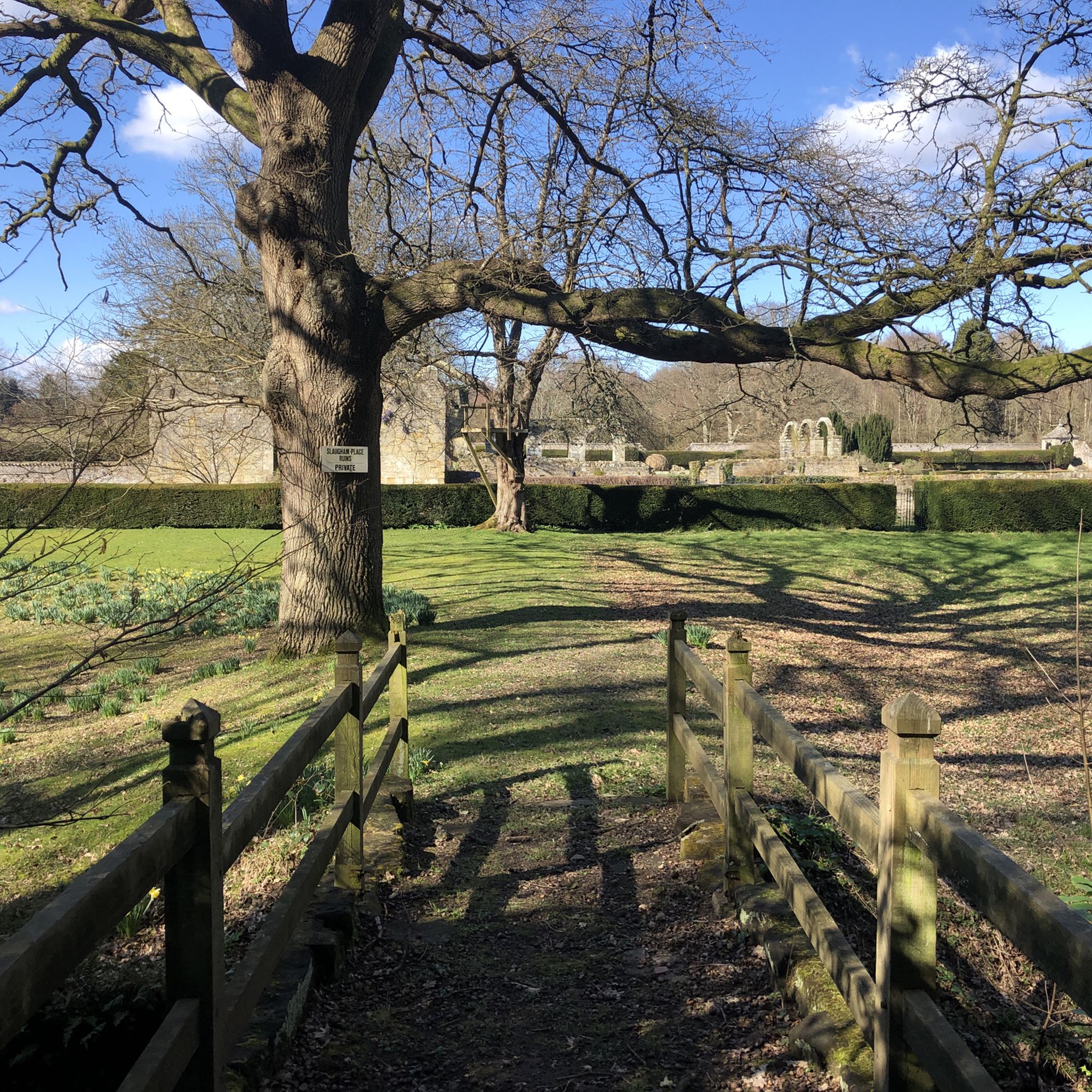
Wakehurst, a stately home and botanical garden in West Sussex, is owned by the National Trust but managed by the Royal Botanic Gardens, Kew. The mansion is from the late 16th century and the garden from the 20th century. The grounds also include Kew's Millennium Seed Bank. You'll walk through various nature reserves and visitor centres during your visit. Wakehurst is listed as Grade I on the National Heritage List for England and its gardens and historic buildings are listed as Grade II. https://www.kew.org/wakehurst
0
0

Ice cream van also serving Tea today (Easter Monday). view from the top on a nice clear day
0
0
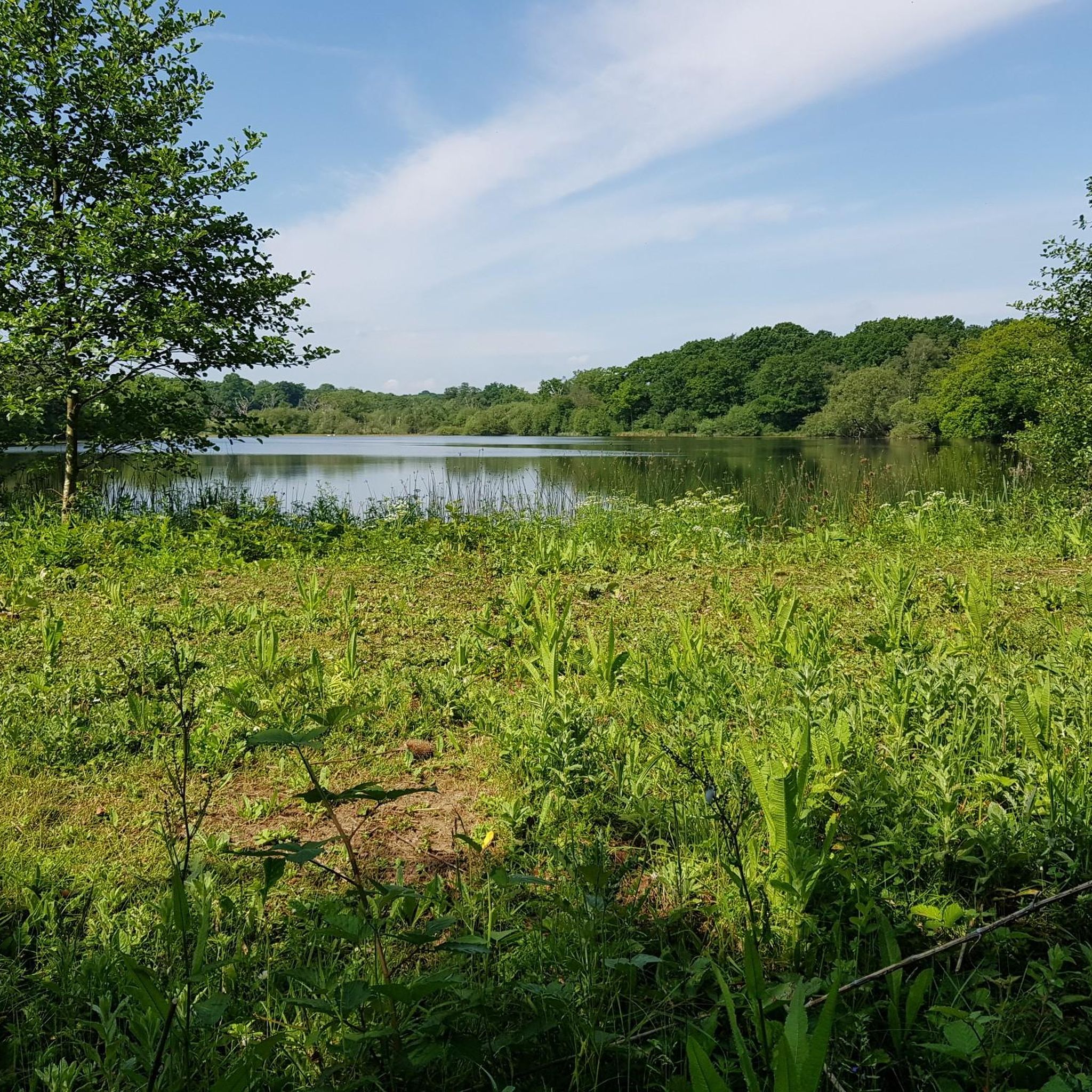
This is a wonderful little rest stop if your hiking or a quick breather stop if your out running. This isolated pond is a veritable haven for the local wildlife and domestic animals. It is also a great photo stop too.
0
0
Ditchling Beacon is the highest point in East Sussex, England, with an elevation of 248 m (814 ft). It is south of Ditchling and to the north-east of Brighton. It is a large chalk hill with a particularly steep northern face, covered with open grassland and sheep-grazing areas. It is the third-highest point on the South Downs, behind Butser Hill (270 m (890 ft) and Crown Tegleaze (253 m (830 ft).
2
0
Frequently Asked Questions
What natural features can I expect to see around Bolney?
The area around Bolney is rich in natural beauty, primarily within the High Weald Area of Outstanding Natural Beauty. You'll find rolling hills, ancient woodlands like St Leonard's Forest, river valleys, and chalk hills such as Ditchling Beacon and Wolstonbury Hill. There are also local ponds and sections of the Eastern Adur River, adding to the diverse landscape.
Are there any prominent viewpoints among the natural monuments?
Yes, several natural monuments offer excellent panoramic views. Ditchling Beacon, the highest point in East Sussex, provides extensive views across the Weald to the north and the sea to the south. Wolstonbury Hill also offers views of both the South Downs and the Weald, including the Clayton Windmills. Additionally, the Dew Pond with Lone Tree is known for its picturesque setting and accompanying beautiful views from its elevated position.
What historical or cultural significance do these natural monuments hold?
Many natural monuments in the area have historical connections. Ditchling Beacon is not only a natural landmark but also an archaeological site with an Iron Age hillfort. St Leonard's Forest is steeped in local legend, named after a 6th-century French hermit who, according to folklore, slayed a dragon there. The broader High Weald landscape itself is an ancient one, characterized by its historical land use and traditional features.
Are there family-friendly natural monuments to visit near Bolney?
Yes, several spots are suitable for families. St Leonard's Forest offers extensive woodlands for peaceful walking and wildlife spotting, making it a great family outing. The Dew Pond with Lone Tree is also categorized as family-friendly, providing a unique natural feature that children might find interesting. The general landscape of the High Weald offers many easy walking routes through pastures and woodlands.
Can I bring my dog to these natural monuments?
Many natural areas around Bolney are dog-friendly, especially for walks. The Dew Pond with Lone Tree is explicitly noted as dog-friendly, with dogs enjoying dipping into the water. Generally, public footpaths and woodlands like St Leonard's Forest welcome dogs, though it's always advisable to keep them on a lead, especially near livestock or sensitive wildlife areas.
What kind of wildlife can I spot in the natural monuments around Bolney?
The diverse habitats around Bolney support a variety of wildlife. In the ancient woodlands like St Leonard's Forest, you might spot woodland birds, deer, and smaller mammals. The Eastern Adur River and local ponds are home to aquatic wildlife, including birds like herons. The open grasslands of Ditchling Beacon and Wolstonbury Hill are often grazed by sheep and provide habitats for various insects and ground-nesting birds.
Are there opportunities for hiking or other outdoor activities near Bolney's natural monuments?
Absolutely. The natural monuments are excellent starting points for various outdoor activities. You can find numerous hiking trails, including easy options like those around the Bolney Wine Estate or Wykehurst Park. For more challenging walks, consider routes that incorporate Ditchling Beacon or Wolstonbury Hill. The area also offers running and road cycling routes. You can explore more options on the Easy hikes around Bolney guide, the Running Trails around Bolney guide, or the Road Cycling Routes around Bolney guide.
Are there easy walking trails among the natural monuments?
Yes, there are many easy walking trails that allow you to enjoy the natural monuments. The High Weald offers routes that traverse a mix of open pastures and dense forests, suitable for various fitness levels. For specific easy hikes, you can find trails around the Bolney Wine Estate or through parts of Wykehurst Park. These often provide gentle strolls through scenic countryside. Check the Easy hikes around Bolney guide for more details.
What is the best time of year to visit the natural monuments around Bolney?
The natural monuments around Bolney can be enjoyed year-round, each season offering a different charm. Spring brings wildflowers and new growth to the woodlands. Summer is ideal for long walks and enjoying the open views from the hilltops. Autumn is particularly picturesque, with the ancient woodlands like St Leonard's Forest showcasing vibrant fall colors. Even winter offers tranquil settings for crisp walks, especially in the woodlands.
Where can I find parking when visiting natural monuments near Bolney?
Parking availability varies by location. For popular spots like Ditchling Beacon, there is often dedicated parking, though it can get busy. For other natural areas and trailheads, you might find small car parks or roadside parking in nearby villages. It's recommended to check specific access points for parking information before your visit, especially for less-frequented woodlands or river paths.
Are there any less-known natural monuments worth exploring?
While not a singular 'monument' in the traditional sense, exploring the various ancient woodlands such as Bolney Wood, Ragget's Wood, or Nailard's Wood can offer a more secluded experience. These woodlands are integral to the High Weald's character and provide peaceful environments away from more popular spots. The paths along the Eastern Adur River also offer quiet contemplation and chances to spot wildlife.
Are there cafes or refreshment spots near the natural monuments?
Bolney and its surrounding villages offer various options for refreshments. While there might not be cafes directly at every natural monument, you can often find pubs or tea rooms in nearby settlements. For example, the Bolney Wine Estate, which is often part of local walking loops, has facilities. Planning your route to pass through a village like Bolney or Warninglid will likely provide opportunities for a break and a meal.
Most popular attractions around Bolney

Get inspired with the komoot mobile app


Explore more
Extend your search for the best caves by checking out these guides of the top ones around Bolney:
