Top 8 Natural Monuments around Barston
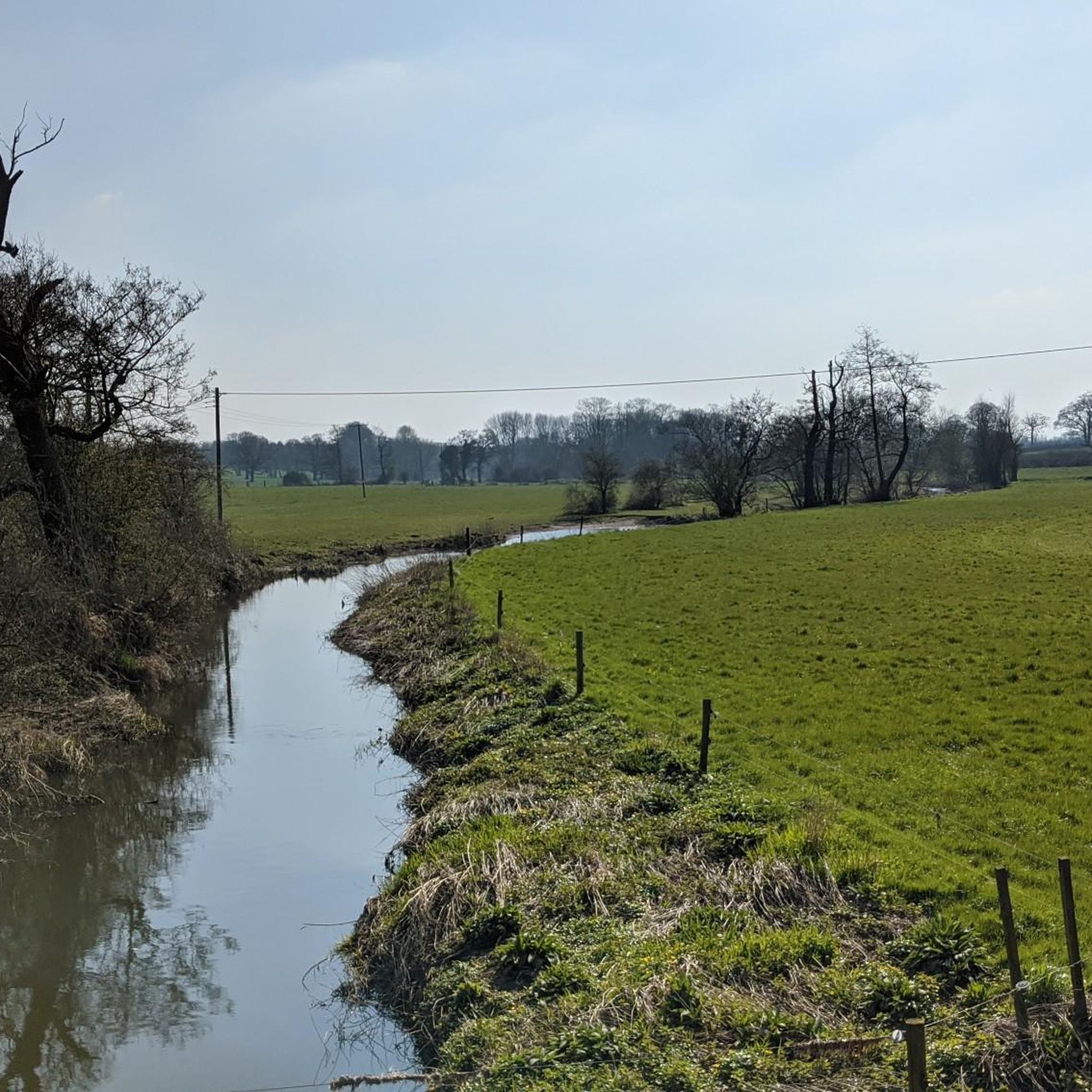
Best natural monuments around Barston are characterized by the village's largely unspoiled rural appearance and picturesque surroundings. The area's natural charm stems from its pastoral landscape and the prominent River Blythe, which forms part of its natural boundaries. While specific natural monuments like unique rock formations are not widely documented within Barston itself, the region offers a serene natural environment suitable for outdoor activities. The wider Solihull Metropolitan Borough includes more than 20 Local Nature Reserves, providing havens for wildlife…
Last updated: July 26, 2026
Kenilworth Castle Ruins
Highlight • Castle
Tip by

Berkswell Well
Highlight • Natural
Tip by
Sign up now to discover places like this
Get recommendations on the best single tracks, peaks, & plenty of other exciting outdoor places.
Sign up for free
Kenilworth Sandstone Railway Cutting
Highlight • Natural
Warwickshire Museum. Situated at the eastern end of the Kenilworth Greenway, the cycle and pedestrian path that runs south-east of the new …
Tip by
Clowes Wood and New Fallings Coppice
Highlight • Natural Monument
Tip by
Northern Entrance to Shrewley Tunnel
Highlight • Structure
Tip by
Sign up for free to discover even more natural monuments around Barston.
Sign up for free
Already have an account?
Start today with a free account
Your next adventure awaits.
Login or Signup

Tips from the Community

The area surrounding Castle Green offers picturesque views of the castle ruins and a greenery for visitors interested in England's rich history and architecture
0
0

Robert Langham (C16) - "The Castle has the name of Killingwoorth, but if truth grounded upon faithful story, Kenelwoorth [Kenilworth]. It stands in Warwickshire, a 74 mile North-West from London, and as it were in the navel of England, four mile somewhat South from Coventry a proper city, and a like distance from Warwick, a fair Shire town on the North. In air sweet and wholesome, raised on an easy-mounted hill, is set evenly coasted with the front straight into the East, has the tenants and town about it, that pleasantly shifts from dale to hill, sundry wherewith sweet springs burst forth; and is so plentiful and well sorted on every side into arable, meadow, pasture, wood, water, and good air, as it appears to have need of nothing that may pertain to living or pleasure."
1
0

This outcrop tells a story of when Kenilworth lay just north of the Equator in a semi-desert climate with market wet and dry seasons. Many buildings in Old Kenilworth, notably the Castle, the Abbey and St. Nicholas Church, are built of the local Kenilworth Sandstone that you can observe here.
1
0
Although much of it is still in ruins, it is definitely worth the visit, very accessible from the centre and with a good car park (paid) next to it. The castle, which was built between the beginning of Norman rule in England and the Tudor period, played a significant role in history.
1
0

Owned by English Heritage it has an interesting history
2
0
Nice for a walk and close to the the lake
1
0

Fantastic Castle, and a quick walk around the outside of the battlements at the start of this walk allows you to see what an imposing fortification this really is. Putting yourself in the place of someone laying siege to this Castle, its easy to see how much of a disadvantage you would be at even today. We didn't go inside the Castle, but it looks to be well run and lots of families were enjoying the Castle activities.
1
0

Kenilworth Sandstone exposed in Kenilworth old railway cutting Warwickshire Museum. Situated at the eastern end of the Kenilworth Greenway, the cycle and pedestrian path that runs south-east of the new Coventry Road bridge passes through a disused railway cutting, excavated partly through the local natural bedrock. This can seen in the banks adjacent to the path and consists of thick beds of red sandstone. This is the so-called Kenilworth Sandstone, dating back roughly 280 million years to the Permian Period. The sandstone originated as river sand, deposited on river floodplains at a time when what is now Warwickshire was much closer to the equator, and enjoyed a hot, semi-arid climate. The Kenilworth Sandstone was once quarried locally for building stone, and can be seen in many of the older buildings in and around the town. Kenilworth Castle is undoubtedly the best known example.
1
0
Frequently Asked Questions
What kind of natural features can I expect to see around Barston?
Barston's natural charm comes from its pastoral landscape, including the meandering River Blythe, various woodland areas, and open meadows. While distinct geological monuments are not widely documented within the village itself, the wider Solihull Metropolitan Borough offers numerous Local Nature Reserves. You can explore ancient woodlands like Clowes Wood and New Fallings Coppice, or geological formations such as the Kenilworth Sandstone Railway Cutting.
Are there any historical natural sites among Barston's monuments?
Yes, several natural sites around Barston also hold historical significance. The Berkswell Well, for instance, served as a vital water source for villagers until the mid-20th century and is linked to the village's historical naming. Additionally, the Kenilworth Sandstone Railway Cutting exposes geological features dating back 280 million years, with the sandstone historically quarried for local buildings like Kenilworth Castle.
What wildlife might I encounter in the natural areas near Barston?
In areas like Clowes Wood and New Fallings Coppice, you can find a rich variety of wildlife. This ancient woodland is home to over 50 bird species, including jays, chiffchaffs, and woodpeckers. Badgers reside in the woodland, and red foxes, muntjac deer, and brown hares are regular visitors. The area also boasts diverse wildflowers like bluebells and lily of the valley.
Are there family-friendly natural monuments or trails around Barston?
Many of the natural areas around Barston are suitable for families. Clowes Wood and New Fallings Coppice offers gentle trails through ancient woodlands, perfect for leisurely walks. The Kenilworth Sandstone Railway Cutting and Berkswell Well are also accessible and provide interesting historical and natural points for all ages to explore.
What outdoor activities can I do near these natural monuments?
The serene natural environment around Barston is ideal for various outdoor activities. You can enjoy peaceful walks along the River Blythe, explore woodland trails, or cycle through the picturesque countryside. For more structured routes, there are numerous options for cycling, gravel biking, and road cycling, with routes ranging from easy to difficult, such as the 'Packwood House – Wedge Bakery loop from Knowle' for an easy cycle.
Are there specific hiking trails or walking routes to explore the natural monuments?
While Barston itself is known for its general rural beauty, specific hiking trails often incorporate its natural features. You can find popular walking trails through the woodlands and meadows. For example, Clowes Wood and New Fallings Coppice offers a beautiful, peaceful hike. The terrain is generally gentle, making it accessible for walkers of various abilities. For more extensive routes, consider exploring the wider Solihull Metropolitan Borough's Local Nature Reserves.
What is the best time of year to visit Barston's natural monuments?
Barston's natural beauty can be enjoyed year-round, but spring and summer offer vibrant flora and milder weather, ideal for walks and outdoor activities. Autumn brings picturesque foliage, while winter provides a tranquil, crisp landscape. The best time depends on your preferred outdoor experience.
Are the natural monuments around Barston dog-friendly?
Many of the natural areas and trails around Barston are dog-friendly, allowing you to enjoy walks with your canine companion. Areas like Clowes Wood and New Fallings Coppice are popular for dog walks. Always ensure dogs are kept under control, especially near wildlife, and adhere to any local signage regarding leads or restrictions.
What makes <a href="https://www.komoot.com/highlight/2944565" target="_blank" rel="noopener">Clowes Wood and New Fallings Coppice</a> a significant natural monument?
Clowes Wood and New Fallings Coppice is significant as it has been wooded since the last ice age and was the first reserve acquired by the Warwickshire Wildlife Trust. It's a haven for biodiversity, featuring heathland, woodland, and wet meadow habitats. Visitors appreciate its peaceful atmosphere and the chance to see wildflowers, numerous bird species, badgers, and red foxes.
Can I find information about other Local Nature Reserves in the wider Solihull area?
Yes, while Barston itself offers a serene natural environment, the wider Solihull Metropolitan Borough boasts 23 Local Nature Reserves. These reserves provide additional havens for wildlife and spaces for relaxation and exploration. You can find more information about these reserves on the Solihull Council website: solihull.gov.uk/parks-and-open-spaces/local-nature-reserves-solihull.
What is the significance of the <a href="https://www.komoot.com/highlight/2882430" target="_blank" rel="noopener">Northern Entrance to Shrewley Tunnel</a> as a natural monument?
The cutting on the approach to the Northern Entrance to Shrewley Tunnel is designated as a Site of Special Scientific Interest (SSSI). It's protected by law for its geological importance, exposing a sequence of Arden sandstone from the late Triassic period. This site reveals ancient marine deposition conditions through its grey-green shales, siltstones, and dolomitic sandstones.
Are there any unique natural features related to bats near Barston?
Yes, there is a notable Bat Roost near Barston. This old structure has been converted to provide a potential home for bats, highlighting their plight and the importance of conservation efforts for these enigmatic creatures.
Most popular attractions around Barston

Get inspired with the komoot mobile app


Explore more
Extend your search for the best caves by checking out these guides of the top ones around Barston:
