Top 4 Natural Monuments around Burnham Without
Best natural monuments around Burnham Without are found within a diverse landscape featuring hills, coastal areas, and the Somerset Levels. This region includes significant parts of the Mendip Hills Area of Outstanding Natural Beauty. Visitors can explore prominent geological formations, expansive viewpoints, and unique coastal environments. These areas offer opportunities to experience the natural beauty and varied terrain of Somerset.
Best natural monuments around Burnham Without
- The most popular natural monuments is Crook Peak, a natural monument that is…
Last updated: July 26, 2026
Wavering Down Trig Point
Highlight • Natural Monument
Tip by

Crook Peak
Highlight • Natural Monument
Tip by
Sign up now to discover places like this
Get recommendations on the best single tracks, peaks, & plenty of other exciting outdoor places.
Sign up for free
Brean Down Steps
Highlight • Trail
These are also part of the England Coast Path.
Tip by

Start today with a free account
Your next adventure awaits.
Login or Signup
Tips from the Community


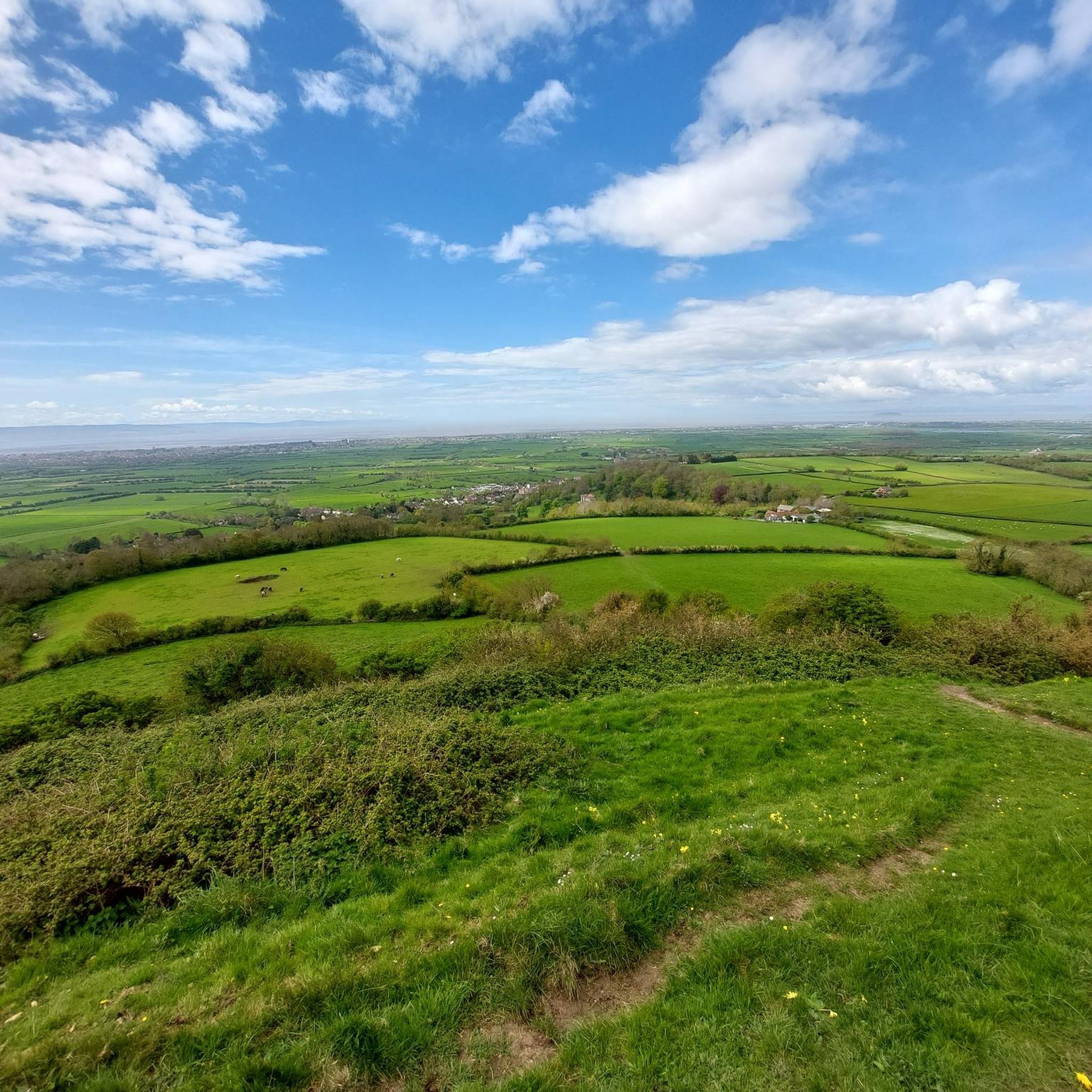
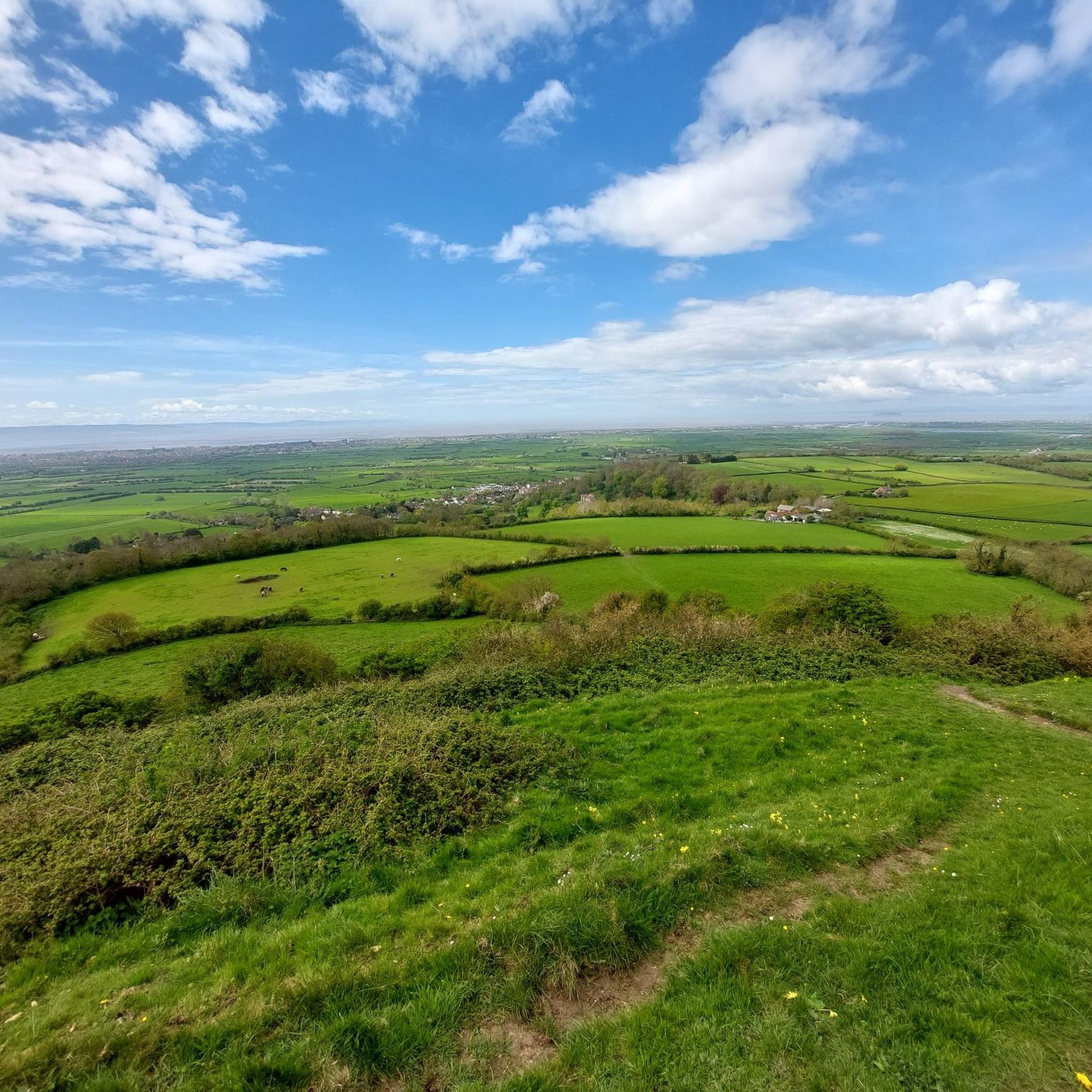
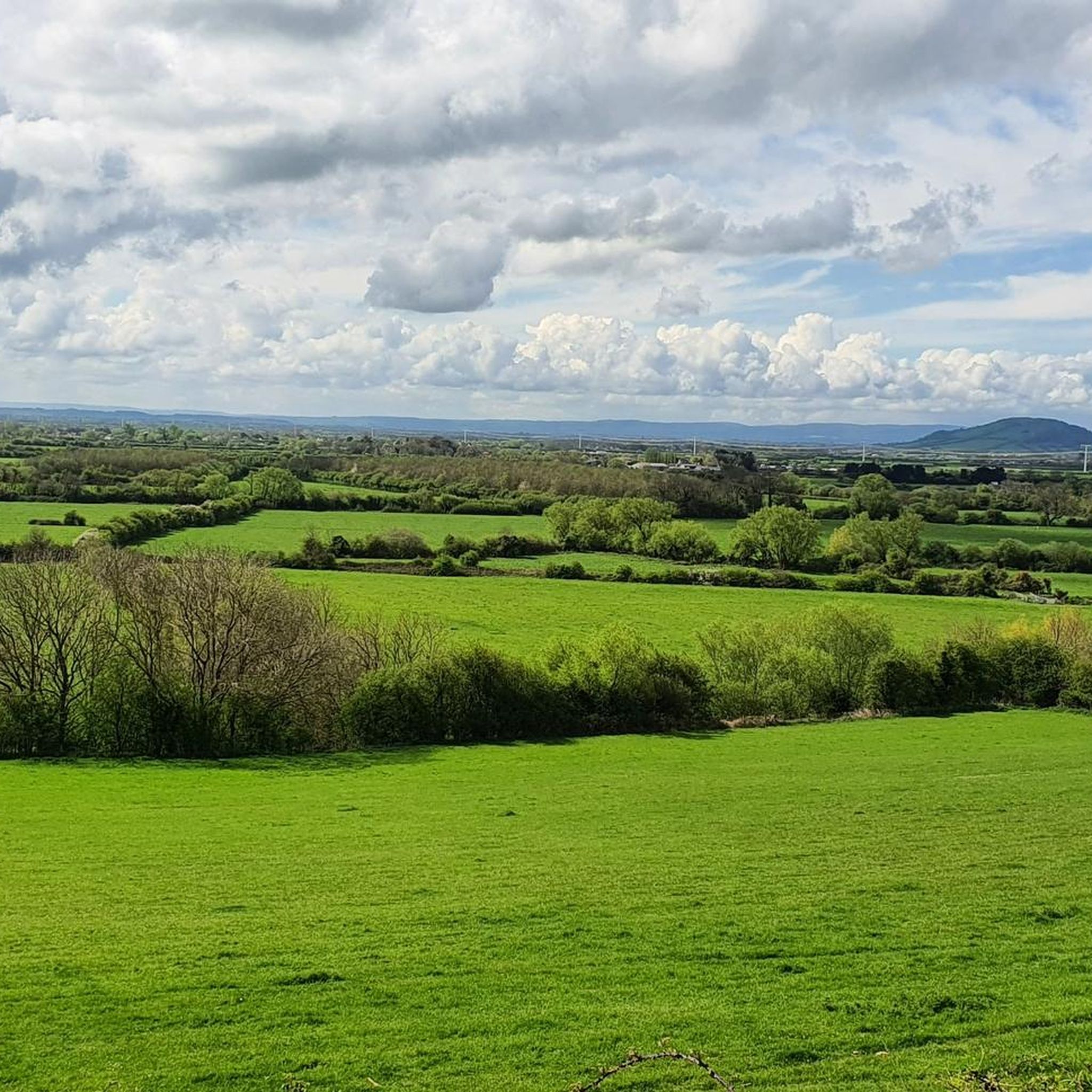
Sticking out from the end from the ridge of rock that runs from the Mendips Crook Peak offers views over from Exmoor too Wales. A particularly great ride from Wavering down back along the ridge.
1
0

„Yesterday, upon the stair, I met a man who wasn't there He wasn't there again today I wish, I wish he'd go away... When I came home last night at three The man was waiting there for me But when I looked around the hall I couldn't see him there at all! Go away, go away, don't you come back any more! Go away, go away, and please don't slam the door... Last night I saw upon the stair A little man who wasn't there He wasn't there again today Oh, how I wish he'd go away...“ Hughes MEARNS: „Antigonish“ [I met a man who wasn't there]
0
0

Excellent summit, run from either the car park below or over the ridge from Weavering Down. The top is rocky with great views over towards the Mendips, out to Weston Super Mare and the sea and down the M5.
0
0


Wavering Down is a part if the large area adjoining to Crook Peak which is a geological and biological Site of Special Scientific Interest near the western end of the Mendip Hills Area of Outstanding Natural Beauty in Somerset. As part of the nature reserve management there are wild ponies and sheep grazing to protect the rare plants and flowers that the grassland supports. It is important to keep your dog under close control and on a lead at all times on Wavering Down and Crook Peak. Most of the site is owned by the National Trust who bought 725 acres (293 ha) in 1985, and much of it has been designated as common land. It was notified as an SSSI by Natural England in 1952. The ecology of the area includes ancient woodland and calcareous grassland which supports nationally rare species including the Cheddar pink. The underlying rocks are Carboniferous Limestone containing phreatic caves at Shute Shelve Cavern and Picken's Hole from which fossils dating from the Middle Devensian have been recovered.
3
2
Frequently Asked Questions
Which natural monuments offer the most impressive panoramic views?
For breathtaking panoramic views, consider visiting Crook Peak, which provides vistas across the Somerset Levels and the Bristol Channel. Wavering Down Trig Point also offers extensive views, including a glimpse of Cheddar reservoir. Additionally, Brean Down provides commanding views over Weston Bay and Berrow Flats, with Steep Holm and Flat Holm islands visible out to sea.
What unique natural features can I expect to see at these monuments?
The natural monuments around Burnham Without showcase diverse features. Crook Peak is known for its distinctive tilting series of miniature limestone escarpments. Both Crook Peak and Wavering Down are part of a Site of Special Scientific Interest (SSSI) with calcareous grassland supporting rare plants and flowers. The nearby Burnham-on-Sea beach and estuary, while not a traditional monument, features vast mudflats and one of the world's largest tidal ranges, creating a unique environment for wading birds.
Are there family-friendly activities or walks suitable for children near these natural monuments?
Many of the natural monuments offer opportunities for family-friendly walks, particularly on the open common land of Wavering Down and Crook Peak. The extensive beach at Burnham-on-Sea is also popular for families, especially at low tide. For easier walks, consider routes like the 'Burnham-on-Sea Beach – Burnham-on-Sea Pier loop' which is rated easy and can be found in the Hiking around Burnham Without guide.
Can I bring my dog to the natural monuments?
Yes, dogs are generally welcome, but it's important to keep them under close control and on a lead at all times, especially on Wavering Down and Crook Peak. These areas are nature reserves where wild ponies and sheep graze to protect rare plants and flowers.
What outdoor activities can I do near the natural monuments around Burnham Without?
The area offers a variety of outdoor activities. You can enjoy hiking on the hills and coastal paths, with options ranging from easy to moderate. For example, the 'Burnham-on-Sea Pier – Burnham Jetty loop' is a moderate hike. There are also numerous running trails, such as the 'Lifeboat loop from Burnham-on-Sea', and road cycling routes, including the 'Cheddar Gorge, Burrington Coombe & Weston Super Mare loop'. You can find more details in the Hiking, Running, and Road Cycling guides around Burnham Without.
What is the best time of year to visit the natural monuments in this region?
The natural monuments around Burnham Without can be enjoyed year-round. Spring and summer are ideal for observing the rare plants and flowers on the Mendip Hills and for coastal walks. Autumn offers beautiful colours, while winter can provide crisp views, though conditions may be more challenging on exposed hills like Crook Peak and Wavering Down. The significant tidal range at Burnham-on-Sea beach means low tide reveals vast mudflats, which can be observed at any time of year.
Are there any historical sites associated with these natural monuments?
Yes, Brean Down is home to Brean Down Fort, built in 1865, which offers a glimpse into the area's defensive history. The beach at Burnham-on-Sea also holds historical remnants of Mulberry Harbours, used during D-Day and later repurposed as sea defenses.
How long does it typically take to explore these natural monuments?
The time required varies depending on the monument and your activity. A walk to the summit of Crook Peak or Wavering Down can take a few hours for a round trip, allowing time to enjoy the views. Exploring the full length of Brean Down, including the fort, could be a half-day excursion. Shorter, easier walks are also available, such as the 'Burnham-on-Sea Beach – Burnham-on-Sea Pier loop' which is around 5 km.
What are the accessibility considerations for visiting these natural monuments?
Many of the natural monuments, such as Crook Peak and Wavering Down, involve open common land with rocky or uneven terrain, making them less suitable for wheelchairs or those with significant mobility challenges. Brean Down Steps are steep, though they quickly lead to the top. The extensive sandy beach at Burnham-on-Sea may offer more accessible sections, but conditions vary with the tide.
Are there any specific wildlife or plant species to look out for?
Yes, the Mendip Hills, including Crook Peak and Wavering Down, are part of an SSSI known for calcareous grassland that supports nationally rare species like the Cheddar pink. Wild ponies and sheep graze here as part of nature reserve management. The Severn Estuary, near Burnham-on-Sea, is a significant habitat for wading birds such as grey plover and Eurasian curlew, especially visible on the mudflats at low tide.
Where can I find accommodation or places to eat near the natural monuments?
Burnham-on-Sea, being a coastal town, offers various accommodation options, cafes, and pubs. Smaller villages and towns surrounding the Mendip Hills and coastal areas also provide choices. While specific establishments are not listed here, you will find amenities within a reasonable driving distance of the natural monuments.
What are the geological origins of the Mendip Hills natural monuments?
The Mendip Hills, where Crook Peak and Wavering Down are located, are primarily formed from Carboniferous Limestone. This geological composition is responsible for features like the distinctive limestone escarpments at Crook Peak and the presence of phreatic caves, such as Shute Shelve Cavern, which have yielded fossils.
Most popular attractions around Burnham Without

Get inspired with the komoot mobile app


Explore more
Extend your search for the best caves by checking out these guides of the top ones around Burnham Without:
