Top 5 Natural Monuments around Dunkirk
Best natural monuments around Dunkirk are characterized by extensive coastal dune systems and diverse natural environments. These areas offer unique opportunities for nature exploration and birdwatching. The region features a blend of natural beauty and historical significance, with preserved ecosystems supporting varied flora and fauna. It serves as an important stopover for migratory birds.
Best natural monuments around Dunkirk
- The most popular natural monuments is Millennium Stone and Wye Crown viewpoint, a natural monument that sits directly above the…
Last updated: November 12, 2026
Bluebells in King's Wood
Highlight • Natural Monument
Tip by

Millennium Stone and Wye Crown viewpoint
Highlight • Natural Monument
Tip by
Sign up now to discover places like this
Get recommendations on the best single tracks, peaks, & plenty of other exciting outdoor places.
Bigbury Camp hillfort
Highlight • Historical Site
Tip by
View of the Valley, Kent Downs National Landscape
Highlight (Segment) • Viewpoint
Tip by

View of Wye from the North Downs Way
Highlight • Forest
Tip by

Sign up for free to discover even more natural monuments around Dunkirk.
Already have an account?
Start today with a free account
Your next adventure awaits.
Tips from the Community

Great views from this historic monument
0
0


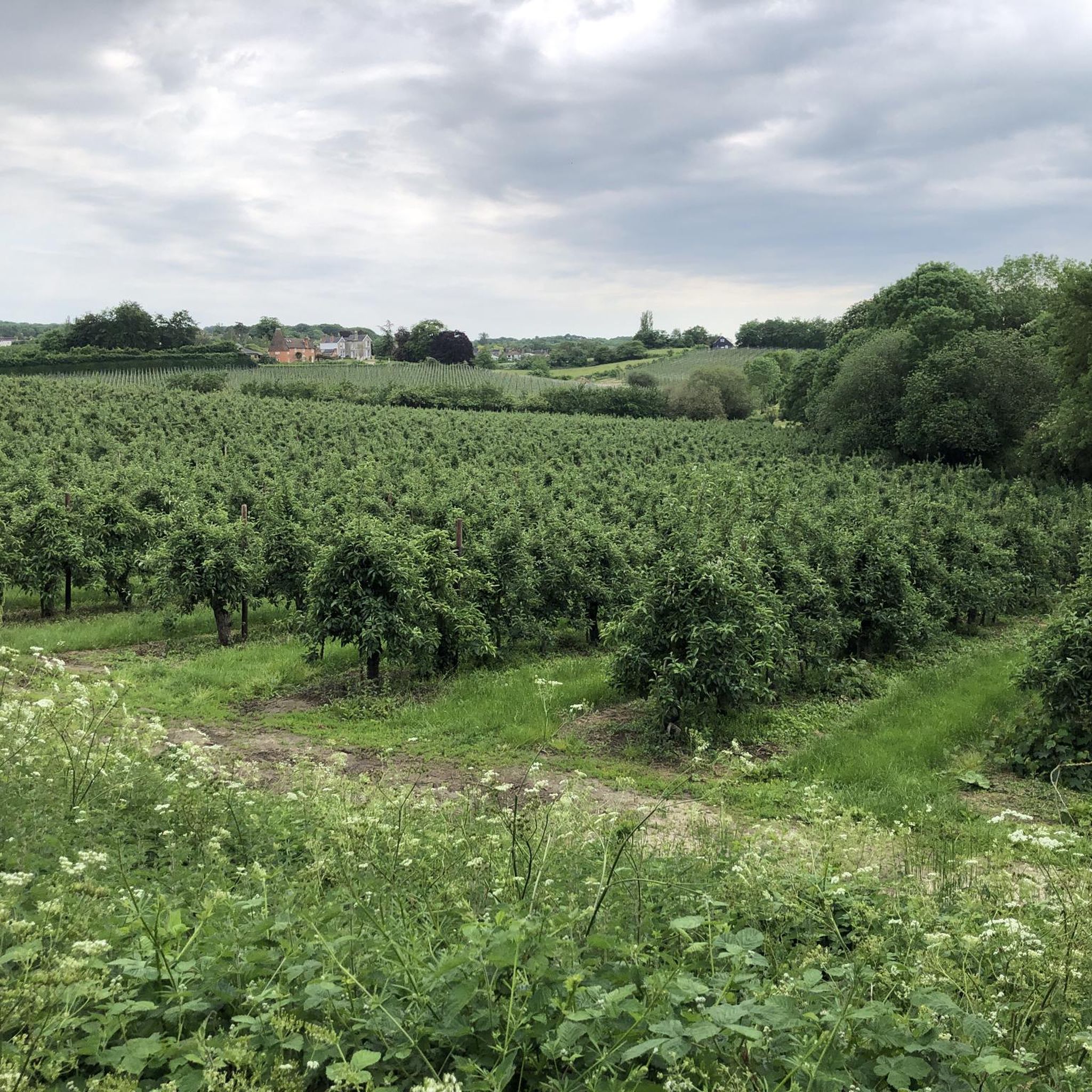
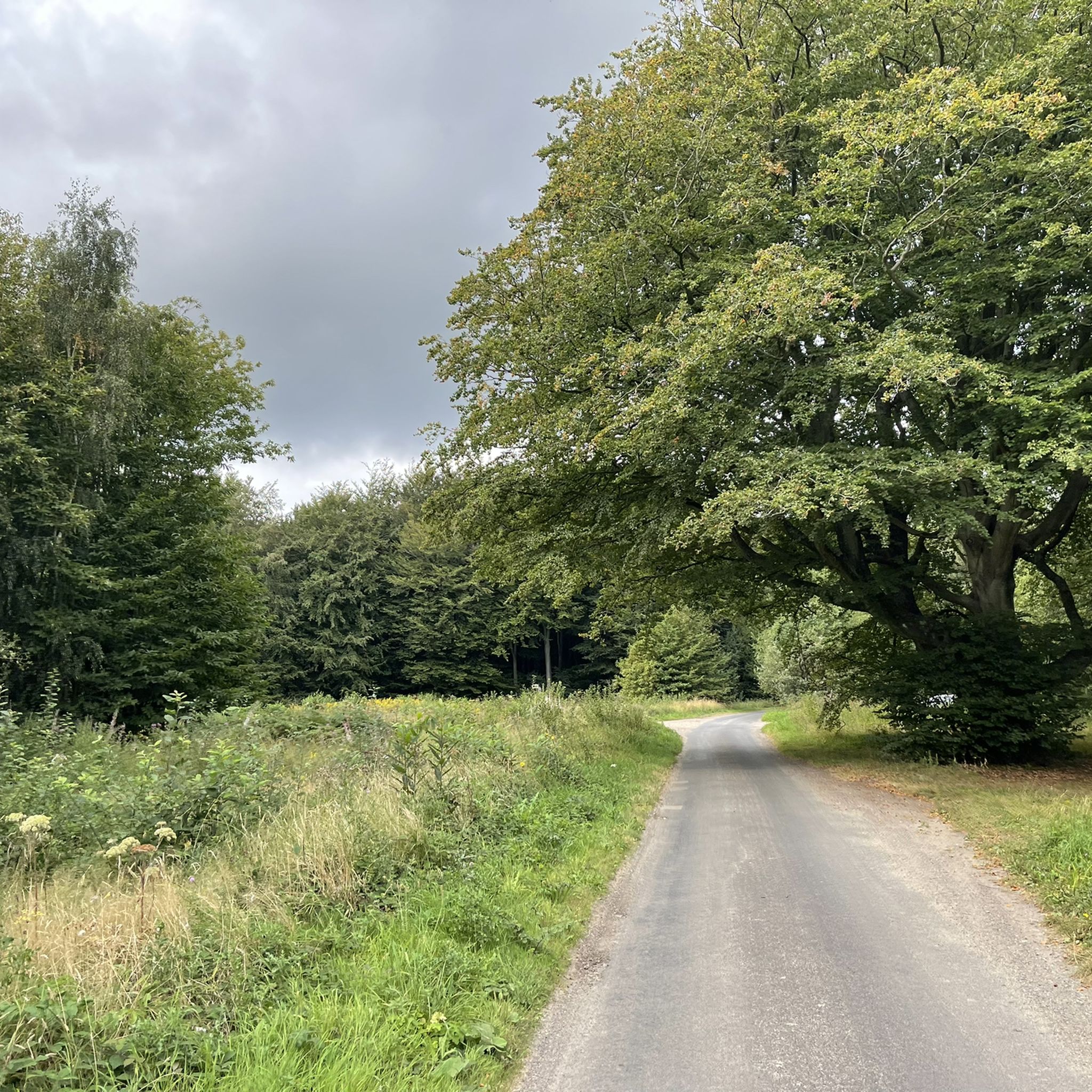
This stunning stretch of the North Downs Way offers breathtaking views over Wye. In spring, the forested path comes alive with a vibrant display of bluebells.
1
0

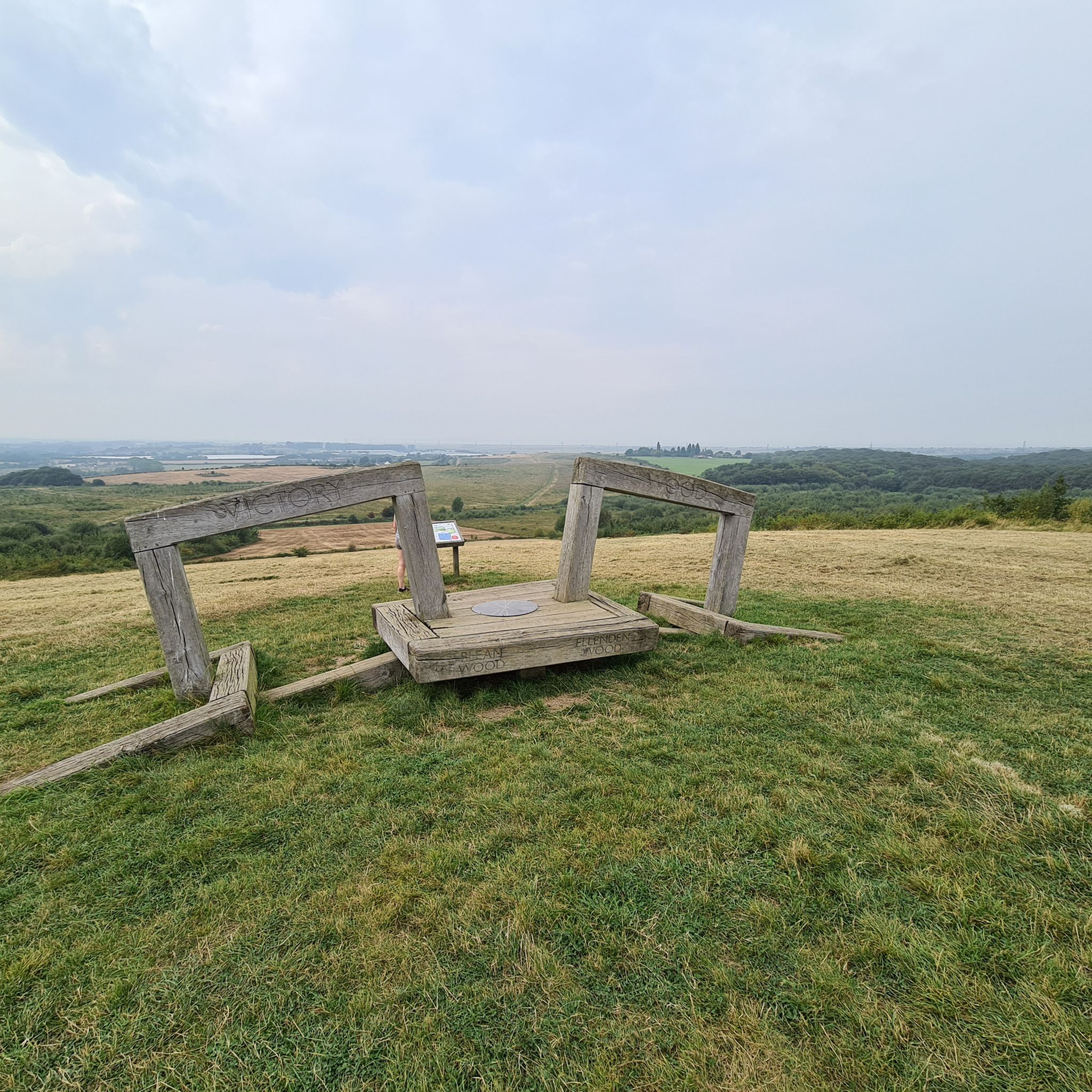
A view point with a topograph.
0
0


Originally used as a royal hunting wood (hence the name), King's Wood is now much better used for hunting unique art pieces along its sculpture trail. However, If you do have a keen eye and a quiet step, you may still have a chance to see its last remaining herd of fallow deer. Rest assured, they are safe from hunters nowadays.
0
0
The route follows the chalk ridge that forms the North Downs between Farnham and Dover and the trail is jointly managed by both Surrey and Kent county councils and will be supported by, pending its formal establishment as a new statutory agency, Natural England
1
0
This very spot witnessed the official opening of the North Downs Way in 1978
1
0
Frequently Asked Questions
What are the most prominent natural monuments around Dunkirk?
The Dunkirk region is renowned for its extensive coastal dune systems. Key natural monuments include the vast Dunes of Flanders, encompassing areas like Dune Dewulf, Marchand, and Perroquet, which offer unique ecosystems and historical traces. Another significant site is the Platier d'Oye National Nature Reserve, an ornithological paradise with diverse landscapes. While primarily a historical site, Fort des Dunes is also notable for its setting within a preserved dune area.
Are there good hiking opportunities near Dunkirk's natural monuments?
Yes, the natural monuments around Dunkirk offer excellent hiking opportunities. The Dunes of Flanders, including Dune Dewulf, have established walking paths. The Platier d'Oye National Nature Reserve also features easily accessible paths ideal for exploring its diverse landscapes. For more detailed route options, you can explore various running trails and cycling routes in the wider Dunkirk area.
What kind of wildlife can I expect to see in these natural areas?
Dunkirk's natural monuments are rich in biodiversity. The Dunes of Flanders are home to protected flora and fauna, such as the natterjack toad, grayling butterfly, and various orchid species. They are also a crucial stopover for migratory birds. The Platier d'Oye National Nature Reserve is particularly known as an ornithological paradise, with over 230 bird species observed, alongside 20 mammal species and 361 species of plants.
Are the natural monuments around Dunkirk suitable for families?
Many of Dunkirk's natural monuments are family-friendly. The diverse landscapes and accessible paths in areas like the Dunes of Flanders and the Platier d'Oye National Nature Reserve provide opportunities for walks and nature observation suitable for all ages. The combination of nature and history at sites like Fort des Dunes can also be engaging for families.
What is the best time of year to visit Dunkirk's natural monuments?
The best time to visit Dunkirk's natural monuments largely depends on your interests. Spring and autumn are ideal for birdwatching, especially at the Platier d'Oye National Nature Reserve, due to migratory patterns. Spring also brings blooming flora, such as the bluebells in King's Wood (though this specific highlight is not in Dunkirk, it illustrates the seasonal beauty). Summer offers pleasant weather for hiking and exploring the dunes, while winter can provide a unique, tranquil experience, though some facilities might have reduced hours.
Can I find historical sites within or near the natural monuments?
Yes, Dunkirk's natural monuments often blend natural beauty with historical significance. The Dunes of Flanders bear historical traces, including military vestiges along the coast. Most notably, Fort des Dunes in Leffrinckoucke is a 19th-century military fortification nestled within a significant dune area, offering both historical exploration and natural walks. It played a role in World War II's Operation Dynamo.
Are there specific natural features or viewpoints worth seeking out?
The region offers several natural features and viewpoints. The extensive dune systems themselves, with their white, grey, and wooded dunes, are a primary feature. At Fort des Dunes, you can find panoramic views of the adjacent dunes and the sea. While not directly in Dunkirk, the Millennium Stone and Wye Crown viewpoint offers incredible views across Romney Marshes to the English Channel, showcasing the type of scenic vistas available in similar natural settings.
What kind of activities can I do at the Platier d'Oye National Nature Reserve?
The Platier d'Oye National Nature Reserve is ideal for hiking, cycling, and especially birdwatching. Its unique ecosystem, with coastal dunes, marshes, tidal flats, and wet grasslands, provides a rich environment for nature lovers. Easily accessible paths and guided tours are available, making it a prime spot for observing rare flora and fauna.
Where can I learn more about the Dunes of Flanders?
You can find more information about the Dunes of Flanders, including specific areas like Dune Marchand, through local tourism resources. For example, the Dunkirk tourism website provides details on the Reserve Naturelle Dune Marchand.
Are there any specific cycling routes that explore the natural monuments?
Yes, the region around Dunkirk offers various cycling routes that allow you to explore its natural beauty. While specific routes directly through the most sensitive natural monument areas might be restricted to walking, many gravel biking and cycling guides in the broader Dunkirk area will take you through scenic landscapes adjacent to these natural sites.
What makes the Dunes of Flanders unique?
The Dunes of Flanders are considered unique in France due to their vastness (over 1,000 hectares) and exceptional dune ecosystem. They feature diverse dune types, from white dunes dominated by marram grass to grey dunes with moss and wooded dunes with sea buckthorn. This diversity supports a wide array of protected flora and fauna and serves as a vital migratory route for birds.
Most popular attractions around Dunkirk

Get inspired with the komoot mobile app


Explore more
Extend your search for the best caves by checking out these guides of the top ones around Dunkirk:
