Top 10 Natural Monuments around Swithland
Best natural monuments around Swithland include significant natural sites offering rich biodiversity and historical interest within Leicestershire. The area features ancient woodlands, prominent hill summits, and large freshwater bodies. These natural features contribute to a diverse landscape, providing opportunities for outdoor exploration and appreciation of the region's geology and ecology. Swithland's natural monuments are remnants of the ancient Charnwood Forest, characterized by mature trees, varied wildlife, and historical quarries.
Best natural monuments around Swithland
- The most popular natural monuments is…
Last updated: August 9, 2026
Beacon Hill Summit
Highlight • Natural Monument
Situated just 2 miles from …
Tip by

Bradgate Park
Highlight • Settlement
Tip by

Sign up now to discover places like this
Get recommendations on the best single tracks, peaks, & plenty of other exciting outdoor places.
Sign up for free
Swithland Wood
Highlight • Natural Monument
Tip by

Bardon Hill Trig Point
Highlight • Volcano
Tip by

Groby Pool
Highlight • Lake
Tip by

Sign up for free to discover even more natural monuments around Swithland.
Sign up for free
Already have an account?
Start today with a free account
Your next adventure awaits.
Login or Signup
Tips from the Community

Cycling is only permitted on the one route through the park, which gets busy with walkers, take it slow in the park. Cafe and toilets in the middle.
2
0

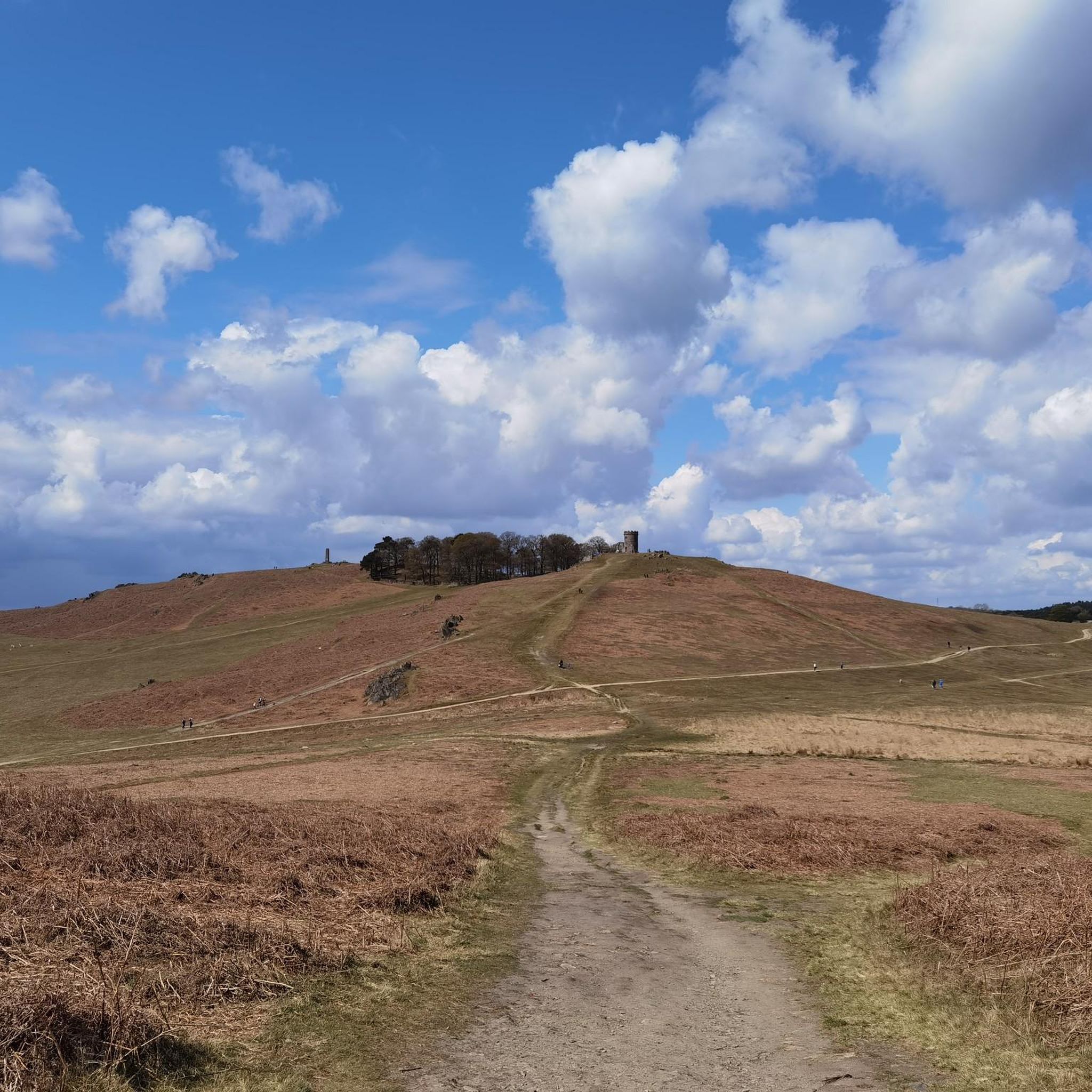
beacon hill country park great views at the top looking over Loughborough, cafe ,park for children, horse riding ,maze,
1
0

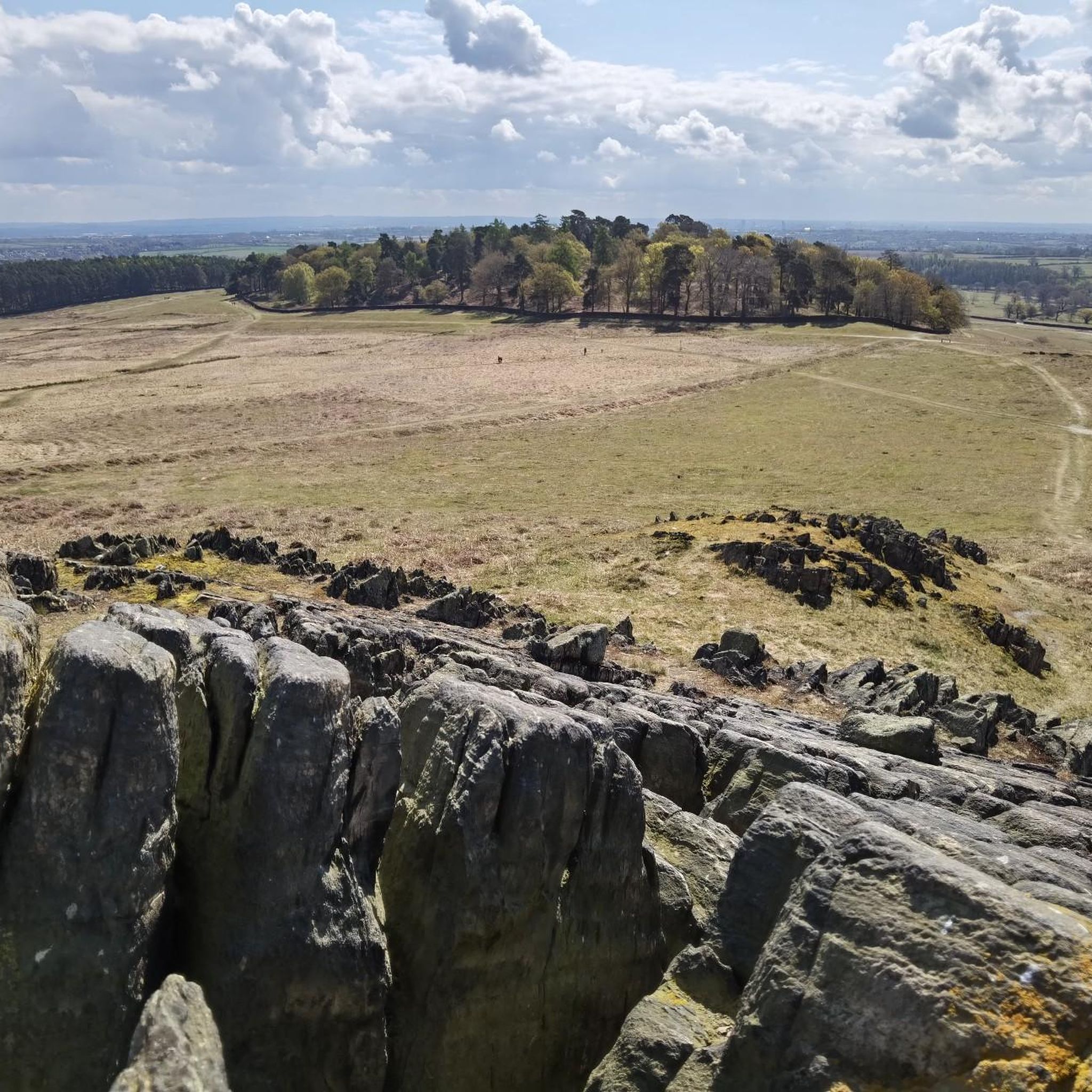
Bradgate Park was first enclosed as a deer park (for hunting) in the 12th Century. Herds of Red and Fallow Deer still roam freely across the Park's 800 acres today.The Park is designated as a Site of Special Scientific Interest for its importance as a wildlife habitat and its geological interest - the 600 million year old Precambrian rocks here are some of the oldest in England. Bradgate House, built around the year 1500, was one of the first unfortified, brick-built country houses in the country and was the childhood home of Lady Jane Grey and played an important role in the English Civil War. Abandoned in the 18th Century, the house is now an evocative ruin set in a landscape that has changed little since the house's heyday.
4
0

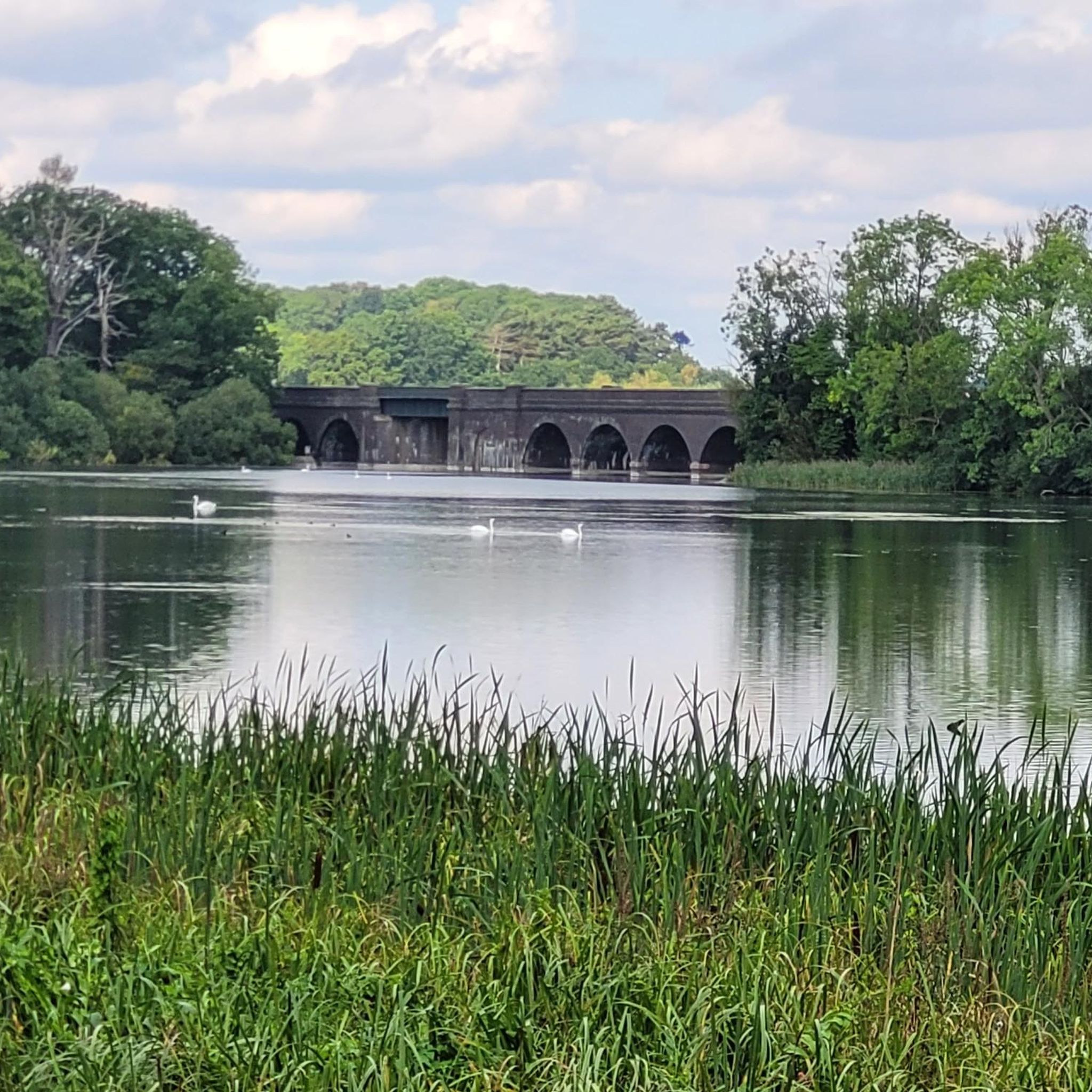
The building across the water, Pool House, is a Grade II listed building.
1
0
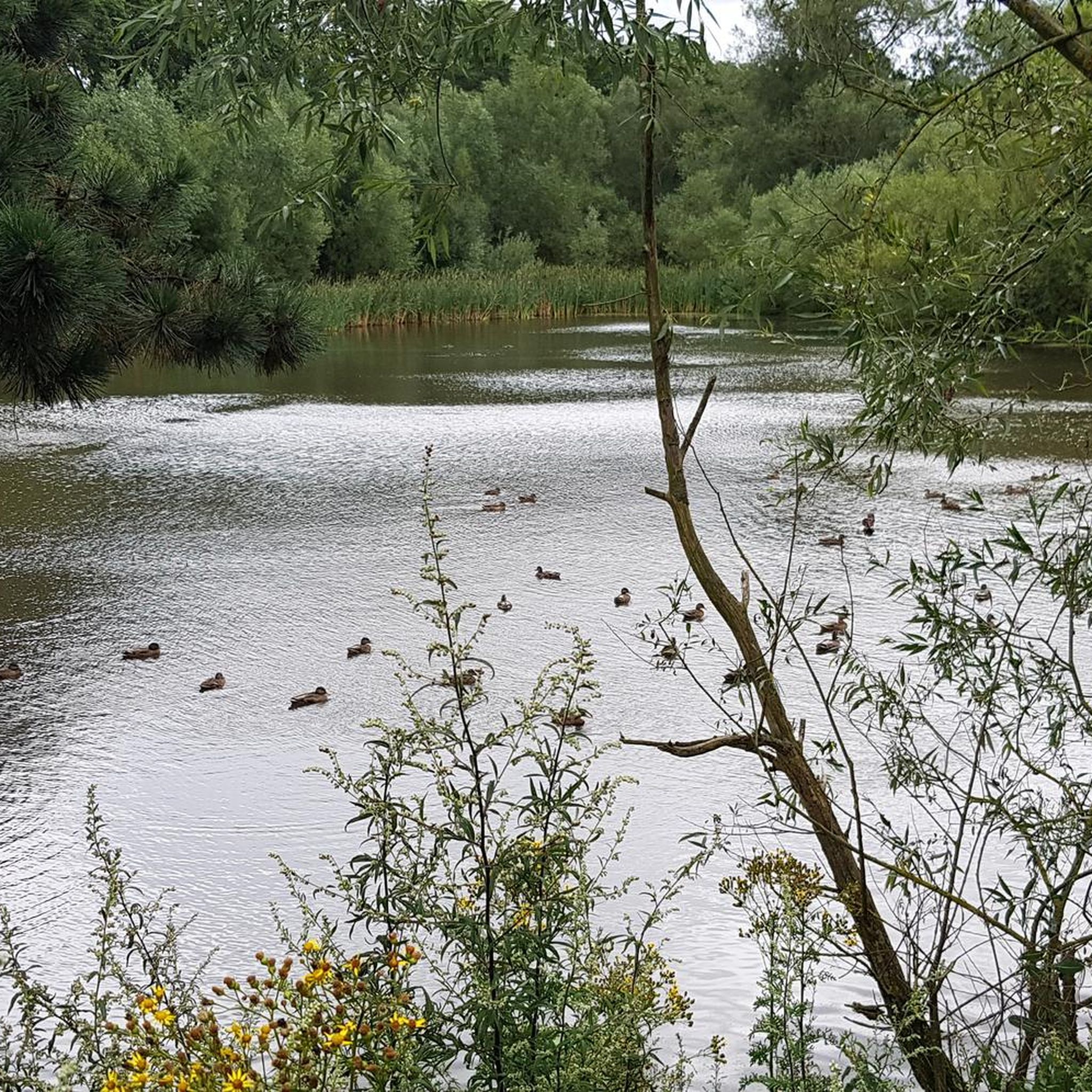
The first recorded reference to Groby Pool was in 1295, and there is evidence of a mill associated with Groby Pool from that time until the 1900s. The last was a saw mill in Sheet Hedges Wood.
1
0

Beacon Hill is a tremendous viewpoint and the second highest peak in Leicestershire. It showcases spectacular views of Charnwood Forest, the Soar Valley and beyond. Situated just 2 miles from the M1 motorway and a stone's throw away from Loughborough, the peak offers superb accessibility for those seeking fabulous views with minimal effort.
2
0

Swithland Wood (situated directly across the road on the northern side of Bradgate Park) was one of the first disposals of the Bradgate Estate by the Grey family in 1921. It was purchased by a local timber merchant who felled much of the timber. To prevent the removal of further timber, and to conserve the Wood as one of the most wildlife rich and attractive woodlands in Leicestershire, The Rotary Club of Leicester launched an appeal for its purchase to ensure public access into the future.
0
0
Frequently Asked Questions
What are the most popular natural monuments around Swithland?
Among the most popular natural monuments are Beacon Hill Summit, offering expansive views across Charnwood Forest, and Swithland Wood, an ancient woodland known for its ecological significance. Visitors also frequently explore Bardon Hill Trig Point, the highest point in Leicestershire, which is part of an eroded volcano.
Are there family-friendly natural monuments to visit near Swithland?
Yes, several natural monuments are suitable for families. Swithland Wood is a great option with its network of footpaths, and Beacon Hill Summit offers accessible trails and panoramic views that children often enjoy. Groby Pool also provides a pleasant natural setting for family outings.
What natural features can I expect to see in the Swithland area?
The Swithland area boasts diverse natural features. You can explore ancient woodlands like Swithland Wood, which is a Site of Special Scientific Interest. There are also prominent hill summits such as Beacon Hill Summit and Bardon Hill Trig Point, offering extensive views. Additionally, large freshwater bodies like Swithland Reservoir and Groby Pool provide habitats for diverse wildlife.
What is the best time of year to visit Swithland Wood?
The best time to visit Swithland Wood is during spring, particularly when the traditional native bluebells are in bloom. This creates a spectacular visual display and enhances the natural beauty of the ancient woodland.
Are there opportunities for hiking near Swithland's natural monuments?
Yes, the area offers numerous hiking opportunities. You can find trails around Beacon Hill Summit and within Swithland Wood. For more options, explore hiking routes like the 'Swithland Wood – Swithland Reservoir loop' or the 'Beacon Hill Summit – The Outwoods loop'. You can find detailed hiking guides for the region at Hiking around Swithland.
Can I go cycling or mountain biking near these natural monuments?
Absolutely. The Swithland area provides excellent routes for both gravel biking and mountain biking. Consider trails such as the 'Swithland Reservoir – Swithland Reservoir loop' or the 'Beaumanor Hall – Beacon Hill Summit loop'. Discover more cycling options in the Gravel biking around Swithland guide.
What historical aspects are associated with the natural monuments in Swithland?
The natural monuments in Swithland have rich historical connections. Swithland Wood was historically a significant source of Swithland slate, used in many local buildings. It also features medieval ridge and furrow patterns, indicating past agricultural use. Swithland Reservoir, constructed in the late 19th century, includes an ornamental stone bridge and valve tower as part of its original pumping station complex.
Are there any viewpoints offering panoramic vistas?
Yes, the region is known for its excellent viewpoints. Beacon Hill Summit is a tremendous viewpoint, offering expansive views across Charnwood Forest and the Soar Valley. Bardon Hill Trig Point, the highest point in Leicestershire, also provides panoramic views that can extend for many miles on clear days.
Are dogs allowed on trails around Swithland's natural monuments?
Many trails in the Swithland area are dog-friendly. For instance, Swithland Wood is popular for dog walking, though dogs should be kept on leads to protect wildlife. Always check local signage for specific regulations at each natural monument.
What kind of wildlife can be observed at Swithland Reservoir?
Swithland Reservoir is a haven for waterbirds and birdwatchers. In winter, you can observe varied wildfowl numbers, including Tufted Duck, Goldeneye, Wigeon, Teal, and Gadwall. It's also a reliable spot to see Peregrine Falcons, Mandarins, Cormorants, and Little Egrets.
Where can I find easy walks suitable for beginners or those seeking a gentle stroll?
For easy walks, Swithland Wood offers gentle footpaths, especially during the bluebell season. The trails around Beacon Hill Summit are also relatively accessible for those seeking views with minimal effort. Consider the 'Swithland Wood – Swithland Wood loop from Newtown Linford' for a straightforward option.
Are there any unique geological features in the Swithland area?
Yes, the Swithland area is geologically interesting. Bardon Hill Trig Point is notably part of the eroded remains of a volcano. Swithland Wood contains historical quarries, including the 'Great Pit' which is over 55 meters deep and has since flooded, showcasing the region's past slate mining industry.
Most popular routes around Swithland
Most popular attractions around Swithland

Get inspired with the komoot mobile app


Explore more
Extend your search for the best caves by checking out these guides of the top ones around Swithland:
