Top 5 Natural Monuments around Linton
Best natural monuments around Linton showcase a diverse landscape, featuring ancient historical sites, serene woodlands, and significant water bodies. The region's natural attractions provide opportunities to explore both natural beauty and historical context. Visitors can discover a variety of natural monuments, from prehistoric structures to nature reserves. These sites offer insights into the area's geology and past.
Best natural monuments around Linton
- The most popular natural monuments is Furnace Pond, a natural monument that once powered one of the…
Last updated: November 12, 2026
Little Kit's Coty House
Highlight • Monument
en.wikipedia.org/wiki/Little_Kit%27s_Coty_House
Tip by

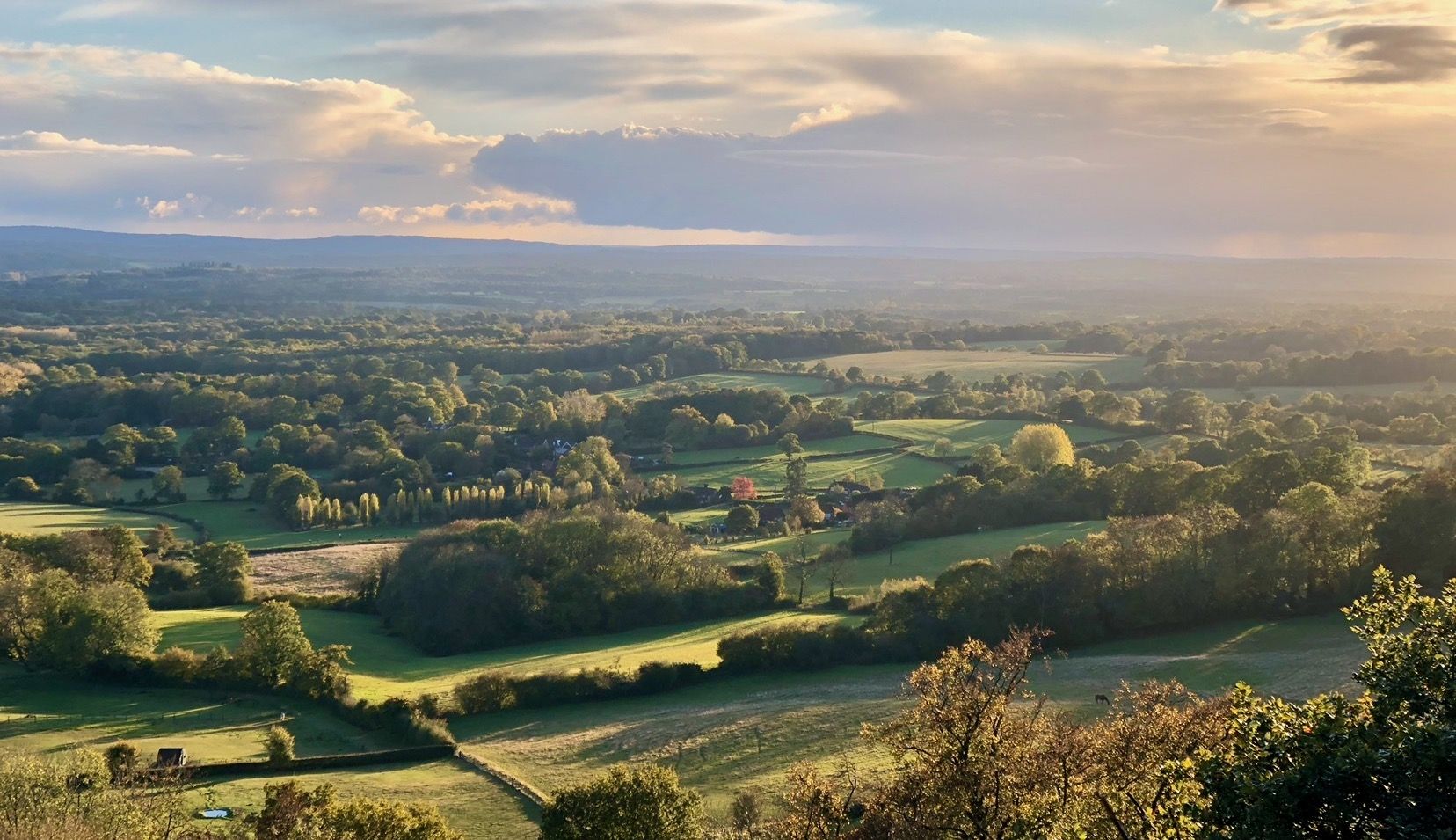
View of Kent Downs from Boxley Hill
Highlight • Forest
Tip by

Sign up now to discover places like this
Get recommendations on the best single tracks, peaks, & plenty of other exciting outdoor places.
Furnace Pond
Highlight • Natural Monument
Tip by

Westfield Wood Nature Reserve
Highlight • Natural Monument
Tip by

Lady Baillie Mediterranean Garden
Highlight • Natural
Translated by Google •
Tip by

Sign up for free to discover even more natural monuments around Linton.
Already have an account?
Start today with a free account
Your next adventure awaits.
Other adventures around Linton

Tips from the Community

A detailed description of the history of the two Stone Age sites, which are now known under the – historically inexplicable – names “Kit's Coty House” and “Little Kit's Coty House”, is available for the culture-loving hiker on the following official website: => https://www.english-heritage.org.uk/visit/places/kits-coty-house-and-little-kits-coty-house/history/
0
0

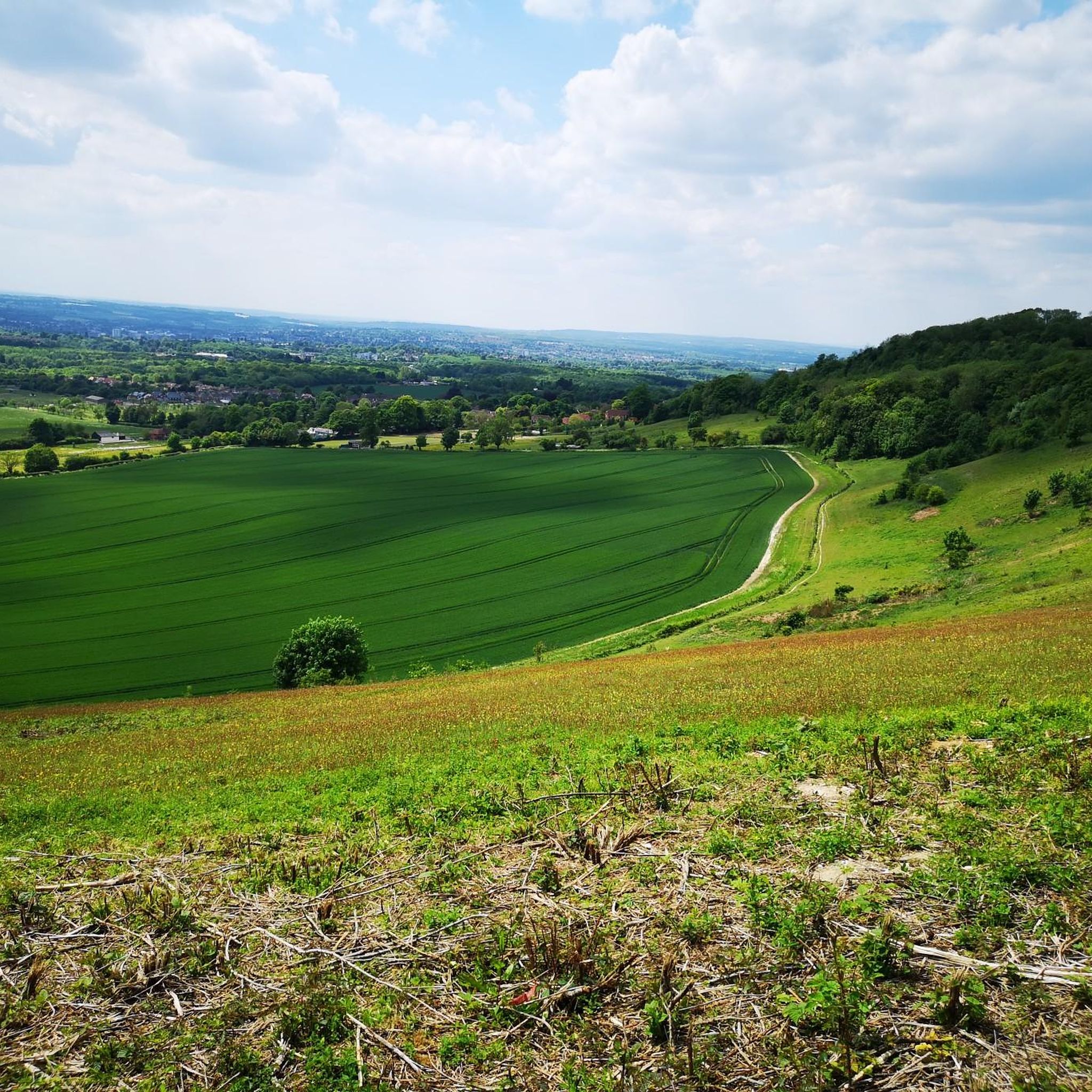
Boxley Warren is a 83-hectare Local Nature Reserve north of Maidstone in Kent
0
0

Part of the Pilgrim’s Way, this is a stunning viewpoint from Boxley Hill overlooking the Kent Downs.
1
0

The garden opened in 1999 and was designed by Christopher Carter on the site of Lady Baillie's original aviary and is Mediterranean in style.
1
0

Water from this pond once pond once powered one of the largest iron works in the Weald employing over 200 men. In 1614 its owner, John Brown, was granted the monopoly of making iron and brass guns for the navy.
1
0

Little Kit's Coty House, also known as Lower Kit's Coty House and the Countless Stones, is a chambered long barrow. Constructed circa 4000 BCE, during the Early Neolithic period of British prehistory, today it survives in a ruined state. https://en.wikipedia.org/wiki/Little_Kit%27s_Coty_House Only 1 km away you find Kit's Coty House https://www.komoot.de/highlight/941356
2
0

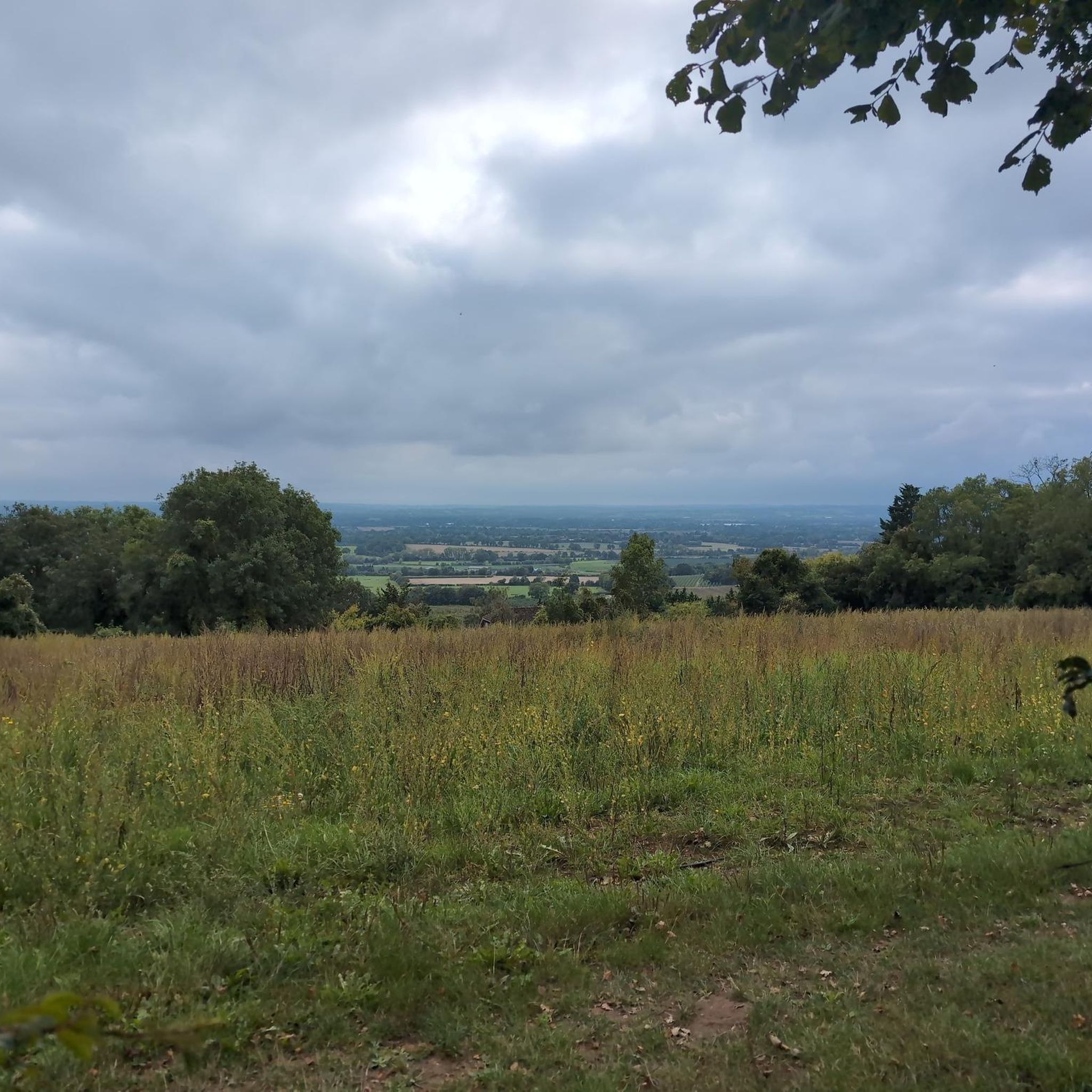
Westfield Wood is a serene nature reserve that is part of an internationally-important yew woodland. The central part of the wood is occupied by a dense yew trees interspersed with mature ash, beech, field maple, wild cherry, and oak. Some of the mature beech trees are fine specimens. Others, which died in a bad storm in 1987, provide important dead wood habitat for many insects and fungi.
1
0
Frequently Asked Questions
What types of natural monuments can I explore around Linton?
Around Linton, you can explore a diverse range of natural monuments. These include historical sites like the ancient Little Kit's Coty House, serene woodlands such as Westfield Wood Nature Reserve, and significant water bodies like Furnace Pond. The area offers a mix of natural beauty and historical context.
Are there any natural monuments with historical significance in the Linton area?
Yes, Linton is rich in historical natural monuments. You can visit Little Kit's Coty House, a chambered long barrow constructed around 4000 BCE, offering a glimpse into British prehistory. Another significant site is Furnace Pond, which once powered one of the largest iron works in the Weald. Additionally, Castle Woods Motte and Bailey Earthworks represents an 11th or 12th-century fortress site.
Which natural monuments around Linton are suitable for families?
For families, Furnace Pond is a great option, offering a natural setting with historical context. The Lady Baillie Mediterranean Garden is also family-friendly, providing a beautiful and accessible garden environment to explore.
Can I find nature reserves or woodlands among the natural monuments?
Absolutely. The Westfield Wood Nature Reserve is a prime example, part of an internationally important yew woodland. It features dense yew trees and provides crucial dead wood habitat for insects and fungi, making it a serene spot for nature lovers.
What kind of outdoor activities can I do near Linton's natural monuments?
The area around Linton offers various outdoor activities. You can find numerous routes for mountain biking, running, and road cycling. For detailed routes and guides, explore the MTB Trails around Linton, Running Trails around Linton, and Road Cycling Routes around Linton.
Are there any unique natural sights in the Linton area?
Yes, the Westfield Wood Nature Reserve stands out as an internationally-important yew woodland, offering a unique ecosystem with its dense yew trees and vital dead wood habitat. The ancient Little Kit's Coty House also provides a unique blend of natural setting and prehistoric human endeavor.
What do visitors appreciate most about the natural monuments around Linton?
Visitors appreciate the blend of natural beauty and rich history. The ancient sites like Little Kit's Coty House offer a deep connection to the past, while places like Westfield Wood Nature Reserve provide tranquil natural escapes. The historical significance of sites like Furnace Pond, linked to early industry, is also a key draw.
Can I find gardens or cultivated natural spaces among the monuments?
Yes, the Lady Baillie Mediterranean Garden is a notable example. Designed in 1999, this garden offers a Mediterranean style on the site of Lady Baillie's original aviary, providing a beautifully cultivated natural space.
Are there any natural monuments that are also good for walks or hikes?
Many of the natural monuments around Linton are excellent for walks. Westfield Wood Nature Reserve offers serene paths through its yew woodland. The areas around Furnace Pond and Castle Woods Motte and Bailey Earthworks also provide opportunities for exploring on foot, combining natural scenery with historical discovery.
What kind of geological features can be observed in the natural monuments?
While specific geological details for each site are varied, the region's natural monuments often showcase how water and time have shaped the landscape. For instance, Castle Woods Motte and Bailey Earthworks demonstrates how earth was manipulated for defensive structures, while Furnace Pond highlights the role of natural water bodies in historical industry.
Are there any natural monuments that are particularly good for photography?
The diverse landscapes around Linton offer many photographic opportunities. The tranquil setting of Westfield Wood Nature Reserve with its dense yew trees, the historical charm of Little Kit's Coty House, and the scenic views around Furnace Pond all provide excellent subjects for photography.
Most popular attractions around Linton

Get inspired with the komoot mobile app


Explore more
Extend your search for the best caves by checking out these guides of the top ones around Linton:
