Top 5 Natural Monuments around Cottingwith
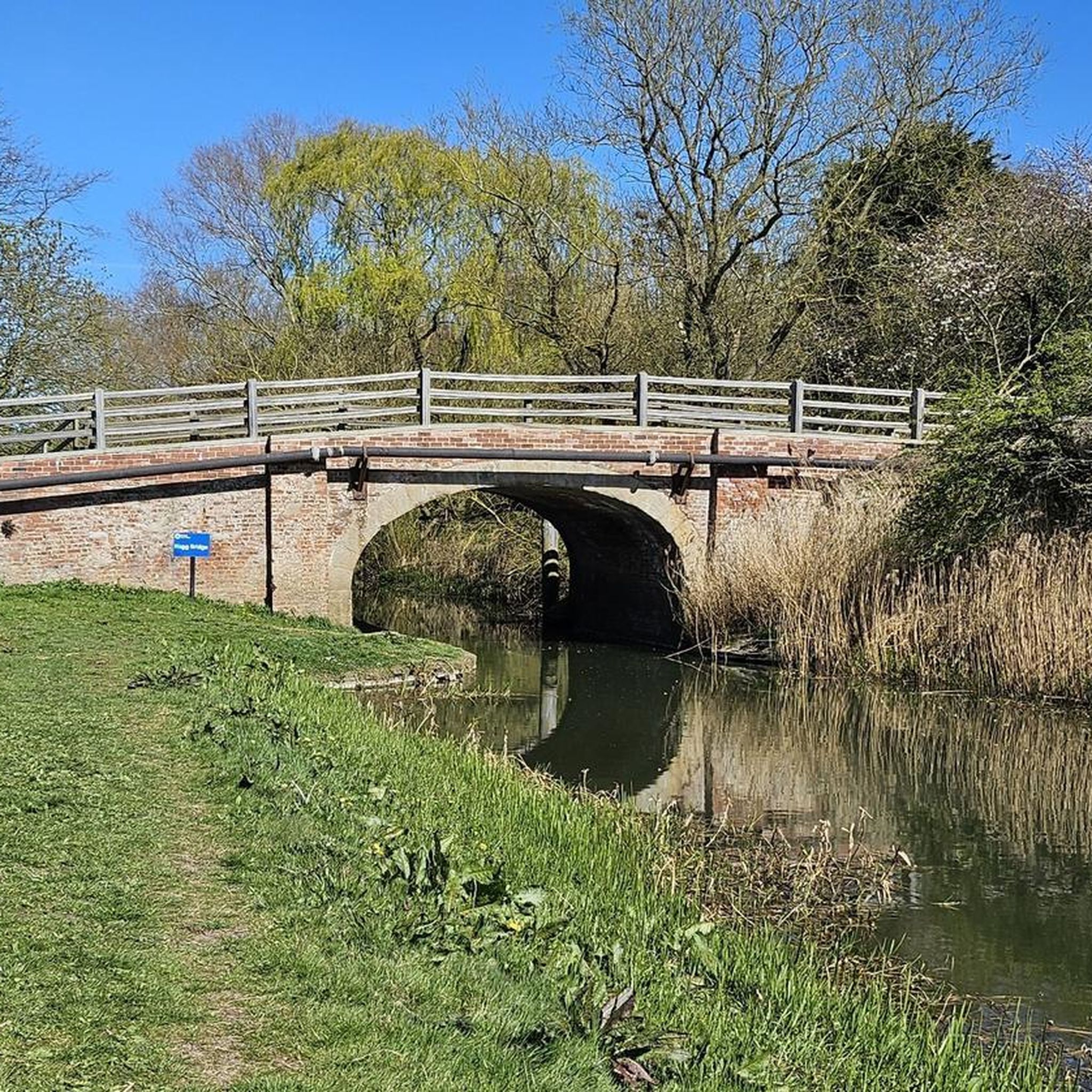
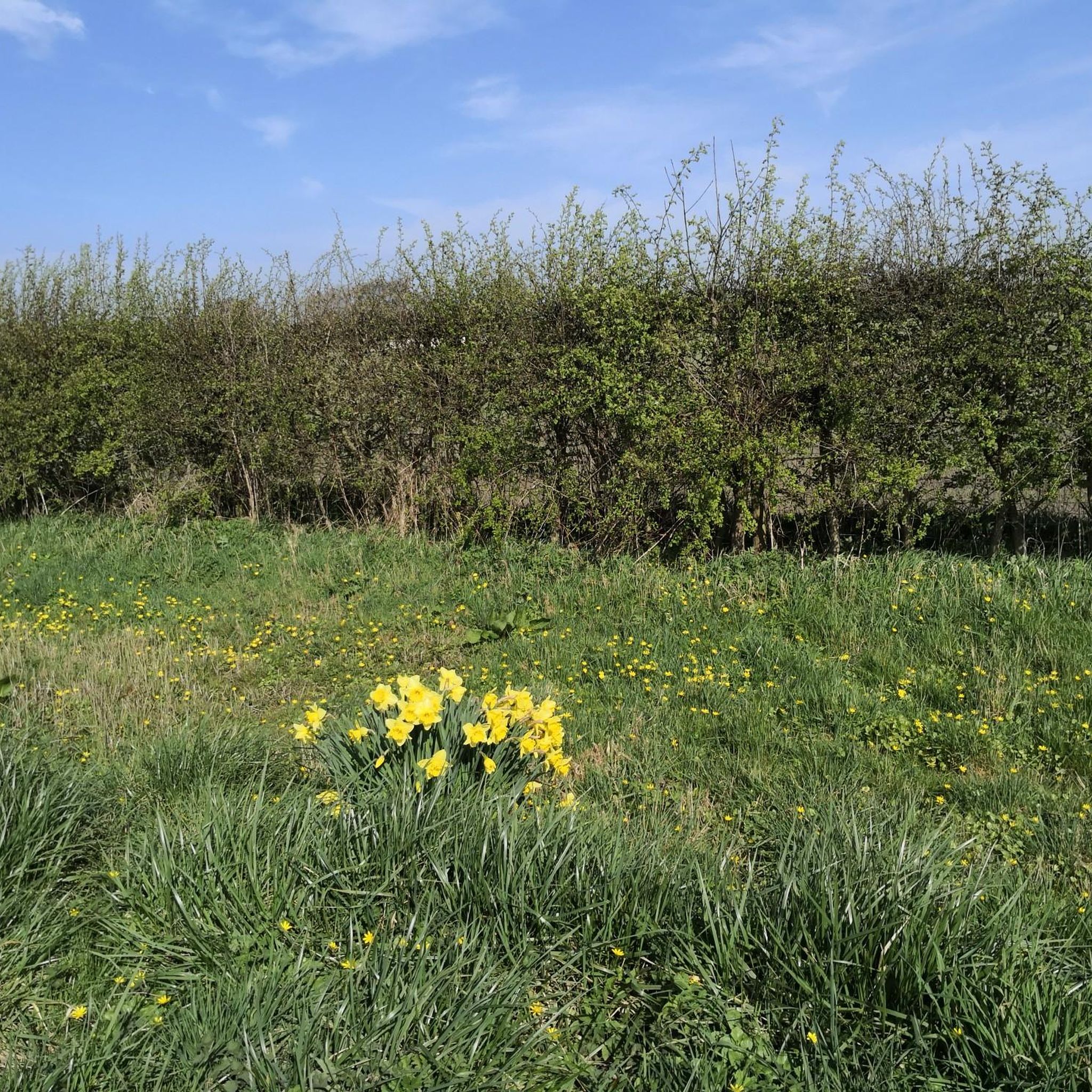
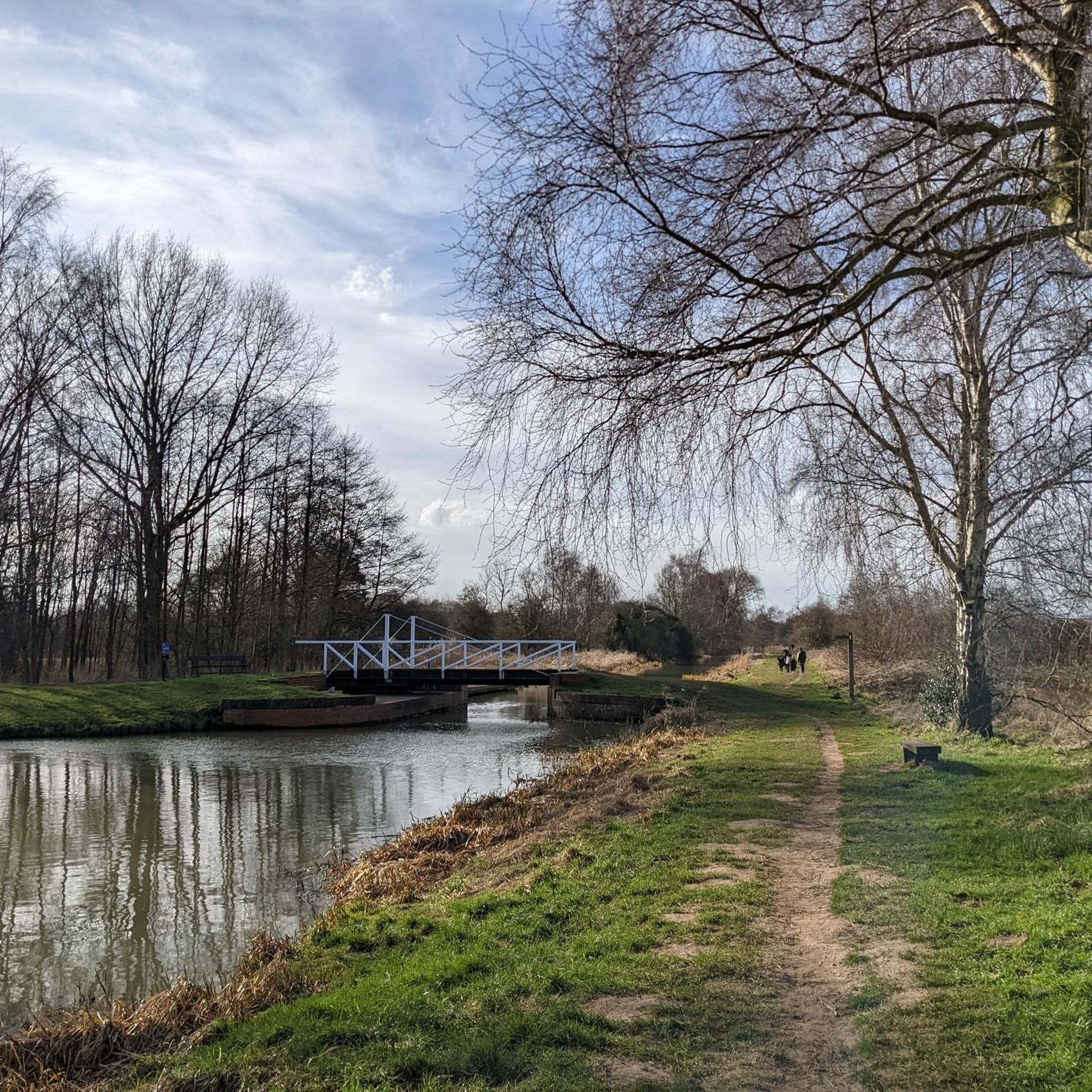
Best natural monuments around Cottingwith are found in a landscape characterized by its proximity to significant natural areas. The village is situated within the Lower Derwent Valley, an area recognized for its diverse ecosystems, including flood meadows, pastures, and woodlands. The Pocklington Canal also begins here, contributing to the local biodiversity. Nearby, Skipwith Common National Nature Reserve offers a distinct lowland heath environment.
Best natural monuments around Cottingwith
- The most popular natural monument is Ancient Oak Trees of South Moor Field, Skipwith Common, a forest that features a stroll through a Silver Birch wood and numerous mature Oak trees. This area provides a peaceful experience off the main tracks of the Common.
- Another must-see spot is Heslington Tillmire, an open marshy grassland and Site of Special Scientific Interest. This grassland supports an array of fen plants, providing important habitat for various bird species.
- Visitors also love Skipwith Common National Nature Reserve, a lowland heath covering 500 acres. This reserve is home to diverse wildlife and features historical elements, including a World War 2 aircraft station and ancient burial sites.
- Cottingwith is known for its diverse natural monuments, including lowland heath, ancient woodlands, and marshy grasslands. Visitors can explore a variety of ecosystems, from flood meadows to unique heathland habitats.
- The natural monuments around Cottingwith are appreciated by the komoot community, with 13 upvotes and 7 photos shared by visitors.
Last updated: August 9, 2026
RAF Riccall Bomber Memorial at Skipwith Common
Highlight • Natural Monument
Tip by

Burnby Hall Gardens
Highlight • Structure
Pocklington is known for its red-roofed buildings and unusual street names. The town has an array of independent shops and places to eat, and a number of attractions worth checking out.
Among the town's treasures lies Burnby Hall Gardens, a horticultural haven often referred to as the 'jewel in Yorkshire's crown' – a mandatory stop for anyone visiting.
Tip by

Sign up now to discover places like this
Get recommendations on the best single tracks, peaks, & plenty of other exciting outdoor places.
Sign up for free
Ancient Oak Trees of South Moor Field, Skipwith Common
Highlight • Natural Monument
Tip by
Skipwith Common National Nature Reserve
Highlight • Historical Site
Tip by

Heslington Tillmire
Highlight • Natural
The grassland features an array of fen plants that provide important habitat to a number of bird species including pintail, lapwing and curlew.
Tip by
Start today with a free account
Your next adventure awaits.
Login or Signup
Tips from the Community

Lovely woodland, nice spot for a stroll.
0
0

If you follow the small woodland path around the far northern edge of the Common, just next to South Moor Field, you will be rewarded with a stroll through a fabulous Silver Birch wood, and a huge number of mature Oak trees. This is a little off the beaten track through the centre of the Common, but the paths are easily navigable and not overgrown (even in Summer).
2
0
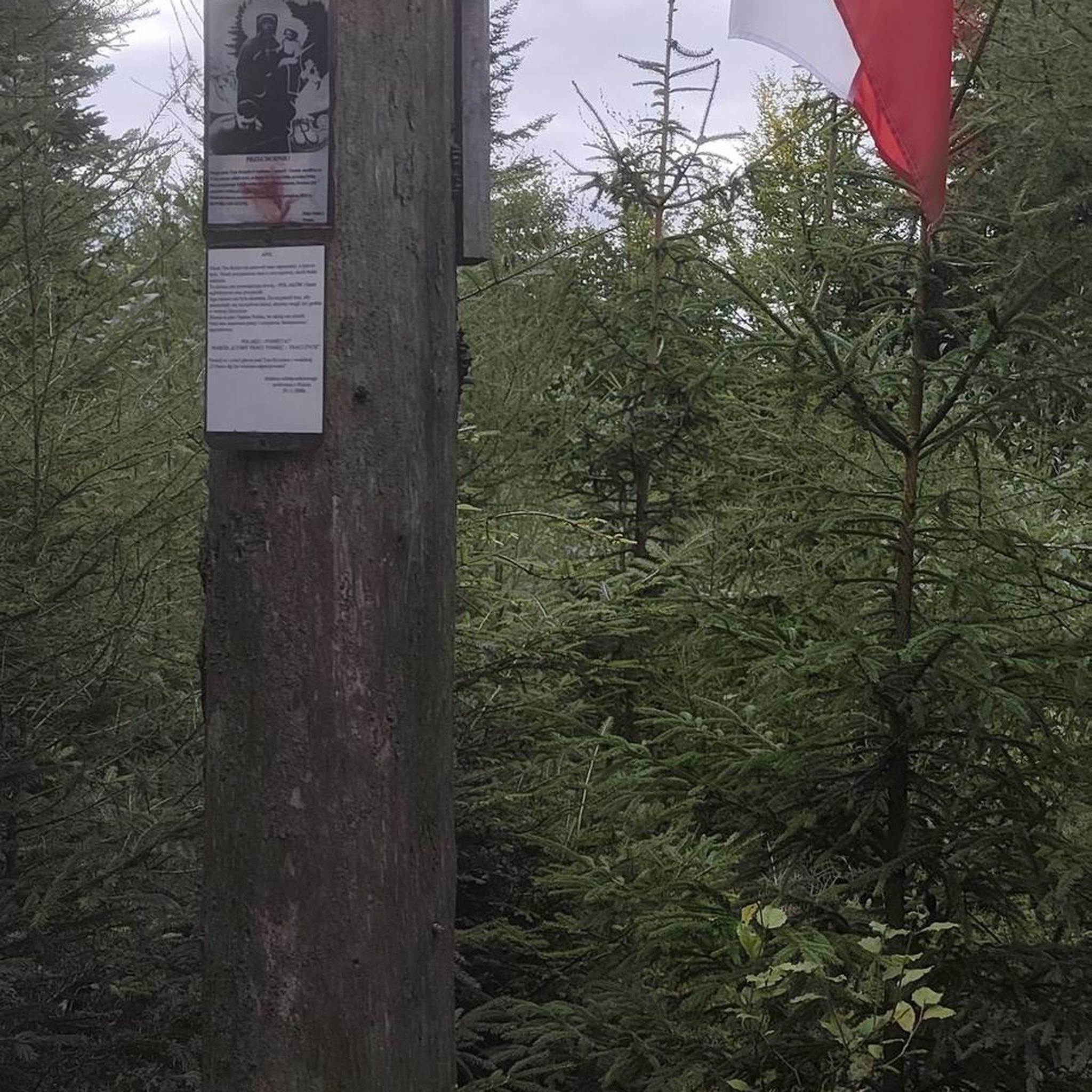
Remnants of RAF Riccall are clearly visible around this loop. The base has a rich history and served as a heavy bomber (Handley Page Halifax) operational conversion unit during the Second World War. Three runways were constructed to form an "A" shape, which allegedly had to be rebuilt after they started to subside and sink into the soft ground. The entire common is riddled with patches of concrete and asphalt that represent the remains of the taxiways and flight pan.
2
0

Pocklington is a classic English market town, located just 15 miles (24 km) from the city of York. Pocklington is known for its red-roofed buildings and unusual street names. The town has an array of independent shops and places to eat, and a number of attractions worth checking out. Among the town's treasures lies Burnby Hall Gardens, a horticultural haven often referred to as the 'jewel in Yorkshire's crown' – a mandatory stop for anyone visiting.
2
0
Heslington Tillmire is an open marshy grassland and Site of Special Scientific Interest located near Fulford. The grassland features an array of fen plants that provide important habitat to a number of bird species including pintail, lapwing and curlew.
2
0

Skipwith Common is a National Nature Reserve (NNR) and covers an area of 500 acres. The reserve is lowland heath and alongside wildlife is also connected to history with a World War 2 aircraft station situated there and home to ancient burial sites.
0
0
Frequently Asked Questions
What are the most popular natural monuments to visit around Cottingwith?
Visitors frequently enjoy exploring the diverse landscapes. Highly rated spots include the Ancient Oak Trees of South Moor Field, Skipwith Common, offering a peaceful stroll through a Silver Birch wood. Another popular choice is Heslington Tillmire, an open marshy grassland known for its fen plants and bird species. The broader Skipwith Common National Nature Reserve is also a favorite, covering 500 acres of lowland heath with rich wildlife and historical elements.
Are there family-friendly natural monuments near Cottingwith?
Yes, several natural monuments are suitable for families. Ancient Oak Trees of South Moor Field, Skipwith Common, and the wider Skipwith Common National Nature Reserve are great for walks and wildlife spotting. Heslington Tillmire also offers open spaces for families to enjoy nature. Additionally, the Pocklington Canal provides easy, picturesque walks suitable for all ages.
What unique natural features can I expect to see around Cottingwith?
The area boasts a variety of unique natural features. The Lower Derwent Valley National Nature Reserve is characterized by its extensive flood meadows, pastures, and woodlands, which are crucial for diverse plant life and bird populations. Skipwith Common National Nature Reserve offers a rare lowland heath ecosystem with heather, gorse, and unique wildlife like sand lizards and nightjars, alongside ponds, mire, fen, and reed beds. The Pocklington Canal itself is a significant waterway contributing to local biodiversity.
What outdoor activities can I do near these natural monuments?
The natural monuments around Cottingwith are ideal for various outdoor activities. You can enjoy easy hikes, such as the 'Longhorn Cattle – Optical Society loop from Skipwith' or 'The Natterjack loop from Skipwith', both found in the Easy hikes around Cottingwith guide. Cycling is also popular, with routes like the 'Solar System Cycleway – Millennium Bridge York loop from Riccall' available in the MTB Trails around Cottingwith guide and road cycling options in the Road Cycling Routes around Cottingwith guide. Birdwatching is exceptional, especially in the Lower Derwent Valley National Nature Reserve and Skipwith Common.
Are there any historical sites within or near the natural monuments?
Yes, Skipwith Common National Nature Reserve has significant historical connections, including remnants of a World War 2 aircraft station and ancient burial sites. Additionally, the RAF Riccall Bomber Memorial at Skipwith Common commemorates its role as a heavy bomber operational conversion unit during the Second World War, with visible remains of runways and taxiways.
What is the best time of year to visit the natural monuments around Cottingwith?
The best time to visit largely depends on your interests. Spring and summer offer lush greenery, blooming flora, and active wildlife, making them ideal for walks and general exploration. Autumn brings beautiful colors to the woodlands. For birdwatching, especially wintering birds, the Lower Derwent Valley National Nature Reserve is particularly significant during the colder months. Always check local conditions before your visit.
Is parking available at the major natural monuments?
Parking information for specific natural monuments like the Lower Derwent Valley National Nature Reserve, Pocklington Canal, and Skipwith Common National Nature Reserve can vary. It's advisable to check local signage upon arrival or consult official reserve websites for the most up-to-date details on designated parking areas and any potential fees or restrictions.
Can I find easy walking trails suitable for all fitness levels?
Yes, many of the natural monuments offer easy walking trails. The Pocklington Canal provides serene, flat waterside paths perfect for leisurely strolls. Within Skipwith Common National Nature Reserve, while some areas are off the beaten track, paths are generally navigable, even for a peaceful walk through the Silver Birch wood near Ancient Oak Trees of South Moor Field. The Easy hikes around Cottingwith guide lists several routes with 'easy' difficulty grades.
What kind of wildlife can I expect to see?
The natural monuments around Cottingwith are rich in wildlife. The Lower Derwent Valley National Nature Reserve is renowned for its significant populations of breeding and wintering birds, as well as diverse plant species. Skipwith Common National Nature Reserve is home to rare species like sand lizards, adders, and nightjars, alongside various plants such as heather and gorse. The Pocklington Canal and Heslington Tillmire also support a variety of aquatic wildlife and bird species.
Are there any cafes or pubs near the natural monuments for refreshments?
While specific establishments are not detailed in the guide for each monument, the Cottingwith area and nearby villages offer options for refreshments. It's a good idea to research local cafes, pubs, or accommodation in Cottingwith itself or near the larger reserves like Skipwith Common and the Lower Derwent Valley before your visit.
How long should I plan for a visit to these natural monuments?
The duration of your visit can vary. For a leisurely walk along the Pocklington Canal or a focused exploration of a specific area within Skipwith Common National Nature Reserve, a few hours might suffice. If you plan to explore larger areas like the Lower Derwent Valley National Nature Reserve or combine multiple sites with a longer hike or cycle, you could easily spend a full day or more. Consider the length of specific routes, such as the 'Solar System Cycleway' which is nearly 30 km, when planning your time.
Most popular attractions around Cottingwith

Get inspired with the komoot mobile app


Explore more
Extend your search for the best caves by checking out these guides of the top ones around Cottingwith:
