Top 8 Natural Monuments around Grimley
Best natural monuments around Grimley include diverse geological features and natural landscapes. The region's terrain showcases ancient rock formations, significant hills, and unique waterways. Visitors can explore sites that highlight millions of years of geological history and natural processes. This area offers a variety of natural attractions for those interested in geology, history, and outdoor exploration.
Best natural monuments around Grimley
- The most popular natural monuments is Walsgrove Hill Summit View, a viewpoint that reaches 869 feet (265 meters)…
Last updated: July 26, 2026
Redstone Caves
Highlight • Natural Monument
Tip by

Ankerdine Hill
Highlight • Viewpoint
Tip by

Sign up now to discover places like this
Get recommendations on the best single tracks, peaks, & plenty of other exciting outdoor places.
Sign up for free
Waterfall with Snowdrops
Highlight • Natural Monument
Tip by

Prior's Mill and Weir
Highlight • Natural Monument
Tip by

Walsgrove Hill Summit View
Highlight • Viewpoint
Tip by
Sign up for free to discover even more natural monuments around Grimley.
Sign up for free
Already have an account?
Start today with a free account
Your next adventure awaits.
Login or Signup

Tips from the Community

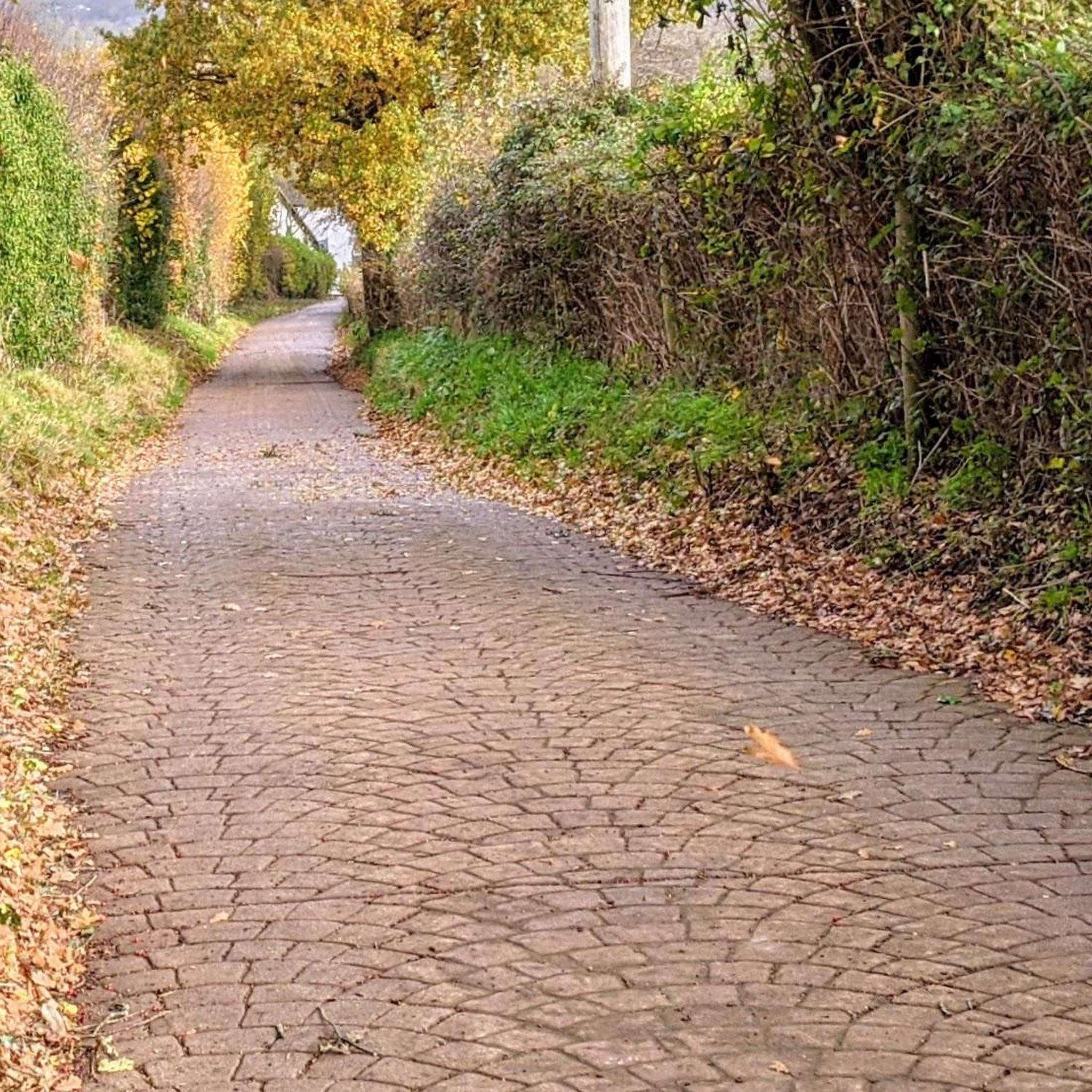
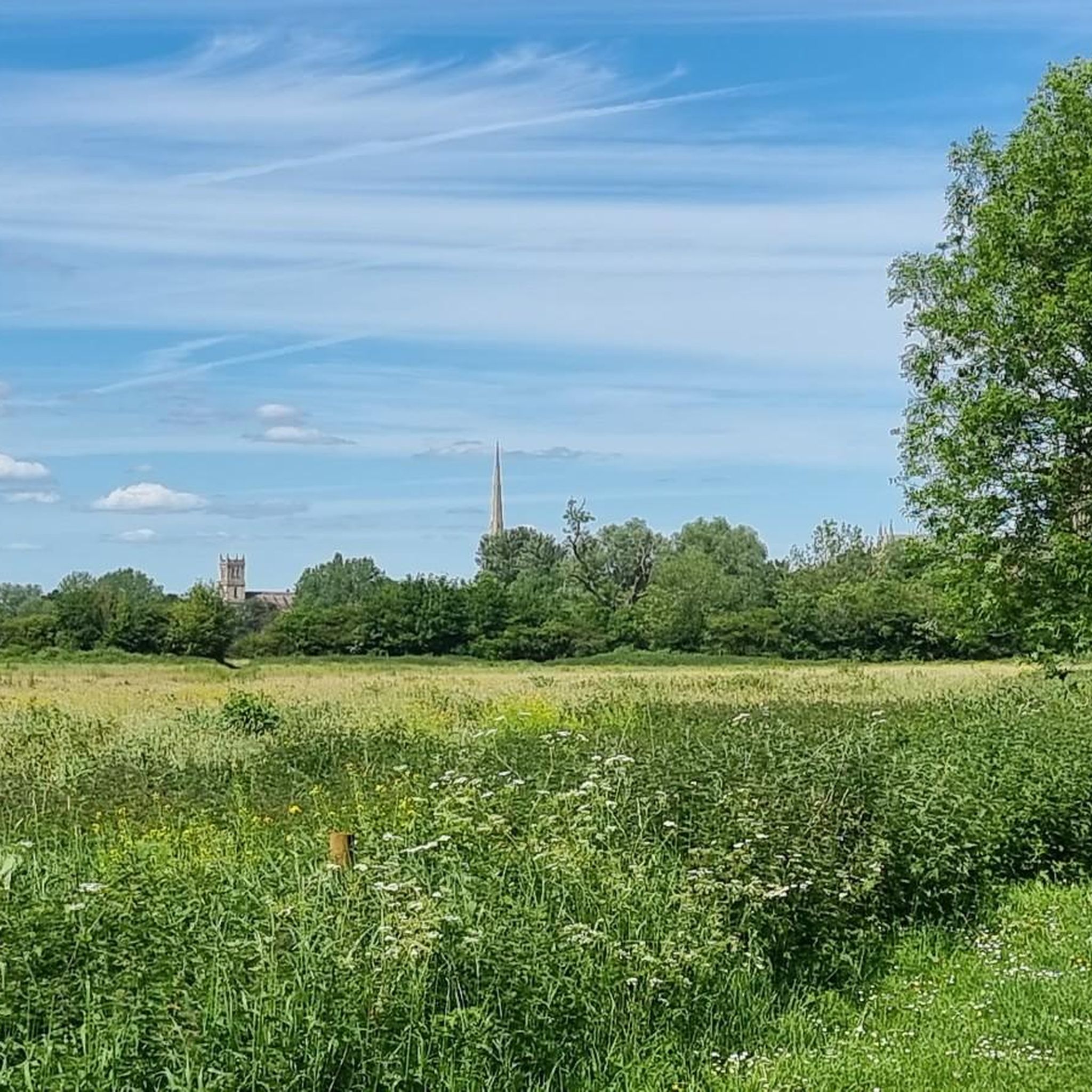
It's a steep pull up Walsgrove Hill from the north, and in the winter it will be slippery and muddy due to the activities of the sheep that live in this field. However, it offers fine views across to the clocktower and beyond.
0
0
This little man-made waterfall is the overflow from the big lake but is still quite realistic. Best visited in the winter for flow and less foliage to get in the way of the camera shot!|
0
0
A real picturesque old mill, and the Geopark Way affords a really good view of the weir and house from a number of angles.
0
0

View to the West The lower part of Walsgrove Hill and the hill on which Abberley clock tower stands are Silurian siltstone. The valley of the River Teme cuts into soft mudstones of the upper Silurian Old Red Sandstone with the harder sandstones of the lower Devonian Old Red Sandstone forming the Bromyard plateau. The low hummocky ground at the base of these hills is underlain by Carboniferous age Coal Measures rocks. These form the southerly tip of the Wyre Forest coalfield. Coal was mined here until the early twentieth century. To the north west, the Clee Hills are also formed of Carboniferous rocks. A molten layer of rock pushed between the layers and formed a hard black dolerite rock, the Dhustone, which slowed the erosion of these still prominent hills and is quarried for roadstone to this day. Source: Local signage
0
0
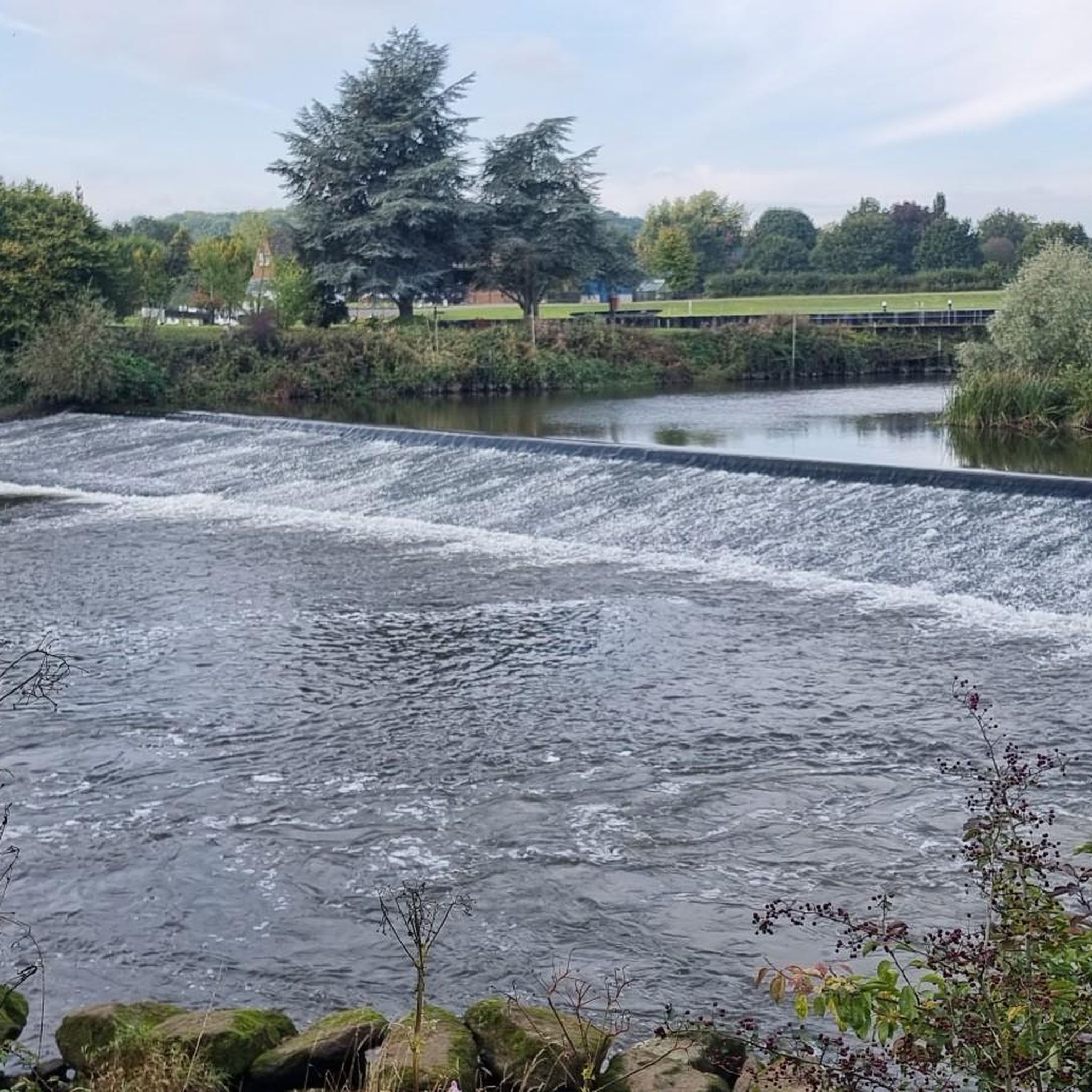
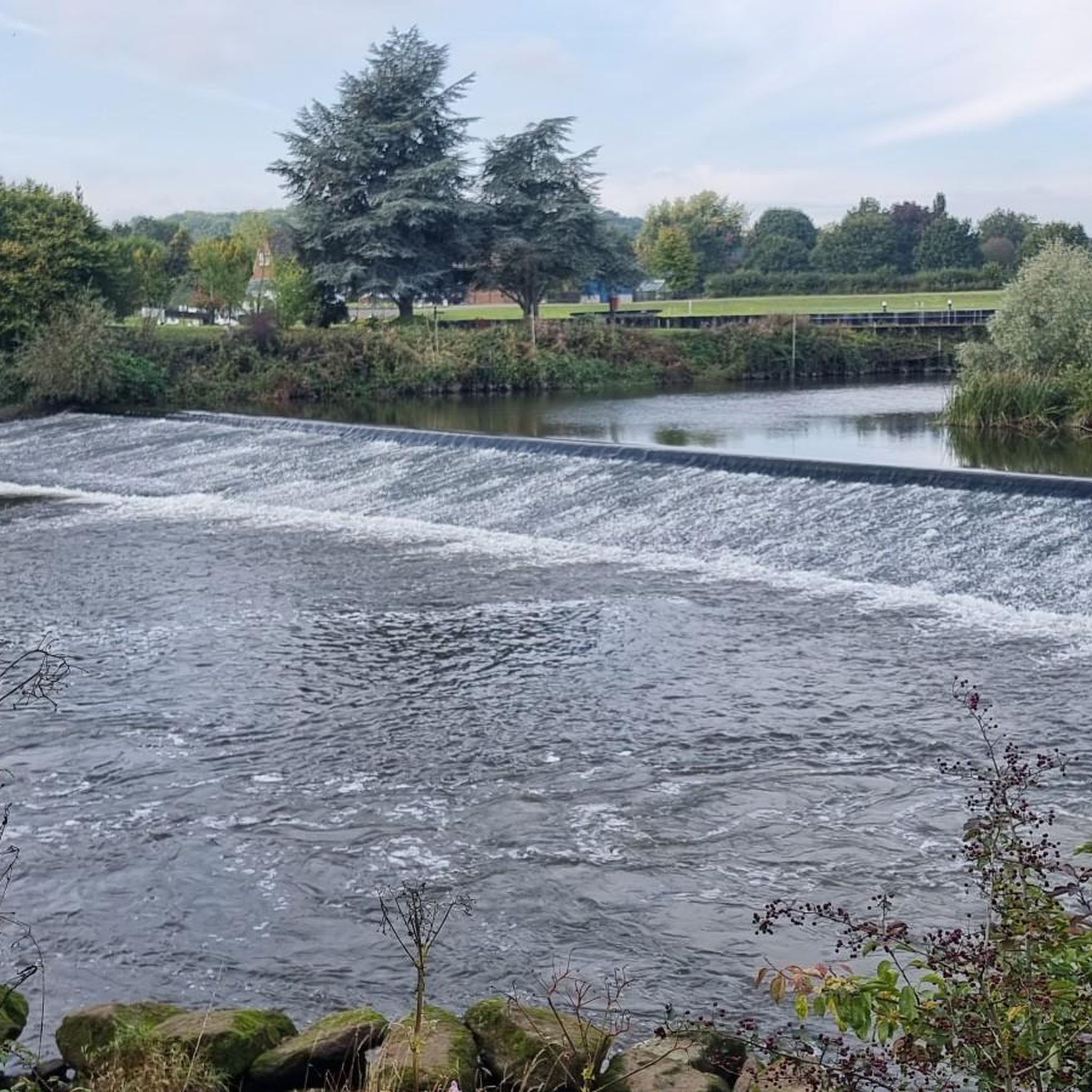
Prior's Mill is a former seventeenth century timber-framed water mill, with twentieth century alterations, and now used as a private residence. Next to it is a very high weir on the Dick Brook. There used to be several mills on this stream long ago.
0
0
Geological overview Just south of Stourport a magnificent river cliff of fine grained red sandstone is seen. Although mainly homogenous in terms of geology, there are white streaks and thin bands of coarse material running throughout the section. The soft sandstone of Redstone Rock is easily carved and there is evidence of human-made habitation in the cliff face since Stone Age times. The caves that can be seen today were mostly made in the 12th century, when a hermitage was established there, conveniently located for the hermits to be on hand to offer blessings and prayers for passers-by in return for alms. It was said to house up to 500 men, who may have also manned the ferry crossing, which was there due to the presence of a ford until the river was dredged. The caves were later used as domestic dwellings and were inhabited almost continuously until the mid twentieth century. Source: Geopark.org
0
0


Just south of Stourport-on-Severn, Redstone Caves are made from Triassic sandstone. Carved out in the 12th century and then home to a hermitage, it seems extraordinary today that once up to 500 men lived here. The Geopark Way, a long-distance footpath specialising in geological marvels in the area, runs unsurprisingly right past these caves.
1
0
Frequently Asked Questions
What geological features can I explore in Grimley?
Grimley offers a rich geological tapestry. You can explore the Triassic sandstone formations at the Redstone Caves, which also reveal ancient human habitation. Walsgrove Hill Summit View is part of the Abberley and Malvern Hills Geopark, showcasing formations from the Silurian period. The Prior's Mill and Weir features bedrock with distinctive grooves, and the Ancient Sunken Road in Bromsgrove Sandstone cuts through Triassic-aged rocks deposited approximately 220 million years ago.
Are there family-friendly natural monuments around Grimley?
Grimley Reserve is an excellent destination for families, particularly for birdwatching and nature walks, with footpaths available around its wetland habitats. The Redstone Caves also offer an engaging experience, combining geological interest with historical exploration that can captivate all ages.
Can I bring my dog to the natural monuments in Grimley?
Many natural areas around Grimley are suitable for dog walking, provided dogs are kept under control, especially near wildlife or livestock. For instance, the footpaths at Grimley Reserve are generally dog-friendly. When visiting specific sites like Walsgrove Hill Summit View, be aware that sheep may be present, so dogs should be on a lead.
What is the best season to visit Grimley's natural monuments?
Spring and summer are ideal for enjoying the panoramic views from Walsgrove Hill Summit View and exploring the wetlands of Grimley Reserve, which are vibrant with birdlife. Autumn offers beautiful foliage, while winter can make some paths, like those on Walsgrove Hill, muddy and slippery due to sheep activity.
What should I bring for a hike to Grimley's natural monuments?
For hiking around Grimley's natural monuments, it's advisable to wear sturdy footwear, especially as paths can be muddy, particularly in winter. Bring water, snacks, and appropriate clothing layers for changing weather. Binoculars are recommended for birdwatching at Grimley Reserve, and a camera to capture the scenic views from places like Walsgrove Hill Summit View.
Are there cafes or refreshment spots near Grimley's natural beauty spots?
While specific cafes might not be directly adjacent to every natural monument, Grimley and nearby villages offer various options. It's recommended to check local listings for cafes or pubs in Grimley or Stourport-on-Severn, which is close to the Redstone Caves, for refreshments before or after your visit.
Which natural monuments in Grimley are less crowded?
For a quieter experience, consider visiting the Ancient Sunken Road in Bromsgrove Sandstone or the geological features around Prior's Mill and Weir. While popular, Grimley Reserve is large enough to offer peaceful spots, especially on weekdays.
What outdoor activities can I do near Grimley's natural monuments?
The area around Grimley offers a variety of outdoor activities. You can find numerous cycling routes, including easy to moderate tours like the 'View of Worcester Bridge – View of the Countryside loop from Little Witley' (Cycling around Grimley). For mountain biking, there are trails such as the 'Wyre Forest and Abberley Loop' (MTB Trails around Grimley). Running enthusiasts can explore routes like the 'Bevere Weir Fish Pass loop from Bevere Lock' (Running Trails around Grimley).
Are there specific walking routes to explore Grimley's natural monuments?
Yes, the Geopark Way, a long-distance footpath highlighting geological marvels, runs past the Redstone Caves, making them accessible for hikers. Footpaths are also available around the pools at Grimley Reserve for nature walks. For more general walking, you can find various running and hiking routes in the wider Grimley area, such as those listed in the Running Trails around Grimley guide.
How long does it typically take to visit Grimley's natural sites?
The duration of your visit depends on the site. Exploring the Redstone Caves might take 1-2 hours. A hike to Walsgrove Hill Summit View could be a 2-3 hour round trip, depending on your starting point. Grimley Reserve, with its extensive footpaths, could easily occupy a half-day for birdwatching and leisurely strolls.
What is the difficulty level of accessing Grimley's natural monuments?
The difficulty varies. Sites like Grimley Reserve offer relatively easy, flat footpaths. The ascent to Walsgrove Hill Summit View involves a steep pull, which can be challenging, especially in muddy conditions. The Redstone Caves and the Ancient Sunken Road are generally intermediate in difficulty, often involving uneven terrain.
Is there parking available at Grimley's natural monuments?
Parking availability varies by site. For popular locations like the Redstone Caves, there are often designated parking areas nearby. For more remote sites or trailheads leading to places like Walsgrove Hill Summit View, roadside parking or small lay-bys might be available. It's always best to check specific access points before your visit.
Are there any unique natural attractions in Grimley?
Grimley offers several unique natural attractions. The Redstone Caves are particularly unique, combining ancient geological formations with centuries of human habitation. The distinctive grooves in the bedrock near Prior's Mill and Weir offer a tangible link to historical industry and natural erosion. Grimley Reserve itself is a unique example of former industrial land transformed into a vital wetland habitat.
Most popular attractions around Grimley

Get inspired with the komoot mobile app


Explore more
Extend your search for the best caves by checking out these guides of the top ones around Grimley:
