Top 5 Natural Monuments around Dodderhill
Best natural monuments around Dodderhill include areas of ancient wood pasture and nature reserves. This region is characterized by historical landscapes featuring veteran trees, some of the oldest in Worcestershire, which contribute to a rich biodiversity. The natural features offer insights into traditional land use and ecological practices. Dodderhill provides opportunities to explore woodlands, observe diverse wildlife, and appreciate significant natural landmarks.
Best natural monuments around Dodderhill
- The most popular natural monuments is Chaddesley Wood National Nature Reserve, a…
Last updated: October 30, 2026
Chaddesley Wood National Nature Reserve
Highlight • Natural Monument
Tip by

Grafton Wood Nature Reserve
Highlight (Segment) • Natural Monument
Jointly owned with Butterfly Conservation, Grafton has been at the heart of one of Worcestershire’s great conservation successes. The wood is the …
Tip by

Sign up now to discover places like this
Get recommendations on the best single tracks, peaks, & plenty of other exciting outdoor places.
Waterfall with Snowdrops
Highlight • Natural Monument
Tip by

Warridge Lodge Trig Point
Highlight (Segment) • Viewpoint
Tip by

Morton Hall Tulip Festival
Highlight • Natural Monument
Tip by
Start today with a free account
Your next adventure awaits.

Tips from the Community

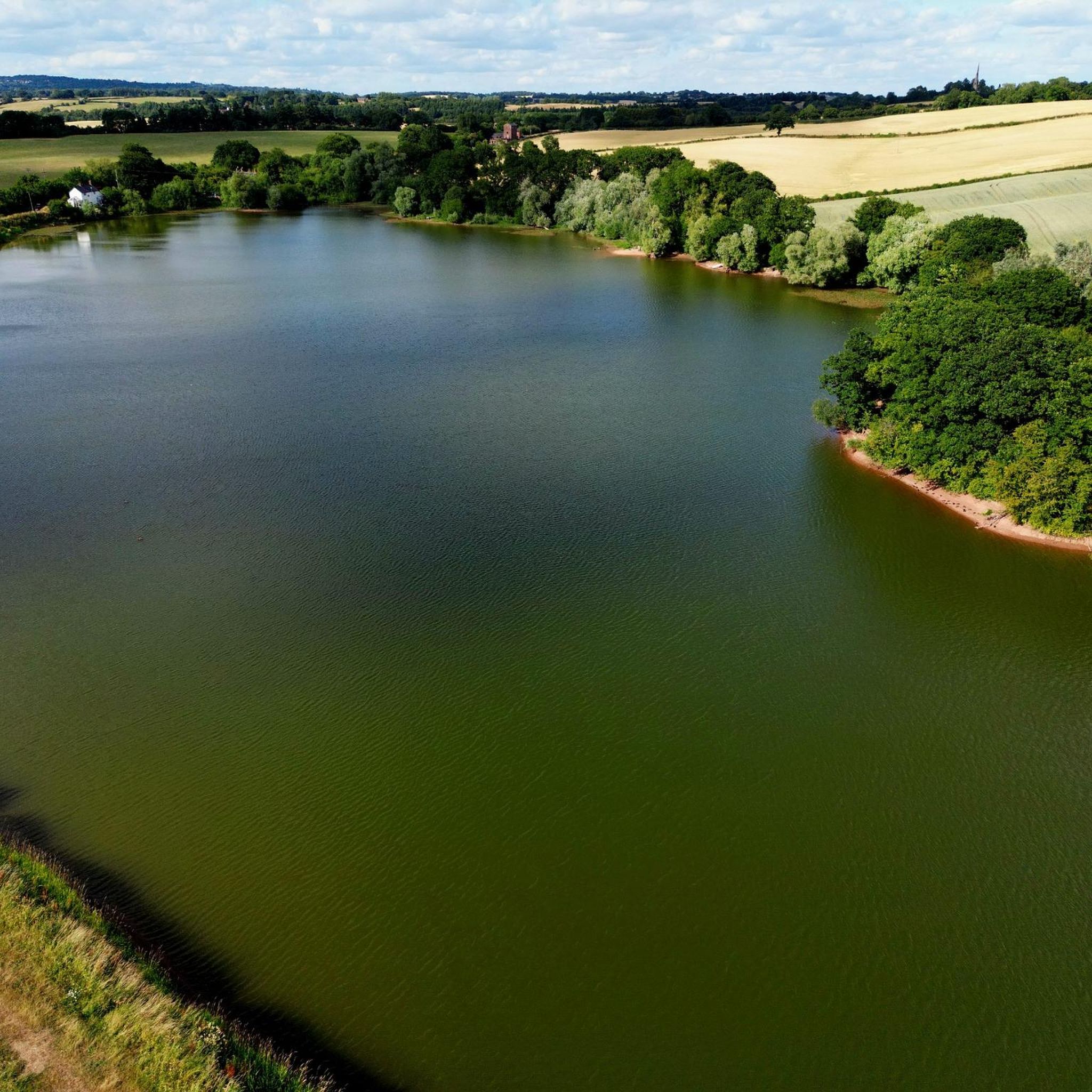
This little man-made waterfall is the overflow from the big lake but is still quite realistic. Best visited in the winter for flow and less foliage to get in the way of the camera shot!|
0
0


In spring 2022 Morton Hall Gardens opens its gates to visitors for its annual Tulip Festival, with all ticket sales supporting costume-making at the RSC. More than 100 tulip varieties can be admired in borders, pots and three cut flower marquees, revealing the magic and splendour of the queen of the spring flowers. Bloms Bulbs, winner of 68 Chelsea Gold medals, supply the bulbs and will be on site with expert advice on your favourite choices. History of Tulips The tulip’s conquest of western Europe began in the Netherlands: In the mid-16th century, travellers brought back bulbs from the Ottoman Empire. The Turks had been cultivating tulips as early as 1000 AD and adopted them as an emblem of the court. The correct name for tulips is the Persian word ‘lale’, but there was a confusion with the Persian and Turkish words for ‘turban’. This is how the misnomer was created and adhered to ever since. In the Dutch Golden age, tulips caused the first major financial bubble. They became the ultimate status symbol. During ‘Tulipmania’, which lasted from 1634 to 1637, just one bulb of a desirable tulip could fetch the same price as a house in the best quarter of Amsterdam. In England, tulips were introduced in the 1630s, which is probably why they don’t feature in Shakespeare’s works. Nowadays, tulips are widely available and affordable. However, they have not lost their magical pull. Tulip festivals are celebrated in many countries. The Netherlands, where tulips are bred and sold in billions, host the most important and well-known. However, if you visit Istanbul in April and early May, you will find that more than 20 million tulips have been planted throughout the city for the ‘Lale’ Festival. This tradition goes back to the late 17th to mid-18th century, which was the height of tulip popularity in the Ottoman Empire, as can still be seen in the ceramic decorations of many palaces. What is tulip magic? I like to compare it to a carnival or New Year’s fireworks. There is a joyful, limitless riot of colour and shapes. All is allowed: the boldest and most outrageous combinations and wild pageants of pattern. It is the ultimate victory over the bleakness of winter. But tulip festivals are more than celebrations of winter’s end. They are also a great opportunity to see hundreds of different varieties ‘in the flesh’. Beyond colour and shape, there are scent, texture and habit. It can be startling how varieties that look very similar on a catalogue page will appear very diverse when planted next to each other. An ideal opportunity to find the tulip you have been looking for!
0
0

YES!! Let me bloody have it! Great segment! Nothing smooth - pretty rugged - appeals to the northerner in me! - Can imagine in the wet its a mud bath! Dry or Wet it's GREAT fun!
0
0

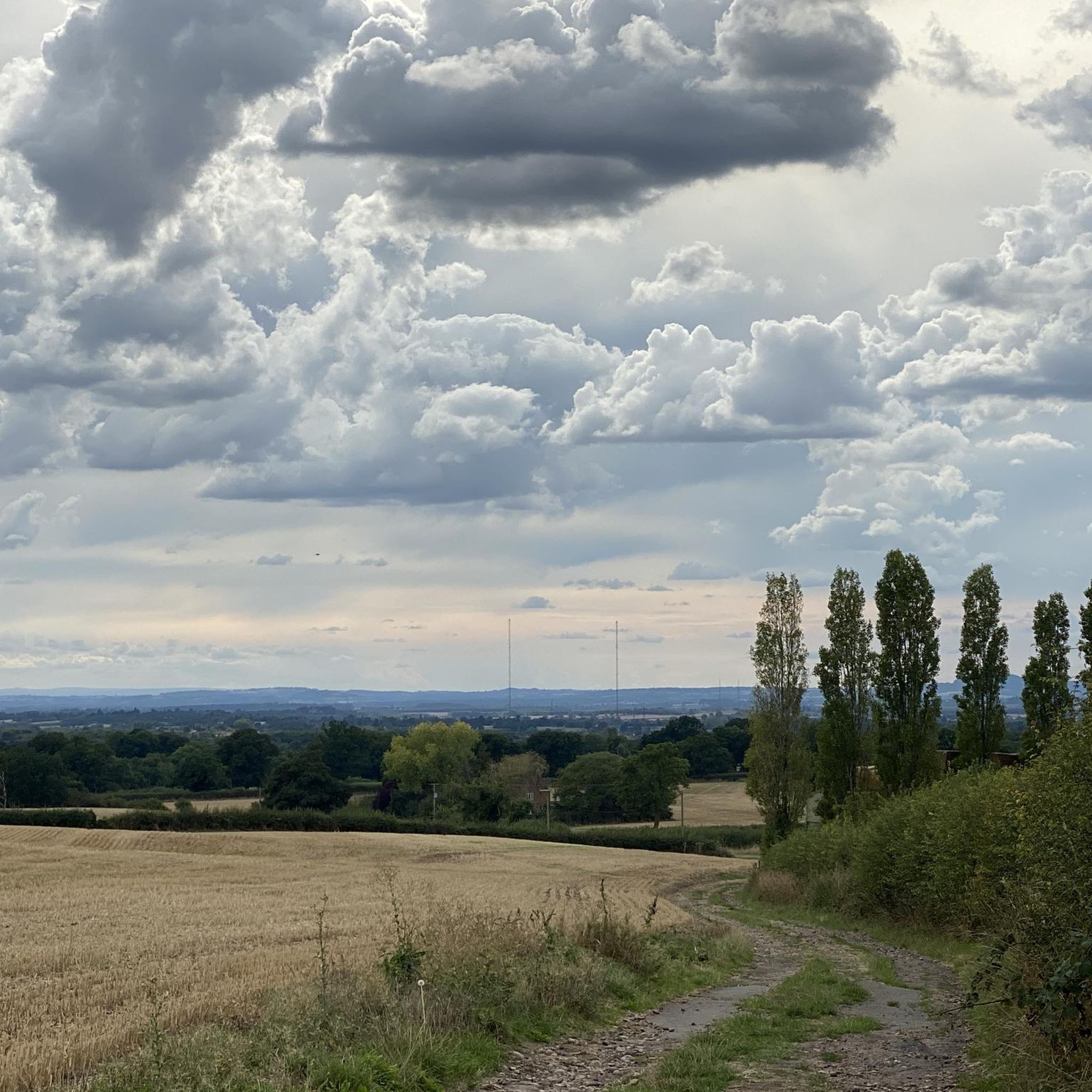
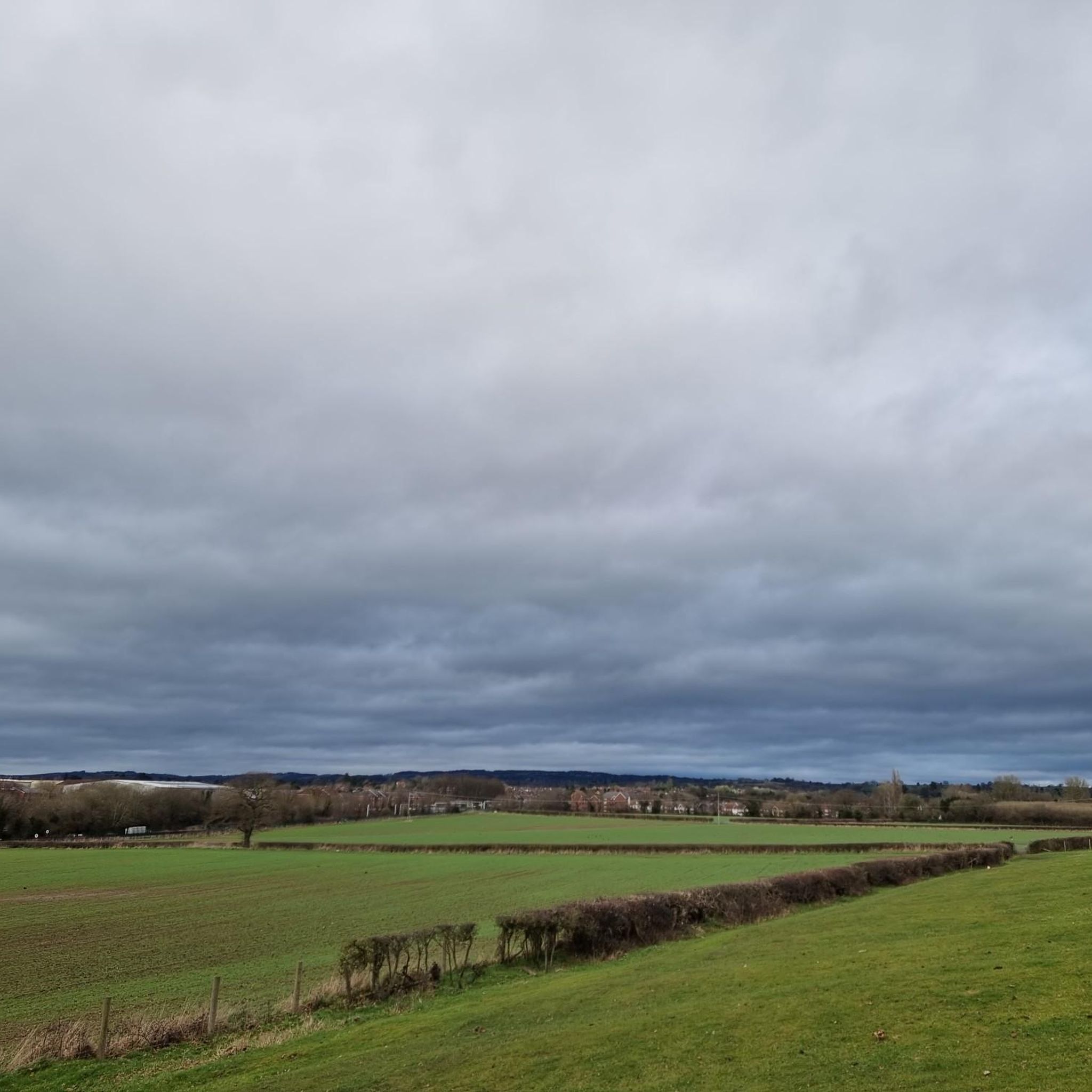
Total of 9 fields lots of gates to cross without any clear tracks, best during a dry spell, 2nd farm has a hard to find gate on the right into a field with a trig point and a bench to have a break.
0
0

Bridleway through fields via Warridge Lodge Trigpoint, a few gates along the way and great views.
0
0

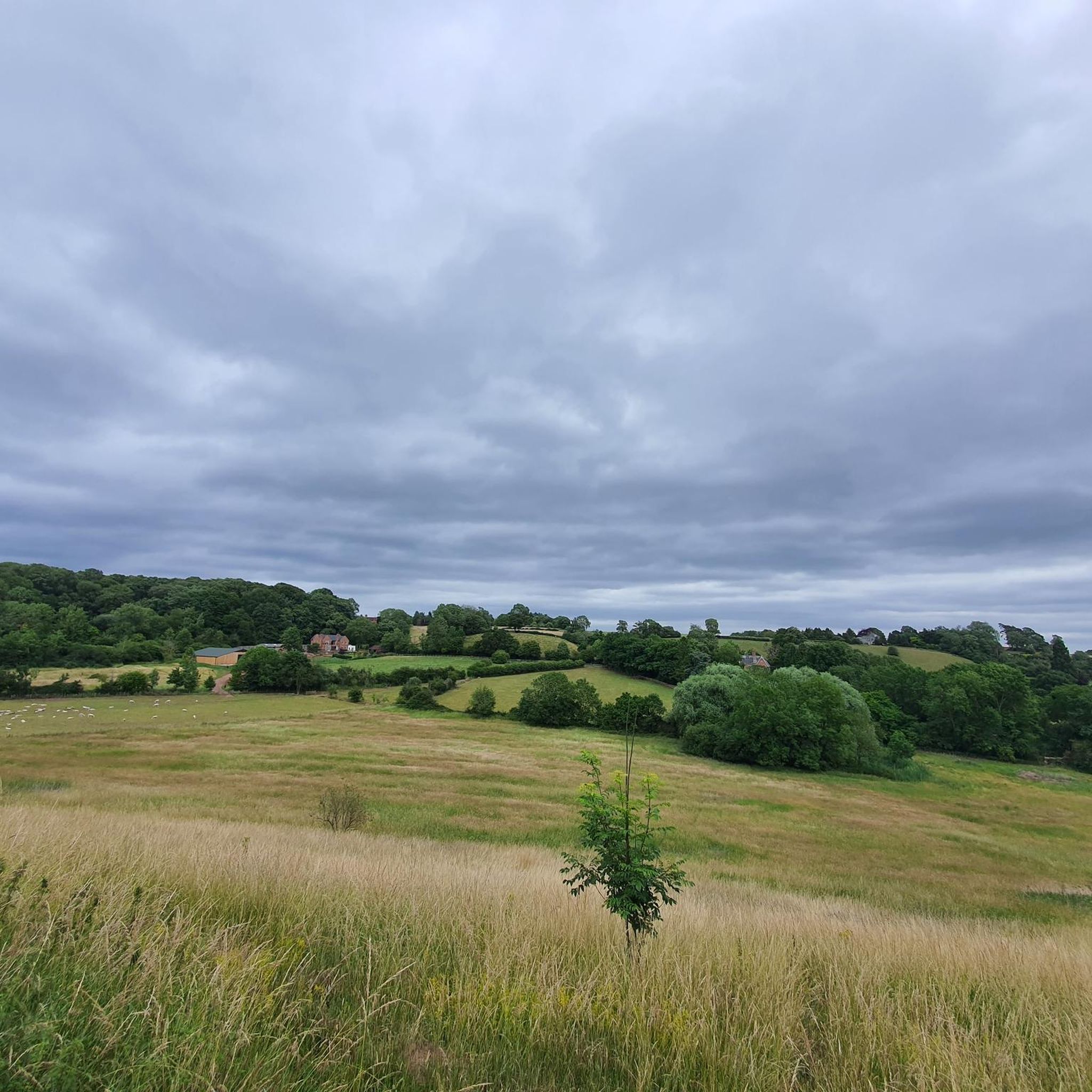
Chaddesley Woods were probably mentioned in the Domesday Book as the ‘wood of two leagues’ and we think that parts of the site have been wooded since the Ice Age 6-10,000 years ago. The presence of ancient woodland indicator species support this – flowers such as yellow archangel, herb paris and dog’s mercury as well as trees like small-leaved lime and wild service trees. Visitors to the eastern half of the nature reserve will find themselves in ancient woodland that is predominantly mature oak with hazel coppice. The understorey also contains holly, rowan and other berry-bearing shrubs that are popular with winter thrushes such as fieldfares. Midland hawthorn thrives here – a rare shrub that is identified by the two seeds in its berries as opposed to the normal one. Open glades are important for invertebrates and encourage shrubby growth, which provides nesting cover for birds. Some old and dead oaks are retained for hole-nesting birds, fungi and invertebrates. At the right time of year the wood is full of birdsong and lucky visitors may catch a glimpse of the elusive woodcock. There are also two areas of meadow, although these are only accessible on special open days. Hockley Meadow and Black Meadow are old pastures with wildflowers such as knapweed, dyer’s greenweed, pepper saxifrage and adder’s-tongue fern. The meadows are grazed to maintain their floral interest. The western half of the reserve is a largely planted woodland of broad-leaved species and extensive areas of conifer. The conifers wouldn’t normally grow here and we’re gradually clearing these and replacing them with native hardwoods that are more suitable to the local geology and attract summer migrants like chiffchaff and blackcap. Crossbills sometimes breed in the conifer plantations – their unusual beak structure of crossed tips allows them to feed on the seeds. A Worcestershire speciality, land caddis, occurs at Chaddesley Woods. A national rarity, this is the only one of almost two hundred species of caddis fly that spends its entire life-cycle on land. It burrows in leaf litter and adults only live for a couple of weeks in autumn.
0
0
An ancient woodland with coppice and large oaks Jointly owned with Butterfly Conservation, Grafton has been at the heart of one of Worcestershire’s great conservation successes. The wood is the centre of the only colony of brown hairstreak butterflies in the Midlands. These elusive butterflies, on the wing in August and September, have been the subject of a long-term project to ensure their survival. By working with local landowners and encouraging appropriate maintenance of hedgerows, volunteers from both conservation charities have helped the butterflies to increase in range and in numbers. Grafton Wood is an ancient semi-natural broad-leaved woodland and, until the 1950s was traditionally managed as coppice-with-standards that provided materials for products such as broom handles, pea sticks, hedge-laying, clothes pegs, spars for thatching and firewood. Our management today aims to replicate this tradition and involves widening the rides through the woodland, coppicing and creating glades. We also ensure that there are scrubby areas containing the young blackthorn bushes that are vital for brown hairstreaks to survive. The majority of the canopy at Grafton is ash and oak although we also have a small-leaved lime coppice stool that we think must have originally started as one lime tree at least a thousand years ago. In many places there is a dense shrub layer of field maple, hawthorn and hazel. The two compartments of conifers that were planted in the 1960s have largely been removed in 2010. It’s not just brown hairstreak butterflies that visitors to Grafton Wood should keep a look out for. The wood is also important for other woodland butterflies including silver-washed fritillaries and white admirals. After careful surveying of the habitat and flowering species in the wood pearl-bordered fritillaries were released into the woodland in 2011 in the hope that they would then naturally re-colonise the wood after a 30 year absence. Notable moths include drab looper, rosy footman, Devon carpet and waved black. Many fungi have been recorded in the wood and it also supports a distinctive flora including herb-Paris, adder’s-tongue fern, violet helleborine, spurge laurel and bird’s-nest orchid. Birds including buzzard, goldcrest, treecreeper, lesser and great spotted woodpeckers are regularly seen in the wood and the adjacent meadows and orchards are important for green woodpeckers. Bechstein’s bats were recently discovered in the wood and the colony is thought to be the most northerly breeding roost in the UK.
0
0
Frequently Asked Questions
What makes the natural monuments around Dodderhill unique?
The natural monuments in Dodderhill are notable for their ancient wood pasture landscapes, featuring some of Worcestershire's oldest veteran trees, including ancient beech, sweet chestnuts, and oaks. These areas offer a glimpse into historical land use and support a rich diversity of fungi and wildlife.
What kind of natural features can I expect to see?
You can explore ancient woodlands, such as Chaddesley Wood National Nature Reserve, which has been wooded for thousands of years. Other features include open glades, meadows, and areas with large oaks and coppice, like Grafton Wood Nature Reserve.
Is there diverse wildlife to observe in Dodderhill's natural monuments?
Yes, the ancient trees and woodlands provide habitats for a variety of wildlife. You might spot woodpeckers, tits, nuthatches, and saproxylic beetles in areas like Piper's Hill & Dodderhill Commons. Grafton Wood Nature Reserve is particularly known for its brown hairstreak butterflies, other woodland butterflies, and various bird species including buzzards and woodpeckers.
Do these natural monuments have historical significance?
Absolutely. Areas like Piper's Hill & Dodderhill Commons showcase historical wood pasture, a landscape shaped by centuries of grazing and traditional management techniques like pollarding. Chaddesley Wood National Nature Reserve is believed to have been wooded since the Ice Age, with parts possibly mentioned in the Domesday Book.
Are there family-friendly natural monuments around Dodderhill?
Yes, Grafton Wood Nature Reserve is considered family-friendly, offering ancient woodland to explore. Additionally, the Morton Hall Tulip Festival, held in spring, is a family-friendly event showcasing over 100 tulip varieties in a beautiful setting.
What outdoor activities can I do near these natural monuments?
Dodderhill offers a range of outdoor activities. You can find numerous cycling routes, including easy to difficult options, by exploring Cycling around Dodderhill. For mountain biking, check out the MTB Trails around Dodderhill. There are also many running trails, such as the 'Hanbury Hall & Piper's Hill loop', detailed in Running Trails around Dodderhill.
Are there walking trails near these natural monuments?
Yes, many natural monuments are ideal for walking. You can explore the ancient woodlands of Chaddesley Wood National Nature Reserve, though be prepared for potentially muddy conditions. The area around Warridge Lodge Trig Point also offers walking via a bridleway through fields, providing great views.
When is the best time to visit Dodderhill's natural monuments?
The best time to visit depends on your interests. Spring is ideal for wildflowers and events like the Morton Hall Tulip Festival. Autumn offers a chance to see the rich fungi diversity, with over 200 species identified in areas like Piper's Hill & Dodderhill Commons. The woodlands are beautiful year-round, but some trails can be very muddy during wet periods.
Are there any viewpoints offering scenic vistas?
Yes, Warridge Lodge Trig Point is a natural monument that serves as a viewpoint, offering great views across the surrounding fields. It's accessible via a bridleway.
What should I wear for walking or hiking in Dodderhill?
Given that some areas, like Chaddesley Wood National Nature Reserve, can be incredibly muddy, especially after rain, wearing appropriate waterproof footwear like wellies or sturdy hiking boots is highly recommended. Layered clothing is also advisable for varying weather conditions.
Are there any unique natural features or 'hidden gems' to look out for?
Dodderhill is home to unique features like the veteran trees at Piper's Hill & Dodderhill Commons, some of which are hundreds of years old and show signs of traditional pollarding. Keep an eye out for rare fungi species such as Rhodotus palmatus and Hericium cirrhatum, and the nationally rare land caddis at Chaddesley Wood National Nature Reserve.
Are there any pubs or cafes near the natural monuments for refreshments?
While specific establishments are not listed in the guide data, the Dodderhill area, being part of Worcestershire, generally offers local pubs and cafes in nearby villages and towns where visitors can find refreshments after exploring the natural monuments.
Most popular routes around Dodderhill
Most popular attractions around Dodderhill

Get inspired with the komoot mobile app


Explore more
Extend your search for the best caves by checking out these guides of the top ones around Dodderhill:
