Top 5 Natural Monuments around Duckington
Natural monuments around Duckington offer a diverse range of historical sites, viewpoints, and natural features. The area is characterized by its varied landscape, including significant historical landmarks and designated natural reserves. These locations provide opportunities to explore both human history and natural ecosystems. The region features prominent hillforts and scenic viewpoints, alongside tranquil lakes.
Best natural monuments around Duckington
- The most popular natural monument is Beeston Castle, a viewpoint and historical site that is a magnificent 11th-century former stronghold.…
Last updated: August 9, 2026
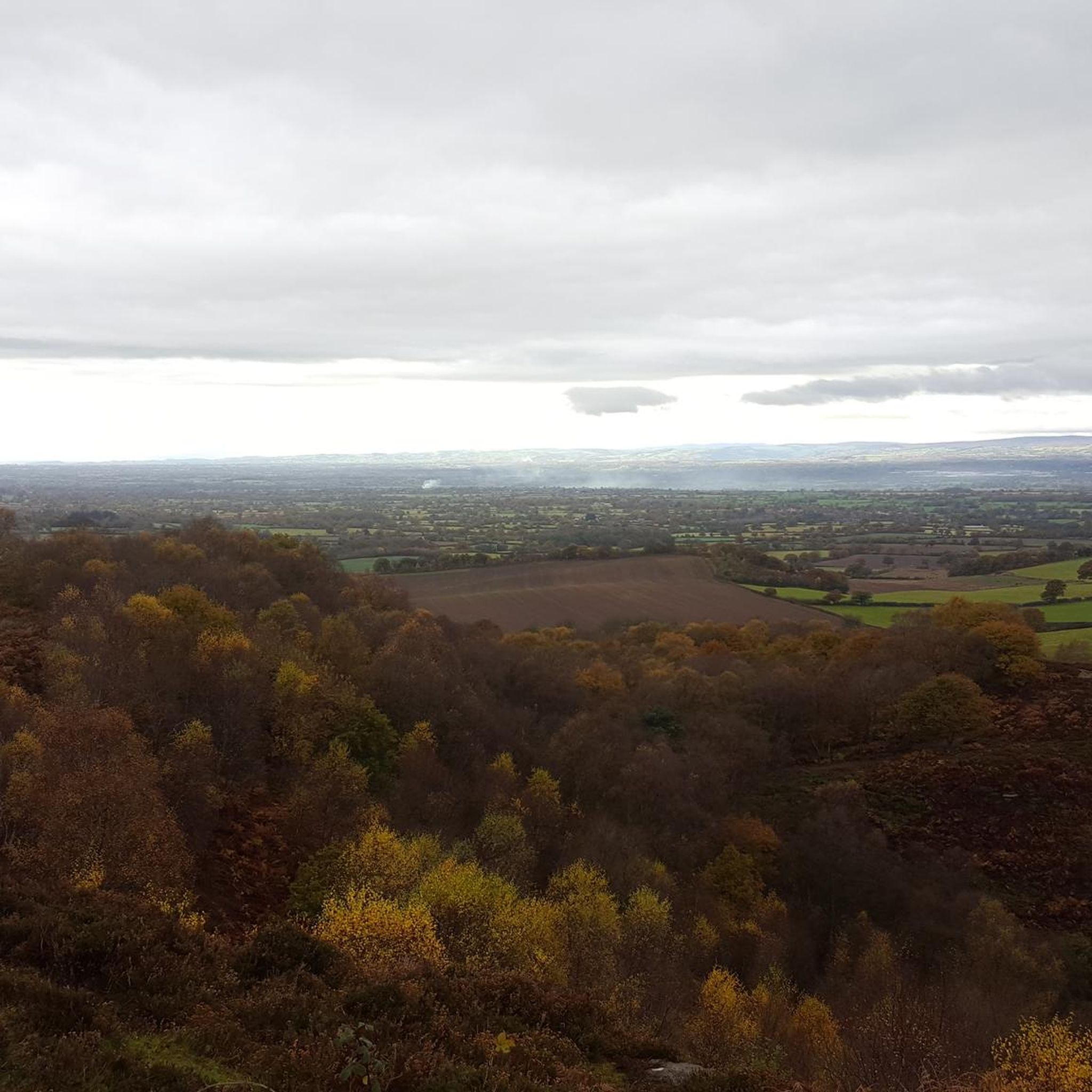
Beeston Castle
Highlight • Viewpoint
Tip by

Maiden Castle Iron Age Hillfort
Highlight (Segment) • Historical Site
Tip by

Sign up now to discover places like this
Get recommendations on the best single tracks, peaks, & plenty of other exciting outdoor places.
Sign up for free
Big Mere Lake
Highlight • Natural Monument
Tip by
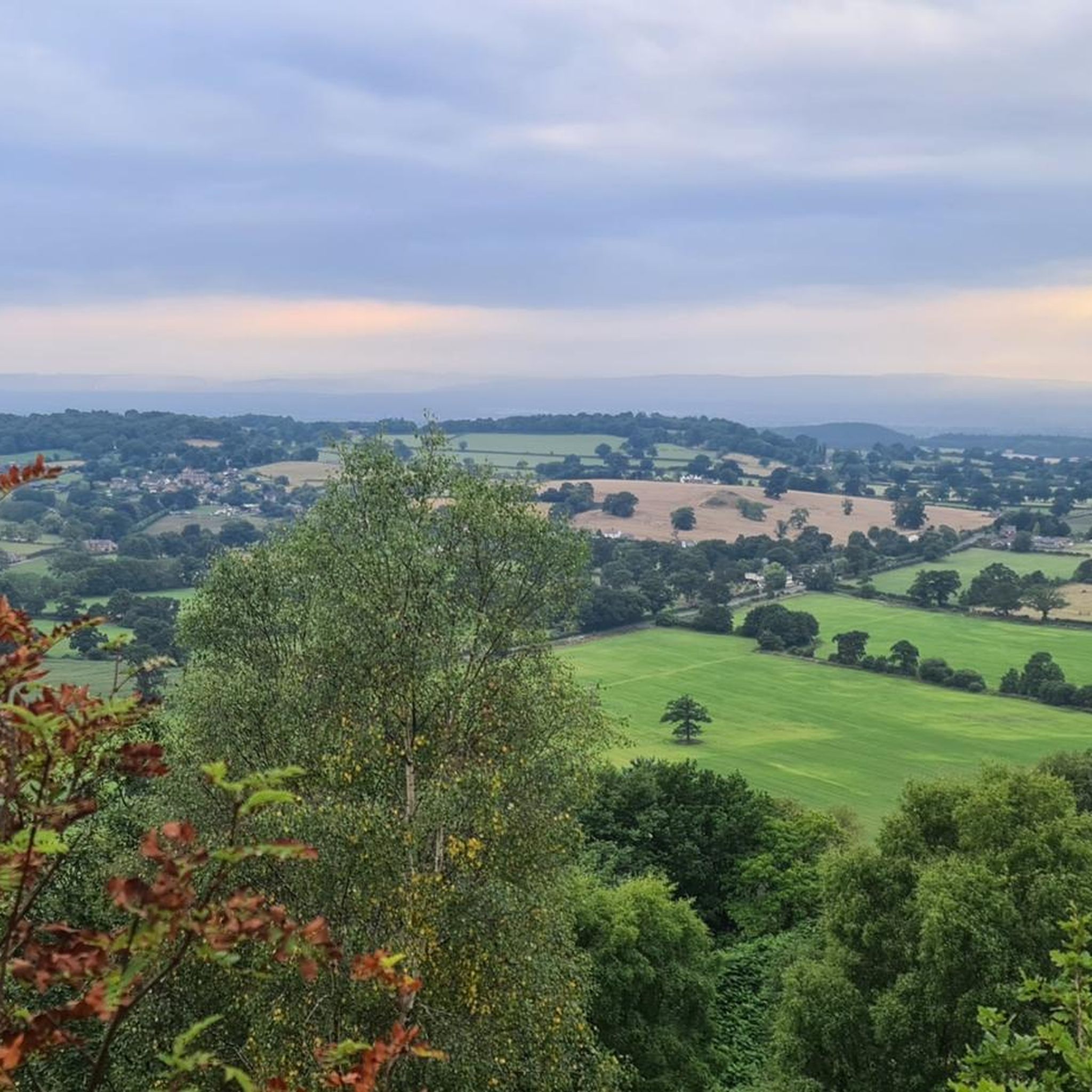
View from Bickerton Hill
Highlight • Viewpoint
Tip by
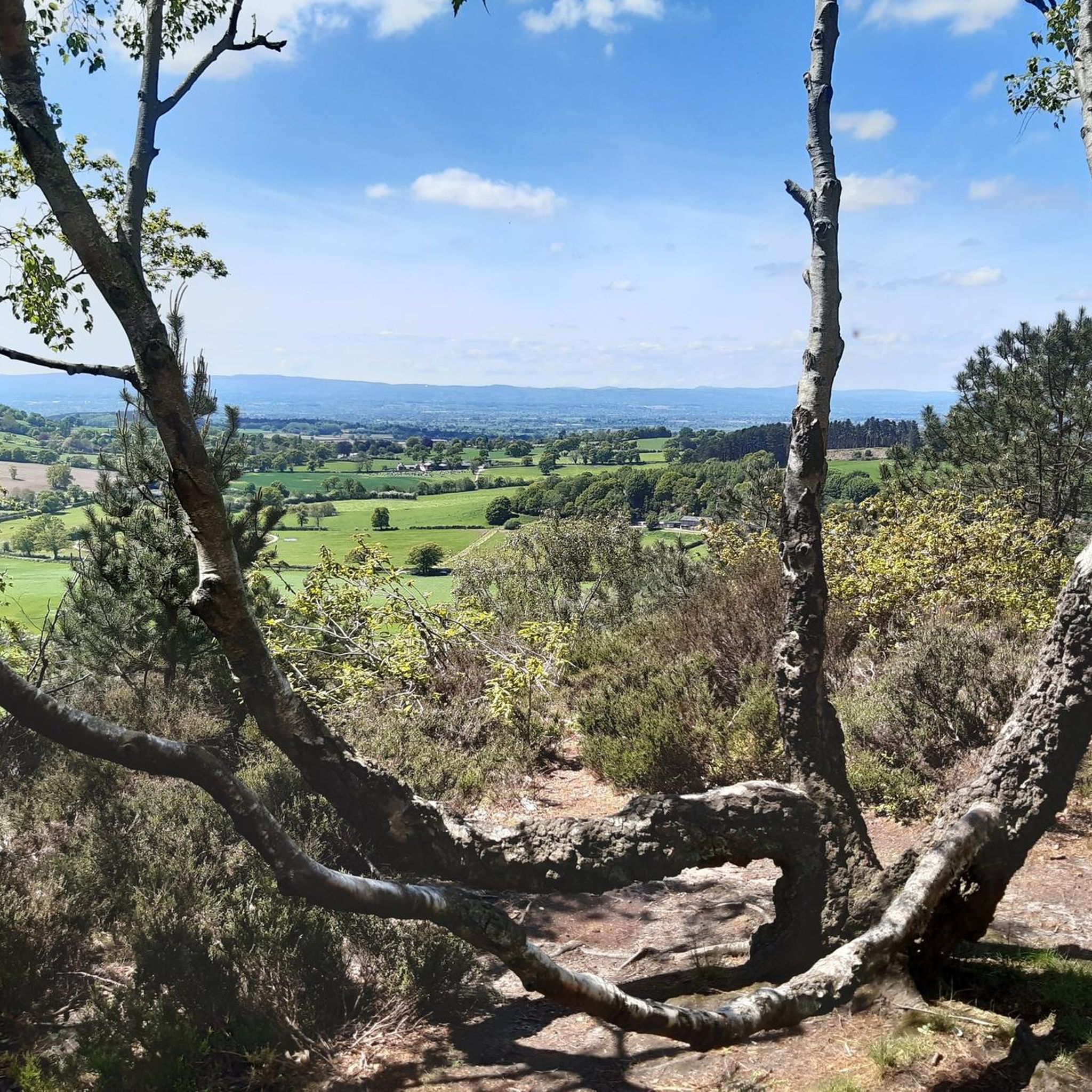
Maiden Castle Ramparts
Highlight • Viewpoint
Tip by
Start today with a free account
Your next adventure awaits.
Login or Signup

Tips from the Community

Beeston Castle is a former Royal castle in Beeston, Cheshire, England, perched on a rocky sandstone crag 350 feet above the Cheshire Plain. It was built in the 1220s by Ranulf de Blondeville, 6th Earl of Chester, on his return from the Crusades.
2
0

nice view to the surrounding area. the route to the castle not suitable for a road bike, you may need to carry your bike on some parts
1
0

English Heritage maintained castle ruins sitting high on top of the hill. Like so much in the area it was destroyed in the Civil War.
1
1

Located on the edge of Marbury village, Big Mere is a pretty stretch of water home to diverse wildlife. Here, you will find bird species from Goosander to Egret as well as many fish. The lake is a designated Site of Specific Scientific Interest and popular place to fish. St Michael's Church stands on the edge of the lake, adding to the picturesque setting. The lake is a lovely place for a picnic.
2
0
Maiden Castle is an Iron Age hill fort constructed around 600 BC. The fort would have been used as an important line of defence until the Roman conquest in the 1st century AD. Today, the hill fort is a scheduled Ancient Monument owned by the National Trust. Set amongst beautiful Bickerton Hills and forests, the hill fort is a popular place to hike and cycle.
0
0
Beeston Castle is a magnificent 11th-century former stronghold that once belonged to Henry III. Built in the 1220s by Ranulf de Blondeville, the castle was partly destroyed under Cromwell in the mid-16th century. From the castle, you can see across eight counties; as far as the Welsh mountains in the east and the Pennines to the west. Today, the castle is open on weekends from 10am - 4pm. Entrance costs £8 for adults.
2
0

This stunning section takes you over Bickerton Hill, past the Iron Age hillfort of Maiden Castle, and over Larkton Hill. You are afforded breathtaking views that stretch as far as Wales. The area is a rugged lowland scrub which has been designated as a Site of Special Scientific Interest and a Site of Biological Importance.
4
0
Bickerton Hill is a rugged lowland heath with superb views. The area has been designated as a Site of Special Scientific Interest and a Site of Biological Importance due to its lowland heath plants and wildlife. On the highest point of the hill sits Maiden Castle, an Iron Age hillfort which affords views that stretch as far as the Welsh mountains on a clear day.
3
0
Frequently Asked Questions
What are some unique natural attractions near Ducklington?
Beyond the prominent historical sites, Ducklington is known for its unique natural features. The village is home to a specially designated meadow famed for its rare snake's head fritillary flowers, which bloom beautifully each spring. The River Windrush flows nearby, and to the northeast, you'll find Ducklington Lake (also known as Witney Lake), a country park with a nature reserve at its southern end, offering tranquil natural spaces.
What kind of natural features and viewpoints can I expect to see around Ducklington?
The area around Ducklington offers diverse natural features and impressive viewpoints. You can experience the rugged lowland heath of Bickerton Hill, which is a designated Site of Special Scientific Interest. From viewpoints like Beeston Castle and Maiden Castle Iron Age Hillfort, you can enjoy panoramic views stretching across multiple counties, sometimes even as far as the Welsh mountains. Additionally, Big Mere Lake provides a serene natural setting with diverse wildlife.
Are there historical natural monuments to explore near Ducklington?
Yes, the region is rich in historical natural monuments. Beeston Castle, an 11th-century stronghold, sits atop a rocky crag offering historical insights and vast views. Another significant site is Maiden Castle Iron Age Hillfort, an ancient fortification on Bickerton Hill, which is also a Site of Special Scientific Interest. These sites combine natural beauty with centuries of history.
What outdoor activities can I do near these natural monuments?
The area around Ducklington's natural monuments is excellent for various outdoor activities. You can find numerous hiking trails, including the popular Maiden Castle & Bickerton Hill loop. Cycling is also popular, with options like the Chester & Beeston Castle loop. For road cyclists, there are routes such as the Forest Road Through Woodland – Spartan Survival Entrance loop. These activities allow you to explore the diverse landscapes and historical sites.
Are there family-friendly natural monuments around Ducklington?
Yes, several natural monuments are suitable for families. Big Mere Lake, for instance, is categorized as family-friendly and is a lovely spot for a picnic and wildlife spotting. The Ducklington fritillary meadow also hosts 'Fritillary Sunday' each year, a community event perfect for families to enjoy the blooming flowers and village atmosphere.
When is the best time to visit the natural monuments around Ducklington?
The best time to visit depends on your interests. For witnessing the rare snake's head fritillary flowers, 'Fritillary Sunday' in spring (typically April/May) is ideal. For hiking and enjoying the viewpoints like Beeston Castle and View from Bickerton Hill, spring and autumn offer pleasant weather and vibrant landscapes. Summer is also great for outdoor activities, while winter can provide a different, often quieter, experience, though some facilities might have reduced hours.
What kind of wildlife can I spot at these natural monuments?
The natural monuments around Ducklington are home to diverse wildlife. At Big Mere Lake, you can spot various bird species, including Goosander and Egret, as well as many fish. The lowland heath of Bickerton Hill, which includes Maiden Castle Iron Age Hillfort, is a Site of Biological Importance, supporting unique lowland heath plants and associated wildlife. The fritillary meadow is, of course, famous for its rare flowers.
What do visitors enjoy most about the natural monuments in this region?
Visitors particularly enjoy the stunning panoramic views from sites like Beeston Castle and View from Bickerton Hill, which stretch across multiple counties. The historical significance of the ancient fortifications, combined with the natural beauty of the landscapes, is also highly appreciated. Many find the tranquil setting of places like Big Mere Lake and the unique experience of the fritillary meadow to be highlights of their visit.
Are there any specific events related to the natural monuments in Ducklington?
Yes, Ducklington hosts an annual 'Fritillary Sunday' event. During this time, the famous fritillary meadow, along with the local church and village hall, are opened to the public. This provides a unique opportunity to walk among and appreciate the rare snake's head fritillary flowers and experience a vibrant community tradition.
Can I find hiking trails that include historical sites?
Absolutely. Many hiking routes in the area combine natural beauty with historical significance. For example, the Maiden Castle & Bickerton Hill loop takes you past the Iron Age hillfort of Maiden Castle, offering breathtaking views and a glimpse into ancient history. Similarly, trails around Beeston Castle allow you to explore the castle ruins and surrounding natural landscape.
Is it possible to combine a visit to a natural monument with a lake experience?
Yes, you can easily combine these experiences. Big Mere Lake is a designated Site of Specific Scientific Interest, offering a peaceful environment for wildlife observation and picnics. While not directly adjacent to the major hillforts, Ducklington Lake (Witney Lake) also provides a lovely natural setting for relaxation and walks, complementing a visit to the more rugged natural monuments.
Most popular attractions around Duckington

Get inspired with the komoot mobile app


Explore more
Extend your search for the best caves by checking out these guides of the top ones around Duckington:
