Top 5 Natural Monuments around South Creake
Best natural monuments around South Creake are found within a landscape characterized by its idyllic countryside, featuring green fields and rolling hills. This area, nestled in North West Norfolk, serves as a gateway to significant natural attractions. The region's natural beauty is defined by its unique coastline, diverse habitats, and geological features. Visitors can explore a variety of natural landmarks and viewpoints that showcase the local ecosystem.
Best natural monuments around South Creake
- The most popular natural monuments is View…
Last updated: August 8, 2026
Warham Camp Iron Age Fort
Highlight • Viewpoint
Tip by

Bronze Age Barrows on Harpley Common
Highlight • Historical Site
Local …
Tip by

Sign up now to discover places like this
Get recommendations on the best single tracks, peaks, & plenty of other exciting outdoor places.
Sign up for free
View of Brancaster from Barrow Common
Highlight • Natural Monument
Tip by

Bronze Age Barrow on Peddars Way at Flitcham
Highlight (Segment) • Natural Monument
Tip by

Start today with a free account
Your next adventure awaits.
Login or Signup

Tips from the Community

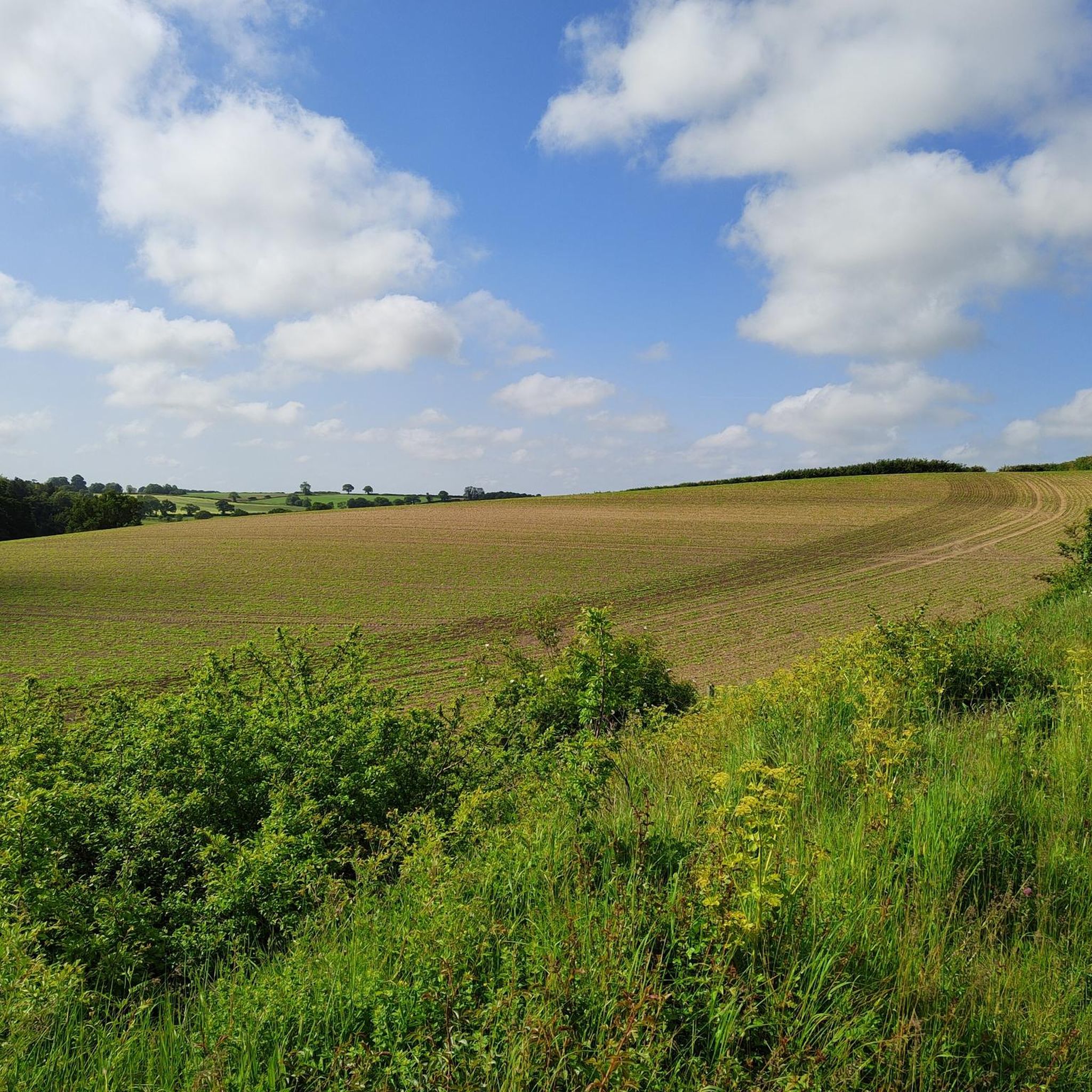
A nice section of the Peddars Way which has a good surface and is relatively covered from the elements, it's got some nice views and there are bronze age barrows nearby, again gravel, mountain and tour bikes should be fine on this surface.
0
0
Beautiful examples of Barrow's that have survived quite well mainly due to how flat the landscape is here. They stand proud of the landscape and are particularaly atmospheric at dusk.
0
0

Sitting near the route of the old Peddars Way trackway. Amazing to think that these barrows have seen the Romans, Angles, Vikings and Normans all go by, standing inviolable and immutable.
0
0

Warham Camp is a large and very well-preserved Iron Age fort sitting within agricultural land, and is a scheduled monument. It is arguably the best earthwork of this period in the region. It has been repeatedly surveyed by aerial photography, and is a circular structure with an overall diameter of 212m. The course of a channel of the River Stiffkey cuts across the south western edge of the earthworks, but this is an 18th century alteration and the original river ran in a curve to the west. There are outer and inner ditches and banks, and excavation in 1914 and 1959 produced evidence for a timber palisade and platform at the rear and timber revetment on the inner face. Iron Age and Roman pottery sherds have been recovered, including a greyware sherd, as stray finds between 2009 and 2014 (https://www.heritage.norfolk.gov.uk/record-details?MNF1828-Warham-Camp-Iron-Age-Fort&Index=1656&RecordCount=56542)
0
0
The best preserved Iron Age fort in East Anglia
0
0

There are gorgeous views of Brancaster up here on Barrow Common. Its height giving an ideal place for a radar station to be erected in the Second World War. Look out for its remains and that of a mound and round barrow, an ancient burial site.
1
0

Many places to park along the main road through the common.
0
0

A cluster of Bronze age burial mounds / barrows on Harpley Common. Some are around 3m high. Pottery, bone and charcoal fragments were discovered when Bell Barrow was excavated. Local tradition has it that treasure is buried here and it is said that rabbits will not burrow in it, or if they do they soon come out! Strangely enough there are very few rabbit burrows. Please don't dig for treasure here, as it's protected as a national monument.
1
0
Frequently Asked Questions
What natural viewpoints can I find near South Creake?
You can enjoy stunning vistas from View of Brancaster from Barrow Common, which offers gorgeous views of Brancaster and the coast. Another excellent spot is Warham Camp Iron Age Fort, providing expansive views over the countryside.
What historical natural monuments are there to explore?
The area is rich in historical natural monuments. You can visit Warham Camp Iron Age Fort, considered the best-preserved Iron Age fort in East Anglia. Additionally, explore the ancient burial mounds at Bronze Age Barrows on Harpley Common and a Bronze Age Barrow on Peddars Way at Flitcham, offering a glimpse into the region's past.
Are there family-friendly natural monuments or walks in the area?
Yes, many natural attractions near South Creake are suitable for families. The View of Brancaster from Barrow Common is categorized as family-friendly. The expansive sandy beach at Wells-next-the-Sea, with its adjacent forest, is also a popular spot for families to relax and enjoy the natural surroundings.
Can I spot wildlife near South Creake's natural monuments?
Absolutely. The wider North Norfolk Coast National Landscape is excellent for wildlife. Holkham National Nature Reserve is known for its rich variety of birds, and Titchwell Marsh RSPB Reserve is a premier bird-watching site with diverse habitats attracting many species throughout the year.
What outdoor activities can I do near these natural monuments?
The area offers a variety of outdoor activities. You can find numerous cycling routes, including those around Holkham Hall and Wells-next-the-Sea, as detailed in the Cycling around South Creake guide. For hiking, there are easy trails like those around Burnham Market, which you can explore in the Easy hikes around South Creake guide. Gravel biking is also popular, with routes like the one from Docking to a Bronze Age Barrow, found in the Gravel biking around South Creake guide.
Are the natural monuments and trails dog-friendly?
Many outdoor areas in North Norfolk are dog-friendly, especially beaches and public footpaths. Always check local signage for specific restrictions, particularly in nature reserves or during nesting seasons. Generally, dogs on leads are welcome on many trails and open spaces, including parts of the North Norfolk Coast Path.
When is the best time to visit the natural monuments around South Creake?
The natural monuments and coastal areas are beautiful year-round. Spring and autumn offer pleasant temperatures for walking and excellent opportunities for birdwatching as migratory species pass through. Summer is ideal for enjoying the beaches, while winter provides a dramatic landscape and unique wildlife viewing experiences, though some facilities might have reduced hours.
What kind of terrain can I expect on walks near South Creake?
The terrain around South Creake and the North Norfolk Coast is varied. You'll find relatively flat paths through fields and along the River Burn, sandy stretches on beaches like Wells-next-the-Sea, and some gentle inclines around historical sites like Warham Camp Iron Age Fort and Barrow Common. The Peddars Way, where the Bronze Age Barrow at Flitcham is located, often features a good, relatively flat surface.
Are there any lesser-known natural gems to explore near South Creake?
While not a 'hidden gem' in the traditional sense, the tranquil environment of the River Burn, which flows through South Creake, offers peaceful walks and a glimpse into the local ecosystem away from the more popular coastal spots. Exploring the smaller paths and byways around the village can also reveal charming rural landscapes.
What is the North Norfolk Coast National Landscape?
The North Norfolk Coast National Landscape, formerly an Area of Outstanding Natural Beauty, highlights the entire region's exceptional natural beauty. It's characterized by its unique coastline, diverse habitats including salt marshes and pine forests, and significant geological features. South Creake is situated within or very close to this designated area, making it a prime location for exploring its natural heritage.
Are there any specific natural features to look out for in the wider region?
Yes, the wider North Norfolk region boasts diverse natural features. Look for the vast sandy beaches and pine forests at Holkham National Nature Reserve, the unique salt marshes and reedbeds at Titchwell Marsh RSPB Reserve, and the distinctive chalk bedrock that underlies much of the North Norfolk Coast National Landscape.
Most popular routes around South Creake
Most popular attractions around South Creake

Get inspired with the komoot mobile app


Explore more
Extend your search for the best caves by checking out these guides of the top ones around South Creake:
