Top 5 Natural Monuments around Breaston
Best natural monuments around Breaston offer diverse natural landscapes and significant natural assets. The area features the Breaston Nature Reserve, also known as Golden Brook, a wetland area known for its birdlife and varied habitats. Visitors can explore ancient woodlands, unique geological formations, and historical sites with natural features. These locations provide opportunities for observing wildlife and experiencing the region's natural heritage.
Best natural monuments around Breaston
- The most popular natural monuments is The Hemlock Stone, an other natural…
Last updated: May 17, 2026
The Hemlock Stone
Highlight • Natural
Tip by

Site of Wood Hall and Risley Lank
Highlight • Historical Site
The Risley Park …
Tip by

Sign up now to discover places like this
Get recommendations on the best single tracks, peaks, & plenty of other exciting outdoor places.
Sign up for free
Chaddesden Wood Local Nature Reserve
Highlight • Natural Monument
Tip by

Bramcote Walled Garden
Highlight • Structure
Tip by

Clifton Woods
Highlight • Forest
Tip by

Sign up for free to discover even more natural monuments around Breaston.
Sign up for free
Already have an account?
Start today with a free account
Your next adventure awaits.
Login or Signup
Tips from the Community

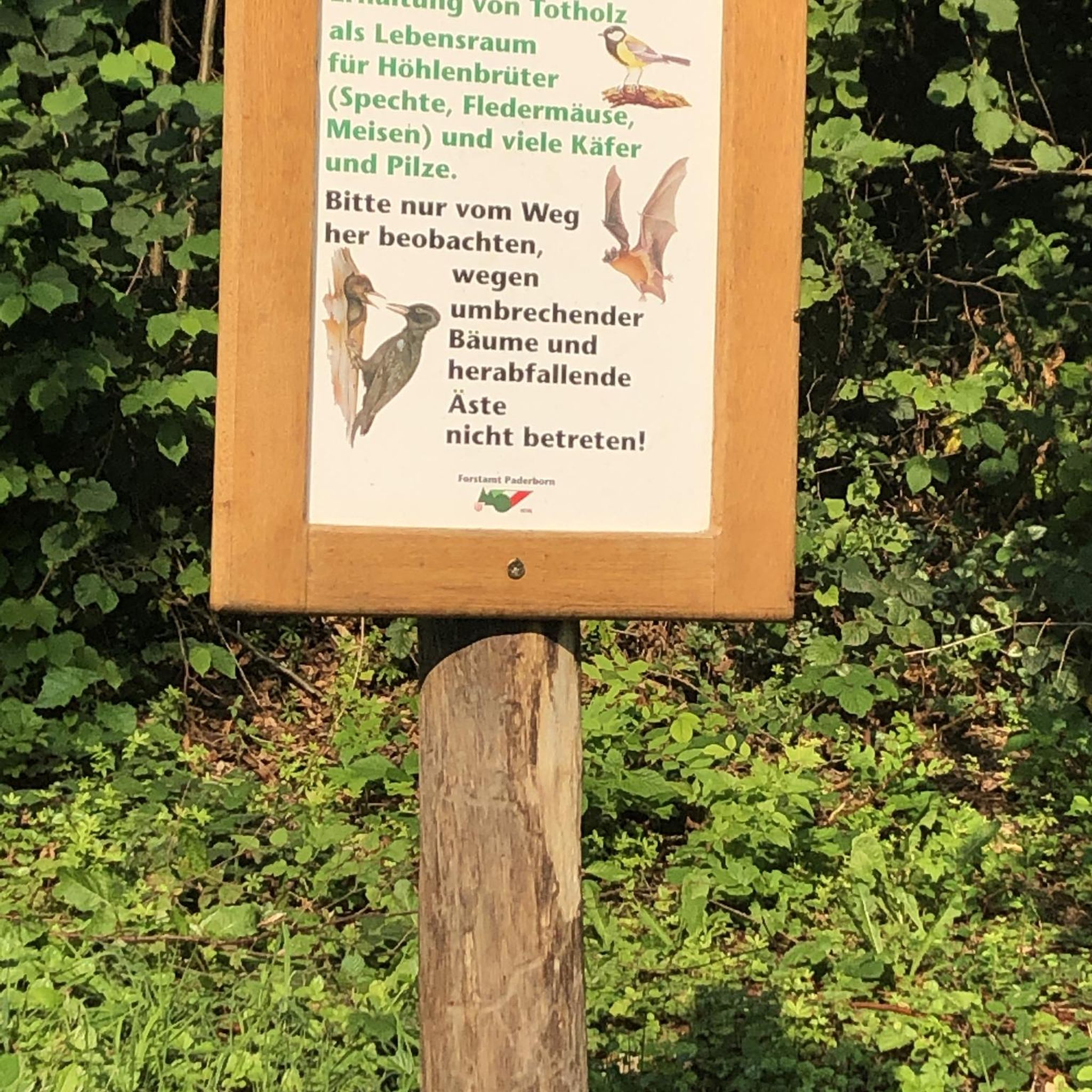
A 9.21-hectare (approx. 23-acre) ancient oak woodland, cherished as a tranquil community nature spot. Declared a Local Nature Reserve in 1991, it boasts over 400 years of history, with features like spring bluebells, wildlife spotting (woodpeckers, squirrels), and a 0.6-mile circular walking trail.
0
0

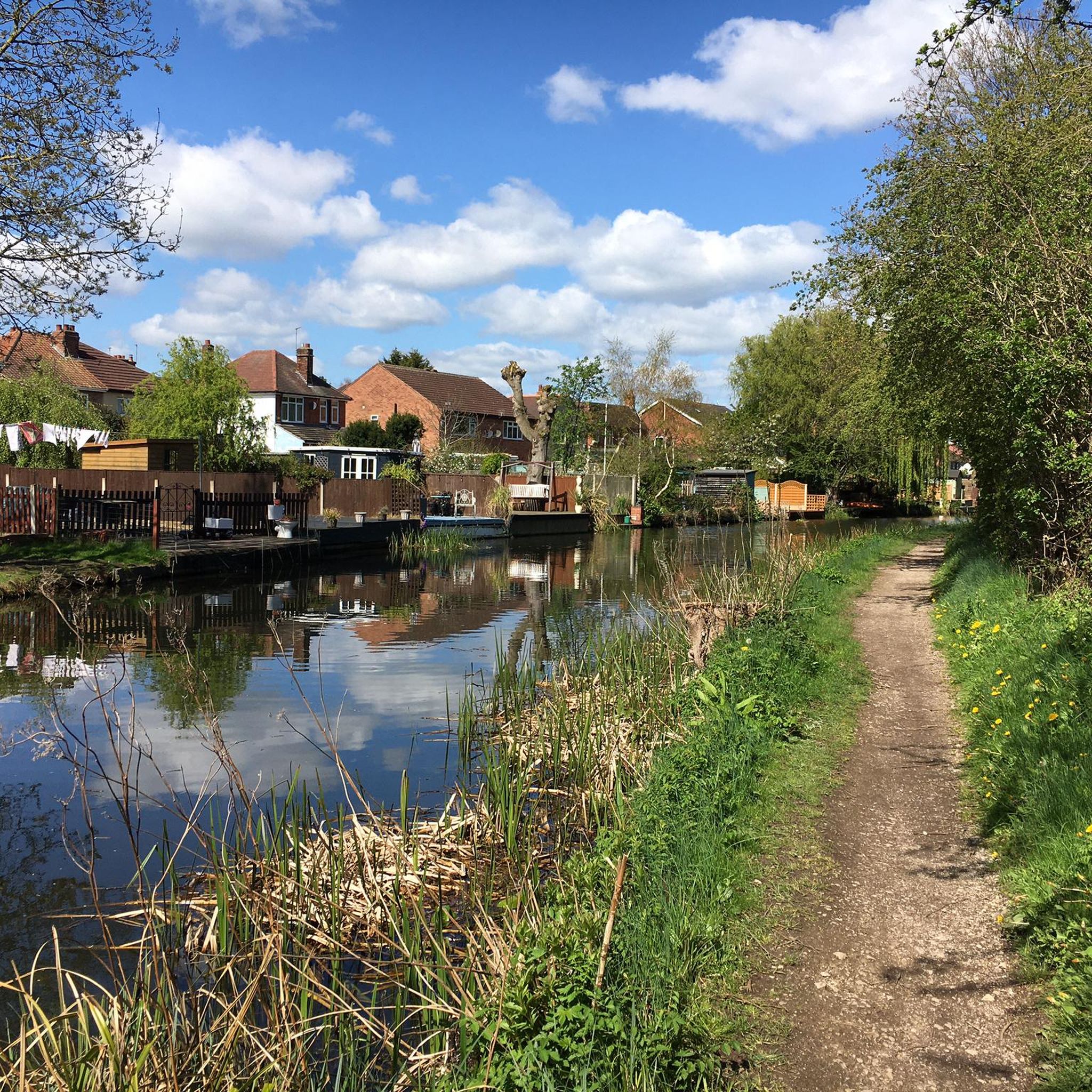
Lovely stretch of woodland through a nature reserve between the A453 and river Trent. Has some nice sedimentary rock formations!
1
0


The walled garden was part of the Bramcote Estate. It's recently restored with statues and paths following the walls of the old buildings.
0
0
The Hemlock Stone is an outcrop of New Red Sandstone, deposited more than 200 million years ago in the Triassic Period. Approximately 28 feet (8.5 m) high, it is formed of a layer of Nottingham Castle Sandstone overlying a layer of Lenton Sandstone.
0
0

This is on the FP going East from Hopwell Hall Farm
0
0
The Moat of Wood Hall can be seen in the field adjacent to the Public Footpath. An info board nearby relates the story of the Risley Lanx. The Risley Park Lanx is a large Roman silver dish that was discovered in 1729 in Risley Park, Ref Wikipedia https://en.wikipedia.org/wiki/Risley_Park_Lanx
0
0

A striking outcrop of red sandstone, the Hemlock Stone rises 31 feet (10 m) on the flanks of Stapleford Hill. Legend has it that this beguiling rock formation has associations with the ancient religious rites of fire and sun worship. When it catches the setting sun, it's easy to imagine why.
1
0
Frequently Asked Questions
What are the most popular natural monuments around Breaston?
Visitors frequently enjoy exploring The Hemlock Stone, a striking red sandstone outcrop with historical associations. Other popular spots include Chaddesden Wood Local Nature Reserve, an ancient oak woodland, and the tranquil Bramcote Walled Garden.
Are there family-friendly natural monuments in the Breaston area?
Yes, several natural monuments are suitable for families. The Hemlock Stone, Site of Wood Hall and Risley Lank, Chaddesden Wood Local Nature Reserve, Bramcote Walled Garden, and Clifton Woods are all categorized as family-friendly, offering accessible paths and interesting sights for all ages.
Where can I go for wildlife spotting near Breaston?
The Breaston Nature Reserve, also known as Golden Brook, is an excellent destination for wildlife spotting, especially birdwatching. It's home to diverse birdlife, including Reed Warblers, Sedge Warblers, and Cetti's Warblers in summer, and common wildfowl in winter. Rarities like Garganey and Great Bittern have also been sighted. Chaddesden Wood Local Nature Reserve also offers opportunities to see woodpeckers and squirrels.
What kind of walking trails can I find near Breaston's natural monuments?
You'll find a variety of walking trails. Breaston Nature Reserve (Golden Brook) features a wide, easy, and generally flat path, making it accessible. Chaddesden Wood Local Nature Reserve has a 0.6-mile circular walking trail through ancient oak woodland. For more options, you can explore various hiking routes around Breaston, including easy loops like the Breaston Memorial Garden – Victoria Mills loop. Find more details on hiking around Breaston.
Are there any historical sites with natural features to visit?
Yes, the Site of Wood Hall and Risley Lank allows visitors to observe the moat of Wood Hall adjacent to a public footpath, with an info board detailing the history of the Risley Park Lanx. Additionally, Bramcote Walled Garden, a recently restored historical garden, offers a blend of man-made beauty and natural elements.
What is the best time to visit Breaston Nature Reserve (Golden Brook)?
For birdwatching, the best times to visit Breaston Nature Reserve (Golden Brook) are winter and spring to observe wildfowl and migrating species. Summer is ideal for enjoying wildflowers and butterflies.
Are there any geological features worth seeing near Breaston?
Absolutely. The Hemlock Stone is a prominent geological feature, a striking 10-meter high outcrop of red sandstone. Its unique appearance and historical significance make it a must-see. Additionally, Clifton Woods features some interesting sedimentary rock formations.
Can I find cycling routes near the natural monuments?
Yes, the area offers various cycling opportunities. You can find gravel biking routes, such as the Trent Lock – Beeston Lock loop, and mountain biking trails, including routes around Attenborough Nature Reserve. Explore more options on the gravel biking guide for Breaston or the MTB trails guide.
Are the natural monuments around Breaston accessible for everyone?
Breaston Nature Reserve (Golden Brook) is generally accessible, featuring a wide, easy, and flat path. Many of the listed natural monuments, such as The Hemlock Stone and Bramcote Walled Garden, are categorized as family-friendly, suggesting a degree of accessibility, though specific wheelchair accessibility may vary by location.
What kind of natural habitats can I expect to see?
The Breaston Nature Reserve (Golden Brook) is a diverse wetland area, featuring reedbeds, agricultural land, and various wetland plants like reed mace, grasses, and mosses. You can also explore ancient oak woodland at Chaddesden Wood Local Nature Reserve and general woodland environments at Clifton Woods.
What do visitors particularly enjoy about the natural monuments in Breaston?
Visitors appreciate the unique natural landscapes and the opportunity to connect with nature. The striking appearance and historical associations of The Hemlock Stone are often highlighted. The tranquil environment of places like Chaddesden Wood Local Nature Reserve and the diverse birdlife at Breaston Nature Reserve (Golden Brook) are also highly valued.
Most popular routes around Breaston
Most popular attractions around Breaston

Get inspired with the komoot mobile app


Explore more
Extend your search for the best caves by checking out these guides of the top ones around Breaston:
