Top 10 Natural Monuments around Strelley
Natural monuments around Strelley, a village in Nottinghamshire, offer diverse landscapes and geological interests. The area features various natural attractions, from ancient rock formations to rewilded former mining sites. Visitors can explore woodlands, reservoirs, and nature reserves that showcase local flora and fauna. This region provides opportunities for observing wildlife and experiencing different natural environments.
Best natural monuments around Strelley
- The most popular natural monuments is The Hemlock Stone, an other natural formation that rises 31 feet on the…
Last updated: May 17, 2026
The Hemlock Stone
Highlight • Natural
Tip by

St James' Church and Ancient Yew Tree, Papplewick
Highlight • Historical Site
Tip by

Sign up now to discover places like this
Get recommendations on the best single tracks, peaks, & plenty of other exciting outdoor places.
Sign up for free
Site of Wood Hall and Risley Lank
Highlight • Historical Site
The Risley Park …
Tip by

Loscoe Dam
Highlight • Natural Monument
Tip by

Young People's Forest at Mead
Highlight • Natural Monument
Tip by

Sign up for free to discover even more natural monuments around Strelley.
Sign up for free
Already have an account?
Start today with a free account
Your next adventure awaits.
Login or Signup
Tips from the Community

The church is thought to have been built in the 12th century. In the grant made by Henry II to Newstead Priory, part of the endowment was “The Town of Papplewick with the Church of the same name and the Mill.”. Legend has it that Alan A’Dale, one of Robin Hood’s men, was married here. The present tower dates from the 14th century. The nave and chancel were rebuilt by the Right Hon. Frederick Montagu in 1795 (after he had rebuilt the Hall.). In 1855, Papplewick was united with Linby. The Parish is now called ‘the Parish of St. Michael, Linby cum St. James, Papplewick‘. The building was further restored and repaired in 1938 in memory of John Chadburn, son of Mr. C. W. Chadburn who lived in the Parish.
0
0


Origins in the 12th Century, rebuilt in 1795 & restored in 1940, this Grade I listed building is still in weekly use. The Yew tree outside is 350 years old.
1
0
The Hemlock Stone is an outcrop of New Red Sandstone, deposited more than 200 million years ago in the Triassic Period. Approximately 28 feet (8.5 m) high, it is formed of a layer of Nottingham Castle Sandstone overlying a layer of Lenton Sandstone.
0
0
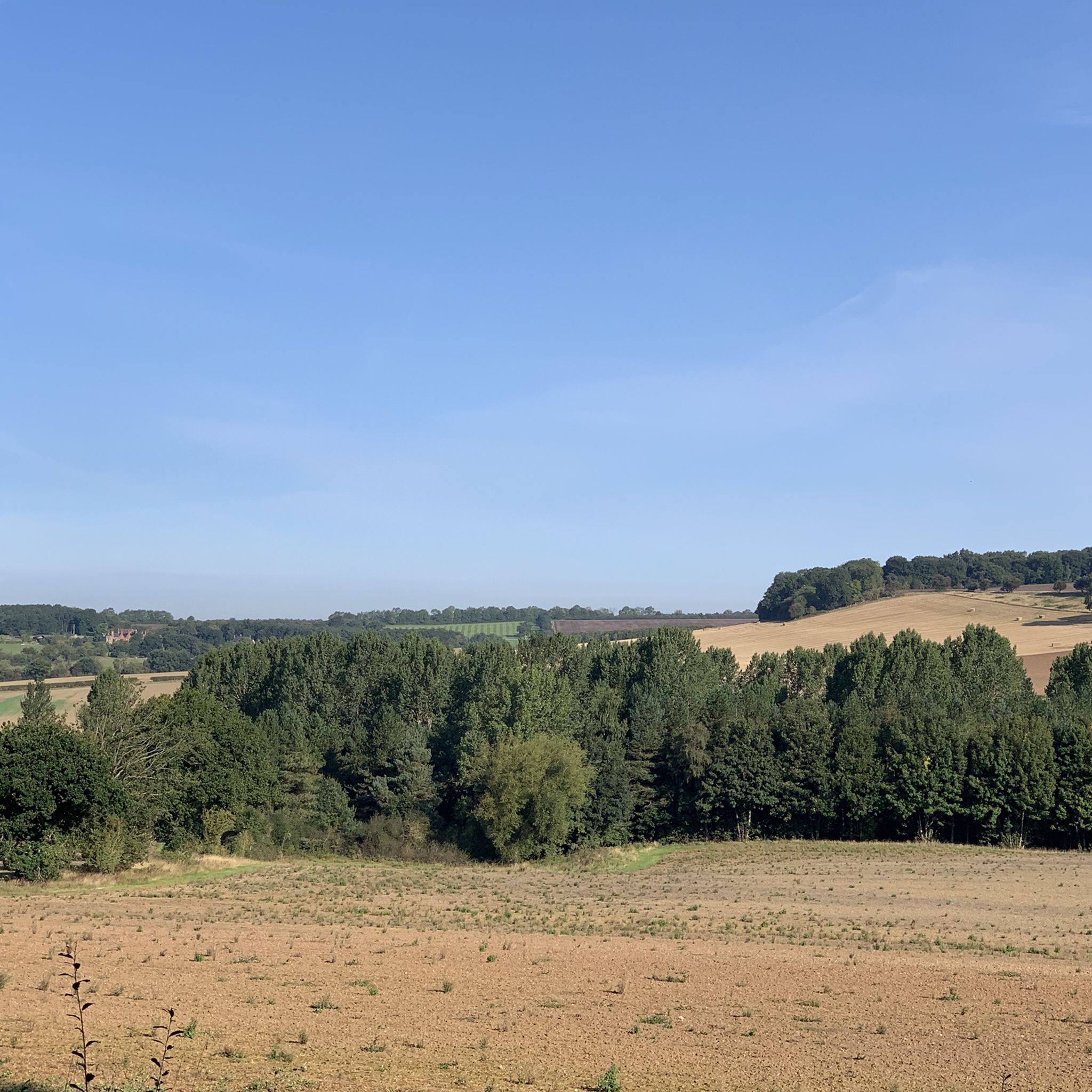
The Young People’s Forest at Mead is being planted on an extensive former open cast mining site near Heanor in Derbyshire.
0
0

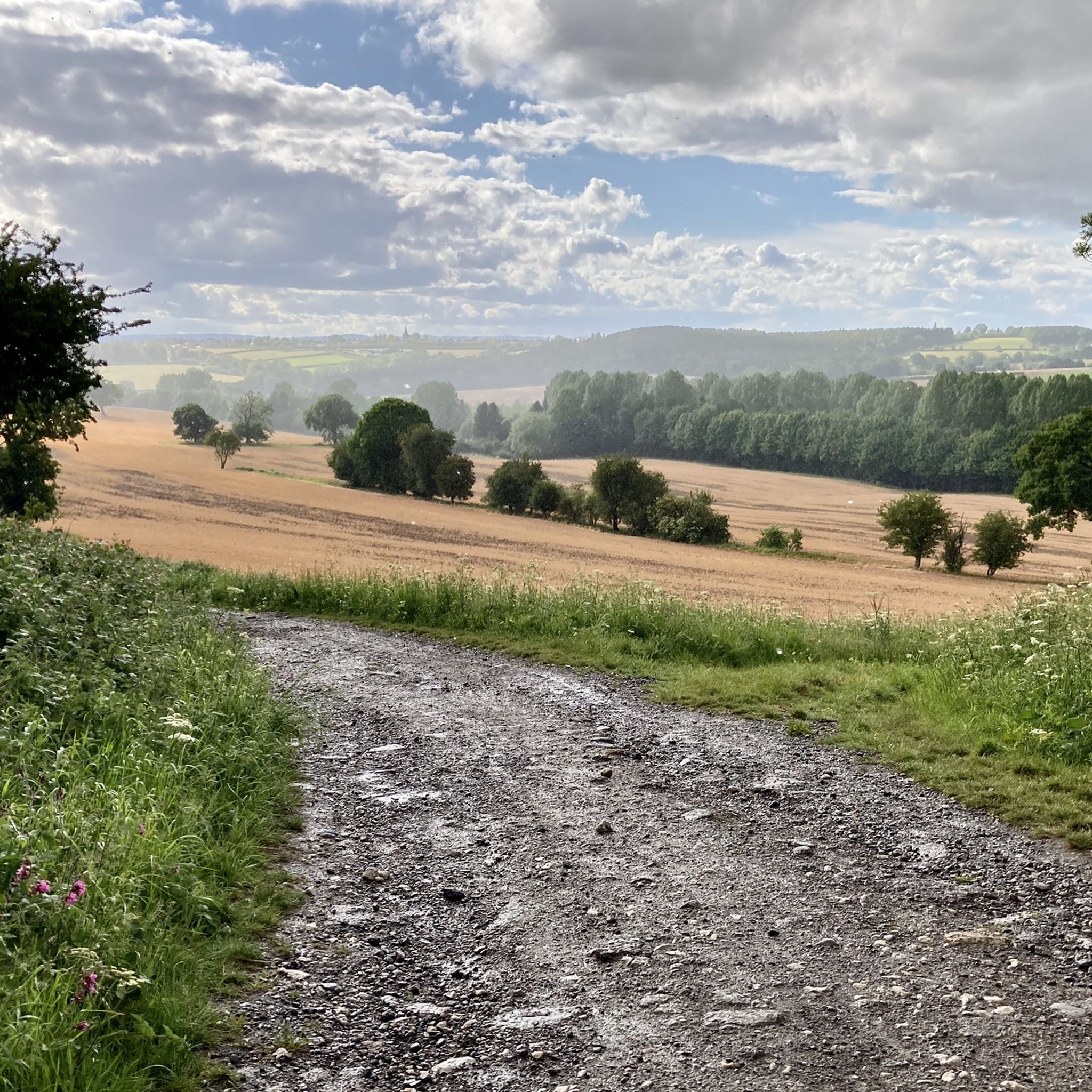
This is on the FP going East from Hopwell Hall Farm
0
0
The Moat of Wood Hall can be seen in the field adjacent to the Public Footpath. An info board nearby relates the story of the Risley Lanx. The Risley Park Lanx is a large Roman silver dish that was discovered in 1729 in Risley Park, Ref Wikipedia https://en.wikipedia.org/wiki/Risley_Park_Lanx
0
0

Frequently Asked Questions
What are some of the most popular natural monuments around Strelley?
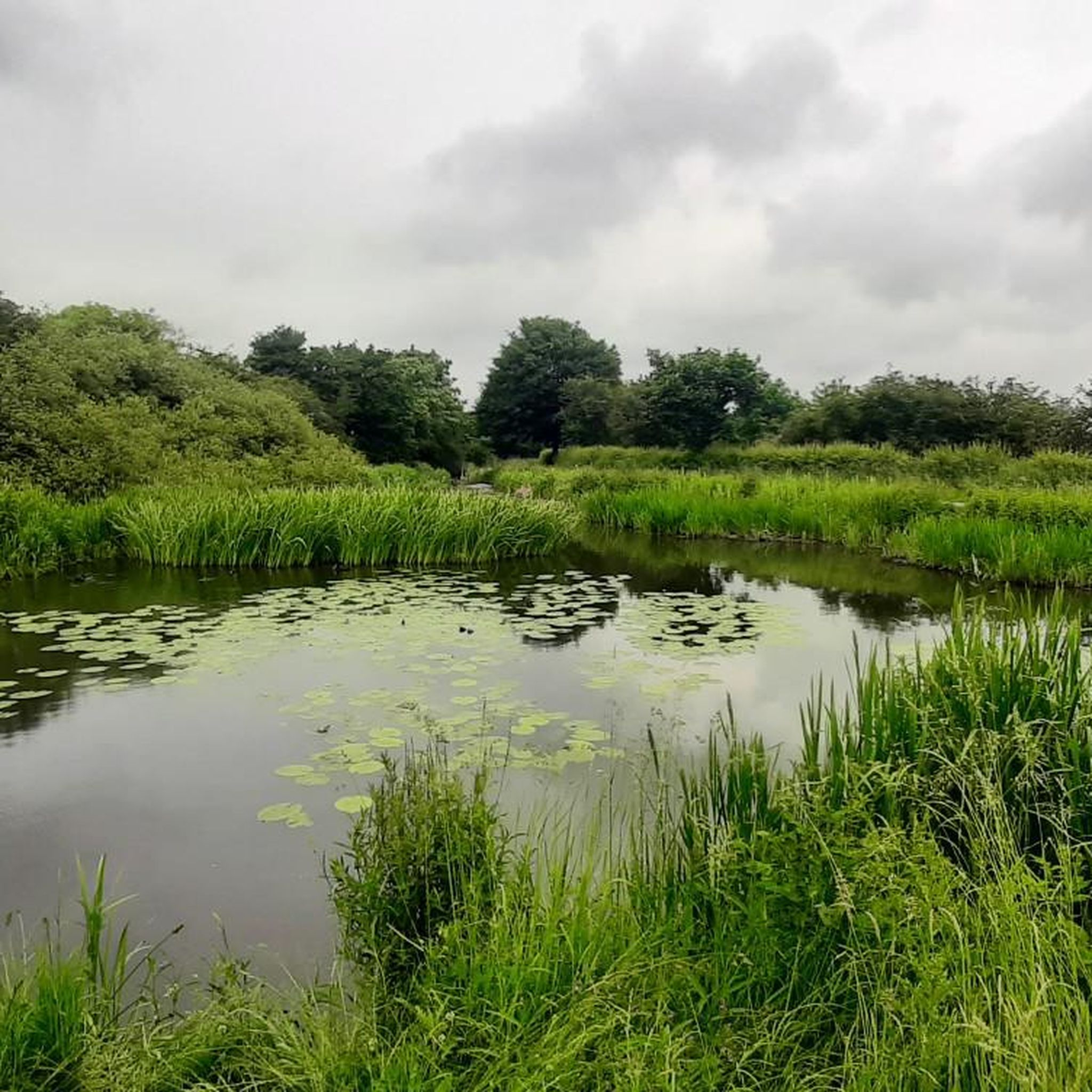
Visitors frequently enjoy The Hemlock Stone, a striking 31-foot red sandstone outcrop with a rich local legend. Another popular spot is Loscoe Dam, an ancient lake now used by anglers and for wildlife observation. The Young People's Forest at Mead, a former mining site being reforested, also attracts many.
Where can I go for bird watching near Strelley?
For excellent bird watching, visit Attenborough Nature Reserve. This expansive reserve along a tranquil river path features numerous ponds and bird hides, making it ideal for observing various bird species. Mapperley Reservoir is also a great spot, with coots, moorhens, mallards, kingfishers, and various songbirds frequently sighted.
Are there family-friendly natural monuments in the Strelley area?
Yes, several natural monuments are suitable for families. The Hemlock Stone, Loscoe Dam, and the Young People's Forest at Mead are all listed as family-friendly. Additionally, Attenborough Nature Reserve and Mapperley Reservoir offer easy walks and wildlife spotting opportunities that are enjoyable for all ages.
What kind of geological features can I explore around Strelley?
The region offers interesting geological sites. The Hemlock Stone is a notable red sandstone inselberg. Stonepit Plantation is geologically significant as the most southerly exposure of magnesian limestone in Britain, locally known as 'Bulwell Stone'.
Where can I find peaceful walks and observe local flora and fauna?
Mapperley Reservoir, surrounded by bluebell woodlands and farmland, is perfect for peaceful strolls and spotting wildlife like various bird species and diverse flora. Oldmoor Wood, a broadleaved woodland, also provides tranquil walks amidst diverse trees and undergrowth, especially beautiful in autumn and spring.
Are there any rewilding or conservation projects to visit?
Yes, The Field, Strelley, once a horse hay field and former open-cast mine, is now a 9-acre rewilding project opposite Strelley Hall. Volunteer efforts have transformed it into a haven for wildlife, with new ponds attracting pond skaters, dragonflies, and even crested newts. The Young People's Forest at Mead is another extensive reforesting project on a former mining site.
What outdoor activities can I do near the natural monuments around Strelley?
You can enjoy various outdoor activities. For gravel biking, explore routes like the 'Swingate Water Tower – Cycle Track to Swingate loop' or the 'Nottingham Canal Path' which are detailed in the Gravel biking around Strelley guide. If you prefer hiking, there are easy trails such as 'Oldmoor Wood – Shaw's Plantation loop' or 'The Mulberry Tree Café – All Saints Church, Strelley loop' found in the Easy hikes around Strelley guide.
Are there specific hiking trails near these natural monuments?
Yes, you can find numerous hiking trails. For example, near Oldmoor Wood, you can take the 'Oldmoor Wood – Shaw's Plantation loop' or the 'Woodland Tree Tunnel Path – Oldmoor Wood loop'. More options, including moderate trails like 'Shaw's Plantation – Oldmoor Wood loop from Strelley', are available in the Hiking around Strelley guide.
What is the best time to visit the natural monuments in Strelley?
The best time to visit depends on your interests. For bird watching and vibrant summer flora, late spring and summer are ideal at Attenborough Nature Reserve and Mapperley Reservoir. Oldmoor Wood is particularly beautiful in autumn for its vibrant foliage and in spring for blooming flowers. Weekends can be busy at popular spots like Attenborough, so consider early morning or late afternoon visits for a quieter experience.
Are there any natural monuments with historical significance?
While primarily natural, some sites have historical context. The Hemlock Stone is steeped in local legend, associated with ancient religious rites. Stonepit Plantation was a former quarry, and The Field, Strelley, was a 1960s open-cast mine, both now rewilded. Loscoe Dam is an ancient lake with a history of providing resources.
Can I bring my dog to the natural monuments around Strelley?
Many natural areas around Strelley are dog-friendly, but it's always best to check specific site regulations. Generally, places like Stonepit Plantation, Attenborough Nature Reserve, and Mapperley Reservoir allow dogs, often requiring them to be on a lead to protect wildlife. Always ensure you clean up after your pet.
What do visitors enjoy most about the natural monuments in Strelley?
Visitors appreciate the diverse landscapes, from ancient rock formations to rewilded sites. The opportunities for wildlife observation, especially bird watching at places like Attenborough Nature Reserve and Mapperley Reservoir, are highly valued. The peaceful strolls through woodlands and around reservoirs, and the unique geological features like The Hemlock Stone, are also frequently highlighted.
Most popular attractions around Strelley

Get inspired with the komoot mobile app


Explore more
Extend your search for the best caves by checking out these guides of the top ones around Strelley:
