Top 20 Natural Monuments around Forsand
Best natural monuments around Forsand are primarily found within the Lysefjord region, a landscape characterized by its dramatic natural features. This area, now part of Sandnes in Rogaland county, Norway, is known for towering cliffs, deep fjords, and distinct geological formations. The terrain provides varied opportunities for exploring natural attractions.
Best natural monuments around Forsand
- The most popular natural monument is Preikestolen (Pulpit Rock), a viewpoint that stands over 600 meters above the Lysefjord. This flat-topped cliff offers extensive…
Last updated: August 8, 2026
Preikestolen (Pulpit Rock)
Highlight • Viewpoint
Translated by Google •
Tip by

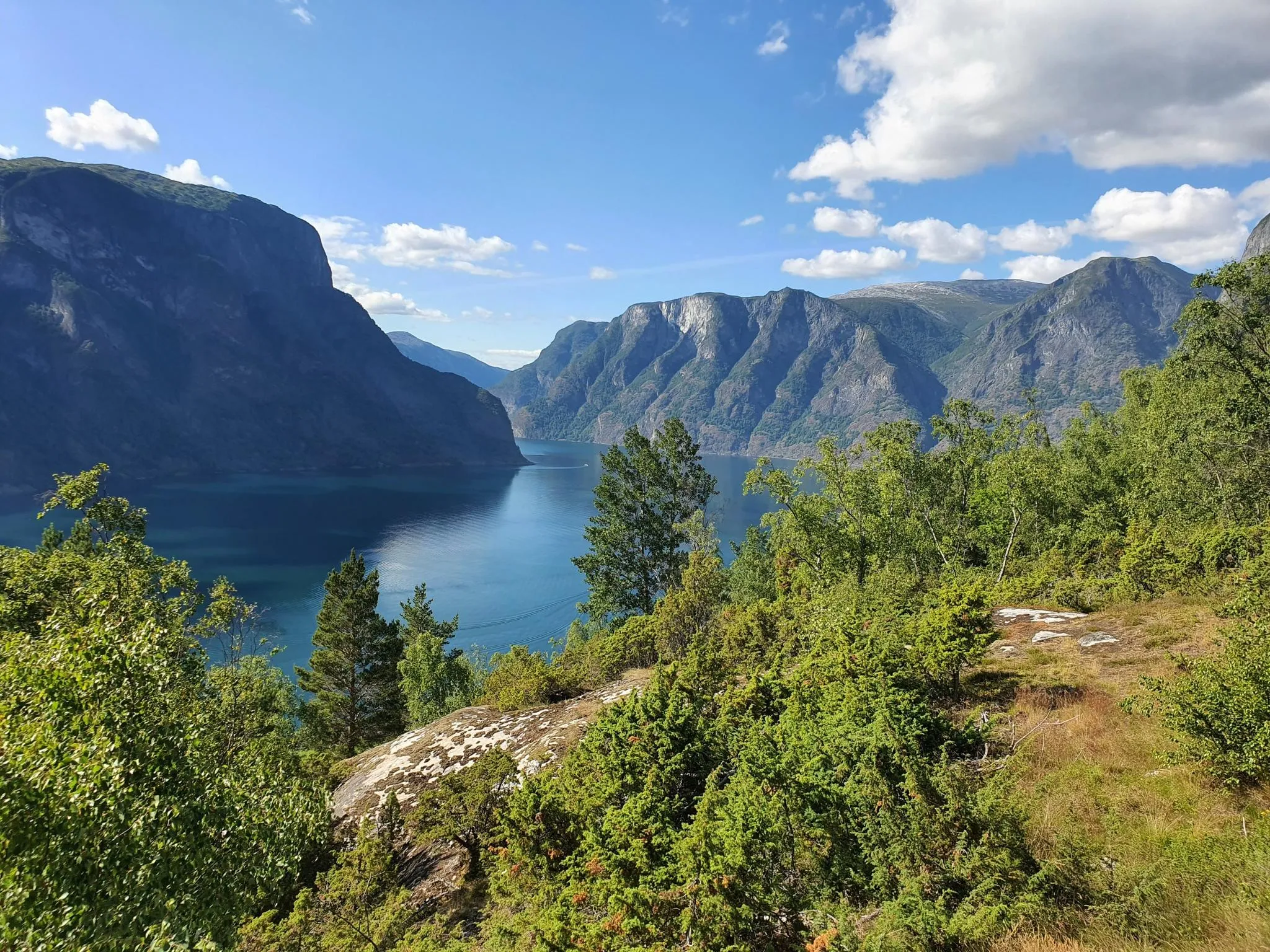
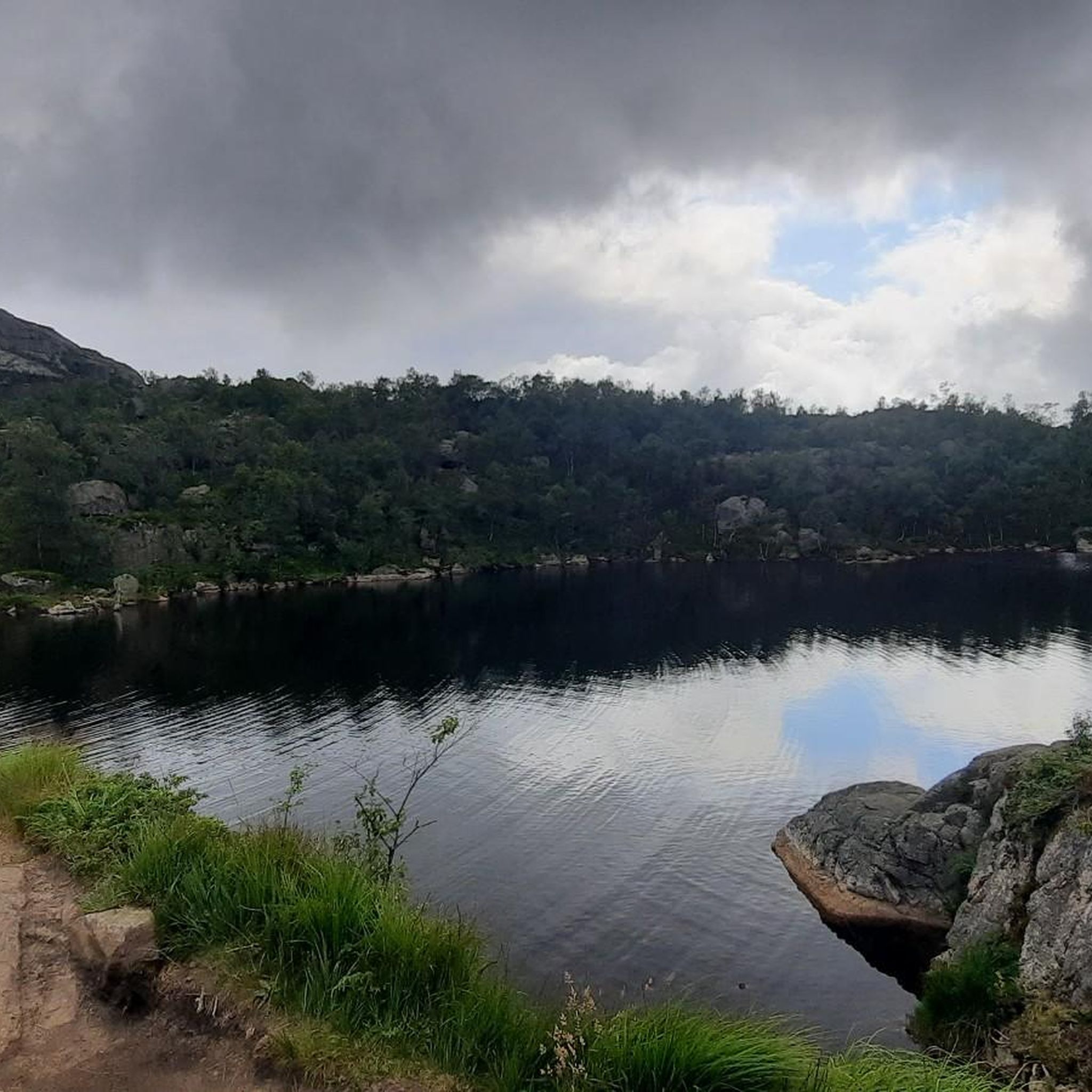
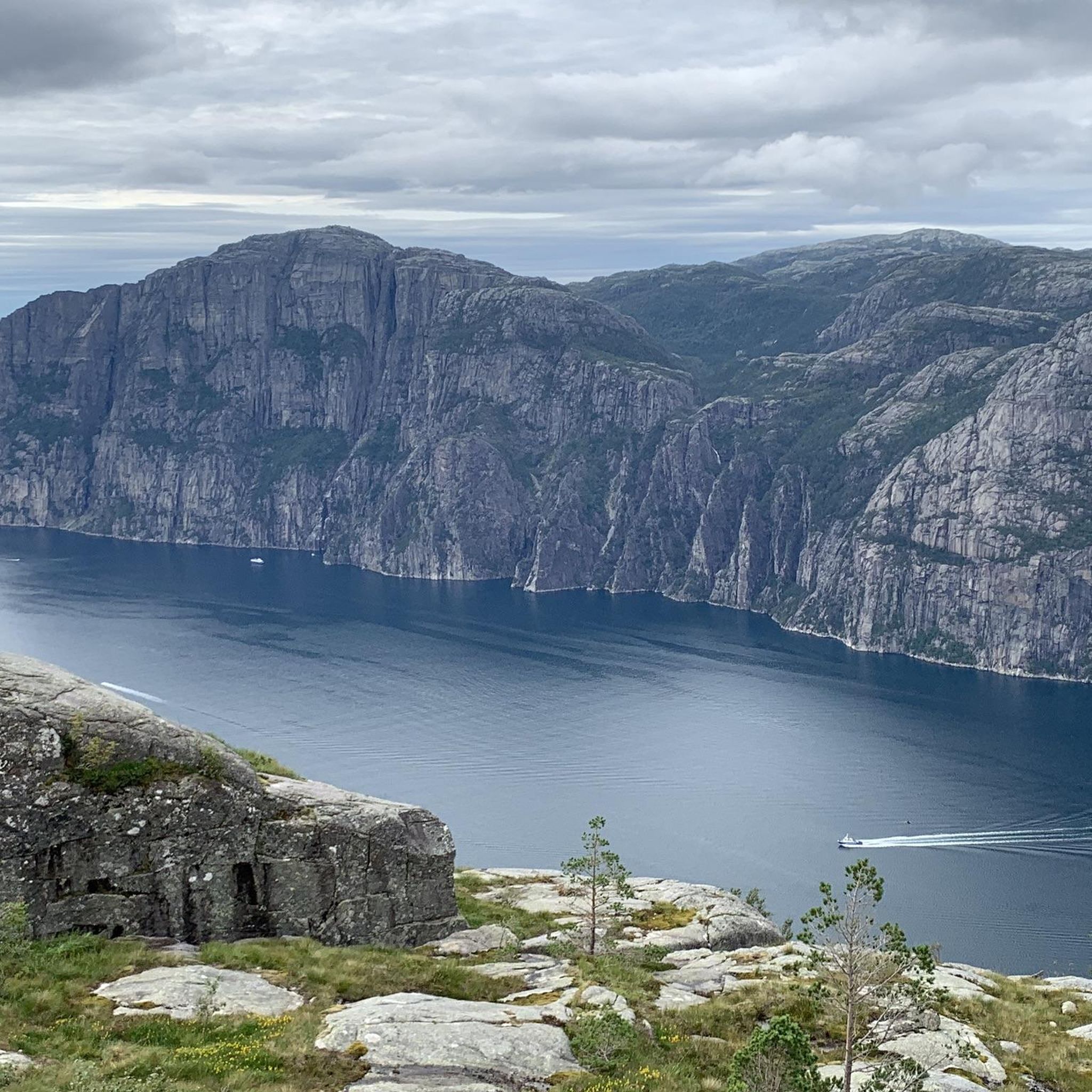
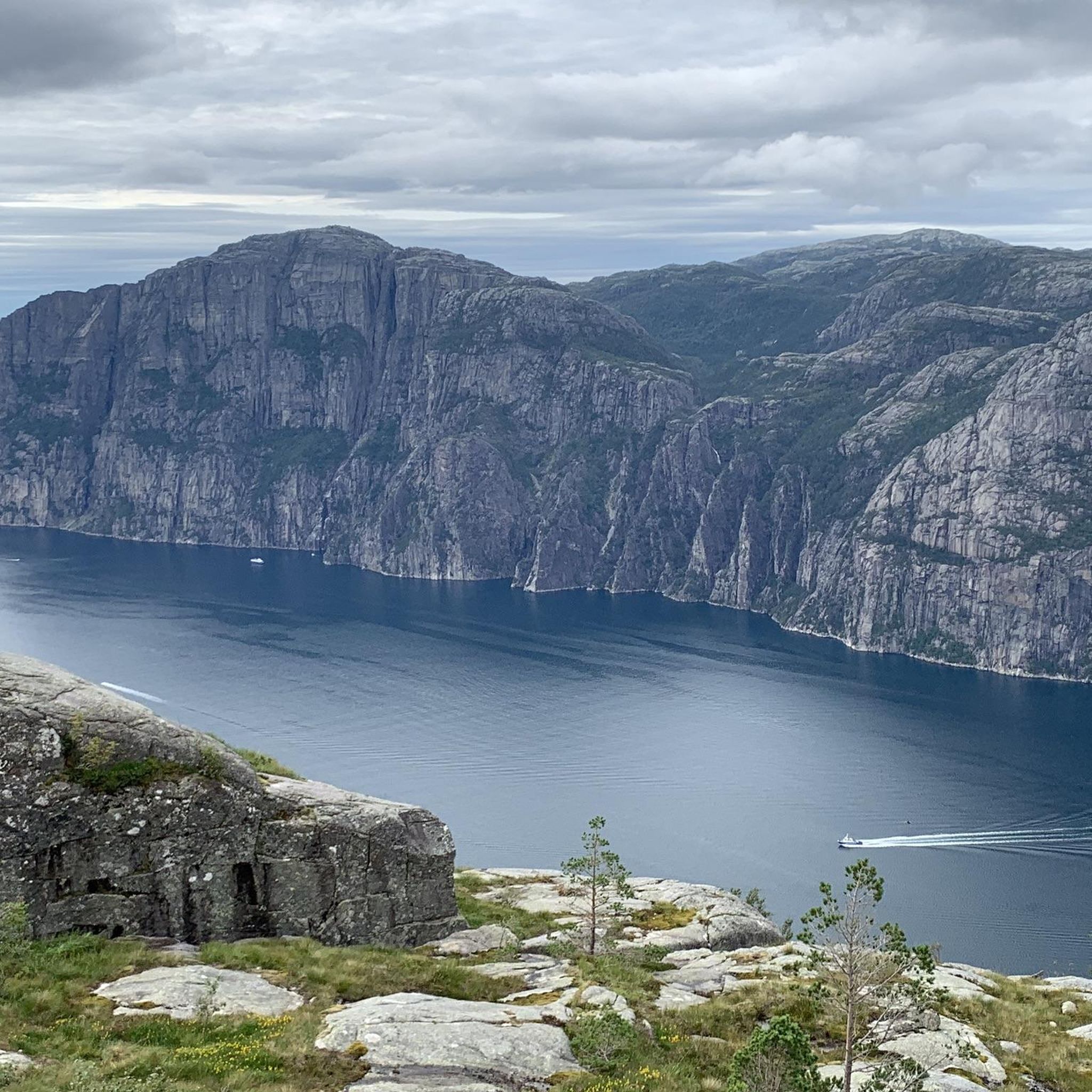
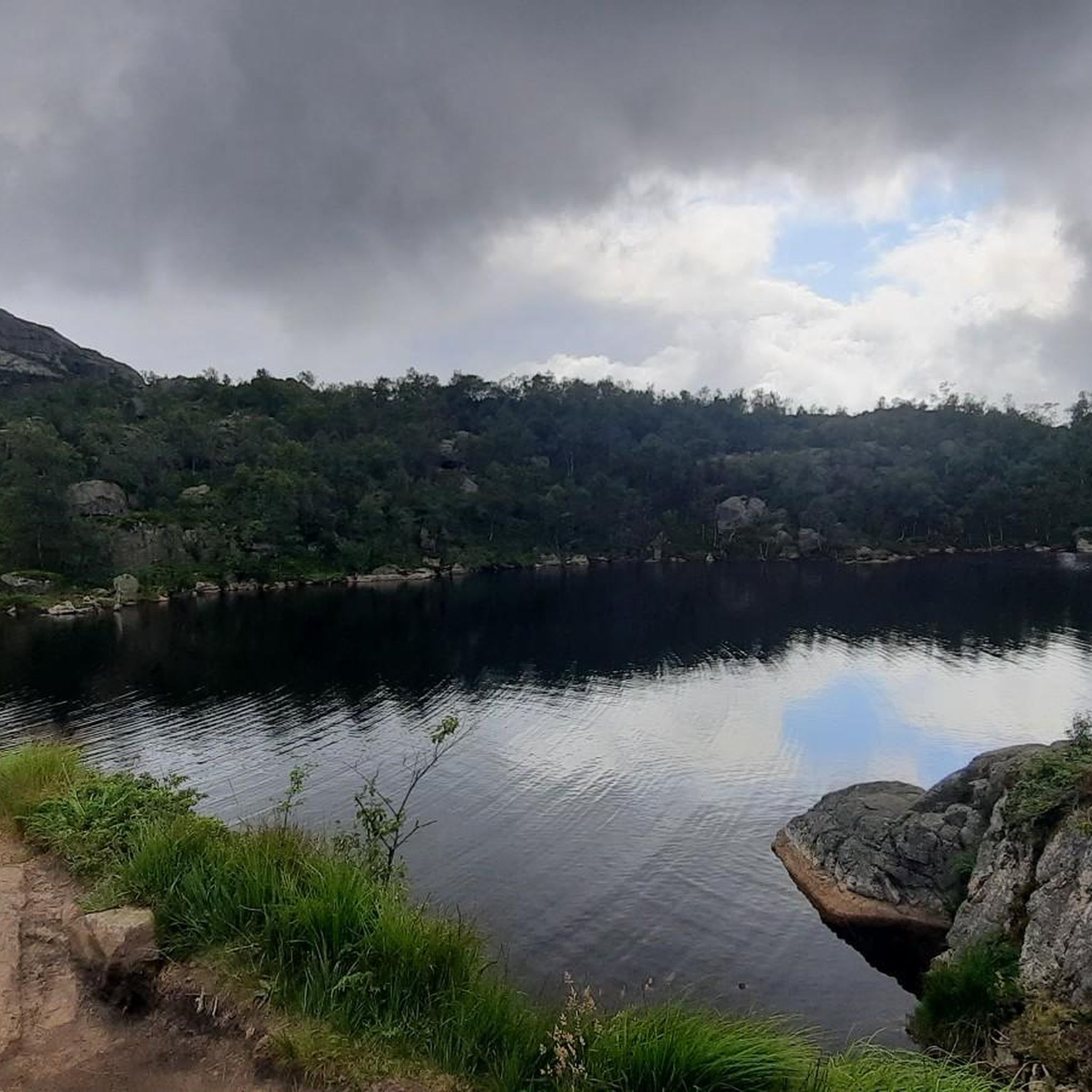
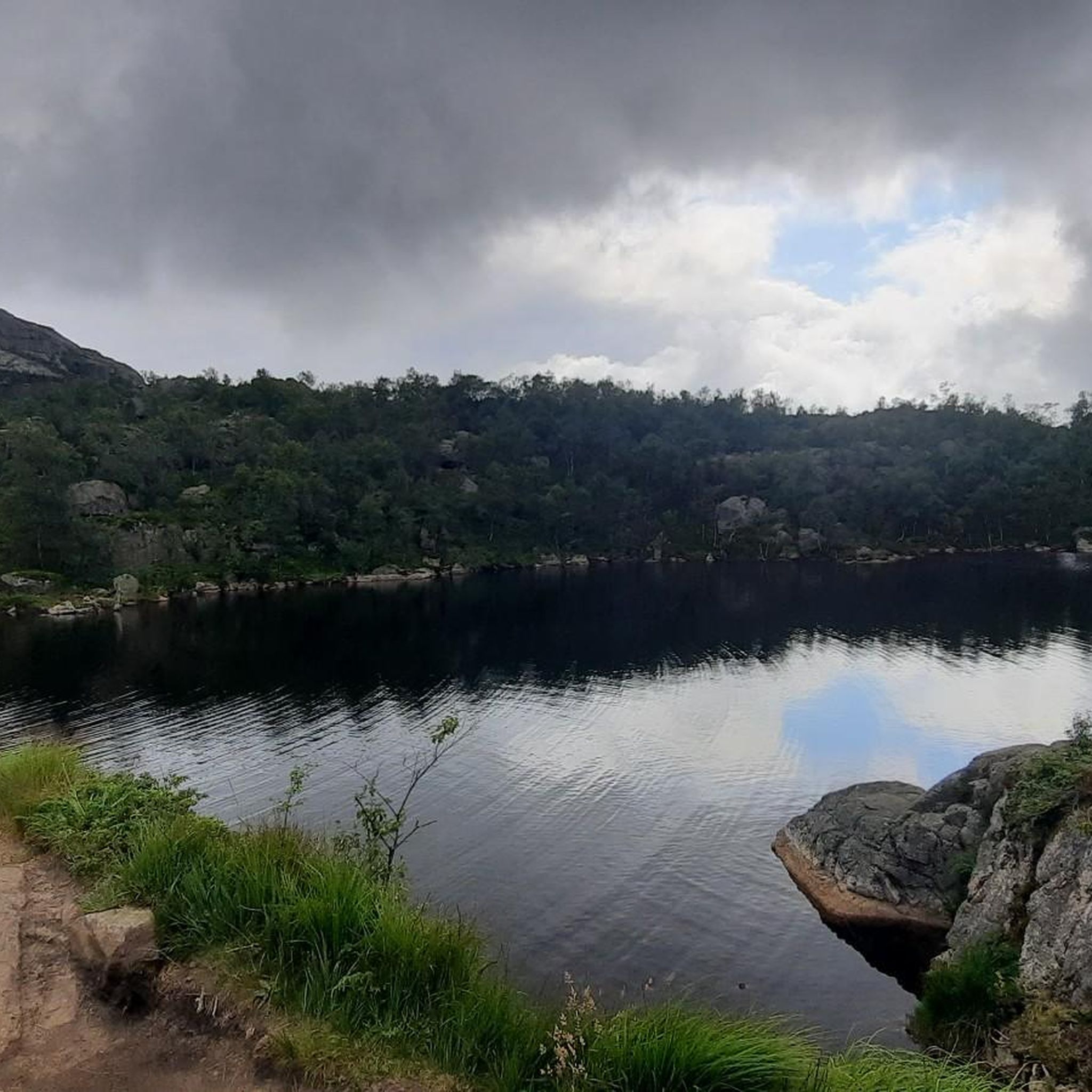
View of Lysefjord
Highlight • Viewpoint
Translated by Google •
Tip by

Sign up now to discover places like this
Get recommendations on the best single tracks, peaks, & plenty of other exciting outdoor places.
Sign up for free
Glorious views of the Lysefjord
Highlight • Viewpoint
Translated by Google •
Tip by

Kjeragbolten
Highlight • Natural Monument
Translated by Google •
Tip by

Sokkaknuten Summit
Highlight • Summit
Translated by Google •
Tip by

Sign up for free to discover even more natural monuments around Forsand.
Sign up for free
Already have an account?
Start today with a free account
Your next adventure awaits.
Login or Signup
Other adventures around Forsand

Tips from the Community

If you're comfortable hiking, this is a relatively quick and easy way to reach a first-class viewpoint. You can see deep into the Lysefjord and, on a clear day, all the way to Stavanger. Admittedly, it's steep and sometimes slippery, but that also makes it very scenic. Good footwear and a moderate level of fitness are helpful to enjoy the hike.
0
0


We can join you. Definitely not easy, but doable. We did the hike today with two boys, ages 9 and 13.
1
0

It was a steep climb, but I still found it quite pleasant by Norwegian standards. I hiked up on a Monday morning in mid-May and didn't see anyone. The view was incredibly beautiful. I should also mention that I almost always use hiking poles, which makes the ascent and descent easier.
4
0

We can only agree - for us very demanding - but also very beautiful
3
0
Hike is definitely not classified as easy. Very steep ascent and descent. Therefore more of a moderate to difficult hike. Sturdy shoes required. But once at the top you get a gigantic 360 degree view
5
2

Just before the last big bend, the view of the wonderfully wide Lysefjord valley opens up.
1
0
At this point of the ascent you have the first view of the Lysefjord.
1
1
Frequently Asked Questions
What is the hiking difficulty for the main natural monuments near Forsand?
The hike to Preikestolen (Pulpit Rock) is considered moderately difficult, an 8-kilometer round trip that typically takes 4-5 hours with an elevation gain of about 500 meters. The trail includes diverse terrain and stone stairways. The hike to Kjeragbolten is more challenging, requiring good stamina and appropriate gear due to steep ascents and descents. Visitors often note that it's more demanding than Preikestolen.
How long does it typically take to hike to Preikestolen and Kjeragbolten?
The hike to Preikestolen (Pulpit Rock) is an 8-kilometer round trip that usually takes 4-5 hours. For Kjeragbolten, you should plan around five hours for the round trip, as it involves more strenuous sections.
What unique geological features can be found among Forsand's natural monuments?
Forsand is renowned for its dramatic geological formations. The most iconic is Kjeragbolten, a 5-cubic-meter glacial boulder wedged precariously in a mountain crevice, suspended 984 meters above the Lysefjord. The Preikestolen (Pulpit Rock) is a massive, nearly square plateau, approximately 25 by 25 meters, standing 604 meters above the Lysefjord, formed during the last ice age. The Lysefjord itself is a natural monument, sculpted by glacial erosion, featuring steep granite walls that rise vertically out of the water.
What is the best time of year to visit the natural monuments in Forsand?
The best time to visit is generally during the warmer months, from late spring to early autumn (May to September), when the trails are clear of snow and ice, and the weather is more stable. During this period, you can enjoy the full hiking experience and the best views. Visiting early in the morning or late in the afternoon can help avoid the largest crowds, especially at popular spots like Preikestolen.
Are there any less crowded natural monuments or viewpoints to explore around Forsand?
While Preikestolen and Kjeragbolten are very popular, you can still find stunning views with fewer people. For instance, the Sokkaknuten Summit offers a gigantic 360-degree view after a steep but rewarding climb, and it's often less frequented. Additionally, exploring different sections of the Lysefjord by boat can provide unique perspectives away from the main hiking trails.
What outdoor activities can I do near the natural monuments in Forsand?
The region around Forsand offers a variety of outdoor activities. For hiking, you can explore routes like the challenging Kjeragbolten Roundtrip or the moderate Vikastakken Trail. Mountain biking enthusiasts can find routes like the Scenic viewpoint over the fjord loop from Jøssang. For touring cyclists, options include the Lupine Meadow – Djupedalskaret loop from Preikestolen Golfklubb Café. The Lysefjord itself is also popular for boat cruises and kayaking.
What do visitors enjoy most about the natural monuments in Forsand?
Visitors consistently praise the immense natural beauty and the breathtaking panoramic views offered by the region's natural monuments. Many highlight the rewarding feeling after completing challenging hikes to spots like Preikestolen and Kjeragbolten. The unique geological formations and the dramatic scale of the Lysefjord also leave a lasting impression, with many considering the views indescribable.
Are there any family-friendly natural attractions around Forsand?
While many of the major natural monuments like Preikestolen and Kjeragbolten involve moderately to very challenging hikes, the region offers opportunities for families. Shorter walks around the base areas or boat tours on the Lysefjord can be more suitable for families with younger children. Always check the specific trail conditions and difficulty before embarking on a hike with family members.
What should I know before hiking to Preikestolen?
Before hiking to Preikestolen, ensure you have sturdy shoes and bring enough water. It's advisable to start early in the morning or later in the afternoon to avoid the peak crowds. The trail is well-developed but strenuous in parts, with high granite block steps. Weather can change quickly in the mountains, so be prepared with appropriate clothing, including rainwear. You can find more detailed information about the hike on Visit Norway's website.
Can I get different views of the Lysefjord from various viewpoints?
Yes, the Lysefjord can be admired from multiple stunning viewpoints. Besides the iconic Preikestolen and Kjeragbolten, there's the View of Lysefjord, which offers excellent perspectives, particularly on the way to Preikestolen. Another spot, Glorious views of the Lysefjord, provides an amazing vista after a demanding ascent, showcasing the fjord's grandeur.
What makes Kjeragbolten a popular destination for extreme sports?
Kjeragbolten, located on the Kjerag mountain, is not only famous for its unique boulder but also as a renowned site for BASE jumping. The sheer vertical drop of nearly 1,000 meters into the Lysefjord from the Kjerag plateau attracts extreme sports enthusiasts from around the world, making it a popular spot for this thrilling activity, especially in the late afternoon.
Are there any natural monuments around Forsand that are wheelchair accessible?
Due to the rugged and mountainous terrain characteristic of the Lysefjord region, most of the major natural monuments like Preikestolen and Kjeragbolten are not wheelchair accessible. The trails involve steep ascents, rocky paths, and uneven surfaces. However, some visitor centers or lower viewpoints might offer limited accessibility, but direct access to the iconic natural monuments themselves is generally not possible for wheelchairs.
Most popular attractions around Forsand

Get inspired with the komoot mobile app


Explore more
Extend your search for the best caves by checking out these guides of the top ones around Forsand:
