Top 5 Natural Monuments around Tournai
Best natural monuments around Tournai include a variety of landscapes, from significant wetlands to ancient geological formations. The region, part of the Plaines De L'Escaut Natural Park and near the Pays des Collines Nature Park, features diverse terrain. These areas offer insights into Wallonia's natural heritage and provide settings for outdoor activities. The geological bedrock of Tournaisis, composed of Carboniferous limestone, also reveals historical quarrying and palaeokarstic features.
Best natural monuments around Tournai
- The most popular natural monuments is Mont-Saint-Aubert…
Last updated: August 8, 2026
Mont-Saint-Aubert
Highlight • Summit
Tip by

Kluisberg - Mont de l'Enclus
Highlight • Monument
Translated by Google •
Tip by

Sign up now to discover places like this
Get recommendations on the best single tracks, peaks, & plenty of other exciting outdoor places.
Sign up for free
Coupure Deweer
Highlight (Segment) • Lake
Translated by Google •
Tip by

Menhir of Pierre Brunehault
Highlight • Natural Monument
Translated by Google •
Tip by

Giant Liedericq
Highlight • Monument
Translated by Google •
Tip by
The Giants of Mont de l'Enclus
Highlight • Monument
Translated by Google •
Tip by

Stream Path
Highlight (Segment) • Trail
Translated by Google •
Tip by

Vert Bois de Blandain
Highlight • Forest
Translated by Google •
Tip by

His Majesty the Oak
Highlight • Natural Monument
Showing Translation
Tip by

Liberty Tree
Highlight • Natural Monument
Showing Translation
Tip by

Start today with a free account
Your next adventure awaits.
Login or Signup
Popular around Tournai
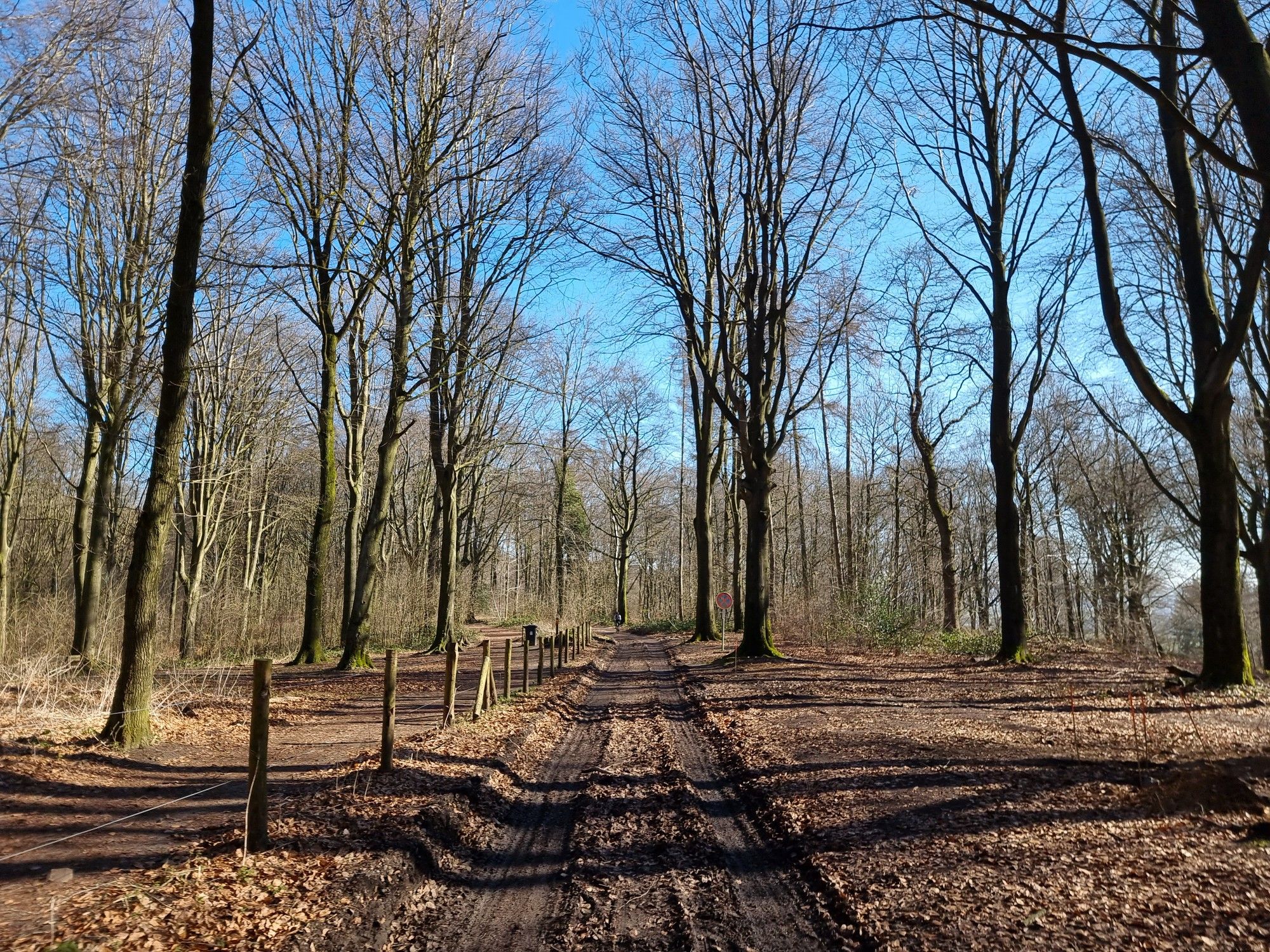
Grande Randonnée GRavel — Western Hainaut
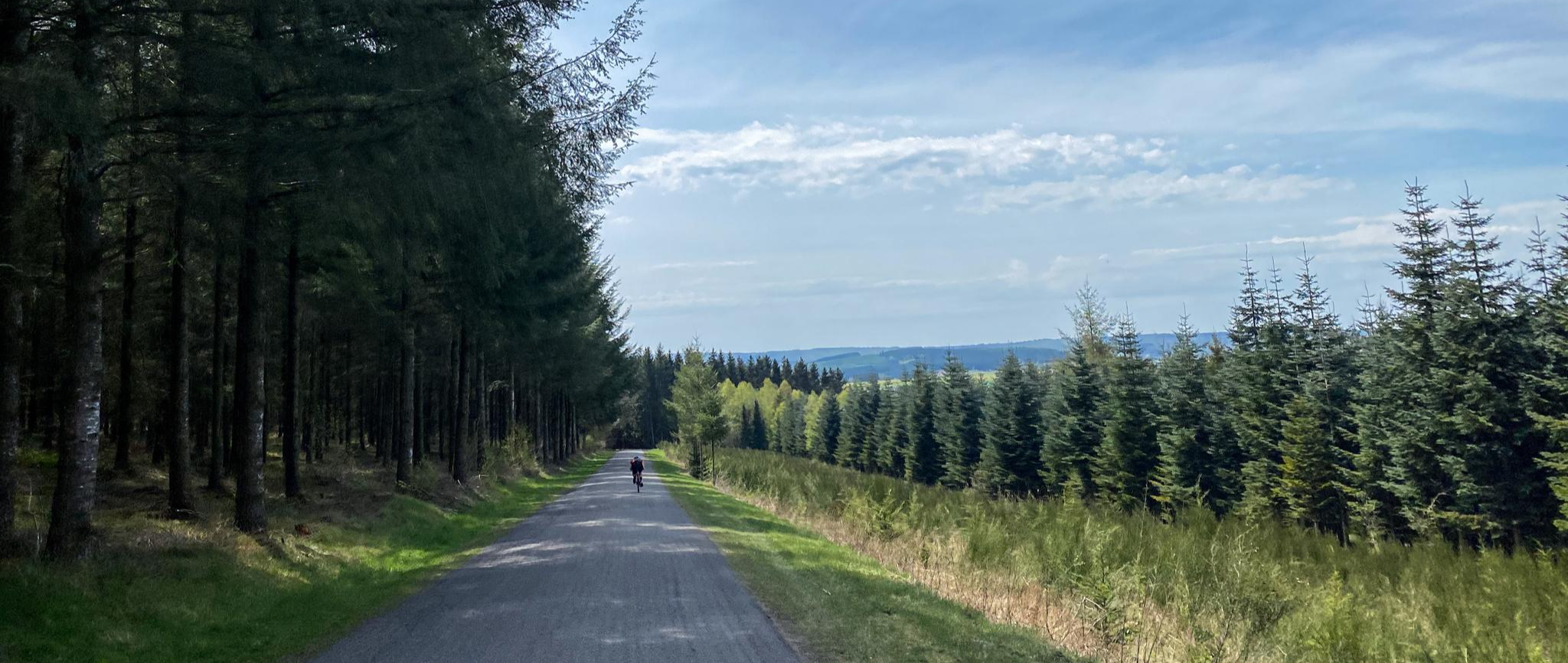
From Picardie to the Ardennes — Crossing Wallonia by Bike
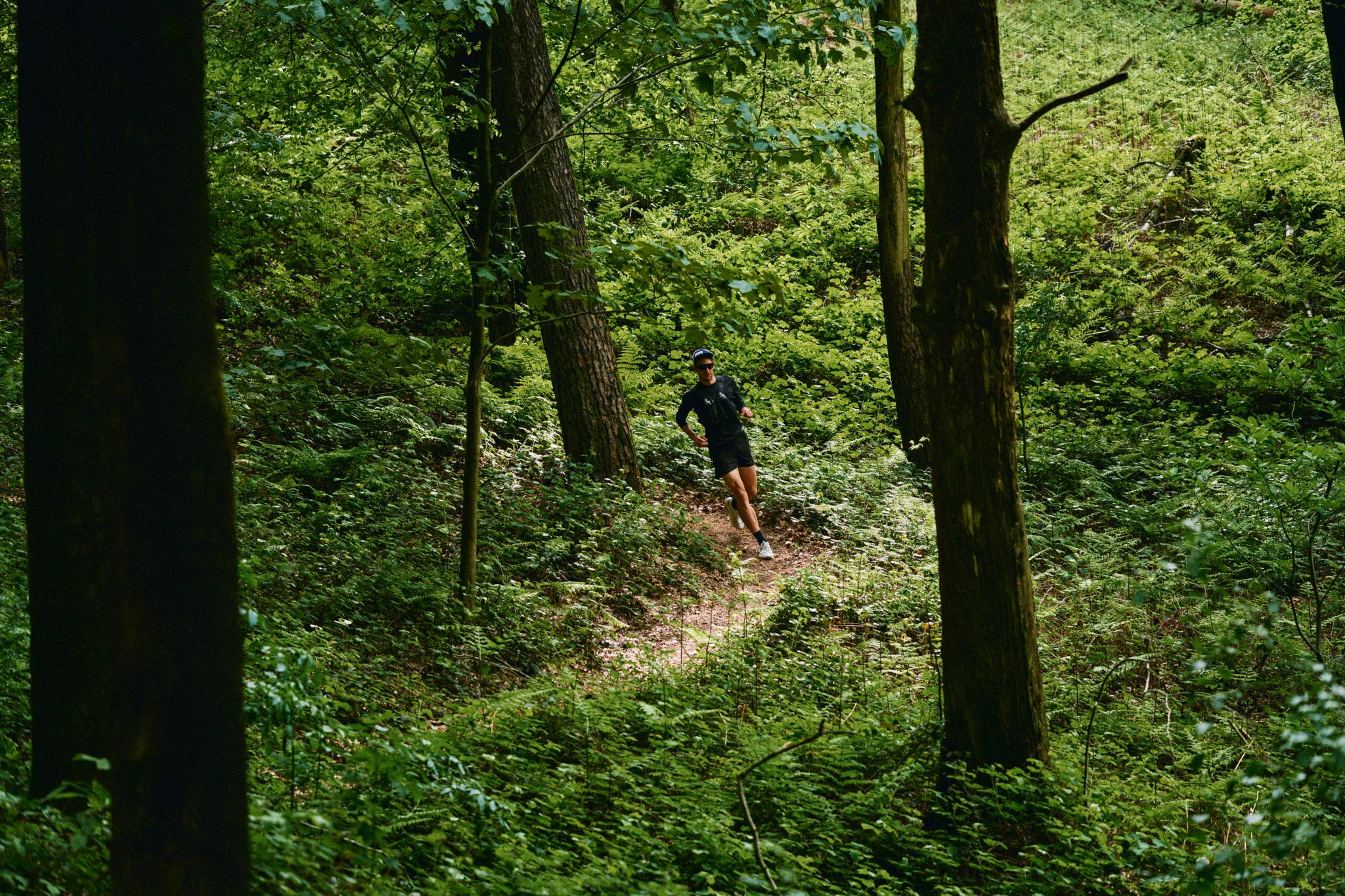
Through forests and fields – trail running in the Flemish Ardennes
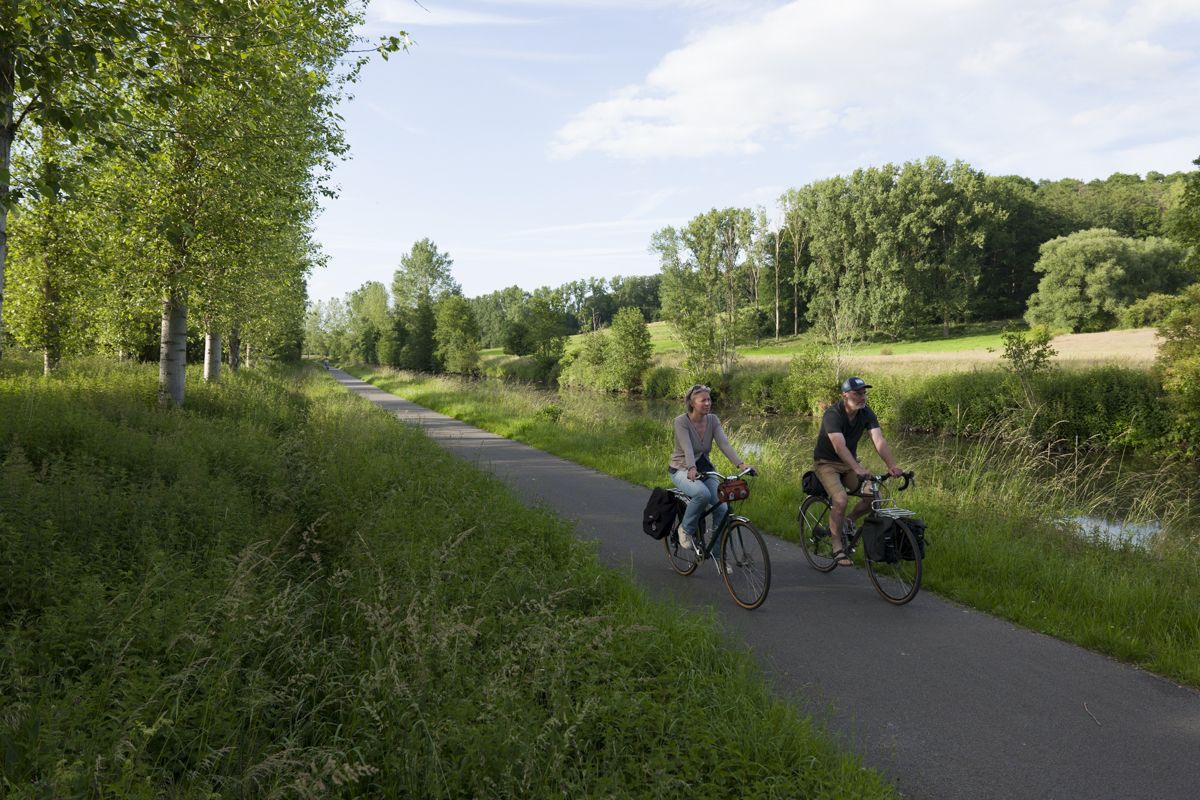
Cycling from Bethuné to Brussels – Eurovelo 5
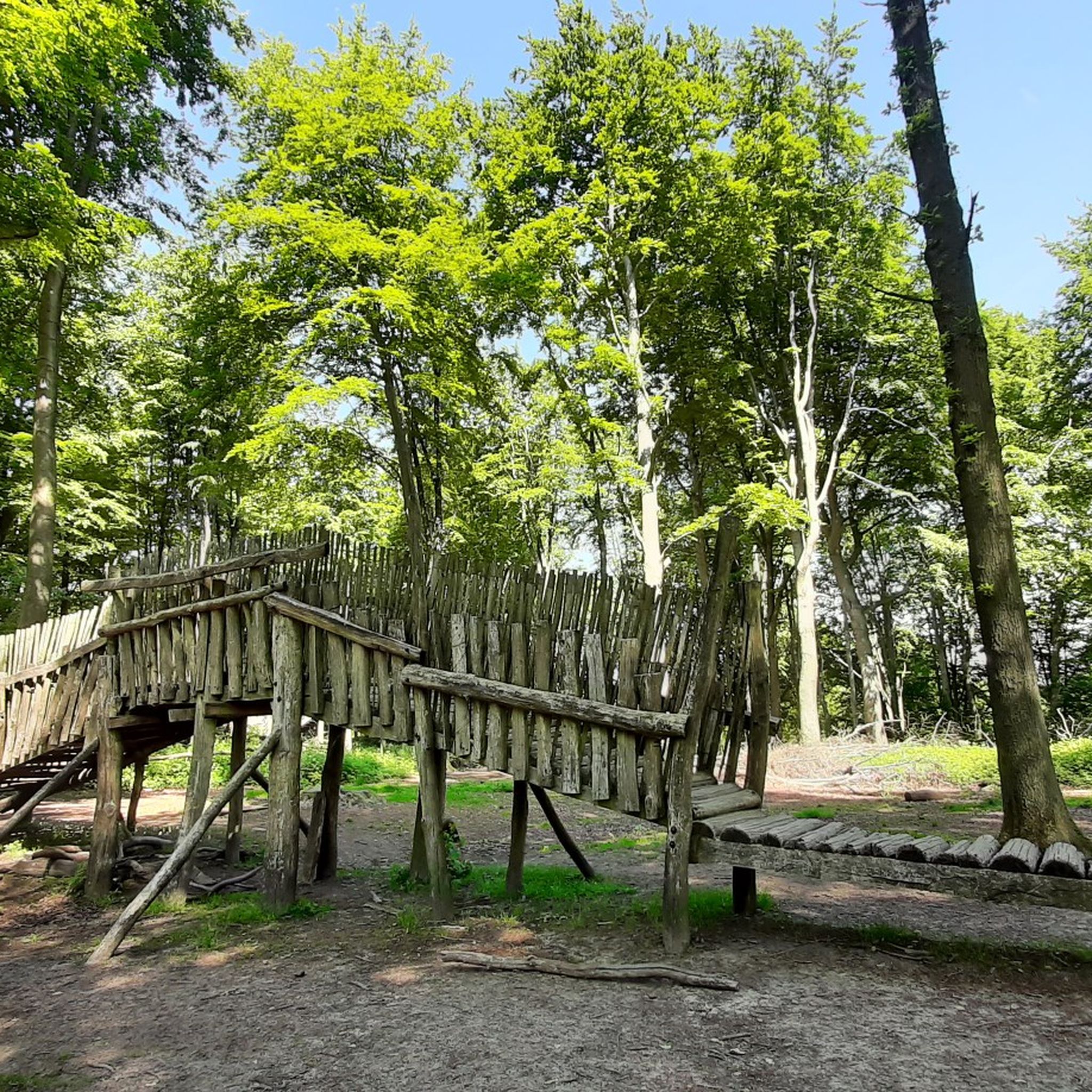
Hiking around Tournai
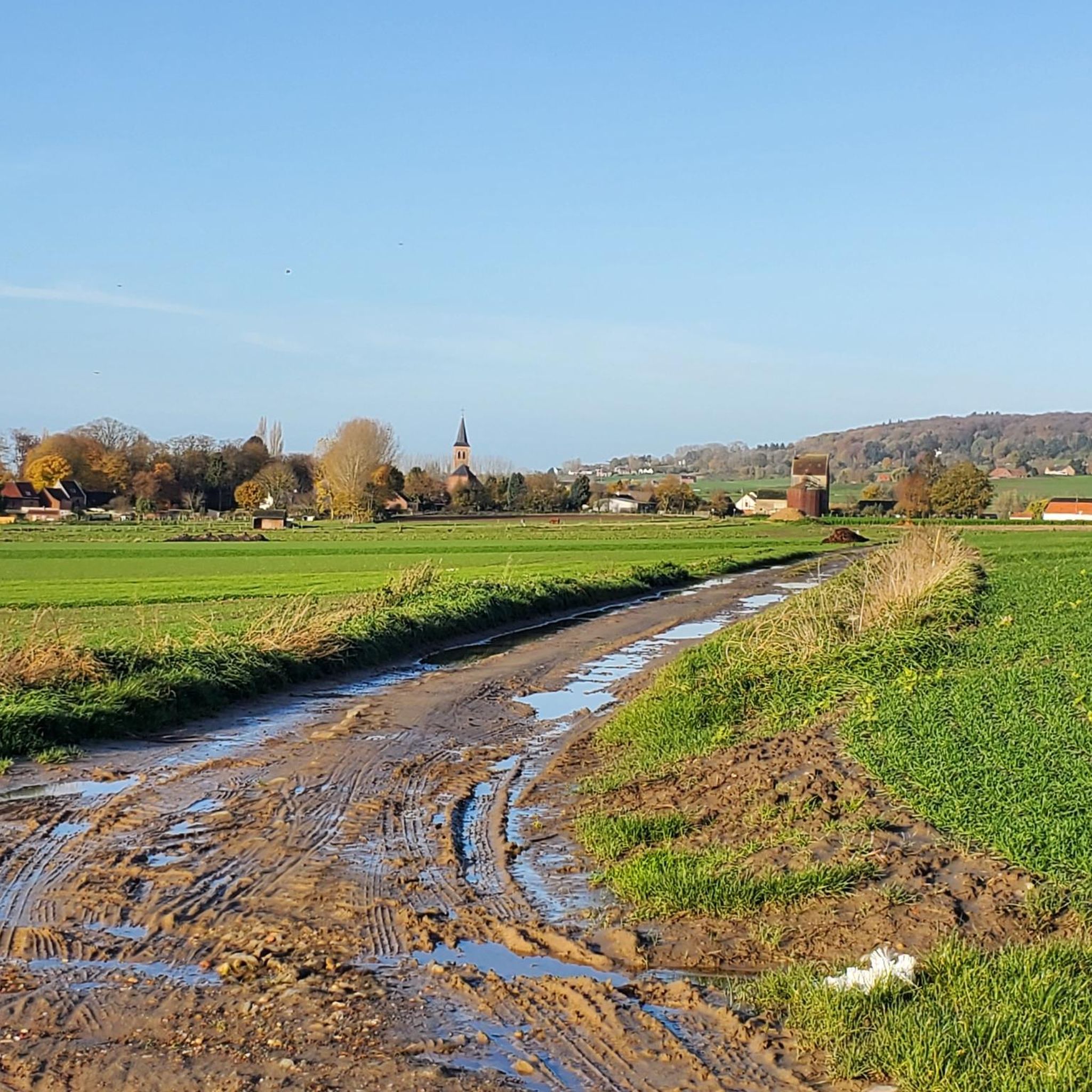
Running Trails around Tournai
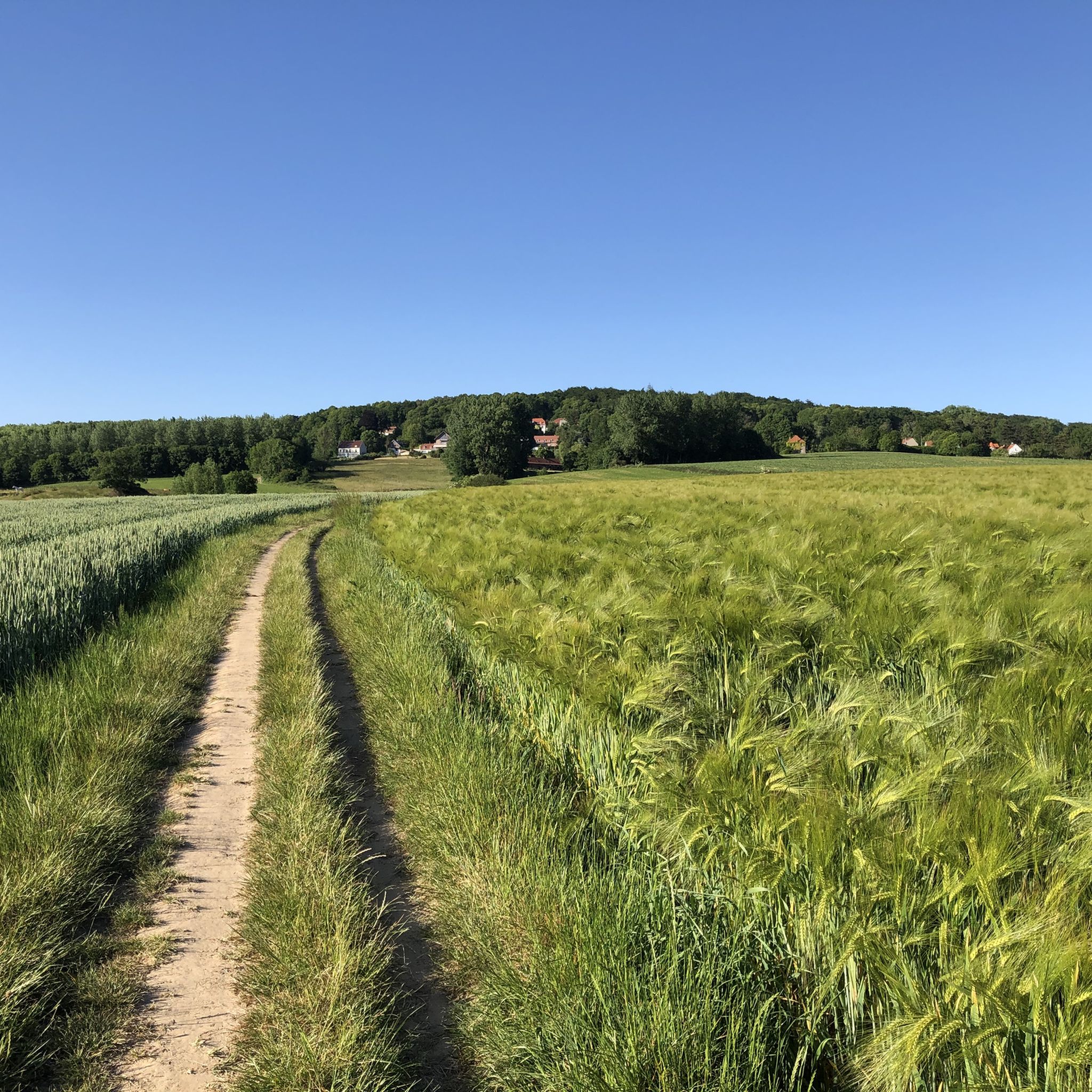
MTB Trails around Tournai
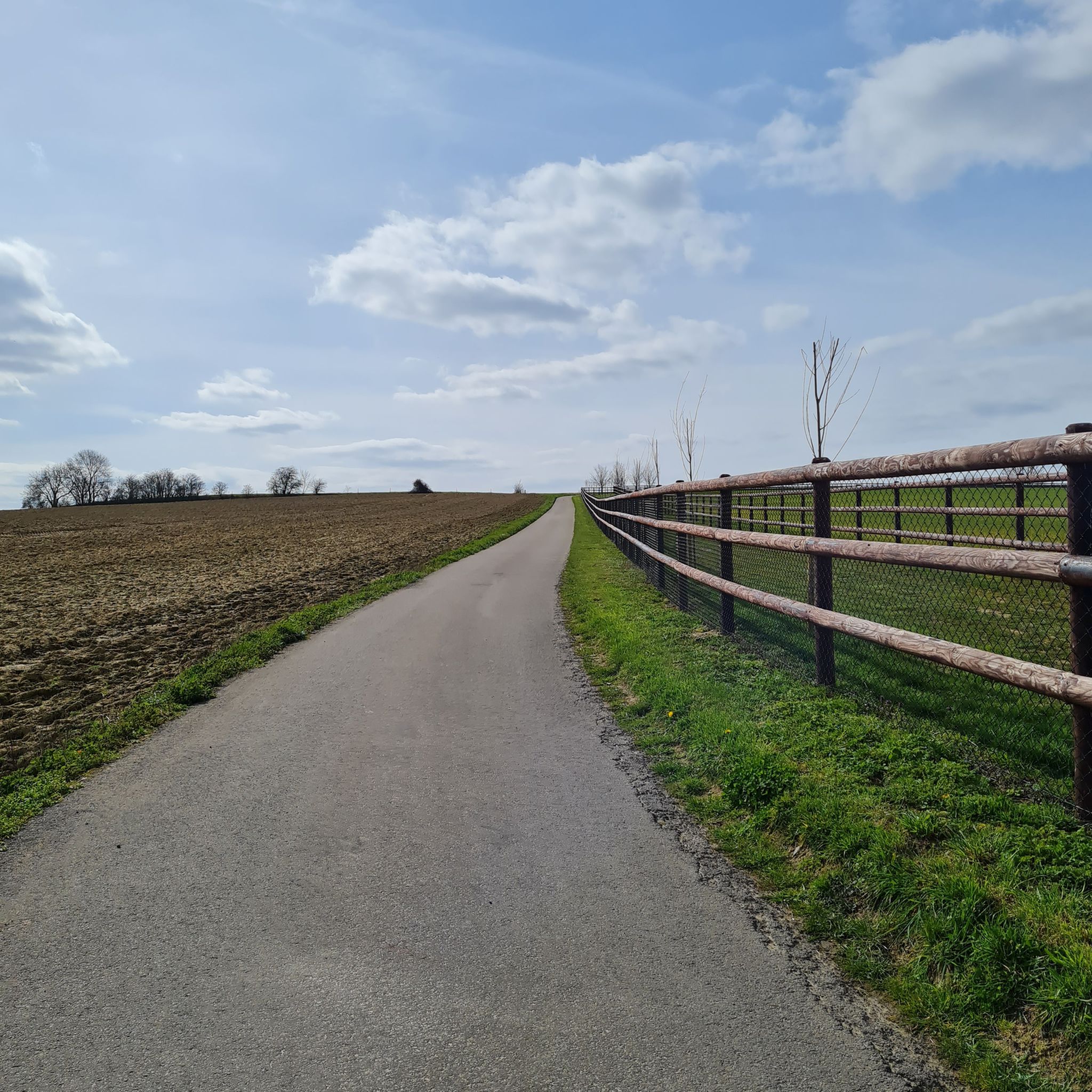
Road Cycling Routes around Tournai
Cycling around Tournai

Gravel biking around Tournai
Other adventures around Tournai


Tips from the Community

In the heart of the Forêt de Flines stands an ancient oak tree, affectionately known as 'Sa Majesté le Chêne' (His Majesty the Oak). This monumental tree is at least two hundred years old and is one of the most impressive natural landmarks of the border forest. With its thick trunk and sprawling crown, the oak is not only a popular stopping point for hikers but also a crucial oasis for local biodiversity.
1
0
A well-known additional legend tells that Queen Brunhilde of Austrasia lost the gigantic stone when she fled via the Roman road. The devil was so close on her heels that her horse stumbled, after which the monolith remained stuck in the ground as a memorial. Another tradition claims that the menhir is anchored with an invisible golden chain to the riverbed of the nearby Scheldt.
1
0
The Pierre Brunehaut in Hollain is the largest prehistoric menhir in Belgium. This gigantic monolith weighs over twenty-three tons and dates back to the late Stone Age. The sandstone stands on an open field near a historic Roman road. Surrounded by four striking poplars, the monument has been the setting for mysterious local legends for centuries.
1
0

In the Kluisbos - on top of the 141-meter-high Kluisberg - you'll never run out of walking or cycling opportunities. This is the largest forest in the Flemish Ardennes.
5
0

As in many villages and towns, a Tree of Liberty was also erected in Rumillies, commemorating the Belgian Revolution of 1830(-1833). It was planted in 1980, on the occasion of the 150th anniversary of Belgian independence.
1
0

Cobbled road with a view of Mont-Saint-Aubert (for those walking/climbing northwards) or Cain and Tournai (for those walking/descending southwards).
3
0

Farm track that climbs gently. Passable on gravel.
1
0
Frequently Asked Questions
What are some popular natural monuments around Tournai for scenic views and outdoor activities?
For scenic views and outdoor activities, consider visiting Mont-Saint-Aubert, a summit known for challenging climbs and panoramic vistas, ideal for cycling. Another popular spot is Kluisberg - Mont de l'Enclus, a hill in the Flemish Ardennes with a large forest area, the Kluisbos, perfect for cycling, tourism, and recreation.
Are there family-friendly natural monuments near Tournai?
Yes, several natural sites around Tournai are suitable for families. Coupure Deweer, a tranquil lake formed from a cut-off arm of the Scheldt, offers a peaceful environment to observe aquatic life. The Menhir of Pierre Brunehault is also family-friendly, providing benches to rest and enjoy the surrounding landscape and plantations.
Where can I find unique natural landscapes and wildlife near Tournai?
The region offers unique natural landscapes. The Mer de Sable State Reserve, within the Plaines De L'Escaut Natural Park, features distinctive peat moors and young birch forests, home to exceptional flora like heather and carnivorous plants. It's also great for birdwatching. The Marais d'Harchies-Hensies-Pommerœul Nature Reserve is an extensive wetland complex crucial for bird migration, nesting, and wintering, recognized as a 'Ramsar' wetland of international importance.
What kind of hiking trails are available near Tournai's natural monuments?
You'll find a variety of hiking trails. For example, the Stream Path offers a rolling route with cobblestones and gravel, providing views of Mont-Saint-Aubert. For more options, explore the Easy hikes around Tournai guide, which includes routes like the 'Grand Large Loop' and 'Kluisbos Forest – Wooden Steps in Kluisbos loop'.
Are there opportunities for cycling near the natural monuments?
Absolutely. Areas like Mont-Saint-Aubert and Kluisberg - Mont de l'Enclus are popular cycling destinations with open roads and low traffic. The Pays des Collines Nature Park also offers diverse terrain suitable for cycling. You can find more routes in the Cycling around Tournai guide and the Road Cycling Routes around Tournai guide.
What geological features can be explored in the Tournai region?
The Tournaisis area is known for its Carboniferous limestone, dating back 359 to 345 million years. While not singular monuments, the ancient quarries in areas like Gaurain-Ramecroix expose these formations and their palaeokarstic features, offering insights into the region's deep geological past. This dark limestone, sometimes called 'Tournai marble,' was historically used for building.
What do visitors enjoy most about the natural monuments around Tournai?
Visitors frequently praise the challenging climbs and beautiful panoramas at Mont-Saint-Aubert. The Kluisberg - Mont de l'Enclus is appreciated for its valuable nature, beautiful views, and recreational opportunities. Many also enjoy the tranquil balance of fish and plants in the still waters of Coupure Deweer.
Are there any historical natural sites or ancient monuments to visit?
Yes, the Menhir of Pierre Brunehault is an impressive megalith and one of Belgium's largest and oldest menhirs, dating back to prehistoric times and steeped in local legends. While not a natural monument, the Giant Liedericq is a man-made monument located within a forest, offering a blend of history and nature.
Where can I learn more about the local flora and fauna of the Tournai region?
Beyond visiting the natural reserves, the Tournai Natural History Museum and Vivarium provides valuable context. It houses extensive collections and a vivarium with over 70 species, along with a 'Garden of Wonders' and an exotic butterfly greenhouse. You can find more information on their website: visitwallonia.com.
What are some forested areas or trails for a natural walk?
The region offers several beautiful forested areas. The Kluisbos, located on Kluisberg - Mont de l'Enclus, is a large forest area perfect for recreation. You can also explore the trails within Vert Bois de Blandain, which offers a natural setting for walks. The Mer de Sable State Reserve also features young birch forests with marked trails.
Is the Pays des Collines Nature Park easily accessible from Tournai?
The Pays des Collines Nature Park is situated near Tournai and is characterized by its enchanting hilly landscapes. It's a remarkable natural space for various outdoor activities like hiking and cycling, making it a great option for exploring the regional ecosystem. You can find more details about the park on visitwallonia.com.
Most popular routes around Tournai
Most popular attractions around Tournai

Get inspired with the komoot mobile app


Didn’t find what you were looking for?
Find even more amazing natural monuments around Tournai by checking out the top Highlights region by region:
Explore more
Extend your search for the best caves by checking out these guides of the top ones around Tournai:
