Top 9 Natural Monuments around Diksmuide
Best natural monuments around Diksmuide include diverse natural areas and reserves in West Flanders, Belgium. The region features wetlands, river valleys, forests, and open plains. These sites are recognized for their natural beauty and biodiversity, offering opportunities for outdoor activities. Diksmuide's landscape provides varied environments for nature enthusiasts and birdwatchers.
Best natural monuments around Diksmuide
- The most popular natural monuments is The Blankaart Observation Tower, a viewpoint that offers views of the De Blankaart nature reserve. The area is…
Last updated: July 26, 2026
The Blankaart Observation Tower
Highlight • Viewpoint
Translated by Google •
Tip by

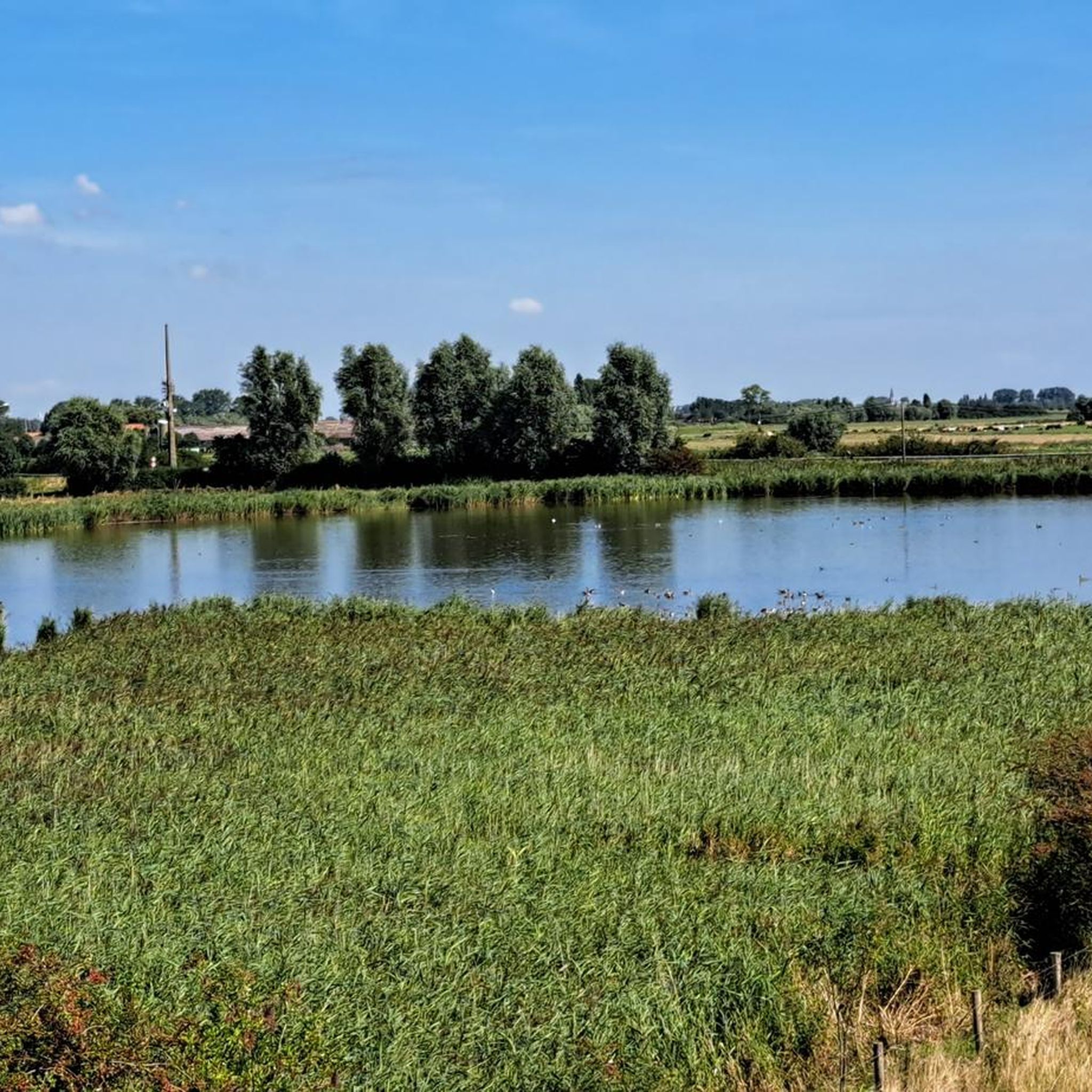
Viconia Clay Pits
Highlight • Lake
The area …
Translated by Google •
Tip by

Sign up now to discover places like this
Get recommendations on the best single tracks, peaks, & plenty of other exciting outdoor places.
Sign up for free
West Gate
Highlight • Monument
Translated by Google •
Tip by

Vatevijver Pond
Highlight • Lake
A vat was constructed to collect rainwater, …
Translated by Google •
Tip by
IJzertoren and Paxpoort Memorial Site
Highlight • Monument
The new crypt was consecrated in 1958, the Tower in 1965.
The Yser Tower …
Translated by Google •
Tip by

Het Leenhof Ter Wissche
Highlight • Natural
The Lampernisse basin area …
Translated by Google •
Tip by

Tervaete Fish Spawning Area
Highlight • Natural
Translated by Google •
Tip by

Red Breed of West Flanders
Highlight • Natural Monument
Translated by Google •
Tip by
brown kriek pear of Klerken
Highlight • Natural Monument
Translated by Google •
Tip by

Arboretum Koekelare
Highlight • Forest
As befits a forest garden, you will find a collection of trees with 140 species here. Where previously it …
Translated by Google •
Tip by

Sign up for free to discover even more natural monuments around Diksmuide.
Sign up for free
Already have an account?
Start today with a free account
Your next adventure awaits.
Login or Signup

Tips from the Community

the place is worth looking around, the tower is an awkward thing and disturbing in the nature experience.
0
0

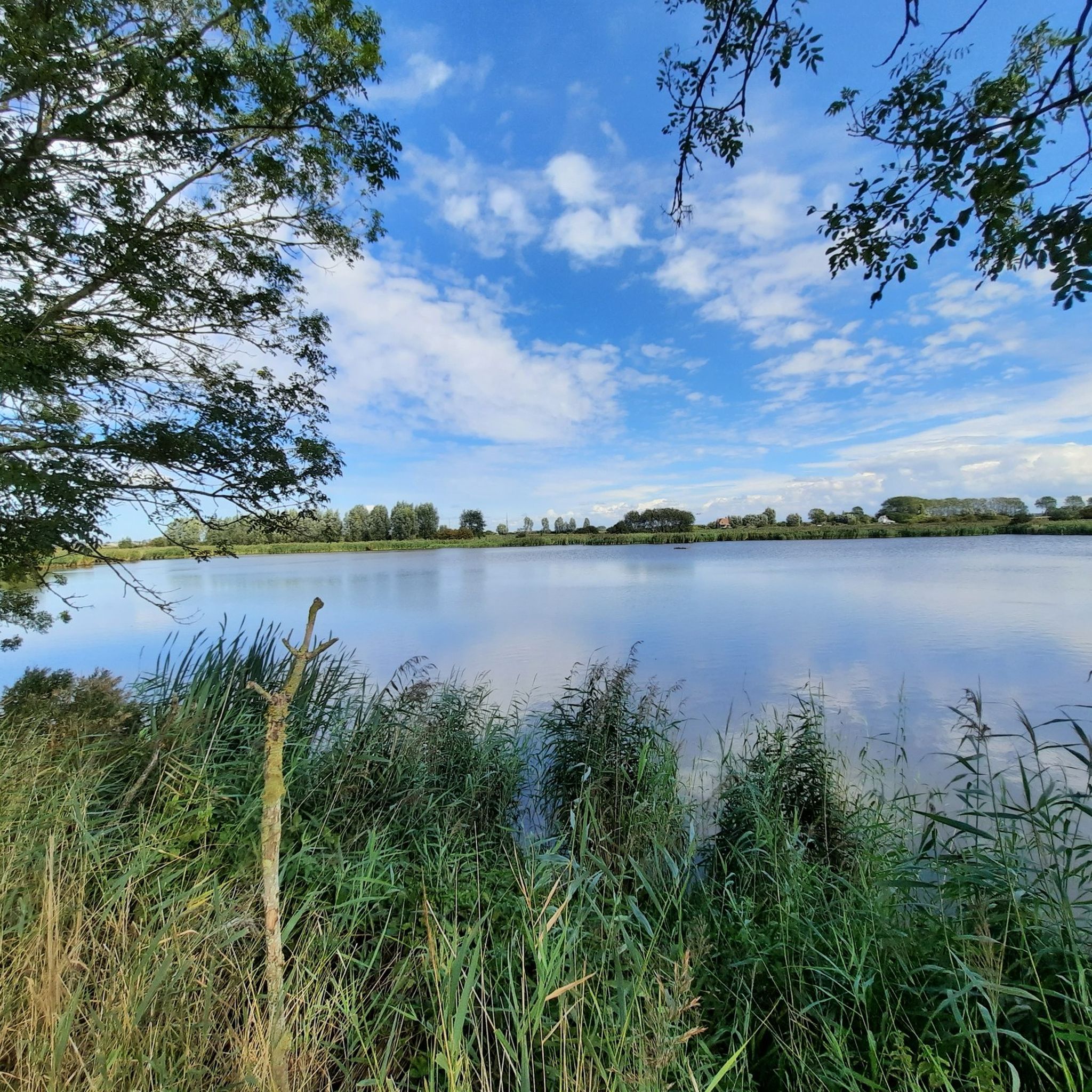
Experience the Viconia Clay Pits. A walking loop introduces you to the ponds and the observation tower.
0
1

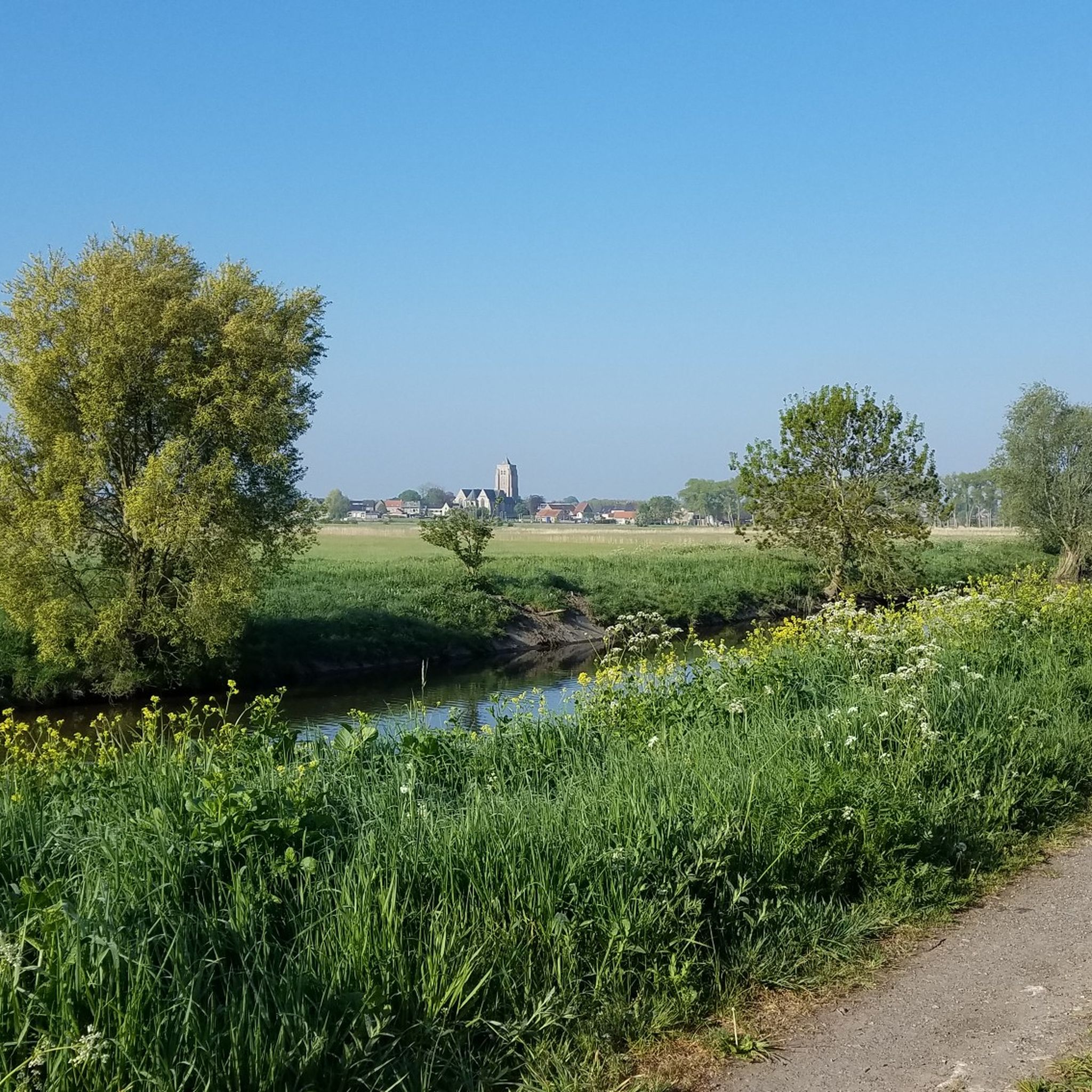
The Caesarsboom is an old yew tree (also known as poison tree) in the town of Lo in the Belgian Westhoek region. The tree is one of Lo's typical symbols and is located next to the medieval Westpoort gate. The name refers to a legend about Julius Caesar, who is said to have taken a nap under the tree in 55 BC on his way to Britain and tied his horse to it. The story goes back to the historian Jean-Baptiste Gramaye, who was the first to allow Caesar to pass through Lo in 1612. In reality, the Caesarsboom is approximately 250 years old. A painting from the late 18th century depicts its predecessor in full maturity. https://nl.wikipedia.org/wiki/Caesarsboom
2
0

Archaeological site of the former "Leenhof Ter Wissche." The oldest settlement dates back to the 9th or 10th century. It was established on the edge of a channel of the Dunkirk Transgression from the 3rd to the 8th century. The levee deposits of the channel were used to construct Vissersstraat, which connected the site to the village center. After an interruption in habitation, the site was raised approximately 1 meter in the 11th century and reoccupied. This site was surrounded by a wide, trough-shaped moat. The site was again modified at the end of the 11th century or the beginning of the 12th century. The current site was established at the end of the 13th century. The fact that it was a wealthy site is evident from the expensive restructuring with a double moat and motte fortification, as well as from a number of finds. It was one of the most important, if not the most important, walled site in Lampernisse, probably inhabited by a member of the landed gentry. The farm's flourishing period was short-lived: it was finally abandoned in the third quarter of the 14th century.
0
0


Nice to visit
0
0

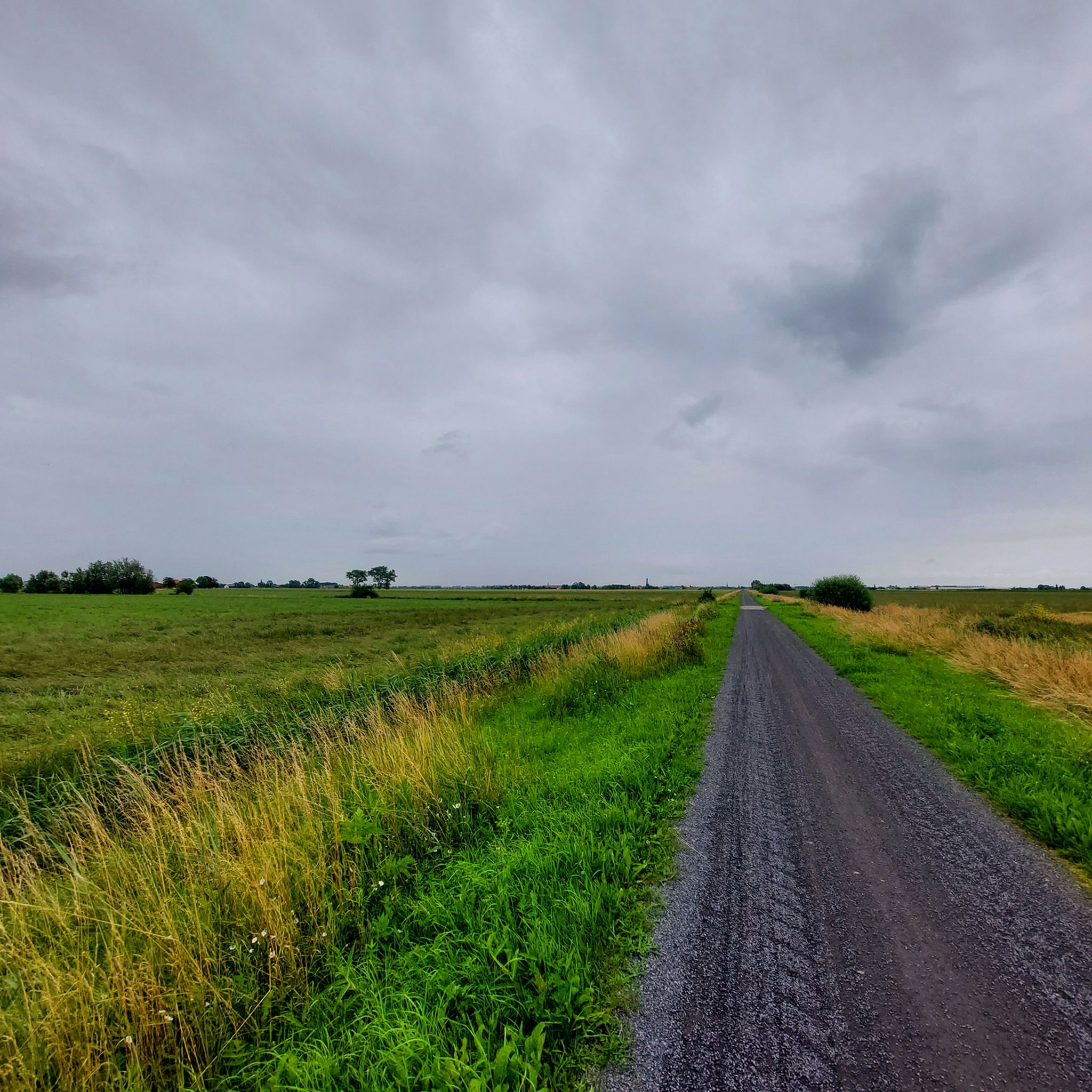
Indeed, DirkWi, your information is correct. As a volunteer at Natuurpunt IJzervallei, I am the "conservator" of this area. We mow the path, have built a staircase, a Kingfisher wall and a bee hotel. The city of Diksmuide mows a quarter of the area annually. The Regional Landscape has drawn up the management plan and the Waterweg, as the owner, has given us "verbal" permission to manage this area. And yes, Sonia, the information panel should be renewed, but I can't get any money out of it for the time being.
1
0

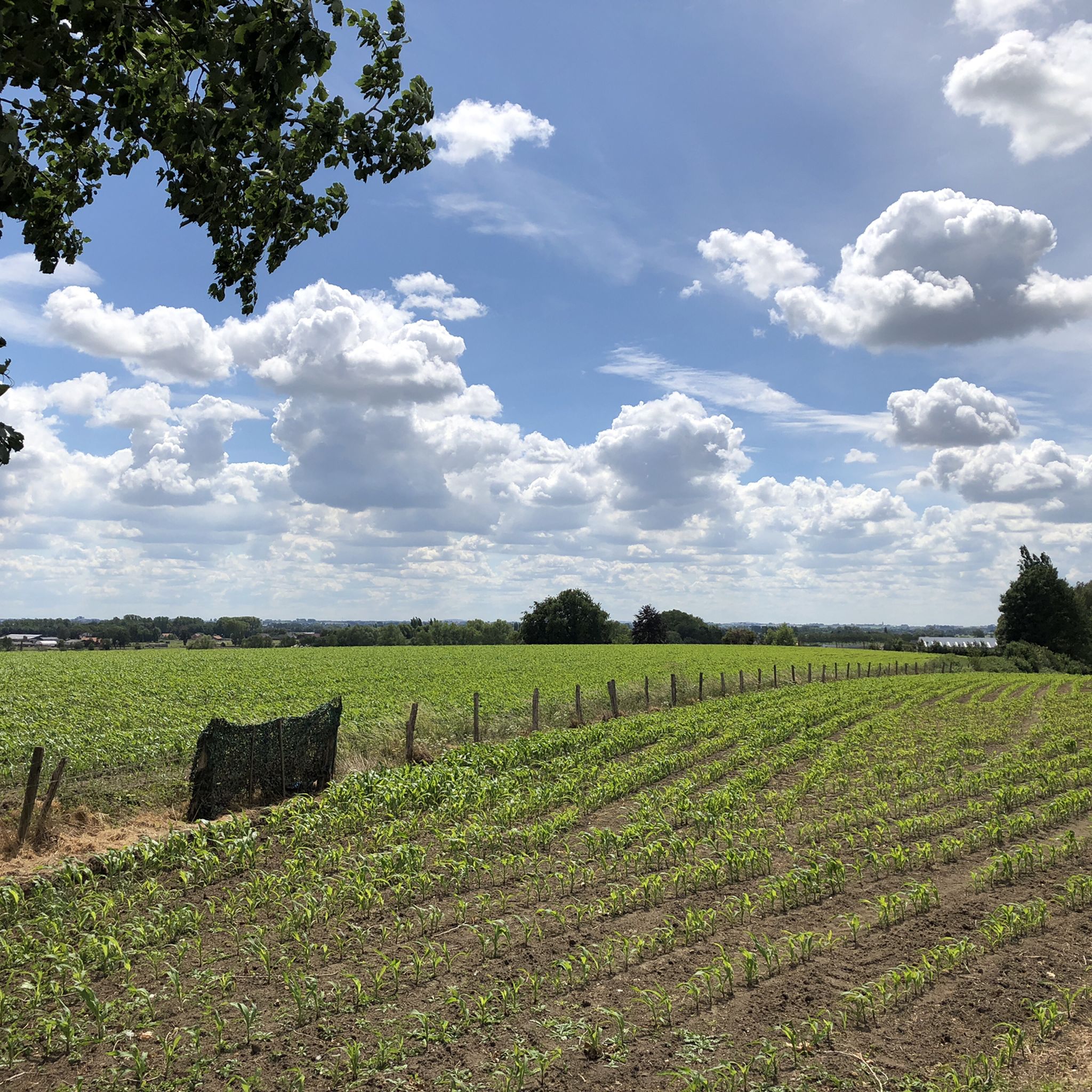
When in 2004, when the concrete bridge over the IJzer near Tervaete (Keiem) was demolished, an area of 1.1 hectares of the southern slope became available, these grounds were developed by the Agency for Nature and Forests as a fish spawning ground, a “fish mother house” so to speak. Fish could lay their eggs in this current-free inlet via a small passage through the IJzer dike. The banks were given a whimsical shape, an island was created in the middle and different depths were created, ideal as a breeding ground for fish. But after 2 years, the succession of this hidden natural pearl stopped. The area was neglected and the flora diversity visibly decreased. In 2017, the place was revived. The Waterweg (formerly Waterwegen en Zeekanaal), the Diksmuide city council, the Regional Landscape IJzer en Polder (RLIJP) and Natuurpunt IJzervallei joined forces and an agreement was concluded to optimally manage this fish spawning ground again.
2
0
Frequently Asked Questions
What kind of natural monuments can I explore around Diksmuide?
Diksmuide offers a diverse range of natural monuments, including important nature reserves, wetlands, river valleys, and forests. You can find sites like the De Blankaart Nature Reserve, known for its birdlife and walking trails, and the unique wetland ecosystem of the Viconia Clay Pits.
Are there family-friendly natural monuments in Diksmuide?
Yes, several natural monuments around Diksmuide are suitable for families. The Blankaart Observation Tower offers great views and is part of a reserve with child-friendly bike rides and walks. The Viconia Clay Pits also feature easy hiking trails and a lookout tower. Additionally, Koekelare Forest has play areas and a dedicated hiking trail.
What outdoor activities can I do near Diksmuide's natural monuments?
The region around Diksmuide is excellent for various outdoor activities. You can enjoy extensive walking and cycling through the Yser Valley and Polder Plains. For more structured routes, explore options like the running trails, road cycling routes, or MTB trails available in the area.
Are there good hiking trails around Diksmuide's natural monuments?
Absolutely. Many natural areas, such as De Blankaart Nature Reserve and the Viconia Clay Pits, feature well-maintained walking trails. The Blankaartpad, for instance, takes you past beautiful bird-watching spots in the wet polders. You can find a variety of running and walking routes that pass through or near these natural sites.
When is the best time to visit the natural monuments around Diksmuide?
The natural monuments around Diksmuide can be enjoyed year-round, but spring and autumn are particularly good for birdwatching in reserves like De Blankaart and the Yser Valley. If you wish to experience a whisper boat trip in De Blankaart, it's available between April 15 and September 15. The expansive landscapes are also beautiful for walking and cycling during milder weather.
What kind of wildlife can I expect to see in Diksmuide's natural monuments?
Diksmuide's natural monuments are rich in biodiversity, especially birdlife. De Blankaart Nature Reserve is renowned for its numerous bird species, including spoonbills, and you might even hear the peculiar foghorn sound of the bittern. The Viconia Clay Pits also offer a diverse plant and animal kingdom, with various birds arriving each season. The Yser Valley is another prime location for birdwatching.
Are there any historical natural sites or unique trees to see?
Yes, Diksmuide has some interesting historical natural sites. The West Gate, a remnant of Lo's old city walls, is accompanied by an ancient yew tree known as Caesarsboom, which has a local legend associated with Caesar. The Vatevijver Pond also has a rich history, dating back to 1404, serving as a crucial water source for the polder village.
How much time should I plan for visiting Diksmuide's natural monuments?
The time needed varies depending on the site. For a quick visit to an observation tower or a short walk, 1-2 hours might suffice. To fully explore a nature reserve like De Blankaart or the Viconia Clay Pits, including walking trails and bird hides, you could easily spend half a day. If you plan to combine multiple sites or engage in longer cycling or hiking routes, a full day or more would be ideal.
Are there accessible natural monuments for visitors with limited mobility?
The West Gate, a historical monument with an ancient yew tree, is noted as wheelchair accessible. For other natural areas, while many trails are generally flat, it's advisable to check specific conditions, especially in wetland areas, as paths might be unpaved or uneven.
What should I wear when visiting Diksmuide's natural monuments?
Given the diverse landscapes of wetlands, forests, and open plains, it's best to dress in layers suitable for varying weather conditions. Comfortable walking shoes or hiking boots are recommended, especially for trails in nature reserves. If visiting during wetter seasons, waterproof outerwear and footwear would be beneficial.
Are there any hidden natural gems or lesser-known spots worth visiting?
Beyond the well-known reserves, the Handzame Valley and Praet Forest are also listed among Diksmuide's important natural areas, offering diverse landscapes for outdoor activities. The Het Leenhof Ter Wissche and Tervaete Fish Spawning Area offer unique natural experiences that might be less frequented but equally rewarding.
Can I find cafes or places to eat near the natural monuments?
While specific cafes might not be directly within every natural monument, the town of Lo, for example, has café De Vate on its market square, popular with cyclists and offering local dishes. Diksmuide itself and surrounding villages will have various options for refreshments and meals, often a short drive or cycle away from the natural sites.
Most popular routes around Diksmuide
Most popular attractions around Diksmuide

Get inspired with the komoot mobile app


Didn’t find what you were looking for?
Find even more amazing natural monuments around Diksmuide by checking out the top Highlights region by region:
Explore more
Extend your search for the best caves by checking out these guides of the top ones around Diksmuide:
