Top 20 Natural Monuments around Gingelom
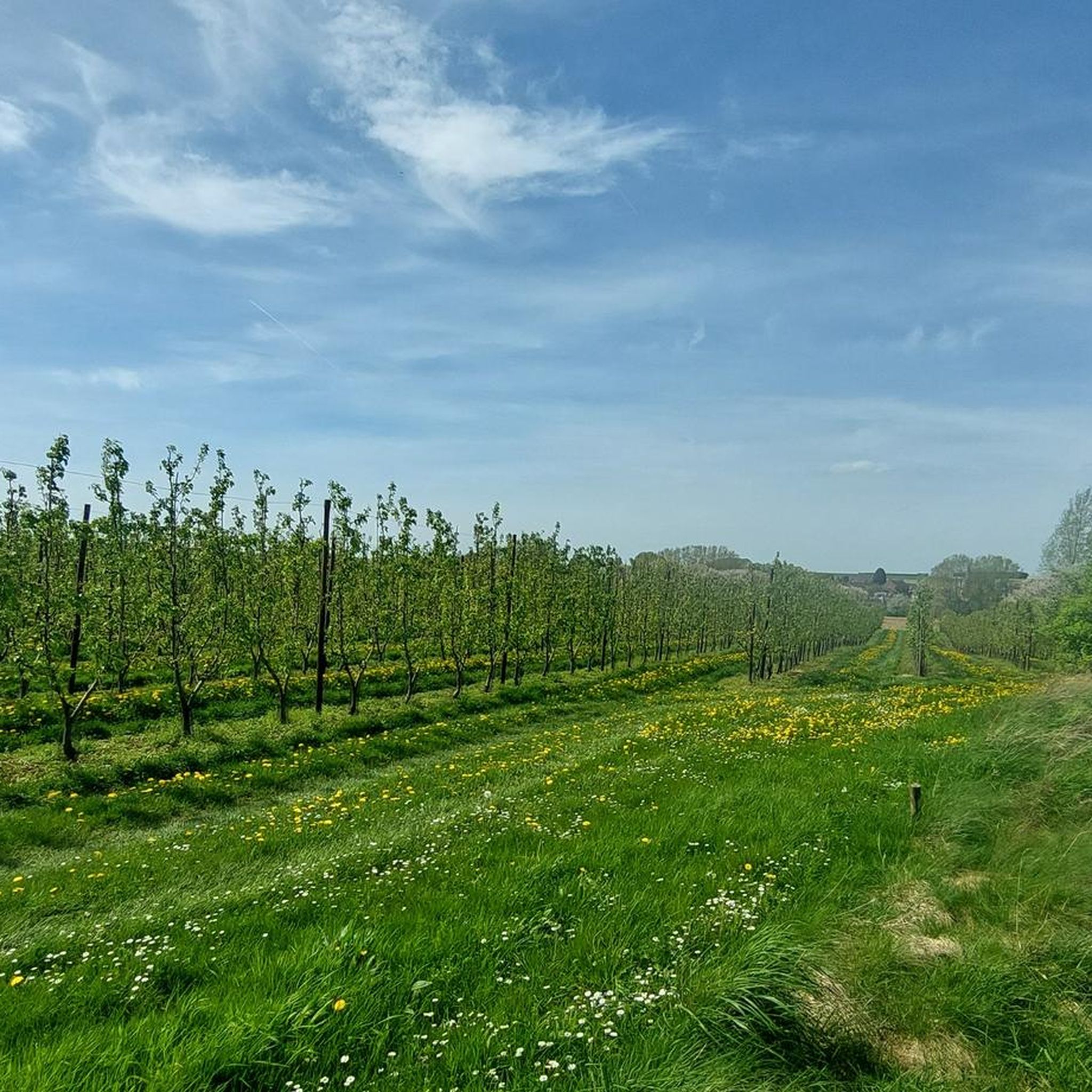
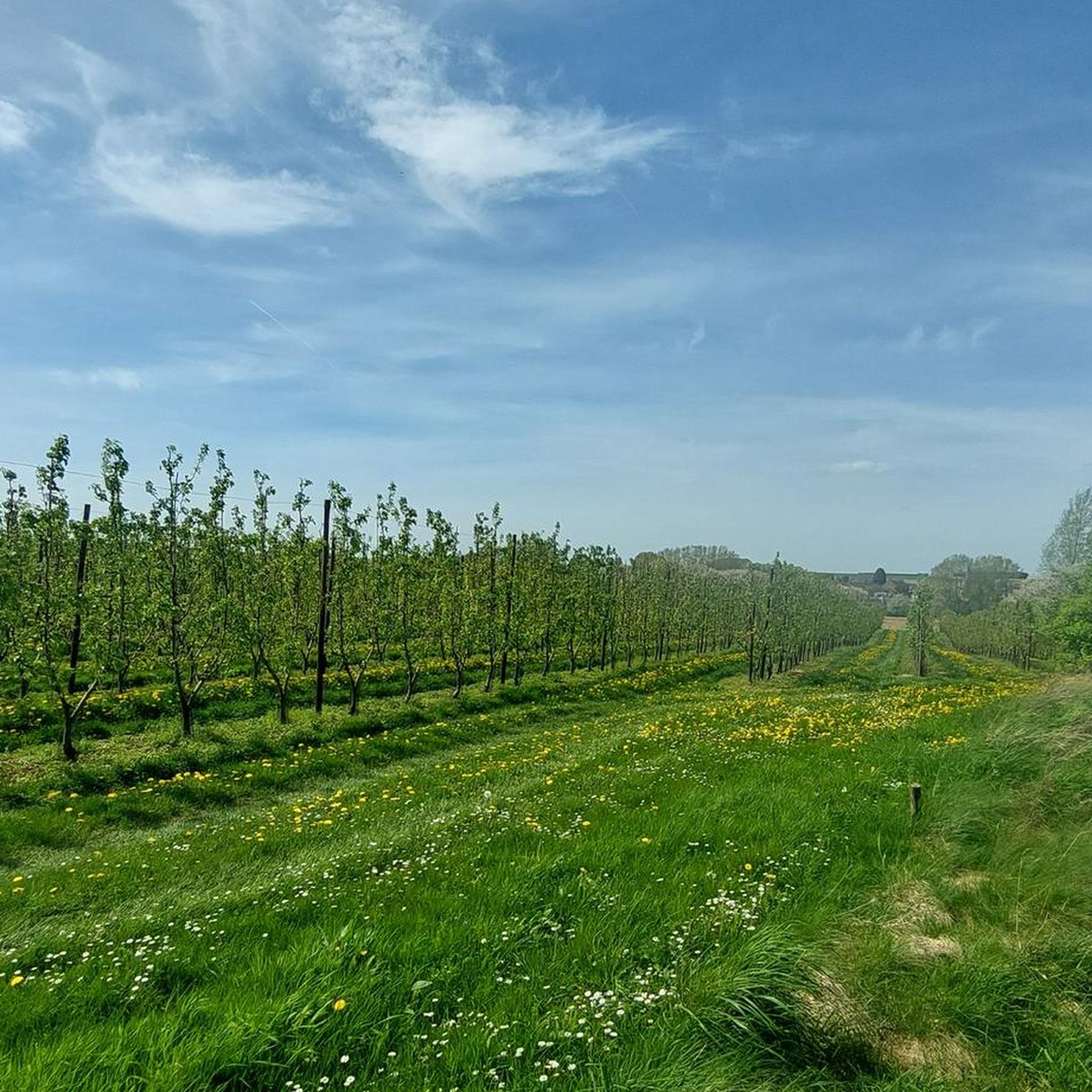
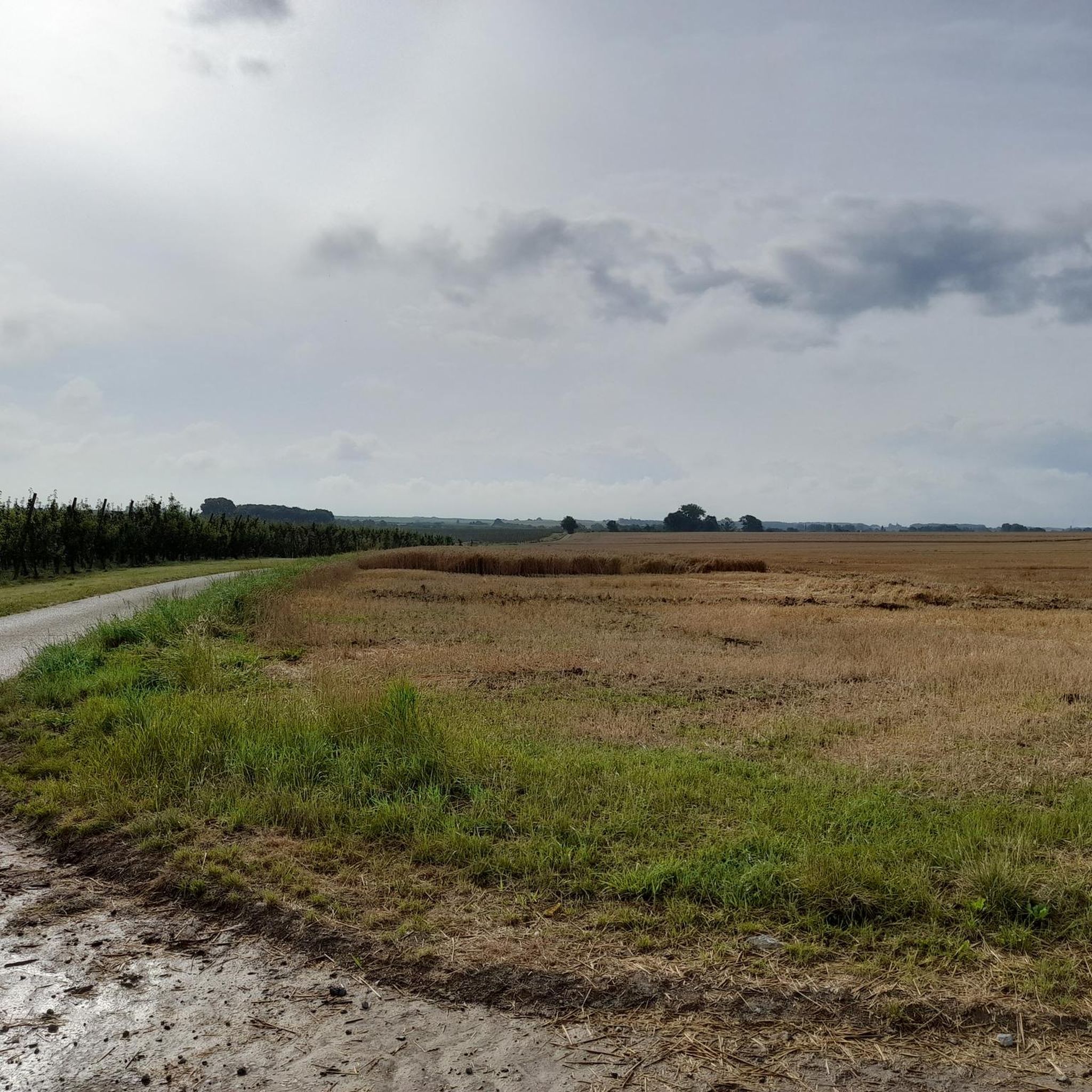
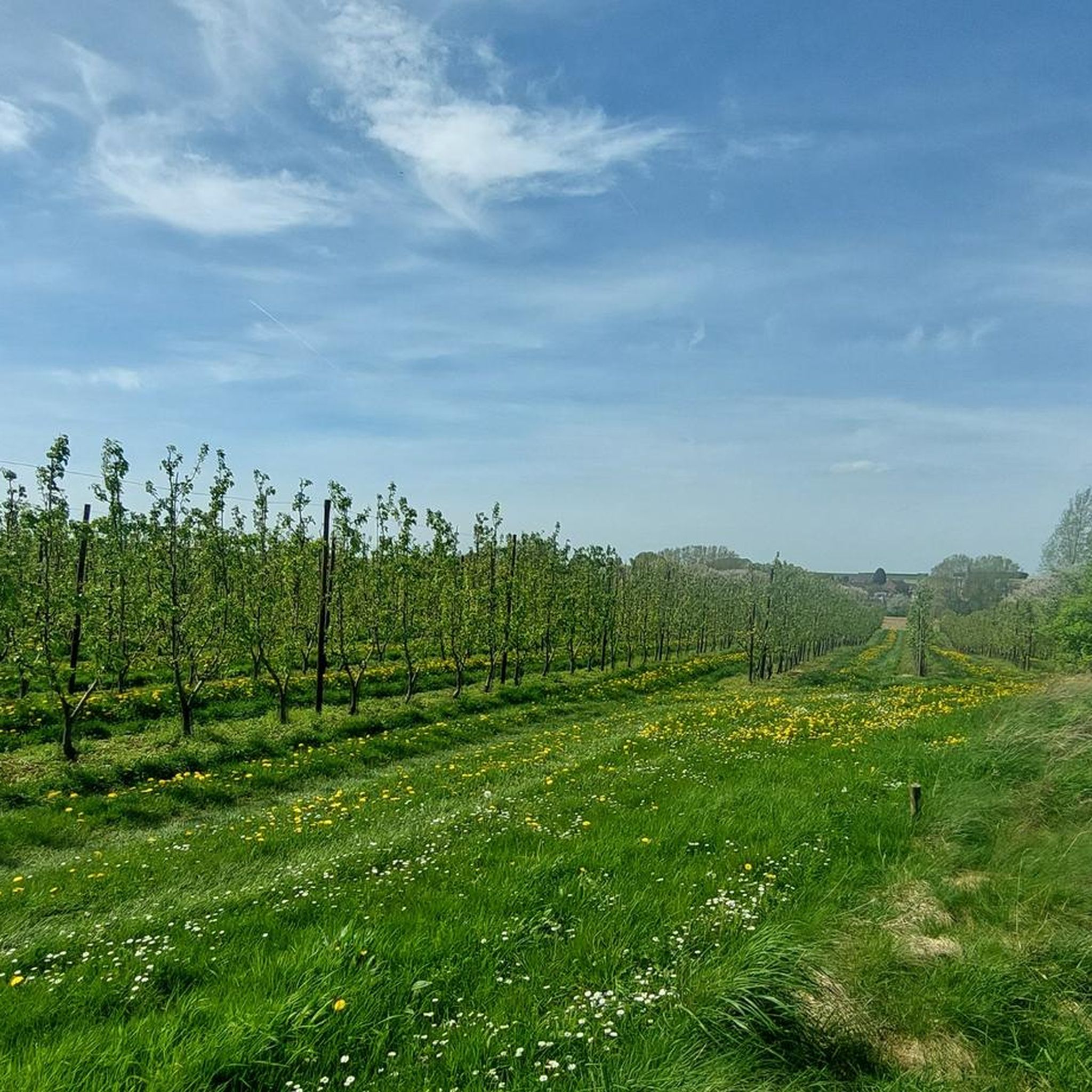
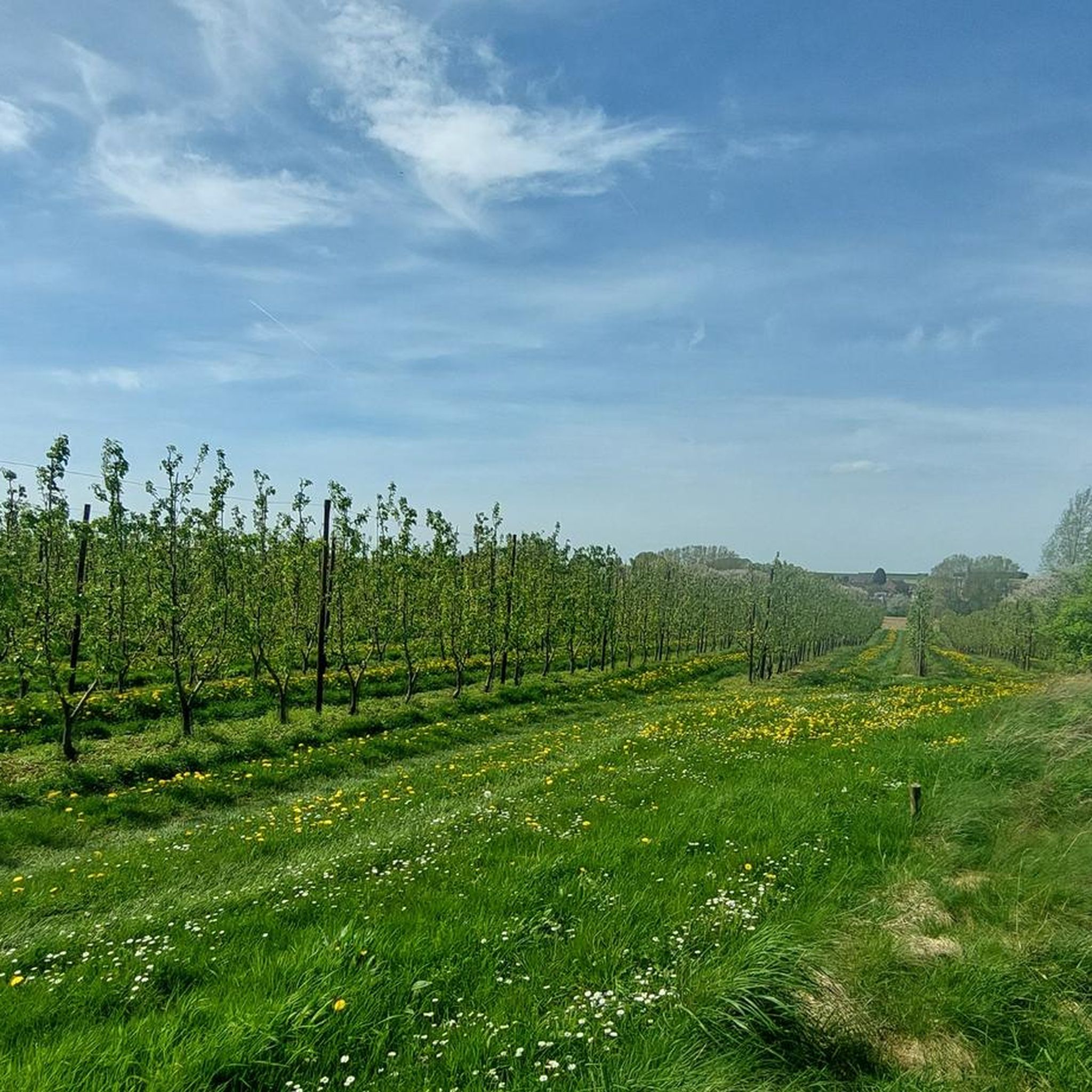
Best natural monuments around Gingelom are located in a rural municipality within the Belgian province of Limburg. This region is characterized by rolling hills, fruit orchards, and historical sites integrated into the natural landscape. Situated in the Haspengouw region, the area features significant natural sites and protected landscapes. These locations offer opportunities for outdoor recreation and highlight the region's ecological value.
Best natural monuments around Gingelom
- The most popular natural monuments is Lake Het Vinne, a lake that is…
Last updated: August 8, 2026
Floating Chapel of Helshoven
Highlight • Monument
Showing Translation
Tip by

Lake Het Vinne
Highlight • Lake
Translated by Google •
Tip by

Sign up now to discover places like this
Get recommendations on the best single tracks, peaks, & plenty of other exciting outdoor places.
Sign up for free
Heks Castle
Highlight • Castle
The palatial castle was built from 1770, probably …
Translated by Google •
Tip by

Haut-Geer Nature Reserve
Highlight • Lake
Translated by Google •
Tip by

Heks Castle
Highlight • Castle
Translated by Google •
Tip by
Sign up for free to discover even more natural monuments around Gingelom.
Sign up for free
Already have an account?
Start today with a free account
Your next adventure awaits.
Login or Signup

Tips from the Community

At the highest point of Helshoven, you can now enjoy a breathtaking view over the Haspengouw landscape. Artist Frits Jeuris has created a unique work of art from dozens of felled fruit trees from the area. “Helsh(ea)ven”, a wooden work of art consisting of 90 standard cherry trees, each fifty years old, was hit by the cherry plague virus at the end of 2016, a contagious plant disease that causes small fruits on cherries. Now the felled trees are getting a second life. The work of art symbolizes the dynamic landscape of Haspengouw.
2
0

A beautiful area of (only) 34.5 hectares, characterized by reed beds, cattail ponds, and pools fringed by shrubs or with open banks... These diverse habitats offer countless bird species places to forage, nest, hibernate, or rest during their migration. No fewer than 212 species have already been observed! (Source: www.natagora.be)
3
0

Very relaxing, beautiful well-maintained paths.
0
0

Experience the divine feeling of floating here...
9
0

Here, at the gallows, you are at the highest point in Helshoven. The artwork 'Helsh(ea)ven' by Frits Jeuris, known to most as the 'floating chapel', invites you to enjoy that landscape and the work itself. It is made from cherry tree wood. At the end of 2016, the 50-year-old high-stemmed trees in Helshoven had to be cut down due to a viral disease, Little Cherry, which causes tasteless cherries. The gallows represents death. Dead trees. And the dead person. And then there are the trees that are given a second life in the artwork, the floating chapel. An end, a beginning, a view, between heaven and Helshoven, inviting reflection, looking and of course what the work is best known for: that strange image of a chapel that seems to float.
14
0
Since 1974, the province of (Flemish) Brabant has owned the 120 hectare Vinne. In 2000 it was decided to transform the area into a lake again. Work started in 2004; the poplars were cleared and the groundwater level rose because drainage was largely stopped. The entire area is ideal for migratory birds. Immovable Heritage Inventory 2024: Het Vinne, https://id.erfgoed.net/erfgoedobjecten/300182
9
0
There are two theories for the formation of the great depression that is Vinne. According to the first theory, which was accepted until the 1960s, the formation must be located at the end of the last ice age. Initially, a side valley of the latter lay at the location of the current outlet of the Vinne to the (Kleine) Gete. The predecessors of the current Vinnebeek and the Sint-Odulphusbeek flowed into this small side valley. The Gete Valley was lower then than it is now. Due to the erosion of the Landenian sand, the depression of the Vinne was gradually formed. Afterwards, the valleys of central Belgium filled up with a thick layer of peat. This also gradually prevented the outflow of water from the Vinnedepression. During high tide, the water of the Kleine Gete could now flow into the depression. The sediment carried by this current was deposited where the current was slowed down by the stagnant Vinne water. In this way, a fan-shaped elevation was created at the location where the Vinnehoeve was later built. According to the second theory (Mullenders et al., 1969), the depression would be a periglacial phenomenon, more specifically a pingo. At this location the groundwater came close to the ground surface where it could freeze. This mass of ice expanded and pushed the ground upward. Due to the growth of this ice lens, the resulting hill grew and in warmer times the superficial material was washed away with melt water so that the relief was strengthened. When a definitive improvement in the climate occurred, the ice dome could melt away and deposit erosion material laterally. This created a depression in situ with high walls of erosion material all around. However, the large dimensions of this depression are difficult to reconcile with this history. Immovable Heritage Inventory 2024: Het Vinne, https://id.erfgoed.net/erfgoedobjecten/300182
8
0
The Vinne is a natural depression, almost completely enclosed by slopes. Only in one place in the west has the slope been broken and the Vinnedepression is connected to the Gete valley via a narrow outlet. At its widest point the Vinne is 1600 m, at its narrowest point 900 m. Immovable Heritage Inventory 2024: Het Vinne, https://id.erfgoed.net/erfgoedobjecten/300182
8
1
Frequently Asked Questions
What kind of natural landscapes can I expect to see around Gingelom?
Gingelom is characterized by serene, rolling hills, extensive fruit orchards, and protected natural sites. The region, part of Haspengouw, offers a blend of scenic beauty and ecological value, with areas featuring lush forests, reed beds, and ponds.
Are there any unique natural monuments to visit near Gingelom?
Yes, you can visit Lake Het Vinne, Flanders' only natural inland lake, offering walking trails and a play forest. Another unique spot is the Floating Chapel of Helshoven, an art installation made from cherry trees that provides panoramic views of the Haspengouw landscape.
Where can I go for birdwatching or to observe wildlife?
The Haut-Geer Nature Reserve is an excellent choice. Formed from old settling basins, it's recognized as a premier bird observation site in the Walloon Region, featuring diverse habitats like reed beds and ponds that attract over 200 bird species.
Are there historical sites integrated into the natural landscape?
Absolutely. The region is home to several Gallo-Roman Tumuli, ancient burial mounds that are now integral to the natural landscape. These sites, like the impressive Avernassetom, offer expansive views and are surrounded by wildflowers and wildlife, accessible via walking and cycling paths. Additionally, Heks Castle, an 18th-century estate with historic gardens and a landscape park, blends history with natural beauty.
What outdoor activities can I do near these natural monuments?
Gingelom offers a variety of outdoor activities. You can explore numerous hiking trails, such as those in the Sint-Pietersberg Nature Reserve, or cycle through the Haspengouw region's orchards and rolling hills. For specific routes, you can find options in the Hiking around Gingelom, Road Cycling Routes around Gingelom, and Cycling around Gingelom guides.
Are there family-friendly natural monuments or activities?
Yes, several natural monuments are suitable for families. Lake Het Vinne features a play forest and a visitor center, alongside walking trails. The Floating Chapel of Helshoven and Heks Castle are also considered family-friendly, offering interesting sights and open spaces.
Are any natural monuments wheelchair accessible?
Lake Het Vinne is noted for its accessibility, offering all-terrain wheelchairs and slings free of charge to visitors, allowing everyone to enjoy its walking trails and natural beauty.
When is the best time to visit Gingelom for nature walks and exploring?
The Haspengouw region, where Gingelom is located, is particularly stunning during spring when the fruit orchards are in bloom, offering beautiful scenery for walks. Autumn also provides vibrant colors. However, the natural sites are generally accessible and enjoyable from spring through early autumn.
What are some popular hiking routes near Gingelom's natural areas?
You can find several easy to moderate hiking routes. Examples include the 'Nature area – Museum Winter 1944 loop from Borlo' (easy, 6.3 km) or the 'Nature area – Sunken lanes loop from Borlo' (moderate, 14.1 km). More options are available in the Hiking around Gingelom guide.
Can I cycle to or around the natural monuments?
Yes, cycling is a popular way to explore the region. There are routes like the 'Gallo-Roman Tumuli of Vorsen – Saint Maurice Church of Rosoux loop from Borlo' (easy, 23 km) or the 'Castle of Duras – Floating Chapel of Helshoven loop from Jeuk' (moderate, 53 km). Check the Cycling around Gingelom guide for more options.
What do visitors enjoy most about the natural monuments in Gingelom?
Visitors frequently appreciate the tranquility and natural beauty of the area, the unique blend of history and nature found at sites like the Gallo-Roman Tumuli, and the scenic views, especially from viewpoints like the Floating Chapel of Helshoven. The well-maintained trails and opportunities for birdwatching also receive high praise.
Most popular routes around Gingelom
Most popular attractions around Gingelom

Get inspired with the komoot mobile app


Explore more
Extend your search for the best caves by checking out these guides of the top ones around Gingelom:
