Top 20 Natural Monuments around Vilvoorde
Best natural monuments around Vilvoorde include diverse green spaces and waterways. The area, while urban, features notable natural spaces like historic estates, parks, and accessible sections of the River Zenne and Brussels-Scheldt Canal. These locations provide opportunities for outdoor recreation and connection with nature. Vilvoorde's natural features blend historical significance with ecological value, offering varied landscapes for exploration.
Best natural monuments around Vilvoorde
- The most popular natural monuments is Wolfsputten Nature Reserve, an other_natural area known for its varied…
Last updated: June 1, 2026
Mont des Arts Garden
Highlight • Viewpoint
Translated by Google •
Tip by

Woluwe Park
Highlight • Forest
Translated by Google •
Tip by

Sign up now to discover places like this
Get recommendations on the best single tracks, peaks, & plenty of other exciting outdoor places.
Sign up for free
Mispeldonk Nature Reserve
Highlight • Natural
Translated by Google •
Tip by

Wolfsputten Nature Reserve
Highlight • Natural
Translated by Google •
Tip by

Cinquantenaire Park (Jubelpark)
Highlight • Natural Monument
Translated by Google •
Tip by

Sign up for free to discover even more natural monuments around Vilvoorde.
Sign up for free
Already have an account?
Start today with a free account
Your next adventure awaits.
Login or Signup



Tips from the Community

The area offers a rich variety of habitats: you'll walk through forests, grasslands, scrubland, and fields with varying degrees of moisture and nutrient richness. The calcareous springs in the south of the area foster a very specific flora in the central stream valley. Along the way, you'll encounter wild garlic, water plantain, wood anemones, and bracken, among other plants. (Visit Dilbeek)
10
0

A 90-hectare gem in the Green Belt, just a stone's throw from Brussels. This nature reserve is known for its rich terrain, with beautiful spring flora alternating between dry and marshy areas. Restored and newly constructed boardwalks—a total of approximately 370 meters—guide you comfortably through the valley without damaging the fragile, wetlands. The highlight of Wolfsputten is undoubtedly the new viewing platform, a popular stop or selfie spot. Want to know more? Click through to https://www.natuurenbos.be/natuurgebieden/wolfsputten
7
0

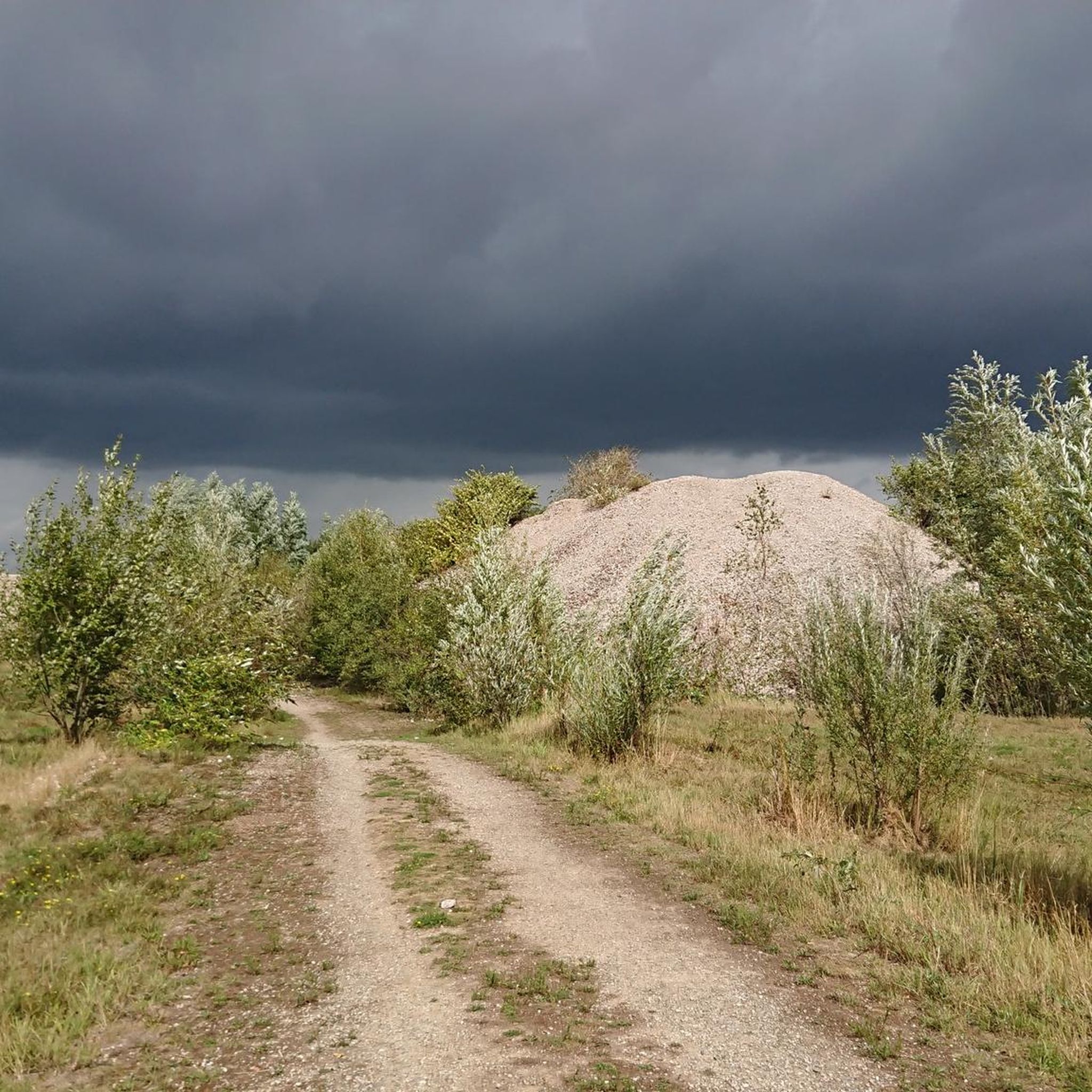
The Wolfsputten form a varied nature reserve with ravine forests, calcareous spring streams and rare flora such as wild garlic, orchids and giant horsetail. In this rolling landscape you walk along old sandstone quarries and deeply cut stream valleys that once provided the building materials for churches and town halls in Brussels, Ghent and Leuven. With more than 300 plant species and dozens of birds and mammals, this is one of Flanders' most biodiverse places.
4
0

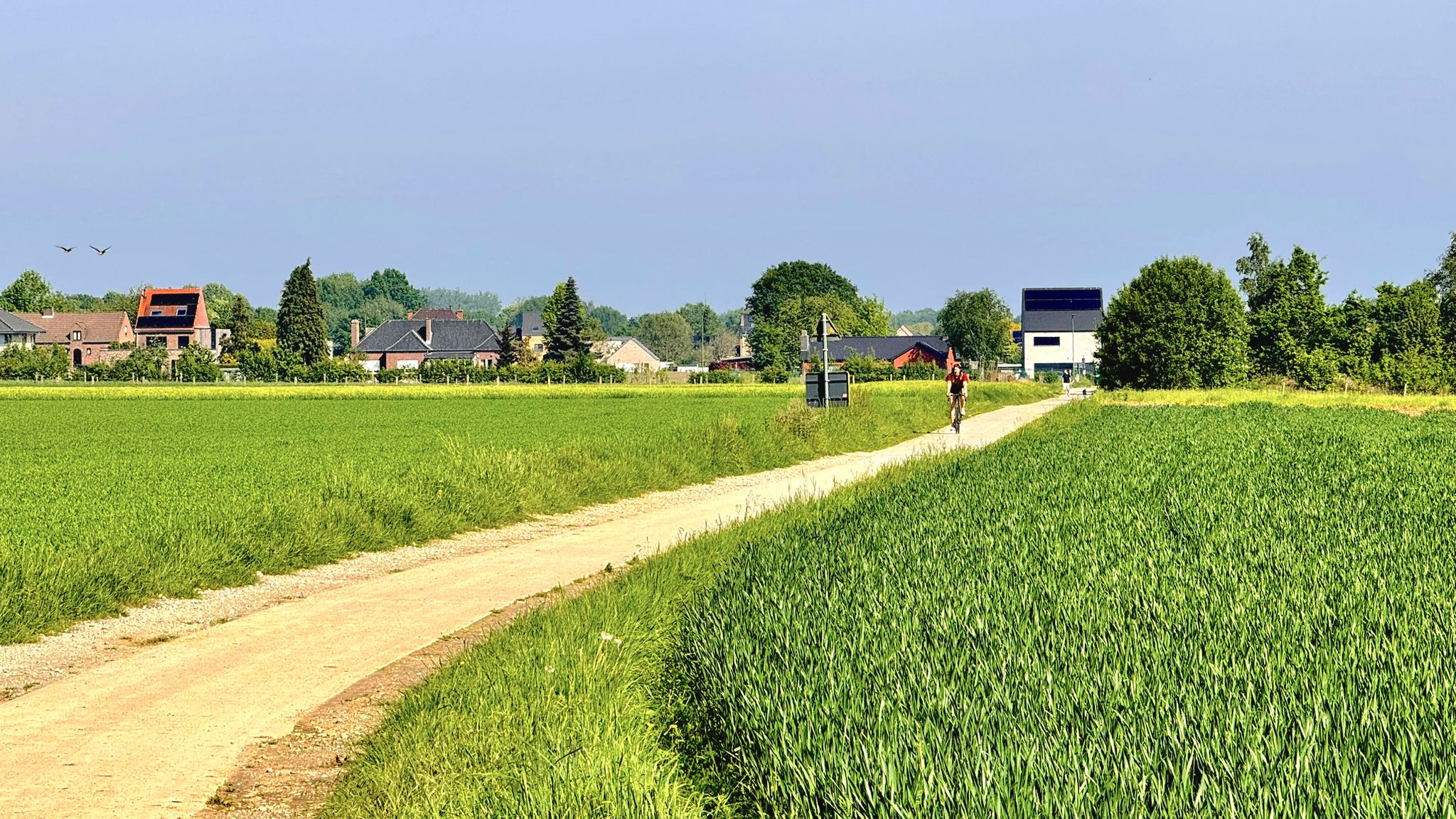
Mispeldonk Nature Reserve is a beautiful and valuable nature reserve in Bonheiden, located in the province of Antwerp. The area is known for its unique ecosystems, rich biodiversity and the natural beauty of the landscape. Here are some key points about Mispeldonk: Location and Size Mispeldonk is located between Bonheiden and the nearby municipality of Rijmenam, along the banks of the Dijle. The area is part of the larger Dijle landscape, which is known for its wet meadows, meandering waterways and rich flora and fauna. Mispeldonk covers approximately 50 hectares and consists of a mix of marshlands, meadows, forests and ponds. Ecological Importance Mispeldonk is a protected nature reserve because of its special ecological value. The area has a typical structure of a flood plain of the Dijle, which makes it an important habitat for many plant and animal species: • Flora: Various rare and protected plant species grow in the area, such as marsh marigolds, cuckoo flowers and water violets. The wet grasslands and marshes provide unique vegetation that is less common elsewhere in the region. • Fauna: Mispeldonk is an important habitat for birds such as the bluethroat, water rail and reed warbler. Amphibians such as the crested newt and the green frog can also be found there. Furthermore, the area is rich in insects, including butterflies and dragonflies, that thrive in the moist environment. Water management The nature reserve plays an important role in local water management. It is located in a flood-prone area along the Dijle and functions as a natural buffer against flooding. In the event of high water levels, the area can collect water and thus help prevent flooding in nearby villages. The nature reserve contributes to the preservation of water quality by filtering and purifying the water through natural processes. Recreation and Experience Mispeldonk is a popular place for nature lovers and hikers. The area is accessible via various hiking trails that lead through the meadows and forests. There are signposted routes that give walkers the chance to explore the diversity of the landscape and enjoy the peace and quiet of nature. Birdwatchers enjoy visiting the area because of the variety of bird species that can be seen, especially during the breeding season and the migratory bird periods. Management and Protection The nature reserve is managed by Natuurpunt, a Belgian organisation that is committed to nature conservation. Natuurpunt carries out management work to protect biodiversity and maintain the landscape. This includes mowing grasslands, removing invasive plant species and maintaining the walking paths. There is collaboration with local farmers for nature-friendly agriculture, whereby meadows are extensively grazed or mowed, so that they remain suitable for meadow birds and rare plants.
7
1

On the occasion of the 50th anniversary of the independence of Belgium and at the same time as the World Exhibition, King Leopold II had the Jubilee Park (Parc du Cinquantenaire) built in 1880. The architect Gédéon Bordiau drew up the plans. The intention was to create a green area with pavilions for various exhibitions. The triumphal arch (arcade) connects two wings covering a total area of 30 hectares. Note the beautiful symmetry of the French and English-inspired gardens, the lawns and the wide avenues.
16
1

Extra in the spring the orchard is in bloom and spring bloomers, but a lot of mud.
4
4

Beautiful walking area in nature
3
0

It is one of the largest parks in the capital with its nearly 69 hectares, its history is intimately linked to that of the creation of the avenue de Tervueren within the framework of the Universal Exhibition of 1897. The distribution of the exhibition on two sites (the Parc du Cinquantenaire and the royal estate of Tervueren) requiring a connecting axis, a landscaped park is envisaged along the avenue to embellish it and attract the bourgeois of the capital. Landscape architect Emile Lainé will be entrusted with the development project. Earthworks will be undertaken, using in particular the earth removed during the construction of the four ponds to give the park its rugged relief of English inspiration. The park is also distinguished by the variety of its trees with some 180 different species.
3
0
Frequently Asked Questions
What are some notable natural monuments to visit in Vilvoorde?
Vilvoorde offers a variety of natural spaces. You can explore the historic Woluwe Park, known for its English landscape style and tranquil environment. Another significant area is the Mispeldonk Nature Reserve, which features varied landscapes including poor grasslands, wooded edges, and restored heathland. Don't miss the Wolfsputten Nature Reserve, a highly biodiverse area with ravine forests and calcareous spring streams.
Are there natural monuments in Vilvoorde with historical significance?
Yes, several natural monuments in Vilvoorde blend natural beauty with history. The Domein Drie Fonteinen (Three Fountains Estate) is one of Belgium's oldest landscape parks, featuring elements from the 1760s like ice cellars and a gallery bridge. The William Tyndalepark, a green space in the heart of Vilvoorde, incorporates historical elements including a statue and displays about William Tyndale. Additionally, the Cinquantenaire Park, though slightly further afield, was created to commemorate the 50th anniversary of Belgian independence and features impressive architecture alongside its green spaces.
Which natural monuments around Vilvoorde are suitable for families with children?
Many natural monuments in Vilvoorde are family-friendly. Domein Drie Fonteinen and William Tyndalepark both feature children's playgrounds. Woluwe Park and Mispeldonk Nature Reserve are also great for families, offering open spaces for exploration and easy walking paths. The Cinquantenaire Park is another excellent option with its vast lawns and museums.
What outdoor activities can I enjoy near Vilvoorde's natural monuments?
The area around Vilvoorde offers diverse outdoor activities. You can enjoy walking and cycling along the banks of the Brussels-Scheldt Canal, which has beautified sections perfect for picnics. Parks like Hanssenspark and Domein Drie Fonteinen are ideal for relaxed strolls. For more structured activities, there are various running, mountain biking, and road cycling routes available. For instance, you can find running trails like the "Tangebeekbos loop" or mountain biking routes such as the "Singletrack trails in Plantsoenbos" near Vilvoorde. You can explore more options on the Running Trails around Vilvoorde, MTB Trails around Vilvoorde, and Road Cycling Routes around Vilvoorde guide pages.
Are there good walking or cycling opportunities along waterways in Vilvoorde?
Absolutely. The River Zenne and the Brussels-Scheldt Canal are integral to Vilvoorde's landscape. The Brussels-Scheldt Canal, in particular, offers pleasant sections with beautified banks that are popular for cycling. The east bank has been improved as part of the city's Watersite scheme, providing scenic routes. Parts of the River Zenne are also accessible for walks, contributing to the town's natural environment.
Where can I find a panoramic view of Brussels near Vilvoorde's natural monuments?
For a great panoramic view of Brussels, head to the Mont des Arts Garden. Located on a slope between the Koningsplein and the lower town, it offers a fascinating city panorama. On a clear day, you can see the tower of the town hall on the Grote Markt, and even the Basilica of Koekelberg and the Atomium.
Are there nature reserves near Vilvoorde known for their biodiversity?
Yes, Vilvoorde is home to highly biodiverse nature reserves. The Wolfsputten Nature Reserve is a prime example, featuring ravine forests, calcareous spring streams, and a rich diversity of flora and fauna, including over 300 plant species. The Mispeldonk Nature Reserve is another valuable area with varied ecosystems, serving as an important habitat for various plant and animal species, including the kingfisher along the Boeimeerbeek.
Can I visit natural monuments in Vilvoorde with my dog?
Yes, some natural monuments are dog-friendly. The Wolfsputten Nature Reserve is specifically noted as dog-friendly, offering varied terrain for you and your canine companion to explore. Always check local regulations for specific parks and reserves regarding leash requirements.
What kind of facilities or amenities can I find at these natural monuments?
Amenities vary by location. At Domein Drie Fonteinen, you can find picnic tables, a children's playground, and even a brasserie (Brasserie De Drie Fonteinen) for coffee or lunch. William Tyndalepark also offers walking paths, children's playgrounds, and benches. For other areas like nature reserves, facilities might be more limited, focusing on natural paths and viewing points.
What makes the Domein Drie Fonteinen a unique natural monument?
The Domein Drie Fonteinen (Three Fountains Estate) is unique due to its historical significance as one of Belgium's oldest landscape parks, combining both English and French ornamental garden styles. It's named after a historic fountain by a lock on the old Brussels-Rupelmonde canal. Visitors can admire magnificent trees, relax in the grounds, and discover elements dating back to the 1760s, such as ice cellars and a rare double-decker gallery bridge over the moat.
Are there any hidden natural gems or less-known spots around Vilvoorde?
While not exactly 'hidden,' Hanssenspark is a tranquil green link west of the railway station, designed in an English landscape style around a one-acre pond. It offers a peaceful environment away from the more bustling areas. The accessible parts of the River Zenne, though often flowing invisibly through Brussels, provide quiet natural spots within Vilvoorde itself.
Most popular routes around Vilvoorde
Most popular attractions around Vilvoorde

Get inspired with the komoot mobile app


Explore more
Extend your search for the best caves by checking out these guides of the top ones around Vilvoorde:
