Top 20 Natural Monuments around Hamont-Achel
Best natural monuments around Hamont-Achel are found within the diverse landscapes of northern Limburg, Belgium, forming part of the cross-border nature park De Groote Heide. This region features a blend of forests, heathlands, fens, and streams, offering varied natural environments. The area is characterized by its sense of space and tranquility, providing opportunities for outdoor activities. Hamont-Achel's natural monuments include historical sites, extensive nature reserves, and significant wildlife habitats.
Best natural monuments around Hamont-Achel
- The most popular natural monuments is…
Last updated: June 1, 2026
Molhem Prehistoric Burial Mounds
Highlight • Historical Site
Translated by Google •
Tip by

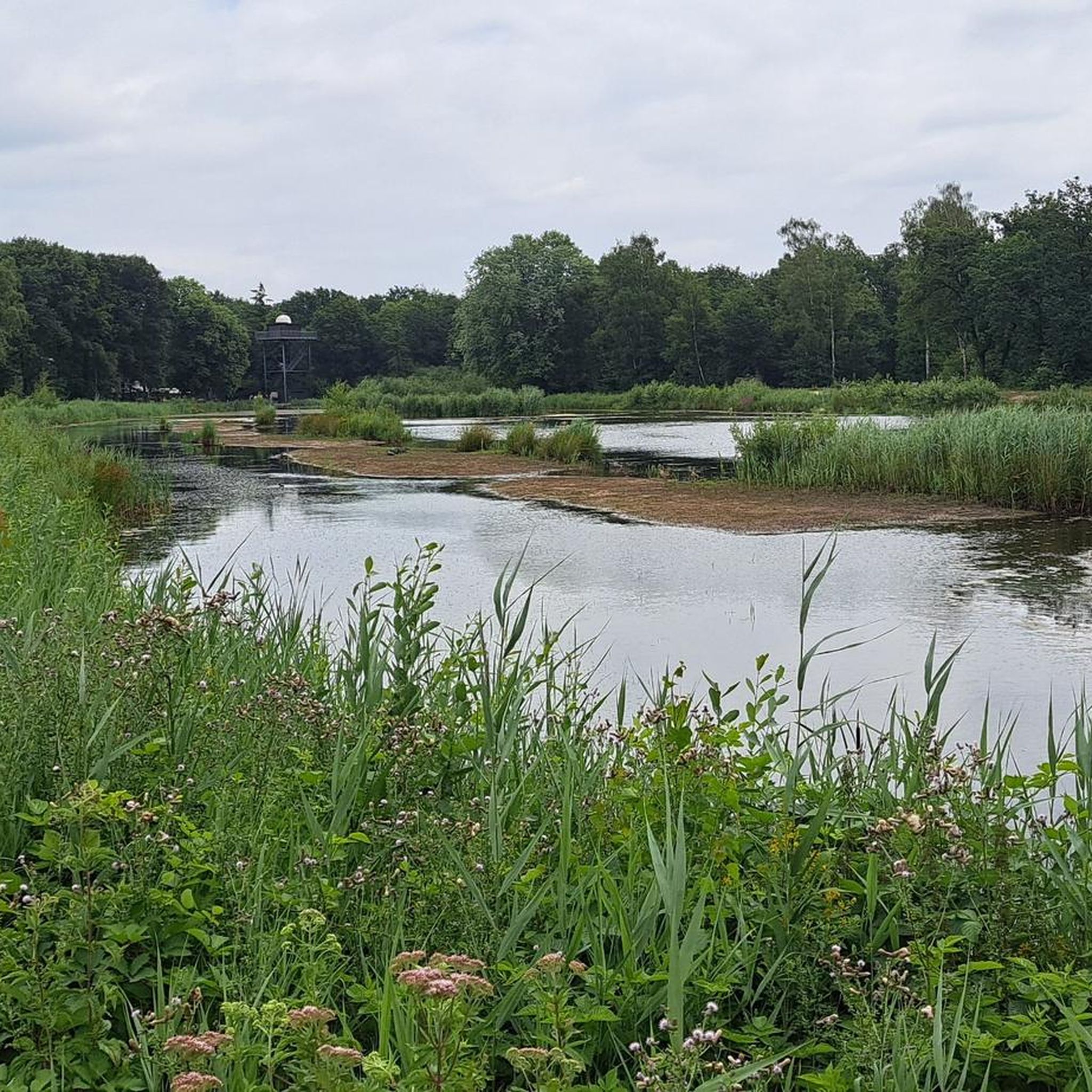
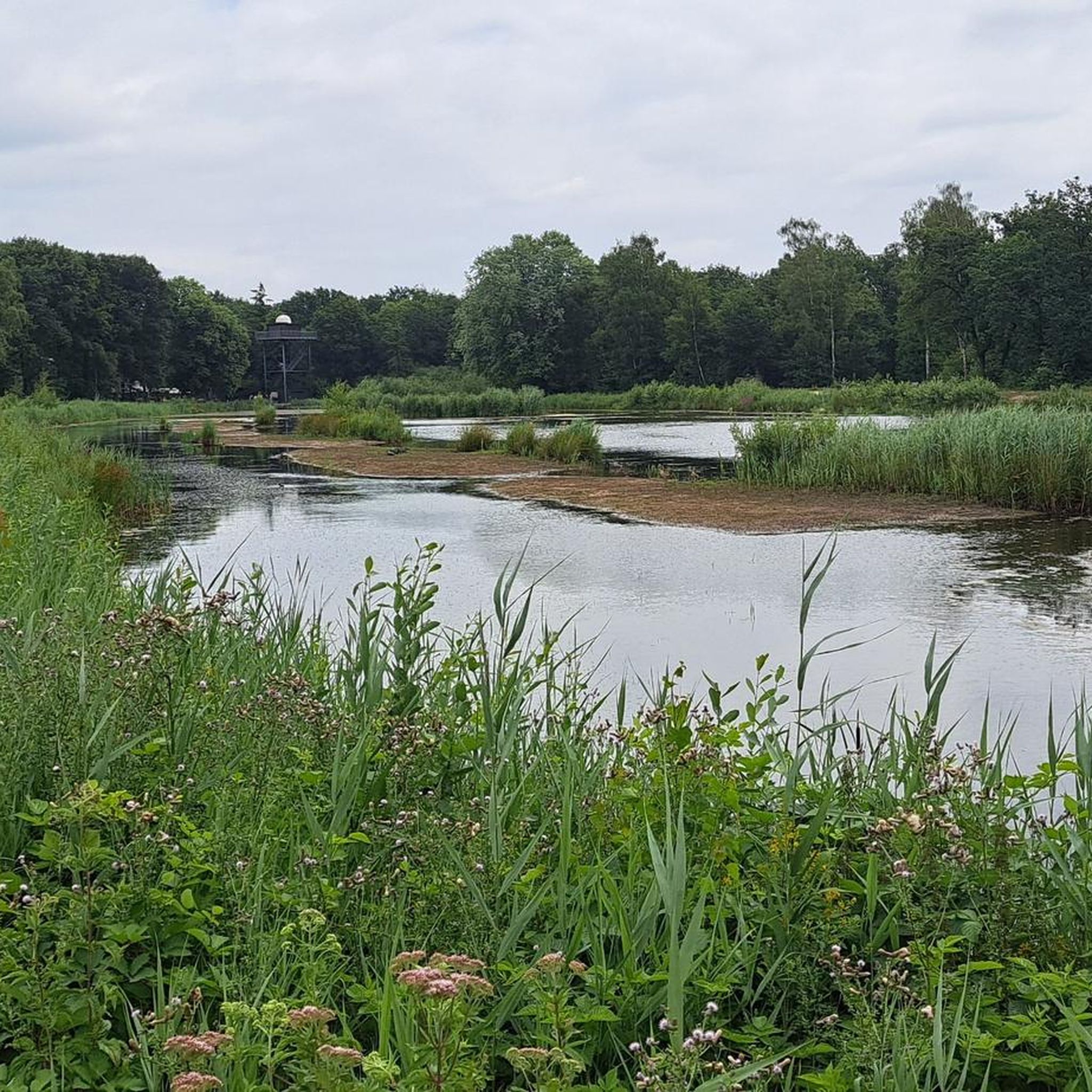
The Smeetshof Nature Reserve
Highlight • Forest
Sign up now to discover places like this
Get recommendations on the best single tracks, peaks, & plenty of other exciting outdoor places.
Sign up for free
Boshoverheide Burial Mounds
Highlight • Historical Site
Translated by Google •
Tip by

Valkenhorst Heath
Highlight • Natural
Translated by Google •
Tip by

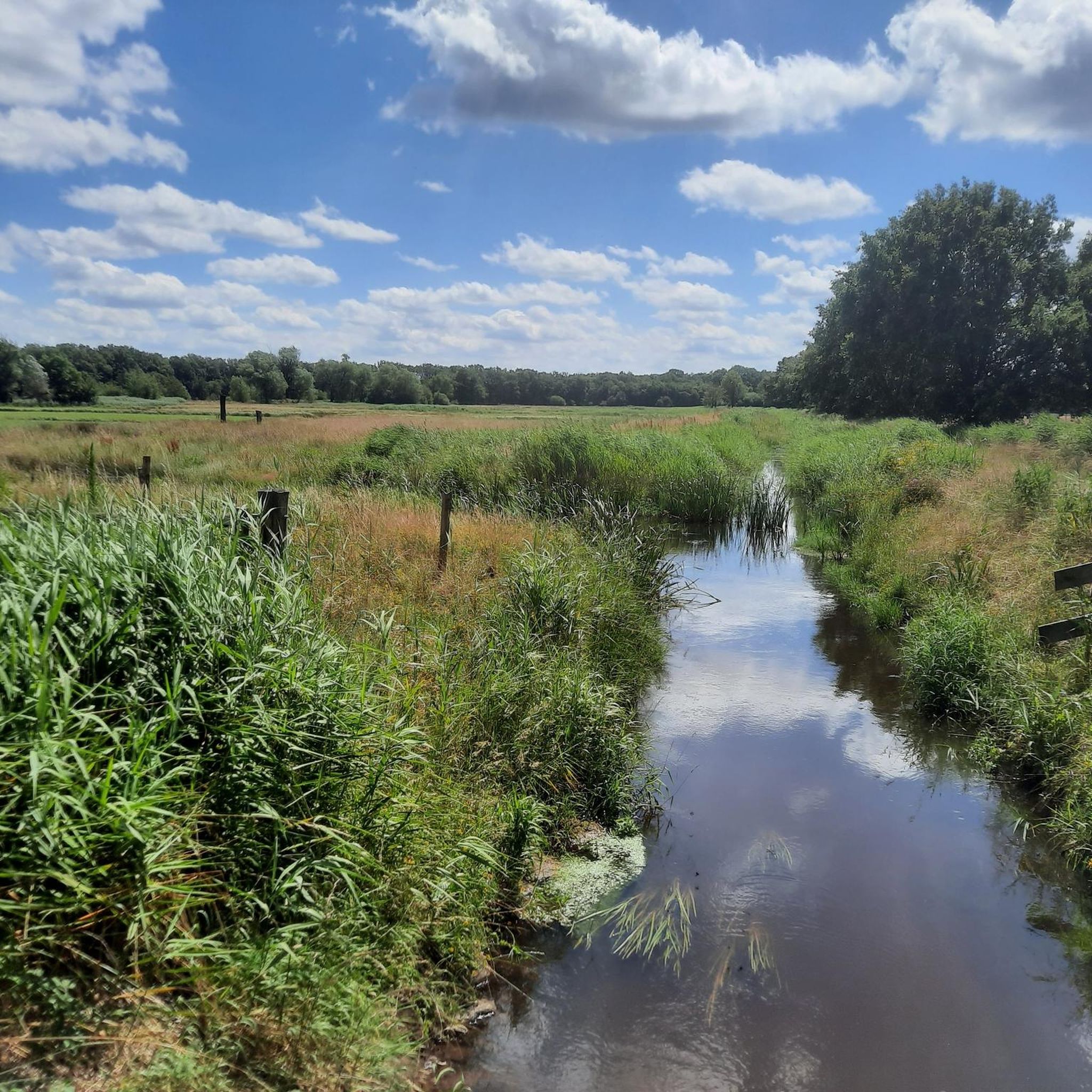
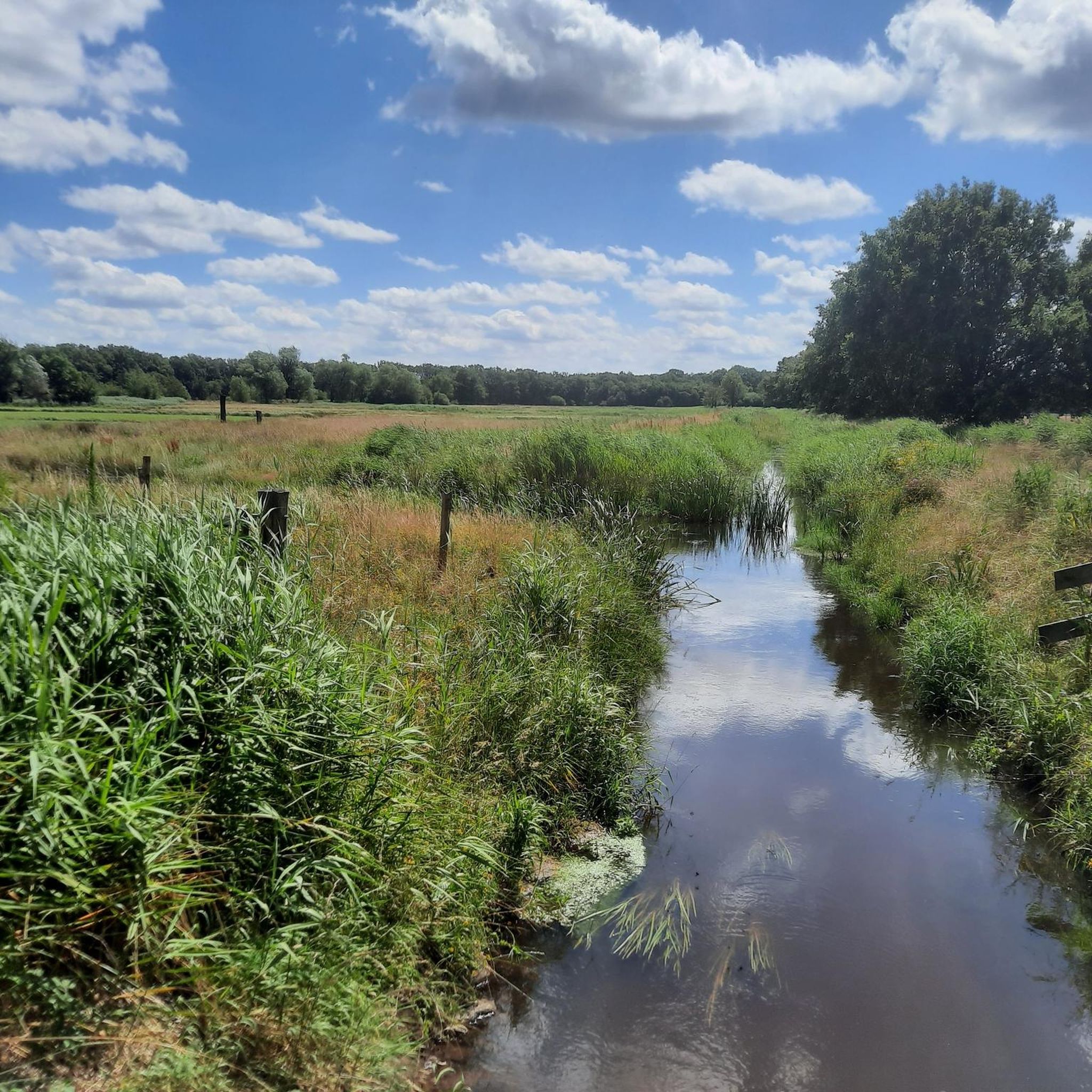
Beaver Habitat in Kempen~Broek
Highlight • Natural
Sign up for free to discover even more natural monuments around Hamont-Achel.
Sign up for free
Already have an account?
Start today with a free account
Your next adventure awaits.
Login or Signup
Popular around Hamont-Achel
Hiking in Brabant – in Van Gogh’s footsteps in Southern Netherlands
13 hikes full of peace and contemplation - Our Monastery Path
Along the border between the Netherlands and Belgium – the Grenslandpad
Delicious hiking: Culinary Tours in Flanders
Hiking around Hamont-Achel
Road Cycling Routes around Hamont-Achel
MTB Trails around Hamont-Achel
Cycling around Hamont-Achel
Running Trails around Hamont-Achel

Gravel biking around Hamont-Achel
Other adventures around Hamont-Achel


Tips from the Community

The burial mounds are located a short walk from the Breugel cycle path. Explanations on several information boards along the trail.
1
0


Small parking lot and starting point for various walks, depending on the direction you leave, you can walk straight into the Netherlands.
1
0

The visible mound bodies of heathland plaggen, in round or elongated form, such as burial mounds and long beds, characterize the landscape. A total of 312 round burial mounds and 36 long beds have been registered on the Boshoverheide. The length of the long beds varies between 4.5 and 42 m. The mounds of the Boshoverheide are on average not very high. Of the mounds that were still completely preserved and have since been restored, more than two thirds are no higher than half a meter. The diameter of these mounds ranges from about 4 to 8 meters. The largest mound with a diameter of 17 meters is also the highest at 1.2 meters. Source: https://archeoroutelimburg.nl/de/locatie/archaologische-statte-weert-urnenfeld
0
0

Unfortunately, there isn't much to see "live". More for insiders. 💁🏻♂️
4
0

At this location you can see five prehistoric burial mounds, founded by farming communities from this region. From 3000 B.C. Individual burial mounds appear in the landscape for the first time in this region. That is during the Late Stone Age and Early Bronze Age. Later - from 1100 BC. and especially from 850 BC onwards. - small family groups demarcate certain places to honor their dead. We are then in the late Bronze Age to middle Iron Age. These people live dispersed in the area and they cremate their dead. Their ashes are placed in urns and buried in a hole, sometimes under a low burial mound. After a few generations, burial grounds are created, sometimes containing hundreds of graves. The Molhem burial mounds are probably also part of such a burial field from the period 800 to 500 BC.
3
0

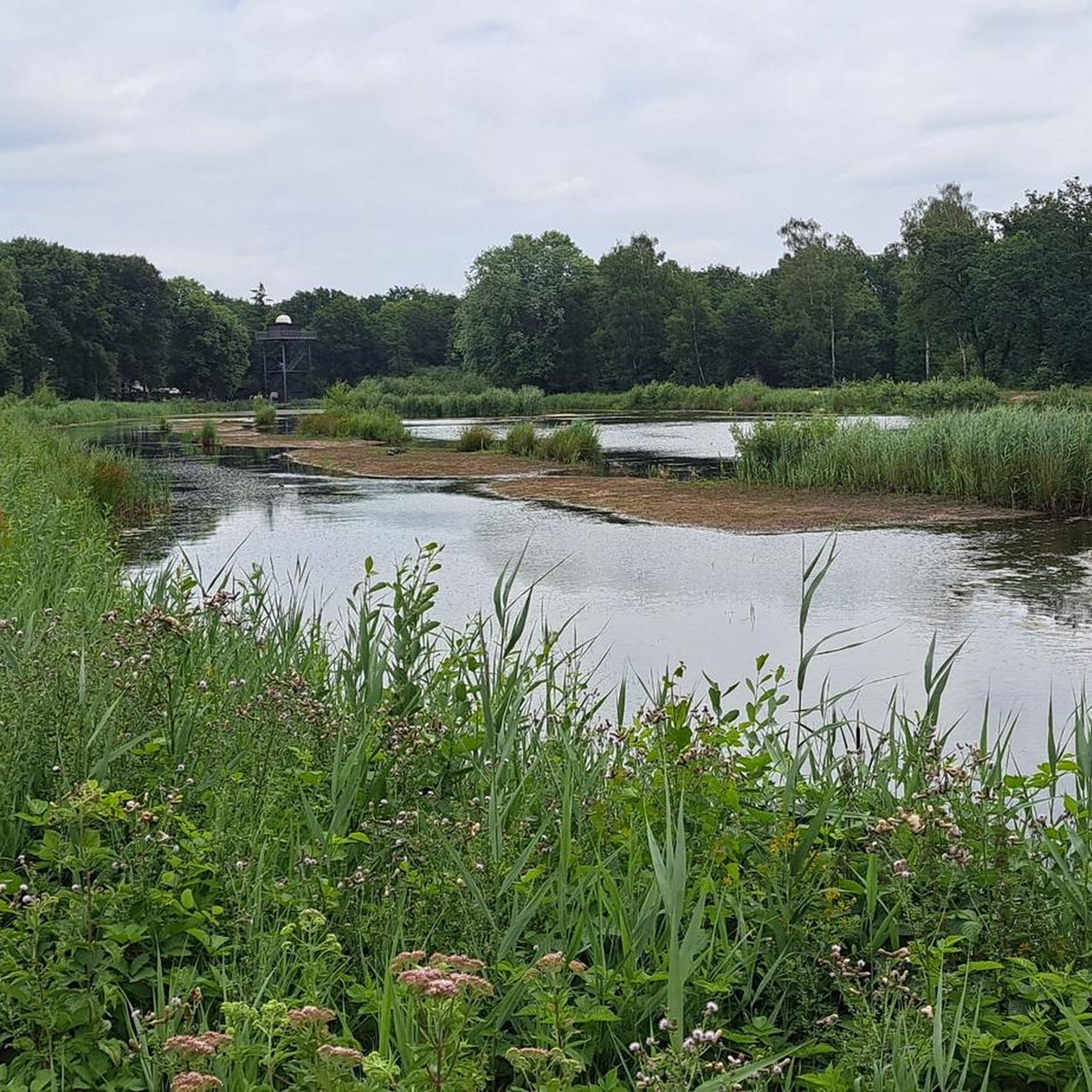
Where beavers do the real work 😜
5
0

Het Smeetshof is both the name of the farm where the walks start and the nature reserve through which the walks pass. The farm was renovated in 1913 and called Smeetshof by the then owners, contractor Smeets-Clerx from Eksel...
5
0
Frequently Asked Questions
What natural features can I expect to see in the Hamont-Achel region?
The Hamont-Achel region, part of the expansive Natuurgrenspark De Groote Heide, offers a diverse landscape of forests, heathlands, fens, and streams. You'll find areas like the Warmbeekvallei with its fragrant pine forests and the varied ecosystems around the Achelse Kluis, which include fens and historical elements. The region is characterized by its sense of space and tranquility, providing a rich natural experience.
Are there specific natural monuments known for wildlife observation?
Yes, several natural monuments in the area are excellent for wildlife. The Beaver Habitat in Kempen~Broek is particularly known for its abundant beaver activity, where you can often spot tracks and signs of their work. The Achelse Kluis area is home to specific wildlife such as the moor frog, bluethroat, and yellowhammer, while the Warmbeekvallei features tawny owls and moor frogs. The Smeetshof Nature Reserve also promotes wet nature, attracting various marsh birds.
What historical natural monuments can I visit in Hamont-Achel?
Hamont-Achel is rich in historical natural monuments. You can explore the Boshoverheide Burial Mounds, an extensive urn field from the late Bronze Age. Another significant site is the Molhem Prehistoric Burial Mounds, where five burial mounds dating from 800 to 500 BC are connected by a footpath. Additionally, the Laurabossen Woods hold historical significance from its past as a coal mining area, with some remnants still visible.
Are there family-friendly natural monuments around Hamont-Achel?
Many natural monuments in Hamont-Achel are suitable for families. The Smeetshof Nature Reserve is family-friendly and even offers parking and facilities. Both the Boshoverheide Burial Mounds and the Molhem Prehistoric Burial Mounds are accessible for hikers and offer an educational historical experience. The Laurabossen Woods also provide a pleasant environment for family walks amidst nature and history.
What outdoor activities can I do near these natural monuments?
The region around Hamont-Achel is ideal for various outdoor activities. You can enjoy extensive walking and cycling through the diverse natural settings of Natuurgrenspark De Groote Heide and the Achelse Kluis. For more specific routes, you can find numerous cycling tours in the area, such as those listed in the Cycling around Hamont-Achel guide. There are also dedicated guides for Gravel biking and MTB Trails, offering routes for different skill levels.
Are there accessible natural monuments for visitors with mobility considerations?
While specific accessibility details vary, The Smeetshof Nature Reserve is noted as being wheelchair accessible, offering defined paths for visitors to enjoy the wet nature and marshlands. Many areas within Natuurgrenspark De Groote Heide also feature extensive networks of cycling and walking paths that are generally well-maintained, though it's always advisable to check specific route conditions.
What is the best time to visit the natural monuments in Hamont-Achel?
The diverse landscapes of Hamont-Achel, including forests, heathlands, and fens, can be enjoyed year-round. Spring and summer offer lush greenery and active wildlife, while autumn brings vibrant colors to the forests. Even in winter, the tranquil and silent atmosphere of areas like Natuurgrenspark De Groote Heide provides a unique experience. The Achelse Kluis is a good option for a visit at any time, combining nature with cultural elements.
Where can I find parking near the natural monuments?
Parking facilities are available at several natural monuments. The Smeetshof Nature Reserve, for instance, has designated parking. For other areas like the Achelse Kluis, which serves as a gateway to Natuurgrenspark De Groote Heide, parking is typically available near the abbey. When planning your visit, it's recommended to check specific locations for the most convenient parking options.
Are there any viewpoints or scenic spots within the natural monuments?
Yes, the natural monuments offer several scenic spots. The Boshoverheide Burial Mounds provide a viewpoint over the heathland. The Achelse Kluis abbey site offers peaceful views of the surrounding nature, including fens and forests. The Warmbeekvallei also features beautiful spots along its walking routes, allowing visitors to appreciate the pine forests and the meandering Warmbeek stream.
Can I bring my dog to the natural monuments in Hamont-Achel?
Many natural areas in Hamont-Achel are dog-friendly, especially those with extensive walking paths like Natuurgrenspark De Groote Heide and the Warmbeekvallei. However, it's generally recommended to keep dogs on a leash to protect local wildlife and ensure a pleasant experience for all visitors. Always check for specific signage or regulations at individual nature reserves or protected areas.
What are some lesser-known natural gems in the Hamont-Achel area?
Beyond the more prominent sites, the region holds several lesser-known natural gems. The Beverbeeks bosgebied (Beverbeek forest area) and Het Elsbroek are recognized historical landscapes offering varied walking and cycling routes away from the main crowds. These areas, along with numerous smaller nature reserves within De Groote Heide, provide peaceful and extensive green environments to explore.
What makes the Kempen~Broek Border Park significant for natural monuments?
The Kempen~Broek Border Park, which includes areas like The Smeetshof Nature Reserve and the Beaver Habitat, is significant for its cross-border ecological value. It's a large, continuous natural expanse that promotes wet nature, featuring moist grasslands, marsh plants, and diverse bird species. Its management focuses on restoring natural water systems, making it a vital habitat for beavers and other unique wildlife, and offering a rich, varied landscape for exploration.
Most popular routes around Hamont-Achel
Most popular attractions around Hamont-Achel

Get inspired with the komoot mobile app


Explore more
Extend your search for the best caves by checking out these guides of the top ones around Hamont-Achel:
