Top 20 Natural Monuments around Meerhout
Best natural monuments around Meerhout are located in the Belgian province of Antwerp, characterized by diverse landscapes and unique ecological features. This region features extensive forests, fens, marshes, and heathland. Distinctive land dunes, formed by wind-blown sand, also contribute to the area's unique topography. These natural sites provide opportunities for recreation and experiencing local biodiversity.
Best natural monuments around Meerhout
- The most popular natural monuments is Kapucienenberg Land Dunes, a natural monument featuring sandy hills created after the last…
Last updated: May 17, 2026
Footbridge over the Weefberg Pond
Highlight • Bridge
Translated by Google •
Tip by

About Inland Dunes
Highlight (Segment) • Natural Monument
Translated by Google •
Tip by

Sign up now to discover places like this
Get recommendations on the best single tracks, peaks, & plenty of other exciting outdoor places.
Sign up for free
Bridge over the Grote Nete (Het Trammetje), Westerlo
Highlight • Bridge
Translated by Google •
Tip by

Kapucienenberg Land Dunes
Highlight • Natural Monument
Translated by Google •
Tip by
Belse Heide Nature Reserve
Highlight • Forest
Translated by Google •
Tip by
Sign up for free to discover even more natural monuments around Meerhout.
Sign up for free
Already have an account?
Start today with a free account
Your next adventure awaits.
Login or Signup
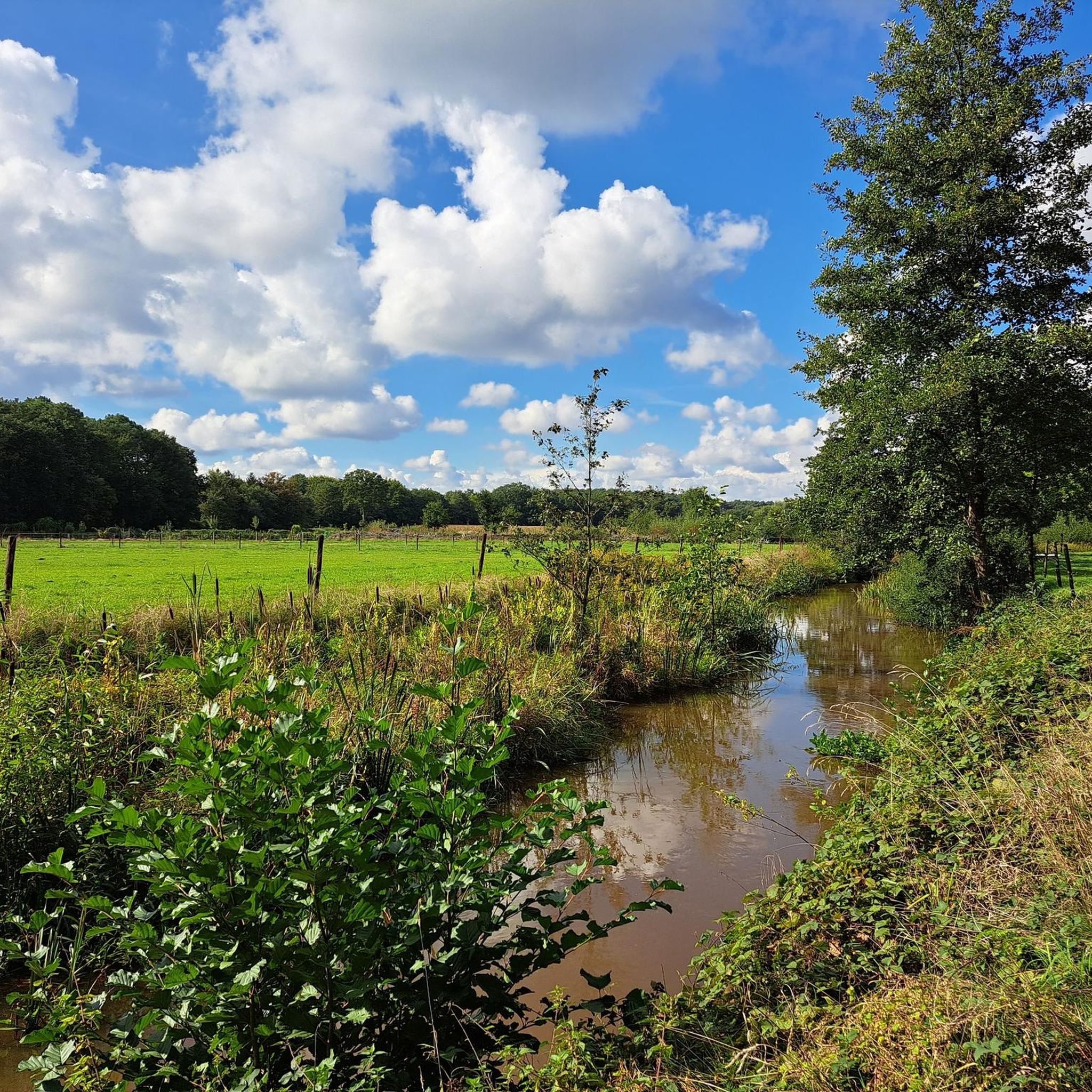
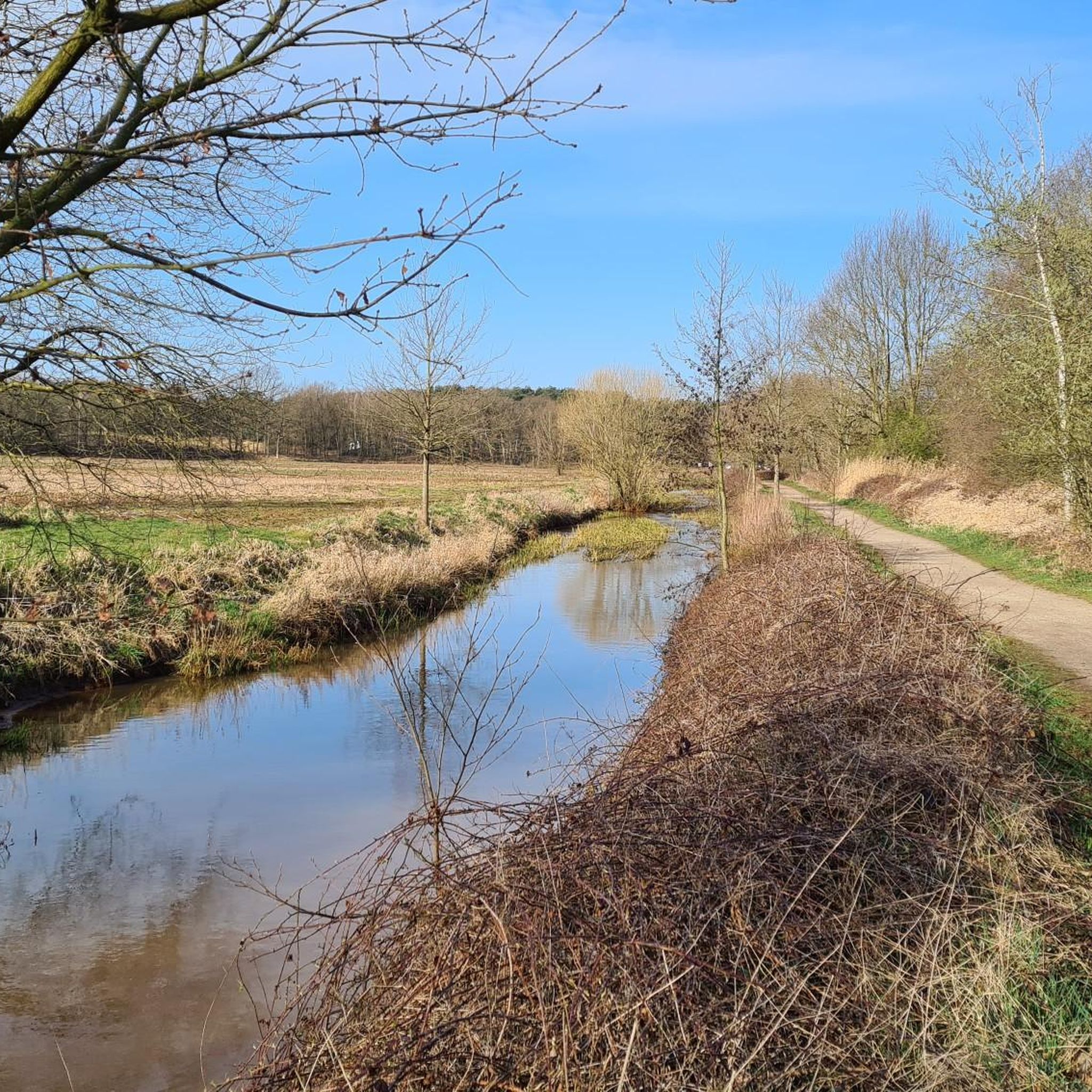
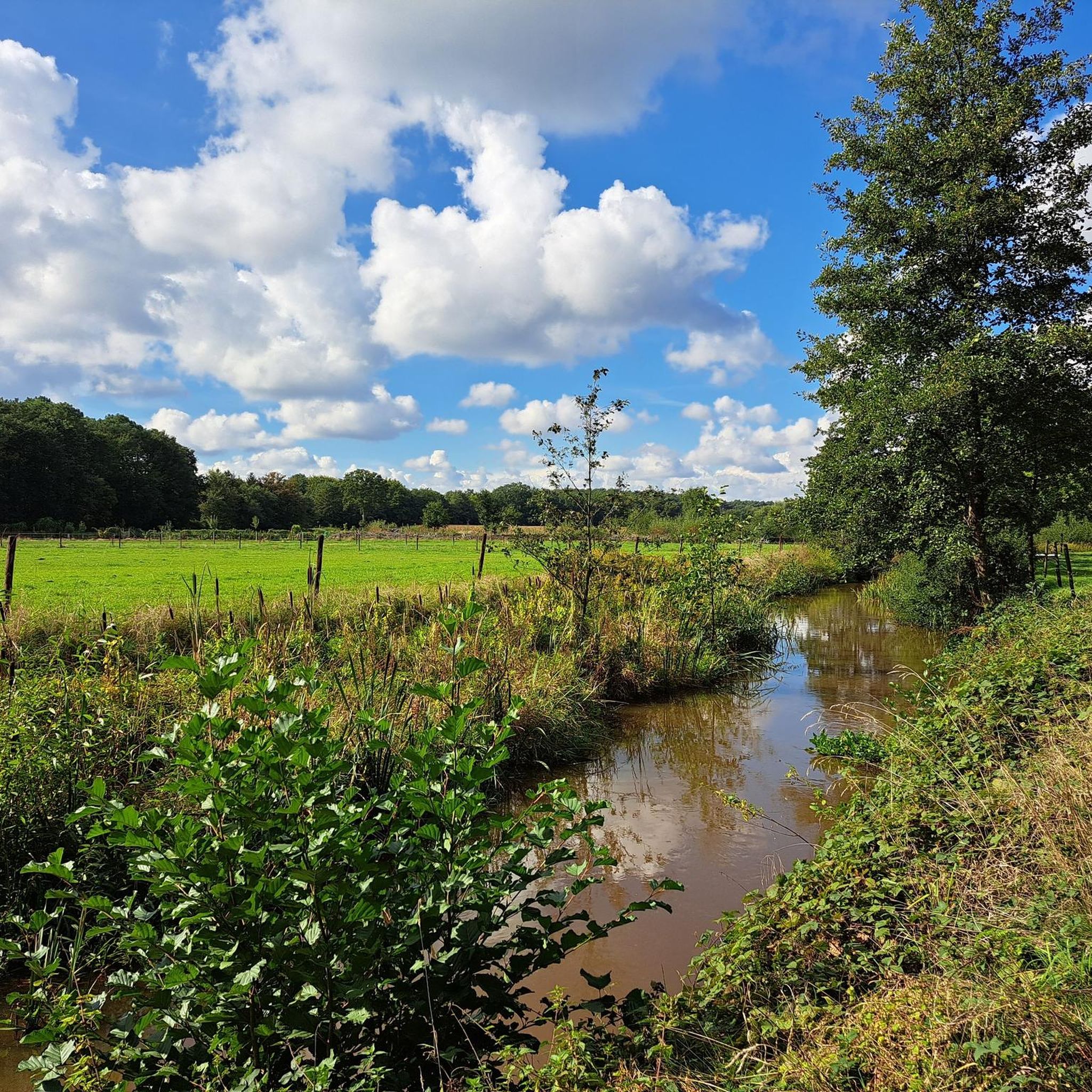
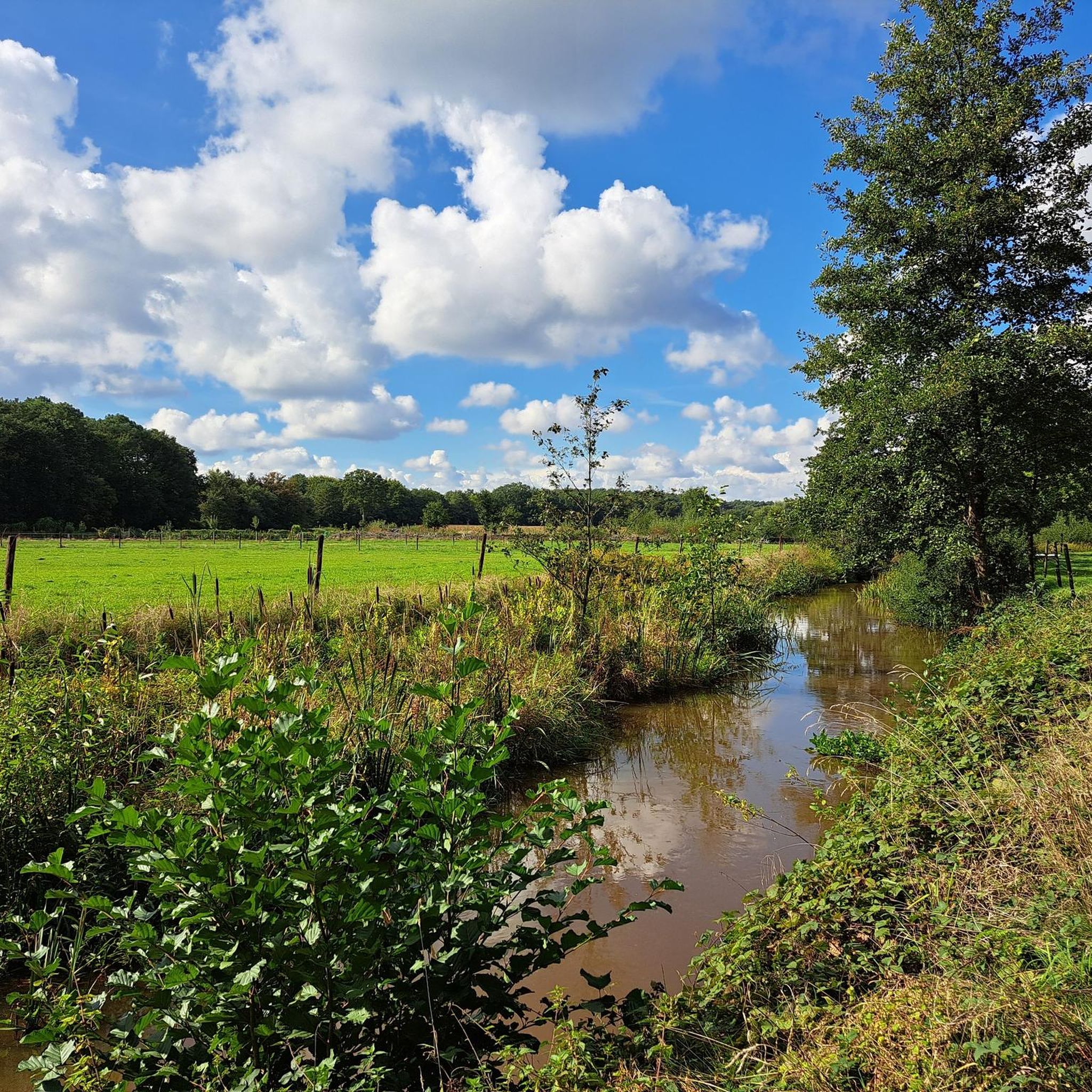

Tips from the Community

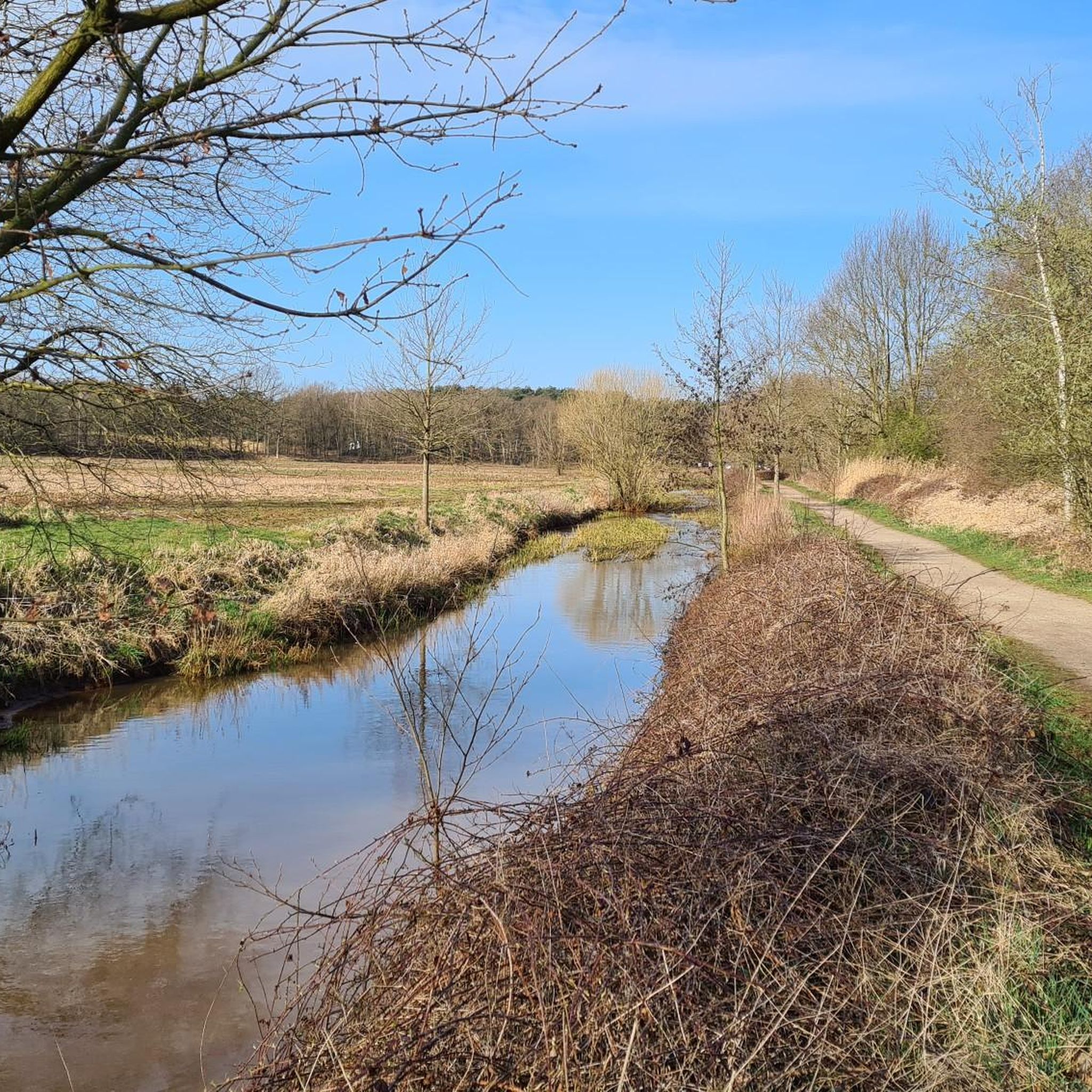
The Bels Broek en Heide is a sub-area of the Grote Netewoud in the municipalities of Geel and Meerhout. It is located on the right bank of the Grote Nete River, here called the Meerhoutse Nete, and consists of drifting dunes, swamp forests, and heathland. The Bels Broek en Heide is located in a habitat directive area. It is named after the nearby town of Bel. (Wikipedia)
9
0
A beautiful bridge over the Grote Nete river, not far from Merode Castle. You must cross the bridge to continue along the Grote Nete.
12
0


One of my favorite places in the area.
4
0

A bridge provides a connection between two banks. Usually a bridge is over water: a ditch, a canal, moat, river, lake, ravine, ...
9
2

bridge over the large Nete, over which the path between Westerlo and Bergom runs.
6
0
Beautiful and nice bridge over the fen, with a wonderful view...
14
3
Walking path over the top of an inland dune.
2
1
Frequently Asked Questions
What unique natural features can I explore around Meerhout?
Meerhout is known for its diverse landscapes, including extensive forests, fens, marshes, and heathland. A prominent feature is the distinctive land dunes, such as the Kapucienenberg Land Dunes, which are sandy hills formed after the last ice age. You can also find majestic inland dunes, remnants of the Diestian Sea, like those at About Inland Dunes.
Are there family-friendly natural monuments in the Meerhout area?
Yes, several natural monuments around Meerhout are suitable for families. The Kapucienenberg Land Dunes offer beautiful landscapes and are great for exploring. The Footbridge over the Weefberg Pond in the Averbode Bos en Heide nature reserve provides scenic views and a connection with nature. Additionally, the Belse Heide Nature Reserve features heathland ponds and picnic areas, perfect for a family outing.
What kind of wildlife can I expect to see in Meerhout's natural monuments?
The diverse habitats around Meerhout support a rich ecosystem. In areas like the Kapucienenberg Land Dunes, you might encounter specific dune flora and fauna, including summer oaks, flying pines, digging wasps, sand bees, and sand-race beetles. The heathlands and fens also provide habitats for various birds and insects.
Are there historical sites among the natural monuments?
Yes, some natural monuments also have historical significance. The Bridge over the Grote Nete (Het Trammetje), Westerlo, for instance, is not just a scenic spot but also features a unique 19th-century lock system protected by Monumentenzorg, offering a glimpse into past engineering.
What outdoor activities can I do near the natural monuments around Meerhout?
The region offers a variety of outdoor activities. You can find numerous routes for mountain biking, running, and road cycling. For mountain biking, explore trails like the Gewad Trail or Steep climb, detailed in the MTB Trails around Meerhout guide. Runners can enjoy routes such as the Kapucienenberg Land Dunes – Belse Heide Nature Reserve loop, found in the Running Trails around Meerhout guide. Road cyclists have options like the Grote Netewoud Visitor Centre route, available in the Road Cycling Routes around Meerhout guide.
Are there specific hiking trails to explore the natural monuments?
Yes, many natural monuments are ideal for hiking. The About Inland Dunes are an excellent place for hiking or Nordic walking. The Belse Heide Nature Reserve also has many hiking trails that meander over dune ridges and through heathlands. When visiting, remember to stay on designated paths to protect the vulnerable ecosystems.
What is the geological significance of the land dunes in Meerhout?
The land dunes, such as the Kapucienenberg Land Dunes and About Inland Dunes, are significant geological features. They were formed after the last ice age by wind-blown sand from rivers, creating a unique topography of high, dry sand dunes interspersed with low, wet stream valleys. The inland dunes are remnants of sandbanks from the Diestian Sea, which covered the region millions of years ago.
What do visitors enjoy most about the natural monuments in Meerhout?
Visitors frequently appreciate the serene escape into nature and the diverse beauty of the landscapes. Many enjoy the unique experience of walking through sand dunes that feel like a 'Sahara of Averbode,' as described by one visitor for the About Inland Dunes. The tranquility of places like the Belse Heide Nature Reserve and the connection with nature felt while crossing the Footbridge over the Weefberg Pond are also highly valued.
Are there viewpoints to enjoy the scenery of Meerhout's natural areas?
Yes, several natural monuments offer excellent viewpoints. The Footbridge over the Weefberg Pond provides beautiful views of the fens. The About Inland Dunes are an ideal spot to enjoy panoramic views of the unique dune landscape. Additionally, the Bridge over the Grote Nete (Het Trammetje), Westerlo, offers a special place to pause and take in the surroundings.
What is the Averbode Bos & Heide and what can I find there?
Averbode Bos & Heide is a significant natural area located near the Averbode Abbey, representing a transition zone between the Kempen and Hageland regions. It features extensive forests, fens, marshes, heathland, and scanty grasslands. The Footbridge over the Weefberg Pond is situated within this reserve, offering visitors a chance to experience its varied natural beauty and rich ecosystem.
Can I find picnic areas within the natural monuments?
Yes, the Belse Heide Nature Reserve is known for its beautiful heathland ponds and provides designated picnic areas and numerous benches for relaxation, making it a great spot to enjoy a meal amidst nature.
Most popular routes around Meerhout
Most popular attractions around Meerhout

Get inspired with the komoot mobile app


Explore more
Extend your search for the best caves by checking out these guides of the top ones around Meerhout:
