Top 20 Natural Monuments around Halen
Natural monuments around Halen feature a diverse landscape, including rivers, lakes, and forests. The region offers various natural attractions, from unique inland lakes to ancient trees and protected forest areas. These sites provide opportunities to explore the local environment and its natural features. Halen's natural monuments are part of a landscape that supports diverse ecosystems and offers accessible outdoor experiences.
Best natural monuments around Halen
- The most popular natural monuments is Black Brook, a river that flows through various…
Last updated: August 8, 2026
Black Brook
Highlight • River
In Halen she squeezes …
Translated by Google •
Tip by

Lake Het Vinne
Highlight • Lake
Translated by Google •
Tip by

Sign up now to discover places like this
Get recommendations on the best single tracks, peaks, & plenty of other exciting outdoor places.
Sign up for free
Pinnekensweier Pond and Wet Heathland
Highlight • Lake
Translated by Google •
Tip by
The Thousand-Year-Old Oak
Highlight • Natural Monument
Translated by Google •
Tip by

Galgenberg Forest
Highlight • Forest
In the northeastern corner of the municipality of Heusden-Zolder you can relax in the green oasis Galgenberg. This is a hill of almost 60 meters high that is …
Translated by Google •
Tip by

Sign up for free to discover even more natural monuments around Halen.
Sign up for free
Already have an account?
Start today with a free account
Your next adventure awaits.
Login or Signup

Tips from the Community

Very relaxing, beautiful well-maintained paths.
0
0

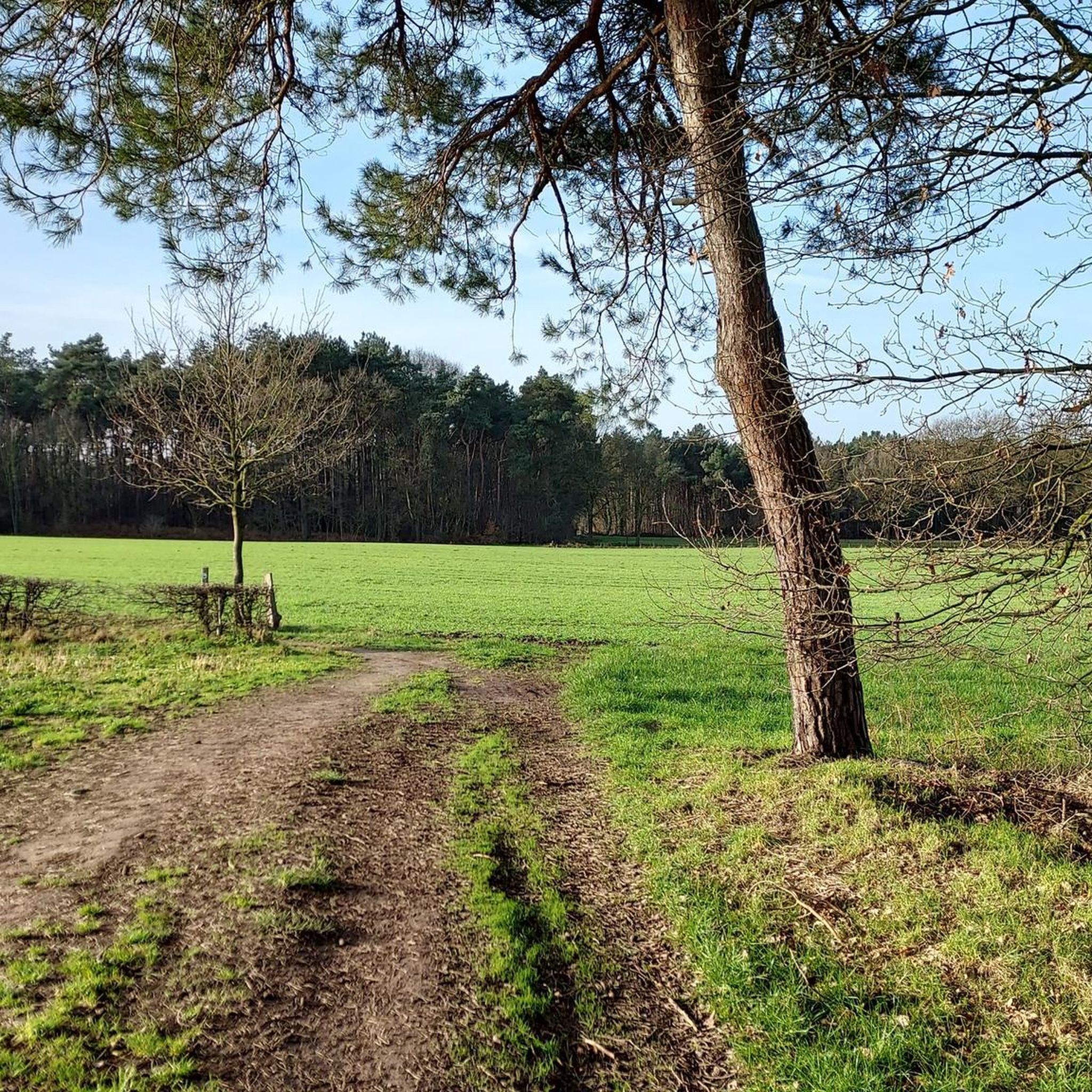
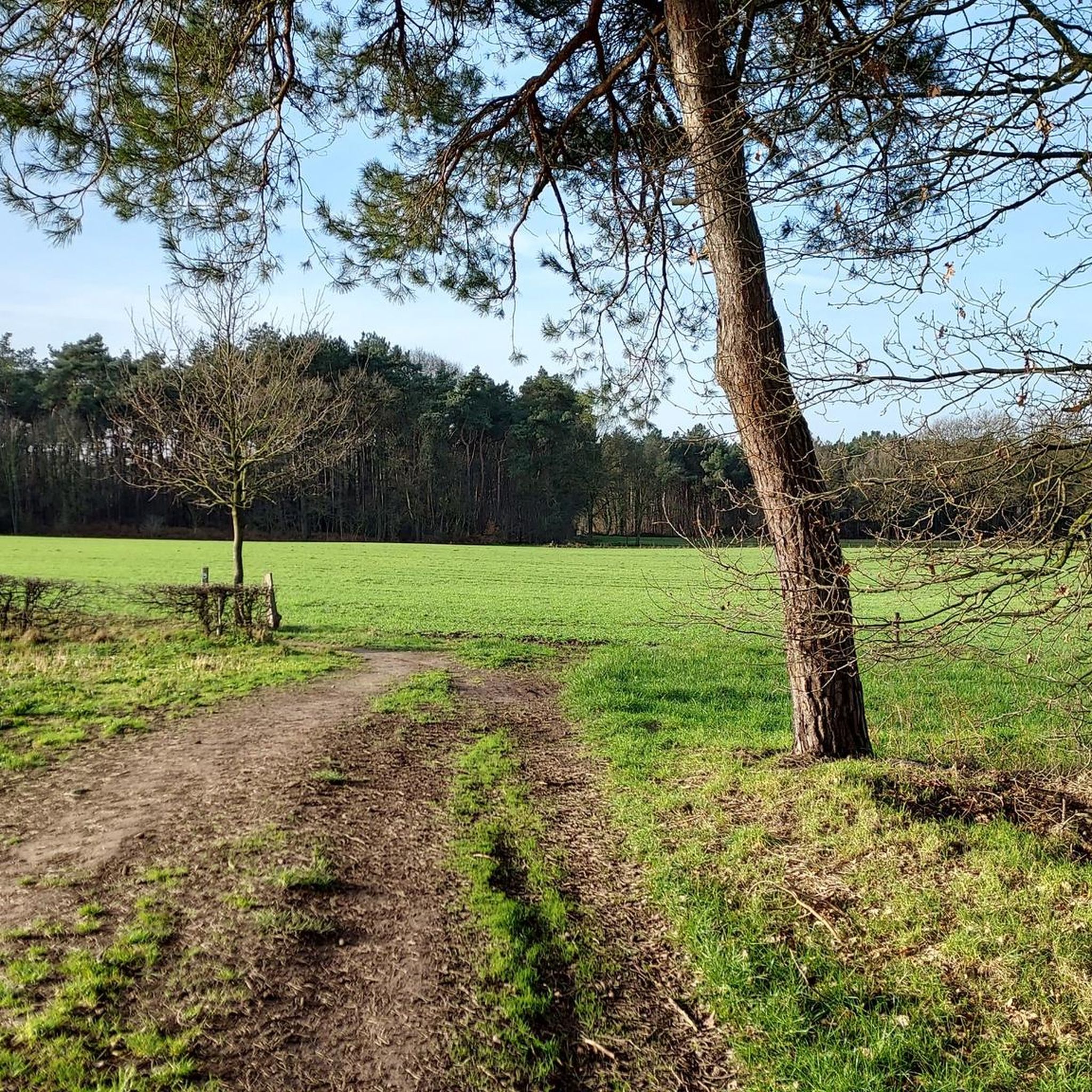
Those who like a bit of relief will find plenty to enjoy on this easternmost Diestian hill. The Galgenberg takes its name from the location of the gallows that were used to hang criminals. The forests are freely accessible to hikers, but are not open to cyclists or mountain bikers due to their sensitivity to erosion.
2
2
The bridge connects the forests of Hees with Lobos castle and Loboshoeve.
4
0
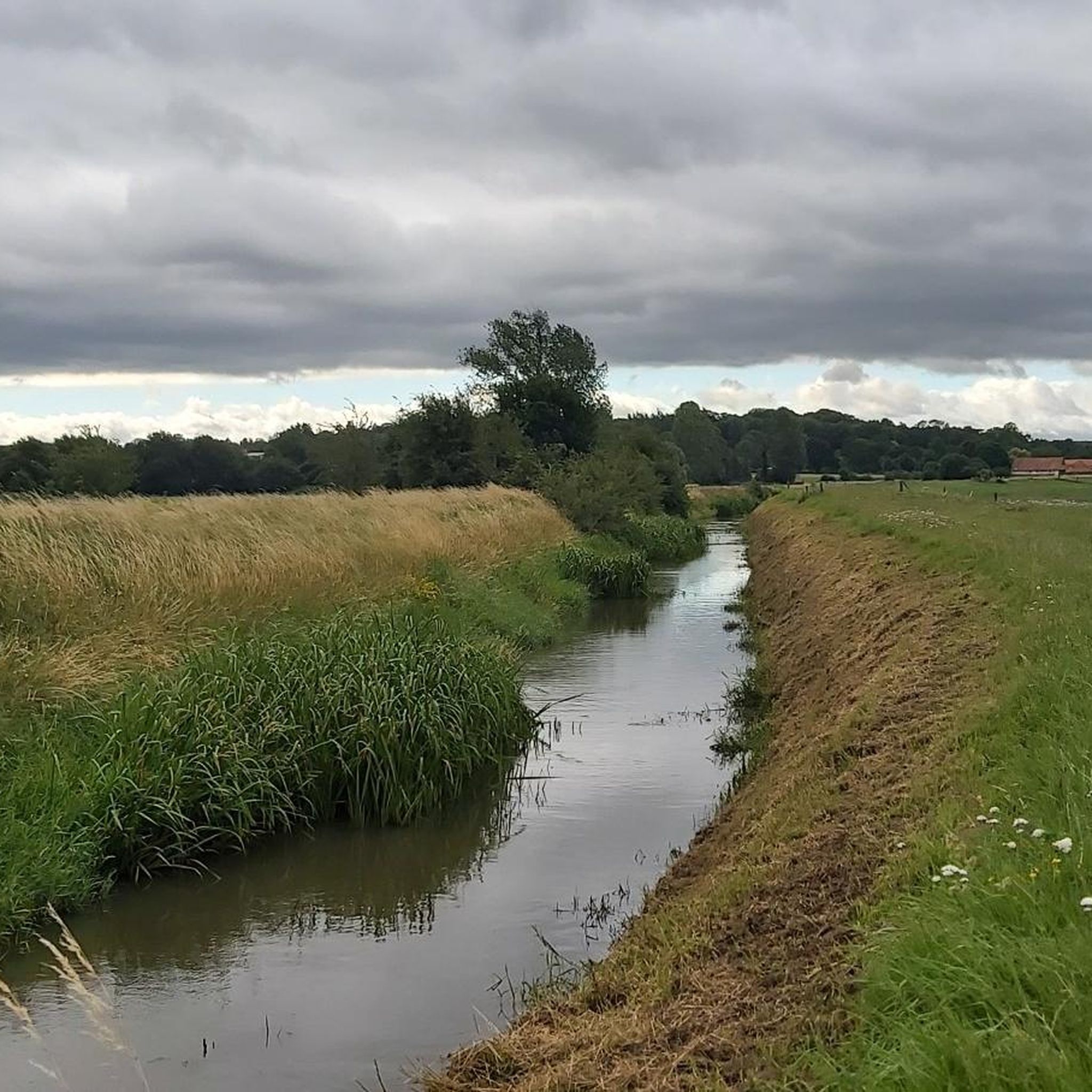
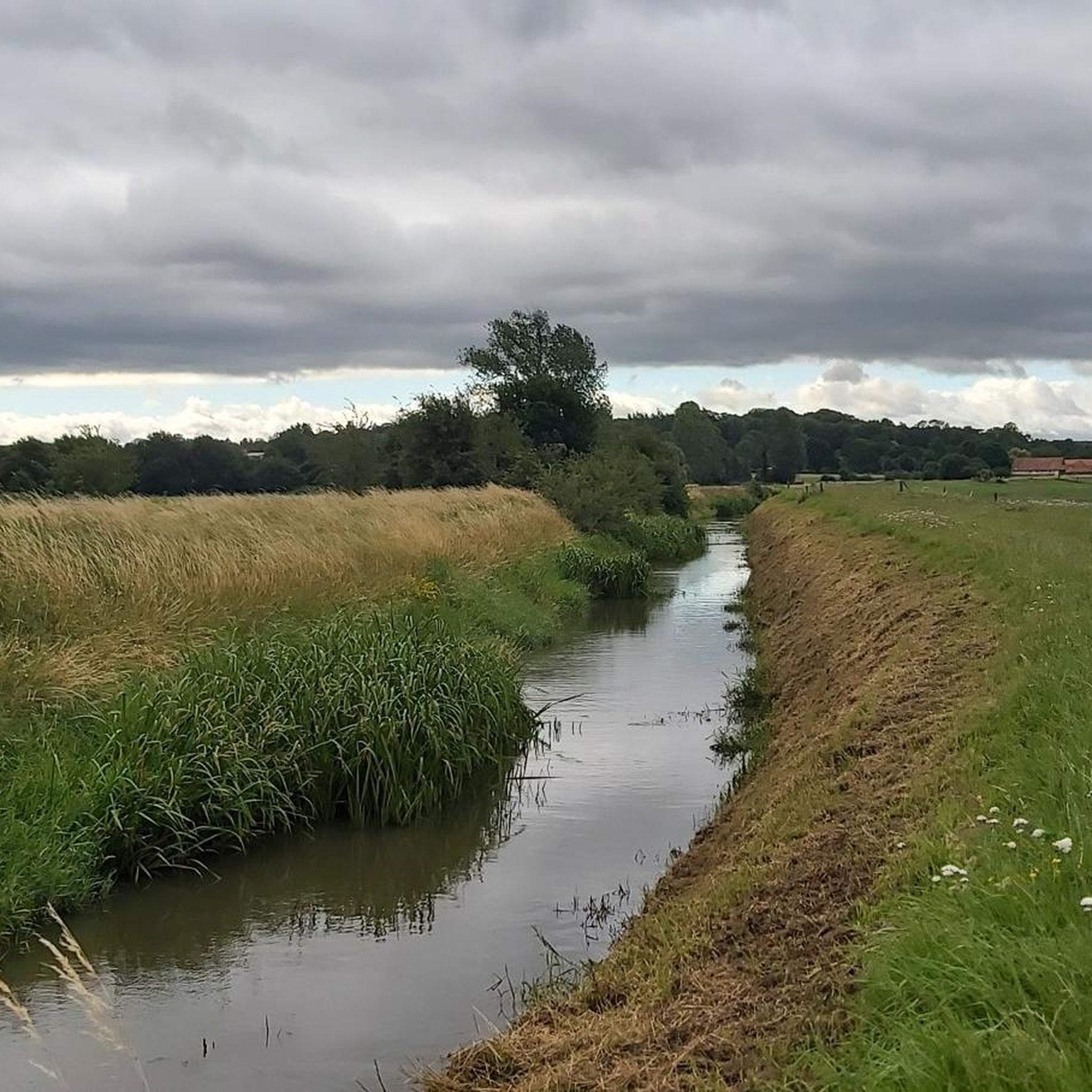
Near Meldert and Zelem, on the border of Kempen and Hageland, the stream squeezes between several "Diestiaan ridges". The valley here is relatively narrow and the rapid transition from very wet swampy areas to very dry ridges make this area very valuable landscape and ecologically. In the "Schurfert" area in Meldert/Linkhout, the creation of ponds and marshes in the valley area has once again created an ideal biotope for meadow birds. Curlew, stonechat and snipe are increasingly frequenting this area. The "Marais de Zeelhem", currently known as "de Leunen", was also the favorite excursion site for botanists 100 years ago and even today it still houses characteristic flora, such as snake root, water hemlock, gale and many sedge species. On older maps the stream here was also known as "De Zwarte Laak" (De Swerte Laeck).
5
1

Just realizing that 1000 years is quite a long time....
5
0

Since 1974, the province of (Flemish) Brabant has owned the 120 hectare Vinne. In 2000 it was decided to transform the area into a lake again. Work started in 2004; the poplars were cleared and the groundwater level rose because drainage was largely stopped. The entire area is ideal for migratory birds. Immovable Heritage Inventory 2024: Het Vinne, https://id.erfgoed.net/erfgoedobjecten/300182
9
0
There are two theories for the formation of the great depression that is Vinne. According to the first theory, which was accepted until the 1960s, the formation must be located at the end of the last ice age. Initially, a side valley of the latter lay at the location of the current outlet of the Vinne to the (Kleine) Gete. The predecessors of the current Vinnebeek and the Sint-Odulphusbeek flowed into this small side valley. The Gete Valley was lower then than it is now. Due to the erosion of the Landenian sand, the depression of the Vinne was gradually formed. Afterwards, the valleys of central Belgium filled up with a thick layer of peat. This also gradually prevented the outflow of water from the Vinnedepression. During high tide, the water of the Kleine Gete could now flow into the depression. The sediment carried by this current was deposited where the current was slowed down by the stagnant Vinne water. In this way, a fan-shaped elevation was created at the location where the Vinnehoeve was later built. According to the second theory (Mullenders et al., 1969), the depression would be a periglacial phenomenon, more specifically a pingo. At this location the groundwater came close to the ground surface where it could freeze. This mass of ice expanded and pushed the ground upward. Due to the growth of this ice lens, the resulting hill grew and in warmer times the superficial material was washed away with melt water so that the relief was strengthened. When a definitive improvement in the climate occurred, the ice dome could melt away and deposit erosion material laterally. This created a depression in situ with high walls of erosion material all around. However, the large dimensions of this depression are difficult to reconcile with this history. Immovable Heritage Inventory 2024: Het Vinne, https://id.erfgoed.net/erfgoedobjecten/300182
8
0
The Vinne is a natural depression, almost completely enclosed by slopes. Only in one place in the west has the slope been broken and the Vinnedepression is connected to the Gete valley via a narrow outlet. At its widest point the Vinne is 1600 m, at its narrowest point 900 m. Immovable Heritage Inventory 2024: Het Vinne, https://id.erfgoed.net/erfgoedobjecten/300182
8
1
Frequently Asked Questions
What are some unique natural monuments to visit around Halen?
Halen and its surroundings offer several distinct natural monuments. You can explore the unique Lake Het Vinne, Flanders' only natural inland lake, which is ideal for walking and nature discovery. Another significant site is the Black Brook stream valley, known for its rich biodiversity and natural value. Don't miss The Thousand-Year-Old Oak, a historic tree with a fascinating past, or the tranquil Pinnekensweier Pond and Wet Heathland, a restored wetland perfect for birdwatching.
Are there family-friendly natural monuments around Halen?
Yes, several natural monuments in the area are great for families. Lake Het Vinne offers walking paths, a play forest, and a visitor center. The Black Brook area is also considered family-friendly, with accessible trails. Additionally, The Thousand-Year-Old Oak provides an interesting historical and natural stop for all ages.
What kind of hiking trails can I find near Halen's natural monuments?
The region around Halen offers diverse hiking opportunities. The Black Brook valley features routes like 'The Pink Walk' that explore its unique landscape of bogs, meadows, and wooded borders. Galgenberg Forest also has accessible signposted walks through its heathland, birches, and oaks. For more options, you can explore various running trails around Halen, which often pass through natural areas, by visiting the Running Trails around Halen guide.
Are there any accessible natural monuments for visitors with mobility needs?
Yes, Lake Het Vinne is notably wheelchair-accessible. The provincial domain offers a range of possibilities for walking and discovering nature, with 2 all-terrain wheelchairs and slings available free of charge to visitors.
What natural features define the landscape around Halen?
Halen's natural landscape is characterized by its significant river systems, particularly the Gete and Velp, which converge in the area. The Zwarte Beek (Black Brook) stream valley is also a prominent feature, known for its unique peaty bogs, peat pits, and quaking bogs. The wider Limburg region, accessible from Halen, boasts diverse environments including the vast forests, heathland, and fens of Hoge Kempen National Park, and the extensive pond area of De Wijers.
What outdoor activities can I do near these natural monuments?
Beyond hiking, the area around Halen is suitable for various outdoor activities. You can find numerous road cycling routes, such as the 'Schulensmeer loop from Halen', which takes you through scenic landscapes. Gravel biking is also popular, with routes like the 'Maagdentoren Zichem loop from Diest'. For detailed routes and guides, check out the Road Cycling Routes around Halen and Gravel biking around Halen guides.
What wildlife can I expect to see in Halen's natural areas?
The natural monuments around Halen support diverse flora and fauna. The Black Brook valley is known for its rich biodiversity. At Pinnekensweier Pond and Wet Heathland, you can spot various birds like woodcock, nightjar, herons, different types of ducks, and bitterns. The wider Limburg region, including Hoge Kempen National Park and De Wijers, is home to rare species such as the European tree frog and various aquatic birds.
Are there any historical sites associated with Halen's natural monuments?
Yes, The Thousand-Year-Old Oak is a significant historical site. According to Frankish custom, court sessions were held under its crown, and it was historically associated with executions. The surrounding fields are still called 'Verbrand' (burnt). Additionally, Galgenberg Forest takes its name from the gallows that were once located on this hill, used to hang criminals.
What do visitors enjoy most about the natural monuments around Halen?
Visitors appreciate the tranquility and scenic beauty of the area. The unique landscapes, from the riverine environments of the Gete and Velp to the bogs of the Black Brook valley, offer peaceful settings for relaxation and nature photography. The well-maintained trails at places like Lake Het Vinne and Galgenberg Forest are also highly valued for walking and exploring.
What are some notable natural areas in the wider Limburg region accessible from Halen?
Beyond Halen itself, the Limburg province offers impressive natural destinations. Belgium's first National Park, Hoge Kempen National Park, features vast forests, heathland, and fens. Another unique area is De Wijers, known as the 'Land of 1001 Ponds', an expansive water landscape crucial for diverse flora and fauna. Both offer extensive hiking and cycling opportunities.
When is the best time to visit Halen's natural monuments?
The natural monuments around Halen can be enjoyed year-round, but each season offers a different experience. Spring brings blooming flora and active wildlife, while summer is ideal for longer walks and outdoor activities. Autumn showcases beautiful fall foliage, particularly in forested areas like Galgenberg Forest. Even in winter, the serene landscapes of places like Lake Het Vinne offer peaceful walks, though some facilities might have reduced hours.
Most popular attractions around Halen

Get inspired with the komoot mobile app


Explore more
Extend your search for the best caves by checking out these guides of the top ones around Halen:
