Top 20 Natural Monuments around Zonhoven
Best natural monuments around Zonhoven showcase a diverse landscape within the Limburg region of Belgium. The area is characterized by expansive heathlands, fens, and the extensive De Wijers pond area, often referred to as the "land of 1001 ponds." These natural features provide numerous opportunities for exploring unique geological formations and rich ecosystems. Zonhoven's natural monuments include ancient sandstone rocks and vast nature reserves, offering a variety of landmarks and natural features for exploration.
Best natural monuments around Zonhoven
- The…
Last updated: July 26, 2026
De Teut and Tenhaagdoornheide Nature Reserve
Highlight • Natural
Translated by Google •
Tip by

De Platwijers-Wijvenheide Nature Reserve
Highlight • Lake
Translated by Google •
Tip by

Sign up now to discover places like this
Get recommendations on the best single tracks, peaks, & plenty of other exciting outdoor places.
Sign up for free
Herkenrode Abbey Site
Highlight • Historical Site
Translated by Google •
Tip by

Ponds at Natuurdomein Klaverberg
Highlight • Lake
Translated by Google •
Tip by

Waterschei spoil heap
Highlight • Natural Monument
Translated by Google •
Tip by
Sign up for free to discover even more natural monuments around Zonhoven.
Sign up for free
Already have an account?
Start today with a free account
Your next adventure awaits.
Login or Signup

Other adventures around Zonhoven

Tips from the Community

The Waterschei spoil heap is one of the most striking remnants of coal mining in Belgian Limburg, located in the Waterschei district of Genk. The spoil heap originated as a waste heap from coal mining – during coal mining, rock material that did not contain usable coal was brought to the surface and piled up into an artificial hill. These centuries-old spoil heaps have since become visible landmarks in the landscape and are now deeply rooted in the region's culture and nature. The former mining area around Waterschei was active between 1924 and 1987 and played a significant role in the economic development of the Kempen coal basin. After the mines closed, the area lost its industrial function, but the spoil heaps remained as immense silent witnesses to that mining past. In 1999, the Waterschei spoil heaps were officially designated a protected landscape, emphasizing the value of these structures, not only historically but also ecologically. Today, the slag heaps are part of Thor Park, a redeveloped nature recreation and heritage area of approximately 30 hectares where industrial history and natural experiences converge. Hiking trails have been laid out around the slag heaps, often marked with small stacked stones—symbolic "cairns"—that invite visitors to climb the slopes and leave their own markings. At the top of the slag heap, you're rewarded with a panoramic view of the former mining site, forest, heathland, and the surrounding landscape. The Waterschei slag heap combines history, nature, and recreation. The hill is not only a monument to the mining industry but also a place where vegetation and biodiversity have developed on the rugged stone. As such, the slag heap offers a fascinating example of how an industrial artifact can transform into an ecologically and recreationally valuable landscape.
0
0

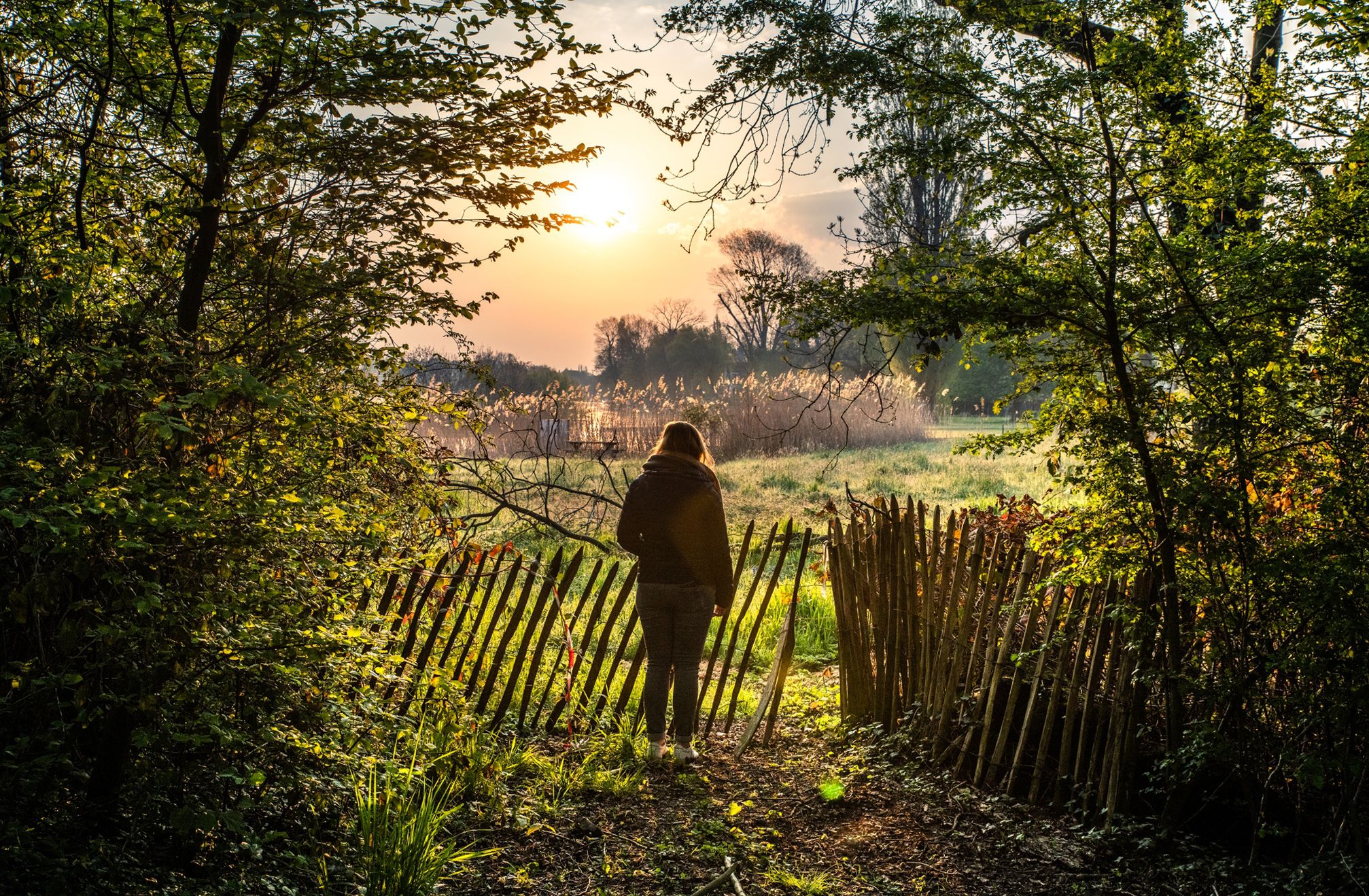
The Teut gives you colorful fun...
5
0

The Herkenrode Abbey site is an interesting combination of culture, history, nature and an ideal starting point for walks.
10
0

Breathtaking panorama in good weather
1
0

The diverse ecosystems of Terril Mijn Waterschei are home to an impressive variety of flora and fauna, offering visitors the opportunity to experience nature up close. Look out for various species of birds and other wildlife that live in this peaceful environment. The reserve is ideal for family outings and offers numerous learning opportunities about the local environment and the importance of conservation. Picnic and rest areas along the trails invite you to enjoy the tranquil atmosphere and take a break. A visit to Terril Mijn Waterschei not only offers the opportunity to appreciate the beauty of nature, but also to connect with the history of the area. The site recalls the mining heritage and shows how an industrial landscape can be transformed into a thriving nature reserve - a testament to successful reclamation projects. Whether you are an experienced hiker or looking for a relaxing retreat, Terril Mijn Waterschei offers a refreshing break in nature and is a worthwhile destination for anyone exploring the area. Source: https://evendo.com/locations/belgium/hoge-kempen-national-park/attraction/terril-mijn-waterschei?currency=eur
1
0

The main entrance to the abbey is located to the south of the complex. It is a late Gothic gatehouse, built in 1531 by order of Abbess Mechtildis of Lechy. There are two storeys under two intersecting slate saddle roofs with a spire with a pear-shaped crowning at the intersection, dated 1531 (coat of arms on the rear facade) and restored in 1907 (architect G. Rypens) and 1973. Inventory of Immovable Heritage: Herkenrode Abbey, https://id.erfgoed.net/erfgoedobjecten/22246
8
0
The Herkenrode abbey site is located in the Demer valley, in a transitional area between the Lage Kempen and Haspengouw, south of the village centre of Stokrooi (Hasselt). It is an extensive historical domain that dates back to the former abbey complex of the Cistercian nuns. To the north of the Demer are the meadows, to the south the old abbey with its appurtenances, the farmyard, the eastern castle park and the other, higher agricultural lands. In addition to unirrigated hay and pasture land, there were also large flood meadows here until the 20th century. The latter were supplied with water via the Tuilterdemer. The abbey was founded in 1182, when Geeraard, Count of Loon, donated his estate Herkenrode to a certain brother Henricus to build a monastery for women. In 1271 the monastic community joined the order of Cîteaux. It became a flourishing enterprise that over the years acquired numerous possessions. The religious purpose came to an end with the departure of the sisters in 1796. At the beginning of the 19th century, the new abbess wing, built in 1768 to the south of the old abbess quarters, was converted into a castle. In the same period, an English garden was laid out on the east side and a front garden on the west side. The 14th-century church burned down in 1826 and was demolished together with the monastery building and the convent buildings in 1843. The buildings and the surrounding grounds formed a single differentiated whole for a long time. Over time, however, they fell into the hands of different owners. In 1972, 11 ha of the former abbey site became the property of the canonesses of the Holy Sepulchre. The property includes the actual remaining abbey buildings with the sisters' quarters, the old abbess quarters, the sacristy, the infirmary, the 18th-century abbess wing and the adjoining landscaped park. Inventory of Immovable Heritage: Herkenrode Abbey Site, https://id.erfgoed.net/erfgoedobjecten/135252
10
0
At the end of June 2024, it was announced that architects Arnout Van Vaerenbergh and Pieter-Jan Gijs will resurrect the church and other disappeared buildings on the Herkenrode site. Not quite as fully-fledged buildings, but with the interplay of lines that they are known for and that many have already seen in their see-through church in Borgloon. It should bring the total experience of Herkenrode more closely into line with historical reality and should work perfectly with the buildings that are still there today, making Herkenrode already a tourist attraction. This should be ready in 2026 and you can discover more about it at https://www.vrt.be/vrtnws/nl/2024/06/27/clausura-herkenrode/
11
0
Frequently Asked Questions
What unique natural features can I explore around Zonhoven?
Zonhoven is renowned for its diverse natural features, including expansive heathlands, fens, and the extensive De Wijers pond area, often called the 'land of 1001 ponds'. You can explore ancient geological formations like the Holsteen, or vast nature reserves such as De Teut and Tenhaagdoornheide Nature Reserve, which is the largest heath area in Central Limburg.
Are there family-friendly natural monuments in Zonhoven?
Yes, several natural monuments around Zonhoven are suitable for families. De Teut and Tenhaagdoornheide Nature Reserve offers sandy paths for easy walks. De Platwijers-Wijvenheide Nature Reserve is also family-friendly, with opportunities for birdwatching from viewing huts and a watchtower. The Waterschei spoil heap, part of the Hoge Kempen National Park, provides varied terrain that can be explored by families.
What is the best time of year to visit the natural monuments in Zonhoven?
The late summer, particularly August and September, is an exceptionally beautiful time to visit. During this period, the heathlands in areas like De Teut transform into a vibrant purple spectacle. However, the region offers unique experiences year-round, with birdwatching being excellent in spring and autumn at De Platwijers-Wijvenheide, and tranquil walks possible even in winter.
Where can I go hiking near Zonhoven's natural monuments?
Zonhoven offers numerous hiking opportunities. You can find many trails within De Teut and Tenhaagdoornheide Nature Reserve, known for its sandy paths through heathlands and woodlands. The De Wijers area, including De Platwijers-Wijvenheide Nature Reserve, features unique pond walks. For more detailed routes, explore the Hiking around Zonhoven guide, which includes options like the 'Holsteen Yellow Hexagon Trail' and circular walks.
Are there cycling routes available around the natural monuments?
Yes, the region around Zonhoven is excellent for cycling. De Teut and Tenhaagdoornheide Nature Reserve has asphalted bike paths with wonderful views. The entire De Wijers area is also a prime location for cyclists, offering routes through its glistening waters and heathlands. You can find various options, including road cycling routes, in the Road Cycling Routes around Zonhoven guide.
What historical or cultural sites are integrated with the natural monuments?
The region beautifully blends natural and historical elements. The Holsteen, located within De Teut nature reserve, is a unique cluster of Miocene sandstone formations with archaeological importance, believed to have been used by prehistoric people for polishing tools. Additionally, the Waterschei spoil heap is a natural monument that bears witness to the region's mining past, offering viewpoints and historical context.
Can I observe wildlife at Zonhoven's natural monuments?
Absolutely. De Platwijers-Wijvenheide Nature Reserve is particularly known for its abundance of birds, including rare species like bitterns and egrets, which can be observed from viewing huts. The wider De Wijers landscape, with its ponds and fens, is a haven for diverse birdlife. The Ponds at Natuurdomein Klaverberg also attract various water birds and offer opportunities for wildlife spotting.
Are there any viewpoints offering panoramic views of the natural landscapes?
Yes, several spots provide excellent views. At De Platwijers-Wijvenheide Nature Reserve, you can climb a 15-meter-high watchtower for magical views over the pond landscape. The Waterschei spoil heap also offers elevated viewpoints over the surrounding area, including the Ponds at Natuurdomein Klaverberg.
What do visitors enjoy most about the natural monuments around Zonhoven?
Visitors frequently appreciate the tranquility and serene beauty of the heathland environments, especially the vibrant purple spectacle in late summer. The unique blend of geological wonders, such as the Holsteen, and the rich birdlife at the pond areas are also highly valued. Many enjoy the extensive network of sandy paths and cycling routes that allow for deep immersion in nature.
Are the natural monuments around Zonhoven dog-friendly?
Many natural areas in Zonhoven, particularly the heathlands and woodlands, are generally dog-friendly, often allowing dogs on a leash. Specific rules may vary by reserve, so it's always advisable to check local signage. The sandy paths of De Teut and Tenhaagdoornheide Nature Reserve are popular for walks with dogs.
Is there public transport access to the natural monuments?
While some natural monuments are accessible by public transport to nearby towns, direct access to the heart of every reserve might be limited. Zonhoven is centrally located within the De Wijers area, and local buses can get you close to some entry points. For detailed planning, it's recommended to check local public transport schedules from Zonhoven to the specific natural monument you wish to visit.
What are the terrain and difficulty levels of trails in Zonhoven's natural monuments?
The terrain varies from easy, flat sandy paths in heathlands like De Teut and around the ponds of De Wijers, to more moderate climbs at sites like the Waterschei spoil heap. Many routes are considered easy, making them accessible for most visitors, while longer trails can be moderate to difficult. For specific trail difficulties, refer to the Hiking around Zonhoven guide.
Most popular routes around Zonhoven
Most popular attractions around Zonhoven

Get inspired with the komoot mobile app


Explore more
Extend your search for the best caves by checking out these guides of the top ones around Zonhoven:
