Top 20 Natural Monuments around Halle
Natural monuments around Halle (Saale) offer insights into the region's natural history and provide protected areas for exploration. These sites preserve specific land features, geological formations, and living features with ecological significance. The area features diverse natural landscapes, including green spaces along the Saale River and designated natural monuments. Visitors can explore these locations for their ecological value and geological interest.
Best natural monuments around Halle
- The most popular natural monuments is Hallerbos — The Bluebell Forest, a forest…
Last updated: June 1, 2026
Hallerbos — The Bluebell Forest
Highlight • Forest
The Lion's Mound (Butte du Lion)
Highlight • Monument
Translated by Google •
Tip by

Sign up now to discover places like this
Get recommendations on the best single tracks, peaks, & plenty of other exciting outdoor places.
Sign up for free
Hallerbos
Highlight • Forest
Tip by

Ganzepoot Pond
Highlight • Lake
Translated by Google •
Tip by

Bluebells in Hallerbos Forest
Highlight • Forest
Translated by Google •
Tip by

Sign up for free to discover even more natural monuments around Halle.
Sign up for free
Already have an account?
Start today with a free account
Your next adventure awaits.
Login or Signup
Popular around Halle
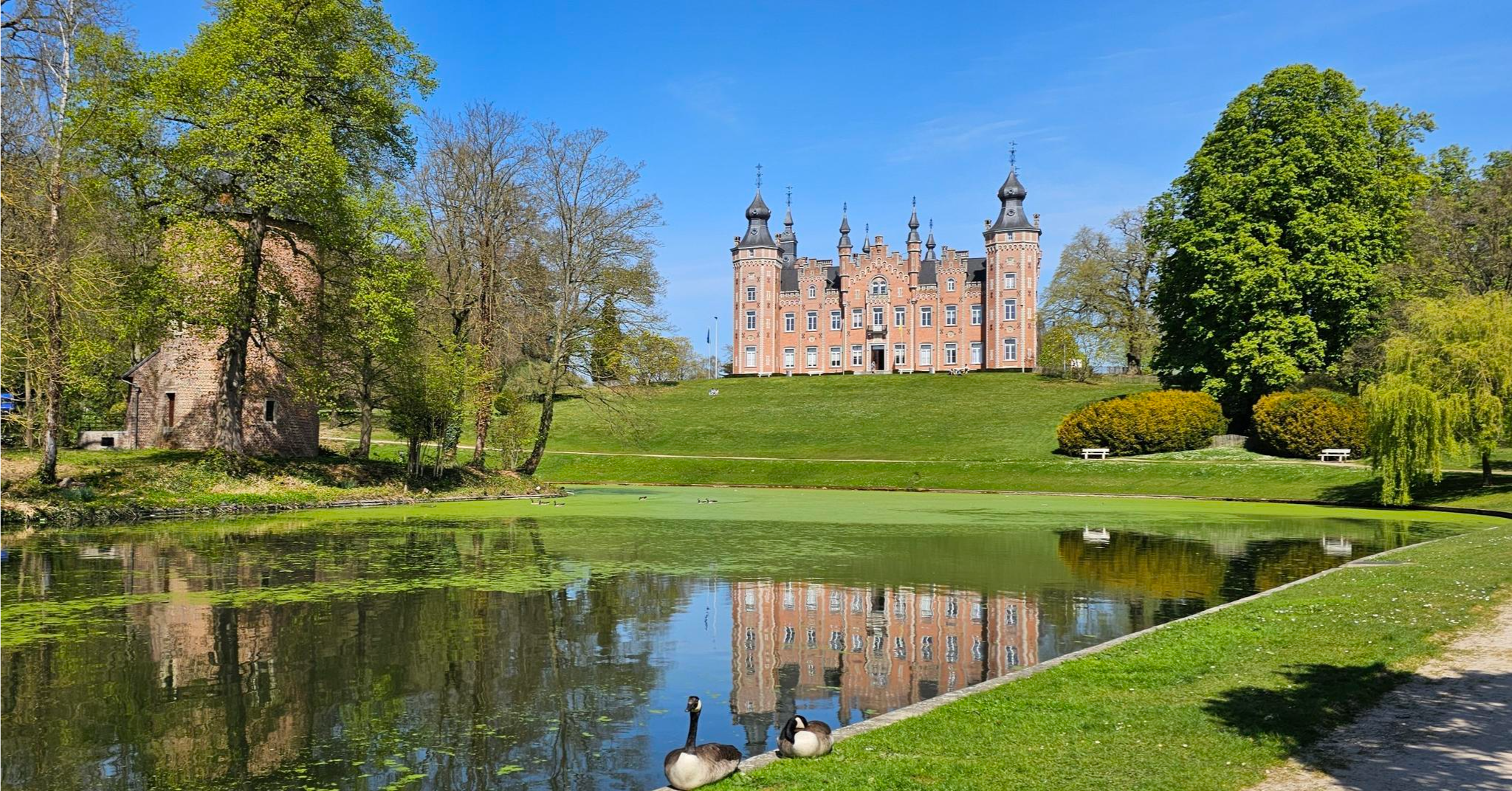
Tour around Brussels – Streek-GR Groene Gordel
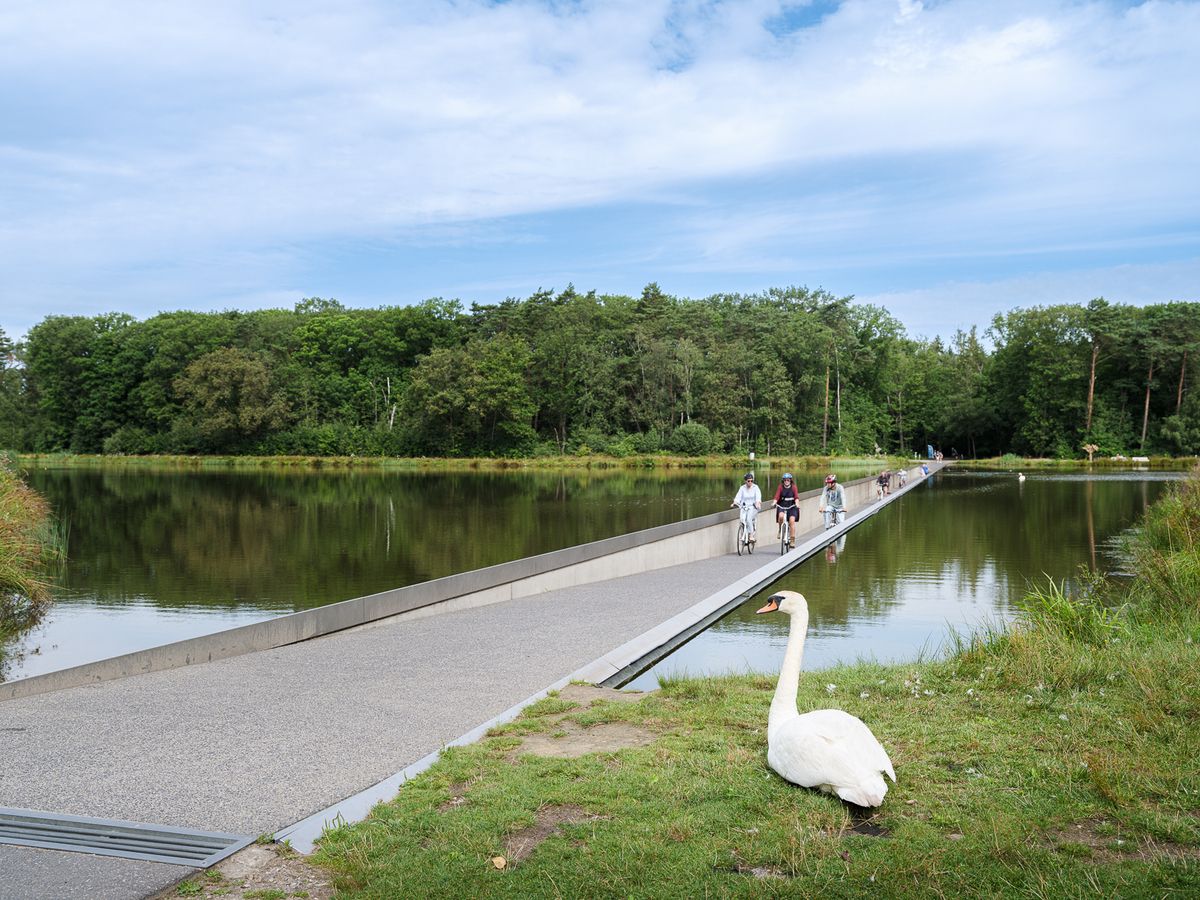
Flanders' Finest Cycle Routes: routes to discover Flemish nature and heritage
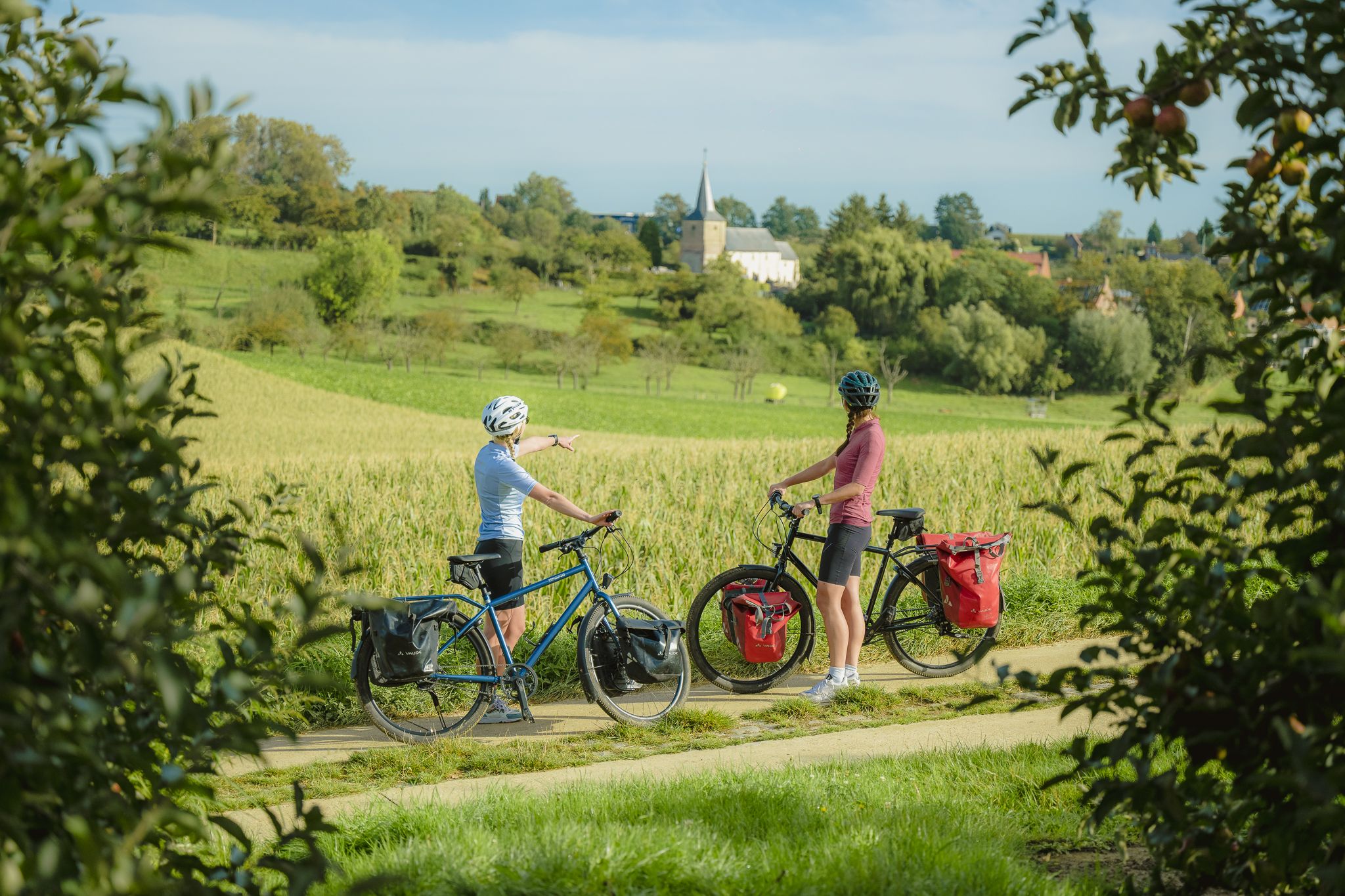
The best of Flanders — the Flanders Route
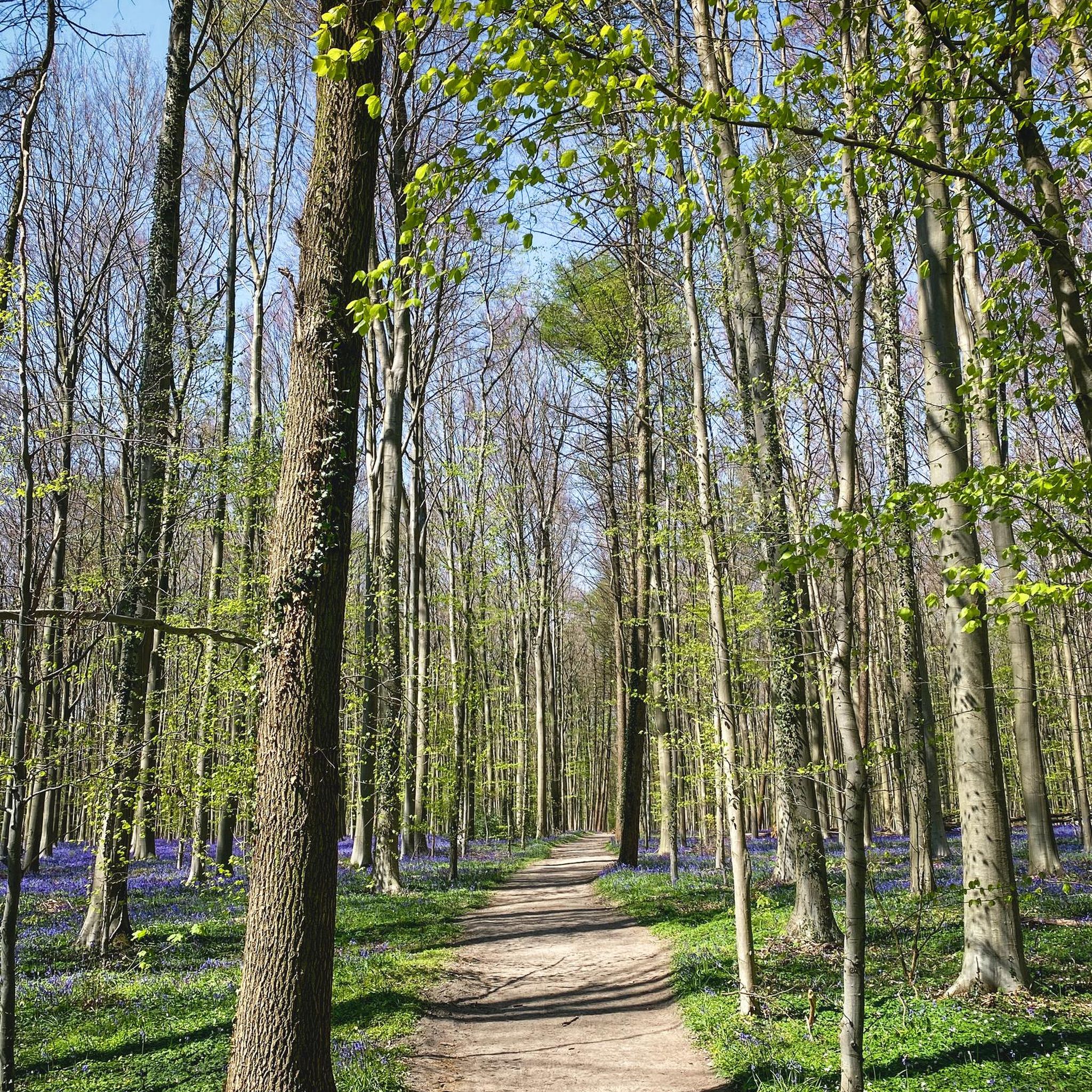
Hiking around Halle
Running Trails around Halle
Road Cycling Routes around Halle
Cycling around Halle
MTB Trails around Halle

Gravel biking around Halle
Other adventures around Halle


Tips from the Community

Known for its distinctive shape with three protrusions that resemble the toes of a goose foot.
3
0

The Lion of Waterloo, also known as the Butte du Lion, is a memorial to the Battle of Waterloo, which was fought on 18 June 1815 near Brussels. The monument was erected at the initiative of King William I of the United Kingdom of the Netherlands. The monument consists of a gigantic cast iron lion that rises 45 metres above the surrounding plain on an artificial hill. The Lion of Waterloo symbolises one of the largest battles ever fought in Europe, where Napoleon Bonaparte lost to the allied armies and the Prussian forces.
9
0

The Butte du Lion is a 40-metre-high monument erected in 1826 at the request of William I, who wanted to mark the presumed place where his eldest son was wounded on 18 June 1815. At the top of the 226 steps, the view embraces the Battlefield of Waterloo 1815. An orientation table allows you to understand the movements of the troops, the square formations of the infantry, the deployment of the cavalry.
10
0

Beautiful forest outside busy Brussels. End of April the forest get's a natural carpet colouring practically the whole forst in a blue/purple color. Magic! Make sure to walk a bit further then the classic entrance to enjoy the peaceful nature.
3
0

The ‘Hallerbos’, also known as the blue forest, is one of the 3 extensive forest areas in the Brussels capital area. It is an ancient forest with a mix of young and older trees. The giant Sequoia trees are pretty impressive as well as the beautiful purple carpet of bluebells, which bloom around mid-April. Crossing the forests on a mix of gravel and singletrack dirt roads make up for a visit well worth it!
0
0

Magnificent walk in the Bois de Hal, a veritable carpet of flowers, endless hyacinths, it's splendid.
2
0

When the bluebells bloom, this forest is a wonderful destination worth seeing. Suitable for hiking and cycling.
2
0

Well worth it, during the flowering of the wild bluebells
3
0
Frequently Asked Questions
What unique natural features can I expect to see among the natural monuments?
The natural monuments around Halle offer diverse features. You can witness the enchanting purple carpet of wild hyacinths and white wood anemones at Hallerbos — The Bluebell Forest. Other areas, like Wolfsputten Nature Reserve, feature ravine forests, calcareous spring streams, and a rich variety of flora including wild garlic, orchids, and giant horsetail. The region also has geological points of interest, such as ancient rocks found in the Steenputbeek Valley.
Are there family-friendly natural monuments suitable for children?
Yes, several natural monuments are suitable for families. Hallerbos — The Bluebell Forest and Ganzepoot Pond are both categorized as family-friendly. The Steenputbeek Valley also has beautiful hiking trails and a nice playground for children, making it a great option for a family outing.
What is the best time of year to visit the natural monuments?
The best time to visit depends on what you wish to see. For instance, Hallerbos — The Bluebell Forest is particularly magical around mid-April when the wild hyacinths and wood anemones are in full bloom, creating a stunning purple carpet. Spring generally offers vibrant flora across many sites, while autumn brings beautiful foliage.
Are there hiking or cycling routes near these natural monuments?
Yes, the area around Halle offers various outdoor activities. You can find numerous cycling routes, including easy to difficult options like the 'Lambic and Geuze route' or 'Moulins de Ruysbroeck – Charleroi-Brussels Canal loop'. For mountain biking, trails like 'Hallerbos Singletrack' are available. You can explore more options on the dedicated guides for Cycling around Halle, Road Cycling Routes around Halle, and MTB Trails around Halle.
What kind of geological formations can be observed?
The natural monuments showcase interesting geological features. For example, the Steenputbeek Valley features ancient rocks from the Cambrium period, some 550 million years old, which were previously mined. The broader Halle region also includes sites like the Bruchsee Halle-Muschelkalkwand, highlighting its geological significance with Muschelkalk (shell-limestone) walls.
Are dogs allowed on trails within the natural monuments?
Yes, some natural monuments are dog-friendly. Wolfsputten Nature Reserve is explicitly categorized as dog-friendly, offering a varied landscape for you and your pet to explore. It's always advisable to keep dogs on a leash to protect the local wildlife and flora.
What do visitors enjoy most about these natural monuments?
Visitors frequently praise the enchanting beauty and tranquility of these sites. The magical appearance of Hallerbos — The Bluebell Forest during spring is a crowd favorite, attracting photographers and nature lovers. The rich biodiversity and varied terrain of places like Wolfsputten Nature Reserve are also highly appreciated for their ecological value and peaceful atmosphere.
Are there any specific viewpoints or scenic spots?
Yes, Ganzepoot Pond is listed as a viewpoint, offering picturesque scenes. Additionally, the Wolfsputten Nature Reserve features a new viewing platform, which is a popular spot for visitors to take in the landscape.
What kind of habitats are preserved in these natural monuments?
The natural monuments preserve a variety of habitats. Wolfsputten Nature Reserve, for instance, boasts a rich mix of ravine forests, grasslands, scrubland, and fields, with calcareous springs fostering specific flora. These diverse environments support over 300 plant species and numerous birds and mammals, making them highly biodiverse.
Are there any ancient or notable trees designated as natural monuments?
While the guide highlights focus on broader natural areas, the Halle region itself is known to protect individual trees or small groves. For example, the Japanische Schnurbäume (Japanese Pagoda Trees) in Halle are designated natural monuments, recognized for their age, size, or cultural significance.
What are the typical terrain conditions for trails in these natural monuments?
The terrain varies across the natural monuments. In areas like Hallerbos — The Bluebell Forest, you can expect hilly paths with a mix of gravel and singletrack dirt roads. Wolfsputten Nature Reserve features rolling landscapes with deeply cut stream valleys, and restored boardwalks guide you through fragile, wetlands.
Most popular attractions around Halle

Get inspired with the komoot mobile app


Explore more
Extend your search for the best caves by checking out these guides of the top ones around Halle:
