Top 20 Natural Monuments around Dilbeek
Best natural monuments around Dilbeek are found in the Belgian province of Flemish Brabant, offering diverse natural areas. The region features a varied landscape with forests, moor meadows, grasslands, and unique geological formations. These natural spaces provide opportunities for outdoor activities and appreciating ecological diversity. Dilbeek's natural monuments are characterized by their rich biodiversity and well-maintained infrastructure for exploration.
Best natural monuments around Dilbeek
- The most popular natural monuments is Hollow Way in Neigembos, a trail that is a…
Last updated: October 29, 2026
Hollow Way in Neigembos
Highlight • Trail
Translated by Google •
Tip by

Kravaalbos Forest
Highlight • Forest
Translated by Google •
Tip by

Sign up now to discover places like this
Get recommendations on the best single tracks, peaks, & plenty of other exciting outdoor places.
Highest point of Neigembos
Highlight • Summit
Translated by Google •
Tip by
Mont des Arts Garden
Highlight • Viewpoint
Translated by Google •
Tip by

Cinquantenaire Park (Jubelpark)
Highlight • Natural Monument
Translated by Google •
Tip by

Sign up for free to discover even more natural monuments around Dilbeek.
Already have an account?
Start today with a free account
Your next adventure awaits.



Tips from the Community

Hollow ways are typical small landscape elements in hilly areas with a loess subsoil. Most hollow ways presumably originated in the Middle Ages. Centuries of use of the same path, on foot or by horse and cart, led to a natural erosion process. Hollow ways therefore carry a piece of history with them and are thus part of our cultural heritage. (Information board on site)
8
0
In the Neigembos, nature is allowed to evolve almost spontaneously. The trees can grow old and there is a lot of dead wood. Due to the danger of falling branches, it is important to stay on the paths. There is a rich plant growth: on the more acidic soils you will find mainly bracken, lily of the valley and woodruff. On the more loamy soils, you can enjoy wild hyacinth, wood anemone, wild garlic and yellow dead-nettle in the spring. The western part of the forest reserve, also known as the Vriezenbos, consists of, among other things, a spring forest with typical species such as black alder, common ash, marsh marigold, giant horsetail, bitter cress and the two species of lesser celandine. Enjoy the natural beauty with the help of the three mapped-out walks: the Dikke Beukenwandeling, the Bevingenwandeling and the Groebenwandeling. (Agentschap Natuur en Bos)
9
0

beautiful views, easy country roads, extension possible in the Kravaal forest
3
1
Beautiful, quiet forest. Some very muddy passages due to the persistent rain of the last months.
4
0

On the occasion of the 50th anniversary of the independence of Belgium and at the same time as the World Exhibition, King Leopold II had the Jubilee Park (Parc du Cinquantenaire) built in 1880. The architect Gédéon Bordiau drew up the plans. The intention was to create a green area with pavilions for various exhibitions. The triumphal arch (arcade) connects two wings covering a total area of 30 hectares. Note the beautiful symmetry of the French and English-inspired gardens, the lawns and the wide avenues.
16
1

Varied forest, beautiful paths that can sometimes be muddy. Furthermore, the forest feels rather wild, fallen trees are only removed on narrower paths if the passage is too much hindered. Much attention is also paid to ensuring that the permanent forest inhabitants can do their thing as undisturbed as possible.
6
0

At the end of the 19th century, the Hofberg, a neighbourhood in the medieval centre of Brussels, had to make way for an ambitious urban project. A Mont des Arts was to be built on this site, where the young Belgium could show off its economic, cultural and scientific achievements. The demolition of the neighbourhood, with its narrow alleys and rich city palaces, went smoothly. However, the reconstruction took almost half a century. The work was only started after the Second World War, and then took another twenty years. Source: https://erfgoed.brussels/ontdekken/publicaties/brussel-stad-van-kunst-en-geschiedenis/de-kunstberg
4
1

Nice walk on and around the art mountain.
5
0
Frequently Asked Questions
What are the most notable natural monuments to visit in Dilbeek?
Dilbeek offers several significant natural monuments. The Wolfsputten Nature Reserve is a 90-hectare area known for its diverse biotopes and rich biodiversity. Other notable sites include the Hollow Way in Neigembos, a unique trail formed by centuries of erosion, and the Kravaalbos Forest, an ancient woodland remnant of the former Coal Forest.
What kind of wildlife and plant species can I expect to see in Dilbeek's natural monuments?
The natural monuments in Dilbeek are rich in biodiversity. For instance, the Wolfsputten Nature Reserve is home to 335 plant species, 76 bird species, 37 snail species, and 16 mammal species. You might spot wild garlic, wild daffodils, bluebells, and various birds like the great spotted woodpecker or tawny owl, especially in areas with calcareous springs.
Are there family-friendly natural monuments or activities in Dilbeek?
Yes, many natural monuments in Dilbeek are suitable for families. The Wolfsputten Nature Reserve features well-maintained boardwalks and small paths, making it easy to explore with children. The Park van Dilbeek also offers a blend of natural beauty and open spaces for relaxation. While the Mont des Arts Garden is in Brussels, it is listed as family-friendly and offers panoramic views.
What are the best times to visit Dilbeek's natural monuments for seasonal beauty?
Spring is particularly beautiful when wildflowers like bluebells and wild garlic carpet the forest floors, especially in areas like the Kravaalbos Forest and Neigembos. Autumn also offers stunning colors in the woodlands. The diverse biotopes ensure there's something to appreciate year-round, even in winter for peaceful walks.
Are there hiking trails available near the natural monuments in Dilbeek?
Yes, Dilbeek offers numerous hiking opportunities. For example, you can find easy trails like the "Wolfsputten Nature Reserve – Pathway Through the Trees loop from Dilbeek" or the "Wooden Boardwalk – Wolfsputten Nature Reserve loop from Groot-Bijgaarden." You can explore more options on the Hiking around Dilbeek guide.
Can I bring my dog to the natural monuments in Dilbeek?
Many natural areas in Dilbeek are dog-friendly. The Wolfsputten Nature Reserve is specifically noted as dog-friendly, allowing you to enjoy walks with your canine companion. Always ensure dogs are kept on a leash and follow local regulations.
What kind of cycling routes are available near Dilbeek's natural monuments?
Dilbeek provides various cycling routes that pass through or near its natural monuments. You can find moderate to difficult routes like the "Castle de Viron – Girardin Brewery loop from Schepdaal" or the "Pede Watermill – Countryside Road Near Gaasbeek loop from Groot-Bijgaarden." Discover more routes in the Cycling around Dilbeek guide.
How can I reach the Wolfsputten Nature Reserve by public transport or car?
The Wolfsputten Nature Reserve is accessible. While specific public transport routes can vary, Dilbeek's public transport network connects to its natural areas. For drivers, parking is generally available near the main entrances to nature reserves. For detailed public transport information, it's best to check local bus routes to areas like the Cultural Centre Westrand in Dilbeek.
Are there any viewpoints or scenic spots within Dilbeek's natural monuments?
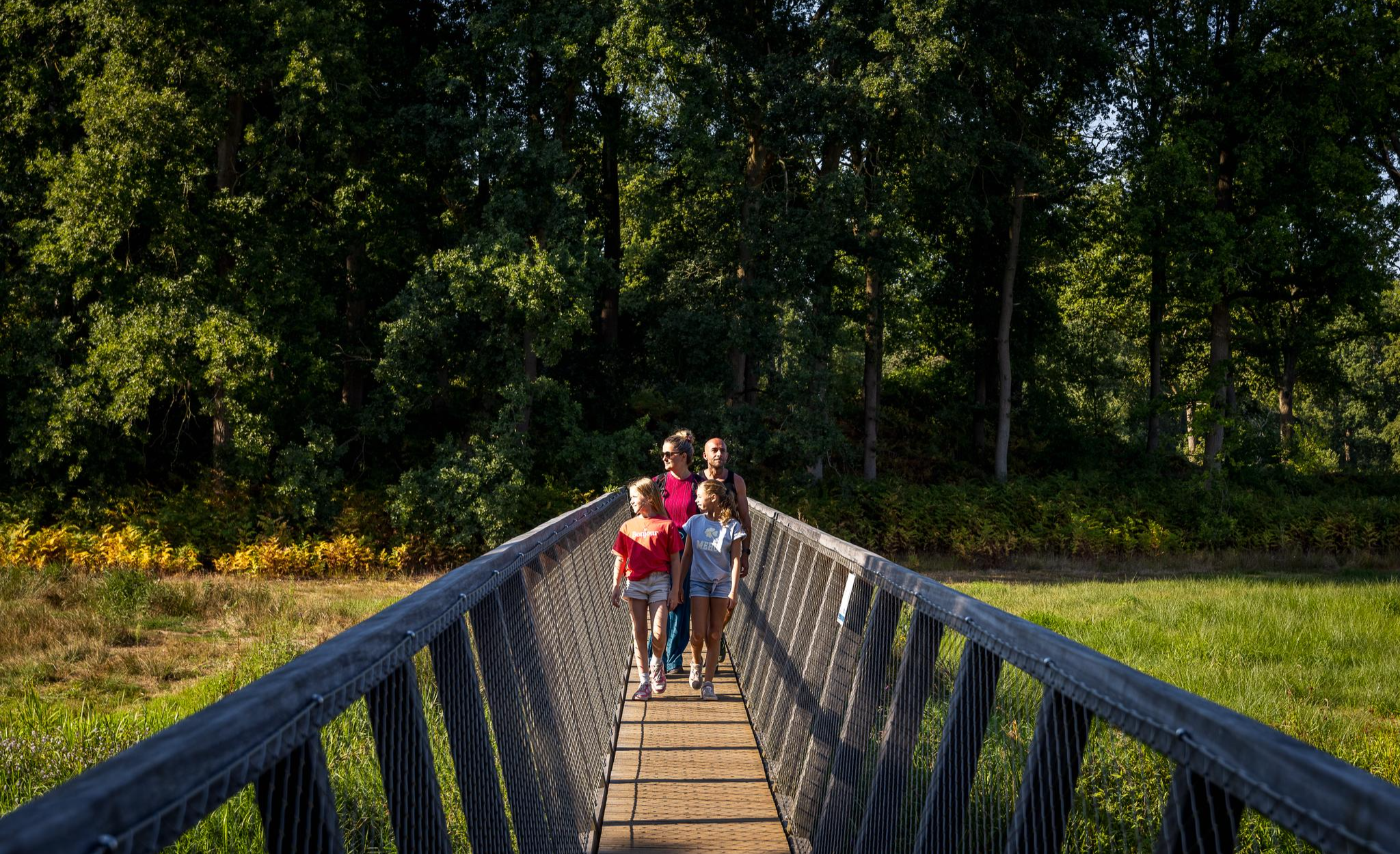
Yes, the Wolfsputten Nature Reserve features a new viewing platform (belvedere) that offers extensive views of a section of the reserve. Additionally, the Highest point of Neigembos provides a viewpoint to enjoy the natural beauty of the forest.
What are the historical aspects associated with Dilbeek's natural monuments?
Many of Dilbeek's natural monuments have historical significance. The Hollow Way in Neigembos is a testament to centuries of erosion from human and cart traffic. The Kravaalbos Forest is a remnant of the ancient Coal Forest, a vast woodland mentioned by Julius Caesar. These areas offer a glimpse into the region's past landscape and human interaction with it.
Are there other nature reserves in Dilbeek besides Wolfsputten?
Beyond the prominent Wolfsputten, Dilbeek is home to several other nature reserves and forests. These include Ter Pede, Thaborberg, Herdebeekbos, Wereweide, Ter Planken, and IJsbos, all contributing to the municipality's green character and offering additional opportunities for outdoor activities and nature appreciation. You can find more information on Dilbeek's nature areas at visit-dilbeek.be.
What kind of terrain can I expect when walking through Dilbeek's natural monuments?
The terrain varies significantly across Dilbeek's natural monuments. In areas like the Wolfsputten Nature Reserve, you'll find a mix of ravine forests, grasslands, and wetlands, with boardwalks in marshy areas. The Kravaalbos Forest offers varied paths that can sometimes be muddy, reflecting its wilder character. Neigembos features height differences and deep sunken roads.
Most popular routes around Dilbeek
Most popular attractions around Dilbeek

Get inspired with the komoot mobile app


Explore more
Extend your search for the best caves by checking out these guides of the top ones around Dilbeek:
