Top 20 Natural Monuments around Kapelle-Op-Den-Bos
Best natural monuments around Kapelle-Op-Den-Bos encompass a landscape rich in riverine features, flood areas, and historical parklands. The region presents a variety of natural sites, from significant river confluences to cultivated botanical gardens and unique individual trees. These areas provide opportunities to experience diverse flora and fauna within tranquil natural environments. The municipality is recognized for its natural pearls, offering various walking routes and natural features for exploration.
Best natural monuments around Kapelle-Op-Den-Bos
- The most popular natural monuments is Confluence…
Last updated: October 2, 2026
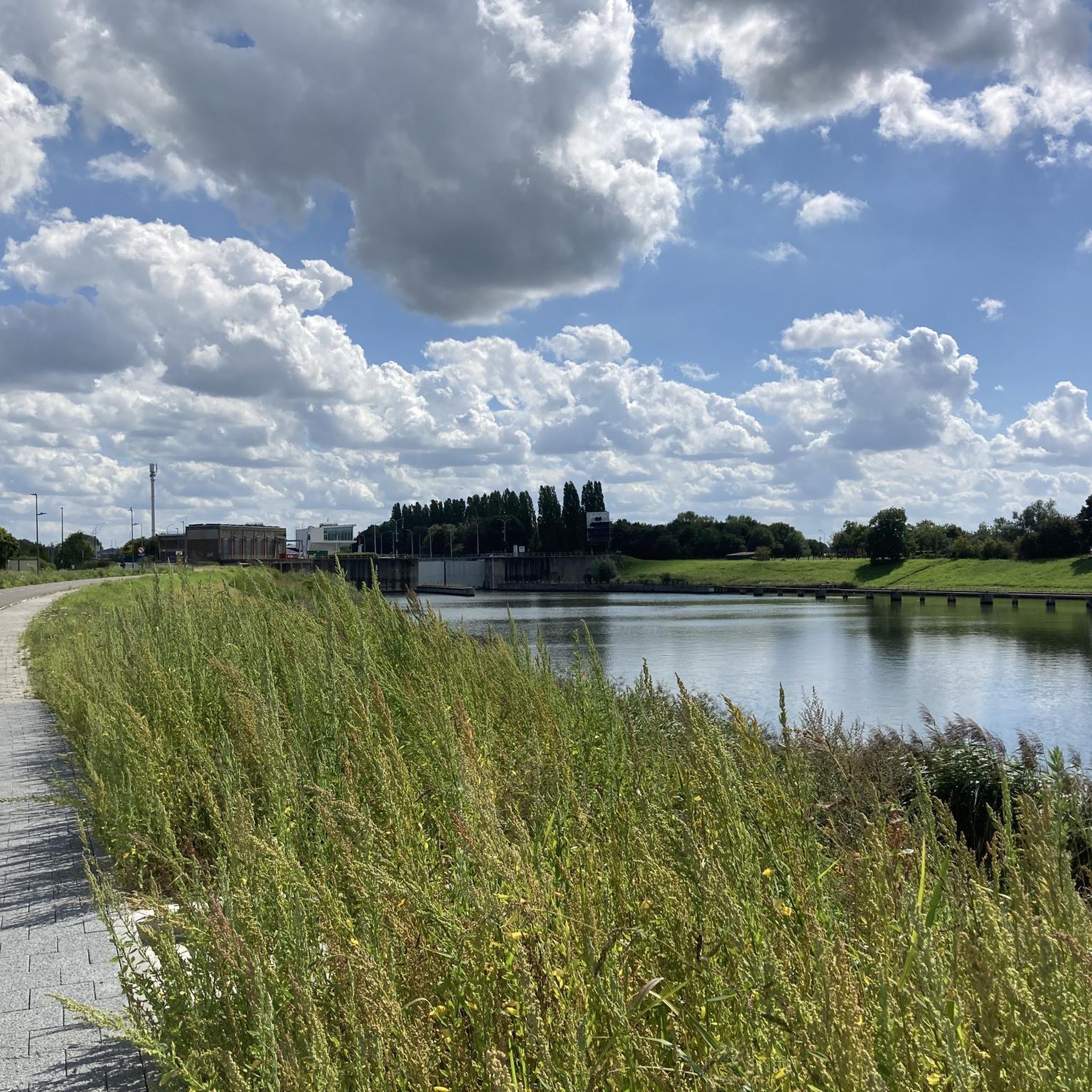
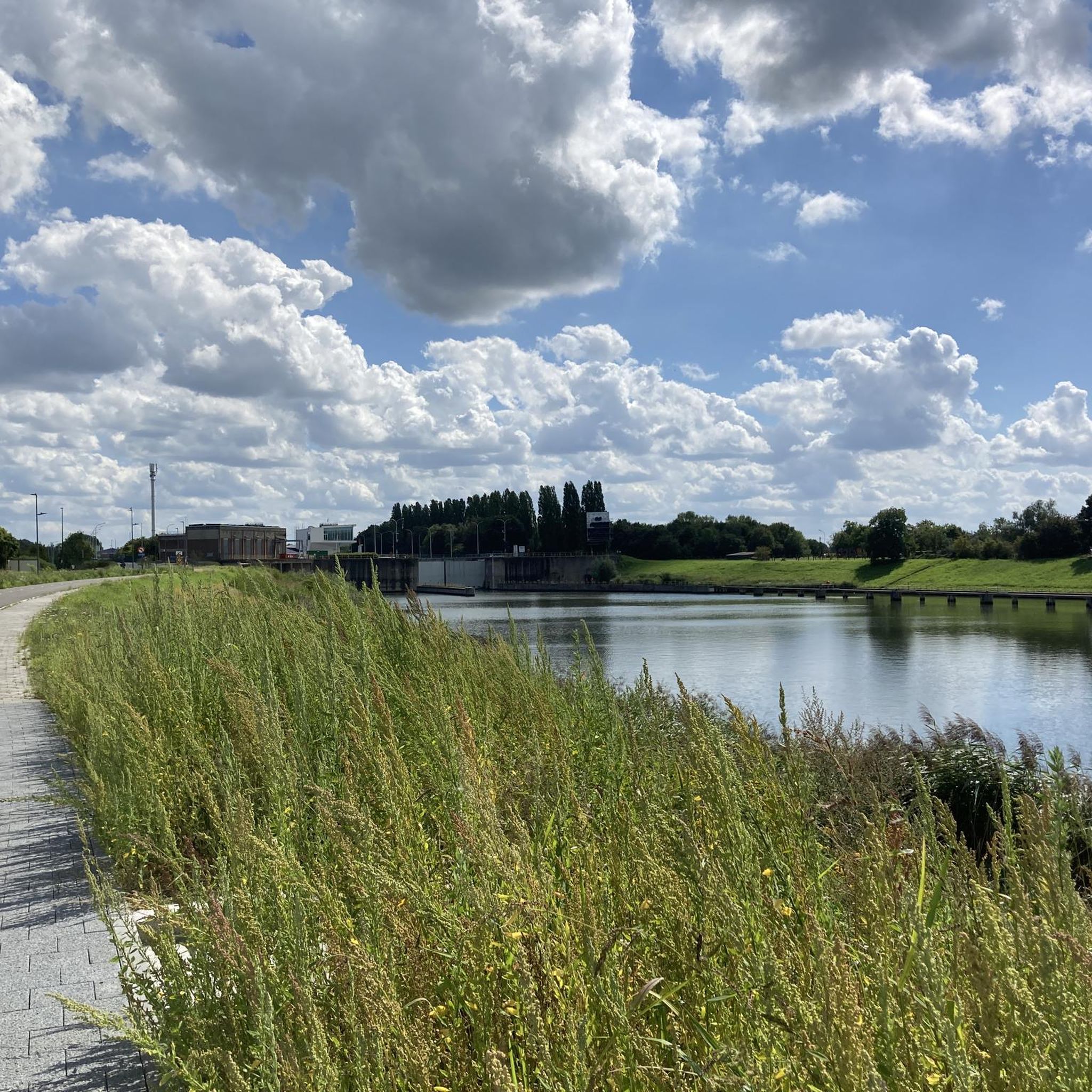
Confluence of the Dijle and Nete = Rupel
Highlight • River
Translated by Google •
Tip by

Meise Botanic Garden
Highlight • Natural
Translated by Google •
Tip by

Sign up now to discover places like this
Get recommendations on the best single tracks, peaks, & plenty of other exciting outdoor places.
Geographical Center of Flanders
Highlight • Monument
Translated by Google •
Tip by

The Putten van Lacourt
Highlight • Lake
Translated by Google •
Tip by

Hennenput Pond, Buggenhoutbos
Highlight • Lake
(Nature point)
Translated by Google •
Tip by
Sign up for free to discover even more natural monuments around Kapelle-Op-Den-Bos.
Already have an account?
Start today with a free account
Your next adventure awaits.

Tips from the Community

It is good to know where the center is in Flanders. Well, this is not the political center of Flanders, but the geographical center.
5
1

The geographical centre of Flanders was determined by students of the Faculty of Applied Sciences of the University of Leuven. Using GPS measurements and with the help of mathematics teacher Prof. Theo Van der Waeteren, the centre was determined in 1999: it is located in the far corner of East Flanders, a few dozen metres from the previously determined "three-province point" (East Flanders, Antwerp and Flemish Brabant). Just a few metres from the territory of Sint-Amands, it is just in Opdorp, a sub-municipality of Buggenhout. The coordinates are: 51° 2′ 16″ N, 4° 14′ 26″ E. A monument was placed at this point in 2003.
2
0

Today Komoot was asked to change the name of this Highlight to Hennenput.
11
0

The geographical center of Flanders was determined by students from the Faculty of Applied Sciences of the University of Leuven. The center was determined in 1999[source?] via GPS measurements and with the help of the mathematics teacher: it is located in the furthest corner of East Flanders, a few tens of meters from the previously determined "three-province point" (East Flanders, Antwerp and Flemish Brabant). It is just a few meters away from the territory of Sint-Amands in Opdorp, a sub-municipality of Buggenhout. The coordinates are: 51° 2′ 16″ N, 4° 14′ 26″ E. In 2003 a monument was placed at this point.
5
0
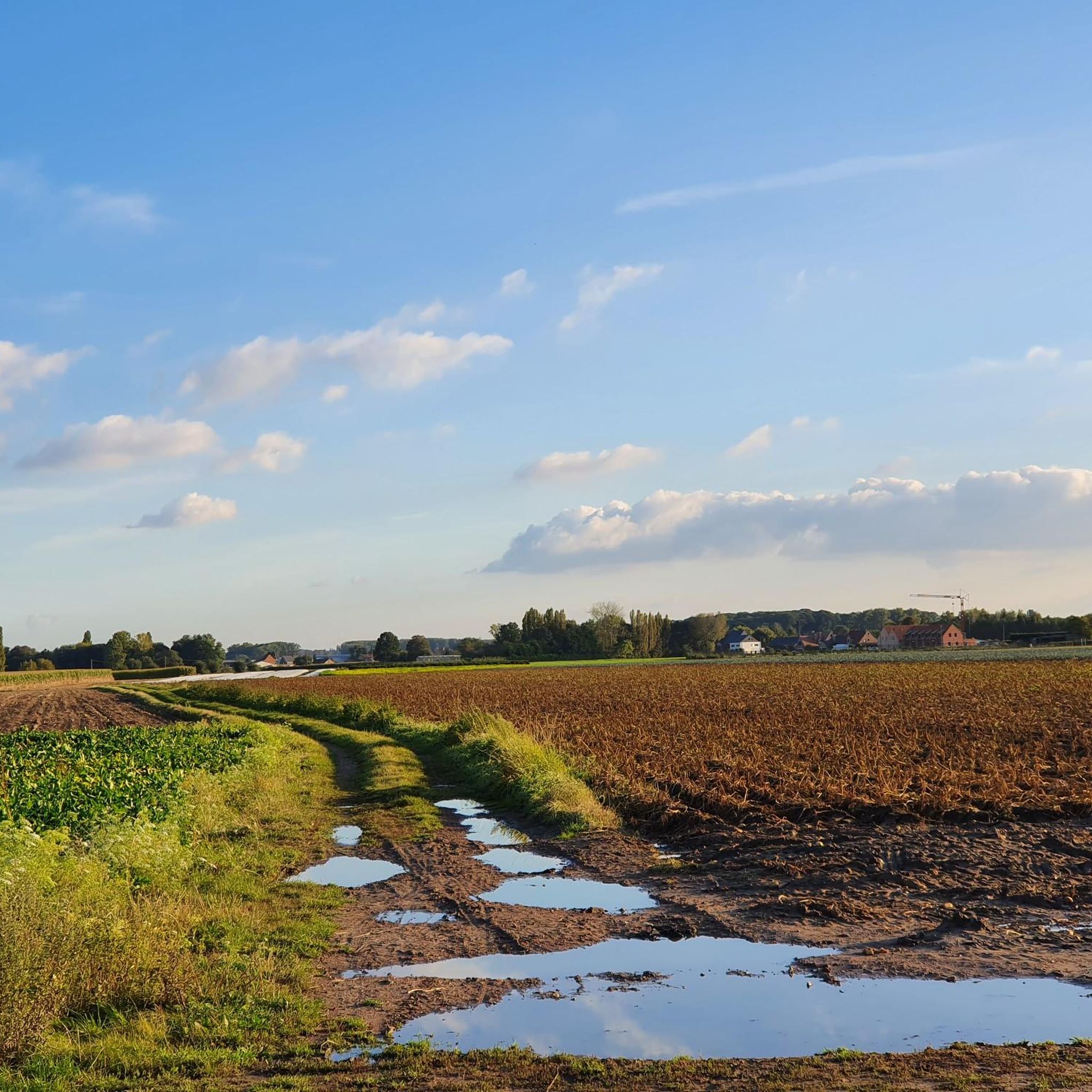
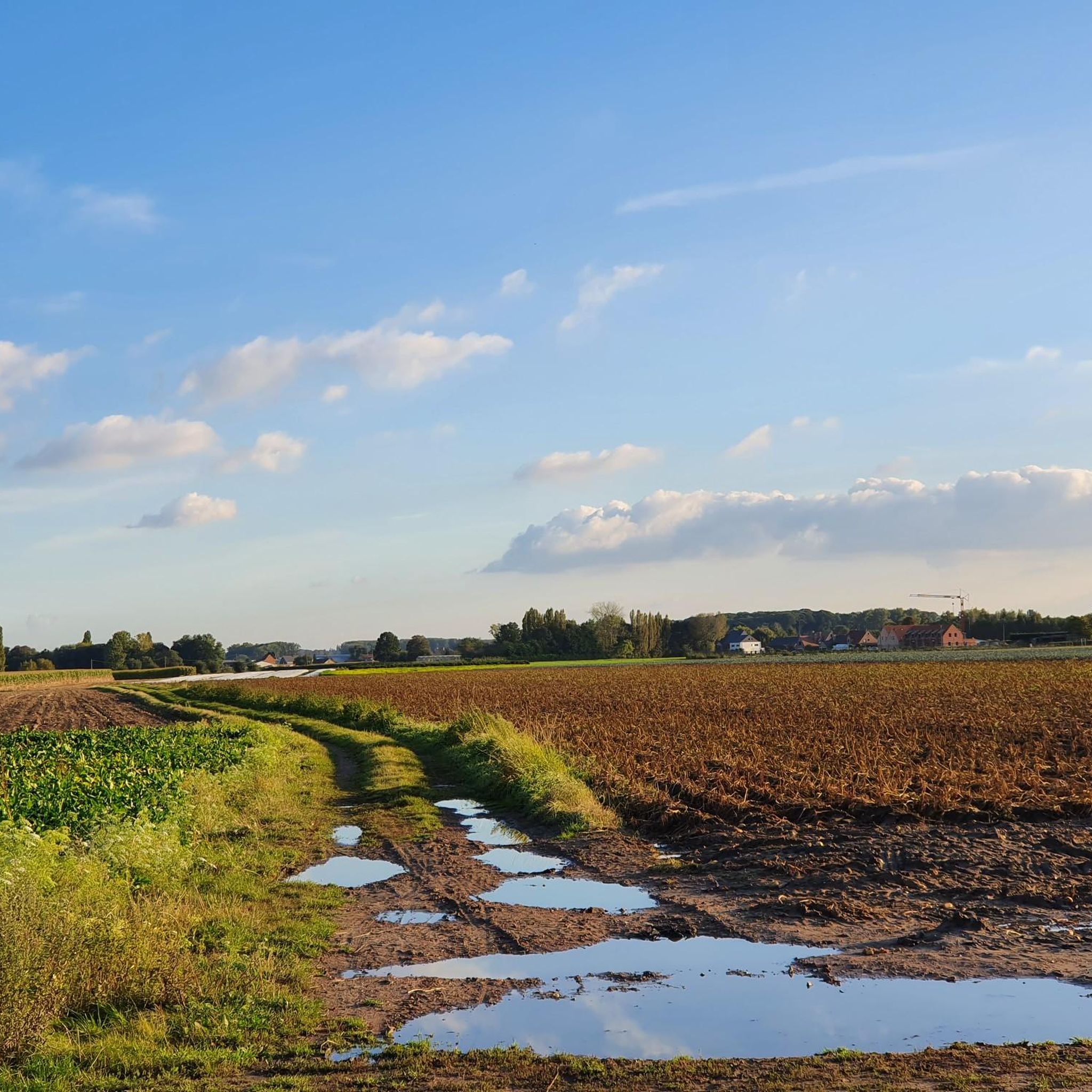
The Henneput, the largest water feature, is an attraction for almost all animals, a spawning ground for toads and frogs in the spring, a moment of relaxation for many hikers. (Nature point)
18
0
Resting on the benches can be good.
11
0

Beautiful water lilies, dragonflies, but dirty brownish water
5
2

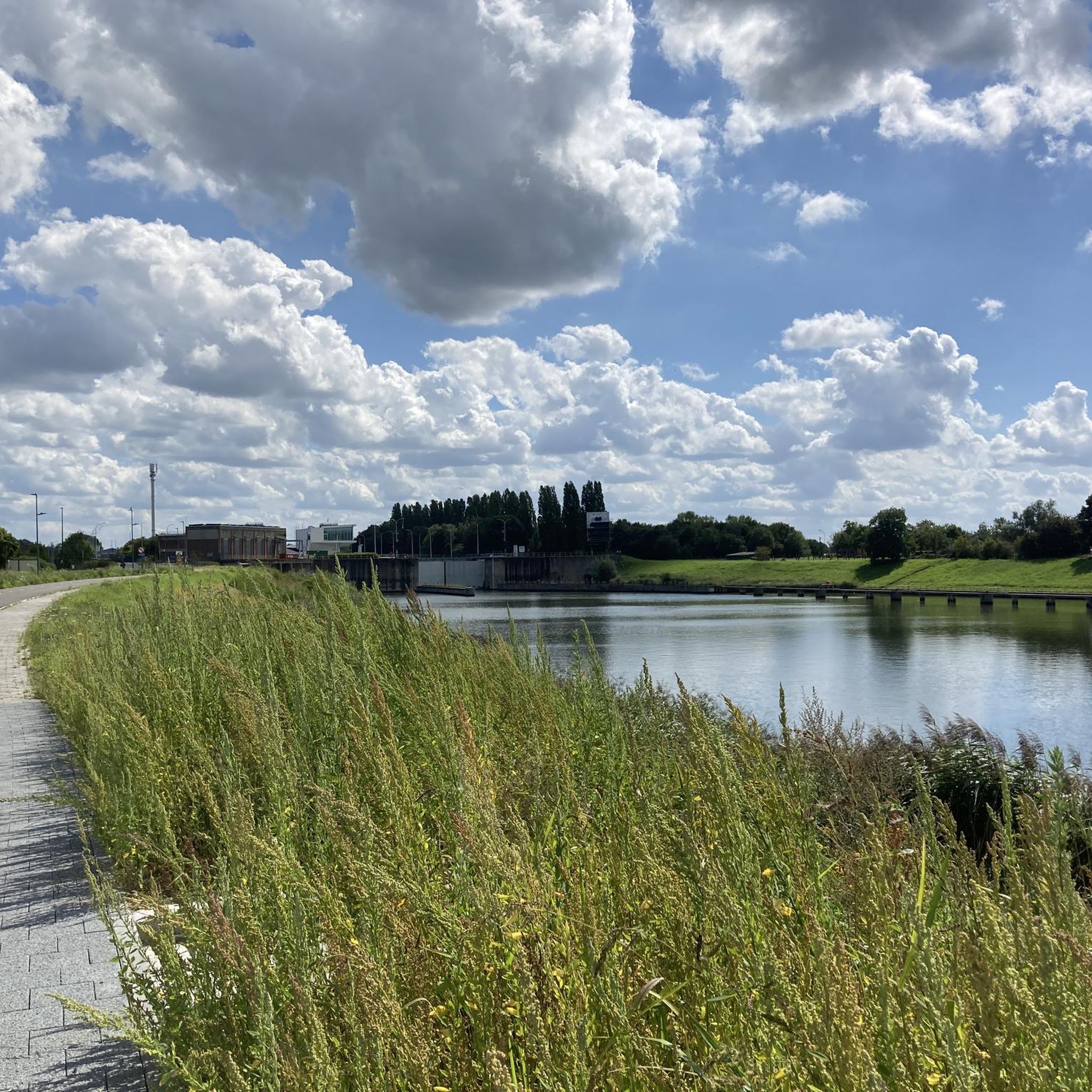
The "Samenvloeiing van Dijle en Nete = Rupel" is a place in Belgium which is located where the rivers Dijle and Nete join to form the river Rupel. It is located in the Flemish region, in the province of Antwerp, in the city of Rumst. This site is known for its natural beauty and for being a meeting point between the waters of the two rivers. The confluence of the rivers creates a striking and fascinating landscape, with large expanses of water joining and mixing. The area around the Samenvloeiing van Dijle en Nete = Rupel also offers opportunities to enjoy the surrounding nature, with scenic trails and green areas that invite for walks and hikes. It's a popular spot with nature lovers and those looking to spend time outdoors.
5
0
Frequently Asked Questions
What types of natural monuments can I explore around Kapelle-Op-Den-Bos?
The region around Kapelle-Op-Den-Bos offers a diverse range of natural monuments, including significant river confluences, serene lakes, extensive botanical gardens, and unique natural landmarks. You can experience everything from flood areas that are vital for local ecology to historical parklands and individual ancient trees.
Are there any notable river confluences or water features to visit?
Yes, a prominent water feature is the Confluence of the Dijle and Nete = Rupel, where these two rivers meet to form the Rupel, Belgium's shortest river. This site offers striking views of the converging waters. Another serene spot is The Putten van Lacourt, a lake popular for enjoying the surrounding nature, especially on weekends.
Can I visit botanical gardens in the Kapelle-Op-Den-Bos area?
Absolutely. The Meise Botanic Garden is a must-see. It's one of Europe's largest and most biodiverse botanical gardens, featuring diverse plant collections and historical buildings. It offers year-round botanical displays, including impressive greenhouses for winter visits and light installations during the winter idyll.
Are there family-friendly natural sites around Kapelle-Op-Den-Bos?
Many natural monuments in the area are suitable for families. The Confluence of the Dijle and Nete = Rupel and the Meise Botanic Garden are both categorized as family-friendly. The Zennegat Flood Area also offers accessible paths and interesting natural observations for all ages.
What outdoor activities can I do near these natural monuments?
The region offers a variety of outdoor activities. You can find numerous cycling routes, including those for touring bicycles and road cycling, as well as mountain biking trails. For example, you can explore routes like the 'Cycle path along the Zenne – Zennegat loop' or the 'Juleskesroute - Red Loop'. You can find more details on these activities in the Cycling around Kapelle-Op-Den-Bos guide, the Road Cycling Routes around Kapelle-Op-Den-Bos guide, or the MTB Trails around Kapelle-Op-Den-Bos guide.
What is the best time of year to visit the natural monuments?
The natural monuments around Kapelle-Op-Den-Bos can be enjoyed year-round. For instance, the Meise Botanic Garden offers vibrant displays even in winter, with heated greenhouses and special light installations. Generally, spring and autumn provide pleasant temperatures for outdoor exploration, while summer is ideal for enjoying water features like The Putten van Lacourt.
Are there any unique natural or geographical landmarks in the region?
Yes, beyond typical natural sites, you can visit the Geographical Center of Flanders. This unique spot, marked by a monument, is located in Opdorp and offers an interesting geographical point of interest. Additionally, the region research highlights a 'Solitaire opgaande wintereik in weiland' (solitary upright winter oak) near Bosbeekstraat in Nieuwenrode, appreciated for its grandeur and resilience.
What makes the Zennegat Flood Area significant?
The Zennegat Flood Area is a controlled flood zone crucial for safety in the Rivierenland region and for preserving valuable nature. It features gullies, mudflats, and salt marshes, creating an ideal habitat for rare plants and animals. It also offers beautiful views between the Canal Leuven-Mechelen and the Dyle, with informative boards about its history.
Are the natural monuments around Kapelle-Op-Den-Bos dog-friendly?
While specific rules vary by location, many natural outdoor areas in Kapelle-Op-Den-Bos, such as forests and open paths, are generally dog-friendly, often requiring dogs to be on a leash. For specific sites like the Meise Botanic Garden, it's advisable to check their official website for current pet policies before your visit.
What do visitors enjoy most about the natural monuments in this area?
Visitors particularly appreciate the tranquil natural environments and the diverse landscapes. The confluence points offer striking scenery, while places like The Putten van Lacourt are cherished for their serene setting. The Meise Botanic Garden is highly rated for its extensive plant collections and historical elements, providing a rich experience for nature lovers and those seeking peaceful walks.
Are there historical parklands among the natural monuments?
Yes, the region boasts historical parklands that combine natural beauty with historical elements. Examples from local research include the 'Park van het Kasteel van Houtem', a largely wooded domain around a medieval castle mound, and the 'Park van het landhuis Koningsteen', a landscape-style park established around 1900. These offer picturesque settings for strolls and a chance to observe mature trees and cultivated nature.
How can I access these natural monuments, and are there parking options?
Access to the natural monuments varies. Many are reachable by car, with parking often available nearby, especially for larger attractions like the Meise Botanic Garden. Public transport options may also be available for some locations. For specific details on parking and public transport, it's best to check the individual highlight pages or local tourism information.
Most popular routes around Kapelle-Op-Den-Bos
Most popular attractions around Kapelle-Op-Den-Bos

Get inspired with the komoot mobile app


Explore more
Extend your search for the best caves by checking out these guides of the top ones around Kapelle-Op-Den-Bos:
