Top 20 Natural Monuments around Temse
Best natural monuments around Temse are defined by the confluence of the Scheldt and Durme rivers, which create distinctive tidal landscapes. The area features unique ecological zones, including restored marshlands and flood control areas that support rare biotopes. These natural spaces provide opportunities for observing diverse flora and fauna, contributing to their ecological significance.
Best natural monuments around Temse
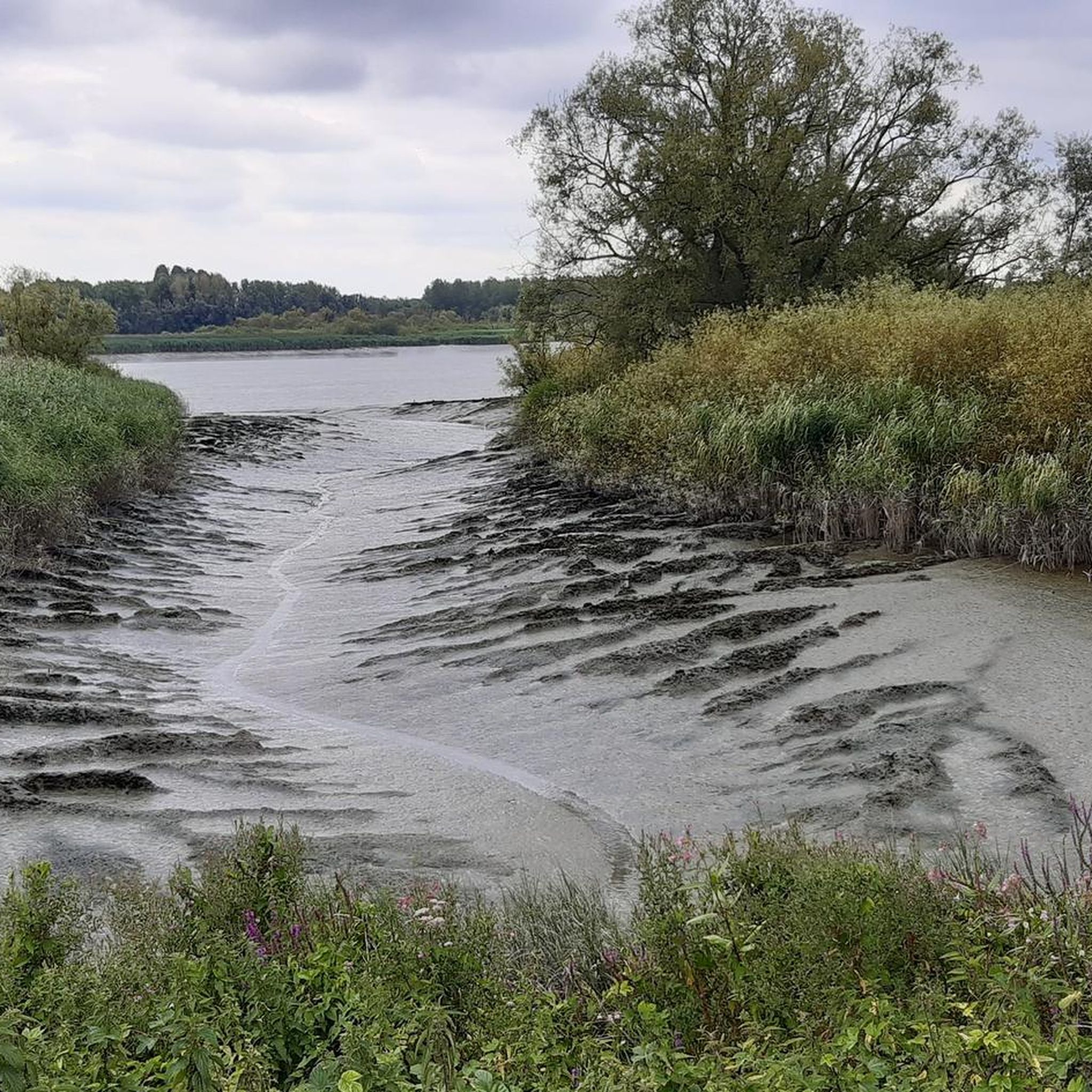
- The most popular natural monuments is Benedenvliet - Schelle, a river that historically served as an important watercourse. This location…
Last updated: August 8, 2026
Geographical Center of Flanders
Highlight • Monument
Translated by Google •
Tip by

Benedenvliet - Schelle
Highlight • River
Translated by Google •
Tip by

Sign up now to discover places like this
Get recommendations on the best single tracks, peaks, & plenty of other exciting outdoor places.
Sign up for free
Beautiful view of Hof te Melis
Highlight • Castle
Translated by Google •
Tip by
Molsbroek Nature Reserve
Highlight • Natural Monument
Translated by Google •
Tip by

Hingenewiel
Highlight • Lake
Translated by Google •
Tip by
Sign up for free to discover even more natural monuments around Temse.
Sign up for free
Already have an account?
Start today with a free account
Your next adventure awaits.
Login or Signup
Popular around Temse
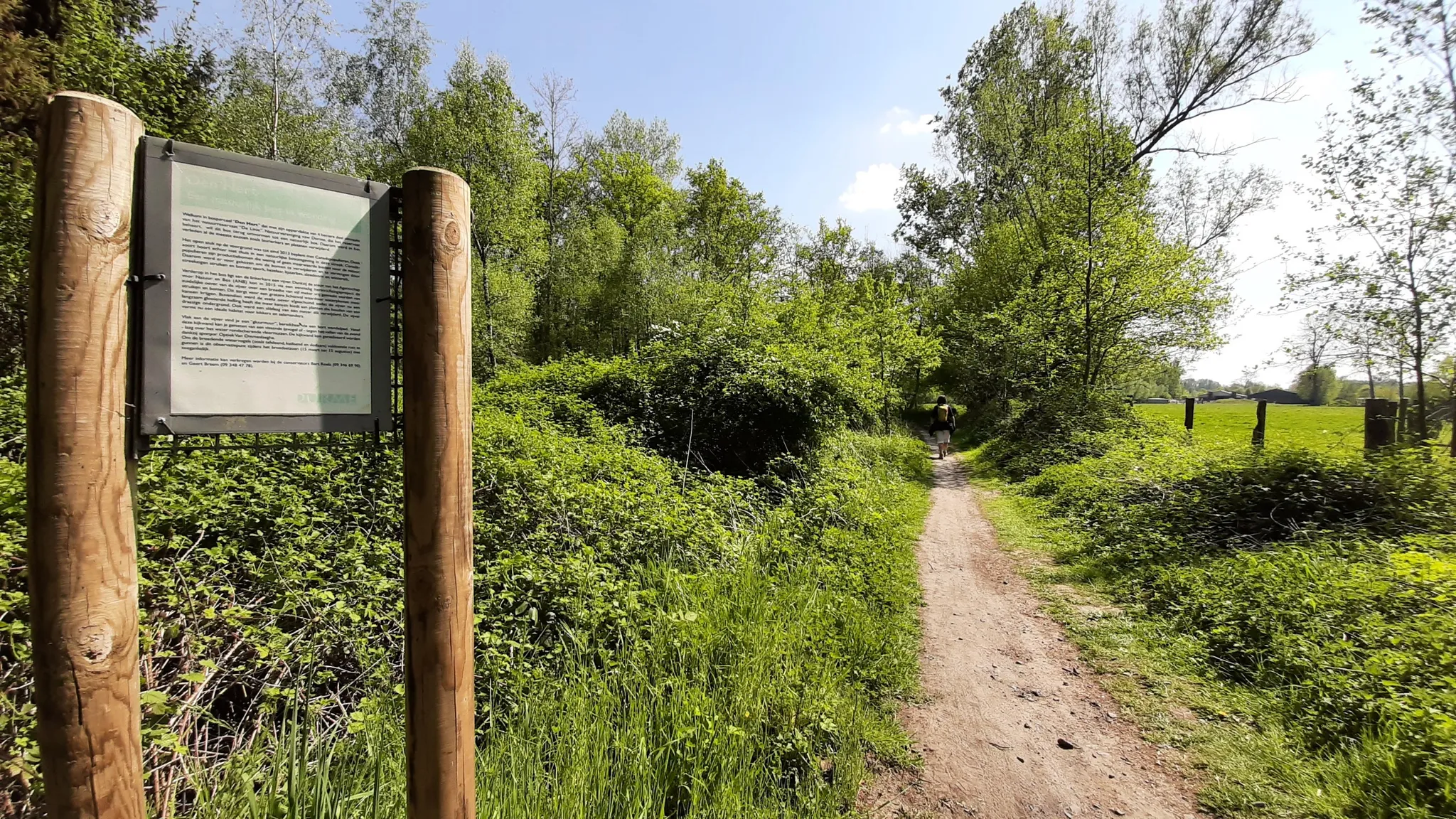
In the footsteps of den vos Reynaerde – Streek-GR Waas- en Reynaertland
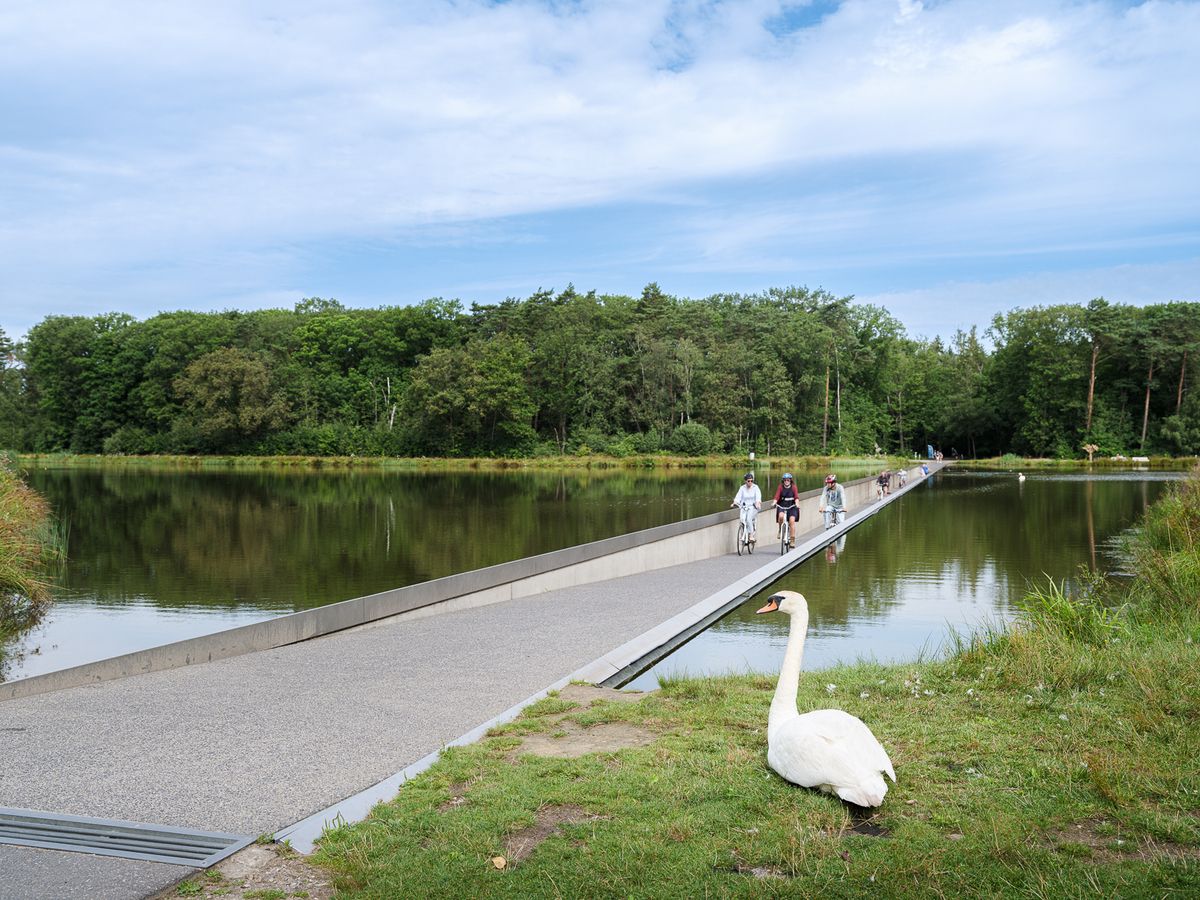
Flanders' Finest Cycle Routes: routes to discover Flemish nature and heritage
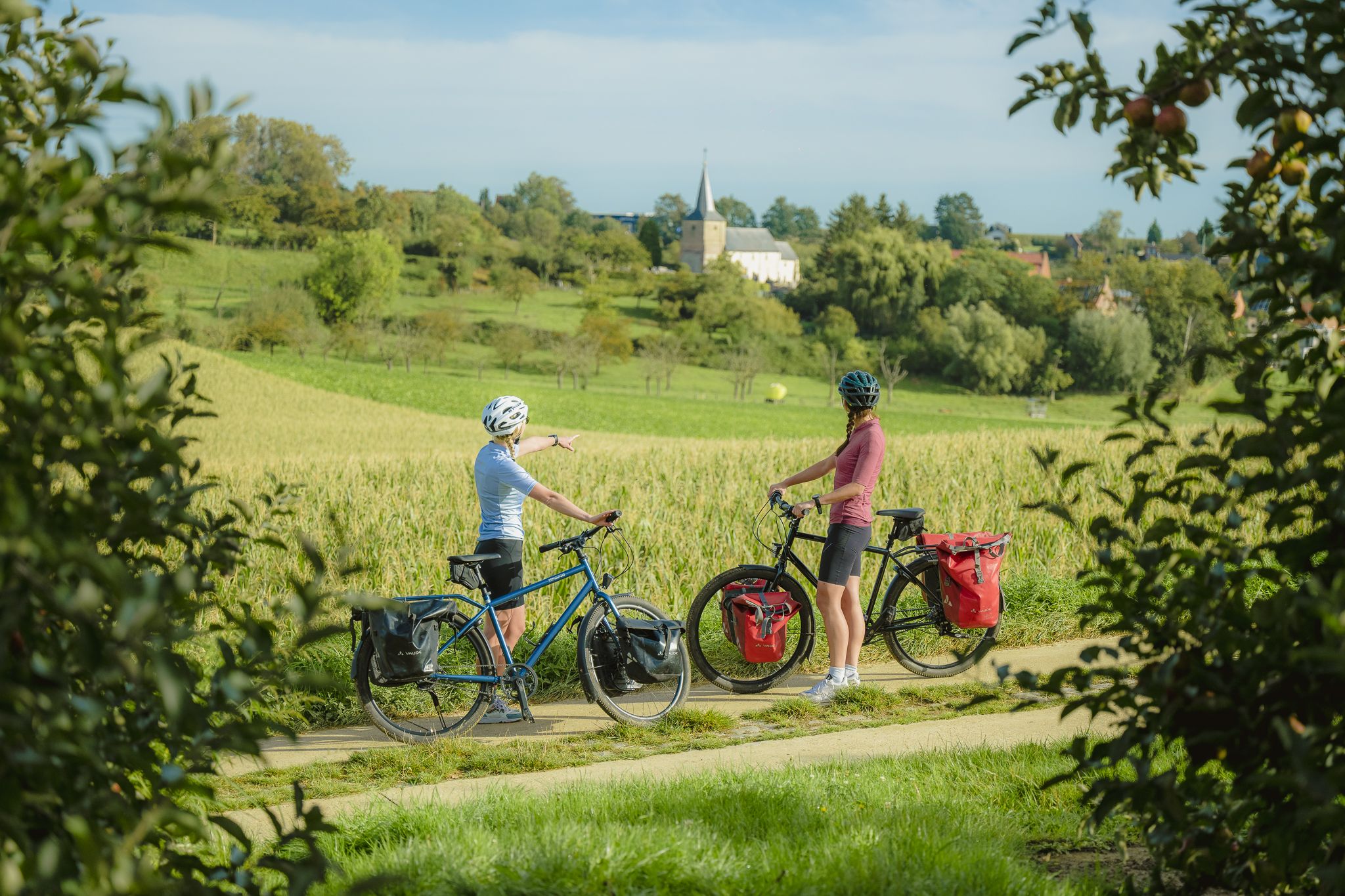
The best of Flanders — the Flanders Route
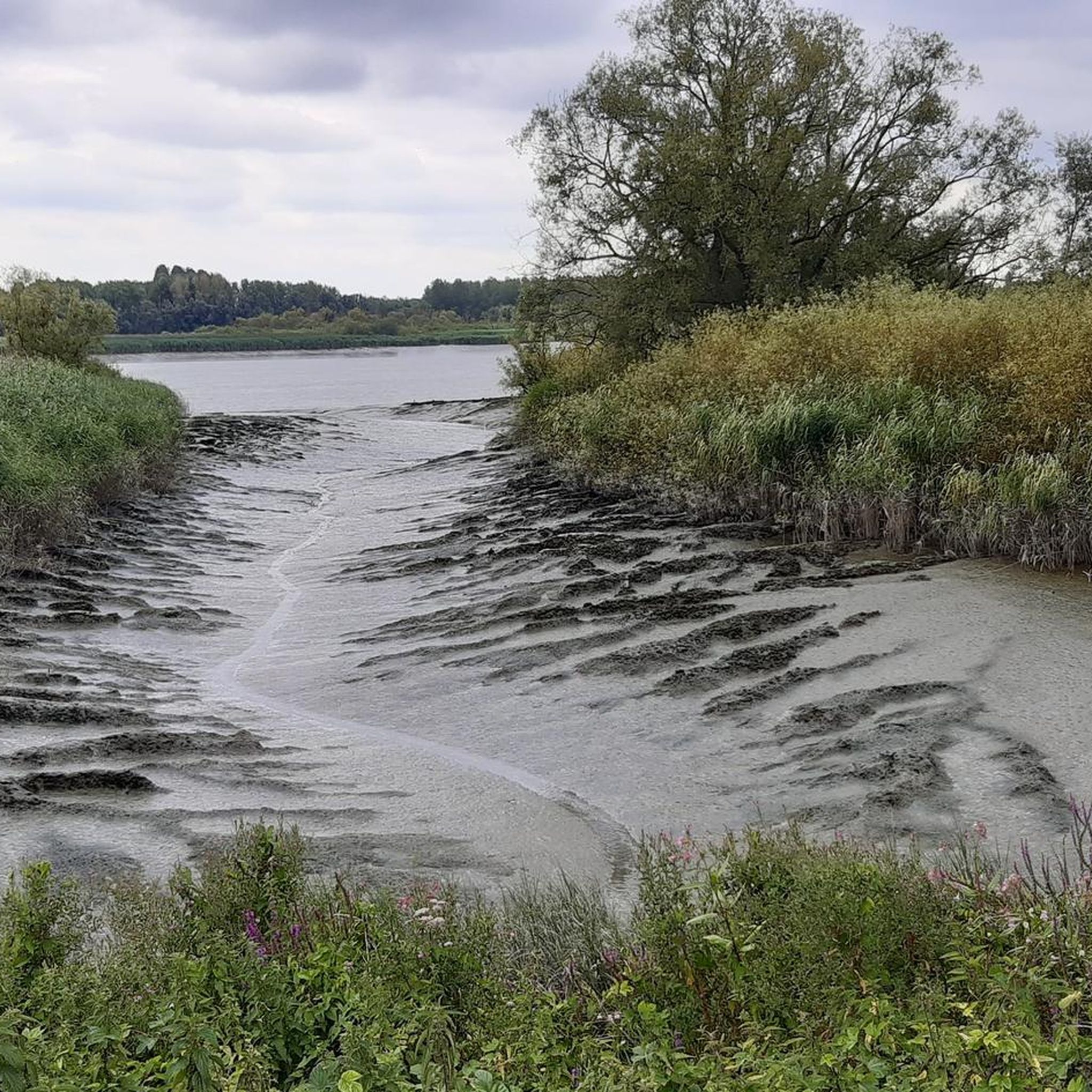
Cycling around Temse
Hiking around Temse
Road Cycling Routes around Temse
Running Trails around Temse
MTB Trails around Temse
Gravel biking around Temse
Other adventures around Temse


Tips from the Community

Simply beautiful castle and forest
2
1

When you think of nature in Lokeren, you immediately think of the Molsbroek! It is the largest protected nature reserve (more than 80 hectares) in the region. Many visitors seek out the peaceful watery landscape. Enjoy at your own pace.
1
0
It is good to know where the center is in Flanders. Well, this is not the political center of Flanders, but the geographical center.
5
1

Cycling along two nature reserves: Molsbroek and the Buylaerts...
0
0

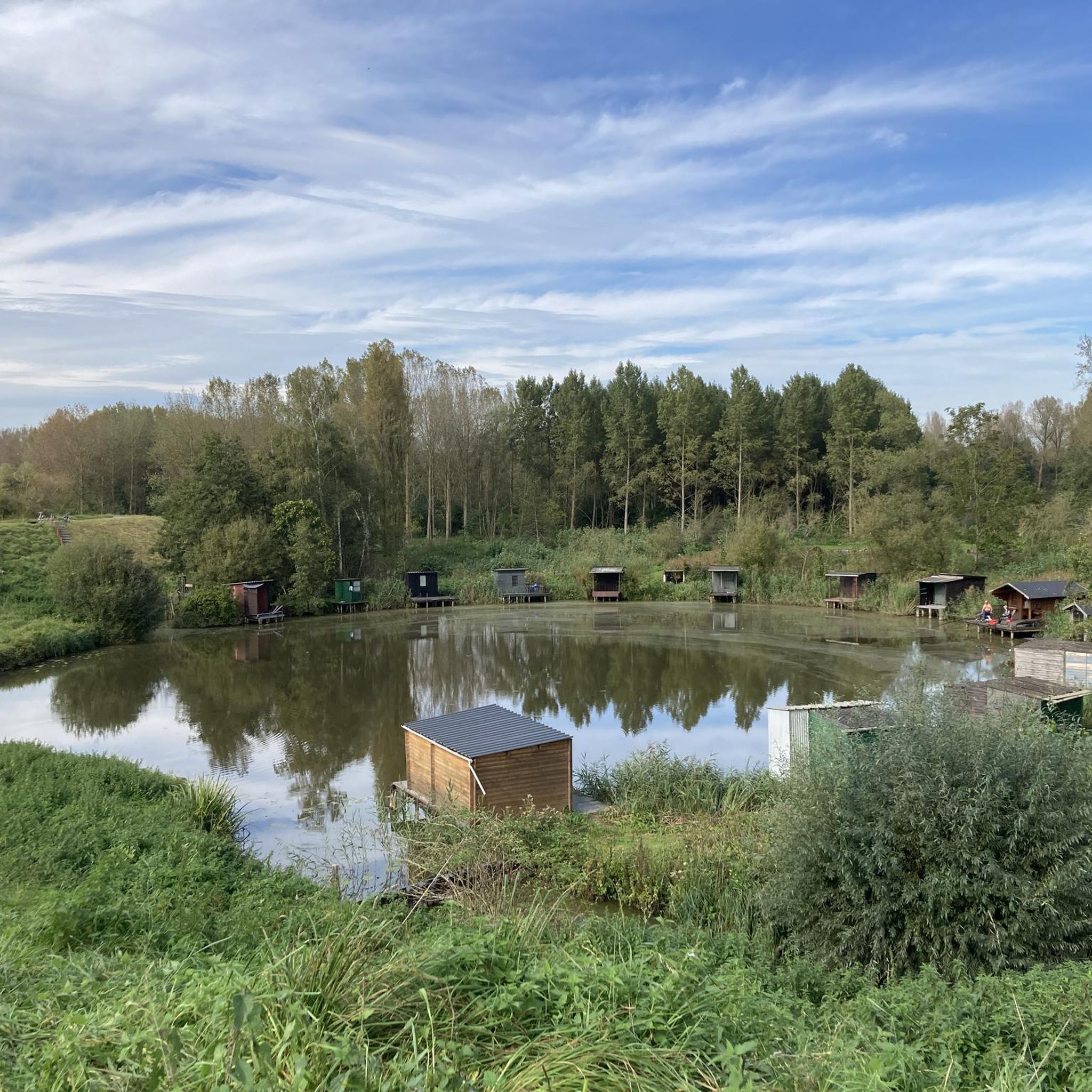
The wheel is privately owned, but you walk right past it (on the Victor De Witstraat). No one knows for sure how the Hingenewiel was formed. We know that the Spierenbroek flooded around 1552. After failed attempts to close the Spierenbroekgat, the other polders flooded in November 1554, because the pladderdijk broke. We suspect that this is how the Hingenewiel was formed. A pladderdijk is a cross dike that runs from the stream through the polder (so not along the river). This large wheel was originally even larger, probably the Ketelwiel used to be part of this wheel. In the middle of this wheel was an island with a tower on it. The Hingenewiel became smaller due to natural silting up. Kingfisher, grebe, coot, moorhen, gadwall and shelduck breed here, among other things. But you can also admire fire damselfly, ostrich fern and yellow water lily here. (Regional Landscape Schelde-Durme)
11
0

The geographical centre of Flanders was determined by students of the Faculty of Applied Sciences of the University of Leuven. Using GPS measurements and with the help of mathematics teacher Prof. Theo Van der Waeteren, the centre was determined in 1999: it is located in the far corner of East Flanders, a few dozen metres from the previously determined "three-province point" (East Flanders, Antwerp and Flemish Brabant). Just a few metres from the territory of Sint-Amands, it is just in Opdorp, a sub-municipality of Buggenhout. The coordinates are: 51° 2′ 16″ N, 4° 14′ 26″ E. A monument was placed at this point in 2003.
2
0

Beautiful view of Hof te Melis. The winter months and spring offer the most beautiful views of the old Hof te Melis. Hof te Melis is a protected landscape due to its scientific, historical, and aesthetic value. It is a castle with a moat. The castle is built in the Neo-Renaissance style. A turbulent historical past... Before the First World War, the castle consisted of a forecourt, surrounded by outbuildings and with access to a courtyard. When the German army entered Lippelo in 1914, the domain was occupied by the invaders. It then came under fire from Fort Bornem. Hof te Melis partially burned down. It was rebuilt in 1920, deviating from the original floor plan. The outbuildings and gatehouse remain intact. At this location, you can thus glimpse a powerful past.
5
0
Frequently Asked Questions
What kind of natural monuments can I expect to find around Temse?
Temse's natural monuments are primarily shaped by the confluence of the Scheldt and Durme rivers, offering unique tidal landscapes. You'll find restored marshlands, flood control zones, and areas with significant ecological value. These spaces provide opportunities to observe diverse flora and fauna, making them ecologically important.
What are some unique natural features in the Temse area?
The most unique features are the tidal nature areas along the Scheldt and Durme rivers. Projects like LIFE Sparc and the Sigma Plan are creating new flood control zones, developing rare tidal nature. This includes restored marshlands such as Klein Broek and Groot Broek, which offer impressive tidal panoramas and unique biotopes like alder forests and freshwater mudflats.
Are there specific nature reserves worth visiting near Temse?
Yes, several nature reserves are notable. The Oude Durme Nature Reserve is a young reserve known for its historical reed fields and rare plant species. While not directly in Temse, the nearby Polders of Kruibeke are Flanders' largest flood plain, offering extensive natural beauty with mudflats, salt marshes, and diverse wildlife. De Roomkouter Nature Reserve in Temse is also highlighted for its breathtaking hiking trails and biodiversity.
What wildlife can I observe in Temse's natural areas?
The tidal ecosystems and nature reserves around Temse are rich in wildlife. You can often spot various waterbirds, dragonflies, and other insects. In larger areas like the Polders of Kruibeke, there's a chance to see deer, beavers, and potentially otters, alongside a wide array of meadow and water birds.
Are there natural monuments with historical significance around Temse?
Absolutely. Benedenvliet - Schelle, a river that historically served as an important watercourse, still holds remnants of a 1577 fort. Additionally, sites like Beautiful view of Hof te Melis and Hof ter Saksen Castle are protected landscapes or estates with rich historical backgrounds, offering a blend of nature and heritage.
Are there family-friendly natural monuments or activities in Temse?
Many natural areas around Temse are suitable for families. The Oude Durme Nature Reserve and Hof ter Saksen Castle, with its public educational nature park, walking paths, and arboretum, are great options. The levees along the Scheldt and Durme rivers also provide easy walking and cycling paths for all ages to enjoy the tidal panoramas.
What outdoor activities can I do near these natural monuments?
The region around Temse is excellent for various outdoor activities. You can enjoy cycling along the rivers, with routes like the 'Go with the flow cycling route' or the 'Esplanade - Sint-Amands Quay – Temse Scheldt Bridge loop from Temse'. For running, there are trails such as the 'Running loop from Tielrode' or the 'View of Temse – Temse Bridge loop from Temse'. Find more details on these activities in the cycling, running, and road cycling guides for Temse.
Are there specific trails for hiking or cycling along the rivers?
Yes, the levees along the Scheldt and Durme rivers offer excellent opportunities for both hiking and cycling. These paths provide scenic views of the tidal landscapes and are ideal for observing nature. De Roomkouter Nature Reserve is also known for its hiking trails, allowing you to explore local biodiversity.
What is the best time of year to visit Temse's natural monuments?
Spring and autumn are generally ideal for visiting Temse's natural monuments, as the weather is pleasant for outdoor activities and nature is vibrant. The winter months can also offer unique views, especially of historical sites like Hof te Melis, when foliage is sparse, providing clearer sightlines.
Is the Geographical Center of Flanders considered a natural monument?
While primarily a man-made monument marking a geographical point, the Geographical Center of Flanders is located in a natural setting near the Lippelobos. It's recognized for its unique geographical significance and offers a viewpoint within the broader natural landscape of the region.
Are there any natural monuments that are good for birdwatching?
Yes, Benedenvliet - Schelle is an excellent spot for birdwatching, as it functions as a holding basin and a perfect breeding area for many water birds. The Oude Durme Nature Reserve and the Polders of Kruibeke also attract a rich diversity of meadow and water birds, making them prime locations for bird enthusiasts.
Most popular attractions around Temse

Get inspired with the komoot mobile app


Explore more
Extend your search for the best caves by checking out these guides of the top ones around Temse:
